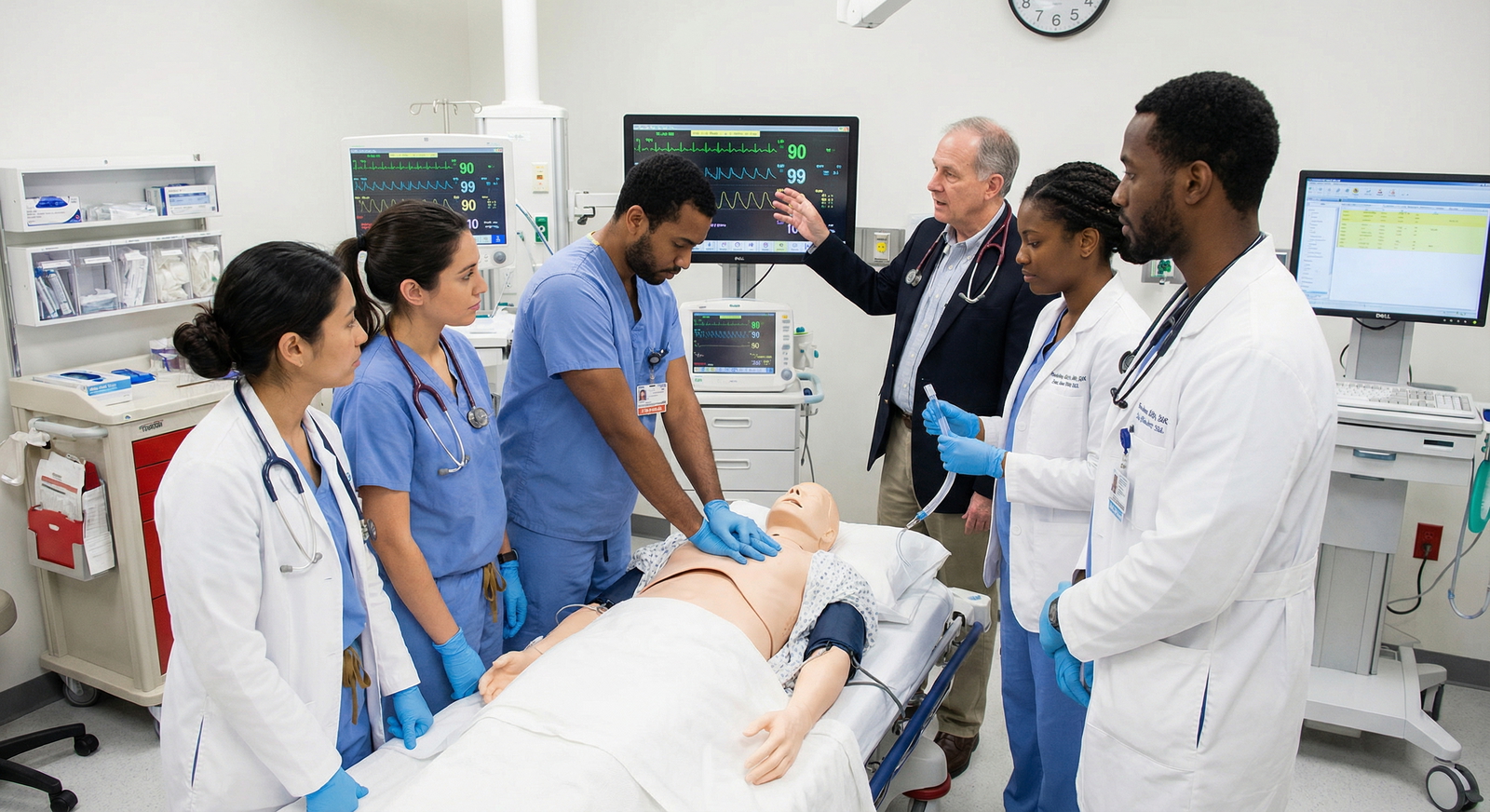
New York City is one of the most competitive and exciting places to train as a physician. For a Caribbean international medical graduate (IMG), the combination of opportunity and competition in NYC can be both motivating and intimidating. One of the most powerful tools you have to improve your odds—while still aiming for the city you want—is geographic flexibility.
This article explains how to use geographic flexibility strategically as a Caribbean IMG who ultimately wants to match into New York City residency programs. We’ll focus on practical, step‑by‑step advice tailored to applicants from Caribbean schools (including SGU, Ross, AUC, etc.), with a special look at the SGU residency match experience and similar pathways.
Understanding Geographic Flexibility in the Match
Geographic flexibility in the residency match means being willing to train in more than one specific city or region, even if you have a clear favorite location (like New York City). It doesn’t mean “giving up” on NYC; it means building multiple pathways that can still lead back to New York City for later training or practice.
Why It Matters So Much for Caribbean IMGs
Caribbean medical school residency outcomes are highly dependent on:
- Step scores and clinical performance
- Visa and citizenship status
- Program familiarity with your school (e.g., SGU, Ross, AUC, Saba)
- Perceived competitiveness of your application
- The number and types of programs you apply to—especially geographically
Because NYC is so popular, many applicants—US MDs, US DOs, and IMGs—focus almost exclusively on New York City residency. That crowding makes it risky to apply only to NYC unless you are an exceptionally strong candidate.
For most Caribbean IMGs, a smarter approach is:
“NYC is my priority, but I’ll strategically apply and interview across multiple regions so I maximize my chance of matching somewhere solid—and still keep a path to New York later.”
Key Concepts: Geographic vs Regional vs Location Flexibility
You’ll hear several related terms:
- Geographic preference residency – Your stated preference for where you want to train (e.g., New York City, Northeast, Mid-Atlantic).
- Regional preference strategy – A deliberate plan to target clusters of programs across certain regions, not just one city.
- Location flexibility match – A match strategy that balances preferred locations with “backup” regions to protect against going unmatched.
You are not choosing between NYC or flexibility. The real question is:
How can you target NYC while still building a broad, safe, and strategic list?
Step 1: Clarify Your True NYC and Regional Priorities
Before building your application list, be absolutely clear with yourself about:
- How important is New York City compared with simply matching somewhere?
- How much flexibility are you honestly willing to have in PGY-1 and PGY-2?
- What is your long-term goal: staying in NYC, returning later, or staying flexible throughout your career?
Distinguish NYC From “Greater New York”
Many applicants say “I want New York” but actually mean very different things. Clarify:
- New York City proper – Manhattan, Brooklyn, Queens, the Bronx, Staten Island
- Immediate metro / commuter areas – Long Island, Westchester, northern New Jersey, parts of Connecticut
- Broader New York State – Upstate cities (Buffalo, Rochester, Syracuse, Albany, etc.)
For your strategy, separate programs into at least three layers:
- Core NYC programs – Within the five boroughs
- Greater NYC metro programs – NJ, Long Island, Westchester, Conn. within commuting range or similar lifestyle
- Non-NYC regions – Other parts of New York State and other states/regions
This lets you decide how many applications will target each layer.
Define Your “Must-Haves” and “Nice-to-Haves”
Use this checklist to clarify your priorities:
Must-haves (non-negotiable)
- Specialty (e.g., Internal Medicine vs Family Medicine)
- Visa support (if required)
- ACGME accreditation
- Reasonable chance of ranking enough programs to avoid going unmatched
Nice-to-haves (flexible)
- Exact borough or neighborhood
- Academic vs community setting
- Specific hospital brand name
- Proximity to certain family or friends
- New York City vs other urban centers (e.g., Philadelphia, Baltimore, Chicago)
Write these down. It will be easier to make rational choices later when emotions and peer pressure kick in.
Step 2: Know Where Caribbean IMGs Actually Match
Understanding realistic patterns helps you use geographic flexibility intelligently.
Common Trends for Caribbean Medical School Residency Outcomes
Especially for schools like SGU, Ross, AUC, and others:
- Many match in Internal Medicine, Family Medicine, Pediatrics, Psychiatry, and Transitional Year programs.
- A significant portion match in New York, New Jersey, and the broader Northeast, but not always in NYC itself.
- A substantial number also match in the Midwest and South, where programs may be more open to IMGs and less saturated.
The SGU residency match data, for example, often show:
- High numbers of matches in NY and NJ overall
- A mix of academic, community, and hybrid programs
- Many graduates starting training outside NYC and later moving for fellowship or jobs, including into New York City residency or practice settings
If your school publishes match lists, study them carefully:
- Note which NYC residency programs have repeatedly taken graduates from your school
- Identify programs in surrounding regions (e.g., upstate NY, Pennsylvania, Connecticut) that reliably match Caribbean IMGs
- Look for patterns by specialty and applicant profile (US vs non-US citizen, higher vs lower scores)
This helps you distinguish programs that are truly IMG‑friendly versus those that just list “IMGs considered” on their websites.

Step 3: Build a Tiered, Regionally Balanced Program List
Your regional preference strategy should create a spectrum of competitiveness and geography. This is where geographic flexibility directly protects your match chances.
Stepwise Approach to Building Your List
Set a target number of applications
- Many Caribbean IMGs apply to 60–120+ programs, depending on specialty and competitiveness.
- For highly competitive specialties, the number may need to be higher, but you should also strongly consider adding a more IMG‑friendly specialty.
Segment your list into geographic tiers
A common structure for an NYC-focused Caribbean IMG might be:
- Tier 1: Core NYC residency programs (20–40% of your list)
- Mostly reach and target programs
- Includes places with prior Caribbean IMG matches and those aligned with your clinical rotation sites
- Tier 2: Greater NYC metro + Northeast (30–40%)
- New Jersey, Connecticut, Long Island, Westchester, and other Northeastern states
- Includes a mix of community and university-affiliated programs
- Tier 3: Other IMG‑friendly regions (20–40%)
- Midwest, South, some West Coast or Mountain states
- Programs known for taking IMGs and offering good training, even if you haven’t lived there before
- Adjust proportions based on your competitiveness
Stronger Caribbean IMG profile (e.g., high Step scores, no failures, strong US clinical letters, maybe US citizenship):
- You can afford a higher percentage of NYC and metro programs. Example:
- NYC core: 40–50%
- Greater NYC / Northeast: 30%
- Other regions: 20–30%
- You can afford a higher percentage of NYC and metro programs. Example:
Moderate or weaker profile (lower scores, gaps, failures, non-US IMG, visa needs):
- Lean more heavily on Tier 2 and Tier 3 to preserve match safety. Example:
- NYC core: 20–25%
- Greater NYC / Northeast: 35–40%
- Other regions: 35–45%
- Lean more heavily on Tier 2 and Tier 3 to preserve match safety. Example:
Example: Two Hypothetical Applicants
Applicant A: SGU grad, strong profile
- Step 2 CK: 245, no failures
- Multiple honors in core rotations at NYC affiliates
- US citizen, good research and leadership
Potential strategy:
- 45% NYC programs (prior SGU presence, strong academic/community sites)
- 35% Greater NYC / Northeast IM‑focused programs
- 20% Midwestern/Southern IMG‑friendly programs as true safety
Applicant B: Caribbean grad, moderate profile
- Step 2 CK: 222, one failed Step 1 attempt (now pass)
- Mixed grades, some US clinical experience in NY and NJ
- Needs J-1 visa sponsorship
Potential strategy:
- 25% NYC residency programs (prior Caribbean IMG matches, especially community programs)
- 35–40% Greater NYC / Northeast, including more community-based and smaller hospital systems
- 35–40% IMG‑friendly programs in the Midwest, South, and other regions known to sponsor J-1 visas
Both applicants are NYC-focused, but only Applicant A can safely lean more heavily on NYC core programs. Applicant B preserves NYC as a possibility while protecting against going unmatched.
Step 4: Use “Geographic Preference” Signals Wisely
ERAS and NRMP policies around signaling and geographic preference have evolved. Always check the most recent guidelines, but in general:
When and How to Indicate New York City Preference
- If you have the option to indicate geographic preference (e.g., Northeast or specific cities), listing NYC as a top preference can help—but it should match your overall strategy.
- Only express strong NYC preference if you have enough NYC-residency and nearby programs on your list to justify that claim. Programs can sense when a preference is not credible.
Avoid Overly Narrow Geographic Signals
If you signal “NYC only” but your application list also includes a wide variety of programs across the country, it may confuse some PDs. A more balanced approach:
- Emphasize: “I have strong ties and a long-term interest in the New York City area, but I am open to training in other regions that offer strong clinical exposure and diverse patient populations.”
This aligns with a location flexibility match strategy: you show genuine enthusiasm for NYC while remaining realistic and open.
Step 5: Tell a Geographic Story in Your Application
Your personal statement, experiences, and interviews should present a coherent geographic narrative:
Tie Yourself Authentically to New York City
If you want a New York City residency eventually, make that connection clear:
- Mention NYC clinical rotations, sub-internships, or electives
- Discuss NYC volunteer work, community engagement, or family ties
- Highlight how NYC’s diversity and pace match your goals as a physician
- If you’ve lived there: emphasize familiarity with the lifestyle and challenges
However, avoid sounding like you will be unhappy or unmotivated if you train elsewhere.
Show Thoughtful Geographic Flexibility
Sample language for a Caribbean IMG personal statement:
“My clinical rotations at affiliated hospitals in Brooklyn and Queens confirmed my long-standing interest in caring for underserved, diverse populations. I hope to complete residency training in New York City or the surrounding region so I can continue working with these communities. At the same time, I value strong clinical training environments in other regions of the country and am open to relocating for a program that offers high-quality education and robust support for international graduates.”
This framing:
- Signals NYC and regional preference residency goals
- Shows maturity and flexibility
- Reassures non-NYC programs that you’re genuinely open to them
Step 6: Strategic Use of Away Rotations and Networking
For Caribbean IMGs, clinical rotations and networking can dramatically influence where you are competitive geographically.
Maximizing Rotations in NYC and Nearby
If your Caribbean school offers NYC core or elective rotations, use them to:
- Earn strong letters of recommendation from NYC attendings
- Demonstrate that you can handle New York’s patient volume and complexity
- Learn which NYC residency programs are IMG‑friendly and what they value
If you rotated at an SGU-affiliated hospital, for example, look at the SGU residency match data for that site:
- Do they have an in-house residency?
- Do their graduates match to specific NYC or regional programs year after year?
Consider Strategic Rotations in Other Regions
If you know your application is borderline for NYC:
- Add a rotation in a Midwestern or Southern hospital known to welcome IMGs
- Build relationships and letters there
- This supports your Tier 3 (other regions) applications and strengthens your location flexibility match strategy
Networking through:
- Alumni from your specific Caribbean medical school
- Resident mentors in NYC residency programs and beyond
- Specialty interest groups or national conferences
…can also open doors in multiple regions, not just New York.

Step 7: How to Rank Programs When You Love NYC
When rank list season arrives, many Caribbean IMGs in New York face the same dilemma:
“Do I rank all my NYC programs at the top, even if some of them felt less supportive, and then rank my out-of-state programs?”
Your rank list should balance preferences and safety.
Principles for Ranking with Geographic Flexibility
Never rank a program you wouldn’t be willing to attend.
Geographic love for NYC does not compensate for toxicity, lack of support, or poor training.Rank based on where you will be best trained and supported, then location.
Between two roughly equal programs, it is reasonable to favor NYC or closer regions. But don’t let the zip code completely overshadow program quality and fit.Use your geographic tiers, but be honest about program quality and your impressions.
A strong, supportive program in the Midwest may be better than a troubled program in NYC, especially for your long-term development.Remember that residency is temporary; your career is long.
Many physicians complete residency in one state and successfully move to New York City later for fellowship or attending jobs.
Example of a Thoughtful Rank List Approach
Let’s say you interviewed at:
- 4 programs in NYC
- 6 in greater NYC / Northeast
- 5 in the Midwest/South
You might:
- Rank your top 1–2 NYC programs that fit you well
- Then intersperse strong Northeastern and non-NYC programs where you felt you would thrive
- Avoid stacking all NYC programs at the very top if some felt unsupportive or risky
Your goal is to maximize the chance of matching at a place where you can succeed, not only where the subway map is familiar.
Step 8: Long-Term View – Using Flexibility to Eventually Return to NYC
Many Caribbean IMGs dream of ending up in New York City, even if they start residency elsewhere. This is absolutely possible with a thoughtful plan.
Paths Back to the New York City Area
Fellowship Training
- Completing a strong residency outside NYC can open doors to NYC-based fellowships (e.g., cardiology, GI, critical care, etc.)
- Programs in NYC often value diverse training backgrounds and solid letters from well-regarded mentors elsewhere
Hospitalist or Primary Care Positions in NYC
- After residency, many hospitals and groups in NYC recruit for hospitalist, primary care, and urgent care roles
- A solid track record from any ACGME-accredited program is valued
Academic or Community Roles
- If you develop teaching or research experience, you can join academic or large community systems in NYC after residency
How to Keep NYC on Your Horizon While Training Elsewhere
- Maintain professional connections with mentors in NYC
- Attend regional or national conferences where NYC faculty are present
- Keep your New York license and credentialing process in mind early, if appropriate
- Continue articulating a clear, genuine commitment to the diverse, urban populations that characterize New York
Geographic flexibility now does not close the door on New York City; it often keeps it open in a safer and more sustainable way.
Frequently Asked Questions (FAQ)
1. If my dream is a New York City residency, is it a mistake to apply broadly?
No. For most Caribbean IMGs, applying only to NYC and nearby programs is the bigger mistake. By applying broadly, you:
- Increase your overall chance of matching
- Gain leverage to rank programs based on quality and fit, not desperation
- Preserve multiple pathways that can still lead you to NYC later (fellowship, attending jobs)
A regional preference strategy that includes NYC, the Northeast, and other IMG‑friendly regions is usually safer and smarter.
2. How many NYC residency programs should I apply to as a Caribbean IMG?
There is no universal number, but some guidelines:
- If you are a strong applicant (good scores, no red flags, US citizen), consider applying to as many realistic NYC programs as you can find that regularly take IMGs and/or graduates from your specific school. This might be 20–40+ NYC or NYC‑metro programs depending on your specialty.
- If you have academic challenges or visa needs, still apply to NYC, but keep NYC programs to perhaps 20–30% of your total list and focus heavily on IMG‑friendly regions elsewhere.
Your school’s advising office and alumni match patterns are key references here.
3. As a Caribbean IMG, will training outside NYC hurt my future chances of working in New York?
Usually not—if you complete a solid ACGME-accredited residency and maintain strong evaluations. Many physicians:
- Train in the Midwest, South, or West and later move to NYC for jobs or fellowship
- Are judged primarily on competence, professionalism, and references, not on where they trained geographically
Quality of training and your reputation matter more than the residency ZIP code.
4. What if I only want New York City and nowhere else—is that realistic?
It might be realistic for a small minority of very strong Caribbean IMGs with standout scores, no red flags, strong NYC ties, and multiple NYC interviews. But for most, an NYC‑only strategy:
- Dramatically increases the risk of going unmatched
- Reduces your ability to choose supportive, high‑quality programs
- Can create unnecessary stress and pressure
If you are truly committed to an NYC-only approach, do it with eyes open, after reviewing your school’s match data honestly and discussing your profile with advisors who understand Caribbean medical school residency patterns.
Geographic flexibility is not about abandoning your dream of New York City; it’s about protecting your future as a physician while still moving strategically toward that dream. As a Caribbean IMG, you can build a thoughtful, regionally balanced application plan that honors your NYC goals, respects the realities of competitiveness, and maximizes your chance of matching into a residency where you will grow, learn, and ultimately thrive—whether your white coat says Manhattan, Brooklyn, or a city a few hours’ flight away.