
Understanding the Landscape: Cardiothoracic Surgery and the DO Graduate
Cardiothoracic surgery is one of the most competitive and demanding surgical specialties. For a DO graduate, successfully navigating the osteopathic residency match—or, more accurately today, the single NRMP Match—requires a deliberate and strategic approach. That starts with knowing how to research residency programs effectively and honestly assessing where you fit.
As a DO graduate pursuing cardiothoracic surgery, you face unique challenges and opportunities:
- Some programs have a long history of training DOs; others remain more MD‑dominant.
- Cardiothoracic surgery training pathways differ (integrated I‑6 vs independent fellowships after general surgery).
- Expectations for board scores, research, and letters are often higher than average.
The goal of this guide is to give you a clear, step‑by‑step program research strategy tailored to cardiothoracic surgery–bound DOs, with a focus on:
- Building a realistic and aspirational list of programs
- Understanding what specific CT surgery programs value
- Evaluating residency programs beyond just reputation
- Using data and networking to strengthen your chances
Throughout, we’ll leverage the keywords and concepts most relevant to you: DO graduate residency, osteopathic residency match, cardiothoracic surgery residency, heart surgery training, and evaluating residency programs.
Clarify Your Training Pathway in Cardiothoracic Surgery
Before you start pulling spreadsheets and visiting websites, you must understand what types of positions exist and which you’ll be applying to as a DO graduate.
1. Integrated (I‑6) vs Traditional Pathways
Integrated Cardiothoracic Surgery (I‑6 Residency)
- 6‑year cardiothoracic surgery residency directly after medical school
- Combines general surgery and CT surgery into one continuous program
- Very competitive; many applicants have strong research and top scores
- Available through the NRMP Match; some programs are DO‑friendly, others historically less so
Traditional / Independent Pathway
- 5+ years of general surgery residency
- Followed by 2–3 years of cardiothoracic surgery fellowship
- You first match into general surgery, then apply for CT surgery later
- Pathway is often more flexible and can be particularly viable for DO graduates
Key implication for research:
You must decide whether you are:
- Applying only to I‑6 cardiothoracic surgery programs
- Applying primarily to general surgery with eventual CT fellowship
- Applying to a mixture of I‑6 CT and categorical general surgery programs
Your program research strategy will differ depending on this decision. For DO graduates, a common approach is:
- Apply broadly to DO‑friendly general surgery programs with strong cardiothoracic exposure
- Add a select number of I‑6 cardiothoracic surgery residencies where DOs have matched or where you have a strong geographic/research connection
2. DO Considerations in the Single Accreditation Era
With the merger into a single ACGME accreditation system, former “osteopathic residency match” pathways have changed, but DO identity still matters. When researching programs, pay explicit attention to:
- Whether the program has current or recent DO residents or fellows
- Whether they accept COMLEX alone or require USMLE
- Whether there is osteopathic recognition or faculty who are DOs
- Past match lists from your DO school showing where graduates placed into surgery and CT surgery
If you are aiming for an I‑6 cardiothoracic surgery residency, the bar tends to be higher. Many DO applicants strengthen their profile through:
- Dual boards (COMLEX + USMLE)
- Dedicated research time or a research year
- Strong letters from CT surgeons at academic centers (including MD‑heavy institutions)
These realities should inform which programs you target and how you prioritize them.
Step‑by‑Step Program Research Strategy for DO Applicants
A well‑structured program research strategy keeps you from getting overwhelmed and helps you focus on data that actually predicts fit and success.

Step 1: Define Your Personal and Professional Priorities
Before clicking on a single program website, outline what matters most to you. For cardiothoracic surgery–bound DOs, common priorities include:
Professional factors
- Strong heart surgery training volume (CABG, valve, aortic, minimally invasive, transplant, LVAD, congenital exposure)
- Proven mentorship and fellowship placement into CT surgery (for general surgery residencies)
- Academic vs community environment
- Research infrastructure in cardiothoracic or cardiovascular science
- Presence of DO faculty or residents
- Comfort with osteopathic identity (respect for OMM, DO titles, etc.)
Personal factors
- Geographic preferences (family, partners, visa needs if applicable)
- Urban vs suburban vs rural
- Cost of living and salary/benefits
- Work culture and resident wellness
Rank these in order of importance. This becomes your lens for evaluating residency programs later.
Step 2: Build an Initial Program List from Reliable Databases
Start with centralized resources:
- FREIDA (AMA) – filter for:
- Cardiothoracic surgery (integrated)
- General surgery (categorical)
- Location, size, academic vs community
- NRMP and ERAS program search tools
- ACGME Public Program Search – verify accreditation status
- Thoracic Surgery Directors Association (TSDA) – often has information about CT programs
For each program type, create a spreadsheet with columns such as:
- Program name, city, state
- Program type (I‑6 CT, general surgery with strong CT, etc.)
- Category: academic, hybrid, community
- Number of positions per year
- DO‑friendly (Yes/No/Unknown)
- Accepts COMLEX? Requires USMLE?
- Current DO trainees or faculty
- CT surgery case volume and types
- Research opportunities (basic, clinical, outcomes, lab)
- Fellowship match (CT surgery or advanced cardiac, aortic, transplant)
- Program website link
- Notes / red flags
Aim first for a broad list:
- For I‑6 CT surgery: identify nearly all programs, then narrow
- For general surgery: 50–80+ programs is not unusual for a DO applicant seeking future CT surgery, depending on competitiveness
Step 3: Triage Programs into Tiers
Once you have a long list, sort programs into rough tiers:
Tier 1: Strong fit / realistic chance
- DO‑friendly history
- Accept COMLEX or have multiple DO residents
- Reasonable board expectations given your stats
- Strong CT exposure or presence of a CT fellowship
Tier 2: Reach / aspirational
- Prestigious academic centers, top CT surgery programs
- Fewer or no DO residents, but strong CV alignment (research, scores) or geographic ties
Tier 3: Safety / backup
- Programs with clear DO representation
- More community‑oriented but still solid surgical training
- Less research heavy but stable case volume
This triage keeps your program research strategy purposeful and avoids spending hours analyzing programs where your chances are very low.
Step 4: Deep Dive into Program Websites
Next, go program by program, focusing on what matters for cardiothoracic surgery:
For integrated CT surgery residency programs (I‑6):
- Curriculum structure: early CT exposure vs delayed
- Number of CT surgeons and subspecialties (adult cardiac, thoracic, congenital, transplant)
- Hospital volumes: CABG, valve, aortic, lung resections, ECMO, LVAD
- Research expectations: mandatory projects, dedicated research time, publication records
- Alumni: where do graduates practice? Academic vs private; transplant or complex aorta work?
For general surgery programs (as a CT‑bound DO):
- Presence of an in‑house cardiothoracic surgery fellowship
- Number of dedicated CT surgery rotations in junior and senior years
- Ease of elective rotations in CT (and allowances for away rotations)
- Recent graduates entering CT fellowships and where
- Access to heart centers, transplant programs, structural heart programs, endovascular services
Look specifically for signs of DO inclusion:
- Photos and profiles of current residents – are any DOs?
- Faculty bios – any are DOs or have prior osteopathic teaching?
- Explicit statements on COMLEX acceptance or DO recruitment
Document key findings in your spreadsheet. This is where you truly start evaluating residency programs instead of just collecting names.
Key Factors to Evaluate in Cardiothoracic Surgery–Relevant Programs
Many applicants get fixated on reputation or US News rankings. For a DO graduate aiming at CT surgery, evaluating residency programs requires a more nuanced, strategic approach.
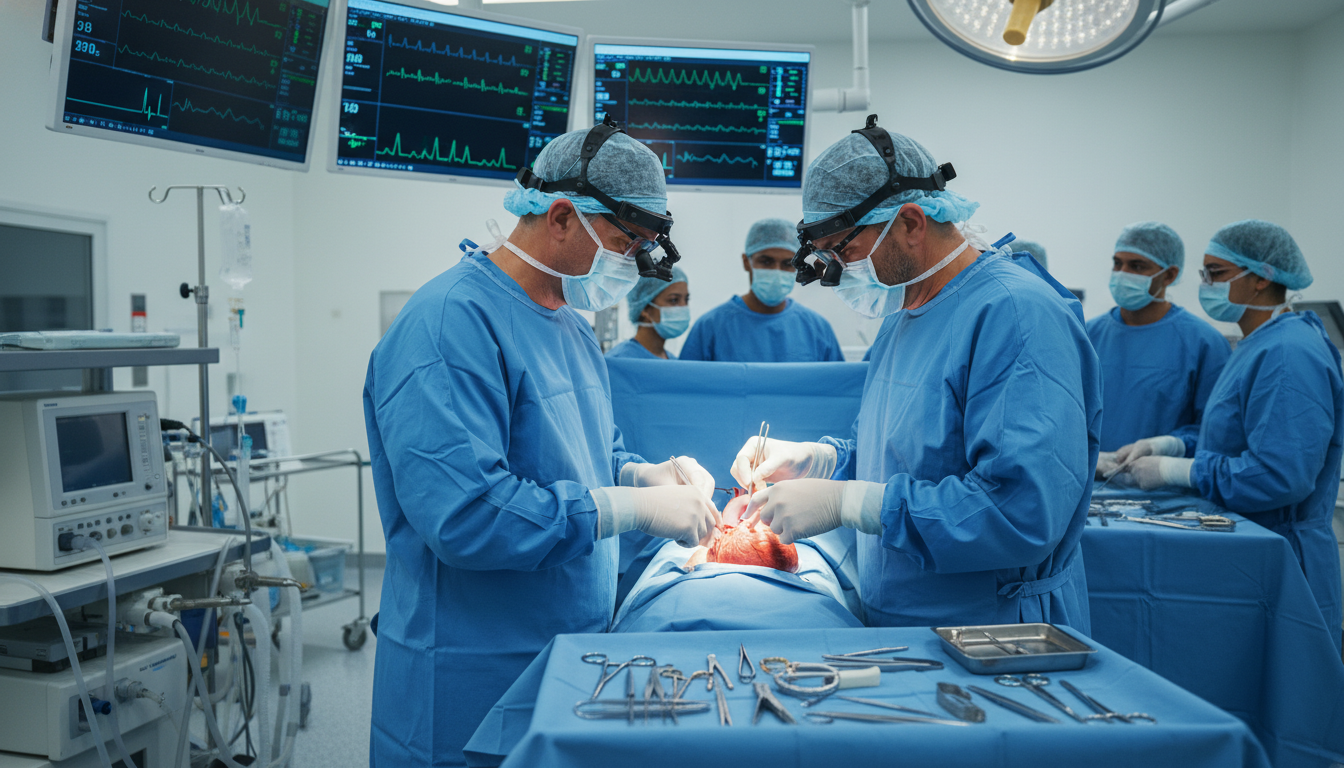
1. Surgical and CT Surgery Case Volume
For both I‑6 CT and general surgery programs, case volume is critical.
Ask:
- How many adult cardiac and thoracic cases are done annually?
- Are there transplant and mechanical circulatory support programs?
- Do residents get meaningful primary operator experiences (not just assisting)?
- For general surgery: are CT rotations hands‑on, or mostly observational?
Programs may list case logs or annual volumes on their websites or in recruitment presentations. When not published, this is an excellent interview day or email question.
Red flags:
- Limited or shrinking CT volume
- Heavy reliance on fellows that displace residents from key cases
- Residents reporting poor operative autonomy in CT
2. Fellowship Placement and Career Outcomes
For a DO graduate hoping to enter a cardiothoracic surgery residency or fellowship, the single best predictor of your future path is what graduates of that program actually do.
Look for:
- A list of recent graduates and their fellowship placements
- Any DO graduates who matched into CT surgery fellowships
- Presence of alumni at well‑known CT centers (Cleveland Clinic, Mayo, Columbia, etc.)
- Graduates entering aortic, transplant, or structural heart fellowships
This information may be on the website, in a program brochure, or only available through asking the program coordinator or residents directly.
3. DO‑Friendliness and Board Score Policies
For a DO graduate residency strategy, DO‑friendliness is not guesswork—it is observable:
- Current or recent DO residents in the program
- Explicit acceptance of COMLEX; whether USMLE is required or “strongly recommended”
- Program leadership comments on DOs during info sessions or open houses
- Past match data from your DO school into that program or institution
Whenever possible, confirm:
- “Will you consider applicants who have taken only COMLEX?”
- “Do you have a minimum score cutoff for COMLEX or USMLE?”
This can be asked politely via email or during virtual open houses. If you have USMLE scores, document how your performance compares to the program’s stated or implied expectations.
4. Culture, Mentorship, and Support for CT Aspirations
Even in a strong general surgery program, not all environments are equally supportive of residents pursuing CT surgery.
As you research:
- Look for designated CT surgery mentors for residents
- Ask whether residents interested in CT get protected research time or help attending national meetings (STS, AATS)
- Assess whether CT surgeons are visibly engaged in teaching (didactics, simulation labs, conference leadership)
Informal clues:
- Residents’ social media accounts or program Instagram pages sometimes highlight CT rotations and resident involvement
- Conference schedules or grand rounds topics might show the program’s investment in cardiac and thoracic disease
5. Research Infrastructure in Cardiothoracic Surgery
For highly competitive CT positions (especially integrated I‑6), research is a major differentiator.
When evaluating programs, look at:
- Number and type of ongoing CT surgery research projects
- Whether there are dedicated research coordinators or statisticians
- Opportunities for clinical outcomes, quality improvement, basic science, or device trials
- Whether residents routinely present at major meetings (STS, AATS, ASAIO, ISHLT)
- Availability of dedicated research time (6–12 months) if you want an academic career
As a DO graduate, being productive in research at a DO‑friendly but academically strong institution can substantially level the playing field with MD peers.
6. Geographical and Lifestyle Considerations
Even when targeting a highly demanding field like cardiothoracic surgery, your life outside the OR matters.
In your research, consider:
- Proximity to family or support systems
- Cost of living relative to resident salary
- Call schedules and night float structures
- Access to mental health and wellness resources
- Program’s approach to duty hours and burnout
You will function better—and ultimately train better—if you are not chronically overwhelmed by financial stress or an unhealthy culture.
Using Networking, Mentors, and Data to Refine Your List
Once you’ve done your initial research and captured the core details, the next phase is to validate and refine your program list through people and data.
1. Leverage Your DO School’s Resources
Your osteopathic medical school can be a rich, sometimes underused resource:
Office of Graduate Medical Education / Career Services
- Match lists for the past 3–5 years
- Names of alumni in general surgery and CT surgery
Faculty and Clinical Preceptors
- Surgeons or cardiologists who may know program reputations
- Alumni who trained or currently practice at your target institutions
Specific actions:
- Request a list of DO alumni who matched into general surgery, integrated CT, or CT fellowships
- Ask permission to contact them for a brief conversation about their programs
- Clarify which programs were historically welcoming to DOs and which were difficult
2. Attend National and Regional Meetings (If Feasible)
As a future cardiothoracic surgeon, early engagement with the specialty helps both with networking and with understanding program cultures.
Consider attending (even virtually):
- STS (Society of Thoracic Surgeons) annual meeting
- AATS (American Association for Thoracic Surgery) meetings
- Regional thoracic surgical society meetings
At these events:
- Visit residency or fellowship program booths
- Introduce yourself as a DO interested in CT surgery
- Ask about DO representation, research opportunities, and what they look for in applicants
This networking can inform your program research strategy and sometimes lead to mentors or future letter writers.
3. Use Social Media and Online Communities Carefully
Professional platforms can provide insights beyond official program websites:
- Program Twitter/X, Instagram, LinkedIn posts about residents and faculty
- Videos of CT surgery grand rounds or educational conferences on YouTube
- Forums (Reddit, Student Doctor Network) for anecdotal experiences—use as a supplement, not primary data
Look for:
- Images that show DO trainees or faculty involvement
- Mentions of research awards, STS abstract acceptances, or simulation training
- Signs of a collaborative culture vs chronic resident dissatisfaction
Be cautious: anonymous opinions can be biased or outdated. Cross‑check with more reliable sources.
4. Analyze Objective Match and Program Data
For integrated cardiothoracic surgery in particular, you can review:
- NRMP data on match rates, positions, and applicant characteristics
- Published surveys or program director statements on what they value
- Any lists of past residents (sometimes publicly available) to see the proportion of DOs
For general surgery:
- Look at Fill rates and DO representation in NRMP data by specialty
- Ask your school advisors where DOs with similar stats to yours successfully matched
Use this data to:
- Adjust the balance of reach vs realistic vs safety programs
- Increase applications to programs where DOs have robust match histories
- Avoid over‑concentration in one very competitive geographic region
Putting It All Together: Building a Smart Application List
By now, you’ve:
- Clarified your CT training pathway (I‑6 vs general surgery → CT)
- Built a preliminary list using databases
- Deep‑dived into program websites to evaluate case volume, DO‑friendliness, research, and culture
- Talked with mentors and alumni and reviewed objective data
The final steps are to synthesize your findings and build an application plan.
1. Balance Your List
For most DO applicants interested in cardiothoracic surgery:
I‑6 CT programs
- Apply selectively (e.g., 5–15 programs), emphasizing places with:
- DO history
- Prior knowledge of you (away rotations, research, networking)
- Alignment with your research or geographic strengths
- Apply selectively (e.g., 5–15 programs), emphasizing places with:
General surgery programs (if planning CT fellowship)
- Apply broadly: possibly 40–80+ programs depending on competitiveness
- Ensure a mix of:
- Academic centers with strong CT exposure
- DO‑friendly mid‑tier academic or hybrid programs
- Well‑resourced community programs that send graduates to fellowships
2. Track and Update Program Notes
Maintain your spreadsheet throughout the season:
- Record invitations to informational webinars
- Note any positive contact with faculty or residents
- Mark programs that stand out as excellent or problematic
As interviews arrive (or don’t), you can reassess:
- Are your reach programs responding?
- Do you need to emphasize safety programs more in your signaling or communication?
- Are there additional programs you should apply to in the same tier profiles that have been more responsive?
3. Use Interviews to Confirm—and Challenge—Your Impressions
Your pre‑interview research frames your questions. During interviews, explicitly test the assumptions you made while evaluating residency programs:
- “How many residents in the past 5 years have gone into cardiothoracic surgery?”
- “Do you currently have or have you recently had DO residents?”
- “What kind of support does the program provide for residents pursuing CT surgery—research time, letters, advocacy for fellowships?”
- “Can you describe the autonomy residents have on the CT service?”
Take notes immediately afterward while impressions are fresh. These will be invaluable when it’s time to create your rank list.
FAQs: Researching Cardiothoracic Surgery Programs as a DO Graduate
1. As a DO graduate, do I need to take USMLE in addition to COMLEX for cardiothoracic surgery?
USMLE is not universally required, but for competitive fields like cardiothoracic surgery—especially integrated I‑6 programs—it significantly expands your options. Many CT and high‑end general surgery programs either require USMLE or strongly prefer it. If you have not yet taken USMLE, discuss with your advisors whether your COMLEX performance and target programs make it worth the additional time and stress.
2. How can I tell if a program is truly DO‑friendly?
Look for concrete evidence:
- Current or recent DO residents and fellows
- DO faculty in surgery or CT surgery
- Explicit language on websites stating that COMLEX is accepted
- Positive experiences from DO alumni at your school
You can also directly ask at open houses: “Do you currently have DO residents?” and “How do you evaluate COMLEX scores compared to USMLE?”
3. Is it realistic to match directly into an integrated cardiothoracic surgery residency as a DO?
It is possible but challenging. The osteopathic residency match has merged into a single system where integrated CT is among the most competitive pathways. To be realistic, most successful DO applicants to I‑6 programs have:
- Strong USMLE and COMLEX scores
- Multiple CT‑related research projects and presentations
- Excellent letters from recognized CT surgeons
- Strong performance on away rotations at CT centers
You should also concurrently apply to general surgery programs that can still lead to CT fellowship.
4. For general surgery programs, what are the most important CT‑related things to look for when researching?
Focus on:
- Presence of an in‑house CT surgery fellowship and robust cardiac/thoracic services
- Number and timing of resident rotations on CT services
- Recent general surgery graduates who matched into CT fellowships
- CT surgeon involvement in education (conferences, simulation, mentorship)
- Support for research in cardiovascular or thoracic diseases
These factors indicate that the program can provide strong heart surgery training foundations and a realistic pipeline into cardiothoracic surgery.
By approaching your search systematically—using data, mentorship, and honest self‑assessment—you can build a residency application strategy that respects the realities of being a DO graduate while still aligning with your ambition to train in cardiothoracic surgery. Your research today lays the groundwork for the operating rooms and heart teams you’ll be part of in the years ahead.