Understanding Geographic Flexibility as a Non‑US Citizen IMG in the Mountain West
For a non-US citizen IMG, “geographic flexibility” is much more than a buzzword—it is one of your most powerful levers in successfully matching, especially in a region like the Mountain West. This concept shapes how you choose programs, how you present your geographic preference in residency applications, and how you frame your story to program directors.
In the Mountain West (Colorado, Utah, Wyoming, Montana, Idaho, Nevada, New Mexico, and sometimes Arizona), programs are often more dispersed, smaller, and uniquely shaped by state-specific training needs. For a foreign national medical graduate, understanding and strategically using geographic flexibility can:
- Expand the number of realistic programs you can apply to
- Offset perceived disadvantages (visa needs, no US ties, fewer connections)
- Help you craft a compelling narrative around regional preference and adaptability
This article walks through how to think about geographic flexibility, how to apply it specifically to the Mountain West (with a special focus on Colorado residency and neighboring states), and how to articulate a clear yet honest geographic preference strategy in your applications.
Why Geographic Flexibility Matters Even More for Non‑US Citizen IMGs
1. Structural Disadvantages You’re Up Against
As a non-US citizen IMG or foreign national medical graduate, you face additional barriers:
- Visa sponsorship: Not all programs sponsor J‑1 or H‑1B visas; some sponsor only one type, some neither.
- Perceived risk: Some programs worry about credentialing, start delays, or immigration complications.
- Limited US ties: Many selection committees still weigh “regional fit” and evidence of long‑term commitment to an area.
- Fewer home/feeder schools: You may not have US medical school network advantages.
Because of this, if you also restrict yourself tightly by geography—such as applying only to coastal cities, or only to a single metro area—your realistic match options shrink dramatically.
Being geographically flexible allows you to:
- Consider excellent but less-known programs in regional or mid‑sized cities
- Balance “dream” locations with “smart” locations that favor IMGs and visa holders
- Present as adaptable, motivated, and committed to serve wherever you train
2. How Programs Think About Region and Fit
Residency programs, including those in the Mountain West, usually ask:
- Is this applicant likely to come here and stay for 3+ years?
- Do they have any connection or genuine interest in this region?
- Will they tolerate the climate, pace of life, and patient population?
For rural or semi-rural Mountain West programs, this question is even sharper. They know many applicants prefer larger coastal cities. If you can demonstrate thoughtful geographic flexibility plus authentic interest in the region, you stand out.
Mapping the Mountain West: What Geographic Flexibility Looks Like in Practice
The Mountain West is not a monolithic block. Each state has distinct features that can work for or against your goals as a non-US citizen IMG.
1. Colorado Residency and Its Regional Context
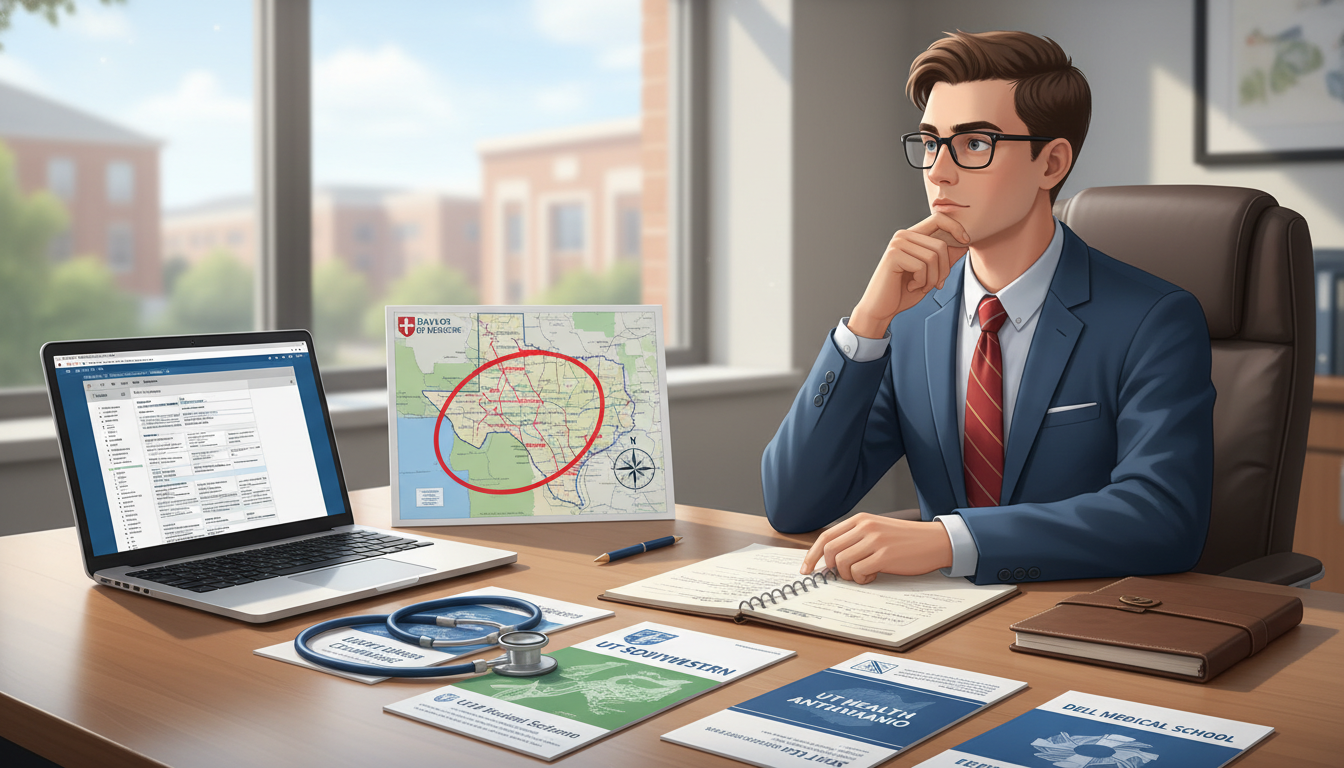
Colorado is often the “anchor” state in the Mountain West for residency applicants:
- Major academic center: University of Colorado (Aurora/Denver)
- Strong community and university-affiliated programs in Denver, Colorado Springs, Fort Collins, Greeley, Pueblo, and other cities
- Mix of urban, suburban, and rural training environments
For a non-US citizen IMG, Colorado residency is attractive because:
- There is a relatively high concentration of programs compared with other Mountain West states
- Many programs have structured experiences in both urban and rural settings
- Some institutions have experience with international graduates and visa sponsorship
However, it can be competitive, especially Denver-area programs. Geographic flexibility means:
- Not limiting yourself to Denver/Boulder alone
- Being open to programs in southern, western, or northern Colorado where competition may be less intense
- Pairing Colorado applications with neighboring Mountain West states in a cohesive regional strategy
2. Neighboring Mountain West States: Expanding Your Map
Consider how each state fits your overall plan:
- Utah: Strong academic presence in Salt Lake City; some community programs and a growing healthcare system. Less urban diversity than some coastal states, but excellent training.
- New Mexico: University-based and community programs in Albuquerque and other cities; often strong focus on underserved and rural populations, sometimes more IMG-friendly.
- Nevada: Programs concentrated around Las Vegas and Reno; relatively newer residencies in some specialties, which may be more open to IMGs.
- Idaho, Montana, Wyoming: Fewer programs, but those that exist may value applicants who demonstrate genuine interest in rural and frontier medicine.
- Arizona (sometimes grouped with Mountain West): Larger number of residencies, including IMG-friendly community and university-affiliated programs in Phoenix, Tucson, and other cities.
If your initial dream is “Colorado residency,” geographic flexibility might look like:
- Core target: Colorado
- Secondary targets: Utah, New Mexico, Nevada
- Selective additions: Idaho/Montana/Wyoming/Arizona depending on specialty and visa needs
This doesn’t dilute your story; you can still present Colorado and the greater Mountain West as your primary region.
Building a Coherent Geographic Preference Strategy
Balancing honesty, flexibility, and competitiveness is key. You want to be open, but not vague or generic.
1. Core Concept: Region-First, City-Second
Many non-US citizen IMGs make the mistake of saying, “I am open to any location in the US,” which sounds directionless and insincere. A better approach is:
- Define 1–2 primary regions where you have the most applications and strongest arguments
- Define a second tier of regions where you are genuinely open and have at least some rationale
- Be transparent—when asked—to prioritize region over city within those areas
For this article’s focus, your region-first statement could be:
- “I am particularly interested in the Mountain West, with a strong focus on Colorado and neighboring states such as Utah and New Mexico, because of their combination of diverse patient populations, access to outdoor activities, and opportunities for both urban and rural training.”
Then you can add:
- “At the same time, I maintain location flexibility for programs outside this region that align with my training interests and visa needs.”
This is clear geographic preference without closing doors.
2. Tailoring Programs While Maintaining Flexibility
Your geographic preference residency strategy should guide how you sort programs into tiers:
Tier 1 – Core regional focus:
- Colorado + a few surrounding Mountain West states
- Apply broadly within these areas (university, university-affiliated, community, smaller cities, larger cities)
- Emphasize interest and fit in your personal statement and interviews
Tier 2 – Additional regions:
- Programs known to be IMG-friendly or visa-friendly, even if outside the Mountain West
- Use flexible language about being open to different parts of the US
Tier 3 – “Reach” or dream programs:
- Highly competitive centers in your region or outside it
- Demonstrate strong motivation, but don’t rely on them alone
This hierarchy respects both regional loyalty and pragmatic flexibility.
3. When and How to State Geographic Preferences Explicitly
There are several points in the application where geographic preferences come up:
- ERAS application text fields (if programs ask location questions)
- Supplemental ERAS and preference signaling (if used in your specialty)
- Personal statement(s)
- Interview conversations
- Post-interview communication (where allowed by NRMP rules and program policies)
Key principle: Do not contradict yourself across platforms.
If you say in one personal statement that “I am committed to the Mountain West and hope to remain in this region long term,” and in another tell a program in New York that “I hope to build my career in the Northeast,” you risk sounding insincere.
For a non-US citizen IMG prioritizing a mountain west residency:
- Use a baseline personal statement that mentions your interest in the Mountain West while still being acceptable elsewhere.
- For Colorado or Mountain West–specific programs, you can add a brief region-specific paragraph (if you’re using specialty- or program-specific statements).
- In interviews outside the region, highlight program-specific aspects (teaching style, patient population, research) rather than claiming that region as your only long-term goal.
Crafting Your Narrative: Why the Mountain West, and Why You’re Flexible
Programs don’t just want to hear that you’re flexible—they want to know why and how.
1. Articulating a Genuine Interest in the Mountain West
You should be able to answer, convincingly and specifically:
“Why the Mountain West? Why Colorado or this region in particular?”
Potential angles, especially relevant to a foreign national medical graduate:
Lifestyle and wellness:
- Access to outdoor recreation (hiking, skiing, climbing, biking)
- Work-life balance and physician wellness culture in many Mountain West programs
Clinical training environment:
- Exposure to rural, frontier, and underserved communities
- Variety of pathology — trauma, high-altitude medicine, occupational injuries, Native American/Indigenous health, migrant and refugee health (in some areas)
Program scale and culture:
- Smaller programs with close-knit teams
- Opportunities for more responsibility and continuity with patients
Future plans:
- Interest in remaining in the region for practice or fellowship
- Desire to work in an environment similar to your home country’s geography or healthcare challenges (for example, rural health or resource-limited settings)
You don’t need all of these; pick 2–3 that are true for you, and develop them with anecdotes.
2. Explaining Location Flexibility Without Sounding Desperate
Location flexibility match strategies can sometimes be misunderstood. You want to:
- Show that you are grateful for any opportunity, but
- Avoid appearing as though you have no standards or priorities
You might phrase it this way in an interview:
“As a non-US citizen IMG, I understand that visa sponsorship and program fit are crucial factors. My top regional preference is the Mountain West, especially Colorado and surrounding states, because of the training environment and lifestyle. However, I am also open to relocating to other parts of the country where I can receive strong clinical training and secure appropriate visa support. I’m very adaptable and comfortable moving for the right program.”
This signals:
- Clear primary region
- Realistic understanding of visa issues
- Geographic flexibility grounded in professional goals, not panic
3. Using Personal Experiences to Support Your Flexibility
Programs are reassured if you can show you’ve already adapted to new places or environments:
- Living/training in multiple countries before
- Surviving harsh climates or big moves (e.g., from tropical to cold regions, or vice versa)
- Thriving in small-town or rural settings, or working with underserved communities
Briefly weave these into your personal statement or interview anecdotes. For example:
“I grew up in a small town and completed clinical rotations in both large metropolitan centers and remote communities. These experiences taught me that I can adapt quickly and find meaningful ways to contribute, whether I am working in a major city like Denver or a smaller Mountain West community.”
Practical Steps to Build and Demonstrate Geographic Flexibility
1. Researching Programs with a Regional Mindset
Start by mapping your target region thoroughly:
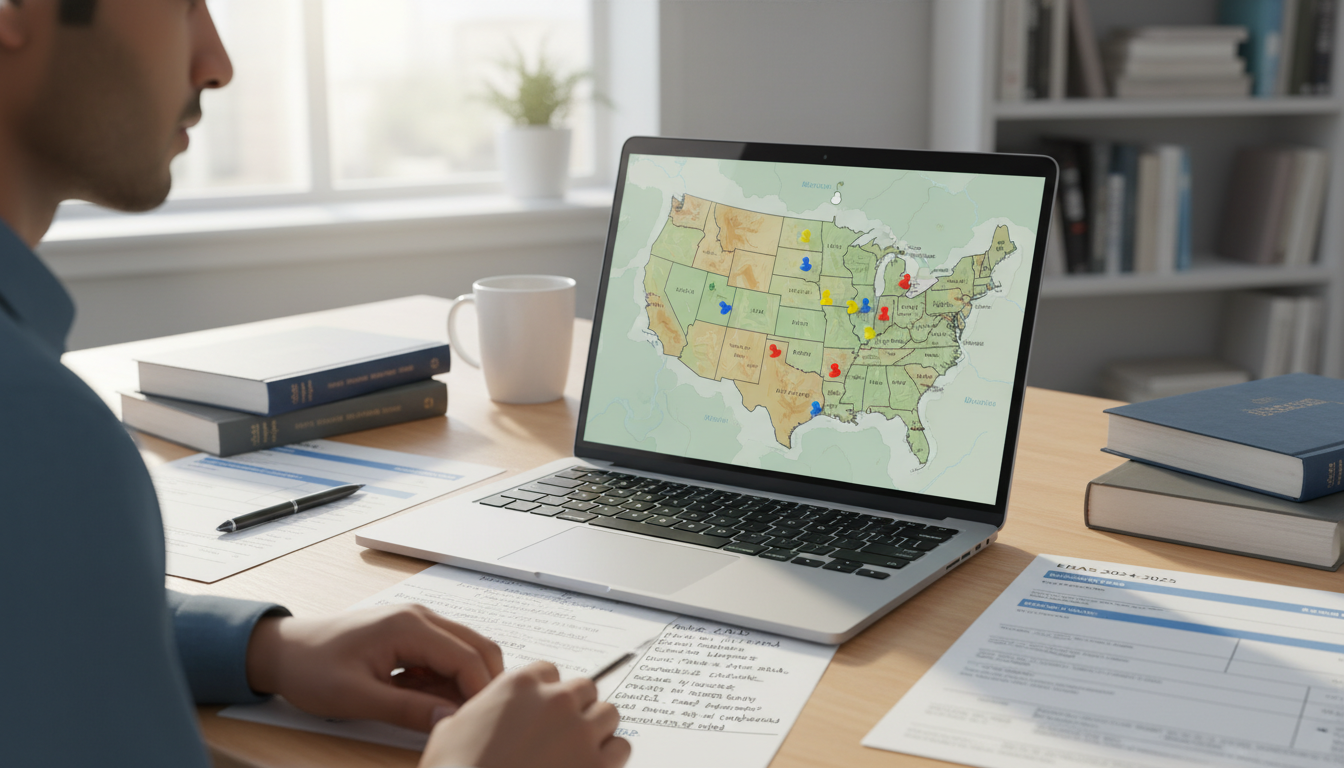
- List all programs in your specialty in the Mountain West (use FREIDA, NRMP data, program websites).
- Classify them by:
- State and city size
- University vs community vs hybrid
- Known visa policies (if available)
- Past IMG intake patterns
- Mark your top-priority states (e.g., Colorado, Utah, New Mexico) and secondary states.
Look for hints of IMG-friendliness:
- Program websites mentioning J‑1 or H‑1B sponsorship
- Graduates section showing international medical schools
- Faculty with international backgrounds
- Affiliation with institutions known to support foreign national medical graduates
This research directly informs your geographic preference residency narrative during interviews: you can reference specific features you’ve learned about the program and region.
2. Aligning Rotations, Research, and Networking with Your Region
If you are still in the planning phase:
US Clinical Experience (USCE) in the Mountain West:
- Aim for externships, observerships, or electives in Mountain West hospitals if possible
- Even a short-term rotation in Colorado or a neighboring state adds credibility to your regional interest
Research or remote collaborations:
- Join projects with faculty based at Mountain West institutions (via email, conferences, or alumni networks)
- Attend regional conferences or virtual events hosted by programs from the region
Networking:
- Reach out to current residents from your home country who matched into a mountain west residency
- Ask about their experiences as a non-US citizen IMG and how they framed their geographic preference
If you cannot secure direct US experience in the Mountain West, emphasize transferable aspects of your previous training that match the region’s characteristics (e.g., rural clinics, altitude, underserved care).
3. Application Tailoring While Preserving Flexibility
Use your ERAS and personal statement strategically:
Personal Statement:
- Include 1–2 sentences somewhere in the middle that link your interests to the Mountain West style of training:
- Serving diverse and underserved populations
- Enjoying outdoor activities as a coping/ wellness strategy
- Interest in rural/urban mix practice
- Keep the rest of the statement generic enough to use for programs outside the region.
- Include 1–2 sentences somewhere in the middle that link your interests to the Mountain West style of training:
Supplemental ERAS and Program Questions:
- When asked for geographic preference, lean into the Mountain West:
- “I prefer to train in the Mountain West, particularly Colorado and neighboring states, because of [specific reasons]. However, I remain highly interested in strong programs across the country that align with my clinical and academic goals.”
- When asked for geographic preference, lean into the Mountain West:
Interview Talking Points:
- Be ready with:
- 2–3 reasons you like the state
- 2–3 reasons you like the city (or are open to smaller cities/rural areas)
- 1–2 examples from your life that show you adapt well to new environments
- Be ready with:
4. Ranking Strategy: Balancing Heart and Head
When building your rank list:
- Rank all programs where you would be willing to train, regardless of location, in order of preference—never game the system by second‑guessing where you “think” you’ll match.
- Within your list, consider:
- Placing your strongest Mountain West options higher if the region truly matters to you
- Then ranking non-Mountain West programs by training quality and visa security
Do not exclude programs purely because they are not in your top geographic region, especially if they are strong and visa-friendly. Many non-US citizen IMGs ultimately practice in their preferred region after training via fellowship or job relocation.
Common Pitfalls for Non‑US Citizen IMGs and How to Avoid Them
1. Being Too Vague or Too Rigid
Too vague: “I am open to any location.”
- Fix: Specify a primary region and a secondary openness.
Too rigid: “I will only train in Denver or New York.”
- Fix: Express preferences for regions and types of locations (urban, suburban, rural) rather than only 1–2 cities.
2. Contradictory Regional Stories
- Telling Mountain West programs you want to live near mountains and telling coastal programs you prefer the ocean is risky if discovered.
- Focus on consistent core motivations: training quality, specific patient populations, outdoor lifestyle, community feel—and vary the emphasis slightly for each region.
3. Ignoring Visa Reality in Your Strategy
Visa considerations must be integrated into your geographic flexibility match plan:
- Some states and hospitals are more experienced with H‑1B or J‑1 processes.
- You might need a broader geographic net to include enough visa-sponsoring programs.
- Always check whether programs explicitly do not sponsor visas and avoid wasting applications there.
Your narrative can honestly include visa as one factor:
“As a foreign national medical graduate, visa sponsorship is an important consideration, so I am applying broadly, with a focus on the Mountain West region where I feel I would thrive personally and professionally.”
FAQs: Geographic Flexibility for Non‑US Citizen IMGs in the Mountain West
1. If I say my top choice is the Mountain West, will programs outside the region reject me?
Not necessarily. Most programs understand that applicants have regional preferences and still apply broadly. As long as you do not explicitly say you would only train in the Mountain West, and you can explain sincere reasons for being open to their program (training quality, patient population, research), you will not automatically be rejected.
2. Do I need separate personal statements for Colorado vs. other Mountain West states?
Usually no. One well-written statement that includes your interest in the Mountain West as a region and explains why that environment suits you is often enough. You may create a slightly customized version for a small number of priority programs, but avoid over-fragmenting your message.
3. How many Mountain West programs should I apply to as a non-US citizen IMG?
There is no exact number, but in most core specialties, you should apply broadly across the US while prioritizing every eligible mountain west residency that:
- Accepts IMGs
- Sponsors your visa type
- Aligns with your competitiveness profile (scores, attempts, YOG, USCE)
Think of the Mountain West as your primary target cluster, not your only cluster.
4. I have no prior US or Mountain West experience. Can I still convincingly claim regional interest?
Yes, but be transparent. Focus on your values and goals that align with the region: desire for a close-knit program, interest in rural or underserved care, appreciation for outdoor activities, or similarity to your home country’s geography. Show that you have done thorough research about the region and programs. Whenever possible, attend virtual open houses or information sessions to strengthen your understanding and credibility.
By approaching your applications with a clear, honest, and well‑researched geographic preference strategy—prioritizing the Mountain West while remaining flexible—you maximize your chances of matching as a non-US citizen IMG and set yourself up for a fulfilling residency experience.