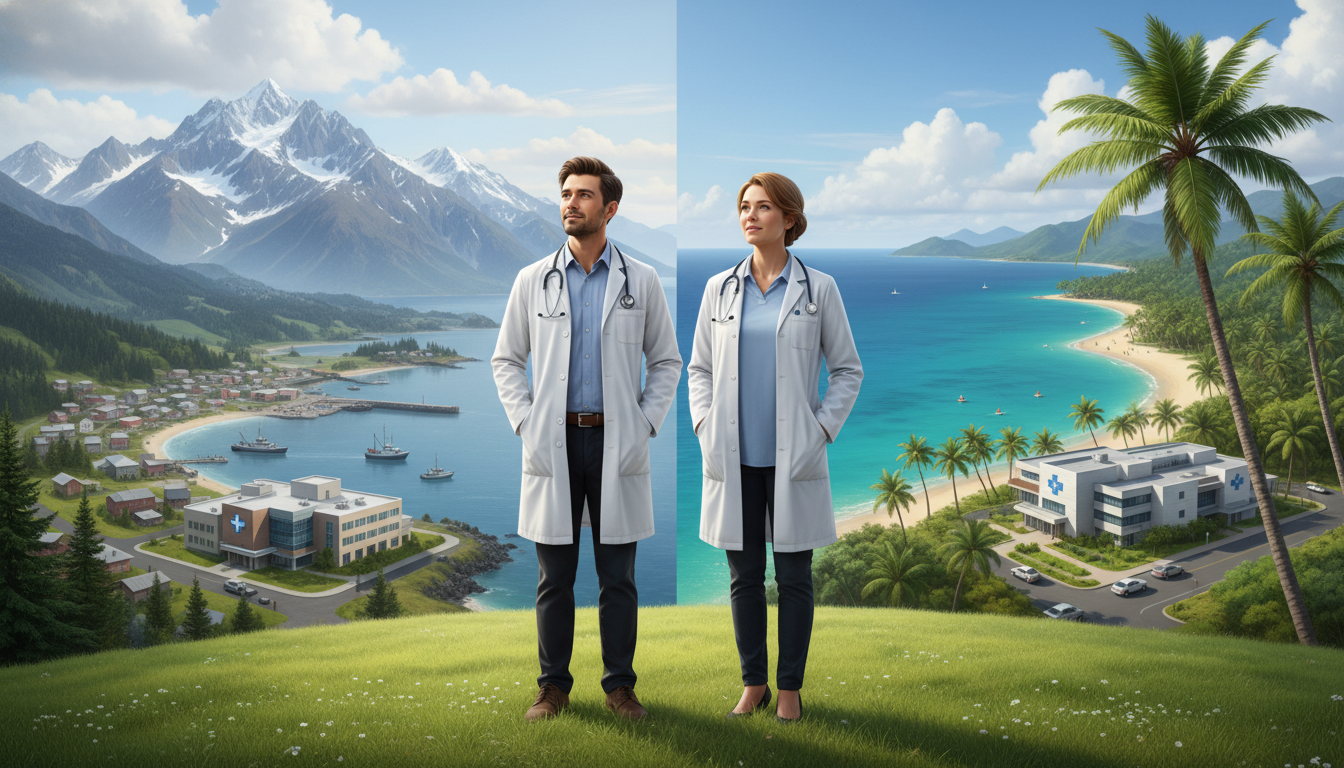
Understanding Geographic Flexibility as an IMG in Alaska & Hawaii
Geographic flexibility is one of the most powerful levers an international medical graduate (IMG) can use to improve their chances of matching—especially in less traditional regions like Alaska and Hawaii. For many IMGs, these states are not at the top of their initial preference list, yet they may offer strong training, smaller applicant pools, and unique paths to long-term practice in the United States.
In the context of the residency Match, geographic flexibility means your willingness and strategic openness to consider a wide range of locations, practice settings, and lifestyles—rather than focusing only on a few major urban centers or specific states. For you as an IMG considering an Alaska residency or Hawaii residency programs, this flexibility can be the difference between matching and going unmatched.
This IMG residency guide focuses on how to think about, plan, and communicate geographic flexibility specifically for Alaska and Hawaii, and how to make these unique locations a realistic and rewarding part of your regional preference strategy.
Why Geographic Flexibility Matters More for IMGs
Compared with U.S. MD and DO seniors, IMGs typically:
- Face more competitive odds in the Match
- May have visa limitations (J‑1/H‑1B) that affect program interest
- Often have fewer U.S. clinical experiences or home programs to support them
Because of this, you often need to be more flexible about:
- Location: States, cities, and regions (including remote or non‑continental states like Alaska and Hawaii)
- Program type: Community-based vs. university-based
- Setting: Rural, semi‑rural, urban, frontier
- Lifestyle: Climate, cost of living, distance from family
Programs in Alaska and Hawaii may receive fewer total applications than mainland metropolitan programs, and they often actively value applicants who demonstrate clear commitment to their region, rural or underserved care, and long‑term retention. That can work strongly in your favor—if you approach your geographic preference residency strategy thoughtfully.
The Training Landscape: Alaska & Hawaii for IMGs
Before deciding how flexible you can be, you need to understand what training opportunities actually exist in each state and what they typically look for in an international medical graduate.
Alaska Residency Opportunities: Small but Strategically Important
Alaska has a small number of residency programs compared to most U.S. states. Most training is clustered around:
- Primary care and family medicine
- Rural and frontier medicine
- Community-based programs with strong service missions
Many Alaska residency positions are linked to regional consortia or universities based in other states (for example, WWAMI partnerships involving the University of Washington in the broader Pacific Northwest region). These structures often focus on training physicians who will serve Alaska’s rural and underserved communities.
Key features relevant to IMGs:
- Limited number of spots: Highly competitive based on small size, even if total applications may be fewer.
- Mission-driven selection: Programs prioritize applicants interested in rural primary care, Native and Indigenous health, and long-term retention in Alaska.
- Lifestyle considerations: Extreme climate, long winters, isolated communities, and potential travel challenges.
For an IMG, an Alaska residency can be a strong match if:
- You are genuinely interested in family medicine, internal medicine with a rural focus, or behavioral health in underserved communities.
- You can clearly articulate your interest in Alaska’s population, geography, and health needs.
- You are comfortable with the frontier environment and are willing to commit to staying for the full training period (and possibly beyond).
Hawaii Residency Programs: Island-Based and Community-Focused
Hawaii has a more developed residency ecosystem than Alaska but is still smaller than many mainland states. Hawaii residency programs typically include:
- Internal medicine, family medicine, pediatrics
- Psychiatry, obstetrics & gynecology, and some subspecialties
- Community-based and university-affiliated programs (e.g., University of Hawaii–affiliated)
Key features relevant to IMGs:
- Diverse patient population: Native Hawaiian, Pacific Islander, Asian, and multiethnic communities with unique epidemiologic and cultural contexts.
- Lure of the location: Many applicants are attracted to Hawaii for lifestyle reasons, which can increase competitiveness despite the state’s geographic isolation.
- Focus on community and primary care: Programs frequently emphasize continuity clinics, community engagement, and understanding local health disparities.
For an international medical graduate, Hawaii can be attractive if:
- You value cultural diversity and are interested in public health, chronic disease management, and community medicine.
- You can address potential concerns about long-term retention (many residents leave the islands after training).
- You are aware of the relatively high cost of living and are prepared for the financial realities as a resident.
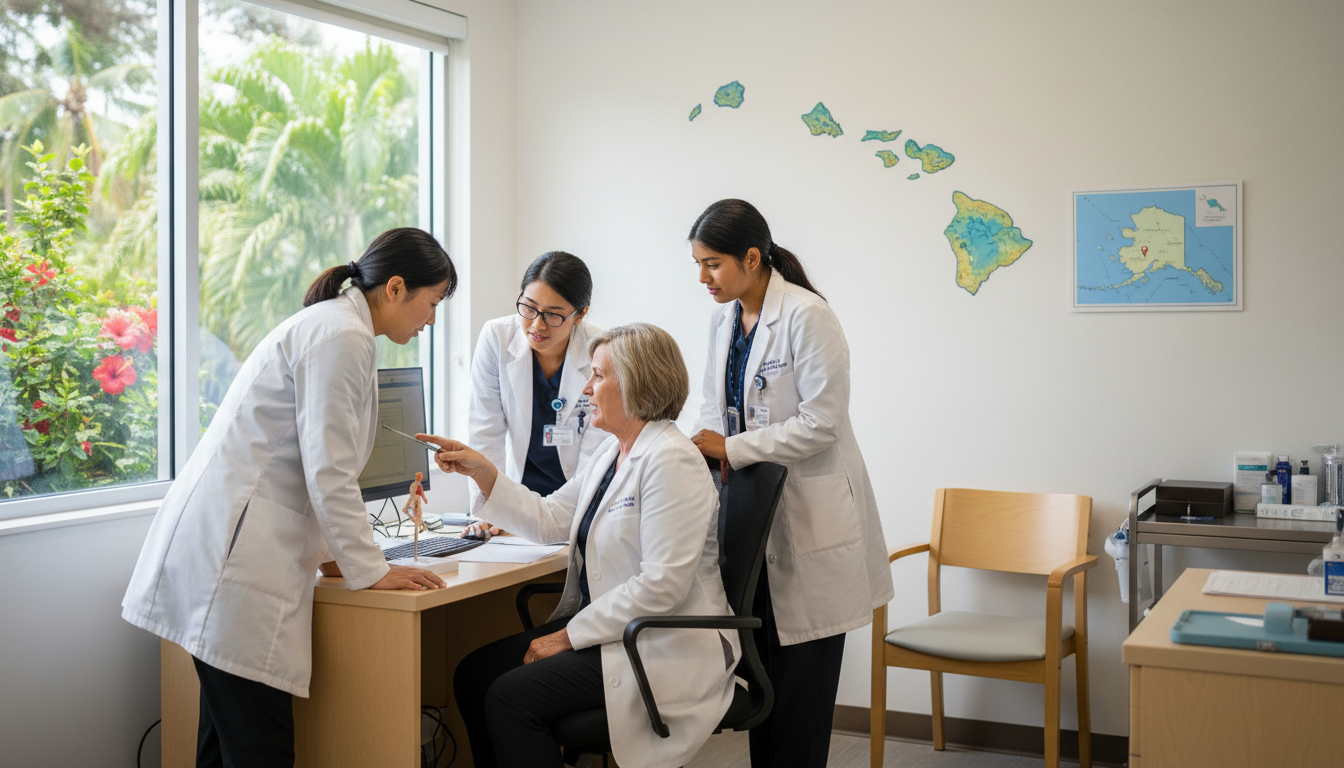
Building a Geographic Preference Strategy as an IMG
A strong regional preference strategy is not just “I will apply everywhere.” It is a structured plan balancing:
- Realistic chances of matching
- Personal and family needs
- Professional goals
- Immigration and visa considerations
When you think about Alaska and Hawaii in your overall strategy, consider the following steps.
1. Map Your Personal Geographic Priorities
Start by asking yourself:
Non‑negotiables:
- Do you need to be in a specific time zone for family reasons?
- Are extreme climate conditions acceptable?
- Are you comfortable with long travel to visit family abroad?
Preferences (but not requirements):
- Proximity to coast, big city, or international airport
- Cultural or diaspora communities similar to your background
- Outdoor lifestyle vs. urban life
Where do Alaska and Hawaii fall on this spectrum?
- Alaska: cold climate, long winters, remote; strong outdoors culture; smaller urban centers (e.g., Anchorage).
- Hawaii: tropical climate, island life, cultural diversity; more isolation regarding long-haul flights and cost of travel.
You should be able to state, in concrete language, why either state fits your personal and professional goals—even if they are not your first emotional choice.
2. Understand Match Dynamics and Program Types
Alaska:
- Mainly primary care and rural-oriented training.
- You may need to be open to:
- Smaller programs with close-knit teams
- Higher clinical responsibility early on
- Rotations in very small or remote communities
Hawaii:
- Mix of primary care and some specialties.
- Potentially more competition due to lifestyle appeal.
- Important to show:
- Commitment to community and population health, not just beaches and weather.
- Understanding of cost of living and long-term lifestyle implications.
3. Align Your CV with Regional Needs
For an Alaska residency or Hawaii residency programs, geographic flexibility is more convincing when your experiences and interests match local needs. Consider:
Clinical rotations or electives in:
- Rural or underserved areas
- Indigenous or minority health settings
- Community health centers
Research or projects related to:
- Rural health
- Public health in island or remote settings
- Telemedicine or access to care
Volunteer work:
- Clinics serving immigrant, refugee, or low‑income communities
- Health education in communities with language or cultural barriers
You don’t need direct Alaska or Hawaii experience, but you should demonstrate a pattern: willingness to serve underserved populations and adapt to non‑urban environments.
4. Decide How Much Flexibility You Can Realistically Offer
Your location flexibility match strategy may include scenarios like:
- High flexibility:
- You are willing to go anywhere in the U.S., including Alaska and Hawaii, and apply broadly.
- Moderate flexibility:
- You prioritize certain regions (e.g., West Coast, Pacific states) but include Alaska and Hawaii as part of a broader coastal or Pacific interest.
- Targeted flexibility:
- You specifically highlight interest in remote, frontier, or island medicine and craft your application around that theme.
For an IMG focused specifically on Alaska and Hawaii, even moderate flexibility toward surrounding regions (e.g., Pacific Northwest, West Coast) can strengthen your narrative of regional commitment.
How to Communicate Geographic Flexibility Effectively
Programs in Alaska and Hawaii can tell quickly if an applicant is only drawn by the idea of a unique location versus genuinely prepared for its realities. You need to show both awareness and commitment across multiple components of your application.
Personal Statement: Tailoring by Region
If your ERAS allows supplemental or program-specific statements (or if you use the ERAS geographic preferences section), you can:
- Clearly state your openness to Alaska residency or Hawaii residency programs.
- Explain why you believe training in these regions fits your long-term goals.
Examples of concise, authentic language:
Alaska-focused statement example:
Having trained in rural clinics in my home country and in underserved communities during my U.S. clinical experiences, I have become increasingly interested in frontier medicine. An Alaska residency would allow me to deepen my skills in managing complex conditions with limited resources while serving communities for whom access to care is often challenging. I am prepared for the climate and geographic isolation and am motivated by the opportunity to build long‑term relationships with patients across wide catchment areas.
Hawaii-focused statement example:
I am drawn to Hawaii residency programs because of their focus on community-based care, cultural humility, and serving Native Hawaiian and Pacific Islander populations. My experience working with diverse immigrant communities and my interest in chronic disease prevention align with the needs of the islands. I understand the challenges of cost of living and geographic distance from the mainland and am committed to integrating into the local community during and after residency.
Avoid generic statements like “I would be happy to train anywhere” without explaining why you are suited for each region.
ERAS Geographic Preferences and Signaling
If ERAS or supplemental applications allow you to indicate geographic preference residency choices:
- Consider designating the “West” or “Pacific” region if Alaska and Hawaii fall under that grouping.
- In any narrative responses, briefly describe:
- Your interest in rural/frontier/island medicine
- Your openness to both mainland West Coast and Alaska/Hawaii training environments
- Keep it consistent: if you claim strong interest in the Pacific region but apply to very few programs there, committees may question your sincerity.
During Interviews: Proving You Understand the Reality
Programs in Alaska and Hawaii often test whether applicants have realistic expectations.
Be prepared to discuss:
Climate and lifestyle (Alaska):
- Acknowledge the winter darkness and cold.
- Share a plan for maintaining wellness (indoor hobbies, community involvement, etc.).
Cost and isolation (Hawaii):
- Mention that you have looked into resident salaries vs. housing and basic expenses.
- Acknowledge that frequent travel to the mainland or abroad can be costly.
Long-term intentions:
- Programs may ask, “Do you see yourself staying here after residency?”
- Be honest but positive: even if you are not certain, you can say you are open to staying and see real advantages to long‑term practice in the region.
Example interview responses:
Alaska:
I understand that winters here are long and can be challenging. I spent two years in a northern rural area during my training and learned how to maintain routines around work, exercise, and social connection despite limited daylight. I’m excited about outdoor activities like hiking and cross‑country skiing, but I also enjoy indoor hobbies such as reading and cooking, which I know will help me adjust.
Hawaii:
I have reviewed the cost of living in Honolulu and nearby areas and understand that housing and groceries are more expensive than the mainland. During medical school, I lived in an expensive city and learned to budget carefully and share housing with roommates. I’m comfortable making financial adjustments because I value the opportunity to serve a diverse island community and gain experience with Pacific Islander and Native Hawaiian health.
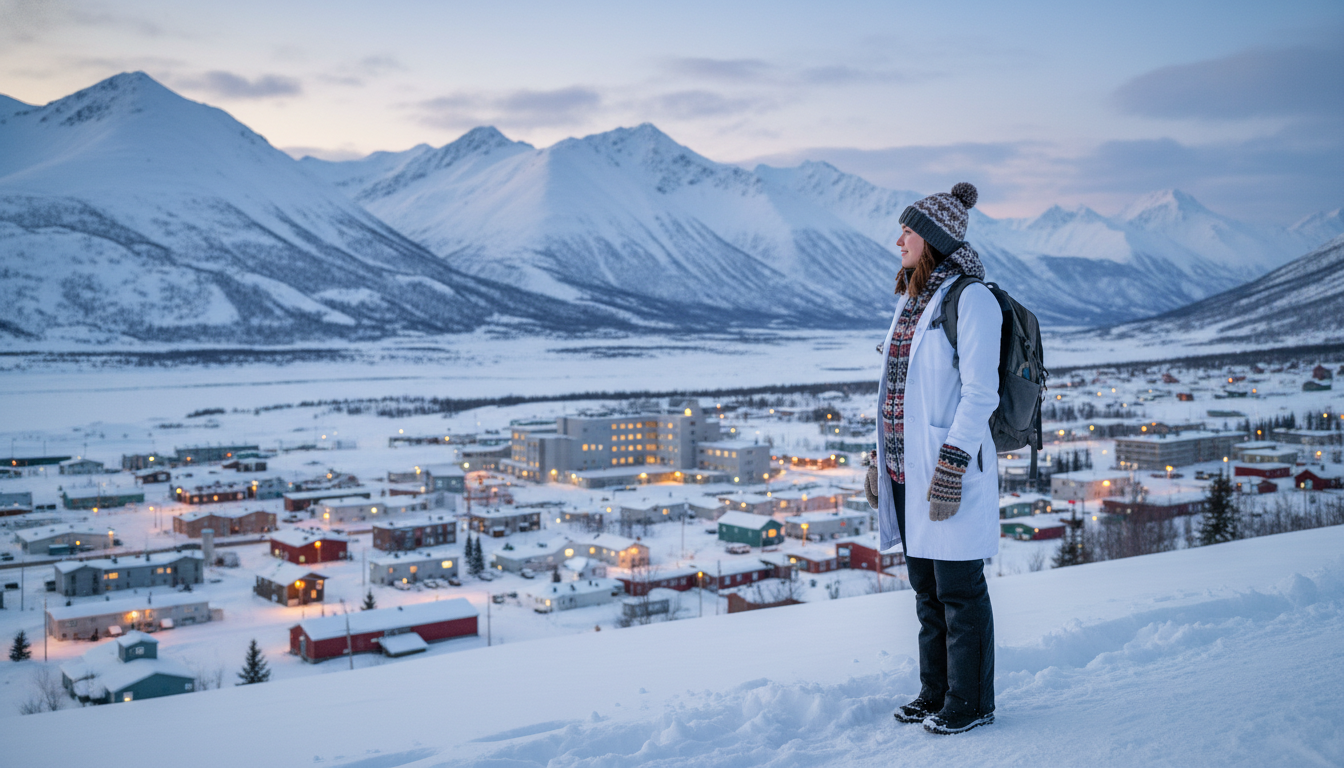
Practical Steps to Leverage Geographic Flexibility for the Match
To turn geographic flexibility into actual Match success, you need a structured approach from research to rank list.
1. Research Programs Thoroughly
For both Alaska and Hawaii:
Visit program websites and note:
- Mission statements (rural, underserved, diversity, etc.)
- Resident profiles and where they come from
- IMG acceptance history (if visible)
- Visa sponsorship information (J‑1/H‑1B)
Look for clues:
- Alaska programs often emphasize rural rotations, Indigenous health, and frontier medicine.
- Hawaii residency programs often emphasize Native Hawaiian health, Pacific Islander care, and community-based experiences.
Use this information to adapt your emails, personal statements, and interview talking points.
2. Plan Your Application List with Regional Clusters
Create clusters of programs to support your location flexibility match strategy:
- Core cluster: Programs in states where you have strong ties (e.g., where you did observerships, where family lives).
- Pacific/Western cluster: West Coast, Pacific Northwest, and any Alaska residency or Hawaii programs you qualify for.
- Safety or broader cluster: Community programs in less competitive locations outside your preferred regions.
For each cluster:
- Make sure your narrative supports why you are applying there.
- Consider at least one coherent “theme”: for example, “commitment to coastal and Pacific communities” if you are including Washington, Oregon, California, Alaska, and Hawaii.
3. Reach Out Professionally (When Appropriate)
Cold emails do not usually guarantee interviews, but thoughtful communication can help, particularly in smaller states:
- If you have a real connection (e.g., prior Alaska or Hawaii research, personal ties, or shadowing):
- Email the program coordinator or director briefly:
- Introduce yourself.
- Mention your specific interest in their geographic setting.
- Attach your CV.
- Email the program coordinator or director briefly:
- If you lack direct ties:
- You can still express a strong, well‑researched interest, but keep messages concise and respectful.
Example email snippet:
I am an international medical graduate from [country], currently completing clinical observerships in [location]. I am especially interested in training in Alaska due to my long-standing interest in rural and frontier medicine. I have worked in [describe rural/underserved experience] and would value the opportunity to contribute to your mission of serving remote communities. I have attached my CV for your reference and would be grateful for any advice regarding fit or application.
4. Prepare Logistically for Life in Alaska or Hawaii
Programs often favor applicants who have thought through the logistics of relocation, including:
Licensing and onboarding: Be prepared to complete state licensing or pre‑residency paperwork on time, which may differ for Alaska and Hawaii.
Immigration and visas:
- Confirm whether programs sponsor J‑1 only or also H‑1B.
- Understand how your visa status might affect long‑term practice in these states (e.g., Conrad 30 waivers for J‑1 physicians, which often involve underserved or rural practice).
Housing and transportation:
- Alaska: consider winter driving, car ownership, and housing in cold climates.
- Hawaii: consider limited housing availability, shared apartments, commuting times, and potential need for a car depending on location.
Demonstrating practical thinking about these issues can reassure program directors that you will adapt smoothly and are less likely to withdraw late or struggle after arrival.
5. Rank List: Integrate Geographic Flexibility with Realistic Preference
When creating your NRMP rank order list:
- Rank programs in true order of preference, not what you think is strategically “safer.”
- However, remember that your flexibility—especially toward Alaska or Hawaii—should be honest:
- If you know you will not be happy in a very remote climate, do not rank an Alaska residency above a region where you could truly see yourself thriving.
- If island isolation would severely affect your mental health, consider carefully before prioritizing Hawaii.
Your goal is to use geographic flexibility to expand your options, not to put yourself in a situation where you are likely to be dissatisfied or leave early.
Frequently Asked Questions (FAQ)
1. As an IMG, do I have a realistic chance of matching into Alaska or Hawaii?
Yes, but it depends on your profile and specialty. Both states are smaller markets with fewer residency positions overall. Some Alaska and Hawaii residency programs do take international medical graduates, especially in primary care fields. Your chances improve if:
- You are applying in less competitive specialties (e.g., family medicine, internal medicine, psychiatry).
- You have strong USMLE scores and recent clinical experience.
- You can clearly demonstrate interest in rural, frontier, or island medicine and underserved care.
- Your visa needs align with the program’s sponsorship capacity.
Research each program’s historical openness to IMGs and tailor your application accordingly.
2. How can I show genuine interest in Alaska or Hawaii if I’ve never been there?
You can show interest through:
- Thematic consistency in your CV: rural clinics, underserved populations, community health work.
- Self-education: reading about Alaska Native or Native Hawaiian health, regional health disparities, and local healthcare systems.
- Targeted statements: discuss specific aspects of life and practice in these regions that attract you (beyond climate or scenery).
- Networking: attend virtual open houses, webinars, or conferences where Alaska and Hawaii programs present.
You do not need prior in‑person experience, but you must show that you have gone beyond superficial knowledge.
3. Should I mention geographic flexibility in my personal statement?
Yes, if you can do it meaningfully. For IMGs, explicitly stating your openness to a wide range of locations—including remote or island states—can reassure programs that you are less likely to withdraw or struggle with relocation. However:
- Be specific: mention why rural/frontier or island settings fit your goals.
- Avoid sounding desperate (“I will go anywhere just to match”).
- Align your statement with your actual application list and experiences.
4. Is focusing on Alaska and Hawaii risky compared to more populated states?
It can be both an opportunity and a risk:
- Opportunity: Fewer applicants may be truly prepared for the unique challenges and lifestyle of Alaska or Hawaii. Your commitment and fit may stand out.
- Risk: The absolute number of positions is small. If you apply only to Alaska and Hawaii and do not have a strong profile, your risk of going unmatched is higher.
The safest strategy for most IMGs is to include Alaska and Hawaii as part of a broader regional preference strategy—for example, along with West Coast and Pacific Northwest programs—rather than relying exclusively on them.
By understanding the unique training environments of Alaska and Hawaii, aligning your experiences with regional needs, and clearly communicating realistic geographic flexibility, you can transform these non‑traditional destinations into real, competitive options in your IMG residency guide to the Match.