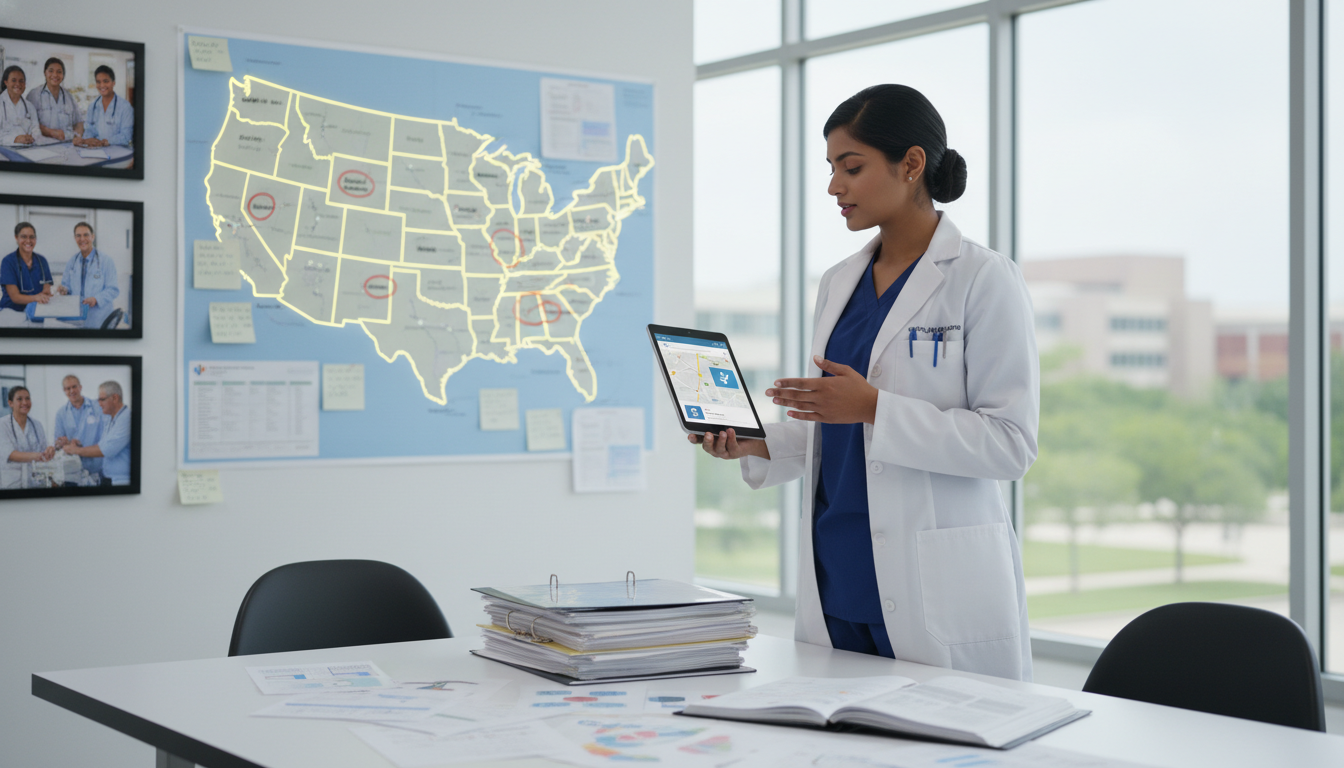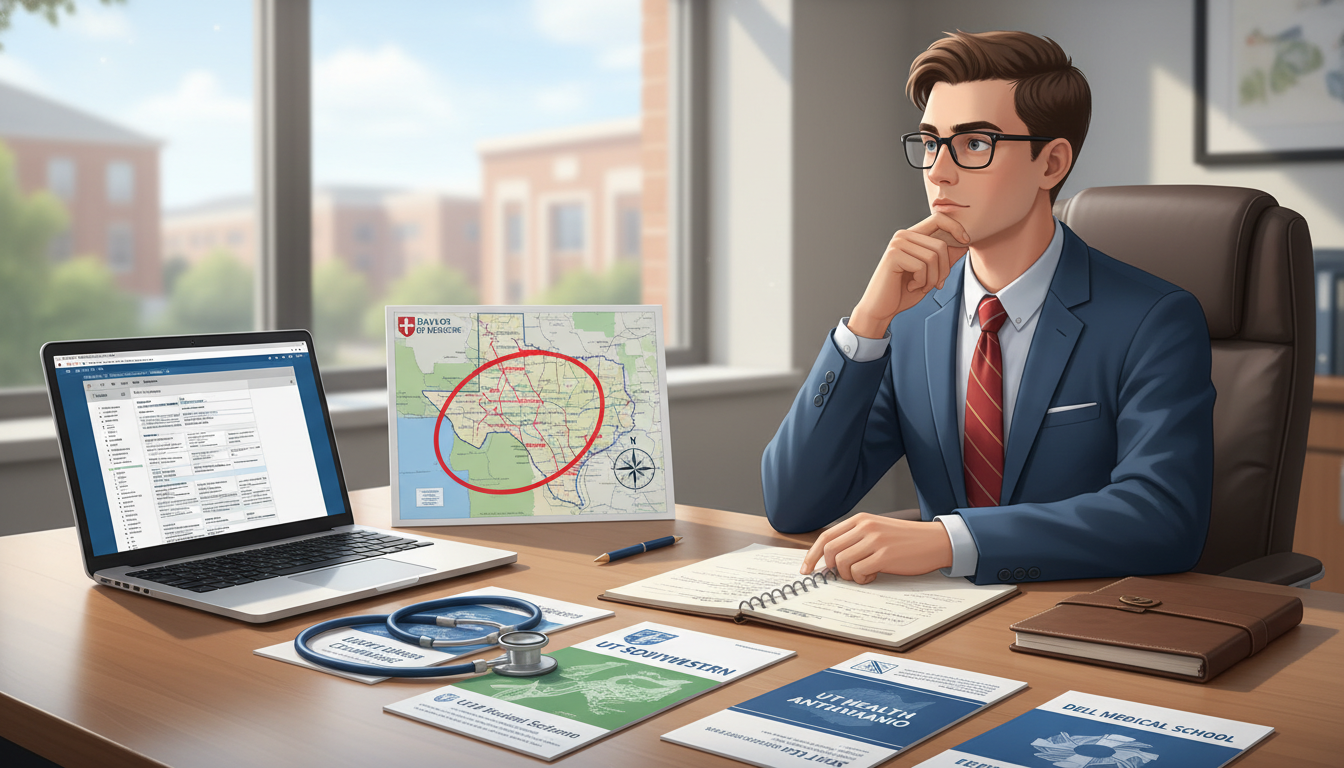
Understanding the Landscape: Why Structured Program Research Matters for IMGs
For an international medical graduate (IMG) aiming for diagnostic radiology, how you research residency programs can be as important as your USMLE scores or letters of recommendation. Radiology is competitive, highly standardized, and increasingly data-driven; programs expect applicants to understand their unique strengths and constraints and to apply thoughtfully.
A strong, intentional program research strategy helps you:
- Target programs where you are realistically competitive
- Avoid wasted applications and interview offers you can’t use
- Identify IMG‑friendly environments and supportive cultures
- Craft tailored personal statements and interview answers
- Build a rank list aligned with your long‑term career goals
This IMG residency guide will walk you step‑by‑step through how to research residency programs in diagnostic radiology, with practical tools that you can use immediately.
Step 1: Clarify Your Profile and Priorities as an IMG
Before diving into spreadsheets and websites, you must understand yourself as an applicant and what you want from a program. This is the foundation for evaluating residency programs intelligently.
A. Define Your Applicant Profile Honestly
Write out a brief applicant snapshot, including:
- USMLE/COMLEX scores
- Step 1 (pass/fail date and attempt history)
- Step 2 CK score
- Any failed attempts (be explicit)
- Medical school background
- Country and school name
- Year of graduation
- Time since graduation (YOG)
- Clinical experience in the U.S.
- Number and type of U.S. clinical experiences (USCE): observerships, electives, externships
- Any U.S. radiology experience (highly valuable)
- Research and academic credentials
- Radiology-specific publications, posters, QI projects
- Higher degrees (Master’s, PhD, MPH), certificates
- Visa status
- Needs J‑1, H‑1B, or already has a green card/other status
- Language and communication
- Any standardized English tests (IELTS/TOEFL)
- Communication strengths/weaknesses
This is your starting point for matching yourself to program requirements.
B. Clarify Your Professional and Personal Priorities
Your priorities will guide how to research residency programs and interpret the information you find. Consider:
- Career goals
- Academic vs. community practice
- Interest in interventional radiology, neuroradiology, MSK, breast, etc.
- Interest in research or education roles
- Training environment
- Strong tertiary/quaternary academic center vs. community hospital
- Level 1 trauma center or not
- Children’s hospital affiliation if you like pediatric radiology
- Program culture
- Collegial vs. highly competitive
- Resident autonomy level
- Diversity and inclusion presence, IMG representation
- Location and lifestyle
- Geographic preferences (urban vs. suburban vs. rural)
- Cost of living and safety
- Proximity to family or support networks
- Visa and IMG support
- J‑1 vs. H‑1B sponsorship
- Historical attitude toward IMGs
- Support for immigration paperwork and transitions
Create a simple list of “Must‑Have,” “Nice‑to‑Have,” and “Not Important” features. You’ll use this later to evaluate programs systematically.
Step 2: Build Your Initial Program List with Smart Tools
Now you’re ready to generate a list of candidate programs for diagnostic radiology. This is the data-gathering part of your program research strategy.
A. Start with Official Data Sources
FREIDA (AMA Residency & Fellowship Database)
- Filter by:
- Specialty: Diagnostic Radiology
- Accreditation: ACGME-accredited
- Visa sponsorship: J‑1 and/or H‑1B (if applicable)
- Note:
- Program size (number of residents)
- Program type (university, university‑affiliated, community)
- Contact details and website link
- Filter by:
NRMP and AAMC Resources
- NRMP Charting Outcomes in the Match (most recent version):
- Look at diagnostics radiology data, especially:
- Step 2 CK ranges for matched IMGs
- Percentage of independent vs. sponsored IMGs
- Look at diagnostics radiology data, especially:
- AAMC Residency Explorer (if available to you):
- Compare your metrics to matched residents’ ranges
- Focus on “How many IMG applicants did the program rank?” and similar measures
- NRMP Charting Outcomes in the Match (most recent version):
ERAS Program Listing
- Confirm which programs are participating in the upcoming diagnostic radiology match cycle.
- Check for any additional application requirements (e.g., supplemental essays).
B. Layer on IMG‑Specific Filters
For an IMG residency guide, one of the most critical criteria is whether a program has a history of supporting international medical graduates.
Key filters as you build your list:
- Explicit statement about IMGs or international graduates on the website
- Current residents or alumni who are IMGs (look for names, bios, countries)
- Visa sponsorship details:
- J‑1 only
- J‑1 + H‑1B
- “No visas” (typically exclude if you need sponsorship)
- USMLE attempts policy: some programs state “No failed attempts” or minimum score thresholds
At this stage, cast a wide but realistic net. You’re not eliminating programs yet; you’re collecting possibilities.

Step 3: Deep Dive into Each Program’s Public Information
Once you have an initial list, the real work of evaluating residency programs begins. This is where many IMGs either rush or rely on superficial impressions. Instead, you need a structured diagnostic radiology match research process.
A. Create a Program Research Spreadsheet
Set up a spreadsheet with columns such as:
- Program Name
- State / City
- Program Type (academic/community)
- Number of Residents per Year
- Visa Sponsorship (J‑1, H‑1B, none)
- IMG Presence (Yes/No; approximate % if visible)
- Step 2 CK Minimum (if published)
- USMLE Fail Policy (if stated)
- Number of IMGs in Current Residents
- Research Opportunities (Y/N; strength)
- Fellowship Pipeline (yes; list major fellowships)
- Call Schedule / Workload Notes
- Location Pros/Cons
- Culture Notes (based on resident bios, PD messages, social media)
- Personal Fit (1–5 rating)
- Overall Priority (High/Medium/Low)
This quantifies your program research strategy and keeps decisions objective.
B. Analyze Each Program’s Website Carefully
Go beyond the front page. Look for:
Program Overview / Director’s Message
- Language that suggests:
- Commitment to education vs. service
- Support for diversity and IMGs
- Emphasis on research, teaching, community service, or clinical volume
- Language that suggests:
Current Residents Page
- Red flags and green flags for IMGs:
- Are there international medical graduates among residents?
- Are there repeated patterns (many residents from same region or school type)?
- Diversity of backgrounds, languages, and training
- Red flags and green flags for IMGs:
Curriculum and Rotations
- Exposure to all core subspecialties: neuroradiology, MSK, body, chest, peds, breast, nuclear, IR
- Structured teaching (lectures, case conferences, physics curriculum)
- Hands-on exposure to procedures if that matters to you
Research and Academic Profile
- Presence of:
- Research requirements or expectations
- Protected research time
- Recent resident publications and presentations
- Affiliation with a medical school or major research institution
- Presence of:
Fellowship Outcomes
- Where do graduates go for fellowship?
- Top-tier academic centers?
- In-house fellowships only?
- Are there established pipelines to neuroradiology, MSK, IR, etc.?
- Where do graduates go for fellowship?
Lifestyle Information
- Call schedule (night float, weekend frequency)
- Moonlighting allowed or not
- Wellness initiatives, mentoring systems
C. Use Social Media and Online Presence
Many diagnostic radiology programs now maintain active:
- Instagram or X (Twitter) accounts
- Resident‑run blogs or newsletters
- Event photos and stories (graduations, social events, case conferences)
What to look for:
- Do residents appear generally satisfied and engaged?
- Do you see any IMGs featured, and how are they represented?
- Are educational activities (case conferences, journal clubs) regularly showcased?
This “unofficial” lens can tell you more about program culture than any formal brochure.
Step 4: Assess Competitiveness and Fit for IMGs
Not all programs are equally accessible to international medical graduates. You must balance ambition with realism when evaluating residency programs for your specific profile.
A. Align Your Metrics with Program Expectations
Using your applicant snapshot from Step 1:
- Compare your Step 2 CK score to:
- Average scores reported on program or institutional pages (if available)
- Ranges seen for matched IMGs in NRMP Charting Outcomes in the Match
- Note programs that:
- Explicitly state minimum scores
- Emphasize “exceptional academic achievement” or “top decile” applicants
If your metrics are:
- Above average for matched IMGs in diagnostic radiology:
- You can include more academically oriented, research-heavy programs.
- Near average:
- Focus on IMG‑friendly academic programs and strong community/university‑affiliated programs.
- Below average (or with exam attempts):
- Emphasize programs with a clear track record of accepting IMGs with diverse backgrounds, consider transitional/research years, and broaden your geographic spread.
B. Evaluate IMG Friendliness Systematically
You can assign each program an “IMG Friendliness Score” based on:
- Current IMGs visible on website (0–3 points)
- History of IMGs in alumni/fellowship lists (0–2 points)
- Explicit mention of welcoming international medical graduates (0–1 point)
- Clear visa support description and experience (0–2 points)
- Word‑of‑mouth or feedback from IMGs you know (0–2 points)
Programs with higher scores should receive higher priority in your application strategy if you need visa sponsorship or have non‑traditional elements in your application.
C. Factor in Visa Realities
Diagnostic radiology programs differ substantially in their willingness and ability to handle visas.
- J‑1 visa:
- Most common and widely supported for residency.
- Many university programs are comfortable with this.
- H‑1B visa:
- Fewer programs offer this due to cost and complexity.
- Often requires:
- All USMLE Steps passed, including Step 3, before residency starts.
- High scores and strong overall profile.
When you research programs:
- Trust what is written on official program sites about visas.
- If unclear but promising, list for possible clarification via email later.

Step 5: Use Personal Contacts and Direct Outreach Strategically
Public data will only get you so far. The most powerful IMG residency guide element is often person‑to‑person information.
A. Tap Your Existing Network
Even if you’re overseas, you may have more connections than you think:
- Home institution faculty and alumni
- Ask if anyone has matched into diagnostic radiology in the U.S.
- Request introductions to recent graduates now in U.S. programs.
- U.S. physicians/mentors from electives or observerships
- Ask about the reputation of programs you’re considering.
- Seek targeted advice about your competitiveness.
Prepare specific questions such as:
- “Do you know if Program X has taken IMGs recently?”
- “Is Program Y more service‑heavy or education‑focused?”
- “Is the culture supportive or more hierarchical?”
B. Reach Out to Current Residents (Especially IMGs)
Many residents are willing to help if approached respectfully.
How to do this:
Identify residents on program websites or social media, especially those:
- Who are IMGs
- Who share your country/region or language
- Who list academic or mentorship interests
Contact via:
- Professional email (if listed)
- Program social media DMs (brief, professional)
Keep your message:
- Short and respectful of their time
- Focused on 3–4 specific questions
Example questions:
- “As an IMG, how supportive has the program been with visa and licensing issues?”
- “What is the balance between service and education in your day‑to‑day work?”
- “How approachable are attendings? Is there a strong teaching culture?”
- “Would you recommend this program to another IMG with a similar background?”
Take brief notes in your spreadsheet after each conversation.
C. Email Programs Only When Necessary
Contact program coordinators or directors when:
- Visa policy is unclear but critical for you
- Application requirements are ambiguous
- A specific detail (e.g., separate application to a homeowner program) isn’t available online
Keep emails:
- Concise
- Professional
- Focused on information not available elsewhere
Avoid sending generic “I am interested in your program” messages; they rarely help and can create a negative impression.
Step 6: Narrow Your List and Build an Intentional Application Strategy
After thorough research, you should move from collecting information to making strategic decisions about where and how many programs to apply to.
A. Categorize Programs by Reach, Target, and Safety
Use your spreadsheet ratings and qualitative notes to group programs into:
- Reach Programs
- Highly competitive; your scores or profile are at or below their typical range
- Strong academic or research focus; prestigious institutions
- Maybe fewer IMGs historically
- Target Programs
- Your metrics closely match their typical ranges
- Documented track record of international medical graduates
- Solid training and fellowships, moderate competitiveness
- Safety Programs
- Clearly IMG‑friendly
- Your scores and profile are above their historical averages
- May be in less popular locations or smaller markets
As an IMG in diagnostic radiology, the balance often looks like:
- 20–30% Reach
- 40–50% Target
- 20–40% Safety
The exact numbers depend on your competitiveness and financial constraints.
B. Think Geographically and Financially
Remember:
- Each application costs money, and interviews add travel/lodging costs (if in‑person).
- Some regions are more IMG‑friendly or have lower cost of living:
- Midwest, South, and some smaller cities often provide more open opportunities than New York/Boston/California.
Consider:
- Grouping applications in regions where you’d be happy to live long term
- Applying to some “backup” specialties (if advised by mentors) if your profile is borderline for radiology
C. Use Research to Tailor Personal Statements and Interviews
Your detailed knowledge from researching programs becomes invaluable when:
- Writing program‑specific paragraphs in your personal statement
- Answering “Why our program?” during interviews
- Asking thoughtful, informed questions at pre‑interview social events
Examples of how to use your research:
- “I’m particularly drawn to your program’s strong neuroradiology exposure and the early call experience described on your curriculum page.”
- “I noticed your residents have recently presented at RSNA and AUR; I’d love to be part of a program with that level of academic engagement.”
- “I saw several current residents are IMGs from diverse backgrounds, which reassures me about your support structure for international graduates.”
Step 7: Re‑Evaluate Programs After Interviews (or Invitations)
Program research is not finished once you submit ERAS. As you receive interview invitations and meet programs, your understanding of fit will evolve.
A. Update Your Spreadsheet with Interview Impressions
After each interview:
Rate:
- Program culture (supportive/neutral/negative)
- Resident happiness and burnout level
- Educational quality and case mix
- IMG support and visa confidence
- Location suitability and cost of living
Note:
- Specific positive experiences (e.g., “PD very understanding of non‑traditional paths”)
- Any red flags (e.g., “Residents hesitant to talk about call; vague about workload”)
B. Adjust Your Rank List with Your Priorities in Mind
When building your rank list:
- Place the greatest weight on training quality and culture
- Consider** IMG‑friendliness and visa reliability** as essential for international medical graduates
- Use location and lifestyle as secondary (but still important) factors
Resist the temptation to over‑rank a “big name” academic center if:
- Residents appear burned out or unsupported
- You sensed resistance toward IMGs
- Your personal and professional goals might be better served at a strong mid‑tier program
Your program research strategy should empower you to choose an environment where you will thrive, not just survive.
Frequently Asked Questions (FAQ)
1. How many diagnostic radiology programs should an IMG apply to?
The right number depends on your competitiveness, visa needs, and budget, but many IMGs aiming for radiology apply to 40–80 programs.
- More competitive IMGs (high scores, U.S. research, strong letters) may do well with fewer, more targeted applications.
- Those with borderline scores, exam attempts, or older YOG may need to apply more broadly.
Use your program research spreadsheet to ensure you’re not simply increasing volume, but targeting programs where you have a realistic chance.
2. How can I tell if a program is truly IMG‑friendly?
Look for a combination of factors:
- Multiple IMGs among current residents and recent graduates
- Explicit mention of welcoming international medical graduates on the website
- Clear history of visa sponsorship (J‑1 or H‑1B as applicable)
- Positive impressions from IMGs you contact at the program
- A respectful, inclusive tone from leadership and residents during interactions
No single factor is definitive, but a consistent pattern across these elements is a strong indicator.
3. Should I contact program directors to express interest before applying?
In most cases, no. Generic “interest” emails before applying rarely influence interview decisions and can burden busy program leadership. Instead:
- Focus on building a strong, complete ERAS application.
- Use your research to tailor personal statements and interview answers.
- Consider contacting programs only if you have:
- A significant update (new publication, improved Step 2 CK, visa status change)
- A specific question not answered anywhere publicly
4. What if my Step 1 or Step 2 CK is lower than average for radiology?
You can still pursue diagnostic radiology, but your program research and application strategy must be especially thoughtful:
- Prioritize IMG‑friendly programs in less competitive regions.
- Highlight strengths in clinical performance, communication, and work ethic.
- Strengthen your application with:
- Radiology research or QI projects
- Strong letters from U.S. radiologists
- Evidence of resilience and growth after challenges
Use tools like NRMP Charting Outcomes and Residency Explorer (if available) to identify programs where your profile aligns reasonably with previous matched applicants, and rely heavily on the structured program research approach outlined above.
By approaching the diagnostic radiology match with a disciplined, data‑driven program research strategy, you convert uncertainty into informed decision‑making. As an international medical graduate, this effort can be the difference between a scattershot application and a focused, successful path into a residency that truly fits your goals and your life.