Understanding Geographic Flexibility as an IMG in the Mississippi Delta
Geographic flexibility is one of the most powerful tools an international medical graduate (IMG) can use in the residency match—especially if you’re open to training in regions like the Mississippi Delta and the broader Deep South. For IMGs targeting U.S. residency, being thoughtful—but strategic—about geography can dramatically change your chances of matching.
This article serves as a practical IMG residency guide focused on:
- How to think about geographic flexibility
- What it means specifically in the Mississippi Delta
- How to balance your regional preference strategy with your long‑term career goals
- How to present location flexibility in your application and interviews
You’ll learn not only “where” to apply, but “how” to talk about it and “why” certain choices can improve your match odds.
Why Geographic Flexibility Matters So Much for IMGs
For an international medical graduate, geography is not just a preference—it’s a strategic variable that residency programs pay close attention to, and that you can leverage in your favor.
1. Supply–Demand Reality for IMGs
- Highly desired urban regions (New York City, California, Boston, major coastal metros) attract thousands of applicants, including many U.S. MD and DO graduates.
- Less saturated regions—such as parts of the Mississippi Delta and the Deep South—may receive fewer applications overall, and often show more openness to qualified IMGs.
By being geographically flexible, you:
- Compete in less crowded applicant pools
- Increase the number of programs where your application is seriously considered
- Show programs you are willing to commit to locations that historically struggle with recruitment and retention
2. Programs Want Residents Who Will Stay
Particularly in the Mississippi Delta and other Deep South residency programs, there’s a strong emphasis on:
- Long‑term physician retention
- Commitment to underserved and rural populations
Programs worry that applicants who see the region as a “backup” might leave immediately after residency. When you demonstrate genuine geographic flexibility—and explain why the region aligns with your goals—you ease that concern.
3. Visas and Geographic Flexibility
Many IMGs require:
- J‑1 visas (through ECFMG)
- Or H‑1B visas (where supported)
Some geographic regions and program types:
- Have more experience sponsoring visas
- Are more willing to handle the additional administrative work
- Are located in areas that later offer J‑1 waiver jobs in underserved settings (common in the Mississippi Delta)
Being open to a Mississippi Delta residency or broader Deep South residency not only improves your chances of matching, but also your chances of finding waived or sponsored employment later.
The Mississippi Delta and Deep South: What IMGs Need to Know
The term “Mississippi Delta” can sound abstract if you’re outside the U.S. In the context of residency planning, it refers both to a geographic region and a healthcare reality that directly impacts your training.
1. Defining the Region
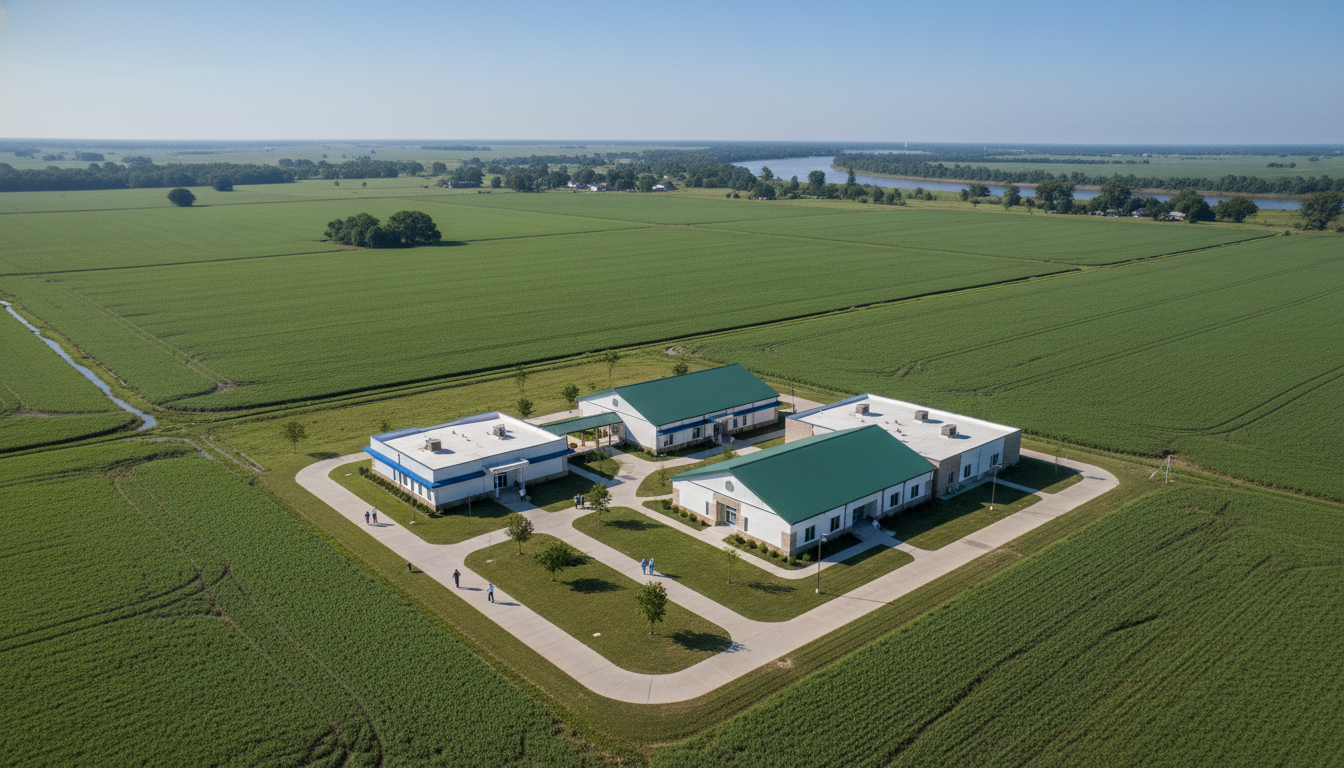
The Mississippi Delta broadly includes:
- Northwestern Mississippi along the Mississippi River
- Nearby areas in Arkansas and Louisiana with similar rural, agricultural, historically underserved characteristics
Key features from a residency perspective:
- Smaller cities and towns
- Limited but crucial health systems and community hospitals
- High prevalence of chronic disease: diabetes, hypertension, obesity, cardiovascular disease, and health disparities
2. Types of Residency Programs in and Near the Delta
You’ll find:
- Community-based internal medicine and family medicine programs
- Rural training tracks or rural health–focused pathways
- Some university-affiliated programs that send residents to rural rotations in the region
- Occasional categorical specialties (e.g., psychiatry, pediatrics, OB/GYN) in larger regional centers
Many of these programs:
- Are open to IMGs
- May have a history of training international medical graduates
- Rely heavily on residents to meet local healthcare needs, providing high hands‑on exposure
3. Advantages of a Mississippi Delta Residency for IMGs
a. High clinical volume and responsibility
- You’ll manage a wide range of pathologies
- Often see advanced stages of disease due to barriers to care
- Learn to work with limited resources—valuable in any future practice setting
b. Strong community impact
- Your presence directly affects access to care
- Patients may have limited options besides your clinic or hospital
- This is attractive for IMGs with an interest in primary care, global health, public health, or underserved medicine
c. Possibly more IMG‑friendly
- Some Mississippi Delta residency programs actively recruit IMGs
- They may be more willing to consider varied medical school backgrounds
- They frequently have established systems for visa sponsorship
d. Career and visa advantages
- Later J‑1 waiver jobs are often in underserved or rural areas—exactly like the Delta
- Prior experience living and working there makes you a natural fit for those positions
4. Potential Challenges You Must Anticipate
- Cultural adjustment: The Deep South has unique cultural norms, religious life, and social dynamics.
- Rural lifestyle: Smaller towns, fewer entertainment and shopping options, limited public transport.
- Distance from major airports and big cities: Travel to home country may be less convenient.
- Climate: Hot, humid summers; some areas with storms and heavy rainfall.
None of these are inherently negative, but you must reflect honestly on whether this environment matches your personal needs and resilience.
Building a Geographic Preference Strategy as an IMG
Geographic flexibility doesn’t mean “apply everywhere without thinking.” A strong regional preference strategy balances realism, opportunity, and your personal life constraints.
1. Clarify Your True Constraints
Before planning, list your non‑negotiables:
- Visa type required (J‑1 vs H‑1B)
- Need to live within driving distance of family or a support network
- Religious or cultural needs that require proximity to certain communities
- Health needs (e.g., need for a specialist center in a nearby city)
Then list flexible factors:
- Size of city
- Climate
- Proximity to large airports
- Degree of rural vs suburban environment
For example:
You might decide, “I must be in a J‑1–sponsoring program, but I’m flexible on big city vs rural. I’d prefer the East or South, but I’m open to the Mississippi Delta and broader Deep South if the program is IMG‑friendly.”
2. Categorize Regions by Opportunity Level
Think of the country as three broad zones from an IMG perspective:
Highly competitive regions
- Coastal metros: NYC, Boston, Bay Area, Los Angeles, Seattle, Miami
- Limited spots, many U.S. graduates: hard for IMGs without exceptional profiles.
Moderately competitive regions
- Many Midwest cities, some Southern metros, parts of Texas.
- Good mix of programs, some IMG‑friendly.
High‑opportunity underserved regions
- Mississippi Delta, parts of rural Deep South, Appalachia, interior Midwest.
- More open to IMGs, greater need for physicians, programs often appreciative of committed applicants.
A smart IMG residency guide strategy is to:
- Still apply to some programs in zones 1 and 2 if you have competitive scores and strong credentials
- But intentionally include a solid number of programs in zone 3, such as Mississippi Delta residency and deep south residency programs, where your chances may be higher.
3. Balancing Geographic Preference and Flexibility
For your geographic preference residency decisions, consider this mix when building your application list:
- 40–50%: Regions where you have a strong personal preference (e.g., where family lives, familiar cities)
- 30–40%: Regions you are neutral about but consider acceptable (moderately competitive cities)
- 20–30%: Regions you might not have initially chosen but are open to for training (Mississippi Delta, rural Deep South, smaller Midwest cities)
This distribution shows:
- You are realistic and flexible
- You still respect your own mental health and support needs
- You are not relying exclusively on extremely competitive locations
How to Present Geographic Flexibility in Your Application
It’s not enough to just apply widely. Programs look for coherent narratives about why you’re applying to their region and whether you’ll thrive there.

1. Use Your Personal Statement Wisely
If you’re specifically targeting Mississippi Delta or deep south residency programs, you can:
- Briefly mention your interest in underserved or rural medicine
- Emphasize prior experiences:
- Rotations in rural or low‑resource settings in your home country
- Volunteer work with underserved populations
- Public health or community outreach projects
Example phrasing:
“I am drawn to community-based training in regions like the Mississippi Delta, where physicians play a vital role in improving access to care. My clinical work in rural [home country] has prepared me to serve in communities facing resource limitations, and I am committed to practicing in such settings long term.”
This clearly signals location flexibility match potential and genuine fit.
2. Craft Program-Specific Emails or Statements
When programs allow supplemental statements or emails (where appropriate and following their policies), you can articulate:
Why their region appeals to you:
“I understand the Mississippi Delta’s unique health disparities and am especially interested in working with patients who have limited access to care.”Why their program structure fits your goals:
“Your emphasis on continuity clinic in rural satellite sites aligns with my interest in primary care and community engagement.”
This moves you beyond generic interest and demonstrates thoughtful geographic preference residency reasoning.
3. Address Concerns About Staying Long-Term
Program directors in the Delta and Deep South often worry that IMGs will leave immediately after training if they perceive the region as a temporary compromise.
You can address this by:
- Highlighting elements that genuinely attract you (slower pace of life, strong community bonds, lower cost of living, religious or cultural fit, family planning)
- Indicating openness to working in similar regions after graduation, particularly if you anticipate J‑1 waiver employment
Avoid unrealistic promises (e.g., “I will definitely stay here forever”) but you can say:
“Given my interest in working in underserved areas after residency and the likelihood of pursuing J‑1 waiver positions, I can see myself remaining in a community similar to the Mississippi Delta for several years after training.”
This is honest yet reassuring.
4. Talk About Geography During Interviews
Expect questions like:
- “Why are you interested in our region?”
- “Have you ever lived in a rural area before?”
- “Do you think you will be happy here?”
Answer thoughtfully:
Acknowledge differences:
“I understand this is very different from major metropolitan areas, and I have reflected on that seriously.”Connect to values or experiences: “I enjoy close‑knit communities and I am used to living in smaller towns. During medical school, I worked in rural clinics and appreciated the continuity with patients.”
Signal realistic expectations:
“I know I’ll need to adapt to the climate and lifestyle, but I see this as an opportunity to focus on training and patient care in a setting where I can make a meaningful impact.”
Practical Steps to Implement a Location Flexibility Match Strategy
Turning the concept of flexibility into action requires concrete planning. Below are step‑by‑step recommendations tailored for IMGs considering the Mississippi Delta and surrounding Deep South.
1. Research Programs with a Geographic Lens
Start by identifying:
- Programs physically located in the Mississippi Delta
- Nearby academic centers with rural training tracks or outreach to Delta communities
- Deep south residency programs in neighboring states with similar profiles (Alabama, Arkansas, Louisiana, Tennessee, etc.)
For each program, investigate:
- Historical IMG match rates
- Stated willingness to sponsor J‑1 and/or H‑1B visas
- Emphasis on rural, underserved, or community-based care
Use:
- FREIDA (AMA)
- Program websites
- NRMP data and program lists
- Alumni networks and current residents
2. Build a Purposeful Application List
When you finalize your list:
- Include a solid cluster of Mississippi Delta residency and nearby Deep South programs, not just one or two.
- Balance them with:
- Some more competitive programs in moderate‑sized cities
- A few stretch programs (if you have strong scores or research)
For example, a 60‑program internal medicine list for an IMG might include:
- 15–20 programs in underserved regions (Delta, rural South, interior Midwest)
- 25–30 programs in moderately competitive regions
- 10–15 in more competitive urban areas
3. Plan Rotations, Observerships, or Electives Strategically
If feasible, seek:
- US clinical experience (USCE) in the South or Midwest, ideally within community or rural settings
- Observerships in hospitals that serve Mississippi Delta or similar populations
- Telehealth or community outreach volunteer roles with U.S. underserved populations
This:
- Strengthens your credibility in interviews
- Provides concrete stories about working with underserved patients
- Shows that your geographic flexibility isn’t hypothetical—you’ve experienced somewhat similar environments
4. Prepare for Lifestyle and Practical Adjustments
If you match in a Mississippi Delta or deep south residency, planning ahead will ease your transition:
- Transportation: Many smaller towns require a car; investigate driving license requirements and insurance early.
- Housing: Ask current residents about safe, affordable neighborhoods.
- Community: Look for cultural, religious, or social groups that align with your background or interests.
- Self‑care and mental health: Understand that rural or small‑town life can feel isolating initially; develop strategies (online communities, regular calls with family, periodic trips to nearby cities).
Being mentally prepared to adapt increases your chances of thriving in the program.
FAQs: Geographic Flexibility for IMGs in the Mississippi Delta
1. Does being geographically flexible really improve my chances of matching as an IMG?
Yes. Programs in underserved and less saturated regions—such as many Mississippi Delta residency and deep south residency programs—often:
- Receive fewer total applications
- Are more open to IMGs
- Appreciate candidates who specifically express interest in their location and mission
Geographic flexibility doesn’t guarantee a match, but it can meaningfully shift the odds in your favor compared to applying only to highly competitive coastal cities.
2. How do I show that I’m truly interested in the Mississippi Delta and not just applying everywhere?
You can:
- Highlight relevant experiences with rural or underserved populations in your personal statement
- Explain why the Mississippi Delta’s community‑based, high‑need environment aligns with your goals
- Ask thoughtful, region‑specific questions on interview day
- Indicate openness to working in similar communities after residency, especially if pursuing a J‑1 waiver
Coherent, specific explanations stand out from generic “I will go anywhere” statements.
3. Will training in a rural or Delta region limit my future career options?
Generally, no. In fact, training in the Mississippi Delta can:
- Demonstrate adaptability, resilience, and broad clinical skills
- Position you well for jobs in underserved or community hospitals
- Keep options open for fellowships, provided you build a strong academic profile (good letters, research if possible, strong ITE scores)
If you aim for highly academic subspecialties in elite centers, you may need to be more intentional about research and networking, but a Delta or deep south residency does not inherently harm your future prospects.
4. Can I still rank other regions highly if I show interest in the Mississippi Delta?
Absolutely. The NRMP Match algorithm prioritizes your rank list order, not your stated preferences. Having a strong geographic flexibility match strategy means:
- You apply widely
- You interview broadly
- You rank programs honestly based on preference
Showing interest in Mississippi Delta or Deep South programs does not prevent you from ranking other regions first; it simply expands your interview and match opportunities.
Geographic flexibility is one of the most effective levers you have as an international medical graduate. When approached strategically—especially with an understanding of what Mississippi Delta residency and deep south residency training truly involve—it can transform your path from uncertain to promising. By aligning your regional preference strategy with your values, long‑term goals, and realistic constraints, you not only improve your chances of matching, you set yourself up for a meaningful, impactful career in medicine.