
Understanding Geographic Flexibility as an IMG in the Rural Midwest
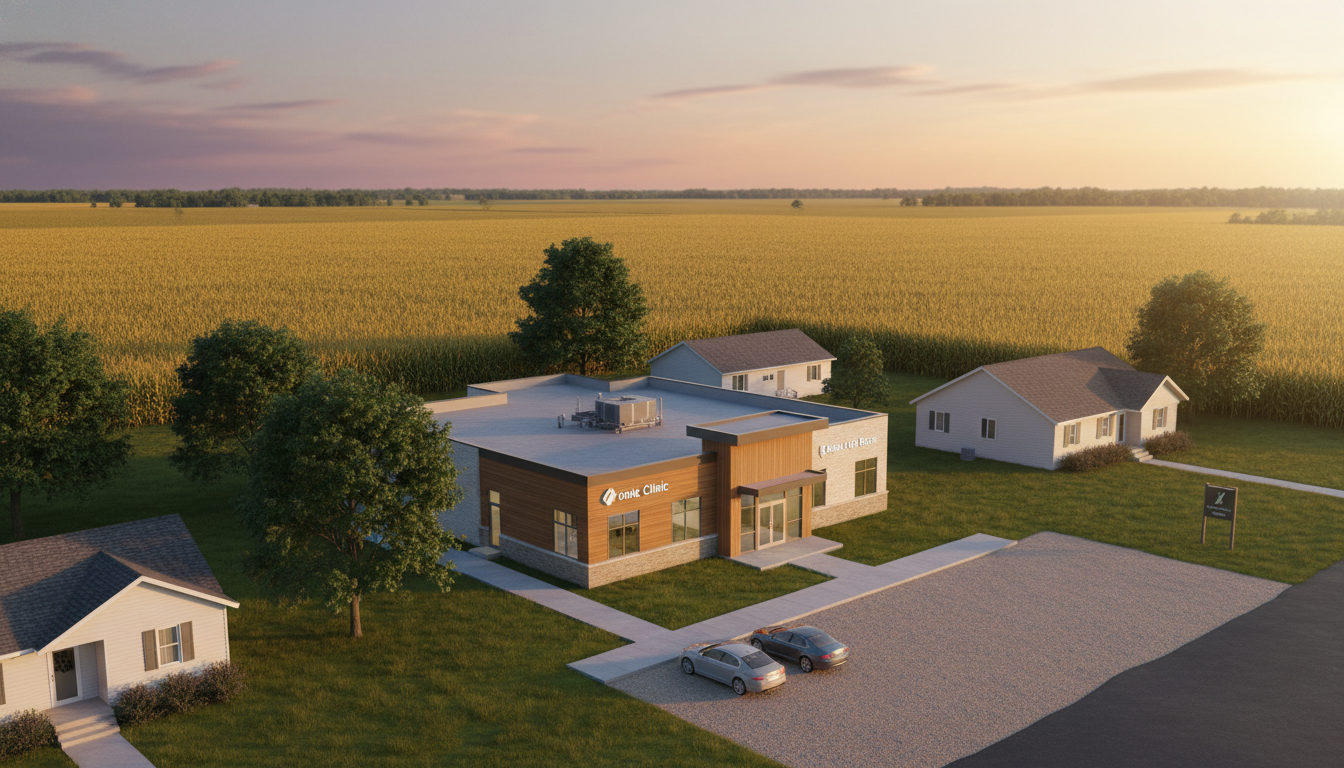
For an international medical graduate, “geographic flexibility” is not just a buzzword; it can be the difference between matching and going unmatched—especially if you are targeting less familiar regions like the rural Midwest. Programs in Iowa, Nebraska, and neighboring states often have very specific needs, and knowing how to align your goals with those needs is crucial.
In the context of the residency match, geographic flexibility means:
- Being open to a range of locations (especially outside major cities)
- Clearly communicating your geographic preference residency priorities
- Strategically signaling that you are serious about living and training in the rural Midwest
- Using a regional preference strategy without over-restricting yourself and hurting your chances
This IMG residency guide explains how to balance genuine interest in the Iowa Nebraska residency region with enough flexibility to stay competitive across the country.
Why the Rural Midwest is a Strategic Opportunity for IMGs
Many IMGs overlook the rural Midwest because they are unfamiliar with it, or they assume it offers fewer opportunities. In reality, the region can be a powerful pathway to residency if you understand what programs need and how to present yourself.
1. High Service Needs and Strong Training
Rural Midwest states—like Iowa, Nebraska, the Dakotas, Kansas, and parts of Missouri and Minnesota—have:
- Fewer physicians per capita
- Aging populations with high primary care needs
- Fewer large academic centers, but robust community hospitals and regional health systems
Because of this, programs in these regions often:
- Actively recruit IMGs who are willing to stay long term
- Provide broad-scope training (you see a wide range of pathology)
- Offer more resident autonomy, especially in later years
For an IMG seeking strong clinical experience and a realistic match, these are significant advantages.
2. Visa Sponsorship and IMG-Friendliness
Many rural and semi-rural programs in the Midwest have a long history of:
- Sponsoring J-1 visas
- Sometimes offering H-1B visas (varies by institution and year)
- Hiring graduates who then stay in their system, often via Conrad 30 J-1 waiver positions
Because these programs depend on IMGs to maintain their workforce, they may:
- Be more familiar with ECFMG certification processes
- Understand IMG-specific challenges (e.g., gap years, foreign transcripts)
- Have alumni networks that include many IMGs who stayed in the region
3. Lifestyle and Cost of Living
Compared to major urban centers:
- Housing is cheaper and often larger
- Commutes are short (sometimes under 10 minutes door-to-door)
- Communities can be tight-knit and supportive
This can make the rural Midwest residency lifestyle especially appealing if you:
- Value work-life balance
- Have or plan to have a family
- Prefer a quieter environment
Of course, this is not ideal for everyone. Geographic flexibility means being honest with yourself about whether you can genuinely live and thrive in these settings for 3+ years.
Defining Your Geographic Preferences: How Narrow is Too Narrow?
When you create your ERAS application, you must navigate two competing priorities:
- Demonstrate genuine interest in the rural Midwest, and specifically in Iowa and Nebraska
- Maintain enough location flexibility so that you do not drastically limit your chances of matching
This is where a clear, intentional geographic preference residency strategy is essential.
Understanding Geographic Signaling (Where Applicable)
In some specialties and cycles, NRMP or ERAS allow geographic preference signals. Policies change, but general principles apply:
- Use limited signals to highlight true priority regions (for example, “Upper Midwest” or “Central U.S.” if those are the available categories).
- Do not signal a region you are not prepared to move to.
- Use program signals (if available in your specialty) selectively for key Iowa Nebraska residency programs or other rural Midwest programs where you have a strong fit.
If formal signals are not part of your specialty’s process, you still communicate preference via:
- Personal statement
- Program-specific supplemental questions
- Emails with program coordinators (when appropriate)
- Your interview conversation
Building a Realistic Regional Preference Strategy
A smart regional preference strategy for an IMG focusing on the rural Midwest might look like this:
- Tier 1 (High Priority): Programs in Iowa, Nebraska, and neighboring rural states, particularly IMG-friendly community and university-affiliated hospitals.
- Tier 2 (Moderate Priority): Programs in surrounding regions (e.g., upper Midwest/Great Plains or smaller cities in nearby states like Missouri, Kansas, or Minnesota).
- Tier 3 (Safety Net / Flexibility): Programs in other regions where you meet or exceed their typical applicant profile and where you can realistically see yourself living.
You do not have to choose between the rural Midwest and the rest of the country. Geographic flexibility means:
- You prioritize the Midwest on your personal list.
- You still apply widely, especially as an IMG.
- You tailor your communications and documents for the Midwest programs where you want to stand out.
Pitfalls: Over- and Under-Flexibility
Too narrow (over-committed):
- Only applying to 20–30 programs, all in Iowa and Nebraska
- Declaring in every document that you “will only live in the rural Midwest”
- Ignoring your competitiveness (e.g., mid-range scores, some gaps) and banking on one small region
Too broad and vague (under-committed):
- Generic personal statement with no regional content
- Telling every program, “I am open to anywhere in the U.S.” without specifics
- Not explaining why you are genuinely interested in rural communities
Balanced approach:
- Aim for wide application numbers (often 80–120+ for IMGs in competitive core specialties, depending on your profile).
- Create region-specific paragraphs for your personal statement (e.g., one version referencing Iowa/Nebraska and the rural Midwest).
- Be ready to explain—clearly and consistently—why you are especially drawn to the region while remaining open to others.
Demonstrating Genuine Commitment to the Rural Midwest
Programs in smaller towns are cautious. They want to be sure that applicants:
- Understand what rural life is like
- Are unlikely to leave or transfer after a year
- Will integrate into the hospital and the community
Your IMG residency guide for this region must therefore include a plan to demonstrate authentic commitment.
1. Use Your Story to Explain Geographic Preference
In your application materials, connect your background and values to the rural Midwest:
Possible angles:
- Rural upbringing in your home country (e.g., “I grew up in a farming village with limited access to care…”)
- Community-oriented experiences (e.g., long-term volunteering in under-resourced areas)
- Spouse/partner or family ties to the Midwest (even extended relatives or close friends)
- Interest in primary care or broad-scope practice that aligns with rural health needs
Example paragraph for your personal statement (adapt as needed):
“My medical education began in a small town where patients traveled hours to reach basic care. That experience shaped my commitment to communities that others overlook. The rural Midwest, including states like Iowa and Nebraska, offers the chance to combine rigorous training with meaningful relationships in tight-knit communities. I am specifically drawn to this region’s emphasis on continuity of care, long-term patient-physician relationships, and the opportunity to practice broad-scope medicine.”
2. Highlight Rural or Community Health Experiences
If you have any of the following, make them visible:
- Rural rotations or clerkships
- Community health center or FQHC experience
- Outreach clinics, mobile clinics, or public health projects
- Telemedicine work with rural patients
- Research on rural health disparities, agricultural health, or underserved populations
Frame these experiences to show that you:
- Understand resource limitations
- Are comfortable with managing a wide range of conditions
- Appreciate the social and cultural aspects of rural life
3. Seek U.S. Clinical Experience (USCE) that Aligns with Your Target Region
Where possible, choose USCE that strengthens your geographic preference residency narrative:
- Observerships or externships in the Midwest (even if not in Iowa or Nebraska)
- Rotations at community or critical access hospitals
- Electives in family medicine, internal medicine, or pediatrics in smaller cities
If you cannot secure Midwest experiences, you can still show interest:
- Mention your willingness to travel for interviews and rotations in the region
- Attend virtual open houses for Iowa Nebraska residency programs and nearby states
- Network (respectfully) with faculty or residents from these programs via alumni connections or conferences

Crafting Your Application: How to Show Geographic Flexibility Without Confusing Programs
Your written materials are key to communicating that you are both serious about the rural Midwest and generally open-minded about location.
1. Personal Statement Strategy
Consider creating two versions of your personal statement:
Version A (Midwest-focused):
Includes a short, genuine paragraph about your interest in the Midwest and/or rural practice. Use this for programs in Iowa, Nebraska, and neighboring rural regions.Version B (General but still flexible):
Focuses more broadly on underserved or community care, without naming a specific region. Use this for programs outside the Midwest.
Important points:
- Do not contradict yourself. Avoid saying “I will only practice in the Midwest” in one statement and “I am open to all coastal cities” in another.
- Emphasize values that travel across geography: service, continuity of care, underserved populations, adaptability.
2. ERAS Geographic Preferences (When Offered)
If your application year and specialty include explicit geographic questions:
- Rank Midwest regions genuinely higher if they are a priority for you.
- If “rural” or “non-urban” choices exist, select them if they match your true preference.
- Avoid checking “No Preference” everywhere if you actually do prefer the Midwest; programs cannot read your mind.
However, keep in mind:
- Geographic preferences can guide programs but usually are not absolute.
- If you need to maintain broad chances, you can still list a few regions as acceptable if you would realistically move there.
3. Supplemental Application and Program-Specific Questions
Many programs now ask:
- “Why are you interested in our program/location?”
- “What makes you a good fit for a rural community?”
Answer with specificity:
- Reference local features appropriately (e.g., “I am interested in caring for agricultural and rural communities similar to where I grew up.”)
- Mention the region by name: “I am particularly drawn to the rural Midwest and see [Town, State] as an ideal setting to train and eventually practice.”
- Avoid copy-paste answers; subtle tailoring shows sincerity.
4. Interview Day: Verbalizing Location Flexibility Match
During interviews, you will often be asked:
- “Where else are you applying?”
- “What kind of location are you looking for?”
- “How do you feel about living in a small town in the winter?”
Answer in a way that supports location flexibility match while affirming your interest:
Example phrasing:
- “I have focused my applications mainly on the Midwest and other regions with strong community-based programs. I am particularly excited about rural communities like yours because of the continuity of care and broad clinical exposure.”
- “I have lived in colder climates before, and I’m prepared for Midwest winters. I see the lifestyle—short commute, close relationships with patients—as a significant benefit.”
Avoid implying:
- That the town is a “backup” or “plan B.”
- That you are only coming for visa reasons and will leave immediately after training.
- That you will likely move to a big coastal city at the first chance, without acknowledging the value of staying.
Practical Steps and Timelines: A Roadmap for IMGs Targeting the Rural Midwest
To turn your geographic flexibility into match success, organize your efforts month by month.
12–18 Months Before Applying
- Research IMG-friendly programs in Iowa, Nebraska, and nearby states (use FREIDA, program websites, and IMG forums cautiously).
- Identify where recent international medical graduates have matched in the rural Midwest.
- Begin or continue USCE, ideally in community-based or rural settings if possible.
9–12 Months Before Applying
- Draft your general and Midwest-focused versions of your personal statement.
- Reach out (if appropriate) to mentors or faculty with ties to Midwest programs.
- Study program websites for mentions of:
- Commitment to rural care
- IMG support
- Visa policies (J-1 vs. H-1B)
- Attend virtual open houses for Iowa Nebraska residency programs and other rural Midwest residencies.
3–6 Months Before Applying
- Finalize ERAS application, including any geographic preference residency or supplemental forms.
- Decide your regional preference strategy:
- Which states are Tier 1, Tier 2, Tier 3?
- How many programs to apply to in each region?
- Prepare talking points for interviews on:
- Why the rural Midwest?
- How you handle winter, rural isolation, small communities
- Long-term career goals (e.g., staying in a rural area, primary care, hospitalist work)
After Submitting ERAS
- Respond promptly and professionally to program emails.
- Attend scheduled open houses or Q&A events for rural Midwest programs.
- Keep refining your story about geographic flexibility—each interview is practice for the next.
Frequently Asked Questions (FAQ)
1. If I focus my applications on the rural Midwest, will that hurt my chances of matching elsewhere?
Not if you maintain genuine location flexibility match. You can:
- Apply broadly across multiple regions
- Use a Midwest-focused personal statement for programs in that area
- Use a more general statement for other regions
Programs in other areas will not see how you have framed your Midwest interest for those specific applications. As long as your core values and story are consistent, you will not hurt your chances elsewhere.
2. Do programs in Iowa and Nebraska really favor IMGs?
Many Iowa Nebraska residency programs—especially community and regional hospitals—are historically IMG-friendly because:
- They rely on IMGs to fill workforce gaps
- They often value dedication to rural communities
- They may be more flexible about non-traditional pathways, gaps, or older graduation dates
However, each program is unique. You must check recent match lists, websites, and alumni data to see how many international medical graduates they take each year.
3. How do I convince rural Midwest programs that I won’t just leave after residency?
You cannot “guarantee” this, but you can increase their confidence by:
- Highlighting prior rural or community health experience
- Explaining clearly why rural life suits your personality and values
- Mentioning openness to J-1 waiver or long-term practice in similar communities
- Providing consistent messaging across your personal statement, interviews, and emails
Actions speak louder than words: if you actively seek out rural-focused experiences, attend Midwest open houses, and know details about the region, programs will sense your sincerity.
4. What if I have never lived in a rural area or a cold climate before?
You can still be a strong candidate if you:
- Show cultural curiosity and adaptability
- Have experiences that prove resilience (e.g., moving countries, learning new languages)
- Demonstrate that you understand the challenges (limited night life, long winters, smaller social circle) and still see the advantages
Address this honestly in interviews:
- “I have not lived in a rural area before, but I have moved between countries and adapted to very different environments. I’ve researched life in the rural Midwest and spoken with residents who enjoy it. I’m attracted to the sense of community and the opportunity to truly get to know my patients.”
By approaching your application with a thoughtful regional preference strategy, you can use geographic flexibility to your advantage. The rural Midwest residency pathway, particularly in states like Iowa and Nebraska, offers international medical graduates a realistic, rewarding route into U.S. training—if you communicate clearly, plan strategically, and commit genuinely to the communities you hope to serve.