Understanding Geographic Flexibility as an IMG in the Bay Area
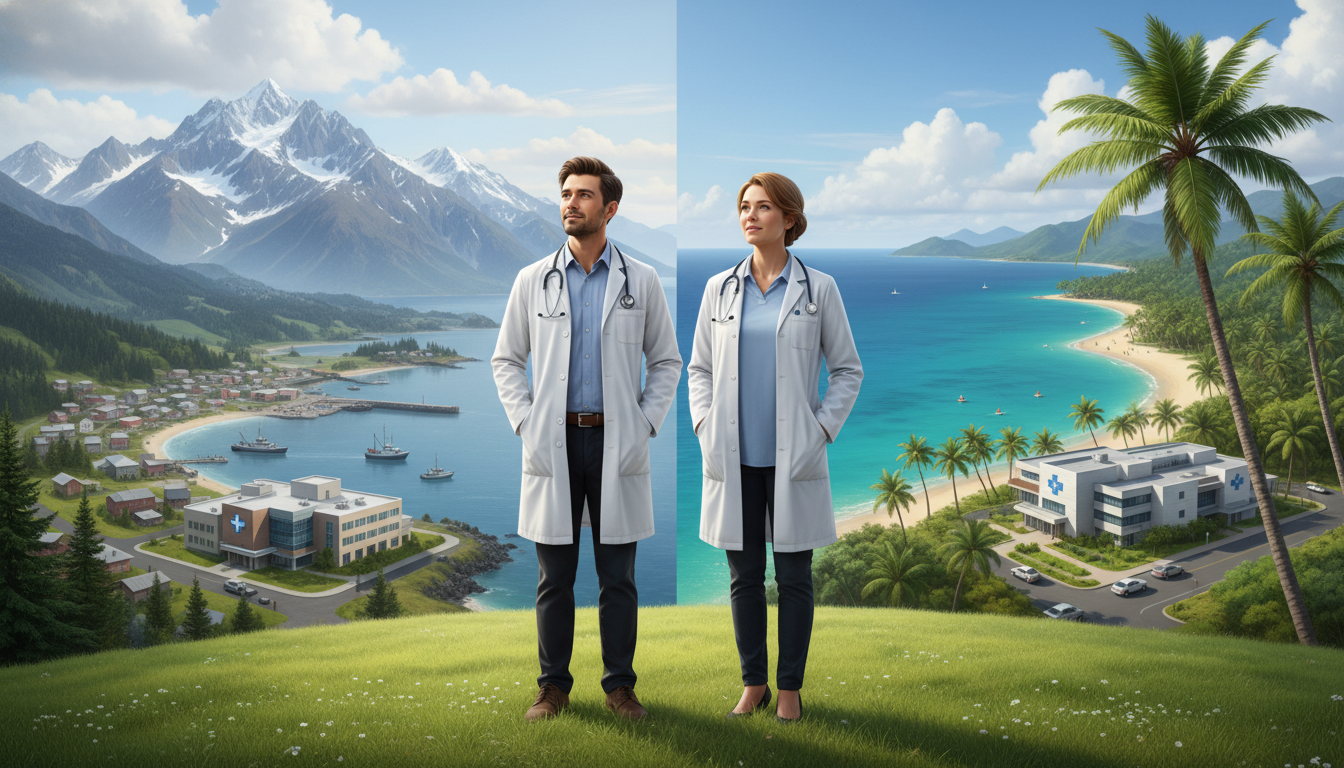
Geographic flexibility is one of the most important—and misunderstood—strategies for an international medical graduate (IMG) aiming for a San Francisco residency or a broader Bay Area residency. In a highly competitive environment like Northern California, your willingness (or unwillingness) to consider nearby cities, regions, and different program types can dramatically change your match outcomes.
In this IMG residency guide, we will focus on how to use geographic flexibility strategically—not just “being willing to go anywhere,” but understanding how regional preference strategy, location flexibility in the Match, and realistic planning interact when your primary target is the San Francisco Bay Area.
You will learn:
- How program geography affects your chances as an IMG
- What “Bay Area” really means from a residency perspective
- How to balance personal and family needs with match probability
- How to signal geographic preference for San Francisco while still staying flexible
- Practical rank list and application strategies tailored to IMGs
1. Why Geographic Flexibility Matters So Much for IMGs
For an international medical graduate, location is often the single largest determinant of competitiveness—sometimes more than Step scores or research.
1.1. The Bay Area Is a High-Demand, Low-Supply Region
The San Francisco Bay Area is relatively small in number of residency programs compared to its national popularity:
- A few large academic centers (e.g., UCSF and affiliates, Stanford-affiliated programs)
- Several well-regarded community and county programs in and around the Bay
- Limited total positions compared to large multi-hospital regions like New York or Texas
Result: Many more applicants than positions, especially in Internal Medicine, Pediatrics, and more competitive specialties (e.g., Neurology, Radiology, Anesthesiology, Dermatology, etc.).
For IMGs, this means:
- Higher competition for each spot
- Programs have many strong U.S. graduates to choose from
- Visa sponsorship further narrows your options within the area
Geographic flexibility is how you reduce risk in this environment.
1.2. How Programs View Geographic Preference
Most program directors want residents who:
- Have a clear reason to be in their region
- Are likely to stay through all years of training
- Will integrate well into the community and hospital culture
If you present as interested in “San Francisco only” without a thoughtful explanation, some programs may worry that:
- You might rank them low unless they are in the exact city you want
- You may not be happy in their specific location (e.g., East Bay vs Peninsula vs Central Valley)
- Visa or relocation issues might be more complex
Conversely, too much geographic flexibility (“I will go anywhere in the U.S.”) can make you sound unfocused if you don’t explain it well.
The key is a balanced narrative:
“I have a strong professional and personal interest in the San Francisco Bay Area, but I also value diverse clinical settings within Northern California and am open to a broader region that will help me grow as a physician.”
1.3. The Match Algorithms Reward Strategic Flexibility
The NRMP algorithm is applicant-favorable, but only if you give it:
- Enough programs
- A realistic rank order list
- A range of geographic options
For many IMGs targeting a San Francisco residency, the biggest mistake is applying as if they were a top-tier U.S. graduate:
- Very few programs
- Mostly in one city (San Francisco itself)
- Overly optimistic specialty choice (e.g., highly competitive specialties without a strong profile)
Geographic flexibility allows you to expand your safety net while still centering your career around the Bay Area.

2. What “San Francisco Bay Area” Really Means for Residency
From a lifestyle perspective, people say “Bay Area” casually. But from a residency program perspective, it’s more useful to think in zones. This matters when you craft your geographic preference residency strategy.
2.1. Core San Francisco
Includes:
- Large tertiary academic centers in San Francisco city
- Major affiliated community hospitals and VA hospitals
- Subspecialty-heavy environments, strong research culture
Key points for IMGs:
- Among the most competitive in the country
- Heavy U.S. MD/DO presence
- Fewer IMG positions
- Many programs prioritize applicants with
- U.S. research experience
- U.S. clinical experience (USCE) in the region
- Strong academic records and letters from well-known faculty
If you are an IMG without significant U.S. research or strong USCE in California, treating only San Francisco city programs as your main realistic target is risky.
2.2. Greater Bay Area: East Bay, South Bay, North Bay, Peninsula
This includes hospitals and residency programs in:
- East Bay: Oakland, Berkeley, Richmond, Concord/Walnut Creek, Fremont, Hayward
- South Bay: San Jose, Santa Clara, Mountain View, Palo Alto surroundings
- Peninsula: Daly City, Redwood City, San Mateo, etc.
- North Bay: Marin, Santa Rosa, Vallejo, Napa/Solano
These programs vary widely:
- Some are academically affiliated with UCSF or Stanford
- Some are county or safety-net hospitals
- Some are community-based with strong primary care and inpatient teaching
For IMGs, these may be more accessible than central San Francisco, but still competitive due to:
- Desirable location
- Good lifestyle and compensation for residents
- Strong post-residency job markets
2.3. Extended Northern California: Central Valley and Surrounding Regions
When thinking about geographic flexibility, consider including:
- Central Valley: Sacramento, Stockton, Modesto, Fresno, Bakersfield (though Bakersfield is more Central/Southern CA)
- Smaller cities within 2–4 hours driving distance of the Bay
Benefits for IMGs:
- Often more IMG-friendly
- Greater willingness to sponsor visas in some programs
- High clinical volume and broad pathology
- Still reasonably accessible to Bay Area by car or short flight, making it easier to:
- Visit family/friends in the Bay
- Attend conferences, networking events, or electives in San Francisco
This region is central to a location flexibility match strategy: you can train in an IMG-friendly program while maintaining a long-term professional focus on the Bay Area.
3. Building a Realistic Regional Preference Strategy as an IMG
To use geographic flexibility strategically, you need a structured regional preference strategy—especially when aiming at a competitive market like the Bay Area.
3.1. Step 1: Assess Your Competitiveness Honestly
Key components to review:
- USMLE/COMLEX scores and attempts
- Years since graduation
- U.S. clinical experience (observerships, externships, electives)
- Research, publications, or QI projects
- Visa status (need for J-1 or H-1B vs green card/citizenship)
- English fluency and communication skills
For a strong chance in core San Francisco programs, many IMGs typically have:
- Very competitive scores (often > 240 on Step 2, though thresholds vary)
- No exam failures
- Recent graduation (≤5–7 years)
- Multiple strong U.S. letters, ideally from California
- Documented research, especially in their target field
- Clear explanation of their decision to train in the U.S. and in CA
If your profile is weaker, geographic flexibility is not optional—it’s essential. You can still aim at San Francisco, but it should not be your primary “safety” plan.
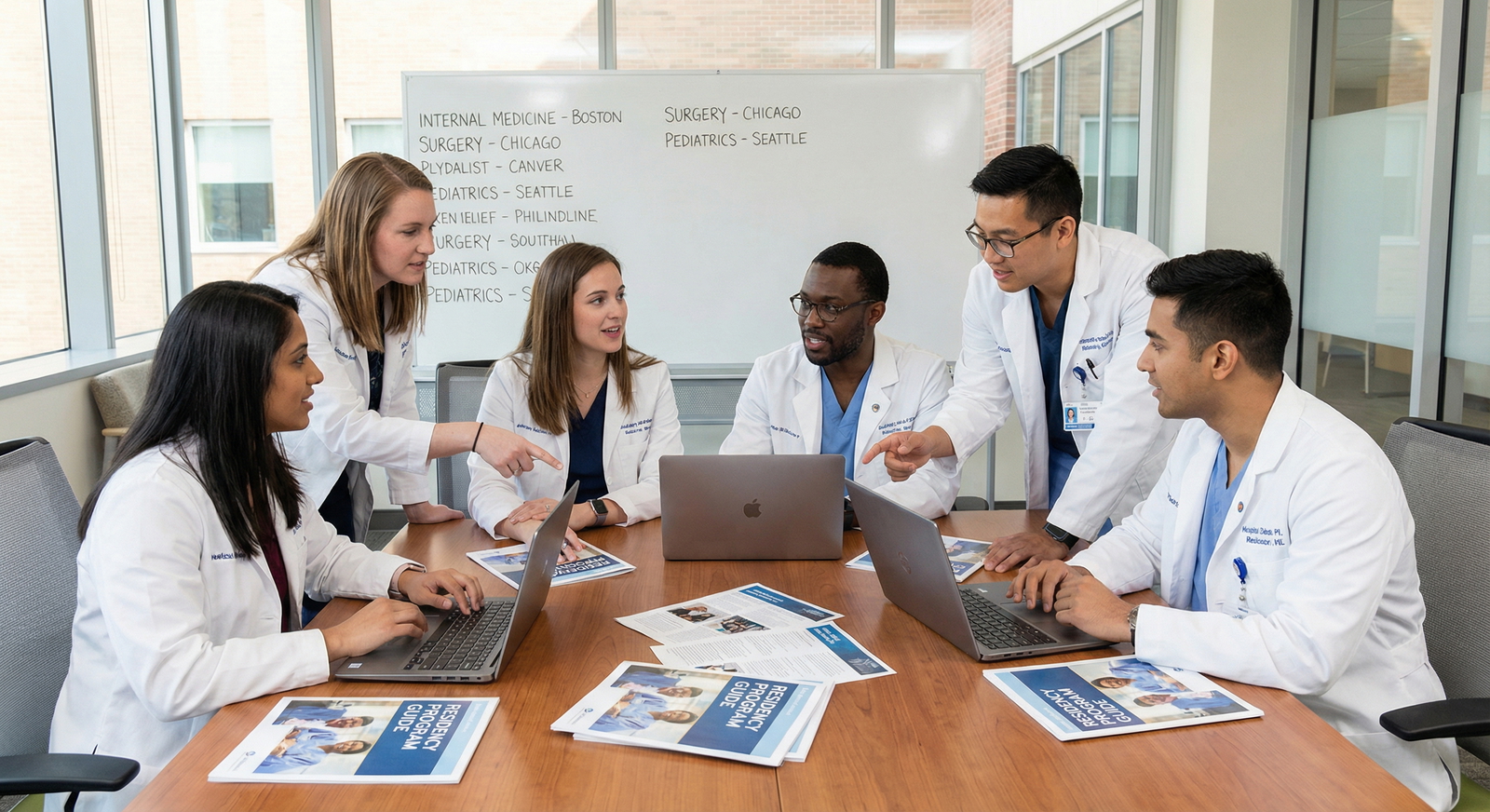
3.2. Step 2: Define Primary, Secondary, and Tertiary Regions
Use a tiered approach:
Primary Region:
- San Francisco Bay Area (including East Bay, South Bay, North Bay, Peninsula)
- Where you most want to live and train
- Where you will build your long-term network
Secondary Region:
- Extended Northern California (Central Valley, Sacramento area, etc.)
- Maybe selected West Coast cities (e.g., Southern California, Oregon, Washington)
- Reasonably accessible to the Bay Area by travel
Tertiary Region:
- Locations that may be geographically distant but:
- IMG-friendly
- Sponsor visas
- Offer strong, broad training
- These serve as a safety buffer in the Match
- Locations that may be geographically distant but:
As an IMG, your IMG residency guide should place you in a position where:
- You maximize chances to match somewhere
- You maintain a plausible pathway to eventually work or subspecialize in the Bay Area
3.3. Step 3: Map Your Story to Your Regions
Programs want to understand why you’re choosing their region. Create a clear narrative that connects your geographic flexibility to:
- Family or support systems (spouse/partner, relatives in Northern CA, etc.)
- Long-term career goals (primary care in underserved communities, subspecialty training at West Coast institutions, academic aspirations, etc.)
- Lifestyle preferences (urban vs suburban vs semi-rural, diverse patient populations, exposure to particular pathologies)
Example narrative for an IMG aiming at Bay Area plus Central Valley:
“My long-term goal is to practice as a general internist serving culturally diverse, underserved communities in Northern California. The Bay Area and Central Valley together represent a region where I can care for large immigrant populations, speak multiple languages in clinical settings, and collaborate with strong academic and community partners. While I hope to build a career closely connected to the San Francisco Bay Area, I am equally committed to training in nearby regions that reflect similar patient demographics and clinical challenges.”
This shows focused regional commitment while clearly embracing geographic flexibility.

4. Practical Application and Rank List Strategy for the Bay Area–Focused IMG
Once you understand your regions, you need to translate that into concrete actions: where to apply, how many programs, and how to rank them.
4.1. Application Strategy: How Wide Should You Go?
For IMGs, especially those needing visas, a common recommendation is:
- General IM/Family Medicine: 80–120 programs total, sometimes more depending on competitiveness
- More competitive specialties: often significantly more or a parallel-plan specialty
Within this:
- 15–25% of applications: Primary region (Bay Area + immediate surroundings)
- 25–35%: Secondary region (greater Northern California + West Coast)
- The rest: Tertiary regions that are IMG-friendly with good training
This ratio can be adjusted based on your profile:
- Very competitive IMG → more primary region applications
- Moderate/low-competitiveness → much broader distribution; Bay Area applications become “reach” programs, not your primary plan
4.2. Signaling Geographic Preference Without Overcommitting
You can express your regional preference in:
- Personal statement(s)
- ERAS geographic preference signaling (if available in your year)
- Supplemental ERAS application (if used)
- Emails to programs (carefully and professionally)
- Interview responses
Tips:
Create a Bay Area–focused personal statement variant.
- Emphasize your connection to the region, patient populations, or healthcare system
- Mention long-term plans that realistically align with Northern California
For extended Northern California programs, adapt language to show you understand local communities and how they connect to the Bay Area (e.g., referral pathways, shared patient populations, regional healthcare shortages).
Avoid saying things like:
- “San Francisco is the only place I want to live.”
- “I will only be happy in the Bay Area.”
These statements may worry programs outside the immediate area.
Instead:
“Northern California is where I envision my long-term personal and professional life, and I see the Bay Area and surrounding regions as deeply interconnected in terms of healthcare needs and opportunities.”
4.3. Interview Strategy: Discussing Location Flexibility Honestly
Programs may ask:
- “Where else are you applying?”
- “Are you open to training outside of the Bay Area?”
- “Do you have geographic preferences?”
Effective approach:
- Lead with your authentic preference (e.g., Northern California/Bay Area).
- Explain why (family, community, language, patient population, long-term goals).
- Show flexibility within that region and beyond if appropriate.
Example answer:
“My primary preference is Northern California, including the Bay Area and nearby regions such as the Central Valley and Sacramento area. My spouse and I have family in San Jose, and I’d like to build a long-term career serving diverse immigrant communities in this region. At the same time, I understand the competitiveness of this area, especially as an IMG, so I have applied to a range of programs across the West Coast and other IMG-friendly regions where I can receive strong training while staying connected to my long-term goals.”
This communicates commitment without sounding rigid or unrealistic.
4.4. Rank List Strategy: Balancing Dream and Safety
When constructing your rank order list:
Rank all programs where you would truly be willing to train.
- Never rank a program you would not attend if matched.
Group them mentally into tiers:
- Tier 1: Dream programs (e.g., major San Francisco academic centers)
- Tier 2: Strong community or academic-affiliate programs in the greater Bay Area
- Tier 3: Extended Northern California / West Coast programs
- Tier 4: High IMG-acceptance programs in other states/regions
Place Tier 1 and Tier 2 at the top, in your true preference order—even if they are more competitive. The algorithm is applicant-favorable.
Ensure sufficient Tier 3 and Tier 4 programs so that your chances of matching remain high. For most IMGs, a list of 15–20+ programs is usually advisable; more is often better if you have enough interviews.
For an IMG targeting a San Francisco residency, Bay Area residency, and surrounding Northern California programs, a realistic rank list might look like:
- #1–3: San Francisco city programs (reach)
- #4–8: Other Bay Area academic-affiliate or strong community programs
- #9–15: Extended Northern California (Central Valley, Sacramento, nearby cities)
- #16–20+: Selected IMG-friendly programs in other regions you could realistically see yourself in
5. Long-Term Strategy: Using Geographic Flexibility to Reach the Bay Area Eventually
Even if you do not match directly into a Bay Area residency, geographic flexibility can still help you build a path back to the region over time.
5.1. Matching Outside the Bay Area but in California or the West Coast
If you train in:
- Southern California
- Central Valley
- Oregon, Washington, Nevada, or Arizona
You can still maintain a Bay Area–oriented professional focus by:
- Attending conferences and workshops hosted in San Francisco or the Bay Area
- Pursuing electives or away rotations in Northern California during residency (if allowed)
- Connecting with Bay Area alumni or faculty through virtual meetings and networking events
- Engaging in research projects with Bay Area institutions (e.g., multi-site QI, telemedicine, data analysis collaborations)
5.2. Transitioning After Residency: Fellowship and Jobs
Many IMGs build a two-step strategy:
- Residency in a more IMG-friendly region
- Fellowship or attending job in the Bay Area
To do this effectively:
Choose residency programs with:
- Strong fellowship match histories
- Faculty with Bay Area or West Coast connections
- Opportunities to publish or present at conferences where Bay Area faculty attend
Make it clear that your long-term goal involves Northern California, but avoid implying you see residency as “temporary” or “second choice.”
5.3. Visa Considerations and Geographic Flexibility
If you require a visa:
J-1 visa:
- You will likely need a waiver job after residency (commonly in underserved areas).
- Geographic flexibility becomes even more important, as waiver positions in or near the Bay Area are competitive and limited.
H-1B visa:
- Some Bay Area and Northern California programs may not sponsor H-1B; you must research this early.
- You may need to prioritize programs that sponsor H-1B even if they are outside your preferred area.
For an IMG who dreams of practicing in the Bay Area long-term, it might be strategic to:
- Accept residency in a region with strong J-1 waiver opportunities
- Complete the waiver period
- Then transition to the Bay Area as an experienced attending
This requires patience and realistic planning, but it is a viable path.
6. Practical Action Plan for the Bay Area–Focused IMG
To apply the concepts from this guide, here is a step-by-step action plan:
6.1. 12–18 Months Before Applying
- Objectively assess your competitiveness (scores, YOG, USCE, research).
- Research San Francisco residency and Bay Area residency programs and categorize them by:
- IMG-friendliness
- Visa policies
- Academic vs community focus
- Explore Central Valley and extended Northern California programs as realistic complements.
6.2. 6–12 Months Before Applying
- Secure U.S. clinical experience, ideally in California or the West Coast if possible.
- Request letters of recommendation from U.S.-based physicians familiar with Bay Area or West Coast healthcare.
- Draft multiple versions of your personal statement:
- One Bay Area/Northern California–focused
- One more general but still consistent with your story
6.3. During Application Season
Apply to a broad list (often 80–120+ programs for core specialties as an IMG).
Intentionally distribute applications across:
- Bay Area/primary region
- Extended Northern California/secondary region
- Other IMG-friendly states/tertiary regions
Use ERAS tools (if available) to indicate geographic preference residency choices, but avoid over-limiting yourself.
6.4. During Interviews
Prepare a consistent, honest narrative around:
- Why Northern California/Bay Area is important to you
- Why you’re also open to broader locations
- How each program’s specific location aligns with your goals
Practice answers about geographic preferences with mentors or peers familiar with U.S. residency culture.
6.5. Before Rank List Certification
- Reflect on which programs you would genuinely attend and thrive in.
- Rank programs in order of true preference, not where you think you are “more likely” to match.
- Ensure your list contains sufficient geographic breadth for safety while still prioritizing your Bay Area-focused goals.
FAQ: Geographic Flexibility for IMGs Targeting the San Francisco Bay Area
1. As an international medical graduate, is it realistic to match directly into a San Francisco residency?
It is possible, but it is highly competitive. You are more likely to match into a San Francisco residency if you have strong USMLE scores, recent graduation, significant U.S. clinical experience (preferably in California), strong letters of recommendation, and often some research. For many IMGs, Bay Area and especially San Francisco city programs should be considered reach targets, not your only plan.
2. How many programs should I apply to if my priority is a Bay Area residency but I’m willing to be flexible?
Many IMGs targeting Internal Medicine or Family Medicine apply to 80–120 programs. If your primary goal is the Bay Area, you might apply to all reasonable Bay Area and extended Northern California programs that fit your profile, then broaden to IMG-friendly programs in other regions. The exact number depends on your competitiveness, but the key is not to limit yourself only to one city or region.
3. How can I show that I prefer the San Francisco Bay Area without hurting my chances elsewhere?
Use a tiered narrative: express that Northern California/Bay Area is your long-term ideal region, but emphasize that you value similar patient populations and healthcare challenges in other locations. Tailor your personal statements and interview answers to each program’s region, and avoid statements that suggest you would only be happy in San Francisco itself.
4. If I cannot match into the Bay Area for residency, can I still work there later?
Yes. Many IMGs train in other parts of California or across the U.S. and later move to the Bay Area for fellowship or attending positions. Your pathway might involve residency in an IMG-friendly region, possible J-1 waiver service in an underserved area, and then transitioning to the Bay Area. Consistent networking, research, and staying connected to Northern California opportunities during training will make this transition more feasible.
By understanding and intentionally using geographic flexibility, you can design a realistic, strategic path as an international medical graduate: one that maximizes your chances of matching while still aligning with your long-term goal of building a life and career connected to the San Francisco Bay Area.