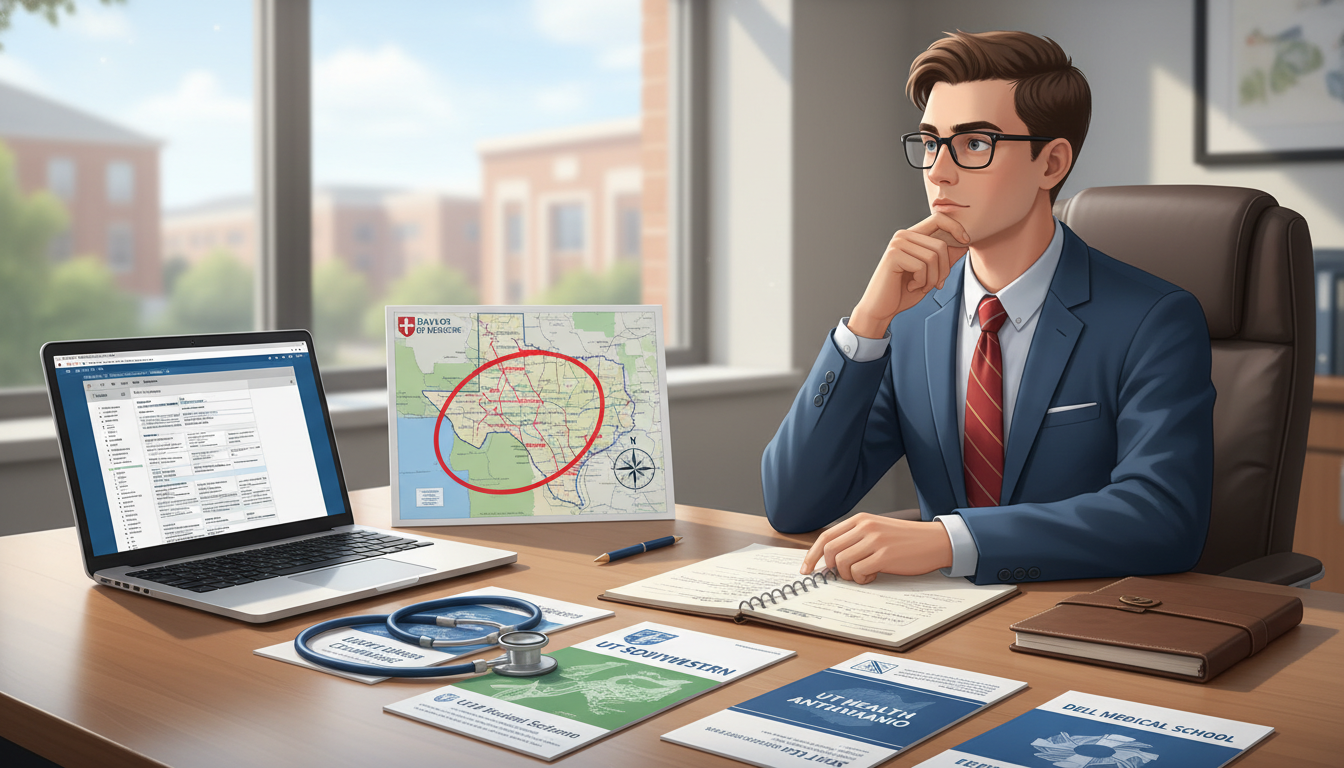
Understanding the Nuclear Medicine Residency Landscape as an MD Graduate
For an MD graduate interested in nuclear medicine, the way you research programs will shape not only your match outcome, but also your future career trajectory. Nuclear medicine is a relatively small, highly specialized field with a limited number of positions and a wide range of training models (traditional nuclear medicine residency vs. diagnostic radiology with nuclear emphasis vs. combined programs). That makes a deliberate, organized program research strategy essential.
This guide focuses on how to research residency programs specifically as an MD graduate targeting nuclear medicine residency positions. You’ll learn how to:
- Define what you want from training in this niche field
- Find and interpret information about nuclear medicine programs
- Compare programs using objective and subjective criteria
- Strategically shortlist and approach programs ahead of the nuclear medicine match
- Use your research to improve both your application and interview performance
Whether you’re coming straight from an allopathic medical school, have completed a preliminary year, or are transitioning from another specialty, a structured approach to program research will give you a stronger, more focused nuclear medicine residency application.
Step 1: Clarify Your Nuclear Medicine Career Goals and Training Pathway
Before you search programs, you need to understand what kind of nuclear medicine physician you want to become and, just as importantly, which training pathways can get you there. This will guide your program research strategy and help you interpret what you find.
Know the Main Pathways Into Nuclear Medicine
As an MD graduate in the US, you’ll typically consider one of three main routes (details can vary by country):
Dedicated Nuclear Medicine Residency (ACGME-accredited)
- Focuses exclusively on nuclear medicine (diagnostic and some therapeutic)
- Often 2–3 years after at least 1 year of prerequisite training (e.g., internal medicine, surgery, transitional year)
- Emphasis on:
- SPECT, PET/CT, and emerging PET/MR
- Radiopharmaceuticals and dosimetry
- Theranostics (e.g., Lu-177, I-131, Y-90)
- Leads to board eligibility in Nuclear Medicine
Diagnostic Radiology (DR) Residency With Strong Nuclear Medicine/Nuclear Radiology Exposure
- 4-year DR residency after internship, with variable nuclear medicine exposure
- Some programs offer:
- Integrated nuclear radiology pathways
- Dedicated nuclear rotations and advanced PET/CT exposure
- Option for a subsequent nuclear medicine fellowship
- Ultimately can lead to boards in diagnostic radiology and sometimes nuclear radiology
Combined or Pathway-Dependent Routes
- DR followed by nuclear medicine fellowship
- Internal medicine or oncology with strong nuclear medicine collaboration (often for theranostics/clinical trial focus)
When researching programs, pay close attention to which pathway they support and how graduates typically practice after training.
Define Your Priorities Before You Start Searching
Clarify what matters most to you so you can evaluate residency programs effectively:
- Clinical vs. Academic emphasis
- Do you want to be a high-volume clinical reader or more research-focused?
- Interest in theranostics and advanced therapies
- Are you aiming for a career in targeted radionuclide therapy, clinical trials, or hybrid clinical-research roles?
- Imaging mix
- How important is exposure to PET/CT (e.g., oncology, neurology, cardiology)?
- Are you interested in cardiac nuclear imaging, neuroimaging, or pediatric applications particularly?
- Procedural vs. interpretive focus
- Radiopharmaceutical therapies
- Biopsies or image-guided procedures in collaboration with radiology
- Lifestyle and geography
- Academic center vs. community-based program
- Urban vs. smaller city
- Proximity to support system or specific region
- Fellowship and career goals
- Do you aim for a faculty position, private practice, industry, or hybrid?
Write these priorities down. You will use them repeatedly as you evaluate and rank programs.
Step 2: Build a Master List of Nuclear Medicine Residency Programs
Once you have your goals, the next task is learning how to research residency programs systematically so you don’t miss strong options or waste time on programs that clearly don’t fit.
Core Sources to Identify Programs
Use multiple sources to compile your initial list:
ACGME and Specialty Organizations
- ACGME program listings (for nuclear medicine and nuclear radiology)
- Society of Nuclear Medicine and Molecular Imaging (SNMMI)
- Often has trainee sections and program directories
- American Board of Nuclear Medicine (ABNM) information on accredited training programs
Official Match and Application Platforms
- ERAS: lists programs participating in the allopathic medical school match (or associated fellowship match if applicable)
- NRMP: for information on the nuclear medicine match process, quotas, and historical fill rates (if available)
Allopathic Medical School Advising and Faculty Mentors
- Ask nuclear medicine faculty or radiology attendings at your institution:
- Which programs are strong in nuclear medicine?
- Where have prior MD graduates matched in nuclear medicine residency or nuclear radiology?
- Ask nuclear medicine faculty or radiology attendings at your institution:
Program and Hospital Websites
- Search terms to use:
- “Nuclear medicine residency [city or institution name]”
- “Nuclear radiology residency [institution]”
- “Nuclear medicine training program [country/region]”
- Search terms to use:
Create a spreadsheet (or database) with all identified programs. Columns might include:
- Institution name
- City/state/region
- Type (pure nuclear med residency, DR with strong nuclear, combined/other)
- Program director
- Number of residents per year
- Training length and prerequisites
- Application pathway (ERAS/other)
- Website URL
This becomes your master list for deeper research and comparison.

Step 3: Deep-Dive Into Each Program: What to Look For and How to Evaluate
This is where evaluating residency programs becomes both art and science. You’ll move beyond “name recognition” and look closely at whether a program aligns with your goals as a future nuclear medicine physician.
Use your spreadsheet to track data for each program in the following domains.
3.1 Clinical Volume and Case Mix
In nuclear medicine, case volume and diversity are crucial for competency.
Look for:
- Average annual nuclear medicine and PET/CT studies
- Is there a high volume of oncology PET/CT?
- Are there dedicated neuro PET, cardiac PET, or infection/inflammation studies?
- Breadth of SPECT and conventional nuclear imaging
- Myocardial perfusion scans
- Bone scans
- Renal, hepatobiliary, and pulmonary imaging
- Therapeutic services (theranostics)
- I-131 for thyroid cancer and hyperthyroidism
- Lu-177 based therapies (e.g., for neuroendocrine tumors, prostate cancer)
- Y-90 microspheres or other emerging agents
How to research this:
- Program websites: many list procedure volumes, modalities, and services
- Departmental annual reports or nuclear medicine division pages
- Program brochures or recorded “open house” webinars
- If data isn't explicitly listed, ask during virtual info sessions, emails, or interviews
3.2 Technology and Infrastructure
Technology access directly affects training quality in nuclear medicine residency.
Key questions:
- Imaging equipment
- How many PET/CT and SPECT/CT scanners? Are any PET/MR systems available?
- Are the systems older or recently upgraded?
- Software and post-processing
- Do they use advanced reconstruction and quantification software?
- Access to dosimetry tools for therapies?
- Radiopharmacy and research support
- On-site cyclotron or radiopharmacy?
- Availability of novel tracers or clinical trials?
Where to find information:
- Nuclear medicine or radiology department web pages
- Institutional technology news or press releases
- Program’s virtual tours or Q&A sessions
3.3 Faculty Expertise and Mentorship
A strong mentorship environment is vital, especially in a specialized field like nuclear medicine.
What to review:
- Number and variety of nuclear medicine faculty
- Are there multiple ABNM-certified physicians?
- Are there dual-trained radiology/nuclear medicine attendings?
- Faculty subspecialty interests
- Oncologic imaging, cardiology, neurology, pediatrics, theranostics, AI in imaging, etc.
- Academic output
- Publications, ongoing research projects, clinical trials
- Presence at major meetings (SNMMI, RSNA, EANM)
How to research this:
- Faculty bios on department website
- PubMed search with institution name + “nuclear medicine”
- SNMMI and conference abstracts listing authors and affiliations
Ask yourself: Can I see myself being mentored by these people for several years?
3.4 Curriculum, Rotations, and Structure
Analyze how each program structures training for MD graduate residency in nuclear medicine.
Important elements:
- Rotation design
- Dedicated PET/CT rotations?
- Cross-rotation with diagnostic radiology or radiation oncology?
- Cardiology or neurology collaborations?
- Didactic schedule
- Regular didactic lectures, case conferences, tumor boards, journal clubs
- Multidisciplinary conferences (e.g., oncology, endocrinology boards)
- Call responsibilities
- Is there in-house or from-home call?
- What modalities are covered on call?
How to research this:
- Program curriculum pages
- Sample resident schedules (often posted or available on request)
- Conversations with current residents or recent graduates
3.5 Culture, Support, and Wellness
No matter how strong the clinical training, program culture can make or break your experience.
Look for indicators of:
- Resident satisfaction and retention
- Do most residents complete the program?
- Are there testimonials or alumni profiles?
- Support for learning
- Protected didactic time
- Faculty approachability and supervision style
- Support for board preparation
- Wellness and work-life balance
- Reasonable hours and call structure
- Access to mental health resources or wellness initiatives
How to research this:
- Virtual or in-person open houses
- Speaking with current or recent residents (ask the program to connect you)
- Alumni networking via LinkedIn or institutional alumni pages
3.6 Outcomes: Fellowships, Jobs, and Academic Careers
In a small specialty, a program’s track record of placing graduates is an important metric.
Questions to ask:
- Where do graduates work?
- Academic centers vs. community hospitals vs. private practice
- Domestic vs. international positions
- Do they secure:
- Competitive fellowships (if doing DR then nuclear afterward)?
- Faculty positions in nuclear medicine or hybrid radiology/nuclear roles?
- Are graduates involved in:
- Theranostics programs
- Clinical trials
- Industry or regulatory roles?
If this information is not online, you can explicitly request a list of recent graduates and their first jobs during the research or interview phases.
Step 4: Use a Structured Program Research Strategy (Scoring and Comparison)
With so much qualitative and quantitative data, you need a practical way to compare programs.
Create a Customized Scoring System
Build a simple scoring rubric in your spreadsheet. For each program, rate key domains (e.g., 1–5 or 1–10):
- Clinical Volume and Case Diversity
- Technology and Infrastructure
- Faculty and Mentorship
- Academic and Research Opportunities
- Curriculum and Educational Structure
- Culture and Resident Support
- Location and Personal Fit
- Post-Graduation Outcomes
Weight each category based on your priorities. For example:
If you’re interested in academic nuclear medicine and theranostics, you might give heavier weight to:
- Academic opportunities
- Faculty expertise
- Clinical trial involvement
If you’re focused on community practice readiness, you might prioritize:
- High case volume
- Efficient, high-throughput clinical operations
- Strong exposure to bread-and-butter nuclear procedures
Combine Objective Data With Subjective Impressions
Objective data:
- Number of PET/CT scanners
- Case volumes
- Number of faculty
- Number of residents
- Call schedule structure
Subjective impressions:
- How did faculty interact on virtual open house?
- Did current residents seem supported and engaged?
- Do you feel you’d fit in professionally and personally?
Document both in your spreadsheet right after every event or interaction, when your impression is still fresh.
Example: Comparing Two Hypothetical Programs
Program A
- Multiple PET/CT units, active theranostics clinic, high oncology volume
- Strong research, several ABNM faculty, frequent SNMMI publications
- Urban location, high cost of living, moderate call
- Graduates often go to academic positions
Program B
- Solid clinical volume, fewer advanced therapies but excellent bread-and-butter exposure
- Lower research output, more community-focused
- Lower cost of living, very supportive culture, flexible schedule
- Graduates primarily enter community practice
Your scoring system (and weighting of categories) will help you align your decision with your career goals.

Step 5: Go Beyond Websites—Direct Engagement and Networking
Online information is just the starting point. For nuclear medicine residency, direct engagement with programs is especially valuable because the specialty is small and relationship-driven.
Attend Virtual Open Houses and Information Sessions
Many programs now host virtual events. Use these to answer questions like:
- How do residents describe day-to-day life?
- What do faculty emphasize as the program’s strengths and weaknesses?
- How do they discuss future directions (e.g., new tracers, expanded theranostics)?
Prepare a list of targeted questions, such as:
- “What percentage of your cases are PET/CT versus conventional SPECT?”
- “How involved are residents in theranostic treatments and dosimetry?”
- “What are recent graduates doing now?”
- “How is nuclear medicine integrated with diagnostic radiology here?”
Take diligent notes afterward and immediately update your spreadsheet.
Contact Program Coordinators and Directors Thoughtfully
When you email programs:
- Be concise, polite, and specific.
- Identify yourself as an MD graduate considering nuclear medicine residency at their institution.
- Ask focused questions that demonstrate you’ve already read their website.
Example email topics:
- Clarification on eligibility for MD graduates (e.g., prerequisites, required prior training)
- Questions about research integration or dedicated research time
- Inquiry about opportunities to attend virtual conferences or teaching sessions
Avoid sending generic emails to many programs; personalize and keep your communications professional.
Leverage Mentors, Alumni, and Professional Societies
As an MD graduate from an allopathic medical school, you have several underused resources:
Home Institution Faculty
- Nuclear medicine and radiology attendings can:
- Suggest programs that align with your profile
- Provide insight on reputations and training quality
- Sometimes connect you directly with colleagues at other institutions
- Nuclear medicine and radiology attendings can:
Alumni Networks
- Ask your school’s alumni office or departmental administrators if any graduates recently matched to nuclear medicine residency or nuclear radiology programs.
- Reach out on LinkedIn with a short, respectful message requesting a brief chat.
SNMMI and Other Societies
- Join trainee sections, attend virtual or local meetings.
- Posters, workshops, and networking events can put you in direct contact with program leadership.
These relationships may not “guarantee” a nuclear medicine match, but they give context and help you navigate program research more intelligently.
Step 6: Narrow Your List and Align It With Your Application Strategy
Once you’ve done a thorough round of research, you should have:
- A master list of nuclear medicine and nuclear-focused programs
- Detailed notes and scores for each
- A sense of where you are a realistic applicant and where you are a strong fit
Now you need to translate that research into an application plan.
Create Tiers of Programs
Divide programs into roughly three categories:
- Core Targets
- Programs where your academic profile, experiences, and interests align well with their strengths
- You would be happy training there
- Reaches
- Highly competitive programs or those where your profile is slightly below their historical averages
- Still a plausible match if your interests and experiences are strongly aligned
- Safeties/Realistic Backups
- Programs where you are likely to be a strong candidate, even if they are less ideal geographically or slightly less aligned academically
Remember: in a niche field like nuclear medicine, “safety” is relative and still requires careful research.
Use Your Research to Tailor Your Application
Your program research directly informs how you present yourself:
Personal Statement
- Highlight experiences and goals that connect to nuclear medicine specifically:
- Research in PET imaging
- Interest in theranostics
- Case experiences in oncology or cardiology where nuclear played a role
- Reference program features subtly when appropriate (without naming them if reusing the same personal statement broadly)
- Highlight experiences and goals that connect to nuclear medicine specifically:
CV and Experiences
- Emphasize:
- Any nuclear medicine electives, rotations, or shadowing
- Quality improvement or research projects related to imaging or oncology
- Presentations or posters at SNMMI, RSNA, or similar
- Emphasize:
Letters of Recommendation
- Whenever possible, secure at least one letter from nuclear medicine or radiology faculty who can speak to your interest and potential in the field.
Your research also helps you answer interview questions such as “Why nuclear medicine?” and “Why our program?” with specificity and authenticity—key factors in a successful nuclear medicine match.
Frequently Asked Questions (FAQ)
1. How early should I start researching nuclear medicine residency programs as an MD graduate?
Ideally, begin at least 12–18 months before you plan to enter the match cycle. This gives you time to:
- Understand the various nuclear medicine and nuclear radiology pathways
- Arrange relevant electives or research
- Attend virtual open houses and networking events
- Refine your list of programs and tailor your experiences accordingly
If you’re already closer to application season, focus first on understanding pathways and identifying programs that are the best match for your current profile.
2. Are dedicated nuclear medicine residencies less competitive than diagnostic radiology programs?
Competitiveness is different rather than strictly “less.” Nuclear medicine residency programs:
- Have fewer total positions and are more niche
- Often look for applicants with a clear, sustained interest in the field
- May be especially receptive to MD graduates who can show commitment to nuclear medicine through rotations, research, or mentorship
Diagnostic radiology remains more widely known and often numerically more competitive, but for nuclear medicine residency and the nuclear medicine match, the key is demonstrating fit and sincere interest in the specialty.
3. How can I tell if a program is strong in theranostics and advanced nuclear therapies?
Look for:
- Explicit mention of Lu-177, Y-90, I-131, or other radionuclide therapies on the program or department website
- Descriptions of a dedicated theranostics clinic or molecular therapy service
- Publications or conference presentations by faculty related to targeted radiopharmaceutical therapy
- Program responses to your questions during open houses or interviews about:
- Case volumes in therapies
- Resident involvement in therapy planning and execution
- Access to dosimetry tools and multidisciplinary tumor boards
Programs that are actively investing in theranostics will usually highlight this as a major strength.
4. My allopathic medical school doesn’t have a strong nuclear medicine department. How can I still be competitive?
You can still build a strong profile and research programs effectively by:
- Seeking electives or visiting rotations at institutions with robust nuclear medicine or molecular imaging programs
- Pursuing research projects (even remote, if needed) that relate to imaging, oncology, or theranostics
- Attending SNMMI or similar society meetings (virtual or in person) and networking with faculty from other institutions
- Asking radiology faculty at your home institution for introductions to nuclear medicine colleagues elsewhere
- Highlighting your independent effort to explore nuclear medicine and your clear rationale for pursuing this path in your application and interviews
Your proactive approach to program research and relationship-building can strongly compensate for limited home institutional resources.
By combining a clear understanding of your goals, systematic data gathering, structured comparison, and thoughtful networking, you can research nuclear medicine residency programs in a way that meaningfully improves your chances in the allopathic medical school match or other relevant matching processes. As an MD graduate, treating program research as a serious, stepwise process—not an afterthought—will not only strengthen your application but help you find the training environment where you will genuinely thrive as a future nuclear medicine physician.