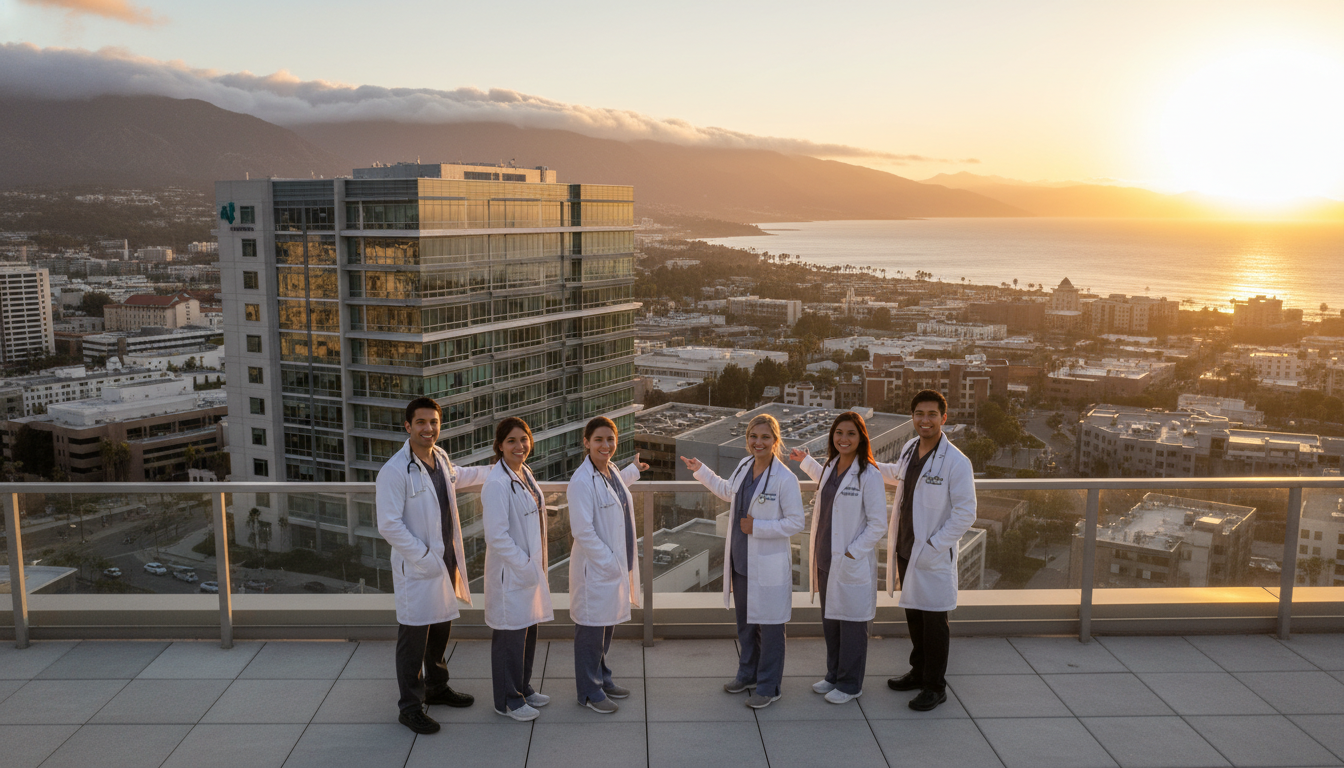
Choosing where to train is one of the most strategic decisions you’ll make in the residency process. For an MD graduate considering the Mountain West, geographic flexibility can be either your biggest asset—or a self-imposed limitation. This article breaks down how to think clearly about geographic preference, how it affects your allopathic medical school match outcomes, and how to balance a love for the Mountain West with smart, nationwide application strategies.
Understanding Geographic Flexibility in the Residency Match
Geographic flexibility in the residency context is your willingness to train across different cities, states, and regions rather than restricting your applications to a narrow zone. For an MD graduate drawn to the Mountain West, the first question is not “Colorado residency or bust?” but rather, “How flexible should I be to maximize my match chances and long-term goals?”
Why Programs Care About Geographic Preference
Residency programs are increasingly attentive to geographic preference residency signals because:
- They want residents who are likely to stay for all years of training
- They are mindful of resident well-being and family support systems
- They want to invest in applicants who are more likely to stay in the region long-term
Programs infer your location preferences from:
- ERAS geographic preferences (if applicable in that year’s application tools)
- Your application pattern (where you applied and interviewed)
- Personal statement references to specific locations or regions
- Your medical school and prior training locations
- Ties mentioned in your ERAS application or supplemental questions
In the Mountain West, where some areas are more rural or remote, showing clear, credible interest in the region can significantly strengthen your application—but excessive rigidity can shrink your options dramatically.
Flexibility as a Strategic Advantage
For an MD graduate residency applicant, especially from an allopathic medical school, reasonable geographic flexibility tends to:
- Increase the absolute number of interview offers
- Buffer against competitive specialty volatility in any single region
- Allow you to calibrate your rank list to both “fit” and safety
However, being flexible doesn’t mean being random. You need a regional preference strategy: a conscious, structured way of deciding how many regions you’re comfortable with and how hard you’ll push for each.
The Mountain West Landscape: What You’re Really Signing Up For
If you’re eyeing a mountain west residency, it helps to understand the real-world context of training there. “Mountain West” generally includes states like Colorado, Utah, Wyoming, Montana, Idaho, Nevada, and sometimes New Mexico and parts of Arizona depending on how an organization defines the region.
Key Characteristics of Training in the Mountain West
Urban vs. Rural Mix
- Major hubs: Denver/Aurora, Salt Lake City, Reno, Albuquerque, Boise
- Smaller cities: Colorado Springs, Fort Collins, Missoula, Billings, Cheyenne, Boise-adjacent communities
- Many residencies have a strong rural or semi-rural component, especially in primary care and some surgical tracks.
Program Density and Competition
- Fewer academic centers than coastal metros, so fewer total residency positions in some specialties.
- High demand for popular areas and specialties (e.g., Colorado residency programs, especially in Denver and Boulder-adjacent areas) can be extremely competitive relative to their size.
- Certain specialties have limited or no in-state options in some Mountain West states.
Lifestyle and Environment
- Outdoor and active-lifestyle friendly (mountains, skiing, hiking, biking).
- Winter weather and elevation can be significant lifestyle factors.
- Cost of living varies widely (e.g., Denver vs. smaller Wyoming or Idaho towns).
Patient Population and Case Mix
- Often a broad-spectrum, “see everything” experience, especially in community and regional centers.
- Higher prevalence of certain conditions (e.g., trauma related to outdoor recreation, rural health issues, occupational injuries, sometimes higher substance use in specific pockets).
- Opportunities for full-scope family medicine, emergency medicine, and general surgery in rural or frontier settings.
Example: Two Applicants Targeting the Mountain West
Applicant A: Wants only Denver or Boulder. Applies to 15 programs, almost all in Colorado. No ties to Colorado. Competitive but not exceptional Step scores, mid-tier MD graduate.
- Risk: This level of geographic restriction in a popular subregion can lead to under-matching or failing to match.
Applicant B: Wants Mountain West strongly, but is flexible across states and includes some Midwest programs. Applies to 60+ programs across Colorado, Utah, Idaho, Montana, Nevada, New Mexico, plus a few in nearby regions. Clearly states regional interest and ties where present.
- Advantage: Much higher probability of matching in the Mountain West overall, and still some back-up options elsewhere.
The takeaway: “Mountain West only” is still more flexible than “Denver only”—but you must be honest about how wide you are willing to cast your net.

Balancing Geographic Preference with Match Probability
Your match strategy should start from a clear understanding of three variables:
- Your overall competitiveness
- Your specialty’s competitiveness
- Your geographic flexibility
Step 1: Assess Your Competitiveness Objectively
For MD graduate residency applicants from an allopathic medical school match pathway, consider:
- USMLE Step 2 CK score and (if applicable) Step 1 performance
- Clerkship grades and honors
- AOA status or other academic distinctions
- Research output (especially for academic or competitive specialties)
- Strength and specificity of letters of recommendation
- Any red flags (remediated rotations, gaps, professionalism issues)
If you’re average to below-average for your chosen specialty, you need more geographic flexibility to achieve a safe match. If you’re a strong applicant, you can afford somewhat more geographic selectivity—but not to a reckless degree.
Step 2: Understand Specialty-Specific Geography
Some specialties are more concentrated in certain regions:
- Family medicine, internal medicine, pediatrics: More distributed, easier to find programs in multiple Mountain West states.
- Emergency medicine, general surgery, psychiatry: Available but sometimes limited in certain states; popular urban programs can be highly competitive.
- Dermatology, plastic surgery, neurosurgery, orthopedics, ENT, ophthalmology: Highly competitive with very limited positions in the Mountain West; geographic restriction here is particularly risky.
If your specialty has only a small number of positions in Colorado or the broader Mountain West, your geographic preference residency plan must include backup regions, even if your end goal is to return to the Mountain West later for fellowship or practice.
Step 3: Decide on Tiered Geographic Zones
A practical structure for location flexibility match planning is to divide the map into three zones:
Zone 1: High-Preference Regions
- Mountain West primary targets (e.g., Colorado, Utah, Idaho, Wyoming, Montana, Nevada, New Mexico, possibly Arizona).
- You might apply more broadly within this zone, including community and academic programs.
Zone 2: Acceptable Regions
- Neighboring or culturally similar regions (e.g., Pacific Northwest, parts of the Midwest).
- You apply to selected programs where you’d be content—but maybe not your first dream locations.
Zone 3: Safety/Expansion Regions
- Regions you might not have considered initially but are open to if needed to secure a position (e.g., other parts of the country with slightly less competitive markets in your specialty).
- Used more heavily if you are less competitive or applying in a highly competitive specialty.
This tiered approach allows you to maintain a regional preference strategy that centers the Mountain West while still acknowledging the realities of the allopathic medical school match process.
Colorado and the Mountain West: Ties, Signals, and Application Tactics
Colorado occupies a special place in many MD graduates’ minds as a dream location. However, its residency programs, especially in Denver, see huge interest relative to their size. To maximize success in Colorado and similar mountain west residency destinations, you need more than enthusiasm—you need evidence.
Demonstrating Genuine Regional Interest
You can convincingly show geographic preference for the Mountain West and Colorado residency programs through:
- Stated geographic preferences in ERAS tools (when available)
- Personal statement or secondary essays emphasizing:
- Prior time living in the region (childhood, undergrad, previous work)
- Family ties (parents, siblings, spouse/partner, close friends)
- Long-term plans to build a career and life in the Mountain West
- Electives and away rotations in Mountain West institutions
- Research or volunteer work connected to regional health issues (e.g., rural health, Native American health, mountain sports medicine)
Be specific. “I love hiking and the outdoors” is common and vague. More convincing:
“Growing up in northern Colorado and attending undergrad in Boulder, I’ve seen firsthand the urban-rural healthcare gaps in the Front Range and Eastern Plains. My goal is to train in a program that serves both urban and rural Coloradans so I can practice full-spectrum family medicine in this region long term.”
Avoiding Over-Restriction to Colorado
Even if Colorado residency is your dream:
- Treat Colorado as Zone 1, but not the only component of Zone 1.
- Include Utah, Idaho, New Mexico, Nevada, and Montana where programs exist in your specialty.
- Use similar strategies to demonstrate your broader Mountain West interest.
Example Application Strategy for a Mid-Competitive IM Applicant
- Total programs: ~70
- 25–30 Mountain West (Colorado, Utah, New Mexico, Idaho, Nevada, Montana, Wyoming if available)
- 20–25 Midwest and Pacific Northwest programs
- 15–20 programs in other regions where you’d still be comfortable
This accomplishes three goals:
- Maximizes chances in your preferred region
- Protects against the limited number of spots in Colorado and nearby states
- Maintains realistic match probability through a broad yet thoughtful application list
How to Build and Communicate a Geographic Flexibility Plan
Once you understand your preferences and constraints, you need to turn them into a coherent plan and messaging strategy.
Step 1: Create Your Personal “Geography Profile”
Write out for yourself:
- Non-negotiables: Partner’s job constraints, childcare/family needs, visa requirements, medical needs, etc.
- Strong preferences: Proximity to mountains, specific climate, size of city, cost of living.
- Professional priorities: Research opportunities, volume, fellowships, academic vs. community focus.
Then map these onto real places:
- Which Mountain West cities/states fit your life and professional priorities?
- Which external regions (Zone 2 and 3) best approximate those priorities if you can’t stay in the Mountain West?
Step 2: Align Your Application Numbers with Your Profile
Based on competitiveness and specialty, decide:
- How many programs to apply to in each zone
- How many “reach,” “target,” and “safety” programs you’ll include in each region
- Where your backup regions will be if interviews from your primary regions are sparse
As a rule of thumb for MD graduates in moderately competitive specialties:
- Aim for at least ⅔ of your applications in regions you're truly happy to live in
- Use the remaining ⅓ for safety/expansion zones to secure interview numbers
Step 3: Keep Your Messaging Consistent but Honest
Some applicants worry that showing geographic flexibility makes them look unfocused. In practice, programs understand that people have multiple acceptable regions.
Best practices:
- Don’t claim every region is your #1 dream. That’s not credible.
- Do explain plausible, specific reasons you’d be glad to train there:
- Family or social connections
- Previous time spent in the area
- Lifestyle or professional fit (rural medicine interest, academic focus, regional health needs)
- Tailor your personal statements judiciously:
- You might have a Mountain West-focused statement for those programs.
- Another version might emphasize broader regional or professional themes for non–Mountain West programs.
Step 4: Use Interviews to Clarify, Not Contradict
During interviews:
- If you are asked about geographic preference, be candid:
- “My first choice is the Mountain West—particularly Colorado and Utah—because of family ties and lifestyle fit. That said, I applied broadly enough that I would be happy training anywhere I ranked. I see residency as a finite stage, and my long-term goal is to work in the Mountain West, even if I train elsewhere.”
- Show that you:
- Have thought realistically about the match process
- Can adapt to different locations
- Still have a coherent long-term geographic plan

Long-Term Career Planning: Training vs. Where You End Up
A key mental shift: Residency location and ultimate practice location do not have to be identical.
Why It’s Okay to Train Outside the Mountain West
Even if the Mountain West is your long-term home base:
- Competitive specialties may require you to go where the training opportunities exist.
- Training in a different region can:
- Expose you to different patient populations and health systems
- Strengthen your application for fellowships, including those back in the Mountain West
- Give you leverage later in job negotiations because you bring diversity of training experiences
Residency is 3–7 years. Your career is decades. A strategically chosen program outside your preferred region may be the most effective path back to the Mountain West in the long run.
Pathways Back to the Mountain West
If you don’t match in the Mountain West initially, you can still return via:
- Fellowships in Mountain West academic centers (e.g., in Colorado, Utah, New Mexico)
- Post-residency jobs in regional health systems, small towns, or private practices
- Telehealth or hybrid roles that allow you to relocate even if your employer isn’t based locally
Programs in the Mountain West are used to candidates who grew up there, left for training, and then return. This is not unusual and can be framed as an asset.
Frequently Asked Questions
1. As an MD graduate, how risky is it to apply only to Mountain West programs?
Risk varies by your specialty and competitiveness. For less competitive specialties (e.g., family medicine) and strong MD graduate applicants, a heavily Mountain West–focused list may be reasonable but still benefits from some backup programs elsewhere. For competitive specialties or average/below-average applicants, a strict “Mountain West only” approach significantly increases your risk of not matching. A safer path is to prioritize the Mountain West but incorporate 1–2 additional regions as backup.
2. How can I show programs in Colorado and the Mountain West that I’m serious about the region?
Use a combination of strategies:
- Electives or away rotations in the Mountain West
- Clearly articulated ties (family, personal history, prior work or school)
- Personal statements or program-specific essays that describe concrete reasons for wanting to live and practice in the region
- A consistent application pattern (applying broadly within the Mountain West, not just one ultra-popular city)
Programs are looking for substance and plausibility, not generic enthusiasm.
3. Will listing a geographic preference in ERAS hurt my chances in other regions?
When ERAS or supplemental applications allow geographic signaling, the intent is to help—not punish—applicants. Programs outside your preferred region generally understand that many applicants have multiple acceptable areas. As long as your application pattern supports a reasonable degree of flexibility (i.e., you actually applied to them and can explain why), indicating a preference for the Mountain West should not automatically hurt you elsewhere.
4. If I don’t match in a Mountain West residency, is it still realistic to work there later?
Yes. Many physicians practicing in the Mountain West trained elsewhere. You can:
- Pursue fellowship training in the Mountain West
- Apply for jobs in regional health systems or rural communities after residency
- Use your connection to the region (family, previous residence, long-term goals) when applying for post-residency positions
Residency is one step in a longer journey. A thoughtful geographic flexibility strategy now can keep the Mountain West in your future, even if your first match location is somewhere else.
By approaching geographic flexibility intentionally, you can design a match strategy that honors your desire for a mountain west residency—especially Colorado residency and neighboring states—while preserving robust match probability and long-term career options.