Understanding Geographic Flexibility as a Non‑US Citizen IMG
For a non-US citizen IMG or foreign national medical graduate, geographic flexibility can be one of your most powerful tools in the residency match—especially in a competitive state like California. Yet many applicants say “I’m flexible” without understanding how programs interpret that statement or how to demonstrate it in a data-driven and strategic way.
In the California Central Valley—home to Fresno residency programs and other Central Valley residency opportunities—geographic flexibility takes on additional importance:
- The region serves a large, diverse, and often underserved population.
- Programs may value applicants genuinely committed to the region.
- Immigration and visa issues add extra layers to location decisions.
This article will walk you through how to think about geographic flexibility, how to use it strategically, and how to balance realistic constraints (like visas and family) with your desire to match in the US. The focus is practical, aimed at the non-US citizen IMG considering or targeting the California Central Valley.
Why Geographic Flexibility Matters More for Non-US Citizen IMGs
Geographic flexibility is not just “being willing to go anywhere.” It is a structured way of prioritizing locations so you maximize your chances to match while still being satisfied with where you train.
1. Match Realities for Foreign National Medical Graduates
As a foreign national medical graduate, you face three overlapping challenges:
Visa sponsorship
- Not all programs sponsor visas.
- Among those that do, some sponsor only J-1, others may support H‑1B, and some are unsure until late in the season.
Perceived risk by programs
Programs may worry about:- Delays in visa processing
- Long-term retention if you plan to leave the area after training
- Complex immigration histories
Higher competition in popular regions
Large metropolitan, coastal, and “lifestyle” areas are often saturated with strong US graduates and US-IMGs.
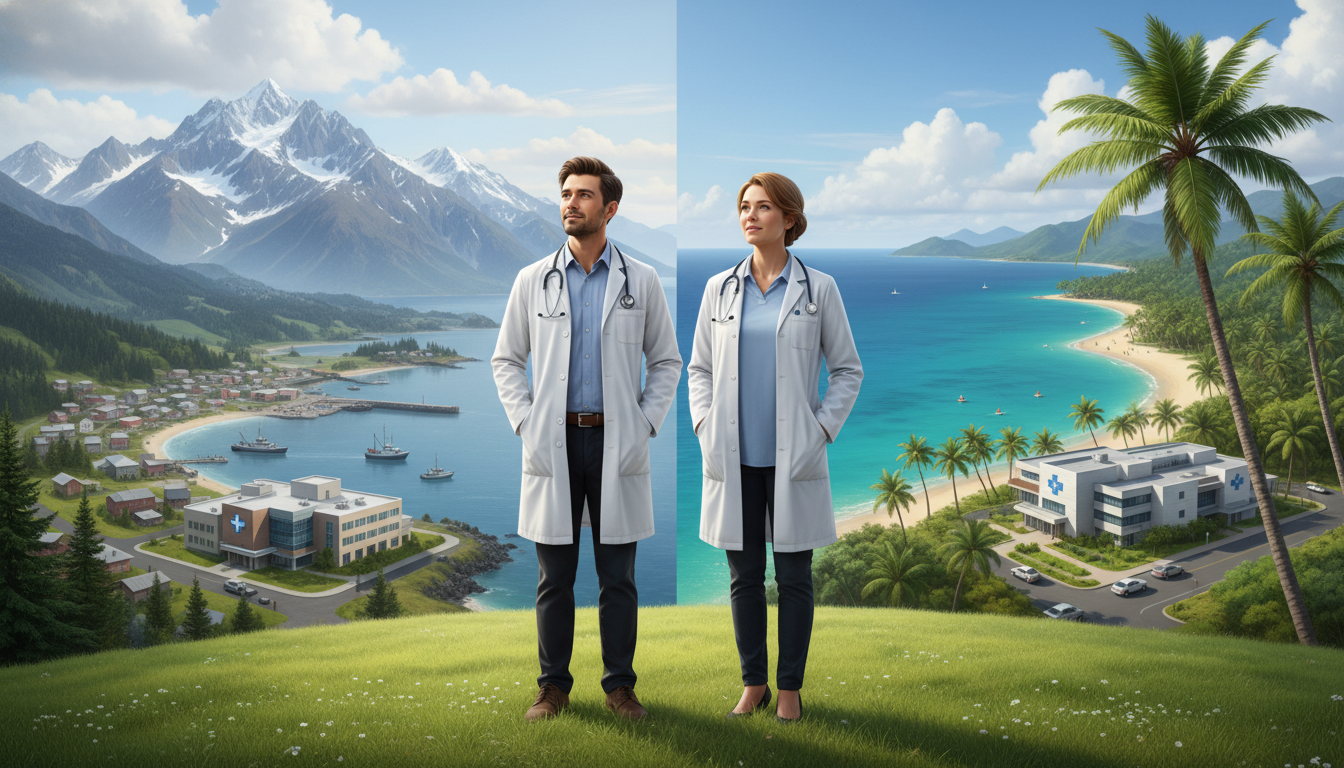
Because of this, having a rigid geographic preference (e.g., “only Los Angeles or San Francisco”) can significantly hurt your match chances, especially if you are also limited by visa requirements.
Being open to Central Valley residency programs—such as those in Fresno, Bakersfield, Modesto, Stockton, or Madera—can dramatically increase your options.
2. How Programs Interpret Geographic Preference vs Flexibility
Residency programs routinely screen for:
- “Does this applicant have a geographic preference residency focus that matches where we are?”
- “Is there evidence they might actually come here and stay for three+ years?”
- “Will this be their backup location, or do they genuinely want to be here?”
Programs in the California Central Valley are especially sensitive to these questions. They want residents who:
- Understand the community (rural, semi-rural, or smaller urban)
- Value serving diverse, often underserved populations
- Are not going to leave as soon as something “more coastal” appears
Key point:
You can be geographically flexible and still communicate genuine interest in the Central Valley. The way you present that combination is critical.
Mapping Your Personal Geography: A Step-by-Step Exercise
Before you decide how flexible to be, you need clarity about your own constraints and priorities.
Step 1: Clarify Non-Negotiables
As a non-US citizen IMG, some of your location constraints are non-negotiable:
- Visa requirements
- Do you need a program that sponsors J‑1? H‑1B? Either?
- Is there any region where consular interviews or processing are more or less feasible for you?
- Immigration history
- Prior US stays, visas, or overstays may influence which programs are comfortable sponsoring you.
- Family obligations
- Spouse/partner employment
- Children’s schools
- Dependent parents
Be honest with yourself:
If your spouse must work in a major tech hub, you may need to stay within commuting distance of a large city (e.g., Fresno for agriculture/health, Sacramento, or the Bay Area). If you have no such constraint, your geographic flexibility can be much broader.
Step 2: Define Your “Geography Tiers”
Create a three-tier system to structure your location flexibility:
Tier 1: Strong preference / ideal regions
- Example: California Central Valley (Fresno, Bakersfield, Modesto, Merced), because:
- Visa-friendly community programs
- High need for physicians
- Potential for J‑1 waiver jobs after residency
- Example: California Central Valley (Fresno, Bakersfield, Modesto, Merced), because:
Tier 2: Acceptable and realistic alternatives
- Examples:
- Other parts of California outside major coastal metro areas
- Inland Western states with IMG-friendly community programs
- Examples:
Tier 3: Only if necessary to match
- Rural states or regions with fewer personal ties but more open visa policies
- Areas with limited support infrastructure for your family, but still viable
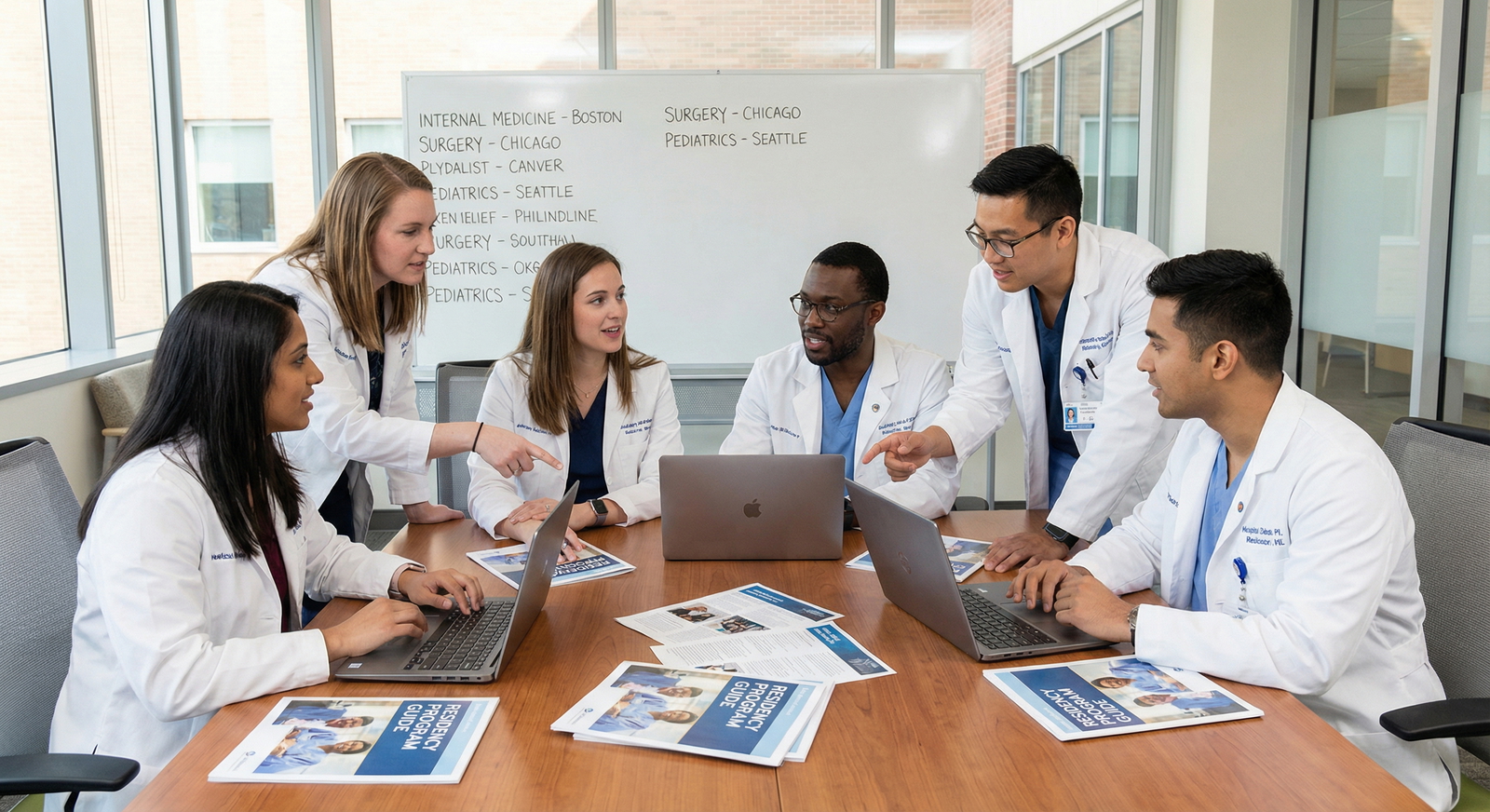
Write these down—do not just keep them in your head. You will use this structure for ERAS filters, email outreach, and interview decision-making.
Step 3: Align Your Geographic Strategy With Specialty
Some specialties are more concentrated in particular locations. For example:
- Internal Medicine, Family Medicine, Pediatrics
- Common in community hospitals and Central Valley residency programs
- Typically more open to IMGs and visa sponsorship
- Radiology, Dermatology, Ophthalmology
- Often clustered in academic centers in large metros
- May be much less available in the Central Valley and more competitive nationally
If you are applying to a less competitive specialty and are a strong candidate (high scores, recent YOG, USCE), your geographic flexibility can be narrower. If you are targeting a competitive specialty or have significant red flags (low scores, older YOG, limited USCE), expanding geographic flexibility is almost mandatory.

Central Valley and Fresno Residency: Opportunities and Trade-offs
The California Central Valley often sits in the shadow of the Bay Area and Southern California in applicants’ minds. Yet for a non-US citizen IMG, the region can be one of the most strategically valuable placements in the state.
1. Why the Central Valley Is Strategic for Non-US Citizen IMGs
a. Relative openness to IMGs
Central Valley residency programs—such as those in Fresno, Visalia, Bakersfield, Stockton, and Modesto—often:
- Serve large Medi-Cal and uninsured populations
- Operate in community or safety-net hospitals
- Have long experience working with IMGs
Many such programs regularly sponsor J‑1 visas, and some may sponsor H‑1B depending on specialty and institutional policies.
b. Rich clinical exposure
You are likely to see:
- High-acuity medicine with fewer competing trainees
- Agricultural injury and occupational health cases
- Advanced chronic disease (diabetes, COPD, heart failure) in underserved populations
- Significant Spanish-speaking and multiethnic communities
This builds strong clinical competence and makes you an attractive candidate for both fellowships and future employment.
c. J‑1 waiver possibilities after residency
The Central Valley regularly has physician shortage areas (HPSAs), making it fertile ground for:
- J‑1 waiver jobs (e.g., Conrad 30)
- Long-term employment with strong visa and possibly green card support
Choosing a Fresno residency or another Central Valley residency can position you well for long-term immigration planning.
2. Trade-offs to Consider
Being strategic means being realistic about trade-offs:
- Lifestyle differences
- Smaller or mid-sized cities rather than large coastal metros
- Hot summers, agricultural environment
- Fewer entertainment options than Los Angeles or San Francisco
- Distance from major international airports
- Fresno has an international airport, but with more limited direct routes
- You may need connecting flights for travel to your home country
However, many foreign national medical graduates find the Central Valley a comfortable compromise: lower cost of living, strong clinical exposure, and a sizable immigrant population with cultural diversity.
3. Demonstrating Genuine Interest in the Central Valley
When you say you are flexible geographically, programs still want to see that their region is not an afterthought. For Central Valley and Fresno residency programs, you can demonstrate interest by:
- Mentioning relevant ties or motivations:
- Previous rotations in the region
- Family or friends in Fresno or nearby cities
- Specific interest in rural or underserved care
- Highlighting language skills:
- Spanish, Punjabi, Hmong, or other languages common in local populations
- Referencing local health challenges:
- Agricultural worker health, pesticide exposure, environmental health
- Access barriers for low-income or migrant populations
Use your personal statement and interview answers to signal that this region aligns with your long-term goals—not just as a backup location.
Building a Geographic Preference Strategy That Programs Trust
Programs evaluate applicants not only on what they say, but also on how their applications look on paper. A mismatch between your declared geographic preference and your application pattern can hurt your credibility.
1. Application Pattern: Where You Actually Apply
If you tell a Fresno residency program in an interview, “California Central Valley is my top choice,” but your ERAS shows:
- 80% of applications to coastal big cities (e.g., LA, SF, San Diego)
- Only 1–2 programs in the Central Valley
Programs may doubt the sincerity of your preference.
Make your behavior match your words:
- If the Central Valley is truly Tier 1 for you:
- Apply to most, if not all, programs in the region that fit your specialty and visa needs.
- Include both academic-affiliated and community hospitals.
- Apply early in the season.
2. Personal Statement and Supplemental Essays
Consider a regional emphasis in one of your personal statements. Depending on ERAS structure for your year, you might:
Create a short, customized paragraph about:
- Commitment to underserved communities in the Central Valley
- Interest in agricultural/rural health, migrant health, or public health
- Cultural and language skills relevant to the population
Reference specific institutions if appropriate:
- Rotations, observerships, or mentors in Central Valley hospitals
- Research or volunteer work connected to the region
Be careful not to over-duplicate this paragraph for programs clearly outside the region—it should feel genuine and targeted.
3. Geographic Preference Questions on ERAS/Supplemental Forms
Some years, ERAS or specialty-specific supplements allow you to indicate geographic preference residency regions (e.g., West Coast, California, or specific areas).
Tips for non-US citizen IMGs:
- If California Central Valley is a priority, select West or California where possible.
- Avoid conflicts:
- Don’t list “Northeast only” as a strong geographic preference and then claim to a Fresno residency program that the Central Valley is your dream location.
- When allowed, indicate “location flexibility match” if you truly are open to multiple areas—but be ready to explain what that flexibility means in interviews.
4. Interview Conversations: How to Talk About Flexibility
When asked, “Where do you see yourself living?” or “What is your geographic preference?”:
- Start with your positive reasons:
- “I am especially interested in California Central Valley because of the opportunity to work with underserved populations, the large immigrant communities, and the strong clinical exposure in community hospitals.”
- Then add flexibility with boundaries:
- “At the same time, as a non-US citizen IMG, I recognize I need to be open to a range of regions that can sponsor my visa. So I am applying broadly across similar community-focused programs in California and nearby Western states.”
This shows:
- Genuine regional interest
- Realistic understanding of your position as a foreign national medical graduate
- Mature, thoughtful approach to the match

Balancing Flexibility With Long-Term Immigration and Career Goals
For non-US citizen IMGs, geography is not only about where you will live for three years—it is often about your entire US immigration and career pathway.
1. Visa Type and Geographic Options
J‑1 Visa:
- Most common for IMGs in residency.
- Requires returning to your home country for 2 years after training, unless you secure a waiver.
- Many J‑1 waiver jobs are in rural or underserved areas—exactly like much of the California Central Valley.
Implication:
If you train in the Central Valley, you may establish local connections that make it easier to find a J‑1 waiver job there after residency.
H‑1B Visa:
- Less common in residency but preferred by some IMGs because it avoids the J‑1 home-residency requirement.
- Programs may be more selective in offering H‑1B due to cost and complexity.
Implication:
If you require H‑1B only, your geographic flexibility might decrease (fewer programs offer H‑1B), but your post-residency mobility may increase.
2. Planning for J‑1 Waiver and Long-Term Settlement
If you anticipate needing a J‑1 waiver:
- Regions like the Central Valley often have multiple underserved hospitals and clinics that regularly hire J‑1 waiver physicians.
- Training in a Central Valley residency may:
- Help you build networks with local health systems.
- Let you prove your value to a community that wants you to stay.
- Give you insider knowledge of which employers support waiver and green card processes.
Being geographically flexible during residency (willing to come to the Central Valley) can therefore increase your long-term geographic control after training—because you’ll be more competitive for local waiver jobs and potentially permanent roles.
3. Personal Life, Community, and Support Systems
Geographic flexibility should not mean ignoring your own well-being. Consider:
- Access to your cultural or religious community
- Schools and safety if you have children
- Transportation and commuting
- Cost of living relative to resident salary
The Central Valley can offer:
- Lower housing costs than LA/San Francisco
- Significant immigrant communities (Latino, South Asian, Southeast Asian, etc.)
- A more family-friendly pace of life for many trainees
When discussing your preferences with programs, it is acceptable to mention these positive lifestyle aspects as reasons you are drawn to the area.
Action Plan: Putting Geographic Flexibility Into Practice
Below is a concrete set of steps to operationalize your regional preference strategy and location flexibility for the Match.
Step 1: Research Programs With a Central Valley Focus
- Identify all Fresno residency programs and other Central Valley programs in your specialty.
- For each, verify:
- Visa sponsorship policies (J‑1, H‑1B, both, or none)
- Historical acceptance of IMGs (look at current residents)
- Patient population and mission statements
Make a spreadsheet with columns for:
- City (Fresno, Bakersfield, Modesto, Stockton, etc.)
- Visa type
- IMG-friendliness
- Your personal interest level (1–5)
- Any regional ties or relevant experiences you can mention
Step 2: Define Your Application Distribution
Based on your competitiveness (scores, YOG, experience), set target numbers:
IMG with strong profile (e.g., solid scores, recent graduation, USCE):
- 15–20 programs in California (with emphasis on Central Valley + other IMG-friendly areas)
- 20–30 programs nationwide in similar community-focused, visa-sponsoring institutions
IMG with moderate profile:
- 40–60 programs nationwide
- Ensure a significant portion (e.g., 10–15) are in regions like the Central Valley where foreign national medical graduates historically match well
IMG with red flags (older YOG, failed attempts, limited USCE):
- 60+ programs across multiple states and regions
- Heavier weight on IMG-friendly and underserved areas where your commitment may be highly valued
Step 3: Draft Regionally Sensitive Personal Statement Variants
You might create 2–3 variants of your statement:
California Central Valley focus
- Emphasize underserved, diverse, agricultural communities; mention Fresno or similar cities if relevant.
General underserved/community focus
- For any community hospital nationwide, emphasizing your commitment to vulnerable populations.
Academic focus (if applicable)
- For larger academic centers where research or subspecialty aspirations matter more.
Ensure that the Central Valley-focused version feels authentic, with at least one or two details unique to the region.
Step 4: Prepare Interview Talking Points
Before interviews, especially with Central Valley or Fresno residency programs, prepare:
- A clear explanation of your location flexibility match:
- Why you are open to different regions.
- Why the Central Valley is particularly appealing.
- A brief narrative:
- How your background (e.g., growing up in a similar community, language skills, work with underserved populations) aligns with their patient population.
- A plan for long-term goals:
- Whether you see yourself staying in similar communities after residency.
- Your thoughts on J‑1 waiver or long-term practice in the region.
Step 5: Rank List Strategy
When building your rank list:
- Put programs in your Tier 1 geography (e.g., Central Valley) as high as they realistically deserve based on fit, training quality, and visa support.
- Balance Central Valley programs with strong options in other regions, according to your three-tier system.
- Avoid ranking programs you would not be willing to attend, regardless of geography—flexibility must still respect your baseline needs and goals.
FAQs: Geographic Flexibility for Non‑US Citizen IMGs in the Central Valley
1. If I say I am geographically flexible, will programs in the Central Valley assume they are my backup?
Not automatically. What matters is consistency:
- If you apply to many Central Valley residency programs, tailor your personal statement, and speak specifically about why you want to serve that community, they will see genuine interest.
- If you only apply to one or two Central Valley programs and mostly coastal cities, your flexibility may look superficial.
2. As a non-US citizen IMG, should I limit myself to California because I prefer it, or apply broadly across the US?
In most cases, you should apply broadly, especially if you need visa sponsorship. You can prioritize California Central Valley in your application and communication, but including other IMG-friendly, underserved regions increases your overall match probability. Geographic flexibility is especially valuable if your profile has any weaknesses.
3. How can I show that I’m truly interested in a Fresno residency or other Central Valley program if I have never been there?
You can still show sincere interest by:
- Researching the region’s demographics and health challenges
- Connecting your past experience with rural or underserved communities
- Emphasizing language skills that match local populations
- Attending virtual open houses and asking informed questions
- Highlighting your willingness to build a long-term life in a community-focused setting
4. Does choosing a Central Valley residency limit my chances for competitive fellowships later?
Not necessarily. Strong performance, strong letters, research (where available), and networking matter more than city size. Central Valley programs often provide high procedural volume and broad clinical exposure, which can make you very well-prepared. Many graduates successfully pursue fellowships, and your strong clinical foundation may be a significant advantage.
By approaching geographic preference residency choices with structure and honesty, non-US citizen IMGs can turn potential limitations into strengths. For many, a California Central Valley residency—especially in cities like Fresno—offers an ideal balance: visa support, robust clinical training, and a realistic pathway toward long-term practice and stable immigration status in the United States.