Understanding the Landscape: Clinical Informatics Pathways for Non‑US Citizen IMGs
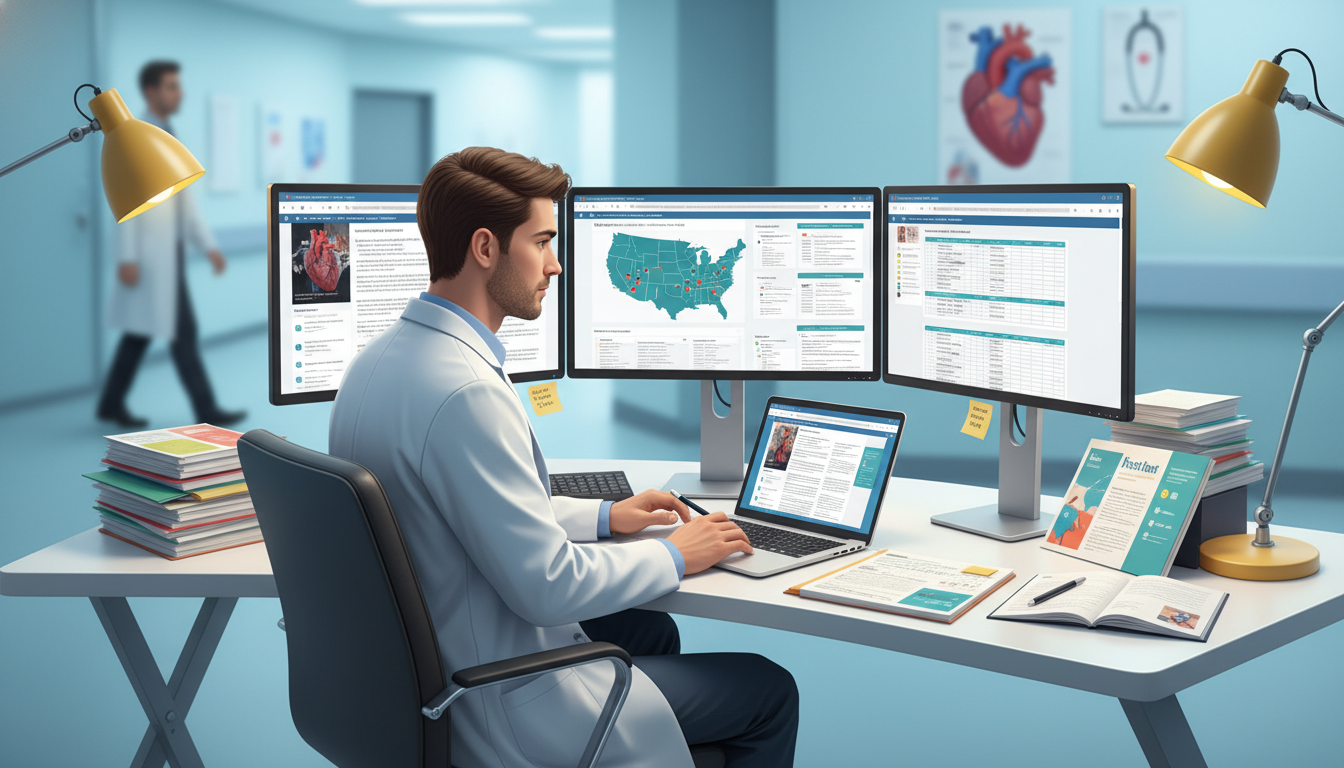
Clinical informatics in the United States is structurally different from traditional residency specialties, and that difference is critical for a non‑US citizen IMG to understand before beginning any program research strategy.
Clinical Informatics (CI) is:
- An ACGME-accredited subspecialty
- Only open to applicants who have already completed an ACGME‑accredited or equivalent residency (e.g., Internal Medicine, Pediatrics, Pathology, Emergency Medicine, etc.)
- Typically pursued via a two‑year clinical informatics fellowship, not a categorical residency
For a foreign national medical graduate, this usually means:
Primary goal:
Secure a core residency (often in IM, Pediatrics, Pathology, or another CI‑eligible specialty) that:- Accepts non‑US citizen IMG applicants
- Offers strong health IT training and exposure to informatics
- Has an associated or nearby clinical informatics fellowship (or strong informatics department)
Secondary goal (later):
Apply to a clinical informatics fellowship after or near completion of your core residency.
Because of this two‑step structure, “how to research residency programs” for clinical informatics is really a two‑layer process:
- Layer 1: Evaluating residency programs for IMG‑friendliness and informatics exposure
- Layer 2: Evaluating clinical informatics fellowships (and their visa policies, academic environment, and job placement outcomes)
This article focuses largely on Layer 1 (residency program research strategy) while always keeping Layer 2 in view, so your early choices don’t limit your informatics pathway later.
Step 1: Clarify Your Goals and Constraints as a Non‑US Citizen IMG
Before you open a single program website, be very explicit about your goals and limitations. This will save you enormous time and help you target programs smarter.
1. Define Your Informatics‑Career Vision
Ask yourself:
- Do you want to be:
- A clinician‑informatician (50–80% clinical, 20–50% informatics)?
- A full‑time informatics leader (CMIO, CNIO, VP of Clinical Informatics)?
- A data‑driven researcher (academic career, grant funding)?
- A health IT industry physician (EHR vendor, digital health startup, analytics company)?
Your answers shape how you will prioritize:
- Academic vs community programs
- Research intensity
- Exposure to EHR optimization, analytics, AI/ML, population health, quality improvement
- Proximity to informatics fellowships and schools of public health or informatics
2. List Your Visa and Immigration Constraints
Non‑US citizen IMG status adds layers that directly influence how to research residency programs and fellowships:
- Are you currently on F‑1 with OPT?
- Do you need a J‑1 or H‑1B visa?
- Are you open to J‑1 Home Residency Requirement and its implications?
- Do you have a path to a green card (family, diversity lottery, etc.)?
For each visa type, the implications are different:
J‑1:
- More commonly sponsored by ECFMG
- Widely accepted by many residencies and fellowships
- But usually requires a 2‑year home country residency after training, unless waived
- Some CI fellowships will only sponsor J‑1; others may sponsor H‑1B
H‑1B:
- Less common in residency; more common for some fellowships and attending jobs
- Often preferred if you want long‑term US employment without a J‑1 waiver issue
- Many IMGs must strategically pick H‑1B‑friendly residencies if they want the option to transition more easily to H‑1B‑friendly CI fellowships and jobs
You should maintain a simple table:
- Column A: Visa types each target residency accepts (J‑1, H‑1B, “No visas”)
- Column B: Visa types each CI fellowship at the same institution accepts
This way you can easily see whether a site allows you to progress from residency to fellowship without needing to change institutions or visas, which can be an enormous advantage.
3. Assess Your Application Profile Honestly
As a foreign national medical graduate, your competitiveness will shape your program list. Consider:
- USMLE scores / attempts
- Clinical experience in the US (USCE)
- Years since graduation
- Research output (especially informatics, quality improvement, or data‑related)
- English proficiency and communication skills
- Any prior master’s degrees (e.g., MPH, MS in Biomedical Informatics, Health Informatics)
Your program research strategy must be realistic:
- Highly academic CI‑rich centers (e.g., large university hospitals with informatics fellowships) can be very competitive.
- You may need a multi‑tier list: reach, realistic, and safety programs, balancing IMG‑friendliness with informatics exposure.
Step 2: Build an Efficient Program Research Strategy
Once your goals and constraints are clear, you can systematically identify and evaluate residency programs and CI fellowships.

1. Start with Core Residency Specialties That Lead to CI
First, pick the primary residency specialties that best match your profile and interest:
Common “feeder” specialties into clinical informatics include:
- Internal Medicine
- Pediatrics
- Pathology
- Emergency Medicine
- Family Medicine
- Anesthesiology
- Some others (e.g., Neurology, Radiology) have informatics connections but may have fewer dedicated CI positions
For a non‑US citizen IMG, Internal Medicine and Family Medicine often provide:
- The most IMG‑friendly options
- Reasonable chances of matching
- Broad exposure to EHR, quality improvement, and population health
- Strong ties to informatics in many academic centers
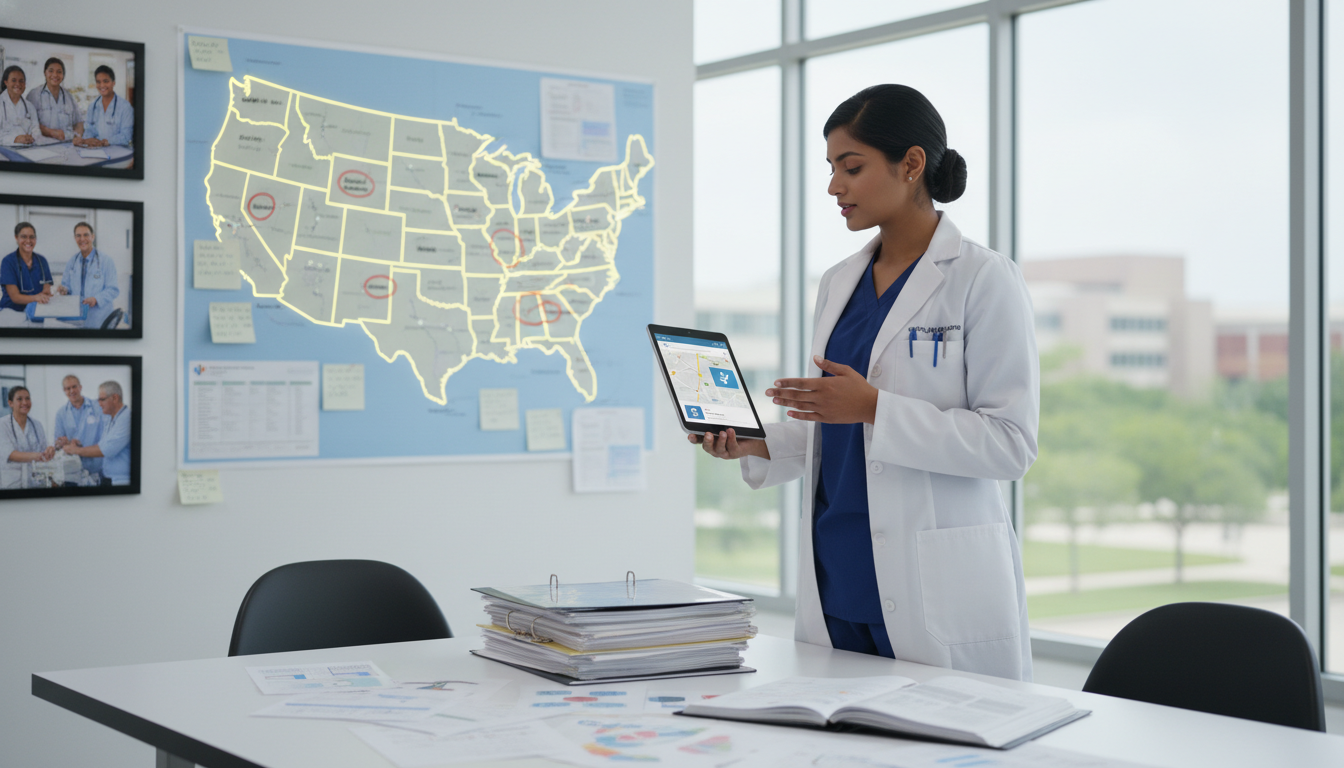
2. Use Centralized Databases to Generate an Initial List
Key tools for your first-pass list:
FREIDA (AMA Residency & Fellowship Database)
- Filter by specialty, state, program type, and sometimes IMG contact
- Many programs list whether they consider IMGs and what visas they sponsor (though always verify on the program website)
ERAS / AAMC Residency Explorer (when available)
- Helps you see characteristics of applicants typically matched at certain programs
- Useful for gauging competitiveness
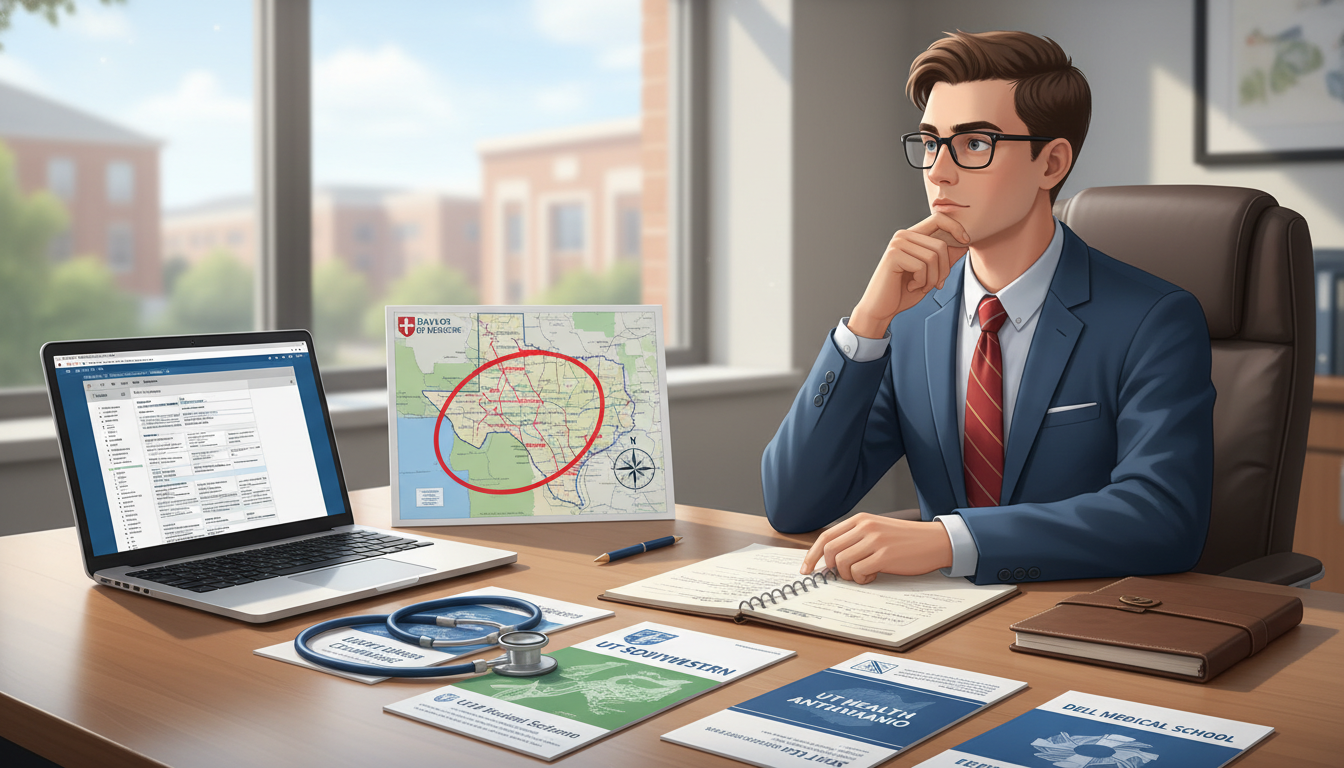
ACGME & AMIA lists for CI fellowships
- Review all ACGME-accredited clinical informatics fellowships
- Note which core residencies those institutions offer (IM, Peds, Pathology, etc.) and whether they are historically IMG‑friendly
Make two spreadsheets:
Residency Programs Master List
- Columns: Institution, Specialty, State, Program Type (University / Community / Hybrid), Visas, IMGs accepted, USMLE cutoff, Research emphasis, EHR system (if listed), CI fellowship on site (Yes/No)
Clinical Informatics Fellowships List
- Columns: Institution, Linked Residencies (IM, Peds, etc.), Visas, Number of CI fellows, EMR platform(s), Research focus (data science, quality improvement, AI, etc.), Publications, Career outcomes
Then link the two by institution. This is the core of an efficient program research strategy for CI‑focused IMGs.
3. Narrow the List with IMG‑Friendly and Visa Filters
Systematically reduce your list by applying:
Visa sponsorship
- Remove programs that clearly state “do not sponsor any visas”
- Flag H‑1B sponsors if H‑1B is important for your trajectory
IMG acceptance
- Prioritize programs that:
- Have a high percentage of IMGs
- Explicitly state “We welcome IMGs”
- List current residents or alumni who are IMGs
- Prioritize programs that:
Attempts and cutoffs
- Exclude programs with USMLE cutoffs or “no attempts” policies that you don’t meet
You should now have:
- A core working list of residencies that accept non-US citizen IMGs and match your basic criteria
- A parallel list of clinical informatics fellowships to keep your long‑term path in view
Step 3: Deep Dive into Program Websites for Informatics‑Specific Clues
Now you move from “Can I apply here?” to “Will this help me become a clinical informatician?”
1. Use a Structured Framework for Evaluating Residency Programs
When evaluating residency programs, look beyond generic prestige. As a non‑US citizen IMG aiming for informatics, you need programs that are both welcoming to IMGs and technically forward.
Key dimensions when evaluating residency programs:
Institutional Technology and Health IT Environment
- Which EHR does the institution use? (Epic, Cerner, others)
- Are they known for early or advanced adoption of:
- Clinical decision support
- Telemedicine
- Population health management
- Patient portals
- Do they mention:
- “Digital health”
- “Data analytics”
- “Quality improvement and informatics”
Access to Clinical Informatics Leadership
- Is there a Chief Medical Information Officer (CMIO) or Vice Chair for Informatics?
- Are there faculty members with AMIA involvement or CI board certification?
- Does the department webpage list informatics faculty you could potentially work with?
Research and Project Opportunities
- Are there ongoing QI or data‑driven projects residents can join?
- Does the program highlight resident involvement in EHR optimization, dashboards, workflow redesign, or analytics projects?
- Are there informatics‑related research tracks or scholarly concentrations (e.g., “Healthcare Delivery Science,” “Digital Health,” “Data Science in Medicine”)?
Educational Content in Informatics
- Is informatics included in the didactic curriculum? Look for:
- “Clinical decision support” sessions
- “Evidence-based order sets” teaching
- “Population health and registries”
- “Introduction to clinical informatics” lectures
- Some programs may partner with:
- Schools of Public Health
- Departments of Biomedical Informatics
- Health IT training centers
- Is informatics included in the didactic curriculum? Look for:
Connection to Clinical Informatics Fellowships
- Does the institution host a clinical informatics fellowship?
- Do residency graduates match into that fellowship? (Check alumni lists)
- Even if not on site, do they have strong affiliation with regional CI programs?
IMG Culture and Support
- Do program photos and resident lists show diverse backgrounds and IMGs?
- Are there structured supports:
- Visa help
- Cultural integration
- Research mentorship tailored to IMGs
Create a scoring template (for your personal use), for example:
- Technology/Health IT environment: 1–5
- Informatics faculty presence: 1–5
- CI research/project opportunities: 1–5
- Link to CI fellowship: 1–5
- IMG/visa friendliness: 1–5
- Overall informatics potential for an IMG: 1–5
This allows you to quickly compare programs in a meaningful way.
2. Evaluate Clinical Informatics Fellowships in Parallel
When you encounter an institution with both a residency and CI fellowship, research the fellowship in detail:
Look for:
Visa policy (J‑1 vs H‑1B; explicit statements about non‑US citizens)
Number of fellows and faculty involved
Major focus areas:
- EHR implementation and optimization
- Data analytics and reporting
- Clinical decision support
- Quality & safety informatics
- AI/ML, natural language processing
- Telehealth and digital health tools
Training settings:
- Academic medical centers
- Community hospitals
- Outpatient clinics
- Health system IT departments
Graduate career outcomes:
- Do fellows become CMIOs, faculty, or industry leaders?
- Any alumni who were non‑US citizen IMGs?
If you see that a residency program has a well‑established pipeline into its own CI fellowship, that is a powerful positive signal for your long‑term planning.
Step 4: Using External Signals and Networks to Refine Your List
Website information is necessary but not sufficient. As a non‑US citizen IMG, you benefit from additional external data and real‑world voices.
1. Use Alumni Networks and Social Media
Search for:
- Program name + Clinical Informatics on:
- PubMed (for informatics publications by faculty)
- ResearchGate or Google Scholar
- Look for residents or fellows who:
- Completed an IM or Peds residency at institution X
- Then clinical informatics fellowship at the same or another center
- And identify whether they are IMGs (often visible from training history)
Reach out professionally:
- Brief, respectful messages via LinkedIn or email:
- Introduce yourself
- Clarify that you are a non‑US citizen IMG interested in CI
- Ask 2–3 focused questions, e.g.:
- “How supportive was the program of residents interested in informatics?”
- “Did IMGs have realistic paths to the CI fellowship there?”
- “Were there barriers related to visa status?”
Many alumni are willing to give 5–10 minutes of honest advice.
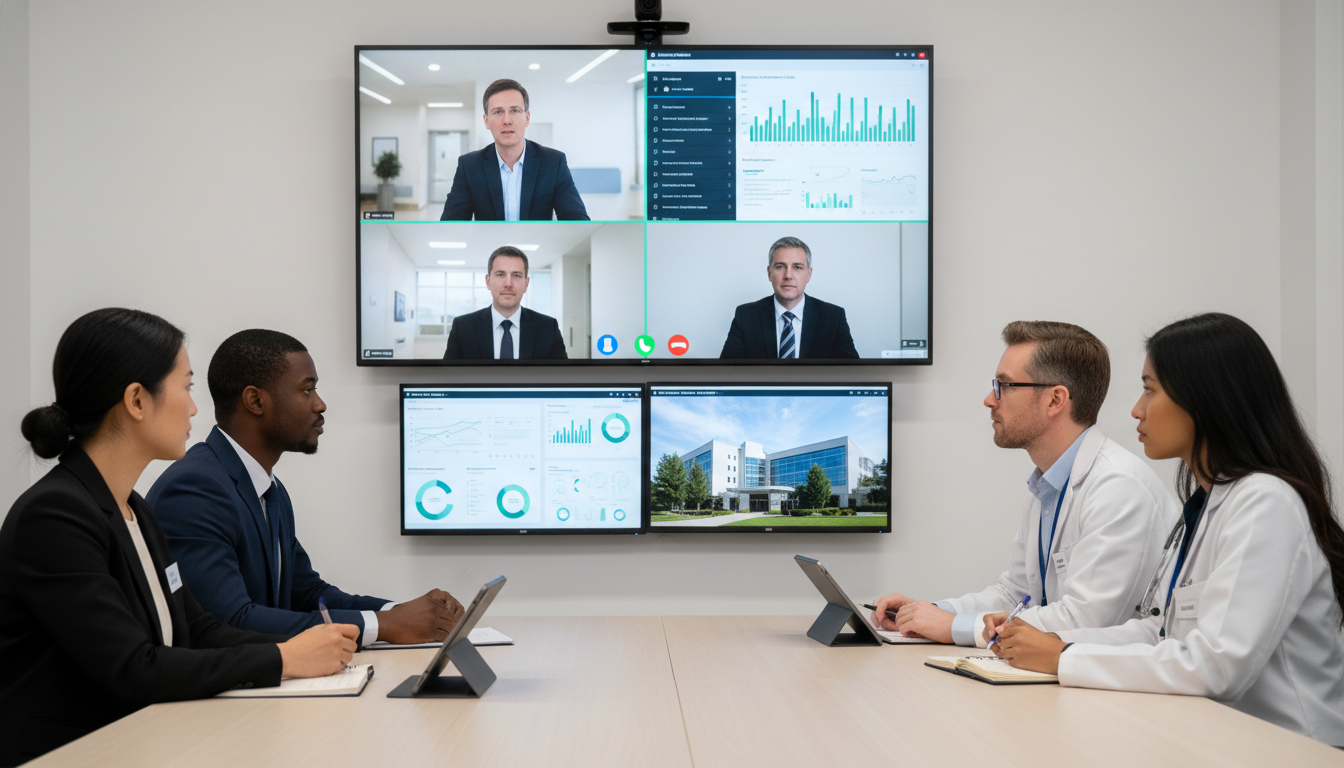
2. Attend Virtual Open Houses and AMIA Activities
Many residency programs and CI fellowships now offer:
- Virtual open houses
- Specialty sessions at:
- AMIA (American Medical Informatics Association) conferences
- Institutional webinars on digital health or EHR improvements
Strategies:
- Join AMIA as a student or international member if feasible
- Attend clinical informatics webinars and introduce yourself in chat or follow up via email
- Ask program leaders about:
- “Opportunities for non‑US citizen IMG residents to engage in informatics projects”
- “How your program has supported IMG residents pursuing CI fellowships”
You are not just obtaining information; you are starting to build a network in US informatics, which will matter when you apply to fellowships later.
3. Use Match Data and Public Statistics
For evaluating residency programs:
- Look for:
- Percentage of IMGs in recent residency classes
- Any NRMP or program‑published match statistics
- Some programs highlight:
- How many residents go into fellowships (including informatics, if applicable)
- Their subspecialty match lists
For CI fellowships:
- Not many standardized databases exist yet, but:
- Program websites sometimes list current and past fellows, including medical school/country of origin
- You can infer how many fellows were international graduates
- This informs whether the fellowship is comfortable training foreign national medical graduates
Step 5: Balancing Risk and Opportunity in Your Final List
By this point, you should have:
- A filtered list of IMG‑friendly residencies in relevant specialties
- Detailed notes on each program’s informatics environment
- Awareness of existing clinical informatics fellowships at or near these institutions
The next step is to craft a balanced application list.
1. Categorize Programs: Informatics‑Rich vs. Informatics‑Neutral
You will likely face trade‑offs:
Some programs:
- Very IMG‑friendly
- But limited explicit informatics presence
Others:
- Strong informatics reputation
- But highly competitive and may favor US grads or require US experience
Group them into:
Tier A: High Informatics + Accepts Non‑US Citizen IMGs
- Academic or hybrid centers
- Strong EHR usage, CI faculty, nearby or on‑site CI fellowships
- Explicit visa support
Tier B: Moderate Informatics Exposure + Strong IMG Support
- May be community‑based or university‑affiliated
- Good QI and EHR projects but limited formal CI structure
- Excellent track record with IMGs and visas
Tier C: Safety Programs
- High IMG acceptance and visa sponsorship
- Limited formal CI emphasis
- Still provide a US residency pathway from which you can build a CI‑relevant CV (through external courses, projects, certifications, etc.)
2. Decide How Many Programs in Each Tier
A typical approach for a non‑US citizen IMG:
- Total applications: often 60–120+ programs in IM or other core specialties (depending on competitiveness)
- Example distribution:
- 15–25% Tier A
- 40–50% Tier B
- 30–40% Tier C
Your exact numbers depend on your USMLE scores, year of graduation, and overall CV strength.
3. Keep the Door Open to Informatics Even in Less CI‑Heavy Programs
If you match into a residency that doesn’t have an on‑site CI fellowship, you can still build a strong CI profile by:
- Joining hospital IT committees or EMR optimization groups
- Leading or co‑leading quality improvement projects using EHR data
- Taking online health informatics or data science courses (Coursera, edX, AMIA programs)
- Seeking external informatics mentors at nearby institutions or via virtual networks
- Presenting posters at informatics or QI conferences
When it comes time to apply for a clinical informatics fellowship, selection committees care about demonstrated interest, projects, and impact, not only where you trained.
Practical Example: Applying the Program Research Strategy
Imagine you are a non‑US citizen IMG from India with:
- USMLE Step 2 CK: 240
- 2 months US observerships
- 1 research project involving EHR‑based sepsis alerts in your home country
- Need J‑1 or H‑1B sponsorship
Your steps:
Choose Internal Medicine as your primary specialty.
Use FREIDA to find IM programs in states you prefer; filter for those that:
- Accept IMGs
- Sponsor J‑1 (and mark those that also support H‑1B)
Cross‑reference with the ACGME list of clinical informatics fellowships:
- Flag IM programs at the same institutions as CI fellowships (e.g., large academic centers)
- Add them to Tier A if they mention IMGs and appropriate visas
Deep dive into program websites:
- For each program, check:
- Whether they mention informatics, data analytics, digital health, or QI in their curriculum
- Whether they list a CMIO or informatics lead
- For each program, check:
Contact 2–3 alumni from promising institutions on LinkedIn:
- Ask about support for informatics projects and IMG experiences
Build a final list:
- 20 Tier A (IM + CI fellowship + visa + some IMG history)
- 40 Tier B (good IM program, moderate informatics mentions, strong IMG acceptance)
- 30 Tier C (IMG‑friendly IM programs with at least decent EHR/QI exposure)
Through this structured approach, you are not just “applying everywhere”; you are strategically targeting places where your informatics ambitions have room to grow.
FAQs: Researching Clinical Informatics Pathways as a Non‑US Citizen IMG
1. Do I need to match into a residency with an on‑site clinical informatics fellowship to become an informatician?
No. Matching into a residency with an on‑site CI fellowship is advantageous but not mandatory. Many fellows train in CI at institutions different from where they completed residency. However, if your residency:
- Uses a modern EHR
- Offers opportunities for QI, data analytics, or digital health projects
- Lets you work with informatics‑oriented faculty
You can build a strong fellowship application regardless of whether there is an in‑house CI program.
2. As a foreign national medical graduate, should I prioritize H‑1B‑sponsoring programs?
It depends on your long‑term immigration goals:
- If you want to remain in the US long‑term and avoid the J‑1 home‑return requirement, H‑1B can be beneficial, but fewer residencies offer it.
- If you are flexible with returning home for two years (or obtaining a waiver), J‑1 sponsorship provides more options.
In your program research strategy, consider both types, but be very clear on the implications. Always double‑check current visa policies on program websites, as they change.
3. How can I show interest in clinical informatics if my home country experience is limited?
You can strengthen your profile by:
- Completing online courses in health informatics, data science, R, Python, or healthcare analytics
- Participating in EHR‑related QI projects during electives or observerships
- Contributing to small projects like:
- Improving documentation templates
- Analyzing hospital data for quality metrics
- Helping design or pilot clinical decision support tools
- Joining AMIA or local informatics societies as a student member
Mention these concretely in your personal statement and CV when you apply to residencies.
4. How early should I start researching residency and CI programs as a non‑US citizen IMG?
Ideally, 12–18 months before you plan to apply:
First 3–6 months:
- Clarify your goals
- Learn about US training pathways in CI
- Start building your spreadsheets of programs
Next 6–9 months:
- Deep dive into websites
- Reach out to alumni and attend virtual open houses
- Fine‑tune your program list
Final 3–6 months:
- Finalize your personal statement and CV
- Tailor your ERAS application to highlight informatics interest
- Continue networking and information‑gathering for potential interviews
This timeframe gives you room to make deliberate decisions rather than last‑minute, rushed choices.
By approaching your search with a structured, informatics‑focused program research strategy, you can transform the difficult process of evaluating residency programs and clinical informatics fellowships into a targeted, manageable, and ultimately empowering journey—as a non‑US citizen IMG building a future in clinical informatics.