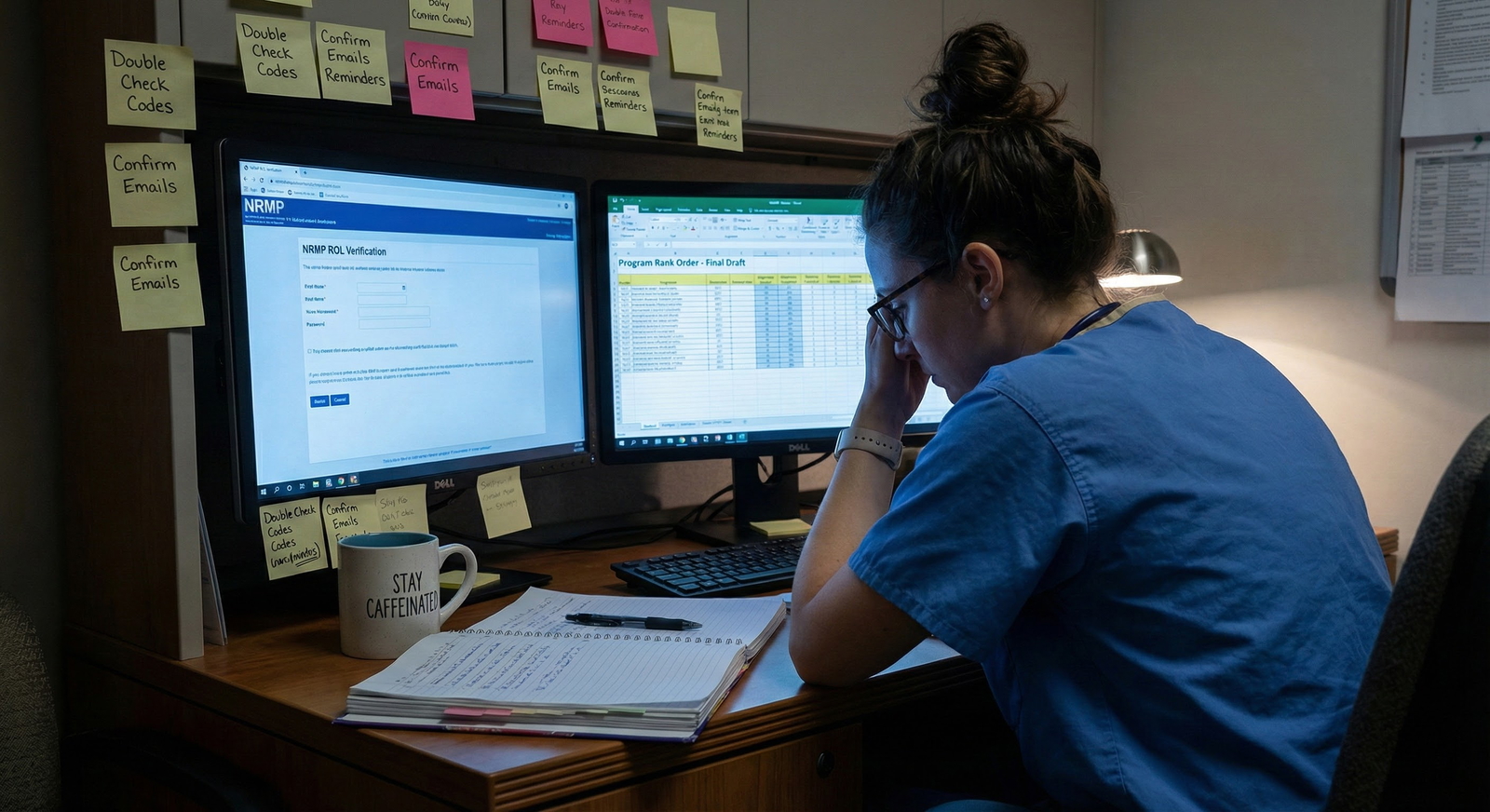
Understanding the Landscape: Radiation Oncology and the DO Applicant
Radiation oncology is one of the most competitive specialties in the Match—and this is especially true for DO graduate residency applicants who may worry about bias or limited exposure. The reality has improved significantly in the single accreditation era, but success still depends on a deliberate, strategic approach to how you research residency programs.
Before you dive into specific program lists, you need to understand three things:
The competitiveness of radiation oncology
- Historically small field: relatively few residency spots per year compared with IM or FM.
- Strong emphasis on academics, research, and board scores.
- Programs often prioritize applicants who show early, sustained interest in rad onc (electives, research, professional societies).
How being a DO influences your planning
- Increasingly, many programs accept DOs and value osteopathic training, but not all.
- Some programs still show limited DO representation in recent classes, which can be a signal of relative openness (or lack thereof).
- You may need a more targeted program research strategy than many MD peers—focusing on places with a track record of DO residents or explicit DO-friendly language.
The goals of program research
- Identify programs where you are a realistic candidate (based on academic metrics and application profile).
- Shortlist programs that match your career goals (academic vs community, research intensity, subspecialty interests).
- Find places where you’ll be supported as a DO and as an individual—professionally, academically, personally.
In other words, the purpose of research is to prevent you from applying blindly and to help you invest your time, money, and energy where your chances and fit are strongest.
Step 1: Build a Master List Using Public Databases and Program Websites
The first phase of your program research strategy is broad and information-gathering, not selective. Your goal: build a master list of all possible radiation oncology residency programs, then gradually refine it.
1.1 Start with Official Databases
Use multiple sources so you don’t miss programs:
FREIDA (AMA Residency & Fellowship Database)
- Filter by:
- Specialty: Radiation Oncology
- Program type: ACGME-accredited
- Geographic preferences (optional at first—start broad if possible)
- What to look for:
- Number of residents per year
- Program setting (university, community, hybrid)
- Program length and structure
- Any notes on research expectations or special tracks
- Filter by:
ERAS / AAMC Program Listings
- Check which radiation oncology residency programs participate in ERAS for the current cycle.
- Note any ERAS-specific requirements (extra letters, supplemental materials).
NRMP and ACGME resources
- NRMP data can give you a sense of:
- Match rates and specialty competitiveness
- Historical fill rates in radiation oncology
- ACGME website:
- Confirms current accreditation status
- Lists program size and sponsoring institution.
- NRMP data can give you a sense of:
Create a spreadsheet and log each program with columns for:
- Program name
- Institution
- City/state
- Program type (academic, community, hybrid)
- Contact info / website
- Notes column (to be filled as you learn more)
This becomes your central program research tool.
1.2 Deep-Dive into Program Websites
Once you have your list, open each program’s website and systematically extract information. For a DO graduate residency applicant in radiation oncology, pay particular attention to:
Current residents and recent graduates
- Do they list:
- Medical schools (look for DO schools)
- Research interests
- Career outcomes (fellowships, academics vs community)
- Presence of DOs in current classes is often your best early signal of a program’s DO friendliness.
- Do they list:
Program structure and curriculum
- Number and types of clinical rotations (disease-site rotations, brachytherapy, pediatrics).
- Protected didactic time, board prep, physics and biology teaching.
- Research time (dedicated research blocks vs longitudinal expectations).
Application requirements
- Are COMLEX scores accepted, or do they prefer/require USMLE?
- Number and type of required letters (e.g., at least one letter from a radiation oncologist).
- Any explicit mention of DO applicants (e.g., “We welcome applications from DO graduates”).
Mission and culture
- Emphasis on:
- Patient-centered care
- Research vs community focus
- Diversity, equity, and inclusion
- Look for language that resonates with your values and career goals.
- Emphasis on:
This is the time to start lightly tagging programs in your spreadsheet as:
- High-interest
- Possible
- Low-interest / not a fit
Keep your criteria loose for now—you’ll refine later.

Step 2: Evaluate DO-Friendliness and Objective Fit
Once your master list is built, you need to assess where you’re likely to be competitive and supported as a DO applicant. This involves both objective metrics and historical patterns.
2.1 Look for DO Representation in Residents and Faculty
On program websites, LinkedIn, and Doximity:
Scan current residents:
- How many are DOs?
- Are there DOs in multiple PGY years, indicating a consistent pattern, not a one-off?
Check recent graduates:
- Are DOs matching into strong fellowships or academic positions?
- A program that trains and advances DOs is often genuinely inclusive.
Look at faculty bios:
- Presence of DO faculty in radiation oncology or associated departments can be a positive sign.
This doesn’t mean you should only apply where DOs are present, but it helps you prioritize.
2.2 Understand Exam Expectations (COMLEX vs USMLE)
As a DO, your exam profile is a central part of evaluating residency programs:
Check program statements:
- Some explicitly say: “We accept COMLEX only.”
- Others say: “USMLE required” or “USMLE strongly preferred.”
- Many say nothing—signal is ambiguous.
Interpret carefully:
- If they require or strongly prefer USMLE and you don’t have it, your chances may be significantly lower.
- If they accept COMLEX and you have strong scores, that can work in your favor.
If you have both COMLEX and USMLE, note whether programs:
- Use specific USMLE cutoffs
- Weigh one set of scores more heavily
This should feed into your program tiering:
- “Objective fit strong” (your scores are at or above their unofficial range)
- “Borderline”
- “Long shot”
2.3 Use Public Match Data and Program Fill Patterns
For radiation oncology residency, understanding recent rad onc match trends by specialty and degree helps you make an informed application plan:
NRMP Data Reports:
- Look at:
- Number of positions offered vs filled
- How many positions filled with US seniors vs IMGs vs DOs
- Any trends in unfilled positions (sometimes rad onc has unfilled spots, but not necessarily at the programs you want).
- Look at:
Program-specific trends (gleaned from online forums and alumni networks):
- Do some programs frequently:
- Fill with MDs from top-tier institutions?
- Have a history of going partially unfilled?
- Do some programs frequently:
Combine these data points with your personal profile to categorize programs into:
- Reach: Very competitive programs where your metrics/portfolio are below or at the lower end of their apparent range.
- Target: Programs where your profile aligns well with trainee profiles.
- Safety: Programs where your metrics are above average for their typical pool; often smaller or less research-heavy sites, or geographically less competitive areas.
You want a balanced portfolio of reach, target, and safety programs, especially as a DO.
Step 3: Assess Clinical and Academic Fit for Your Career Goals
A DO graduate residency in radiation oncology should position you for your longer-term aspirations—whether that’s academic practice, community practice, or a hybrid. Here’s how to evaluate residency programs beyond just “can I match there?”
3.1 Clarify Your Radiation Oncology Career Goals
Ask yourself:
- Do I imagine myself in a large academic center, doing research and teaching?
- Or do I prefer community practice, focusing on clinical care and local leadership?
- Am I drawn to:
- Specific disease sites (pediatrics, CNS, GU, GI, breast)?
- Technical aspects (SBRT, brachytherapy, proton therapy)?
- Health disparities, rural oncology, global oncology, or palliative care?
Your answers will shape your program research strategy.
3.2 Use Program Websites and Materials to Evaluate Training Breadth
On each program’s website, look for:
Disease-site coverage:
- Are there subspecialty rotations in all major sites: CNS, breast, thoracic, GI, GU, GYN, head & neck, pediatrics, lymphoma, sarcoma?
- Are there opportunities to rotate at multiple affiliated hospitals, including VA or community sites?
Technology and treatment modalities:
- Access to:
- IMRT/VMAT, SBRT/SRS
- Brachytherapy (gynecologic and/or prostate)
- Protons or MR-guided RT (if you’re interested in cutting-edge modalities)
- Do residents actually get hands-on experience, or is access limited?
- Access to:
Research infrastructure:
- Are there:
- Ongoing clinical trials?
- Mentors with strong publication records?
- Protected research time?
- If your goal is an academic career, you’ll want a strong research ecosystem.
- Are there:
3.3 Evaluate Educational Culture and Support
You’ll spend years in this training environment. Look for data on:
Didactics and board preparation:
- Regular lecture schedule (physics, biology, clinical topics).
- In-service exam performance or board pass rates (if available).
- Structured board review (mock orals, exam prep courses).
Mentorship and advising:
- Formal mentorship assignments?
- Career development seminars (fellowship guidance, CV workshops, research skills)?
- Track record of helping residents secure competitive fellowships or jobs.
Wellness and workload:
- Call schedule (frequency and type—phone vs in-house, inpatient vs outpatient).
- Vacation time and coverage.
- Resident testimonials (formal or informal) on burnout, support, and flexibility.
The more specific the information on the website, the easier it is to gauge if the environment fits how you learn and work best.

Step 4: Go Beyond Websites – Networking, Advisors, and Direct Contact
Public information only takes you so far. To truly understand how to research residency programs and evaluate them as a DO applicant, you need insider perspectives.
4.1 Leverage Your Home Institution and Rotations
If you have a home rad onc department, use it:
- Meet with:
- Department chair or program director
- Education chief or associate PD
- Residents (especially any DOs)
Ask targeted questions:
- Which programs are historically receptive to DOs?
- Which programs are strong in my areas of interest?
- Given my scores, research, and clinical record, where have similar applicants matched?
If you don’t have a home program:
- Seek out:
- Electives or away rotations in radiation oncology
- Mentors in related fields (medical oncology, surgery) who may have connections
- Your school’s graduate medical education office or Match advisor.
4.2 Use Away Rotations Strategically
Away rotations in radiation oncology serve two purposes:
- Auditioning at programs you are strongly interested in.
- Gaining letters, experience, and mentorship if you lack a home rad onc department.
Choose away sites based on:
- Genuine interest in the program and region.
- Realistic competitiveness (avoid using all your away time on ultra-reach programs).
- Evidence that the program is open to DOs or at least not historically exclusionary.
During rotations:
- Observe how residents are treated and supported.
- Gauge whether faculty are enthusiastic teachers.
- Note any commentary about DO applicants (explicit or implicit).
This on-the-ground information should directly influence your final program list.
4.3 Attend Conferences and Use Professional Societies
National and regional meetings are excellent for networking:
- ASTRO (American Society for Radiation Oncology)
- Regional oncology society meetings
- Medical student and resident-focused events
At these venues:
- Attend resident and medical student sessions.
- Introduce yourself to:
- Program directors
- Residents from programs that interest you
- Faculty in your research area.
Prepare a brief “pitch” about:
- Your background as a DO
- Your interest in radiation oncology
- Your research or unique experiences
Then ask focused questions:
- “How does your program view DO applicants?”
- “What qualities do successful residents in your program share?”
- “What kind of research involvement do your residents typically have?”
Keep notes in your spreadsheet after each meaningful interaction.
4.4 Reach Out Directly to Programs (Thoughtfully)
If key information is missing or ambiguous, it’s reasonable to email program coordinators or PDs:
- Examples:
- “Does your program accept COMLEX-only scores?”
- “Is there a minimum score threshold you use when reviewing applications?”
- “Have DOs matched to your program in recent years?”
Be concise and professional:
- Include:
- Your name and medical school
- Graduation year
- Your interest in radiation oncology and their program
- Avoid:
- Overly personal or emotional appeals
- Attachments (unless specifically requested)
Their responses (or lack thereof) can be informative about program culture and transparency.
Step 5: Prioritize and Finalize Your Application List
After gathering data, you now need to decide where to apply and later how to rank programs. This is where evaluating residency programs becomes a structured decision process rather than a gut feeling.
5.1 Create a Scoring System
Develop a simple, personalized scoring system in your spreadsheet. Example categories (scale 1–5):
DO-friendliness
- 1 = No known DO residents, unclear policies
- 5 = Multiple DO residents and explicit welcoming statements
Objective competitiveness alignment
- 1 = Much higher than your stats and portfolio
- 5 = You’re at or above typical resident metrics
Clinical training quality
- 1 = Limited modality access, narrow case mix
- 5 = Broad disease-site exposure and advanced technology
Research and academic opportunity (adjust weight if you want community practice)
- 1 = Minimal research, no protected time
- 5 = Strong mentorship, robust trials, publications common
Location and lifestyle fit
- 1 = Strongly undesirable for you (family, cost of living, etc.)
- 5 = Ideal or highly acceptable
Culture and support (based on what you’ve heard/seen)
- 1 = Concerning reports, poor communication
- 5 = Supportive, collegial environment
Weight each category depending on your priorities. For instance, you might place heavier weight on DO-friendliness and academic fit if you aim for an academic career.
5.2 Balance Your Program Portfolio
Once scored, sort programs into tiers:
- Tier 1 (Reach): High academic prestige or extremely competitive locations; you are interested but realistic about odds.
- Tier 2 (Target): Strong fit and reasonable competitiveness match.
- Tier 3 (Safety): You are likely to be a strong candidate; may include smaller or less central programs.
As a DO applicant in radiation oncology, consider:
- A slightly larger total number of applications than MD peers, but avoid extremes (spray-and-pray approaches are expensive and low-yield).
- Ensuring that your list contains enough Tier 2 and Tier 3 programs to give you a realistic chance to match.
5.3 Revisit and Update as the Cycle Progresses
Program information can change year to year:
- PD transitions
- New faculty
- Shifts in resident class composition
- Changes in technology or sites
Continue updating your spreadsheet when you:
- Hear new information from mentors or residents
- Attend virtual open houses or info sessions
- Review ERAS or program announcements
During interview season, re-use the same framework to refine your rank list, giving greater weight to your impressions of culture, mentorship, and fit.
Practical Example: Applying This Strategy as a DO Applicant
Imagine you’re a DO graduate with:
- Strong class rank and honors in clinical rotations
- COMLEX scores above national average; USMLE Step 1 not taken
- 1–2 rad onc research projects with posters at ASTRO
- No home radiation oncology program
Your program research strategy might look like this:
- Master List: Start with all ACGME-accredited radiation oncology residencies via FREIDA and ERAS.
- DO Filter: Highlight programs with:
- Multiple DO residents currently in training
- COMLEX-friendly policies
- Career Goals: You want a mix of academic and well-supported community training.
- Narrowing:
- Remove programs that clearly require USMLE
- De-prioritize programs with zero DO presence and strong MD-only track records unless other factors are compelling
- Away Rotations:
- Choose 1–2 institutions that are DO-friendly academic centers with good research exposure.
- Networking:
- Attend ASTRO, meet residents and PDs, ask specifically about DO experiences.
- Scoring & Tiers:
- Build a final list of 25–35 programs, with a balanced spread of reach, target, and safety, emphasizing places where previous DOs have matched and thrived.
By aligning data, mentorship input, and your personal goals, you transform the rad onc match from something opaque and intimidating into a navigable process.
FAQs: Researching Radiation Oncology Programs as a DO Graduate
1. Do I absolutely need to take the USMLE to match into radiation oncology as a DO?
Not absolutely—but it can increase your options. Some radiation oncology residency programs either require or strongly prefer USMLE scores. If you only have COMLEX, focus your program research on places that:
- Explicitly accept COMLEX-only or state they consider both exams equally, and
- Have a history of matching DO residents.
If you have time and are early enough in training, discussing USMLE with advisors can be strategic; if that ship has sailed, your key task is to target programs aligned with your exam profile.
2. How can I tell if a program is truly DO-friendly and not just saying “we welcome all applicants”?
Look for concrete evidence:
- Current and recent residents from DO schools.
- DOs in program leadership or faculty positions.
- A track record of DO graduates matching and succeeding (fellowships, jobs).
- Positive reports from DO residents you contact directly (email or LinkedIn).
When in doubt, ask current residents and mentors for candid input. Patterns over multiple years tell you more than a single statement on a website.
3. How many radiation oncology programs should a DO graduate apply to?
Numbers vary by cycle and applicant profile, but many DO applicants in competitive specialties benefit from a slightly broader application spread. Instead of fixating on a number, ensure your list:
- Is well-researched and intentional
- Has a healthy balance of reach, target, and safety programs
- Prioritizes programs where you are a plausible candidate and where DOs have historically matched
Discuss specific numbers with your school’s Match advisor or rad onc mentors, as they’ll factor in your scores, research, and letters.
4. I don’t have a home radiation oncology program. How can I still be competitive and do effective program research?
You can absolutely still be competitive. Focus on:
- Away rotations in rad onc at 1–2 DO-friendly institutions.
- Seeking mentors through:
- Related specialties at your school
- National organizations (ASTRO mentorship programs)
- Conferences and virtual events
- Proactive networking and email outreach to clarify program policies and expectations.
For research, leverage online databases, program websites, and resident alumni networks from your school. Your lack of a home program just means you must be especially deliberate and organized in your program research strategy.
By combining structured data gathering, targeted evaluation of DO-friendliness, and thoughtful networking, you can create a strong, realistic list of radiation oncology residency programs. That preparation not only improves your odds in the osteopathic residency match but also helps ensure you end up training in an environment where you can thrive as a DO radiation oncologist.