
Choosing an emergency medicine residency is one of the most consequential decisions of your career. Yet many applicants spend more time perfecting a personal statement than developing a structured program research strategy. In a competitive EM match, knowing how to research residency programs thoughtfully can be the difference between a scattered rank list and a truly aligned training experience.
Below is a detailed, practical guide on how to research programs in emergency medicine, from building your initial list to evaluating residency programs at a granular level and using data strategically.
Understanding Your Goals Before You Research
Before diving into websites and spreadsheets, clarify what you actually want from an emergency medicine residency. This step is often skipped, but it should drive your entire program research strategy.
1. Define your professional goals
Ask yourself:
- Do you see yourself in academic EM, community practice, or a hybrid?
- Are you interested in:
- Ultrasound
- EMS/prehospital care
- Toxicology
- Global health
- Critical care
- Administration/operations
- Medical education
- Are you aiming for:
- Fellowship training?
- Leadership roles (ED director, EMS director, academic faculty)?
- A specific practice environment (urban trauma center vs. community ED)?
Write down your top 3–5 career priorities. For example:
- “I want strong ultrasound training and a pathway to an ultrasound fellowship.”
- “I want to work in a high-volume, high-acuity ED with trauma exposure but don’t necessarily want a fellowship.”
- “I’m interested in academic EM and medical education leadership.”
These will later become filters when evaluating residency programs.
2. Clarify your personal priorities
Residency is not just a job—it’s your life for 3–4 years. Consider:
Geography & family
- Need to be near family or a partner’s job?
- Preferences for urban vs. suburban vs. smaller town?
- Climate considerations (winters, natural disasters, etc.)?
Lifestyle and wellness
- Cost of living
- Commute times
- Access to support systems and hobbies
- Program culture: collegiality, wellness initiatives, schedule flexibility
Length of training
- 3-year vs 4-year emergency medicine residency:
- 3-year: Quicker to practice, potentially less debt, popular among many applicants.
- 4-year: Additional leadership, education, or fellowship prep time; more elective time in some programs; can be advantageous if you are fellowship- or academic-oriented.
- 3-year vs 4-year emergency medicine residency:
Rank your personal factors by importance. When you later face two strong programs, these become your tiebreakers.
Building Your Initial List of EM Programs
Once you understand your priorities, build a broad list of programs to research.
1. Use official databases and directories
Start with structured sources:
FREIDA (AMA Residency & Fellowship Database)
- Filter by specialty: Emergency Medicine
- Use filters for:
- Program type (university, community, military)
- Program length (3 vs 4 years)
- Region
- Visa sponsorship (if applicable)
ERAS / AAMC Residency Explorer Tool
- Compare your metrics (Step scores, COMLEX, AOA, research) to past matched applicants at specific EM programs.
- Helps calibrate which programs are “reasonable reach,” “solid match,” and “safer” options.
NRMP and EMRA resources
- NRMP data books for EM: historical fill rates, applicant profiles, and program types.
- EMRA Match (if still active/updated): historically a great filterable database with details on ultrasound, trauma level, pediatric exposure, etc.
These tools help you assemble an initial universe of programs and align them with your academic profile.
2. Ask for personalized guidance
Your home institution is one of your best resources for how to research residency programs:
Emergency medicine advisors / clerkship directors
- Ask for:
- A target range of programs based on your academic profile
- Programs that historically like applicants from your school
- Programs that are known for your specific interests (e.g., EMS-heavy, global health focus)
- Ask for:
Recent EM graduates from your school
- Where did they match?
- How did they construct their list?
- Which programs were particularly applicant-friendly or transparent?
EM interest groups and national organizations
- EMRA (Emergency Medicine Residents’ Association)
- SAEM (Society for Academic Emergency Medicine)
- CORD (Council of Residency Directors in EM)
- These groups often publish guides on EM match strategy and may list program features and fellowships.
3. Apply rough filters to narrow the universe
From the full list of EM programs, narrow by:
- Geography: remove areas you truly would not live in.
- Program type:
- University-based
- Community-based with academic affiliation
- County-based safety net hospitals
- Length (3 vs 4 years) based on your preference.
- Visa requirements if applicable.
This should take you from a very large list to a manageable first-pass set (often 30–60 programs for deeper research, understanding that you may apply to more or fewer depending on competitiveness and advisor guidance).
Deep Dive: Evaluating Residency Programs (What Actually Matters)
Once you have a preliminary list, the core of your program research strategy is understanding how to evaluate residency programs in a nuanced, EM-specific way.
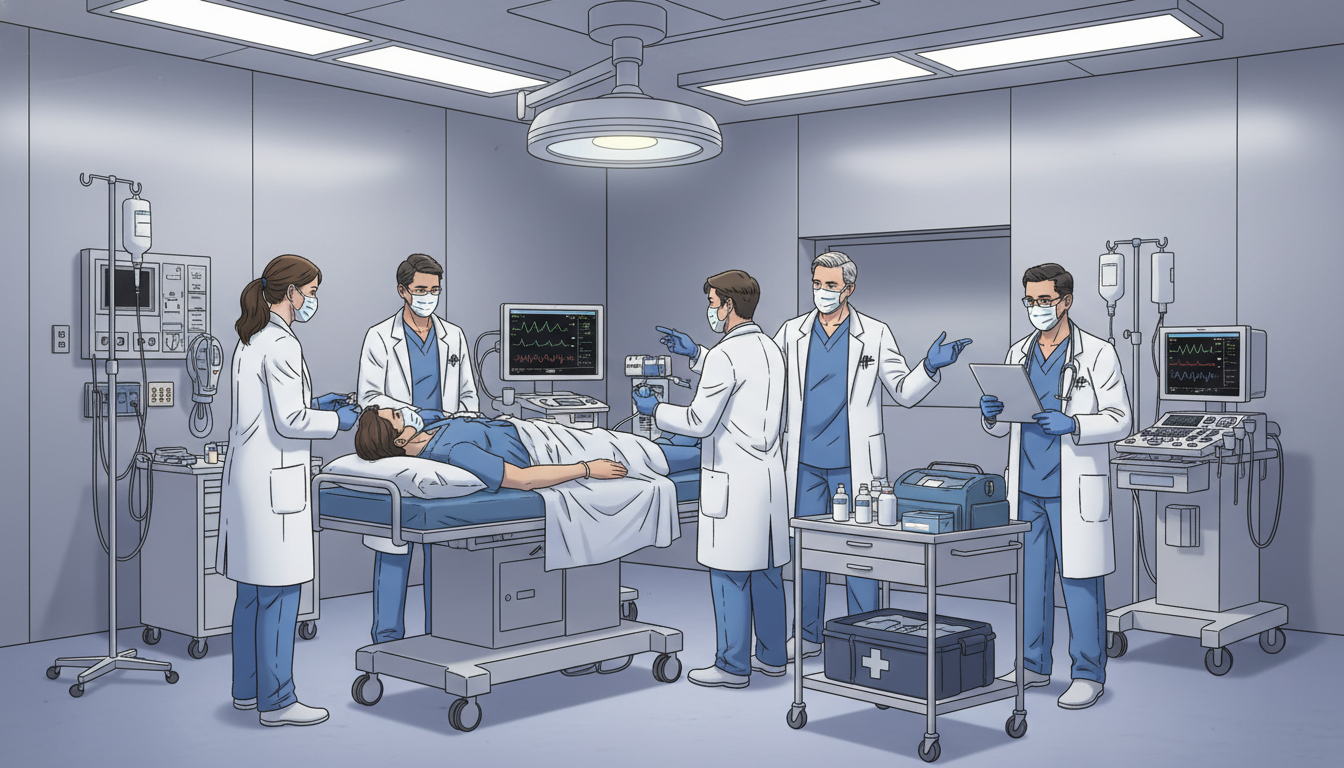
1. Clinical exposure and training environment
This is the foundation of your EM education.
Key questions:
ED volume and acuity
- Annual ED visits (e.g., 60,000 vs 120,000+)
- Spectrum of pathology: Does the ED see everything, or do certain services “pull” cases away?
- Level of trauma center (I, II, III) and trauma exposure for EM residents
Patient population
- Safety net vs insured population
- Urban underserved, suburban, rural
- Cultural and language diversity, interpreter services
- Degree of social complexity (homelessness, substance use disorders, mental health)
Procedural opportunities
- Are EM residents the primary operators for:
- Intubations
- Central lines
- Chest tubes
- Procedural sedation
- Trauma resuscitations
- Or are you competing regularly with anesthesia, surgery, critical care?
- Are EM residents the primary operators for:
Off-service rotations
- Where do you rotate for:
- MICU, SICU, PICU
- Anesthesia
- OB, trauma surgery
- Are these rotations resident-friendly and high-yield, or scut-heavy?
- Where do you rotate for:
Look for details on department websites, EMRA Match-like resources, and during interviews/second looks. When websites are vague, make a note to ask residents directly.
2. Program structure and curriculum
The structure of training often reflects a program’s philosophy.
Components to analyze:
3-year vs 4-year structure
- 3-year: Often heavier EM time earlier, fewer off-service months overall.
- 4-year: Additional electives, leadership roles (chief year sometimes built-in), academic time.
Distribution of ED time
- How many months in the ED each year?
- How early do you get meaningful responsibility?
- Is there graded autonomy with increased senior responsibility in pods, resus bays, or trauma?
Didactics and conference
- Weekly protected conference time? (Typically 4–5 hours)
- Use of:
- Simulation
- Small-group sessions
- M&M conferences (transparent and educational vs punitive)
- Journal club and evidence-based medicine focus
Subspecialty exposure
- Pediatric EM: How many months? Dedicated pediatric ED? Children’s hospital affiliation?
- Ultrasound: Scheduled rotations, longitudinal scanning shifts, QA review, ultrasound faculty.
- EMS: Ride-alongs, EMS medical direction exposure, flight experiences.
- Toxicology, global health, research, administration, quality improvement.
Comparing curricula side-by-side in a spreadsheet can be very revealing.
3. Faculty, mentorship, and culture
Researching emergency medicine residency programs is not just about volume and trauma; it’s about who will train you.
Faculty and mentorship factors:
- Faculty backgrounds
- Fellowship-trained faculty in ultrasound, EMS, toxicology, critical care, peds EM, etc.
- Visible involvement in national EM organizations, guideline committees, or major studies.
- Mentorship structure
- Formal advising program?
- Assigned faculty mentor, with flexibility to seek additional mentors?
- Support for research projects, conference presentations, and poster development?
Culture indicators:
- How do residents talk about:
- Psychological safety and error disclosure
- Learning environment in the ED (supportive vs malignant)
- Faculty approachability, feedback quality
- Resident satisfaction:
- Do residents seem genuinely happy and cohesive?
- Are there recurring themes about burnout, conflict with other services, or toxicity?
Practical advice: During interviews, pay as much attention to how residents talk about their worst days as their best days. Healthy programs can acknowledge challenges honestly and explain how they support residents through them.
4. Outcomes and graduate trajectories
To truly evaluate residency programs, look beyond the brochure to where graduates end up.
Key indicators:
Fellowship match success
- Are graduates matching into:
- Ultrasound, EMS, toxicology, peds EM, global EM, critical care, administration?
- Are fellows staying at the home institution (a sign of institutional confidence)?
- Are graduates matching into:
Job placement
- Proportion of graduates entering:
- Academic EM
- Community practice
- Hybrid positions
- Geographic distribution of alumni (are grads staying local or spreading nationally?)
- Proportion of graduates entering:
Board certification outcomes
- ABEM written and oral board pass rates (if published or available on request).
A program that regularly produces graduates into the type of job you want is far more important than generic prestige.
Using Data and Online Tools Strategically
You’ll encounter vast amounts of data while researching EM programs. Here’s how to use it effectively without getting overwhelmed.

1. Build a comparative spreadsheet
Create a spreadsheet with columns such as:
- Program name
- City/State, geographic region
- Program length (3 vs 4 years)
- ED volume and trauma level
- Primary hospital type (county, academic, community)
- Peds EM exposure (months, separate peds ED)
- Ultrasound rotation (Y/N; dedicated vs integrated)
- EMS experience (Y/N; ride-alongs; EMS fellowship)
- Research infrastructure (robust/modest/minimal)
- Board pass rate (if available)
- Wellness initiatives (e.g., protected days, retreats, schedule flexibility)
- Subjective tier: “Love,” “Strong,” or “Backup”
- Notes from conversations/interviews
This transforms an emotional process into a more analytical evaluation of residency programs while still leaving space for your personal reactions.
2. Interpret competitiveness realistically
Use tools and data carefully:
- Residency Explorer (AAMC)
Compare your stats to the ranges for residents at specific EM programs—but treat this as guidance, not a gate. - Program websites
Some list average or typical Step scores, but many do not. When absent, rely more on your advisor’s guidance and your school’s match history. - NRMP data for EM
Look at:- How many programs applicants ranked on average
- Match rates by US allopathic, DO, and international graduates
- The impact of applying to too few programs
Goal: Create a balanced list of reach, target, and safer programs while maintaining geographic and career fit.
3. Use crowdsourced sources cautiously
Applicant forums, social media groups, and anonymous spreadsheets can offer insights but also misinformation and anxiety.
Use them for:
- Getting a sense of interview patterns (e.g., when invites typically go out)
- Clarifying logistics (virtual vs in-person interview days, social structures)
Do not rely on them for:
- Judging program quality based on a few voices
- Deciding you’re “out of the running” for a program because someone else reported an interview
Anchor your decisions in data, official information, and trusted mentors.
Practical Strategies for Researching and Comparing EM Programs
You now have the components—here’s how to put them together into a coherent program research strategy.
1. Stage your research in layers
Layer 1: Quick screen (15–20 minutes per program)
- Review:
- Location and hospital type
- Program length
- ED volume/trauma level (if easily found)
- Basic curriculum overview
- Decide: Keep on main list or drop.
Layer 2: Intermediate review (30–45 minutes per program)
For programs you keep:
- Read:
- Resident bios: backgrounds, interests (do they resemble you?)
- Faculty pages: evidence of robust subspecialty training/mentorship
- Education section: conferences, simulation, ultrasound, EMS
- Identify:
- Possible mentors or niche interests (e.g., wilderness medicine, global health)
- Specific questions to ask residents later
Layer 3: Deep dive (post-interview or final rank list)
For programs you interview at and are seriously considering:
- Revisit:
- Notes from interview day
- Conversations with residents (social events, second looks)
- Clarify:
- Schedule details, wellness practices, moonlighting policies
- Post-residency placement and alumni support
2. Ask targeted questions during interviews
Use your research to guide high-yield questions. Examples:
Clinical exposure
- “Who usually manages airways in the ED here—EM, anesthesia, or shared?”
- “How involved are EM residents in major trauma resuscitations?”
Culture and support
- “Can you describe a time a resident struggled here and how the program responded?”
- “How approachable are attendings during a busy shift for teaching and backup?”
Education
- “How is feedback delivered—formally, informally, and how often?”
- “What’s the balance of lecture vs simulation vs small-group in conference?”
Career preparation
- “Where have recent graduates gone—community vs academic vs fellowships?”
- “How supportive is the program for residents interested in [ultrasound/EMS/global health/research]?”
Write down responses immediately after the interview day while your impressions are fresh.
3. Weigh red flags and green flags
As you evaluate residency programs, keep an eye out for:
Green flags:
- Residents seem genuinely happy and supported, even if busy.
- Faculty show respect and enthusiasm for resident development.
- Clear, organized responses to questions about schedule, wellness, and remediation.
- Transparent data on board pass rates and alumni outcomes.
- Strong ED ownership over critical procedures and resuscitations.
Red flags:
- Residents hint at “survival mode,” adversarial relationships with other services, or frequent unsafe workloads.
- Vague or evasive answers about board pass rates, attrition, or wellness.
- No clear mentorship structure or little faculty diversity in interests.
- Toxic comments about residents or other specialties during interview day.
- A pattern of residents leaving the program (if disclosed).
No program is perfect, but consistent themes—positive or negative—should weigh heavily in your ranking.
4. Align your final list with your values
When building your rank list:
- Revisit your initial priorities (career goals + personal needs).
- For each program, ask:
- “Will this program consistently expose me to the type of EM I want to practice?”
- “Will I feel safe, supported, and challenged here?”
- “Does this location and culture work for my life outside of medicine?”
If you find yourself ranking a “prestigious” name above a program that clearly fits you better, pause and reassess why. The best emergency medicine residency for you is the one where you will grow, thrive, and become the kind of emergency physician you want to be.
Frequently Asked Questions (FAQ)
How many emergency medicine programs should I research and apply to?
The number varies by applicant type and competitiveness, but most US MD applicants interested in EM apply to 20–40 programs, while DO and IMG applicants may apply more broadly. In terms of research, you should deeply research at least the top 25–30 programs you are likely to apply to, and then focus your most detailed work on those where you receive interviews.
What’s the best way to compare 3-year vs 4-year EM programs?
Consider:
- Your career goals:
- Fellowship or academic interest may be well-served at 4-year programs, though plenty of 3-year programs also excel in these areas.
- Financial and personal considerations:
- An extra year of resident salary vs attending income and an additional year before fully entering practice.
- Curriculum and leadership opportunities:
- 4-year programs sometimes offer more elective time, scholarly work, and leadership roles.
Research both, then decide based on how each specific program aligns with your goals—not length alone.
How important is geographic location compared to program reputation?
For most applicants, both matter, but location often has more impact on day-to-day wellbeing. Reputation can influence networking and first jobs, but high-quality EM training exists across a wide spectrum of programs. If you will be isolated, unhappy, or financially strained in a certain region, even a “top” program may not be the best choice. Weigh program quality and culture first, but treat location as a major factor—not a trivial one.
What if a program has limited information on its website?
This is common. Use it as a prompt to:
- Ask targeted questions on interview day.
- Reach out politely to residents or program coordinators with specific questions (e.g., ultrasound training, EMS exposure, moonlighting).
- Cross-reference with resources like EMRA Match (if up to date), FREIDA, or your advisors’ knowledge.
Lack of detail is not inherently bad, but if a program remains vague even when asked directly, that may be a concern.
By approaching the EM match with a deliberate, structured program research strategy, you transform an overwhelming process into a purposeful one. Focus on understanding what you need from your training, gathering data thoughtfully, and listening to your instincts as you weigh culture and fit. With careful research and reflection, you can build a rank list that positions you for a fulfilling and sustainable career in emergency medicine.