
Understanding the Purpose of a Preliminary Medicine Year
A strong program research strategy starts with knowing exactly what a preliminary medicine year (prelim IM) is—and what you personally need from it.
What is a Preliminary Medicine Year?
A preliminary medicine year is a 1-year internship (PGY-1) in internal medicine that:
- Provides broad clinical training in inpatient and sometimes outpatient medicine
- Is often required before entering advanced specialties (e.g., neurology, anesthesiology, radiology, PM&R, dermatology, ophthalmology, radiation oncology)
- Ends after 12 months (unlike a categorical internal medicine position, which is 3 years)
You match separately into:
- An advanced program (e.g., neurology PGY-2–4)
- A prelim IM year (PGY-1 only) OR a transitional year (TY) in some cases
Because it’s only one year, applicants sometimes underestimate how important it is. That’s a mistake. This year will shape:
- Your clinical confidence and skills
- Your professional network and letters of recommendation
- Your quality of life and burnout risk
- Your ability to smoothly transition into your advanced specialty
Why Program Research Matters Even More for Prelim IM
You might be tempted to treat the prelim year as “just one year” and rank programs casually. That can backfire:
- Some prelim IM programs are very service-heavy, with limited education and high call burden.
- Others are supportive, well-structured, and invest in prelims even though they’ll leave after a year.
- You must ensure your prelim IM training aligns with the requirements and expectations of your advanced specialty.
Thoroughly evaluating residency programs at the prelim level ensures:
- You meet all licensing and specialty prerequisites
- You avoid toxic or exploitative environments
- You choose a setting where you can grow, learn, and still maintain your well-being
The rest of this guide will walk you through how to research residency programs in preliminary medicine step-by-step, with specific criteria, examples, and strategies tailored to prelim IM.
Step 1: Clarify Your Goals and Constraints
Before you dive into program lists, get clear on what you want and what you must have. This clarity will make your program research strategy far more efficient and focused.
Define Your Clinical and Career Needs
Ask yourself:
What advanced specialty am I entering (or likely entering)?
Common specialties that require or may use a prelim IM year:- Neurology
- Anesthesiology
- Radiology (diagnostic and interventional)
- Radiation oncology
- PM&R
- Dermatology
- Ophthalmology
- Some categorical EM or other pathways, depending on institution
What type of training environment suits my long-term goals?
- Academic tertiary center vs. community-based vs. hybrid
- Heavy complex pathology vs. balanced exposure
- Strong procedure exposure vs. primarily cognitive internal medicine
What skills do I want to strengthen during prelim IM?
- Managing acutely ill patients and codes
- Cross-covering multiple specialties
- Communication with consultants and teams
- Time management and efficiency on busy services
Your answers influence whether you should prioritize, for example:
- A large academic center with subspecialty services and a strong ICU presence
- A smaller, community-focused program with more autonomy but possibly fewer subspecialists
- A program specifically known for supporting prelim residents bound for your specialty
Clarify Non-Negotiables and Preferences
Next, map out your constraints:
Geography and Personal Life
- Co-location with your advanced program (ideal but not always required)
- Proximity to partner/family
- Cost of living and housing
- State licensing considerations if you have future plans in a particular region
Schedule, Workload, and Wellness
- Acceptable call frequency and night float systems
- Moonlighting policies (if relevant for PGY-1 where allowed)
- Vacation blocks and sick leave
- Maternity/paternity leave policies
Educational and Academic Priorities
- Access to research (if you plan to stay at that institution or in academics)
- Conference and board review structure
- Faculty mentorship and support for future fellowship or job search
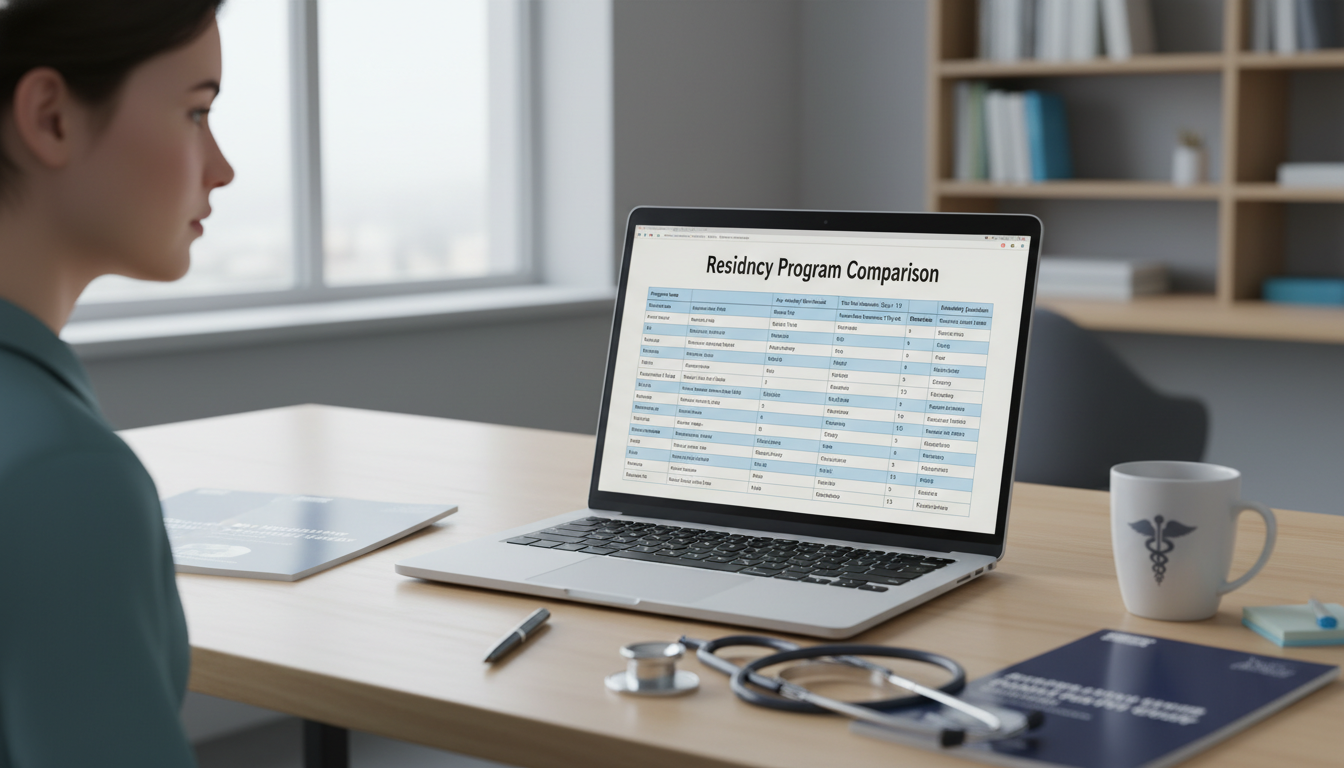
Write these down in a simple document or spreadsheet. When you start evaluating residency programs, you’ll use this as your personal filter.
Step 2: Build a Target List of Preliminary Medicine Programs
Now that you know what you’re looking for, you need a systematic way to create your list of prelim IM programs.
Use Official Databases and Match Tools
Start with trusted, up-to-date sources:
FREIDA (AMA)
- Filter by:
- Program type: Preliminary internal medicine
- Region/state
- Program size
- Useful data:
- Number of prelim vs categorical spots
- Program structure (community vs academic)
- Contact details and links to program websites
- Filter by:
ERAS / AAMC resources
- Review participating programs for the current application cycle
- Confirm whether programs are offering prelim IM positions this year (sometimes numbers change)
NRMP data
- Check historical fill rates for preliminary medicine positions
- Identify highly competitive vs less competitive regions and programs
Specialty-Specific Guidance from Your Advanced Field
Many advanced specialties (e.g., neurology, anesthesia) have:- Lists of prelim IM programs where their residents commonly train
- Recommendations for compatible programs (in terms of workload and transition to PGY-2)
If you already matched (or will match) at a specific advanced program in a separate cycle, ask them directly:
“Which prelim IM programs do your incoming residents most commonly attend, and are there any you particularly recommend or discourage?”
Leverage Mentors and Residents
This might be the most valuable but underused source when learning how to research residency programs:
Your home institution’s residents and faculty in your advanced specialty
- Ask where they did their prelim year, what they liked or disliked
- Ask if there are programs they strongly recommend or advise against, and why
Senior students from your school who matched into your specialty
- How they approached their prelim IM search
- Which factors mattered most in hindsight
Online communities (with caution)
- Specialty-specific forums or social media groups
- Look for patterns, not single opinions
- Avoid overvaluing anonymous or outdated posts
Create an Initial Spreadsheet
Begin a simple spreadsheet to track programs. Suggested columns:
- Program name and ACGME ID
- City/State
- Hospital type (academic/community/VA, etc.)
- Number of prelim IM positions
- Co-located with advanced programs of your specialty? (Y/N)
- Key strengths (from website/word of mouth)
- Possible concerns (e.g., reputation for heavy workload, limited support)
- Personal interest level (High/Medium/Low)
This will evolve as you gather more information, but it’s essential for organizing your program research strategy.
Step 3: Deep-Dive Research on Each Prelim IM Program
Once you have a working list, shift from broad search to deep analysis. This is where you truly begin the process of evaluating residency programs for fit.
1. Study the Program’s Official Website Critically
Program websites vary in quality, but most contain core details. Don’t skim; analyze:
Key Sections to Review
Curriculum / Rotations
- How many months inpatient wards?
- ICU exposure? Night float?
- Any outpatient continuity clinic (rare but possible for prelims)?
- Required electives vs available elective time
Schedule / Call Structure
- Do they list maximum ward caps and patient loads?
- Do they specify call frequency or night float distribution?
- Any explicit differences for prelim vs categorical residents?
Prelim-Specific Information
High-quality programs often have a dedicated prelim page that addresses:- How many prelims per year
- Typical advanced specialties their prelims enter
- How prelims are integrated (or separated) from categorical residents
- Support for specialty-specific needs (e.g., neurology-bound prelims spending extra time on stroke or neuro consults)
Educational Infrastructure
- Daily morning report? Noon conference? Grand rounds?
- Simulation labs and procedural training
- Board review series (even though you won’t take IM boards, this reflects educational culture)
Red Flags in Website Content (or Lack Thereof)
- No mention of prelims despite advertising prelim positions
- Very vague descriptions of schedule and call (“robust clinical training” with no detail)
- Outdated content (leadership listed who left years ago)
- Overuse of glossy marketing language without specifics
2. Analyze Program Culture and Resident Experience
Culture is harder to measure but deeply important. You’ll pick up clues by:
Reviewing Resident Bios and Alumni Destinations
- Do they list current prelim residents and their intended or matched advanced specialties?
- Do alumni commonly go into your specialty, either at the same institution or elsewhere?
- Is there any mention of support for prelims in fellowship or job placement? (Less common but a good sign)
Social Media and Program Presence
- Program Instagram/X/LinkedIn:
- Are prelim residents visible in posts, or is it all categorical IM?
- Do photos suggest a collegial, inclusive environment?
- Are wellness events and resident achievements highlighted, or is it only service/patient volume?
Informal Feedback
- Ask people you trust:
- “How would you describe the culture at this program?”
- “Do prelims feel like second-class residents or fully integrated team members?”
Patterns matter: if several independent sources describe prelims as overworked and undervalued, pay attention.

Step 4: Compare Key Features That Matter Specifically for Prelim IM
When evaluating residency programs, certain criteria are especially important for preliminary medicine applicants. Use your spreadsheet to score or comment on these domains.
A. Integration and Respect for Prelim Residents
Questions to answer:
Are prelims included in:
- All teaching conferences?
- Resident retreats and wellness events?
- Committees (e.g., quality improvement, residency council)?
Do they have prelim-specific orientation addressing your one-year trajectory?
Are there prelim chiefs or a designated faculty mentor for prelims?
A program that visibly and intentionally supports prelims is far more likely to provide:
- Better schedules
- Appropriate evaluations and feedback
- Strong letters of recommendation for your advanced career
B. Workload, Schedule, and Service vs. Education
You want a challenging year that builds resilience—but not a year that burns you out or offers little teaching.
Analyze:
Ward and ICU block numbers
- Extremely high proportion of heavy inpatient months with little elective time can be a warning sign
- A balanced year might have: wards, ICU, a few elective months, and manageable night time requirements
Night float and call
- How many weeks of night float for prelims?
- Are nights evenly distributed with categoricals?
- Do prelims appear to be used disproportionately for nights and cross-cover?
Patient caps and team structure
- Reasonable caps and clearly defined roles for interns
- Presence of senior residents or attendings in-house for support
Tip: During interviews or information sessions, ask directly:
“Can you describe how schedules for prelim residents compare to your categorical residents, including nights and ICU time?”
C. Educational Quality and Supervision
Even if you won’t complete IM boards, you still need solid internal medicine training.
Look for:
- Daily or near-daily educational conferences
- Evidence of structured feedback (e.g., midpoint and end-of-rotation evaluations)
- Clear supervision by senior residents and attending physicians
- Opportunities to participate in quality improvement or scholarly activities, if that interests you
A program that invests in teaching and feedback typically treats trainees more humanely overall.
D. Specialty Alignment and Transition to PGY-2
For compatibility with your advanced specialty:
Does the institution have your advanced specialty in-house?
- If yes, do many of their advanced residents complete their prelim year there?
- If no, have they historically trained prelims who later join specialties like yours elsewhere?
Is there overlap between your future specialty and prelim rotations? For example:
- Neurology-bound prelims: exposure to stroke services, neuro ICU, or neurology consults
- Anesthesia-bound prelims: strong critical care and perioperative medicine experience
- Radiology-bound prelims: balanced workload, time for studying, and broad exposure to inpatient medicine
Ask on interview day:
“Do you have many prelims going into [your specialty], and how do you support them during the prelim year?”
E. Location, Lifestyle, and Support Services
Because prelim is only a year, some applicants sacrifice location for perceived program prestige. That can be reasonable—but only if you understand the trade-offs.
Consider:
- Cost of living and commutes
- Public transport vs needing a car
- Access to family/friends/support network
- Institutional support:
- Mental health services
- Resident assistance programs
- Childcare (if relevant)
You’ll be working intensely; your environment outside the hospital affects your resiliency.
Step 5: Strategically Use Interviews and Post-Interview Communication
Interviews are your best opportunity to clarify factors that are not obvious online. Approach them with a plan.
Prepare Targeted Questions
Instead of generic “tell me about your program” questions, prepare ones that reveal how the program treats prelims.
Examples:
On Prelim Experience and Integration
- “How do you ensure prelim interns feel integrated within the residency and not like transient staff?”
- “What proportion of your prelims match into their preferred advanced specialty?”
On Schedule and Workload
- “Are there significant differences between prelim and categorical schedules, particularly regarding nights and ICU time?”
- “Can you walk me through a typical month for a prelim intern on wards here?”
On Support and Mentorship
- “Is there a designated faculty mentor or advisor for prelim residents?”
- “How do you support prelim interns who are preparing to transition to their PGY-2 specialty—any formal meetings or coordination?”
On Culture and Well-Being
- “How does the program handle concerns raised by residents about workload or burnout?”
- “What kinds of wellness initiatives are available, and do prelims participate fully?”
Talk to Current Prelim Residents Whenever Possible
Seek out prelims directly, ideally separate from faculty:
- Ask candidly:
- “Do you feel like the program values prelims?”
- “How manageable is the workload? Do you have time for basics like sleep, exercise, or calling family?”
- “If you could redo your prelim year, would you choose this program again?”
Listen for specifics, not just “it’s fine” or “it’s great.” Stories about how the program responded during crisis (e.g., COVID surges, schedule conflicts, personal emergencies) are particularly revealing.
After Interviews: Refine and Re-Rank
As you finish interviews:
- Update your spreadsheet with new insights
- Note:
- How comfortable and respected you felt
- Consistency between website claims and resident descriptions
- Any lingering concerns
Your final rank list should reflect not just perceived prestige but how well each program fits your personal goals, constraints, and well-being needs.
Step 6: Building a Balanced and Safe Rank List
The last phase of your program research strategy is combining all your data into a practical rank list.
Consider Competitiveness and Safety
Prelim IM positions can be competitive in popular cities or at big-name institutions. To protect yourself:
- Include a mix of:
- Highly desired “reach” programs
- Solid “target” programs where your profile comfortably fits
- A few “safety” options in less competitive regions
Use:
- Your specialty advisors’ impression of your competitiveness
- NRMP data (fill rates, applicant-to-position ratios)
- Past match experiences from your school (if available)
Prioritize Fit Over Name Recognition
For a one-year preliminary medicine year, “big name” isn’t everything. Ask:
- Will I be safe, supervised, and treated with respect?
- Will I get the clinical foundation I need for my advanced specialty?
- Will I be able to function at a high level going into PGY-2, without being emotionally or physically exhausted?
A moderately known program that values prelims may serve you far better than a top-tier brand where you are primarily manpower.
Align with Your Advanced Program When Possible
If you’re matching simultaneously into an advanced program:
- Coordinate your lists thoughtfully (for couples match-like strategies, or aligning prelim location with your advanced site)
- Seek advice from your future or prospective advanced program leadership on prelim choices
- If your advanced specialty has a strong preference for certain types of medicine training (e.g., heavy ICU exposure), factor that in
Putting It All Together: A Practical Action Plan
Here’s a concise, stepwise program research strategy you can execute over several weeks:
Clarify goals
- Define your advanced specialty needs, location preferences, and non-negotiables.
Build an initial program list
- Use FREIDA, ERAS, NRMP data, and your specialty society resources.
Create a structured spreadsheet
- Track program type, size, location, prelim-specific info, schedule, culture notes.
Do a first-pass filter
- Remove programs that clearly don’t fit (wrong geography, missing required experiences, strongly negative reputations).
Deep-dive research
- Study websites, social media, and speak to mentors or alumni.
- Add notes on integration of prelims, workload, and educational structure.
Apply broadly but strategically
- Include a spread of reach/target/safety programs consistent with your competitiveness.
Use interviews to fill gaps
- Ask targeted, prelim-specific questions.
- Talk to current prelim interns whenever possible.
Refine rank list
- Reassess each program’s fit with your goals, support structure, and well-being.
- Prioritize programs where prelims are respected, integrated, and well-trained.
A thoughtful approach to how to research residency programs in preliminary medicine will help you secure not just any PGY-1 position, but a year that genuinely prepares you for the rest of your career.
Frequently Asked Questions (FAQ)
1. How many prelim IM programs should I apply to?
It depends on:
- Your specialty’s competitiveness
- Your academic profile (scores, experiences, letters)
- Geographic flexibility
Many applicants to competitive advanced specialties apply to 10–20 prelim IM programs, sometimes more if they are geographically restricted or have application weaknesses. Your school advisors and specialty mentors can help you calibrate numbers based on recent match data.
2. Is it better to do my prelim year at the same institution as my advanced program?
When possible, yes—there are clear advantages:
- Easier logistics (moving once, consistent EMR, same city)
- Better continuity of mentorship
- Early integration with your PGY-2 department and colleagues
However, if the co-located prelim program has poor training conditions or an especially harsh reputation, it can be wiser to choose a different prelim IM program where you’ll be supported and better prepared, even if it requires an extra move.
3. How different is a prelim IM year from a transitional year (TY)?
Both are 1-year internships, but:
Prelim IM:
- Heavier emphasis on inpatient internal medicine
- Often more ICU and ward time
- Preferred or required by some advanced specialties (e.g., neurology, anesthesia at certain programs)
Transitional Year:
- Typically more elective time
- Mix of medicine, surgery, and other rotations
- Sometimes perceived as lighter or more flexible
Your advanced specialty and specific PGY-2 program may require a particular type of PGY-1 training, so confirm with them before choosing between prelim IM and TY.
4. What are the biggest red flags when evaluating prelim medicine programs?
Common warning signs include:
- Almost no information about prelims on the website despite advertising spots
- Reports of prelims doing disproportionate night coverage or “scut” work compared to categoricals
- Chronic understaffing, with frequent mentions of burnout and lack of support
- Minimal educational structure (few conferences, little feedback)
- Residents describing the culture as toxic, disrespectful, or dismissive of trainee wellness
If multiple independent sources highlight similar problems—and the program offers vague or defensive responses during interviews—proceed with caution or consider removing that program from your list.
By approaching your preliminary medicine year with intentional, structured research, you transform it from a generic “intern year” into a powerful foundation for your entire career. Thoughtful program selection will pay dividends in your skills, well-being, and readiness for your advanced specialty.