Understanding Geographic Flexibility as a Caribbean IMG
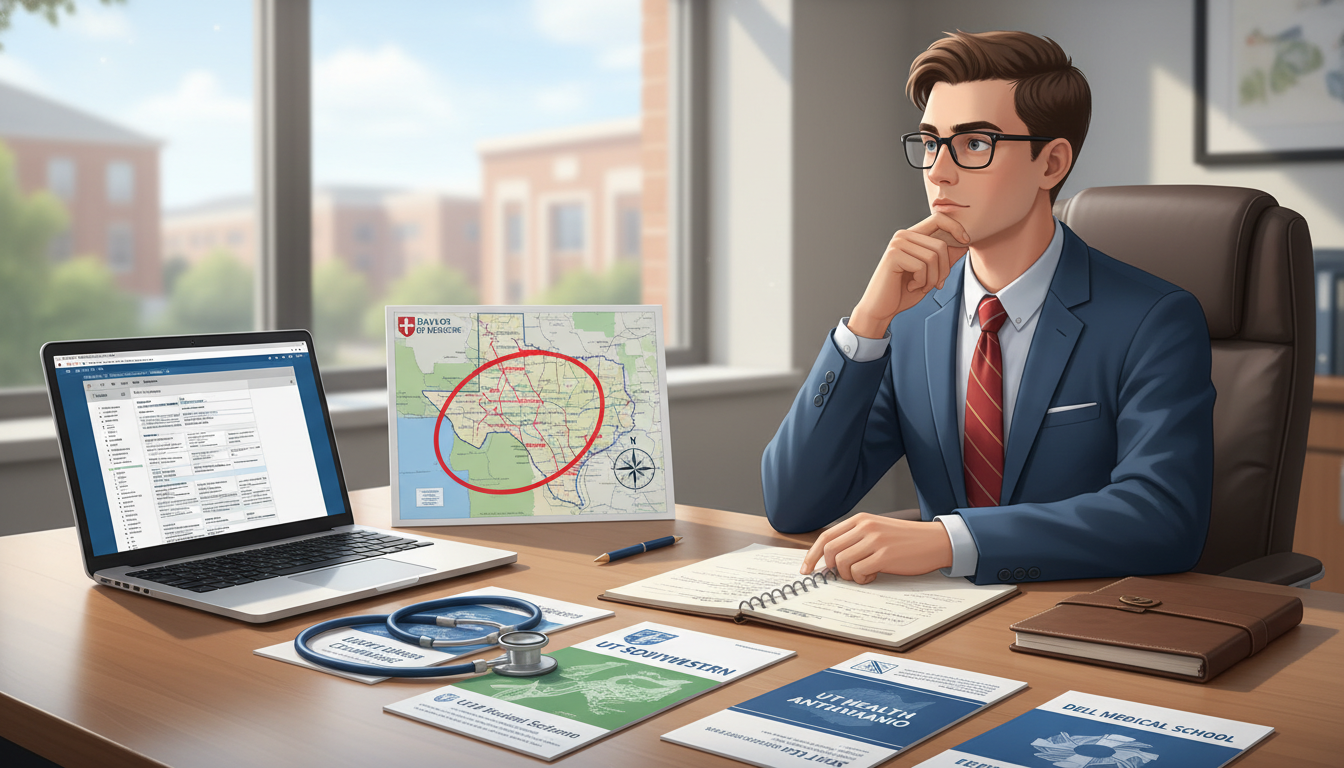
Geographic flexibility—your willingness to train in a wide range of locations—is one of the most powerful levers you have as a Caribbean IMG in the residency match. When you combine this with a focused strategy, you can turn “I’ll go anywhere” from a vague statement into a structured advantage, especially in unique regions like Alaska and Hawaii.
For Caribbean graduates, the reality is that some programs and regions remain more competitive or more hesitant about IMGs. However, states and regions that are geographically remote, have workforce shortages, or are less saturated with applicants can offer real opportunities—if you understand how to position yourself. That’s exactly where Alaska and Hawaii come into play.
In this article, we’ll walk through how to approach geographic flexibility, what to know about Alaska residency and Hawaii residency programs, and how to use regional preference strategy to strengthen your overall residency application portfolio as a Caribbean IMG.
Why Geographic Flexibility Matters for Caribbean IMGs
Geographic flexibility is more than listing extra states in your ERAS application. It’s about:
- Understanding where your profile is competitive
- Recognizing regions with unmet physician needs
- Adjusting your expectations and preferences to maximize your chances of matching, while still safeguarding your long-term goals
Key Realities for Caribbean IMGs
Program perceptions:
Some residency programs, especially in highly competitive metro areas, may prioritize U.S. MD applicants. Caribbean graduates often have to cast a wider geographic net and be strategic about where they apply.The “Caribbean medical school residency” narrative:
Schools like SGU, AUC, and Ross have long match lists, including placements in a wide variety of states. Reviewing SGU residency match lists (and similar schools) shows a clear pattern: IMGs often match successfully in community programs, smaller cities, and regions with fewer local medical schools.Geography as a competitive advantage:
If you’re willing to train in less traditional locations—rural Midwest, mountain states, or remote regions like Alaska and Hawaii—you may access programs with fewer applicants but strong clinical exposure and hands-on experience.Location flexibility match strategy:
Having genuine location flexibility doesn’t mean being random. It means:- Identifying IMG-friendly regions
- Adjusting your specialty choices (e.g., internal medicine vs. dermatology)
- Prioritizing training quality and board eligibility over lifestyle or major-city preferences
For you, as a Caribbean IMG targeting Alaska and Hawaii, geographic flexibility is not just a backup strategy—it can be a deliberate path to a strong, clinically rich training experience.
Alaska Residency: Opportunities, Trade-offs, and Strategy
Alaska is not a common first thought for residency training, which is precisely why it can be an opportunity for geographically flexible applicants.
The Landscape of Graduate Medical Education in Alaska
Alaska has limited in-state residency programs and often participates in larger regional GME structures (e.g., WWAMI—Washington, Wyoming, Alaska, Montana, Idaho—through the University of Washington system). Many residents who ultimately work in Alaska train partially or entirely out of state.
Key points:
Limited program count:
There may be only a few core specialties with in-state training capacity at any given time, often with strong ties to primary care and rural medicine.Primary care and community focus:
Emphasis is often on family medicine, internal medicine, and other fields that provide broad-based generalist care to underserved populations, including Native Alaskan and rural communities.Rotation vs. full residency:
Some trainees complete major portions of their residency in Washington or other WWAMI sites and rotate into Alaska for specific blocks or tracks. Others may do electives or rural rotations in Alaska while enrolled in a residency elsewhere.
What Alaska Residency Means for a Caribbean IMG
When considering “Alaska residency” as a Caribbean IMG, think along three tracks:
Programs physically located in Alaska
- Often smaller, community-based, with close-knit faculty
- High exposure to underserved and rural health
- May have limited spots, but some programs may value applicants who are truly interested in long-term practice in the region
Regional residency pathways with Alaska rotations
- Internal medicine or family medicine programs in Washington or surrounding states that offer Alaska tracks or rural rotations
- You might not be officially “in Alaska residency” for the full program, but you gain substantial clinical experience in the state
Post-residency employment in Alaska
- Even if you train elsewhere, showing genuine interest in Alaska (e.g., electives, research, prior work or volunteer experience in remote or Indigenous communities) can position you for future jobs in the state
- Hospitals or community health centers in Alaska often seek generalist physicians with broad scope of practice
Advantages of Alaska for a Geographically Flexible IMG
- Less competition from U.S. grads for rural/remote practice pathways
- Strong procedural exposure in primary care specialties because of lower subspecialty density
- Potential preference for applicants interested in staying long-term, especially in underserved areas
Challenges to Be Realistic About
Limited number of residency slots:
You cannot build your entire match strategy around Alaska alone. It should be a high-interest region layered onto a broader, national application plan.Climate and isolation:
Dark winters, extreme weather, and geographic isolation can be significant lifestyle stressors. Programs take this seriously, and they will probe whether you truly understand what you’re signing up for.Licensing and logistics:
Licensing is standard across states for ABMS-certified physicians, but you must meet state-specific requirements (e.g., number of training years). Plan on a typical 3-year residency in a core specialty before independent practice.
How to Demonstrate Genuine Interest in Alaska
Programs in remote regions are very sensitive to applicants “checking the box” without true commitment. To build credibility:
Personal statement tailoring:
- Add a concise Alaska-focused paragraph when applying to Alaska or WWAMI-linked programs.
- Discuss your interest in rural or frontier medicine, telemedicine, care of Native or Indigenous populations, and long-term community engagement.
Electives and experiences:
- If possible, arrange a 4th-year elective or sub-internship in a rural or underserved setting, even if not in Alaska specifically (e.g., rural Midwest, Native American reservations).
- Highlight these on your CV and in interviews as direct preparation for remote-region practice.
Research and volunteer work:
- Community health projects, global health electives, or telehealth initiatives can all be reframed as preparation for Alaskan practice needs.
Interview readiness:
- Be ready to talk about winter, travel constraints, family support systems, and how you’ve handled isolation or challenging environments before.
Hawaii Residency Programs: Balancing Lifestyle and Reality
Hawaii often appears in conversations about geographic flexibility because it seems “far away” from the mainland. But it’s important to separate the romantic image of Hawaii from the practical realities of training and matching there.
Overview of Hawaii Residency Programs
Hawaii residency programs, centered largely in Honolulu, are usually affiliated with regional hospitals and university-linked centers. Unlike Alaska, Hawaii has a more developed in-state training ecosystem, with:
- Internal Medicine
- Family Medicine
- Pediatrics
- Psychiatry
- Obstetrics & Gynecology
- Some subspecialty fellowships
These programs serve a diverse, multicultural population, including Native Hawaiian, Pacific Islander, Asian, and mainland transplants. There is a strong emphasis on:
- Primary care and public health
- Community engagement
- Culturally competent care for diverse populations
Competitiveness and IMG Considerations
Hawaii combines genuine physician workforce needs with high desirability as a place to live—this creates a mixed environment:
Desirable location = more applicants
Many U.S. MD and DO graduates see Hawaii as a dream rotation or residency spot, which increases competition.IMG acceptance varies by program
Some Hawaii residency programs may accept Caribbean IMGs; others may be heavily U.S.-grad dominant. You must research each program’s current and recent residents:- Check program websites and resident bios.
- Look for Caribbean medical school names, such as SGU, Ross, or AUC.
- If recent cohorts include Caribbean graduates, that’s encouraging.
SGU residency match and similar lists
Reviewing SGU residency match outcomes (and those from your own Caribbean school) can show whether Hawaii appears with any frequency in recent years. If your school consistently matches 1–2 grads into Hawaii residency programs, this signals programs that are at least open to Caribbean-trained physicians.
Advantages of Hawaii as a Training Location
- Rich clinical exposure to diabetes, cardiovascular disease, infectious diseases, and the unique health profiles of Pacific Islander and Asian communities
- Community- and family-oriented care in specialties like family medicine and internal medicine
- Cultural competency experience that is highly valued in any future practice environment
- Networking within a tight-knit local medical community
Challenges for Caribbean IMGs in Hawaii
Cost of living:
Housing and general living expenses are high. Some residents struggle with affordability. You must plan financially.Distance from family/support networks:
Particularly if your family is in the Caribbean or mainland U.S., travel is expensive and time-consuming.Program competitiveness:
Some programs are more competitive than you might expect because of lifestyle desirability. As a Caribbean IMG, you must have strong exam scores, a consistent transcript, solid letters, and a clear story about “why Hawaii.”
Showing Serious, Not Superficial, Interest in Hawaii
Residency directors in Hawaii frequently see applicants who are only attracted by beaches and weather. To stand out as a serious Caribbean IMG:
Align your narrative with community needs:
Talk about health disparities, preventive medicine, primary care, and serving diverse, multicultural populations.Highlight parallels with your Caribbean background:
Many Caribbean communities share similarities with Hawaii in terms of:- Island geography
- Limited specialty access in rural areas
- Emphasis on primary care
- Multiethnic, multilingual patient populations
Explicitly connect these in your personal statement and interviews.
Seek relevant experiences:
- Volunteer or clinical experience in community health centers
- Global health projects or public health coursework
- Research on health disparities, tropical medicine, or infectious disease
Be realistic and balanced in your applications:
Apply to Hawaii as part of a broader geographic portfolio, not as your only or primary location unless your application is very strong and well-aligned with those programs.

Building a Geographic Preference Residency Strategy
To leverage geographic flexibility effectively, you need a deliberate plan. As a Caribbean IMG considering Alaska, Hawaii, and other regions, your goal is to build a tiered geographic strategy that maximizes both match probability and training quality.
Step 1: Define Your Non-Negotiables
Before deciding “I’ll go anywhere,” clarify what you truly cannot compromise:
Minimum specialty flexibility:
- Are you open to Family Medicine, Internal Medicine, Pediatrics, or Psychiatry, or are you fixed on a competitive field?
- More geographic flexibility + more specialty flexibility = higher match probability.
Visa needs (if applicable):
- If you need a J-1 or H-1B, check which states and programs traditionally sponsor these.
- Some small programs have limited resources for visa sponsorship.
Personal obligations:
- Major caregiving responsibilities or medical needs might limit your geographic reach.
- If so, focus on being maximally flexible within your feasible regions.
Step 2: Map Out Primary, Secondary, and Tertiary Regions
Use a regional preference strategy:
Primary regions (where you’d most like to be)
- May include major cities or states with strong ties to your family, mentors, or medical school affiliations.
- You’ll likely apply to a mix of community and university-affiliated programs here.
Secondary regions (high-opportunity, less saturated)
- Midwest, South, and some mountain states often have more IMG openings and less competition.
- Include several IMG-friendly programs in these regions as core components of your application.
Tertiary regions (remote or niche opportunities)
- Alaska residency options and Hawaii residency programs fall here for many applicants: desirable in some respects, demanding or competitive in others, and often logistically unique.
- Also include rural tracks or regional programs that offer Alaska rotations or Pacific Island experiences.
Make sure Alaska and Hawaii are additions, not the foundation of your entire geographic plan.
Step 3: Tailor Your Messaging for Each Region
Use your location flexibility match to your advantage by tailoring:
Personal statements:
- Use a general PS for most programs in your specialty.
- Create short, additional paragraphs (or separate versions) emphasizing your interest in:
- Rural or underserved medicine (for Alaska and similar states)
- Island and multicultural populations (for Hawaii and Caribbean-like contexts)
Interview talking points:
- For Alaska: emphasize adaptability, resilience, experience with limited resources, interest in frontier or rural healthcare.
- For Hawaii: emphasize cultural humility, diversity experience, and commitment to long-term community engagement.
Program-specific communications:
- If allowed, a short, thoughtful email expressing interest—anchored in genuine reasons and backed by your CV—can help, especially for smaller programs.
Step 4: Align Electives and Experiences with Your Geographic Narrative
Even if you can’t rotate directly in Alaska or Hawaii, you can:
- Seek out rural or community-based electives in the mainland U.S.
- Work with underserved, immigrant, or Indigenous populations
- Join global health, rural health, or telemedicine initiatives
When you apply to Alaska, Hawaii, or similar regions, frame these experiences as deliberate preparation for practicing in geographically isolated or culturally unique communities.
Practical Application Tips for Caribbean IMGs
1. Start Research Early (MS3 or Early MS4)
Study match lists from your own Caribbean medical school, including SGU residency match and similar data, to see:
- Which states commonly accept Caribbean graduates
- Whether Alaska or Hawaii appears at all
- Which programs consistently show up
Build a spreadsheet of programs including:
- IMG percentage
- Visa sponsorship
- Prior Caribbean IMG residents
- Program size and location (urban, suburban, rural)
2. Use a Broad Application Base, Then Narrow with Interviews
- Apply widely in your primary and secondary regions.
- Layer Alaska residency options, Hawaii residency programs, and other remote locations on top of that.
- After interviews, critically assess:
- Faculty engagement
- Resident satisfaction
- Alignment with your long-term goals (e.g., outpatient primary care vs. hospitalist work vs. subspecialty fellowship)
3. Protect Your Long-Term Career Options
Even if you train in a very remote area or a small community hospital:
- Ensure the program is ACGME-accredited
- Confirm graduates successfully obtain board certification
- Ask about fellowship match outcomes if you’re interested in subspecialization
Alaska and Hawaii can be excellent for generalist training and can still serve as springboards to other opportunities if the program has strong clinical rigor and good outcomes.
4. Prepare Logistically and Emotionally
For remote or island states:
Budget realistically for:
- Higher cost of living (Hawaii)
- Travel back home
- Winter gear and transport costs (Alaska)
Build social support networks early:
- Connect with current residents via social media or alumni groups
- Seek out Caribbean IMG networks in your target states
- Have a plan for staying connected with friends and family at a distance
Frequently Asked Questions (FAQ)
1. As a Caribbean IMG, should I apply to Alaska and Hawaii if they aren’t on my “dream location” list?
Yes, if you are truly flexible and your primary goal is to secure a solid residency position, Alaska and Hawaii can be valuable additions to your application list. However, you should not apply there casually. Programs in these states want residents who understand the lifestyle, are willing to adapt, and appreciate the unique populations they serve. Only include them if you can honestly see yourself living there for at least 3 years.
2. How do I know if Alaska or Hawaii programs are IMG-friendly?
Review each program’s:
- Current and recent resident lists on their website (look for Caribbean medical school names)
- Institutional profiles on FREIDA or program websites (many list whether they accept IMGs)
- Your own school’s match data (e.g., SGU residency match lists) to see if alumni have trained there
You can also attend virtual open houses or email coordinators with specific, respectful questions about their experience with IMGs.
3. Will training in Alaska or Hawaii limit my chances of getting a fellowship later?
Not necessarily. The key factors are:
- ACGME accreditation
- Strong clinical training and procedural exposure
- Availability of mentors and scholarly opportunities
- The program’s historical fellowship match record
Small or remote programs may have fewer in-house fellowships, but graduates can still match into fellowships elsewhere if they build a strong portfolio (USMLE/COMLEX scores, research, letters of recommendation, and good clinical performance).
4. If I’m extremely location flexible, should I avoid having any geographic preference on my ERAS application?
No. Even if you are open to many regions, structured geographic flexibility is better than randomness. Use a regional preference strategy:
- Emphasize clusters of regions where your profile fits (IMG-friendly states, primary care-focused areas)
- Add Alaska residency options, Hawaii residency programs, and other remote locations as deliberate choices, not afterthoughts
- Tailor your personal statements and interviews to show that each region you apply to is part of a coherent plan, not a scattershot approach
By combining genuine geographic flexibility with a clear narrative and careful research, you can significantly improve your odds of matching into a strong residency program—whether that ends up being in Alaska, Hawaii, or elsewhere in the United States.