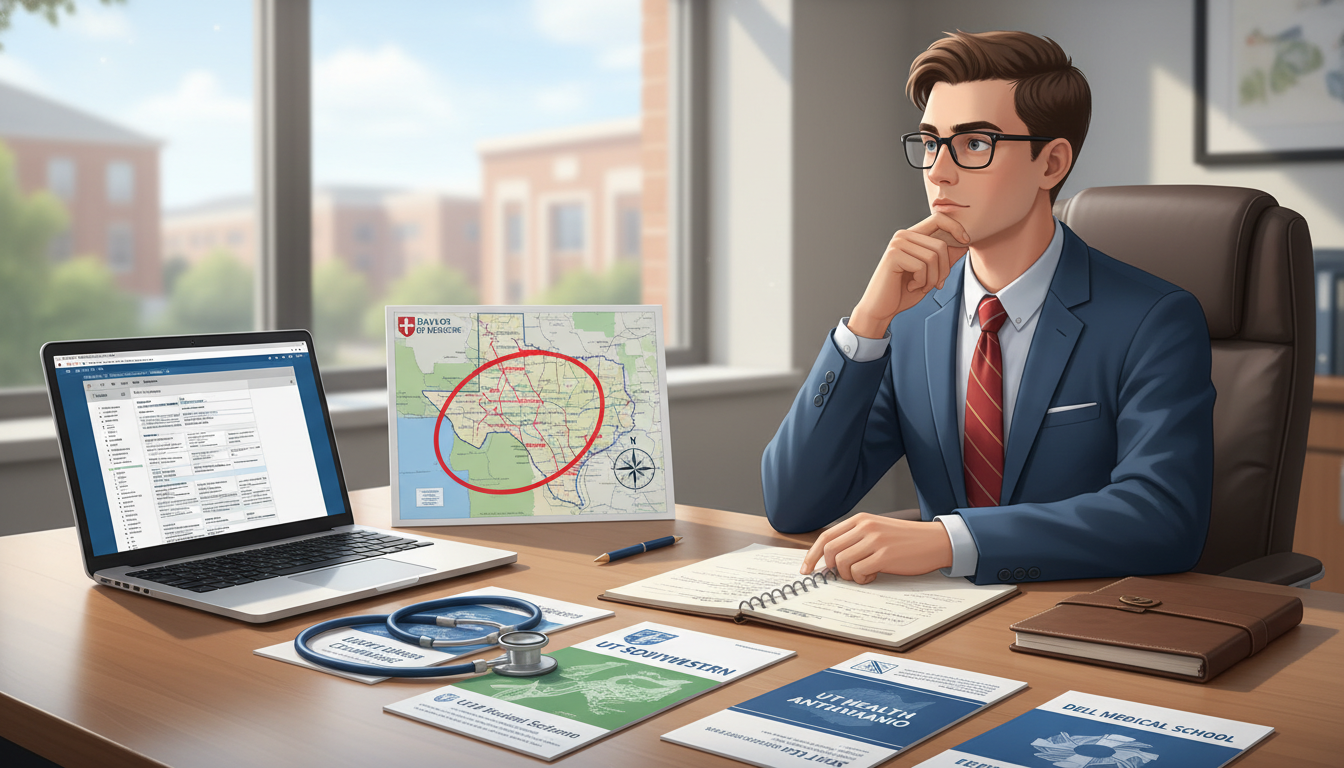
As a US citizen IMG interested in addiction medicine, you’re in a unique and increasingly valuable position. You understand both the US healthcare landscape and international training environments, and you’re aiming for one of the most rapidly evolving fields in medicine. But to maximize your chances of matching into an addiction medicine fellowship or a residency with strong substance abuse training, you must approach program research in a highly structured, strategic way.
Below is a comprehensive guide on how to research residency and fellowship programs in addiction medicine, tailored specifically for the US citizen IMG and American studying abroad.
Understanding the Training Pathway in Addiction Medicine
Before you can research programs effectively, you need clarity on where addiction medicine fits in the US training structure.
Pathways into Addiction Medicine
Addiction medicine is a subspecially approved by the American Board of Medical Specialties (ABMS). You do not match directly into addiction medicine from medical school. Instead:
Complete a primary residency in an ABMS-recognized specialty, commonly:
- Internal Medicine
- Family Medicine
- Psychiatry
- Emergency Medicine
- Pediatrics
- Preventive Medicine
- OB/GYN, Anesthesiology, or others (less typical but possible depending on program criteria)
Then pursue an Addiction Medicine Fellowship
- Usually 1 year (12 months)
- ACGME-accredited addiction medicine fellowship programs
- The goal is comprehensive substance abuse training across settings—outpatient, inpatient consults, detox, co-occurring mental health, etc.
Why Program Research Looks Different for a US Citizen IMG
As an American studying abroad (US citizen IMG), you must evaluate two levels of programs:
Core residency programs that:
- Accept and value IMGs
- Provide strong addiction-related exposure
- Will prepare you to be competitive for an addiction medicine fellowship
Addiction Medicine Fellowships that:
- Are IMG-friendly (for fellowship, you’ll usually be a US resident/green card holder or on a visa from your residency)
- Offer high-quality substance abuse training and career support
You may be planning early (in medical school) or later (during residency), but your program research strategy should keep both steps in mind from the beginning.
Step 1: Clarify Your Personal and Professional Priorities
Before you dive into program lists, be very clear on what you need and want. This step helps you filter more intelligently.
Key Questions to Ask Yourself
Career focus within addiction medicine
- Do you see yourself in:
- Academic medicine and research?
- Clinical leadership and program development?
- Community-based addiction treatment?
- Combined mental health + substance abuse care (common in psychiatry)?
- This will influence whether psychiatry, internal medicine, or family medicine is a better baseline.
- Do you see yourself in:
Geography and lifestyle
- Are there US regions you must or strongly prefer to live in (family, partner job, cost of living)?
- Are you open to less competitive or more rural regions, which may be more IMG-friendly and more impacted by substance use disorders?
Visa and citizenship considerations
- As a US citizen IMG, you do not need visa sponsorship. That is a strong advantage.
- Many programs that are hesitant about non-citizen IMGs will be more open when you’re a US citizen.
Clinical exposure needs as an IMG
- Do you need stronger support transitioning to the US system (mentoring, structured orientation, IMG support groups)?
- Do you prefer programs with a track record of training IMGs successfully in addiction-related work?
Research and academic interests
- How important is research to you?
- Do you want a program with active grants or clinical trials in substance use disorders?
Write your goals and constraints down. This becomes your decision framework when evaluating residency programs and future addiction medicine fellowships.
Step 2: Learn the Landscape of Addiction Medicine Training
To research effectively, you need to know what “good” addiction-related training looks like.
What Strong Substance Abuse Training Includes
Whether at the residency or fellowship level, look for:
Dedicated addiction medicine rotations
- Inpatient consult services
- Outpatient addiction clinics (buprenorphine, methadone, naltrexone)
- Residential or partial hospitalization programs
Medication for Opioid Use Disorder (MOUD) experience
- Buprenorphine initiation and maintenance
- Methadone coordination with OTPs
- Managing alcohol withdrawal and relapse prevention (acamprosate, naltrexone, disulfiram)
Co-occurring mental health conditions
- Programs that overlap addiction treatment with mood, anxiety, psychotic, and personality disorder care
Exposure across settings
- ED-based addiction pathways
- Primary care–integrated addiction care
- Hospital consults
- Community programs and harm reduction settings
Interdisciplinary teams
- Psychiatrists, internists, social workers, psychologists, peer recovery specialists, pharmacists, counselors
Protected teaching and didactics
- Regular lectures on substance use disorders
- Journal clubs or case conferences in addiction medicine
- Opportunities for certification courses (e.g., training for buprenorphine prescribing)
Where to Find Addiction Medicine Fellowships
Use these resources for initial lists:
- ACGME Program Search (Addiction Medicine fellowships)
- American College of Academic Addiction Medicine (ACAAM): Listings and program descriptions
- ASAM (American Society of Addiction Medicine): Fellowship and training directories
Even if you’re not ready for fellowship yet, browsing these helps you reverse engineer what strong addiction-focused residency training should look like.

Step 3: Build a Systematic Program Research Strategy
Random Googling will waste time. Instead, organize your research into a structured, stepwise plan.
Step 3.1: Start with Specialty and State-Level Filters
Decide your base specialty
- If you’re strongly drawn to:
- Mental health + addiction: prioritize Psychiatry
- Chronic disease + addiction in primary care: Internal Medicine or Family Medicine
- Acute care and ED-based addiction: Emergency Medicine, though fellowship access may vary
- If you’re strongly drawn to:
Use centralized tools
- FREIDA (AMA) – filter by specialty, state, program size, IMG percentage
- NRMP and ERAS program lists – cross-check available programs
- State medical board websites – some list training programs or requirements
Filter by geography
- Highlight states:
- With high overdose or substance use burden (often more addiction-related funding and training)
- Known to be more open to IMGs (e.g., some Midwestern and Southern states)
- Highlight states:
Step 3.2: Shortlist Based on IMG-Friendliness
As a US citizen IMG, you care about programs that:
- Have history of training IMGs
- Provide robust support for the transition into US clinical practice
Look for:
Percentage of IMGs in the program
- FREIDA data
- Program websites listing current residents/fellows (review headshots and bios; note medical schools)
Explicit statements on their site
- “We welcome applications from international medical graduates”
- Requirements such as USMLE score minimums, graduation year cutoffs, US clinical experience necessities
Presence of other US citizen IMGs or Americans studying abroad
- Look for DO, Caribbean, and international schools frequently represented
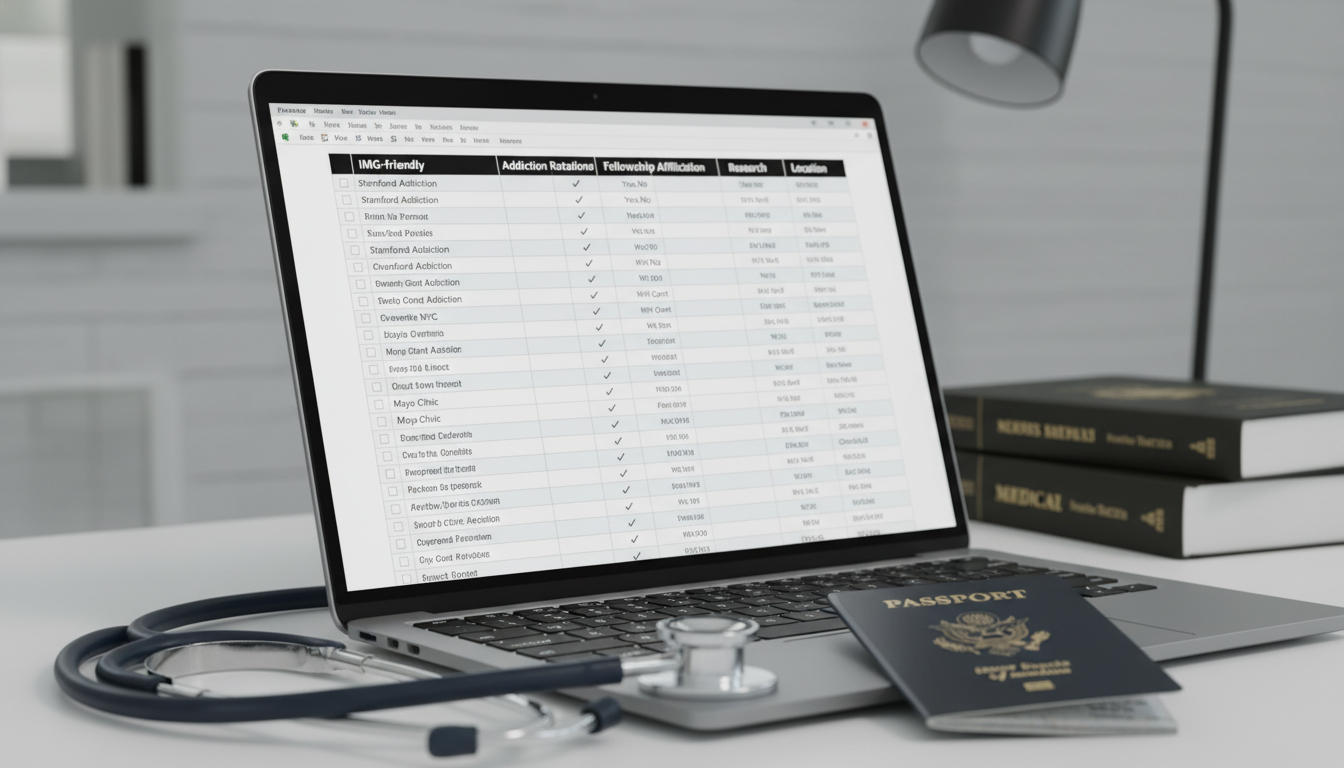
Create a spreadsheet with columns for:
- Program name
- City/State
- Specialty
- IMG percentage
- Current IMG residents (Yes/No)
- US citizen IMG examples (if visible)
- USMLE cutoffs or specific criteria
- Notes on addiction-focused training
This becomes your core program research strategy document.
Step 4: Evaluate Addiction Medicine–Relevant Features of Each Program
Once you have a preliminary list, dig into how each program actually handles substance use disorders.
4.1: Use Program Websites Intentionally
On each residency or fellowship website, look for:
Curriculum / Rotation Schedule
- Any rotation named:
- Addiction Medicine
- Substance Use Disorders
- Consult-Liaison with addiction emphasis
- Dual Diagnosis / Co-Occurring Disorders
- Outpatient continuity clinics with addiction focus
- Optional electives in addiction or related areas
- Any rotation named:
Faculty Interests
- Check faculty bios for:
- Addiction medicine board certification (ABPM or ABPN add-on)
- Publications or projects in substance abuse, opioid use disorder, or harm reduction
- Directors of:
- Addiction services
- Consultation-liaison psychiatry with SUD focus
- Integrated behavioral health/addiction clinics
- Check faculty bios for:
Affiliated Addiction Medicine Fellowship
- Programs that host an addiction medicine fellowship or have a partnership are usually better for:
- Structured substance abuse training
- Mentorship
- Research
- Look for:
- “We are home to an ACGME-accredited Addiction Medicine Fellowship”
- Or: “Our residents frequently match into our own or external addiction medicine fellowships”
- Programs that host an addiction medicine fellowship or have a partnership are usually better for:
Didactics
- Any mention of:
- Addiction didactic series
- ASAM-aligned curriculum
- Monthly SUD journal club
- X-waiver (buprenorphine) training (or MOUD training more broadly, now that the waiver requirement has changed but training remains valuable)
- Any mention of:
Clinical Sites
- Affiliation with:
- VA hospitals (usually strong in SUD care)
- Public hospitals in high-need areas
- Dedicated addiction clinics or centers
- Methadone or opioid treatment programs (OTPs)
- Affiliation with:
Record your findings in your spreadsheet as:
- “Addiction-focused rotations: Yes/No, details”
- “Addiction faculty: # and roles”
- “Affiliated addiction fellowship: Yes/No”
4.2: Use PubMed and Institutional Research Pages
If you’re research-oriented:
- Search:
institution name + addiction medicineinstitution name + opioid use disorderinstitution name + substance use research
Look for:
- Faculty with consistent publication record in addiction topics
- Research centers:
- “Center for Addiction Research”
- “Substance Use and Mental Health Program”
- “Opioid Response Initiative”
Add a column: “Research in SUD present? (Y/N, brief notes)”
Step 5: Dig Deeper Using External Data Sources
To go beyond marketing language, use independent sources to evaluate residency programs.
5.1: FREIDA, Doximity, and NRMP Reports
FREIDA
- Look at:
- Program size
- Number of residents per year
- IMG percentage
- Program type (community vs university)
- Fellowships offered by the same institution (addiction-related or psychiatry, etc.)
- Look at:
Doximity Residency Navigator
- Not perfect and somewhat reputation-biased, but useful for:
- General sense of academic vs community orientation
- Alumni career paths and fellowship matches (often listed)
- Comments about clinical environment and culture
- Not perfect and somewhat reputation-biased, but useful for:
NRMP “Charting Outcomes” and related data
- To gauge:
- Competitiveness of different specialties for IMGs
- Typical USMLE and Step scores for successful matches
- To gauge:
5.2: Social Media, Program Podcasts, and Webinars
Many programs, especially those with a strong interest in addiction medicine, share their culture and clinical focus online.
Twitter/X, Instagram, LinkedIn
- Search for program accounts or hashtags
- Look for posts highlighting:
- Substance use disorder initiatives
- Addiction-related grand rounds
- Opioid response projects
- Community engagement in harm reduction
Webinars / Virtual Open Houses
- Increasingly common post-COVID
- Programs will often discuss:
- Rotations
- Fellowships
- Interest groups (e.g., addiction interest groups)
- Great opportunity to ask explicitly about:
- Substance abuse training
- Experience working with IMGs and US citizen IMGs
5.3: Alumni Outcomes
For evaluating residency programs with addiction ambitions, trace where graduates go:
- Program websites sometimes list:
- Fellowship match lists
- Alumni career paths by year
You want to see:
- Graduates matching into:
- Addiction Medicine fellowships (internal to the institution or external)
- Addiction Psychiatry fellowships (for psychiatry residents)
- Alumni working in:
- Addiction treatment centers
- Academic addiction programs
- Community SUD leadership roles
If you see no addiction-related placements over several years, the program might have limited pathways in your interest area.
Step 6: Direct Outreach – Contacting Residents and Faculty
Personal contact often gives you the most honest and nuanced information.
6.1: Contacting Current Residents (Especially IMGs)
Use email or LinkedIn to reach out to:
- Residents with international medical school backgrounds
- Residents who mention addiction, SUD, or mental health in their bios
Ask targeted questions such as:
- “How much exposure do you get to patients with substance use disorders in your core rotations?”
- “Are there formal electives or informal ways to deepen addiction medicine training?”
- “How supportive is the faculty of residents who want to pursue an addiction medicine fellowship?”
- “As a US citizen IMG, did you feel supported by the program in transitioning into US training?”
Keep messages concise, respectful, and appreciative of their time.
6.2: Reaching Out to Addiction-Focused Faculty
Identify:
- Addiction medicine fellowship directors
- Psychiatry faculty with SUD focus
- Internal medicine or family medicine champions in addiction care
You can ask:
- “What role do residents play in addiction-related services at your institution?”
- “How do residents typically prepare for and apply to your addiction medicine fellowship?”
- “Do you see many IMGs or US citizen IMGs among your fellows or residents?”
This also quietly introduces you as a motivated candidate early on.
Step 7: Ranking and Comparing Programs Objectively
Once you’ve collected all your data, you need a way to compare programs without becoming overwhelmed.
Create a Scoring System
Use a simple 1–5 scale (or 0–3) for each relevant category:
IMG Friendliness
- Evidence of IMGs in recent classes
- Warmth in communication, openness on website
Addiction Exposure in Residency
- Formal SUD rotations
- Availability of electives
- Clinical sites (VA, public hospital, OTPs, community clinics)
Affiliated Addiction Medicine Fellowship
- Onsite fellowship (big plus)
- Strong external affiliations or history of fellowship matches
Research and Academic Opportunities
- SUD-related research projects
- Faculty with active grants or publications
Location and Lifestyle Fit
- Cost of living
- Support systems, distance from family
- Safety and community resources
Program Culture
- Resident feedback from conversations
- Emphasis on wellness, teaching, and mentorship
Give each program a total score and rank them. This helps you:
- Prioritize where to do away rotations (if applicable)
- Decide where to invest time in personalized application materials
- Build a realistic apply list that balances reach, target, and safety programs
Practical Example: Applying the Strategy
Imagine you’re a US citizen IMG in your final year at an international medical school, aiming for psychiatry residency with a plan for an addiction medicine fellowship later.
- You shortlist 40 psychiatry programs in states where you could realistically live.
- You filter them based on:
- IMG presence and friendliness → down to 25 programs.
- You review websites and find:
- 10 programs have explicit addiction rotations.
- 6 have affiliated addiction medicine or addiction psychiatry fellowships.
- You email residents at 5 of these programs.
- 3 reply with in-depth information; 2 describe very rich SUD exposure.
- You score all 25 programs and identify:
- 8 top-choice (high SUD exposure, strong IMG support, good geography)
- 10 solid middle options
- 7 safety options (less addiction focus but good IMG track record)
This becomes your targeted application list, rather than trying to apply blindly to 70+ programs.
Special Tips for US Citizen IMGs and Americans Studying Abroad
Leverage Your Citizenship
- Emphasize in your applications and emails:
- “US citizen IMG” or “US citizen studying at X international medical school”
- Many coordinators will immediately understand:
- No visa sponsorship required
- Less administrative burden
- Longer-term retention potential in the US
Build US-Based Addiction-Relevant Experience
To strengthen your profile for both residency and future addiction medicine fellowships:
US Clinical Experience (USCE) with SUD exposure
- Electives or observerships in:
- Addiction clinics
- Behavioral health units
- VA hospitals
- Community substance use programs
- Electives or observerships in:
Educational extras
- ASAM membership (student or resident-in-training)
- Attend virtual addiction medicine conferences or webinars
- Take online courses in SUD management or motivational interviewing
Mention these explicitly when interacting with programs to demonstrate genuine interest in addiction care.
Tailor Your Personal Statement
In your residency application:
- Frame addiction medicine as a long-term career trajectory, not a vague interest.
- Highlight:
- Clinical encounters with SUD during medical school
- Any research, advocacy, or volunteering related to substance use
- Understanding of the US overdose crisis and public health context
Programs take you more seriously when they see a clear and informed path toward an addiction medicine fellowship.
FAQs: Researching Programs in Addiction Medicine as a US Citizen IMG
1. Should I prioritize programs that already have an Addiction Medicine Fellowship?
If addiction medicine is a central goal, yes, these should be high-priority. Programs with an addiction medicine fellowship often:
- Offer better structured substance abuse training during residency
- Have more faculty mentors in addiction care
- Provide a smoother pathway into fellowship (though not guaranteed)
However, do not exclude good programs just because they lack an onsite fellowship—some have strong addiction rotations and excellent connections to external fellowships.
2. As a US citizen IMG, how many programs should I apply to for residency if I’m focused on addiction medicine?
It depends on your specialty and competitiveness, but a rough range:
- Psychiatry, Family Medicine, Internal Medicine:
US citizen IMGs commonly apply to 30–60 programs. - Within that:
- Prioritize 10–20 programs with strong addiction exposure.
- Include additional IMG-friendly programs even if addiction focus is weaker—you can seek electives and research later.
Your program research strategy should help balance reach vs. safety programs effectively.
3. How can I tell if a program is truly IMG-friendly beyond what the website says?
Look for concrete indicators:
- Presence of multiple recent IMGs on resident rosters
- Residents or faculty who respond positively and specifically when you ask about IMG experience
- Reasonable requirements (willingness to consider recent graduates, realistic USMLE thresholds)
- Lack of vague or restrictive language about “special consideration” for IMGs
Whenever possible, speak directly with current residents who trained abroad or are US citizen IMGs.
4. When should I start researching addiction medicine fellowships if I’m still a medical student?
Start browsing fellowship programs now, but plan to actively research them once you’re in PGY-1 or PGY-2 of residency. Early familiarity helps you:
- Choose residencies with better fellowship pathways
- Build a CV that aligns with addiction fellowship expectations
- Identify mentors and potential research opportunities early in residency
You don’t need to lock in a specific fellowship program yet, but understanding the landscape will shape the residency programs you target.
By approaching program exploration with a structured, data-driven mindset, you—as a US citizen IMG—can strategically position yourself for a career in addiction medicine. Focus your research on IMG-friendliness, depth and breadth of substance abuse training, faculty interests, and long-term fellowship pathways. With deliberate planning and consistent outreach, you can build a training trajectory that aligns with both your professional goals and the urgent needs of patients with substance use disorders in the United States.