
Understanding the Landscape of Vascular Surgery Training
Choosing a vascular surgery residency is one of the most consequential decisions of your training. The challenge is not only getting into a program, but identifying which programs actually fit your goals, learning style, and long‑term career plans. That requires a deliberate, organized program research strategy—not just skimming websites or chasing name recognition.
Vascular surgery has unique training pathways and nuances that should shape how you research programs:
Integrated vascular program (0+5):
Five years of dedicated vascular surgery training straight from medical school. Minimal or no general surgery residency, with early and sustained vascular exposure.Independent vascular fellowship (5+2):
Two years of vascular surgery fellowship after a complete general surgery residency. Program research here involves two steps—first for general surgery, then for vascular.
This guide focuses primarily on the integrated vascular surgery residency (0+5), but most principles also apply when evaluating vascular surgery fellowships after general surgery.
Before diving into spreadsheets and program lists, clarify your goals:
- Academic vs community‑oriented career?
- Strong interest in open complex aortic work? Endovascular innovation? Limb salvage? Research?
- Future practice setting: major academic center or regional referral hospital?
- Lifestyle priorities: geography, family, support systems, work‑life balance?
Being honest about these from the start will make your program research more focused and meaningful.
Step 1: Build a Strong Program List Foundation
1. Start With Authoritative Databases
Begin with reliable, up‑to‑date sources:
ERAS / AAMC Residency Explorer:
Filter for vascular surgery – integrated to see accredited programs. Residency Explorer (when available) can show aggregate data on board scores, research, and applicant profiles.FREIDA (AMA Residency & Fellowship Database):
Search for Vascular Surgery – Integrated (0+5). FREIDA provides:- Program size (number of residents)
- Contact info and website
- Some data on work hours, benefits, and educational features
ACGME Public Data:
Confirms accreditation status and can show citations or warnings. Any recent adverse accreditation actions are a red flag requiring deeper investigation.SVS (Society for Vascular Surgery) and APDVS (Association of Program Directors in Vascular Surgery):
Their websites often list integrated and independent programs and may share curriculum standards or educational resources.
From these sources, create an initial “master list” of all integrated vascular surgery residency programs. Don’t filter too aggressively at this stage; you’ll refine later.
2. Categorize Programs by Type and Setting
Once you have a master list, classify each program to understand the broader training environment:
Primary hospital type
- Major academic medical center
- Large community‑based academic affiliate
- VA‑based or mixed (university + VA + private hospitals)
Program model
- Integrated vascular program only
- Combined with a robust independent fellowship
- Part of a larger surgical department with many subspecialties (CT, transplant, surg onc, etc.)
Catchment area and patient population
- Tertiary/quaternary referral center with complex cases
- Regional referral center with high volume of bread‑and‑butter vascular disease
- Safety‑net hospital serving high‑risk, underserved populations
This basic categorization helps you understand what “flavor” of vascular surgery you might be exposed to and sets the stage for more detailed evaluation.
Step 2: Define Your Personal Selection Criteria
A strong program research strategy starts with knowing what matters to you, not just what looks impressive on paper. Use the following domains to define your priorities, then later score each program against them.
1. Clinical Training and Case Mix
For a vascular surgery residency, the core question is: “Will I graduate as a confident, independent vascular surgeon?”
Look for:
- Case volume and diversity
- Open aortic aneurysm repair vs EVAR balance
- Peripheral bypasses, distal revascularization
- Carotid endarterectomy and carotid stenting
- Dialysis access, venous procedures, trauma exposure (if any)
- Endovascular training
- Hybrid OR access
- Complex endovascular work (fenestrated/branched devices, TEVAR, iliac branch devices)
- Atherectomy, thrombolysis, mechanical thrombectomy, deep venous interventions
Reflect on what kind of practice you envision. If you want to be comfortable with complex open aortic cases, prioritize programs with documented open volume and faculty who still perform these operations regularly.
2. Operative Autonomy and Graduated Responsibility
Even with great volume, you must assess how much you will actually operate:
- Do senior residents or fellows consistently get primary operator experience?
- Are integrated residents allowed to operate early (PGY‑2/3)?
- How do vascular fellows and integrated residents share cases?
- Is there a clear progression of responsibility by PGY‑year?
Early operative experience is particularly important in 0+5 programs because you won’t have the same general surgery foundation as a 5+2 graduate.
3. Structure and Culture of the Integrated Vascular Program
Integrated programs vary widely:
Curriculum design
- How many months are dedicated to vascular vs non‑vascular rotations?
- Are there built‑in ICU, cardiology, radiology, and interventional radiology experiences?
- How much time is spent on general surgery and at which PGY years?
Support for 0+5 residents
- Mentorship structure: assigned advisors? regular check‑ins?
- Dedicated 0+5 educational conferences?
- Integration with categorical general surgery residents (are you welcomed or treated as outsiders?)
A supportive environment is particularly crucial for integrated vascular residents, who often stand out as different within the surgical department.
4. Academic Mission and Research Opportunities
If you’re aiming for an academic career, how to research residency programs revolves heavily around research infrastructure:
- Is dedicated research time (often 1–2 years) available or encouraged?
- What is the publication output of recent residents?
- Are there ongoing:
- Clinical trials in PAD, aortic disease, carotid interventions?
- Outcomes or health services research in limb salvage or disparities?
- Basic/translational labs in vascular biology, thrombosis, or device development?
Also consider the presence of:
- Biostatistics and epidemiology support
- Opportunities to pursue additional degrees (MPH, MS, PhD)
- Funding mechanisms (T32 grants, institutional scholarships)
Even if you don’t plan a heavily academic career, exposure to research trains you to think critically about evidence and new technologies.

5. Lifestyle, Wellness, and Support
Vascular surgery is demanding, but sustainable programs exist. Pay attention to:
Call structure
- In‑house vs home call
- Frequency of night float vs 24‑hour call
- How vascular call is shared (by residents alone vs residents + fellows vs cross‑coverage from general surgery)
Wellness resources
- Access to mental health support
- Protected time off
- Transparent duty hour compliance
Resident cohesion and culture
- Do residents appear to support each other?
- How many unplanned leaves or resignations in recent years?
- Are there examples of residents successfully managing family responsibilities, parental leave, or major life events?
6. Geography and Long‑Term Career Positioning
Location matters not just personally but professionally:
Training in a region where you want to eventually practice can:
- Build your local referral network
- Connect you with vascular surgeons in surrounding communities
- Make your name familiar to future employers
Certain regions may have:
- More exposure to trauma or blunt aortic injury
- Higher prevalence of diabetic limb disease
- More early access to new devices/clinical trials
Be clear on what you’re willing to compromise: is location flexible if clinical training quality is outstanding, or is geography non‑negotiable due to partner/family needs?
Step 3: Deep Dive Into Program Information
Once you have your criteria, it’s time to systematically gather detailed data on each program. This is where an organized program research strategy becomes indispensable.
1. Dissecting Program Websites
Program websites vary in quality, but many contain high‑yield information if you read carefully:
Curriculum and rotation schedule
- Look for explicit PGY‑by‑PGY breakdown
- Identify total vascular vs non‑vascular months
- Note ICU, cardiology, IR, and imaging months
Case logs and operative experience
- Some programs publish aggregate case numbers for recent graduates
- Look for evidence of both open and endovascular case volume
Educational conferences
- Weekly vascular conference? M&M? Journal club? Endovascular skills lab?
- Participation in multidisciplinary conferences (cardiology, IR, wound care, limb salvage teams)
Faculty profiles
- Number of dedicated vascular faculty
- Subspecialty expertise (aortic, venous, limb salvage, research focus)
- Academic productivity and national recognition (SVS leadership, guideline authorship)
Resident profiles
- Backgrounds of current residents (schools, research interests)
- Where graduates go (fellowships, first jobs, academic vs community)
Reading between the lines:
- Long‑standing unfilled positions or frequent resident attrition may be warning signs.
- Minimal or outdated website updates can reflect limited administrative support or priorities, though this alone is not disqualifying.
2. Using PubMed, SVS, and ClinicalTrials.gov
To evaluate the academic environment:
Search the department and program director names on PubMed:
- Are they publishing regularly in Journal of Vascular Surgery, Annals of Vascular Surgery, etc.?
- Do they involve residents in publications?
Check SVS and major meetings (VAM, regional vascular conferences):
- Are residents presenting abstracts or posters?
- Do faculty have leadership roles or invited lectures?
Use ClinicalTrials.gov to see if the institution is participating in:
- Aortic device trials
- PAD/CLI interventions
- Carotid trials This indicates exposure to cutting‑edge therapies and an environment that values evidence generation.
3. Social Media and Program Branding
While not definitive, social media can provide candid insights:
- Instagram, X (Twitter), LinkedIn
- Look for posts showing resident life, conferences, OR days, simulation labs.
- Do residents appear engaged and collaborative?
- Is there evidence of wellness activities, community events, or informal gatherings?
Use this as qualitative data, not the main decision driver. Programs with less social media presence can still be excellent; some simply choose low online visibility.
4. Creating a Structured Tracking System
Turn scattered impressions into a coherent evaluation by tracking each program consistently:
- Create a spreadsheet or database with columns such as:
- Program name and location
- Program director and contact info
- Number of integrated residents per year
- Presence of independent fellowship (Y/N)
- Vascular case volume (open, endovascular, aortic, peripheral, carotid)
- Dedicated research time (Y/N, duration)
- Research strengths (clinical, basic, outcomes)
- Call schedule summary
- Geographic pros/cons
- Notable strengths
- Potential concerns or red flags
- Your subjective “fit” score (1–10)
This structured approach is the core of evaluating residency programs effectively and will serve you well when you begin selecting where to apply and how to rank programs after interviews.
Step 4: Leverage People and Networks Strategically
You can only learn so much from websites. Talking to people is essential to understanding program culture and day‑to‑day reality.
1. Start With Your Home Institution
If your school has vascular surgery faculty or a vascular division:
- Meet with:
- Vascular program director or associate PD
- Vascular faculty with an interest in education
- Senior vascular fellows or residents
Ask focused questions:
- “What differentiates strong integrated vascular programs from weaker ones?”
- “Are there programs you consistently hear good or bad things about?”
- “Which programs would you recommend I look closely at given my interests in X (aortic, limb salvage, research, academic career)?”
Your mentors may connect you with their colleagues at other institutions, opening doors for informational calls or future away rotations.
2. Talk With Current or Recent Integrated Residents
If possible, reach out (via email or professionally on LinkedIn) to current integrated vascular residents at programs you’re strongly considering. Keep outreach respectful and concise.
Good questions include:
- “What surprised you (good or bad) after you started at this program?”
- “How early did you start operating, and how has your autonomy grown?”
- “How does call feel in real life compared to what’s described officially?”
- “If you had to choose again, would you pick the same program?”
Pay attention to:
- Whether they feel supported and valued
- How they describe faculty relationships
- Their tone when discussing workload and burnout
3. Use National Meetings and Virtual Events
Attend (or virtually participate in) meetings and events:
- SVS Vascular Annual Meeting (VAM)
- APDVS or regional vascular society meetings
- Medical student–targeted information sessions or webinars on vascular surgery
These forums allow you to:
- Observe how programs present themselves
- See which programs showcase resident work
- Introduce yourself briefly to faculty or residents (when appropriate and professional)
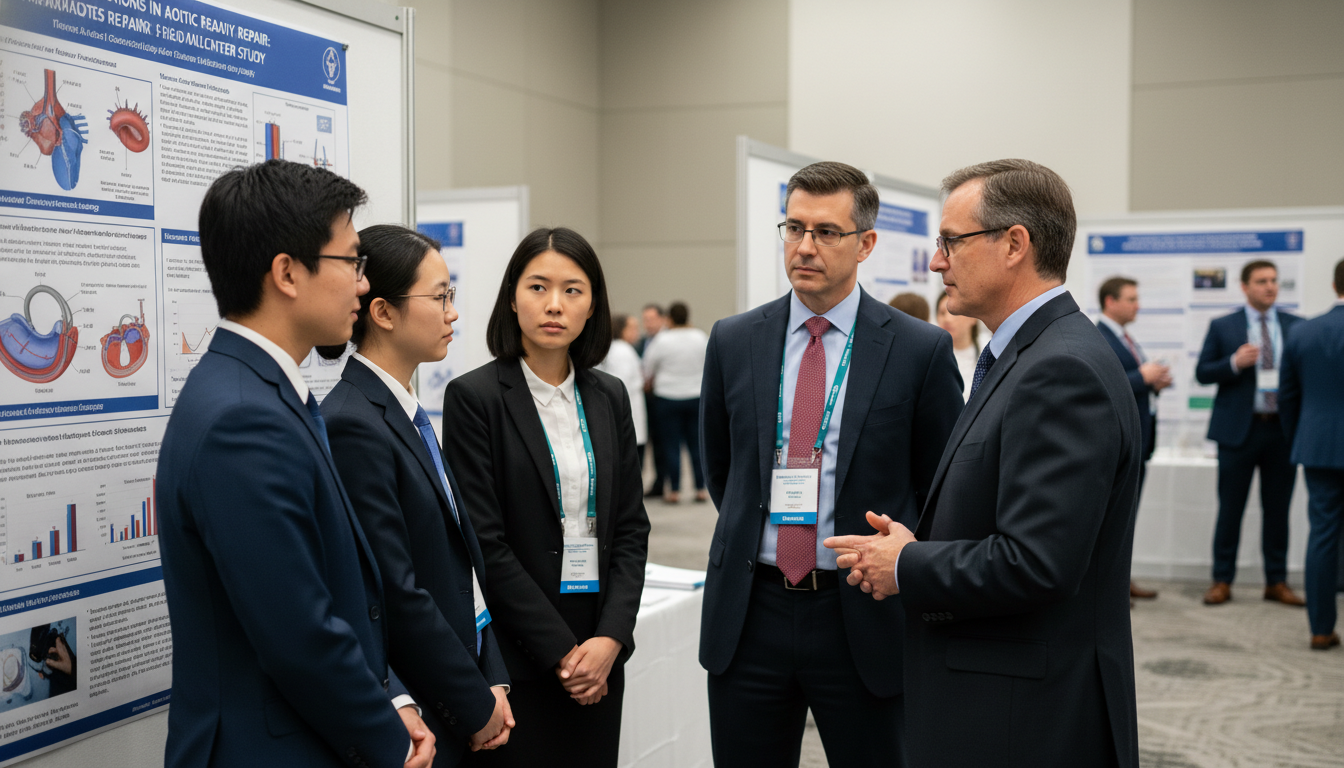
Step 5: Use Away Rotations and Interviews to Validate Your Research
Your preliminary research helps you select where to apply and rotate; in‑person experiences help you confirm or update your impressions.
1. Strategic Use of Away Rotations (Sub‑Internships)
For vascular surgery—especially integrated pathways—away rotations can be high yield when chosen thoughtfully:
- Aim for 1–2 away rotations at programs that:
- Are realistic matches for your application profile
- Strongly fit your goals (academic, aortic, limb salvage, region)
- You would seriously consider ranking highly
During the rotation, focus on:
Team dynamics
- How attendings treat residents and students
- How residents treat each other (and support staff)
Operative exposure
- Are students allowed to assist meaningfully?
- Do you see residents getting good operative experience?
Educational culture
- Quality of teaching on rounds and in the OR
- Use of imaging, pre‑op planning, and postoperative debriefs
Record your observations in your tracking spreadsheet immediately after the rotation, while details are fresh.
2. Preparing for and Interpreting Interviews
Interviews are a two‑way assessment. Use them to probe areas your prior research didn’t fully answer.
Ask program leadership:
- “How do you see your integrated vascular program evolving over the next 5–10 years?”
- “How are you adapting training to the shift toward complex endovascular therapies while preserving open skills?”
- “How do you ensure integrated residents get both breadth and depth of operative experience?”
Ask residents (ideally without faculty present):
- “What’s one thing you’d change about the program if you could?”
- “Have any residents left the program in recent years, and why?”
- “How transparent is the leadership when issues come up?”
Compare interview impressions with your pre‑interview research:
- Are they consistent?
- Are any red flags emerging (defensiveness, evasive answers, obvious resident burnout)?
Step 6: Integrate All Data to Build Your Application and Rank List Strategy
By the time you’re finalizing applications or rank lists, you will likely have too much information rather than too little. The key is structured synthesis.
1. Tier Your Programs
Using your spreadsheet, categorize programs into tiers based on both objective strength and personal fit:
Tier 1: Ideal fit
- Excellent clinical volume and autonomy
- Strong in your areas of interest (e.g., complex aortic, research, academic career)
- Culture and geography align with your needs
Tier 2: Solid training, good fit
- Very good training, maybe slightly weaker in one area you care about
- Still highly acceptable options where you’d be happy to train
Tier 3: Safety or geographic backup
- Programs you would attend if higher‑tier options don’t work out
- Make sure every program on your list remains somewhere you can genuinely envision yourself completing training
2. Balance Objective Measures and Intuition
When evaluating residency programs, don’t ignore your instincts. Key considerations:
- Objective markers (volume, accreditation, research, outcomes) should define which programs are safe and strong.
- Subjective markers (how you felt on the interview day, resident happiness, how welcome you felt) should help you order programs within that safe/strong subset.
If a program is objectively strong but you see resident misery or significant red flags in culture, think carefully before ranking it highly.
3. Revisit Your Original Goals
Before finalizing your decisions, return to the questions you asked yourself at the beginning:
- Has your desired career path become clearer?
- Are you still aiming for academic vascular surgery, device innovation, or community practice?
- Which programs best connect you to your envisioned future?
Anchor your application and rank decisions in those long‑term goals, not just short‑term prestige or peer perceptions.
Common Pitfalls in Researching Vascular Surgery Programs
Avoid these frequent missteps:
Over‑reliance on reputation alone
A famous name doesn’t always equal the best training or fit for you.Ignoring program size and support
Very small programs with limited faculty may create fragility in coverage, case distribution, or mentorship.Not verifying accreditation and stability
Check for ACGME citations or recent leadership turnover, which can destabilize a program.Underestimating the importance of culture
You can survive almost any workload in a supportive environment; even “good” programs can be miserable if the culture is toxic.Failing to document impressions systematically
After 10+ interviews, details blur. Without notes, your rank list may get driven by the last few interviews rather than by carefully considered judgment.
FAQs: Researching Vascular Surgery Residency Programs
1. How many vascular surgery residency programs should I research and apply to?
Research all integrated vascular surgery programs at a basic level to understand the landscape. In terms of applications, many applicants target around 20–35 integrated programs, depending on competitiveness and geographic flexibility. Your mentors can help you calibrate based on your application strength. Apply broadly enough to secure interviews, but not so broadly that you cannot research and interview thoughtfully.
2. How can I assess operative volume and autonomy if case logs aren’t published?
Ask directly during interviews or away rotations:
- “How many core vascular cases do your chief residents graduate with?”
- “What proportion of major cases are done as primary surgeon by integrated residents vs fellows?”
You can also ask senior residents about their personal experience: approximate numbers of aortic, carotid, and limb procedures they have done as primary surgeon. Consistent, confident answers are reassuring.
3. Are away rotations essential for matching into an integrated vascular program?
They are highly valuable but not absolutely mandatory. Away rotations:
- Let programs assess your work ethic and team fit
- Give you deep insight into culture and training quality
If possible, do 1–2 away rotations at realistic “top choice” programs. If limited by finances or schedule, prioritize your home program and one carefully chosen away site and compensate with strong virtual engagement and networking.
4. How do I compare integrated (0+5) vs independent (5+2) routes during my research?
When you research residency programs, consider:
- 0+5 integrated: Early and continuous vascular exposure, more direct path, but less broad general surgery experience.
- 5+2 independent: Strong general surgery foundation first, slightly delayed commitment to vascular, more competitive fellowships in some settings.
Your choice should reflect your certainty about vascular surgery, your learning style, and the type of practice you want. Regardless of pathway, apply the same rigorous approach to evaluating case volume, autonomy, culture, and academic support.
By treating program research as a deliberate, organized process—not a last‑minute scramble—you give yourself the best chance of matching into a vascular surgery residency where you will thrive clinically, academically, and personally.