Choosing a residency is one of the most consequential decisions in your medical career. Beyond matching into a program, you are choosing the colleagues, mentors, and environment that will shape how you practice medicine and the kind of physician you become. Some residency programs rise above the rest—not just in name recognition, but in how they train, support, and launch their residents into fulfilling careers.
This guide breaks down what truly makes Residency Programs stand out, and how to evaluate those elements as you prepare for the residency match and application process.
Understanding What Makes a Residency Program Exceptional
The transition from medical student to resident is exhilarating and intense. You move from supervised learner to front-line physician, balancing patient care, steep learning curves, and your own well-being. The right program will challenge you, support you, and align with your long-term goals in Medical Education and Career Development.
Why Your Choice of Residency Program Matters
Your residency program will influence:
- Clinical competence: Breadth and depth of cases, autonomy, and supervision.
- Career trajectory: Fellowship competitiveness, academic vs. community pathways, leadership opportunities.
- Professional identity: Your values, communication style, and approach to patient care.
- Work-Life Balance: How you learn to navigate demanding schedules while preserving your health and relationships.
- Long-term satisfaction: Your sense of belonging, burnout risk, and enthusiasm for medicine years down the line.
Prestige alone does not guarantee these outcomes. A “top” name on paper may not be the best fit for your learning style, career path, or personal life. The goal is not to chase rankings—but to identify programs where you will grow, be supported, and thrive.
1. Program Culture and Environment: The Invisible Curriculum
Program culture is the “feel” of a place—how people treat one another, how mistakes are handled, and what behaviors are rewarded. It is one of the most important determinants of resident satisfaction and burnout.
Psychological Safety and Learning Climate
A standout residency program fosters a positive learning atmosphere where:
- Asking questions is encouraged, not ridiculed.
- Mistakes are treated as learning opportunities, not moral failures.
- Feedback is timely, specific, and constructive.
- Faculty and senior residents are approachable.
How to assess this:
- During interview day, note whether residents speak candidly or seem guarded.
- Ask, “Can you describe a time a resident made a mistake and how the program handled it?”
- Listen for examples of coaching rather than punitive responses.
Programs with strong psychological safety often have:
- Regular debriefings after difficult cases.
- Faculty development on giving feedback and teaching.
- Clear mechanisms to report concerns without retaliation.
Inclusivity, Respect, and Diversity
Top-tier programs actively cultivate an inclusive and respectful environment:
- Residents from diverse backgrounds feel valued and supported.
- There is visible diversity among residents, fellows, and faculty.
- Curricula include training in cultural humility, bias recognition, and communication across differences.
- Resident-led diversity, equity, and inclusion (DEI) initiatives are supported—not just tolerated.
Questions to explore:
- “What steps has the program taken to improve diversity and inclusion?”
- “How does the program support residents from underrepresented backgrounds?”
- “Are there affinity groups (e.g., for LGBTQ+ residents, women in medicine, URiM groups)?”
An inclusive environment not only improves your day-to-day experience but also prepares you to care for a diverse patient population with empathy and confidence.
2. Mentorship and Structured Career Development
Strong Mentorship and Career Development infrastructure can transform residency from a survival exercise into a launchpad for your long-term goals.
Access to Meaningful Mentors
Exceptional programs don’t leave mentorship to chance. They offer:
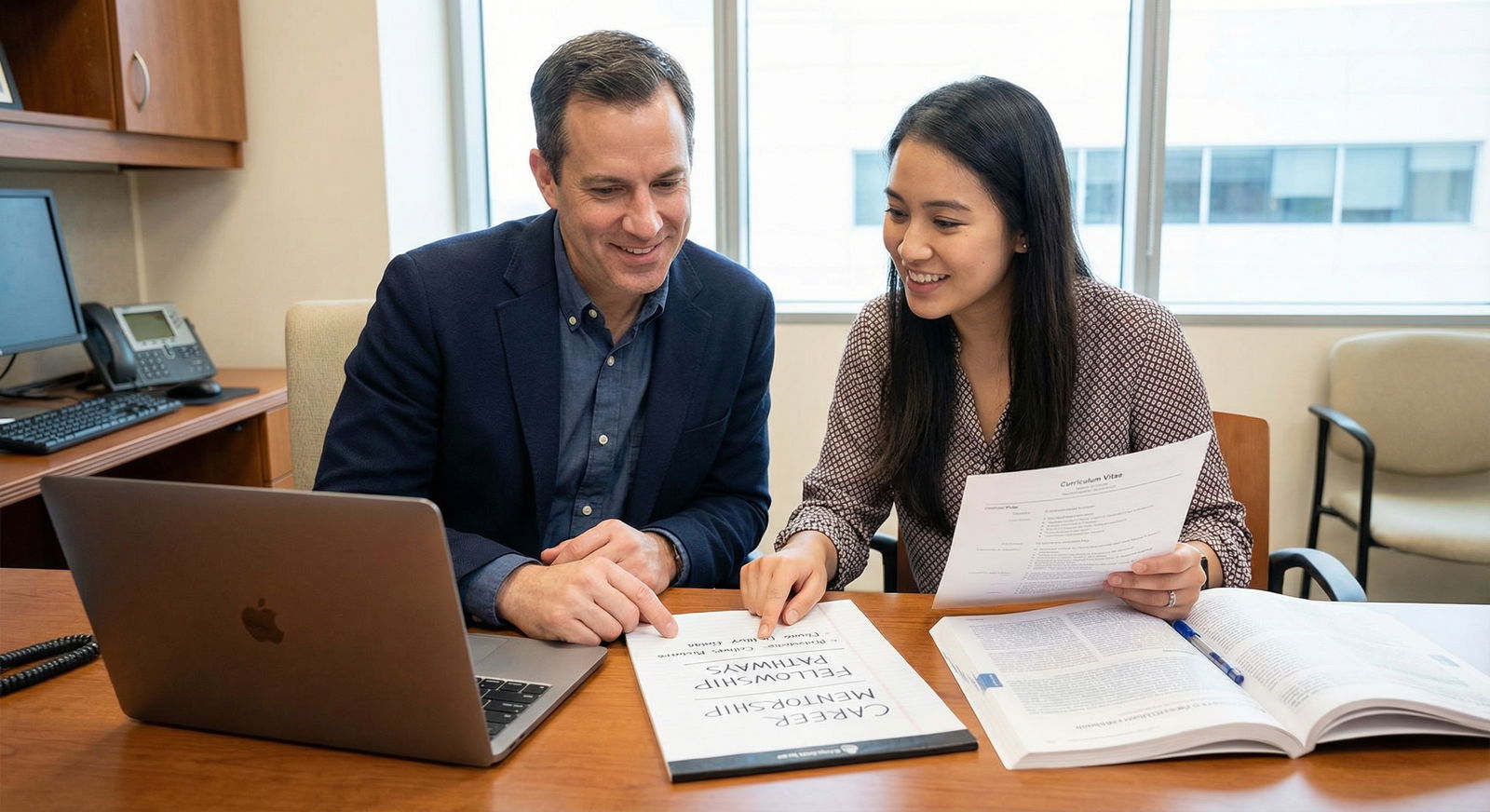
- Formal mentorship programs that match residents with faculty based on interests (e.g., cardiology, health policy, global health).
- Multiple mentor types: clinical mentors, research mentors, wellness mentors, and sometimes peer mentors.
- Protected time for mentorship meetings during the year.
Mentors help you:
- Navigate tough rotations and interpersonal challenges.
- Strategize fellowship and job applications.
- Build a professional network inside and outside the institution.
- Reflect on your values and shape your career path intentionally.
Ask during interviews:
- “How are residents matched with mentors?”
- “Is mentorship structured or informal?”
- “Can you share examples of how mentors have helped residents with career decisions?”
Structured Career Development Support
Residency is not just about learning medicine—it’s about building a sustainable, satisfying career. Standout programs offer:
- Career development workshops (CV building, negotiation, contracts, financial literacy, academic promotion).
- Subspecialty exposure and guidance for those considering fellowship.
- Leadership and teaching opportunities (chief resident tracks, committee roles, medical student teaching).
- Support for non-traditional paths, such as medical education, informatics, health policy, global health, or community practice.
Look for:
- Dedicated career development advisors.
- Alumni panels and networking nights.
- Track or pathway options (e.g., clinician-educator track, research track, primary care track, rural medicine track).
These structures demonstrate that the program is invested in who you become after you graduate—not just in filling service needs.
3. Clinical Exposure and Hands-On Training
The core of residency is clinical training. You want a program that provides rigorous but supported exposure to a wide range of conditions and patient populations.
Breadth and Depth of Clinical Rotations
Standout Residency Programs design rotations to maximize your growth:
- Diverse settings: tertiary care academic hospitals, community hospitals, VA centers, and outpatient clinics.
- Exposure to varied patient populations: urban, rural, underserved communities, different socioeconomic and cultural backgrounds.
- Robust subspecialty rotations: ICU, cardiology, oncology, emergency medicine, surgery or subspecialty clinics (depending on specialty).
Ask about:
- Balance between inpatient and outpatient time.
- Opportunities for elective rotations (domestic or international).
- Early exposure to key rotations vs. back-loaded curricula.
Autonomy, Supervision, and Procedural Experience
Your confidence as a physician depends heavily on how much hands-on experience you acquire:
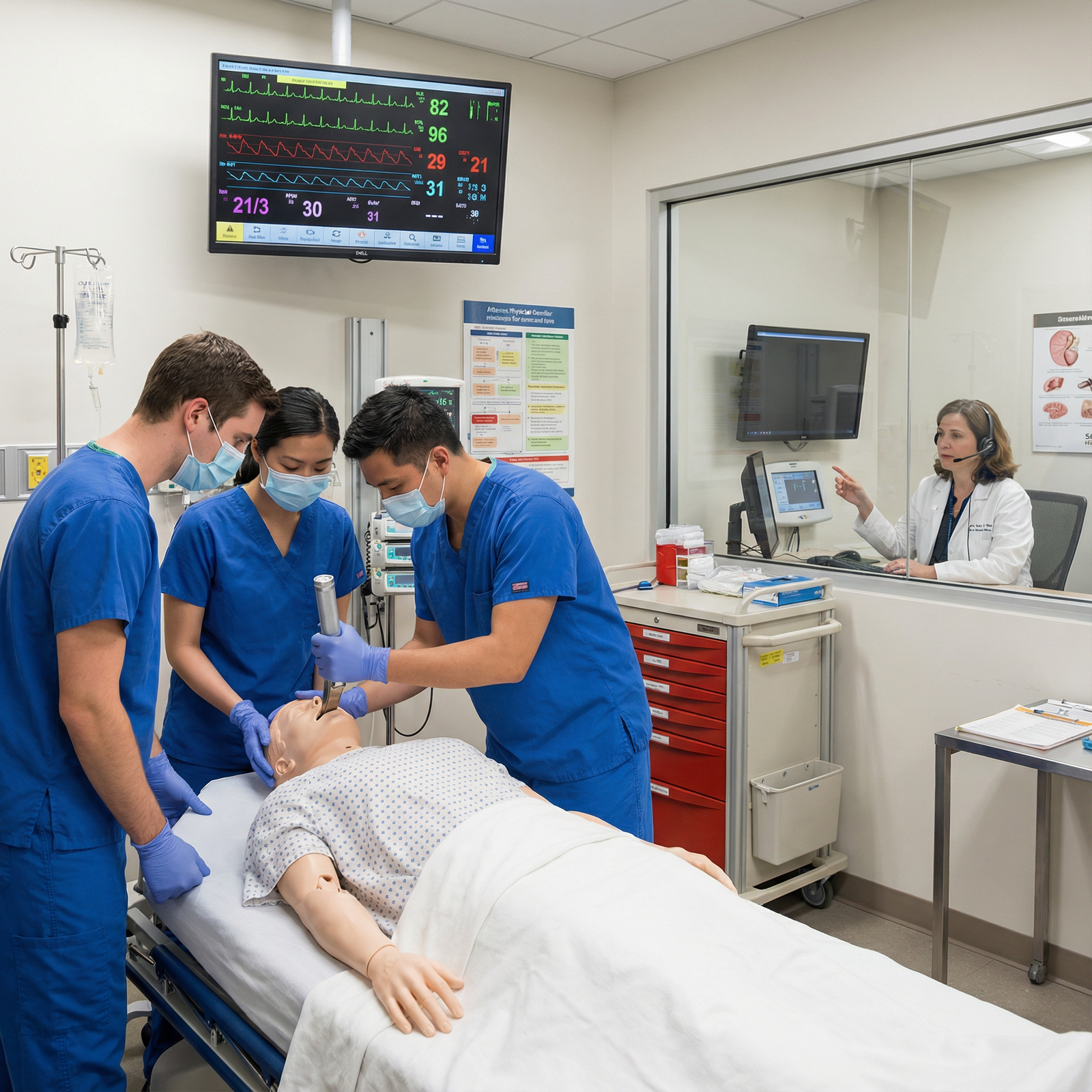
- Are residents performing key procedures (e.g., intubations, central lines, lumbar punctures, deliveries in OB, endoscopies in GI) at an appropriate volume?
- Is there graded responsibility—more support as an intern, increasing autonomy as a senior?
- Are attendings accessible for bedside teaching and real-time feedback?
To probe this:
- Ask residents how comfortable they feel managing common emergencies.
- Ask about procedure logs and whether residents consistently meet or exceed requirements.
- Explore whether residents feel “protected learners” rather than just workforce.
A balanced program ensures you graduate ready for independent practice, whether you enter fellowship, academics, or community practice.
4. Innovation in Medical Education and Use of Technology
Residency training is evolving along with healthcare. Programs that stand out invest in innovative teaching methods and modern tools that prepare you for current and future practice.
Simulation, Ultrasound, and Technology-Enhanced Learning
Strong programs integrate technology purposefully:
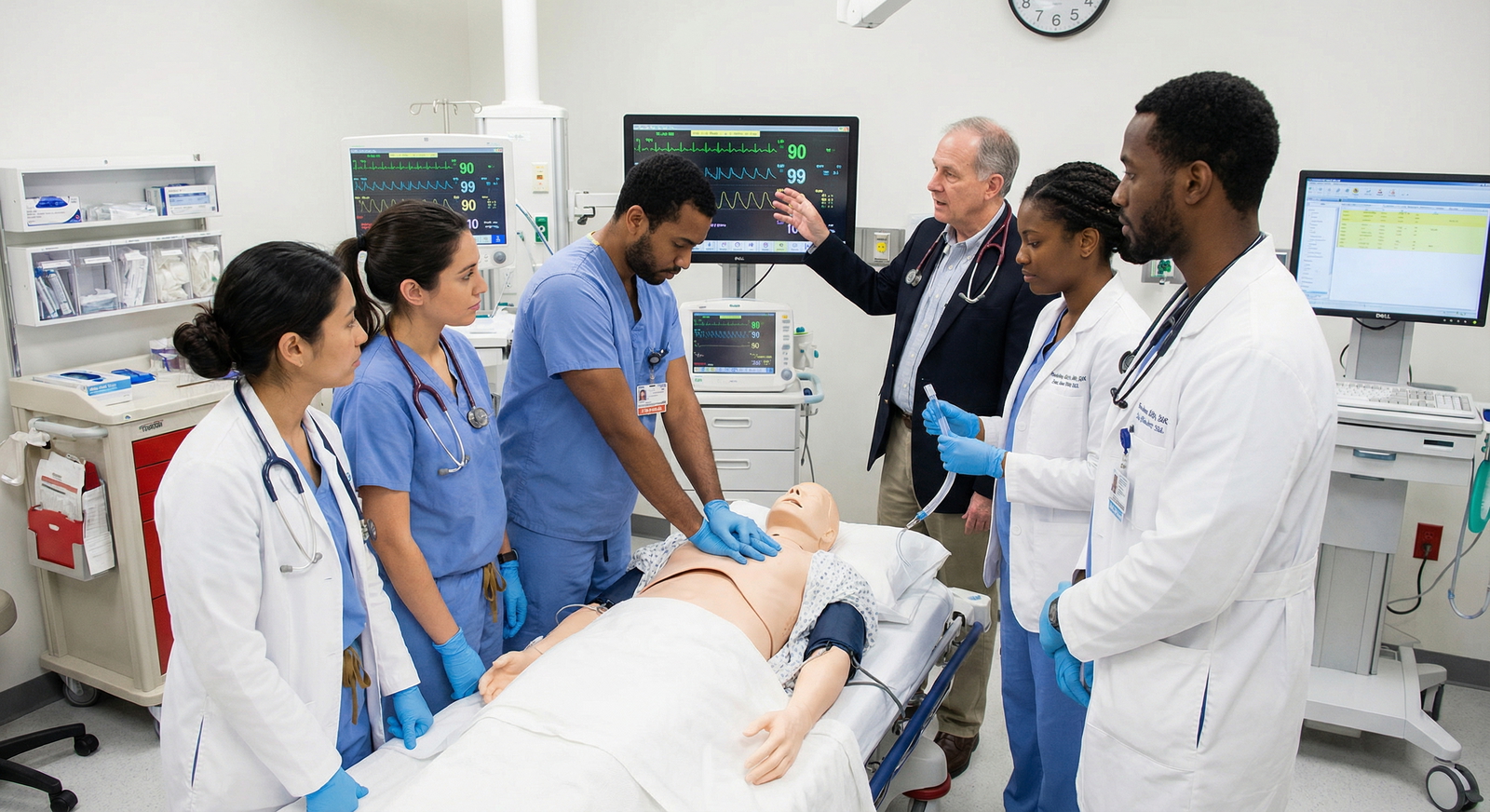
- High-fidelity simulation labs for managing codes, airway emergencies, obstetric crises, trauma, and rare events.
- Point-of-care ultrasound (POCUS) training integrated into everyday clinical care.
- Telemedicine experiences, reflecting the growing reality of virtual care.
- Online modules, flipped classrooms, and just-in-time learning tools.
Ask:
- “How often do residents use simulation?”
- “Is POCUS training standardized and assessed?”
- “What role does telehealth play in resident education?”
These resources not only improve clinical skills but also enhance patient safety and your adaptability as a physician.
Flexible and Individualized Curriculum
Residents have different goals. Exceptional programs recognize this by offering curricular flexibility:
- Electives tailored to your interests (e.g., global health months, research blocks, medical education electives).
- Specialized tracks or certificates (e.g., quality improvement, leadership, teaching).
- Options to pursue dual degrees (MPH, MBA, MEd) in collaboration with the institution.
Programs that support flexibility send a clear message: they see you as an individual with unique aspirations, not just a uniform trainee.
5. Work-Life Balance and Resident Well-Being
Residency will be demanding no matter where you train, but there is a major difference between healthy challenge and chronic burnout. Programs that truly stand out take Work-Life Balance seriously and treat resident wellness as a patient safety issue, not a luxury.
Realistic Workload and Supportive Scheduling
Look for programs that:
- Respect ACGME duty hour regulations consistently.
- Balance call schedules and night rotations to minimize exhaustion.
- Have clear systems for backup coverage when residents are ill.
- Offer ancillary support (phlebotomy, transport, scribes in some settings) so residents can focus on physician-level tasks.
Ask residents:
- “Do you feel your workload is sustainable?”
- “How does the program respond when residents are struggling or overwhelmed?”
- “Are there rotations that are notoriously unsafe or unsustainable, and what has been done to improve them?”
Programs that proactively adjust rotations based on resident feedback show responsiveness and commitment to well-being.
Wellness Resources and Supportive Culture
Beyond schedules, leading programs embed wellness and mental health into their culture:
- Confidential access to mental health services and counseling.
- Resident retreats, reflection sessions, and peer support groups.
- Wellness curricula addressing sleep, nutrition, financial stress, resilience, and boundary-setting.
- Leadership that models healthy behavior (taking vacations, discouraging “toxic heroics,” openness about seeking help).
Mentorship also plays a role here. Some programs offer wellness mentors or check-ins that focus not just on performance but on how you’re doing as a person.
A program that treats you as a whole human being—not just a pair of hands on the wards—will better equip you to sustain a long, meaningful career in medicine.
6. Alumni Network, Outcomes, and Reputation That Actually Matters
A strong alumni network and clear, positive outcomes for graduates are powerful indicators of a program’s quality and its ability to support your Career Development.
Alumni Engagement and Networking
Programs that truly invest in residents tend to maintain strong relationships with their alumni:
- Regular alumni events, newsletters, or mentorship programs.
- Alumni who return as speakers, mentors, or faculty.
- Graduates working in a wide range of settings—academic centers, community hospitals, leadership roles, policy positions, global health.
You can often get a sense of this by:
- Asking where recent graduates are now (fellowships, jobs, academic appointments).
- Checking program websites for “Where Our Graduates Go” sections.
- Asking residents if they feel they can reach out to alumni for guidance.
A connected alumni network can open doors years after residency—for job searches, collaborative research, or career transitions.
Graduate Outcomes and Program Reputation
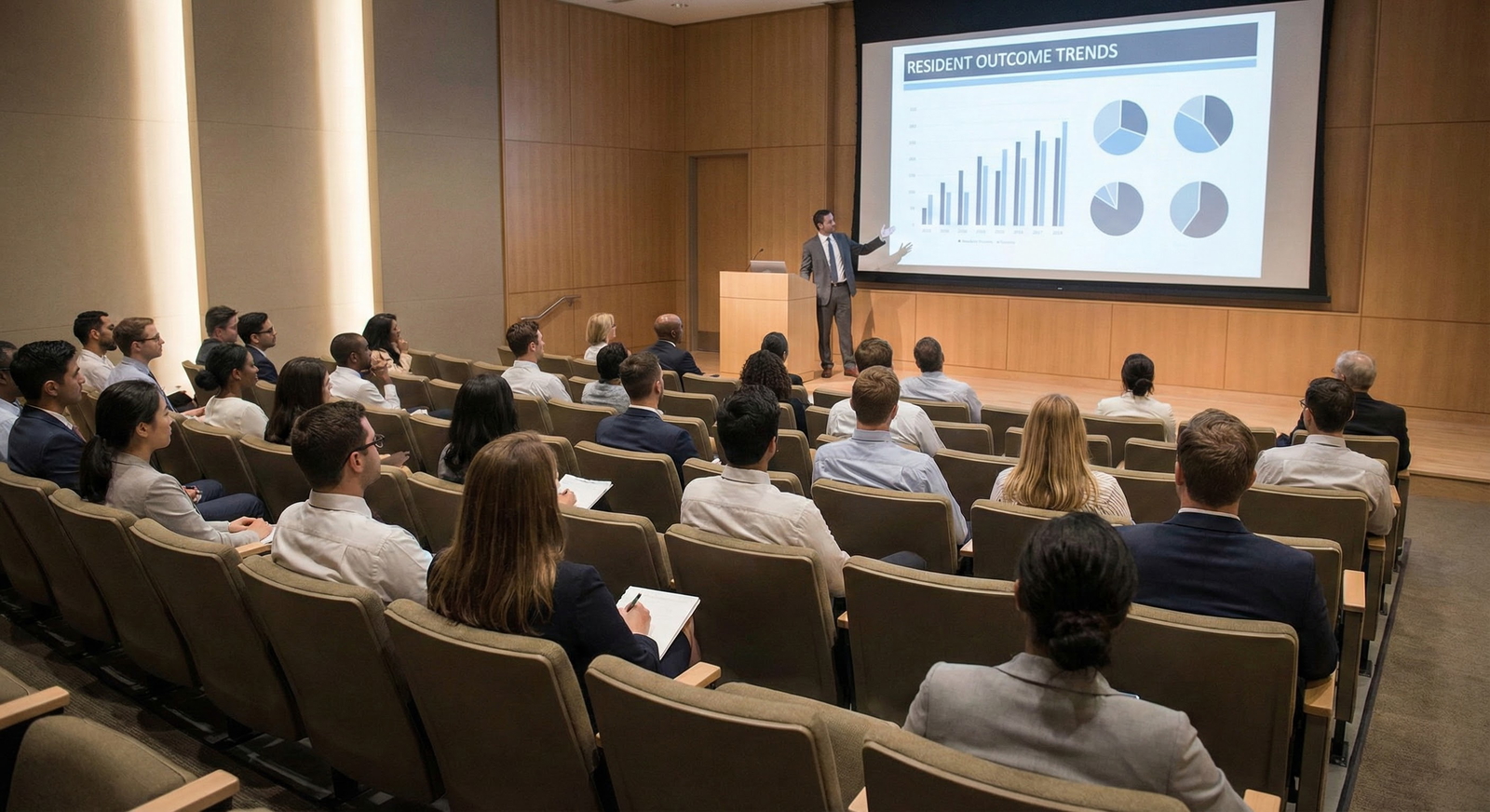
While rank lists and reputation lists are imperfect, outcomes data can be informative:
- Fellowship match rates and types of fellowships.
- Board pass rates and exam preparation support.
- Job placement success and variety.
Ask specifically:
- “How does the program help residents prepare for boards?”
- “What percentage of residents pursue fellowship vs. go directly into practice?”
- “Can you share examples of leadership roles held by alumni?”
Remember: the best program for you is one whose outcomes match your goals. A program that sends most graduates into academic research may be less ideal if your dream is rural primary care—and vice versa.
7. Research Opportunities and Scholarly Support
Even if you don’t plan an academic career, engagement in research or quality improvement can deepen your understanding of evidence-based medicine and open important doors.
Access to Research Projects and Mentors
Outstanding programs provide:
- Easy access to mentors actively engaged in research (clinical, basic science, translational, education, public health).
- Protected time or elective blocks for research.
- Institutional support such as biostatistics help, IRB guidance, and grant-writing assistance.
Ask about:
- The percentage of residents who publish or present during training.
- Internal research days, poster sessions, or funding for conference attendance.
- Opportunities for resident-led quality improvement (QI) initiatives.
Support for Publishing and Presenting
Some programs go the extra mile by:
- Offering workshops on writing abstracts, manuscripts, and grants.
- Providing funding to attend and present at national meetings.
- Highlighting resident scholarly achievements on their websites and in newsletters.
These structures signal a culture that values curiosity, critical thinking, and academic growth.
8. Exposure to Diverse Patient Populations and Community Engagement
Exposure to diverse patient populations is crucial for becoming a well-rounded, culturally responsive physician.
Clinical Sites and Patient Diversity
Programs stand out when they:
- Train residents in various clinical sites—large urban hospitals, community hospitals, VA systems, and safety-net clinics.
- Serve patients with varied socioeconomic backgrounds, languages, and health literacy levels.
- Provide meaningful exposure to both common and complex conditions.
Questions to ask:
- “What are your main clinical sites, and how do they differ?”
- “How diverse is the patient population?”
- “Are there required rotations in underserved or rural areas?”
Community Engagement and Advocacy
Exceptional programs recognize that healthcare extends beyond hospital walls:
- Opportunities to work in free clinics, mobile clinics, or school-based health centers.
- Structured experiences in public health departments or community organizations.
- Advocacy or health policy electives, with mentorship in legislative engagement or community organizing.
These experiences deepen your understanding of social determinants of health and prepare you to be an advocate for your patients and your community.
Putting It All Together: How to Evaluate Programs Effectively
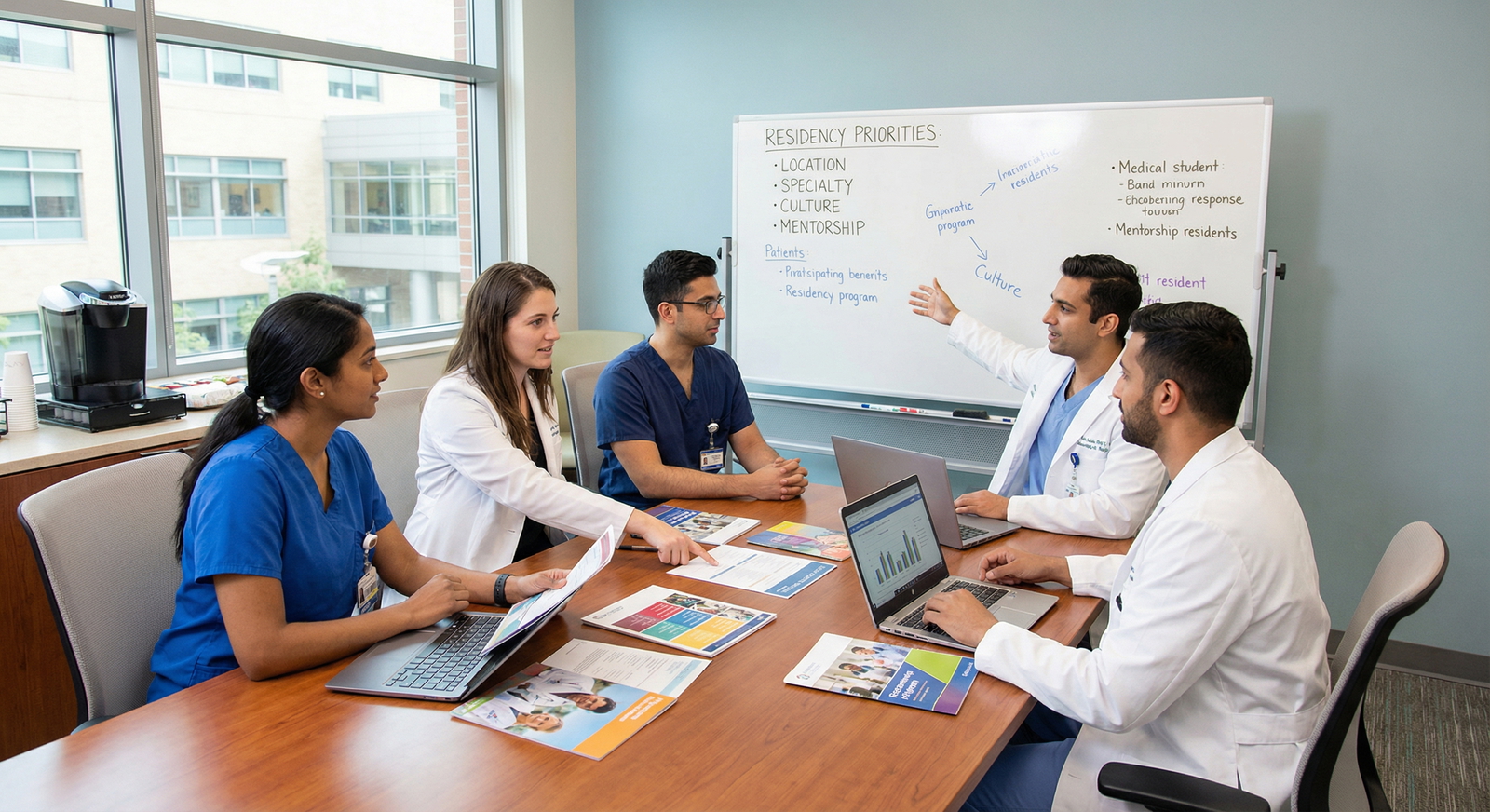
As you navigate the residency application and interview process, use a systematic approach:
Clarify your priorities
- Academic vs. community focus
- Fellowship aspirations vs. general practice
- Geographic needs (family, partner, cost of living)
- Desired level of structure vs. flexibility
Gather information intentionally
- Program websites and virtual open houses
- Conversations with current residents and recent alumni
- Social media (with caution—look for patterns, not isolated comments)
Ask targeted questions
- About culture, mentorship, work-life balance, and how the program responds to concerns.
- About specific data: board pass rates, fellowship matches, and alumni outcomes.
Reflect after each interview
- Did residents seem genuinely happy and supported?
- Can you imagine yourself working alongside these people at 3 a.m. during a tough call night?
- Does the program’s structure align with how you learn and your long-term goals?
Your residency program should be a place where you feel challenged, supported, respected, and excited to grow.
Frequently Asked Questions (FAQ)
Q1: How do I know if a residency program is the right fit for me?
Focus on alignment between what you want and what the program offers. Consider:
- Your career goals (fellowship vs. community practice, academic vs. clinical focus).
- The program’s culture (supportive vs. competitive, collaborative vs. hierarchical).
- Geographic preferences and family/personal considerations.
- Your need for mentorship, research, or flexible pathways.
Use interviews, second looks (when available), and conversations with current residents to test whether you feel you could belong and grow there.
Q2: How much weight should I give to program reputation and rankings?
Program reputation can influence fellowship and job opportunities, but it is rarely the only—or even the most important—factor. A less “prestigious” program with:
- Strong mentorship,
- Excellent clinical training,
- Supportive culture, and
- Good outcomes for graduates
may serve you better than a famous name where you feel unsupported or misaligned. Use rankings as one small data point, not the deciding factor.
Q3: How important are research opportunities if I’m unsure about an academic career?
Research is valuable for several reasons, even if you don’t become a full-time academic:
- It strengthens your understanding of evidence-based medicine.
- It differentiates you for fellowship and competitive job markets.
- It develops skills in critical thinking, writing, and presentation.
Look for programs that offer research and scholarly work but don’t require it at a level that doesn’t fit your goals. Flexibility is key.
Q4: What are practical ways to evaluate work-life balance in a residency program?
You can’t rely solely on official statements. Instead:
- Ask residents directly about their typical workweek and whether it feels sustainable.
- Inquire how often duty hour violations occur and what happens when they do.
- Ask how the program supports residents when they face personal crises or burnout.
- Pay attention to whether residents have time for life outside the hospital (family, hobbies, rest).
Patterns in residents’ responses often reveal the true state of Work-Life Balance more than any brochure.
Q5: How can I assess a program’s mentorship and career development during the application process?
Target your questions:
- “Is there a formal mentorship program, and how are mentors assigned?”
- “What percentage of residents successfully match into their desired fellowships?”
- “What structured career development resources are offered (workshops, advising, alumni connections)?”
Ask residents for specific examples: “Can you share a time when the program helped you with a big career decision?” Concrete stories are more informative than generic assurances.
Choosing a residency program is not about finding the “perfect” place—it’s about finding the right fit for your aspirations, values, and life. By focusing on culture, mentorship, clinical training, innovation, work-life balance, and long-term outcomes, you can make a thoughtful, informed decision that sets you up for a rewarding career in medicine.