
Introduction: The Realities Behind the Orthopedic Surgery Dream
Orthopedic Surgery is one of the most competitive and visible fields in Medical Residency. The specialty appeals to students who enjoy anatomy, biomechanics, hands-on procedures, and the immediate impact of restoring function to injured patients. Images of surgeons performing complex joint replacements, repairing sports injuries for elite athletes, and using advanced surgical technology are powerful—and they are not entirely inaccurate.
However, the day-to-day reality of orthopedic surgical training looks very different from what is portrayed in media or imagined by many medical students. Behind every successful attending surgeon lies years of intense surgical training marked by early mornings, long hours, physical fatigue, emotional strain, and steep learning curves.
This article walks through a typical “day in the life” of an orthopedic surgery resident, contrasting expectations with reality at each stage of the day. Whether you are a medical student considering Orthopedic Surgery, a new intern, or a resident in another field curious about orthopedic life, this guide aims to provide an honest, nuanced view—with practical advice to help you decide if this path is right for you.
Pre-Dawn Starts: Mornings That Feel Like a Marathon
Expectation: Early Start, Structured Routine, and Time for Self-Care
Many future residents imagine an idealized version of their morning:
- Waking up with the sunrise
- Getting in a quick workout
- Eating a balanced breakfast
- Reviewing the OR schedule over coffee
- Commute with a podcast and time to mentally prepare
The expectation is that while the schedule is early, it is also predictable and allows room for a personal routine that sets the tone for a productive day in patient care and surgical training.
Reality: The Alarm Is Just the First Challenge
During Orthopedic Surgery residency, mornings often start well before sunrise—sometimes between 4:00 and 5:00 AM, depending on the hospital, service, and call responsibilities. The first battle is simply getting out of bed after a late call night or a long stretch of cases.
Common realities:
- Compressed morning routine: Many residents sacrifice breakfast, exercise, or quiet time to gain a few extra minutes of sleep. Coffee, an energy drink, or a granola bar becomes “breakfast.”
- Commute as prep time: Instead of a calm commute, residents use this time to review imaging, check overnight labs, or mentally rehearse the steps of the day’s cases.
- Unpredictable fatigue: Sleep may be fragmented from overnight pages or a late emergency case, leaving you starting the “new day” already tired.
Pre-Rounds: Laying the Foundation for the Day
Once at the hospital, the clock moves quickly:
- Chart review: Checking overnight vitals, labs, drain outputs, post-op imaging, and nursing notes for each patient on your list.
- Post-op checks: Seeing patients who had surgery the day before—evaluating pain control, neurovascular status, wound appearance, and mobility.
- New admissions: Reviewing consults and overnight admissions from the Emergency Department or trauma service.
This phase may feel more like a sprint than a marathon, especially at junior levels. A missed lab, unreviewed imaging study, or overlooked change in status can derail rounds or delay decision-making. Organization and efficiency are essential.
Key Insight: The early morning is where preparation meets pressure. How well you manage pre-rounds affects the entire team’s workflow and sets the tone for your day in the OR, clinic, and on the wards.
Actionable Tips for Pre-Round Survival:
- Create a templated sign-out or patient list and update it throughout the day rather than the night before.
- Prioritize critical labs and imaging—review these first.
- Carry a small, easy-to-eat snack in your pocket for mornings when breakfast is impossible.
- Learn your attendings’ preferences (what they always ask on rounds) and anticipate those needs.

The Core of the Day: Rounds, Surgical Duties, and Team-Based Care
Expectation: High-Level Clinical Reasoning and Inspiring Surgical Cases
Many trainees picture themselves:
- Having meaningful, unhurried bedside discussions with patients and families
- Presenting concise care plans during rounds
- Spending most of the day in the operating room performing complex procedures
- Actively operating—drilling, cutting, suturing—with constant one-on-one teaching
The expectation is that every interaction is educational and significant, with plenty of time to learn, reflect, and refine skills.
Reality: Rounds Are Fast, Demanding, and Logistically Complex
In reality, morning rounds are frequently:
- Fast-paced: Covering a large census (trauma, joints, spine, pediatrics, sports, oncology, hand, etc.) leaves little time per patient.
- Detail-heavy: You must know imaging, labs, operative plans, weight-bearing status, anticoagulation, wound care, and therapy plans for each patient.
- Team-dependent: Residents must communicate effectively with attendings, physician assistants, nurses, physical therapists, case managers, and other services.
- Documentation-driven: Orders, notes, discharge planning, and pre-op optimization all happen around rounds and must be done quickly and accurately.
A single missed order—for example, delayed DVT prophylaxis, unclear weight-bearing status, or incomplete pre-op labs—can cause cascading delays or patient harm. Much of the skill you build here is logistical: coordinating complex care in a busy healthcare system.
Reality in the OR: Long Hours, Physical Demands, and Steep Learning Curves
For many residents, the operating room is the highlight of Orthopedic Surgery training—but it comes with its own challenges:
- Case mix changes by year and rotation: As a junior, you may spend more time prepping and closing wounds, holding retractors, placing screws under close supervision, or assisting with positioning and reductions.
- Physical strain: Hours of standing in lead, holding limbs in traction, or working in awkward positions can cause back, neck, and shoulder fatigue.
- Mental focus: You must synthesize anatomy, imaging, implant systems, and attending preferences—often under time pressure.
- Teaching is variable: Some attendings are natural educators; others expect you to learn more independently or “keep up” with the pace.
Instead of glamorous heroics, you may find yourself:
- Running to get blood products or instruments
- Suturing skin while the attending explains the next case
- Staying late to finish notes or consent patients for tomorrow’s surgeries
Yet, this is where subtle but vital skills are built—understanding the flow of an OR day, recognizing complications, anticipating the next surgical step, and contributing to team efficiency.
Key Insight: Surgical success and learning are rooted in repetition, endurance, and humility. Many of your most important skills—safe technique, intraoperative judgment, and pattern recognition—grow slowly through countless “non-glamorous” tasks.
Actionable Tips for Maximizing OR Learning:
- Read about the next day’s cases the night before—indications, steps, and possible complications.
- Familiarize yourself with common implant systems and basic instrument names.
- Ask for feedback on one specific skill (e.g., knots, suturing, handling tissue) rather than vague “How am I doing?”
- Practice basic psychomotor skills outside the OR (e.g., knot-tying boards, sawbones, simulation labs).
Clinic and Patient Care: The High-Volume, High-Expectation Environment
Expectation: Deep, One-on-One Patient Interactions and Shared Decision-Making
Before starting residency, many imagine clinic as:
- Time to sit with patients and take complete histories
- Thoughtful, unhurried discussions about imaging and treatment options
- Collaborative decision-making about surgery versus non-operative care
- Clear, calm explanation of complex orthopedic problems
Orthopedic Surgery is, after all, fundamentally about restoring function and improving quality of life; the clinic seems like the perfect place to build meaningful patient relationships.
Reality: Clinic Is Fast, Structured, and Heavily Systems-Driven
In practice, orthopedic clinic is usually:
- High volume: Dozens of patients may be scheduled in a single half-day—post-ops, new injuries, chronic conditions, and pre-op evaluations.
- Time-limited: Residents may get just a few minutes per patient to history, examine, review imaging, form a plan, and present to the attending.
- Documentation-heavy: Electronic Medical Record (EMR) templates, imaging orders, referrals, work notes, disability forms, and surgical consents must all be completed.
- Expectation-loaded: Patients come in with strong expectations—from return to sports timelines to MRI requests or demands for surgery.
This environment can challenge your ideal vision of patient care. You may need to:
- Deliver difficult news—such as career-ending injuries or chronic conditions without quick surgical fixes.
- Explain why surgery is not indicated even when the patient arrives expecting it.
- Navigate healthcare challenges like insurance limitations, authorization delays, and rehab access.
- Communicate clearly under time pressure, ensuring understanding despite limited face-to-face minutes.
Managing Tough Clinical Decisions and Patient Expectations
Few moments are more emotionally demanding than:
- Telling a young athlete their season (or career) is likely over.
- Explaining that a patient’s pain may not improve fully, even with surgery.
- Discussing limb salvage versus amputation options.
- Addressing complications after surgery, including infections, nonunions, or hardware failures.
These encounters test your communication skills, empathy, and professionalism. They are also where you grow most as a physician.
Key Insight: Clinic is where the art of medicine meets the realities of healthcare delivery. Balancing evidence-based recommendations, system constraints, and patient expectations is a core competency of orthopedic practice.
Actionable Tips for Thriving in Clinic:
- Develop a structured approach to common complaints (e.g., back pain, knee pain, fractures).
- Learn key phrases for setting expectations: recovery timelines, realistic pain outcomes, and rehab commitments.
- Use visual aids—anatomy models, drawings, or pictures—to explain injuries and procedures.
- Practice clear, jargon-free language while maintaining medical accuracy.
- Debrief challenging encounters with mentors to improve your approach.
Evenings, Call, and the Blurred Line Between Work and Life
Expectation: Home by Dinner, Time to Study, and Some Personal Life
Many applicants envision:
- Leaving the hospital by 6–7 PM
- Having dinner with friends or family
- Reviewing cases or reading textbooks for an hour or two
- Getting a full night’s sleep most days, with occasional calls or late nights
While they anticipate hard work, they also expect a somewhat predictable structure and enough time to maintain relationships, hobbies, and health.
Reality: Call, Consults, and Unpredictable Long Days
In Orthopedic Surgery residency, evenings are often just another chapter in a long workday:
- In-house or home call: Depending on the program and year level, residents may take trauma call, spine call, or general ortho call—covering ED consults, inpatient issues, and urgent postoperative problems.
- Late cases: Add-on surgeries for fractures, infections, or dislocations can start late afternoon and run into the night.
- Consults from the ED or ICU: Polytrauma patients, open fractures, compartment syndromes, or spinal injuries may arrive at any hour.
- Floor issues: Pain crises, postoperative fevers, wound concerns, or acute neurovascular changes can keep you moving well past “closing time.”
On heavy services, it’s not unusual to:
- Leave the hospital much later than expected after finishing consults and notes.
- Get only fragmented sleep overnight between pages and emergent cases.
- Return the following morning with minimal recovery time.
Orthopedic training is a true test of endurance and time management. Work-hour regulations provide some guardrails, but within those limits, the schedule can be grueling.
Key Insight: The line between work and personal time often blurs during residency. Protecting small pockets of rest, nutrition, and connection becomes critical for survival and long-term well-being.
Actionable Tips for Managing Evenings and Call:
- Have a “call bag” with snacks, a water bottle, compression socks, and a phone charger.
- Learn to prioritize: Which consults are emergent, urgent, or can wait?
- Use downtime strategically—catch up on notes, skim an article, or close your eyes for 10 minutes.
- Set realistic expectations with family and friends about availability, especially during busy rotations.
Emotional and Physical Exhaustion: Building Resilience in a Demanding Field
Expectation: Shared Wins, Strong Mentorship, and Steady Confidence
Applicants often imagine:
- Celebrating first independently performed surgeries
- Receiving frequent, structured feedback and coaching
- Developing close friendships with co-residents and attendings
- Gradually gaining confidence with each successful case and patient encounter
They expect stress, but also a sense of upward trajectory and professional growth.
Reality: Burnout, Doubt, and the Need for Support
The reality is more complicated. Orthopedic Surgery is physically and emotionally taxing:
- Physical fatigue: Long days standing in lead, overnight calls, and inconsistent sleep patterns take a toll on the body.
- Emotional strain: Complications, adverse outcomes, and delivering bad news weigh heavily—even when you know you made the right clinical decisions.
- Imposter syndrome: Surrounded by high-achieving peers and demanding attendings, many residents question their competence or suitability for the field.
- Burnout risk: Long hours, high stakes, and healthcare challenges like administrative burdens and system inefficiencies can erode initial idealism.
Yet, this is also where orthopedic residents often find their strongest sources of resilience:
- Co-residents as family: Shared experiences on trauma call or long cases forge deep bonds.
- Mentorship: A supportive attending who takes time to teach, check in, or share their own struggles can be transformative.
- Small wins: Successfully reducing a fracture, helping a patient walk again, or catching a potential complication early all fuel motivation.
- Institutional support: Many programs now integrate wellness initiatives, mental health resources, and discussions about burnout into Surgical Training.
Key Insight: Emotional and physical exhaustion are real, but so are growth, resilience, and connection. Learning to seek support, set boundaries where possible, and cultivate a sustainable mindset is part of becoming not just a surgeon, but a healthy, long-term practitioner.
Actionable Tips for Preserving Well-Being:
- Regularly debrief difficult cases with trusted peers or mentors.
- Use counseling or mental health services if you feel persistently overwhelmed or numb.
- Maintain at least one regular non-medical activity (exercise, music, hobbies) that grounds you.
- Remember that asking for help—clinical or emotional—is a sign of professionalism, not weakness.
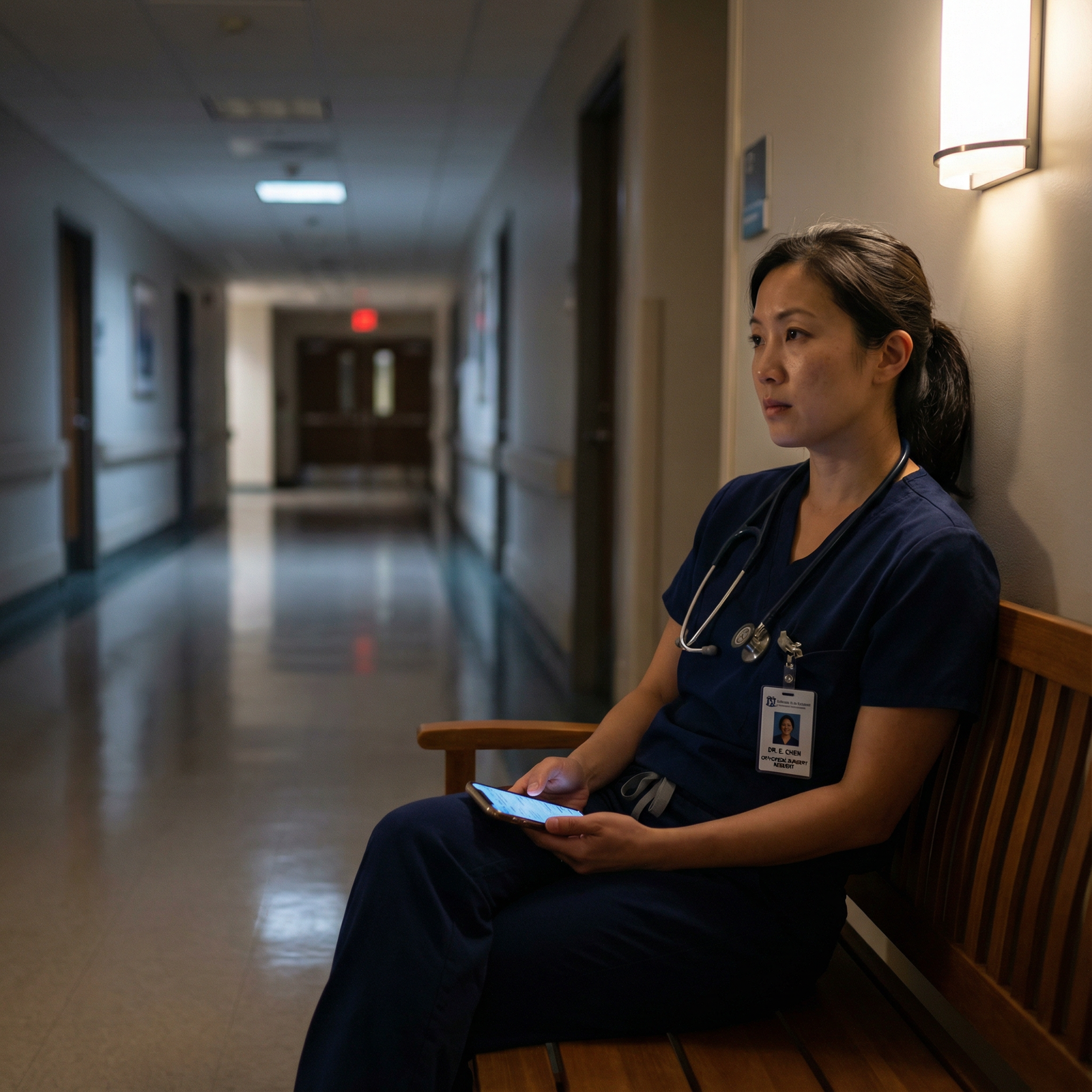
From Expectations to Reality: How Residency Transforms You
Orthopedic Surgery residency rarely matches the expectations of incoming interns. The days are longer, the physical workload heavier, and the emotional demands greater than most anticipate. Yet, the rewards are also deeper and more meaningful than many expect at the outset.
Over the course of training, you:
- Evolve clinically: From overwhelmed intern to confident chief resident capable of independently managing complex orthopedic problems.
- Develop surgical judgment: Beyond just “doing the case,” you learn when not to operate, which options best match each patient’s values and comorbidities, and how to anticipate and prevent complications.
- Grow as a teammate: You become skilled in communicating with nurses, therapists, anesthesiologists, and other specialists, recognizing that modern Patient Care relies on teamwork, not individual heroics.
- Gain resilience: By facing healthcare challenges daily—scarce resources, complex systems, and difficult outcomes—you build the adaptability and resourcefulness needed for a sustainable career.
For medical students choosing a surgical residency, understanding this gap between expectation and reality is essential. Orthopedic Surgery can be incredibly fulfilling, but it is not for everyone. It demands:
- A genuine passion for musculoskeletal medicine and surgery
- Comfort with hard physical work and long hours
- Emotional stamina and openness to feedback
- A team-first mindset and strong communication skills
If those resonate with you, the reality of orthopedic residency—though challenging—can be one of the most rewarding journeys in medicine.
FAQs About Orthopedic Surgery Residency
1. How long is an Orthopedic Surgery residency, and what comes after?
Orthopedic Surgery residencies in the United States typically last five years after medical school. The structure often includes:
- PGY-1: Transitional or internship year with rotations in general surgery, ICU, emergency medicine, and basic Orthopedic Surgery
- PGY-2 to PGY-5: Progressive responsibility in orthopedic subspecialties (trauma, joints, spine, sports, pediatrics, oncology, hand, foot and ankle, etc.)
After residency, many graduates pursue fellowships (1–2 years) in subspecialties such as sports medicine, spine, adult reconstruction, trauma, pediatrics, hand surgery, or orthopedic oncology.
2. What qualities and skills are most important for success in Orthopedic Surgery residency?
Beyond strong academic performance, successful orthopedic residents typically exhibit:
- Manual dexterity and spatial reasoning for precision in surgical procedures
- Stamina and physical resilience for long hours in the OR and on call
- Teamwork and communication skills to coordinate care across multiple disciplines
- Emotional maturity and resilience to handle stress, complications, and high-stakes decisions
- Adaptability and curiosity to keep learning new techniques and evidence-based practices
Technical skill can be developed over time, but attitude, work ethic, and professionalism are crucial from day one.
3. What kinds of surgeries and procedures do orthopedic residents typically perform or assist with?
Throughout residency, you will assist with and gradually perform an array of procedures, including:
- Trauma: Fixation of fractures (e.g., hips, ankles, wrists, femurs), external fixation, fracture reductions
- Adult reconstruction: Total hip and knee replacements, revision joint surgery
- Sports medicine: ACL reconstructions, meniscus repairs, shoulder arthroscopies, rotator cuff repairs
- Pediatric orthopedics: Management of developmental hip dysplasia, clubfoot, pediatric fractures
- Spine surgery: Decompressions, fusions, fracture stabilization
- Hand and upper extremity: Carpal tunnel release, tendon repairs, nerve decompressions, fracture fixation
Your level of hands-on involvement increases each year as your knowledge, skills, and responsibility grow.
4. How can I prepare for an Orthopedic Surgery residency as a medical student?
Preparation starts early. Consider:
- Clinical exposure: Rotate on orthopedic services at your home institution and, if possible, do away rotations to experience different programs.
- Mentorship: Seek mentors in Orthopedic Surgery who can guide your career planning, research, and residency applications.
- Research: Participate in musculoskeletal or orthopedic-related projects to strengthen your CV and deepen your knowledge.
- Technical preparation: Practice basic surgical skills (e.g., suturing, knot tying, drilling on sawbones) and attend simulation labs when available.
- Physical and mental preparation: Build good sleep, nutrition, and exercise habits; these will support you through long, demanding training years.
5. What are the most common challenges orthopedic surgery residents face, and how can they cope?
Common challenges include:
- Long hours and fatigue: Mitigate by using downtime strategically, maintaining basic self-care, and using support systems.
- Burnout and emotional stress: Recognize early signs (cynicism, exhaustion, detachment) and seek help from mentors, peers, or mental health professionals.
- Steep learning curves: Accept that feeling “behind” is normal; focus on consistent incremental improvement.
- Healthcare system frustrations: Learn to navigate insurance issues, resource limitations, and system inefficiencies while staying patient-centered.
Coping effectively involves building a strong peer network, maintaining perspective, using institutional wellness resources, and remembering why you chose this path—improving patients’ function, mobility, and quality of life through expert surgical care.
By understanding the realities—both the hardships and the profound rewards—of life as an Orthopedic Surgery resident, you can make a more informed decision about your own path in Surgical Training. If the blend of intense work, complex problem-solving, and transformative Patient Care energizes you, orthopedic residency may be the right challenge to embrace.