Navigating the Challenges of a Rural Surgery Residency: What You Need to Know
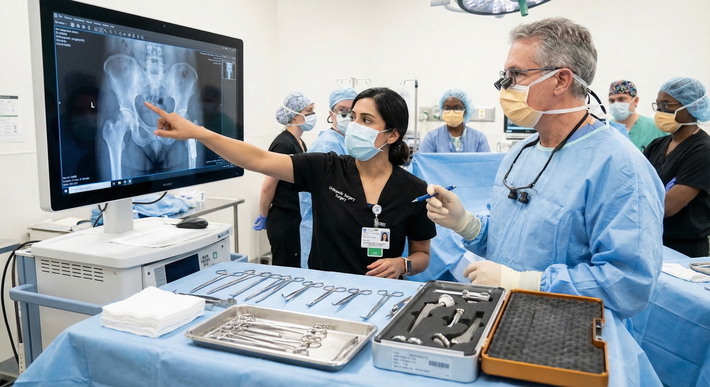
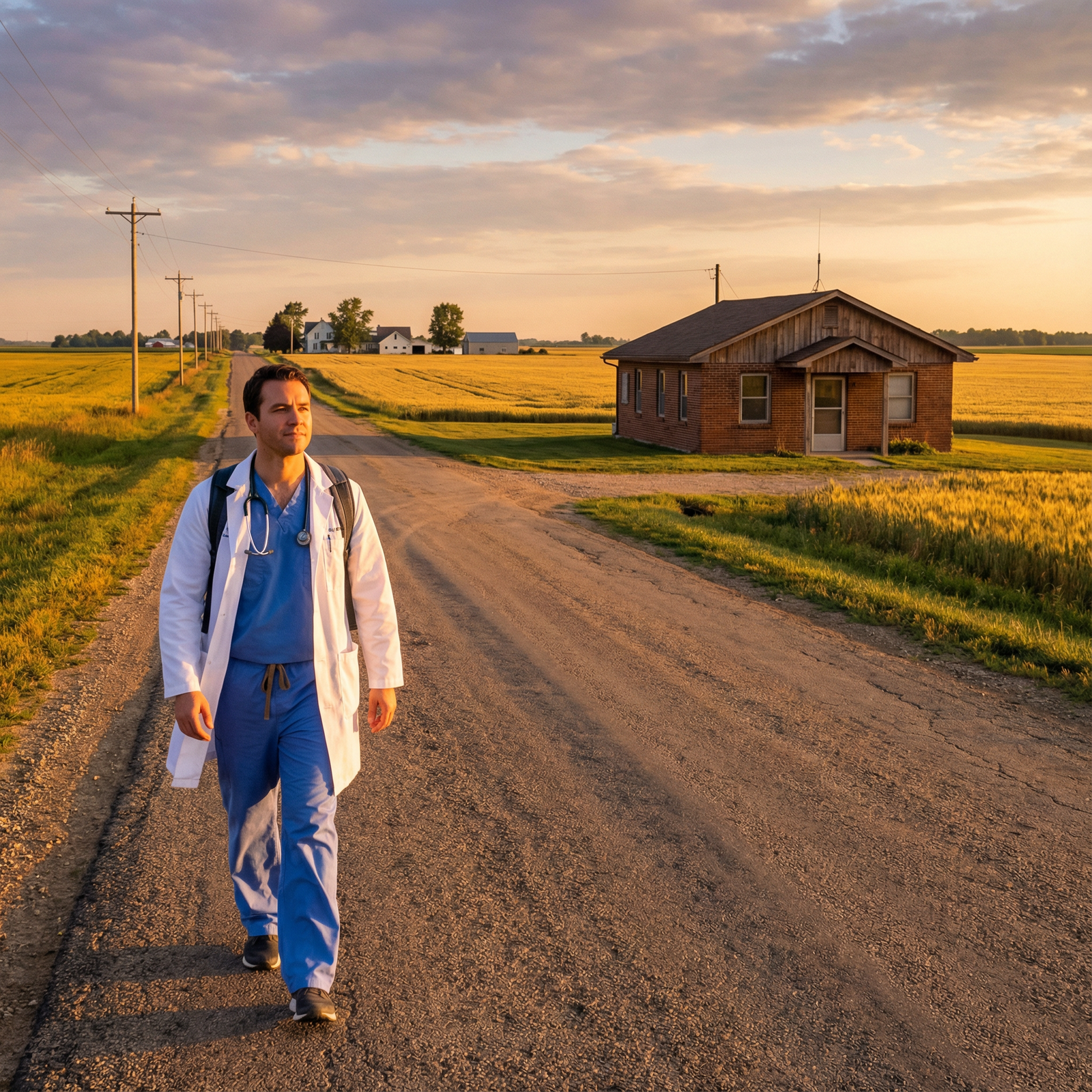
Choosing a rural surgery residency places you at the intersection of high-stakes clinical care and deep community engagement. For many residents, it is one of the most challenging yet rewarding paths in Medical Residency training. You will be asked to function as a broad-based, highly adaptable surgeon-in-training, often with greater autonomy and visibility than in large urban programs.
At the same time, Rural Surgery training comes with real trade-offs: limited resources, fewer subspecialists, and the personal and professional pressures of working in a small, tightly knit community. Understanding these realities ahead of time can help you decide whether this path aligns with your goals—and, if you choose it, how to thrive in it.
This guide explores the core features of a rural surgery residency, the most common Healthcare Challenges you’ll encounter, and specific strategies to build robust Surgical Training while making a lasting Community Impact.
Understanding Rural Surgery Residencies and Their Unique Role
What Is a Rural Surgery Residency?
A rural surgery residency is a surgical training pathway designed to prepare you to deliver comprehensive surgical care in rural, remote, or otherwise underserved communities. These programs often exist within general surgery residencies but emphasize:
- Broad-based operative skills across multiple domains
- Managing emergencies with limited backup
- Understanding population health in low-density, geographically dispersed communities
- Navigating system-level issues such as transport, access, and continuity of care
While curricula differ, most rural-focused programs share several defining characteristics:
- Breadth over extreme subspecialization: You may manage everything from hernias and cholecystectomies to C-sections, trauma, basic orthopedics, and endoscopy, depending on local needs and program structure.
- Close partnership with primary care and emergency medicine: Rural surgeons often function as part of a small core team handling a major share of acute care.
- Readiness for independent practice in a resource-limited setting: The end goal is a surgeon who can safely manage common and urgent surgical conditions with minimal on-site subspecialty support.
Many programs also incorporate dedicated rural rotations or “track” options, sending residents to critical access hospitals, frontier health systems, or small community sites for immersive training.
Why Rural Surgery Matters: Community Impact and Health Equity
Rural Surgery is not just a practice setting; it’s a key part of addressing healthcare disparities. Rural communities frequently face:
- Higher rates of trauma (especially from agriculture, logging, and motor vehicle accidents)
- Greater prevalence of chronic disease (e.g., diabetes, cardiovascular disease)
- Longer distances to tertiary centers
- Delays in diagnosis and treatment due to access barriers
As a rural surgery resident, your work has immediate and visible Community Impact:
- Shortening time-to-operation for emergencies such as appendicitis, bowel obstruction, or trauma
- Preventing complications from delayed care, like perforated ulcers or advanced soft tissue infections
- Supporting maternal and reproductive health in regions without ready access to OB/GYN subspecialists
- Providing continuity of care—you may diagnose, operate on, and follow patients long-term, something less common in large academic centers
This combination of high clinical responsibility and measurable impact attracts residents who value autonomy, broad skills, and mission-driven work.
Key Advantages of Choosing a Rural Surgery Residency
Diverse Clinical Experience and Wide Case Mix
Rural hospitals care for “whatever comes through the door.” That means as a resident you are less likely to be siloed into narrow subspecialty experiences. Instead, you may:
- Manage a broad spectrum of acute abdomen cases
- Assist with or perform C-sections and basic gynecologic procedures (depending on local practice patterns)
- Participate in trauma resuscitation and emergent operative cases
- Perform endoscopy, minor vascular procedures, and bread-and-butter general surgery
- Handle wound care, amputations, abscess drainage, and skin/soft tissue cases
This diversity accelerates your learning curve. You will see how core surgical principles—anatomy, hemostasis, tissue handling, infection control, perioperative management—apply across many domains, building a strong foundation for independent practice.
Earlier Surgical Autonomy and Decision-Making
In many Medical Residency programs located in large academic centers, early operative opportunities can be limited by:
- Large numbers of fellows and subspecialty trainees
- Complex scheduling hierarchies
- High attending involvement in specialized cases
In contrast, rural training sites often have:
- Smaller surgical teams
- Fewer layers between you and attending surgeons
- Greater need for residents to participate fully in patient management
This can translate into:
- Earlier primary operator roles on common cases
- More hands-on experience in the emergency department and ICU
- Direct involvement in clinical decision-making, including transfer decisions to tertiary centers
The flip side is that your decisions matter more, sooner—which can be both empowering and stressful. With good supervision, this autonomy is one of the greatest professional growth opportunities in Rural Surgery.
Deep Relationships and Longitudinal Patient Care
In a rural setting, you will often:
- See the same patient in clinic, the OR, and follow-up visits
- Treat multiple members of the same family
- Recognize patients in community settings—grocery stores, school events, community gatherings
This continuity:
- Enhances your understanding of the social determinants of health
- Helps you see how surgical outcomes affect daily life, work, and family roles
- Reinforces the importance of clear communication and shared decision-making
For many residents, these relationships are among the most meaningful parts of a rural surgery residency and a powerful motivator to remain in rural practice after graduation.
Close Mentorship and Small-Program Culture
Rural-focused residencies and tracks are often smaller and more intimate. That can mean:
- Closer working relationships with attending surgeons
- More individualized feedback and mentorship around career goals
- Greater visibility within the hospital system
If you thrive in environments where you are “known” rather than anonymous, a rural surgical training environment can offer strong professional and personal support.
Core Challenges of a Rural Surgery Residency—and How to Handle Them
Even with these advantages, there are real Healthcare Challenges unique to rural residency training. Being honest about them—and planning ahead—will help you succeed.
1. Practicing with Limited Resources and Infrastructure
Many rural hospitals operate as critical access facilities with:
- Limited operating rooms and instrumentation
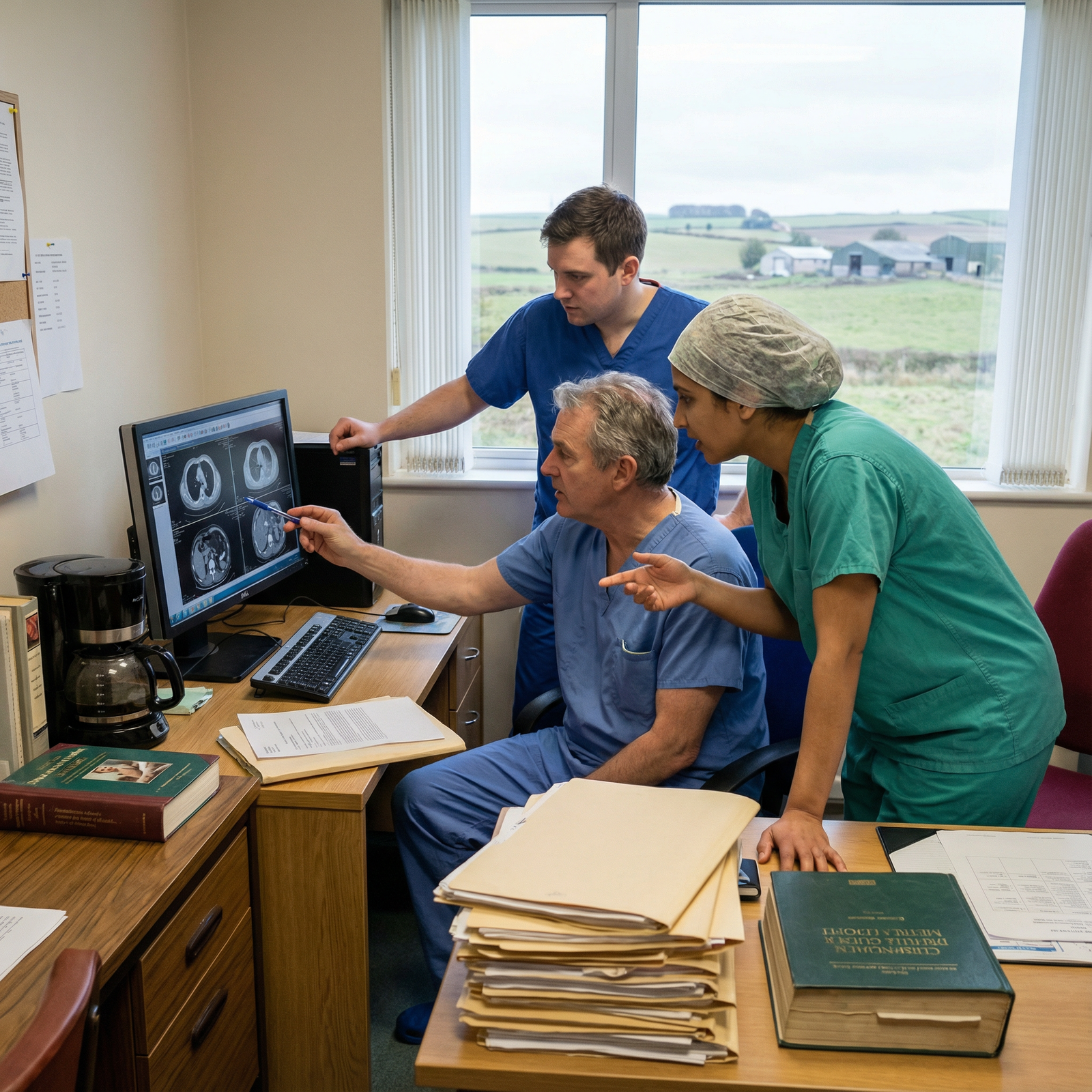
- Older imaging equipment or fewer imaging modalities available after hours
- Smaller blood banks
- Limited ICU capacity
- Fewer OR staff and ancillary personnel
This affects both your daily workflow and your clinical decision-making.
How to Adapt to Resource-Limited Surgical Training
Learn your hospital’s capabilities cold. Early on, understand:
- Which procedures can safely be done on-site
- What imaging and lab capabilities exist after hours
- Transfer protocols and receiving centers
Develop strong triage and transfer judgment. You must quickly learn to recognize:
- Which patients are safe to manage locally
- Which conditions require urgent transfer (e.g., complex vascular trauma, neurosurgical emergencies)
Optimize what you have. For example:
- Use ultrasound creatively in the ED and OR
- Master efficient, safe techniques with basic instrument sets
- Learn simple, robust operative approaches that work well in low-resource environments
Get comfortable with telemedicine. Use:
- Remote radiology over-reads
- Virtual consults with subspecialists at tertiary centers
- Secure messaging platforms for curbside input
Being methodical, transparent, and proactive about resource constraints builds trust with both attendings and patients.
2. Managing a Wide Scope of Practice
The breadth of Rural Surgery is a major strength for your training but can feel overwhelming at first. Depending on your site and program, you may touch:
- General surgery (hernia, gallbladder, colon, small bowel, breast, soft tissue)
- Endoscopy (diagnostic and therapeutic)
- Basic gynecology or obstetrics assistance
- Trauma and emergency procedures
- Basic orthopedic or urologic interventions in urgent situations
Strategies for Building and Maintaining Broad Competence
Master fundamentals instead of memorizing procedures. Prioritize:
- Anatomy
- Exposure techniques
- Safe dissection in inflamed or distorted tissue
- Hemostasis and contamination control
Create a deliberate learning plan. For each domain you’re less comfortable with:
- Identify key procedures you should be able to perform or assist with
- Ask attendings to walk you through decision algorithms (e.g., when to operate vs. transfer)
- Use simulation labs or skills labs when available
Leverage away rotations at tertiary centers. Many rural tracks incorporate:
- Dedicated time at high-volume academic centers for advanced cases
- Rotations in subspecialties like vascular, thoracic, or complex oncology
Bring those skills and perspectives back to your rural site, adapting them to what is realistic in your setting.
3. Workload, Call, and Work–Life Balance in Rural Settings
Smaller teams and fewer providers mean that:
- Call schedules may be more frequent
- You may cover multiple roles (e.g., consults, floor calls, minor ER procedures)
- Backup may not always be physically present in the hospital
The isolation of rural living—and distance from family, friends, or familiar urban centers—can further strain your resilience.
Practical Approaches to Protecting Your Well-Being
Know your duty hour policies and use them appropriately.
- Communicate early about fatigue and safety concerns
- Work with chiefs and program leadership to balance educational needs with workload
Build a layered support network:
- Inside the hospital: co-residents, nurses, anesthesia, ED colleagues
- Outside the hospital: peers from other specialties, community members, local faith or hobby groups
Establish deliberate routines. Even in a heavy call environment, prioritize:
- Short but regular exercise (walks, home workouts, quick runs)
- Sleep hygiene on off-call days
- Time for relationships, whether virtual or in-person
Use available mental health and wellness resources. Many programs:
- Offer confidential counseling
- Have wellness curricula or retreats
- Can help you connect with physician peer-support groups
Addressing your mental health early and openly is a sign of professionalism, not weakness.
4. Limited On-Site Subspecialty Support
One of the defining features of Rural Surgery is the relative scarcity of subspecialists—vascular surgeons, neurosurgeons, interventional radiologists, surgical oncologists—on-site. This has several implications:
- You may manage pre- and postoperative care for conditions usually comanaged with subspecialists in urban centers.
- You will be more involved in deciding when to transfer versus keep a patient locally.
- You must proactively maintain access to expert input via telehealth or regional networks.
How to Stay Safe and Supported Without Immediate Subspecialty Backup
Map out your referral network early. Know:
- Which centers accept which types of transfers
- Which attendings or subspecialists are willing to take calls or teleconsults
Develop teleconsult habits. For example:
- Call a tertiary vascular surgeon to discuss complex limb ischemia
- Review CT scans with academic radiologists remotely
Be honest about your limits. When in doubt:
- Involve your attending early
- Err on the side of safety and transfer if needed
Keep learning beyond your local case mix. Use:
- Online surgical education platforms and operative videos
- Virtual conferences and journal clubs
- Board review resources that ensure you’re up to date on best practices
The goal is not to do everything yourself, but to be a skilled, safe, and thoughtful gatekeeper for surgical care in your community.
5. Professional and Social Dynamics in Small Communities
In a rural town, your professional and personal identities are often very visible:
- Patients may know where you live and where you shop.
- Your behavior at community events can affect professional trust.
- Confidentiality and boundaries can be challenged in a “everyone knows everyone” environment.
Navigating Relationships and Boundaries Thoughtfully
Be intentional about professionalism outside the hospital. Remember:
- You may be recognized in public spaces by patients and families
- Word-of-mouth can spread quickly—positively or negatively
Set and maintain healthy boundaries. For example:
- Avoid detailed medical discussions in public settings if approached by patients
- Use structured follow-up appointments for non-urgent issues rather than “curbside” store consultations
Engage with the community in structured ways. Consider:
- Participating in health fairs or school career days
- Volunteering at free clinics or local events
- Joining local sports teams, clubs, or interest groups
Over time, you can become a trusted, respected member of the community while still protecting your privacy and well-being.
6. Variability in Training Environment and Case Complexity
Not all rural hospitals are alike. Some have robust case volumes and strong faculty; others may have:
- Lower operative volume for certain procedures
- Less exposure to complex cases
- Variable presence of other trainees (e.g., medical students, residents from other specialties)
Ensuring a Comprehensive Surgical Training Experience
Evaluate operative logs and outcomes data when selecting a program. Ask:
- What is the average case volume per resident?
- How are residents exposed to advanced procedures (e.g., via away rotations)?
Seek diverse experiences within your program. Explore:
- Rotations at different rural sites within the same health system
- Short-term electives at academic centers for specific skill gaps (e.g., minimally invasive, hepatobiliary, thoracic)
Take ownership of your learning.
- Identify your weaknesses and seek targeted cases or simulations
- Request to be the primary operator when appropriate
- Ask for immediate, specific feedback after operations
By being proactive, you can blend the strengths of rural learning (breadth and autonomy) with targeted exposure to advanced techniques.
Preparing for and Succeeding in a Rural Surgery Residency
How to Assess Whether Rural Surgery Is Right for You
Ask yourself:
- Do you value autonomy, broad skill sets, and direct Community Impact more than hyper-specialization?
- Are you comfortable with uncertainty and independent decision-making, under supervision but with fewer backup layers?
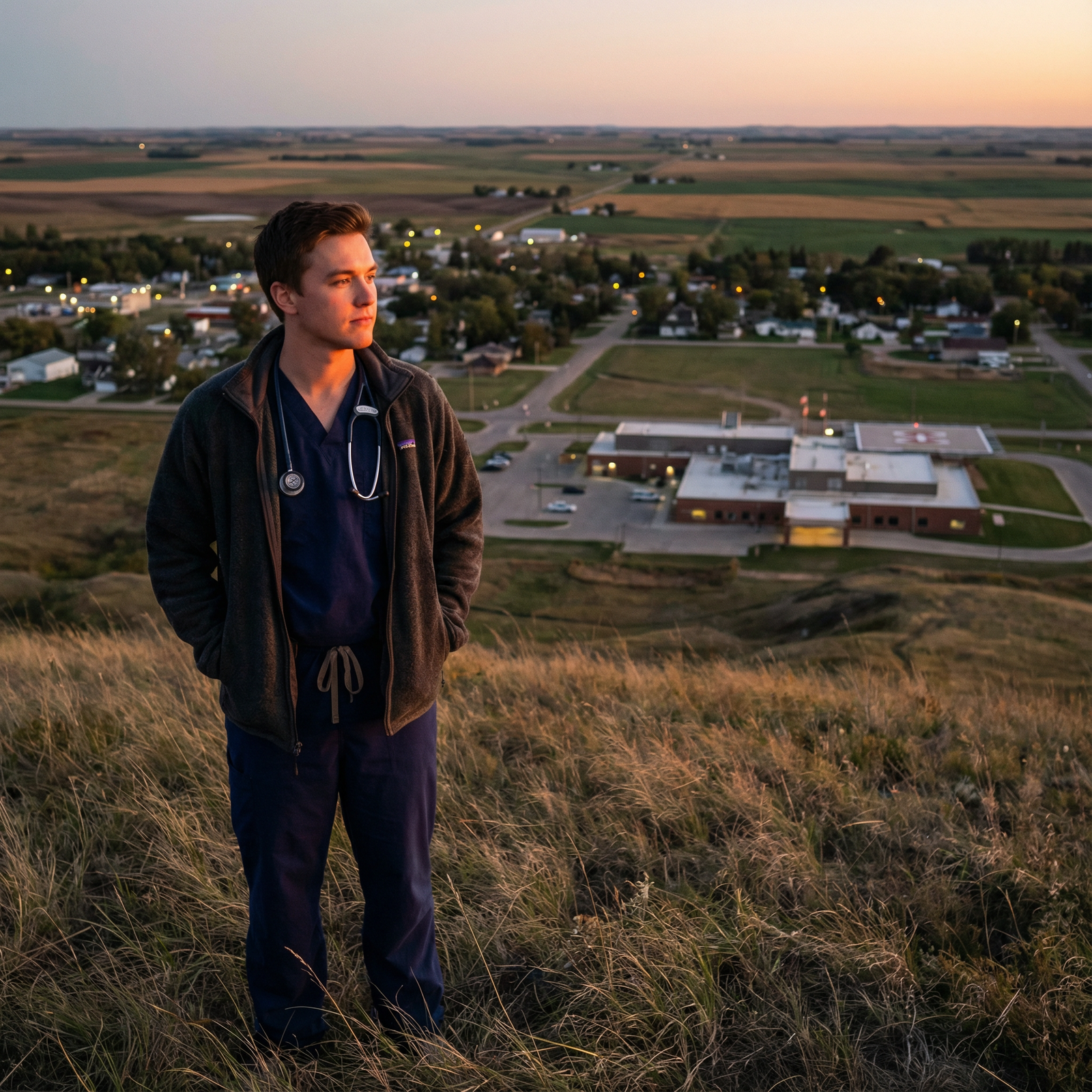
- Can you imagine living in a smaller community—possibly far from major cities—and finding ways to build a fulfilling life outside of work?
- Are you motivated by addressing health inequities and working with underserved populations?
If these resonate with you, a rural-focused Medical Residency may align strongly with your personal and professional goals.
Practical Steps to Prepare as a Medical Student or Early Resident
Seek rural rotations as a student.
- Apply for rural surgery or rural medicine electives
- Explore visiting student rotations at programs with rural tracks
Connect with rural surgeons and residents.
- Ask about their typical week, call schedule, and lifestyle
- Discuss job market realities and long-term career paths
Develop strong generalist skills.
- Focus on broad exposure during clerkships—general surgery, emergency medicine, anesthesia, OB/GYN, ICU
- Practice procedures under supervision whenever possible (e.g., suturing, line placement, chest tubes)
Strengthen your adaptability and communication.
- Practice leading family meetings and explaining complex decisions
- Learn to collaborate across disciplines with mutual respect
Long-Term Career Outlook for Rural Surgeons
Rural surgeons are in high demand. Post-residency, you may consider:
- Joining an established rural group practice or hospital-employed role
- Splitting time between a tertiary center and rural outreach clinics
- Academic positions focused on rural health, including teaching and program development
- Leadership roles in hospital administration, quality improvement, or telehealth networks
Your rural surgery residency can position you as a versatile clinician with system-level insight—valuable in both clinical and administrative spheres.
FAQ: Rural Surgery Residency and Training in Underserved Communities
Q1: How can I tell if a specific rural surgery residency provides strong Surgical Training?
Look beyond the “rural” label. Ask programs for:
- Resident case logs and board pass rates
- Details on rural vs. urban/tertiary rotations
- Number of core faculty with rural practice experience
- Availability of advanced skills training (laparoscopy, endoscopy, trauma, etc.)
Speak directly with current residents about operative autonomy, mentoring, and overall program culture.
Q2: Will doing a rural surgery residency limit my future career options, such as fellowship training?
Not necessarily. Many residents from rural tracks successfully match into fellowships (e.g., trauma/critical care, minimally invasive, colorectal, surgical oncology). Key is:
- Maintaining strong academic performance and board scores
- Engaging in scholarly activity where possible (case reports, QI projects, rural health research)
- Seeking mentorship from faculty with fellowship or academic experience
Your broad clinical exposure may even be an asset, demonstrating adaptability and resilience.
Q3: How can I mitigate the risk of burnout in a high-demand rural setting?
Protecting your well-being requires a proactive, multi-layered approach:
- Set realistic expectations about workload and lifestyle
- Use duty hour protections and communicate openly about fatigue
- Build social connections within and outside the hospital
- Use mental health services and mentorship when stress accumulates
- Develop enduring habits—exercise, sleep, hobbies—that you protect as much as possible
Programs that prioritize wellness, schedule flexibility, and team-based call systems typically help reduce burnout risk.
Q4: What specific skills or experiences are especially valuable in rural surgery that I might overlook?
Often under-appreciated but critical skills include:
- Efficient, clear communication with patients and families across cultural and educational backgrounds
- Skills in ultrasound (FAST exams, procedural guidance) and resource-conscious imaging
- Comfort with telemedicine platforms for consults and follow-up
- Knowledge of transport logistics and working with EMS for safe, timely transfers
- Leadership and teamwork in small, interdisciplinary care teams
These competencies greatly enhance your effectiveness in resource-limited environments.
Q5: How can I contribute to lasting Community Impact during my residency, not just after I graduate?
Even as a resident, you can:
- Participate in local outreach—screening events, school-based health education, injury prevention programs
- Partner with primary care providers to address common surgical issues earlier (e.g., hernia, gallbladder disease, colorectal cancer screening)
- Engage in quality improvement projects targeting local needs (e.g., reducing time-to-OR for appendicitis, improving post-op follow-up for distant patients)
- Advocate for telehealth, improved transport, or language access services within your institution
These efforts not only benefit patients but also deepen your understanding of rural health systems and leadership.
A rural surgery residency offers a distinctive blend of broad clinical exposure, accelerated autonomy, and profound Community Impact—set against a backdrop of real Healthcare Challenges. With deliberate preparation, thoughtful program selection, and proactive strategies for resilience, you can turn those challenges into some of the most formative years of your surgical career and lay the foundation for a meaningful life in Rural Surgery.