
Introduction: Mapping Your Path from Medical Student to Surgical Resident
Surgery is one of the most dynamic and demanding areas in medicine. It combines rapid decision-making, complex problem-solving, technical precision, and the privilege of making tangible, often life-saving, differences in patients’ lives. For many medical students, the operating room is where medicine feels most alive.
Transitioning from medical student to surgical resident is both exciting and daunting. It involves more than mastering anatomy and perfecting knot-tying—it requires strategic planning, strong academic performance, meaningful clinical exposure, and resilience. From excelling on the USMLE to navigating residency applications and thriving during surgical training, each step shapes your future in Surgery and broader Healthcare Careers.
This enhanced guide walks you through that journey, offering detailed, practical strategies to help you understand the surgical landscape, build a competitive application, succeed in the match, and prepare for life as a surgical resident.
Understanding the Modern Surgical Landscape
The Role of a Surgeon in Today’s Healthcare System
A surgeon is far more than a technician with a scalpel. In contemporary healthcare, surgeons serve as:
- Clinical decision-makers: They evaluate patients, interpret diagnostic tests, determine when surgery is appropriate, and weigh operative versus non-operative management.
- Procedural experts: They perform operations ranging from routine to extraordinarily complex, often with rapidly evolving technologies (laparoscopy, robotics, endovascular techniques).
- Team leaders: They coordinate multidisciplinary teams—anesthesiologists, nurses, APPs, radiologists, intensivists—to deliver comprehensive perioperative care.
- Educators and mentors: Many surgeons teach medical students and residents, shaping the next generation of physicians.
- Advocates and innovators: Surgeons often drive quality-improvement initiatives, outcomes research, and advocacy for patient safety and systems-level change.
Success in Surgery requires not only technical skill but also emotional intelligence, ethical judgment, communication skills, and the ability to function under intense pressure.
Major Surgical Specialties and Subspecialties
As you consider a surgical career, it helps to understand the breadth of options available. Core pathways include:
General Surgery
- Broad exposure: abdominal, breast, soft tissue, trauma, critical care, endocrine, and more.
- Launching pad for many subspecialties: Surgical Oncology, Colorectal, Minimally Invasive/Bariatric, Transplant, Trauma/Critical Care, Hepato-Pancreato-Biliary (HPB).
Orthopedic Surgery
- Focus on the musculoskeletal system: fractures, joint replacements, spine, sports injuries, hand, and pediatric orthopedics.
Neurosurgery
- Surgical treatment of central and peripheral nervous system disorders: brain tumors, aneurysms, spine surgery, functional neurosurgery.
Cardiothoracic Surgery
- Heart, lungs, and great vessels: CABG, valve surgery, lung resections, transplant, and increasingly minimally invasive and transcatheter approaches.
Plastic and Reconstructive Surgery
- Reconstruction after trauma, cancer resections, congenital anomalies, and aesthetic surgery.
Vascular Surgery
- Arterial and venous disease: open and endovascular procedures for aneurysms, peripheral arterial disease, and vascular access.
Pediatric Surgery
- Surgical care of infants and children, including congenital anomalies and complex pediatric conditions.
There are also surgical fields with distinct training pathways (e.g., Otolaryngology–Head and Neck Surgery, Urology, OB-GYN, Ophthalmology). Understanding early which domains spark your interest will guide your clerkship choices, research, mentors, and elective planning.
Why Exposure and Self-Reflection Matter
Choosing a surgical career is not just an academic decision—it’s a lifestyle choice. Ask yourself:
- Do I enjoy working with my hands and solving problems in real time?
- How do I respond to time pressure and high-acuity scenarios?
- Am I comfortable with a training path that is longer and often more demanding than many non-surgical specialties?
- Can I see myself thriving in the OR environment and call schedule long-term?
Honest self-assessment, combined with real clinical exposure, helps ensure that your choice of a surgical residency aligns with your strengths and values.
Building a Strong Foundation: Experiences, Research, and Early Preparation
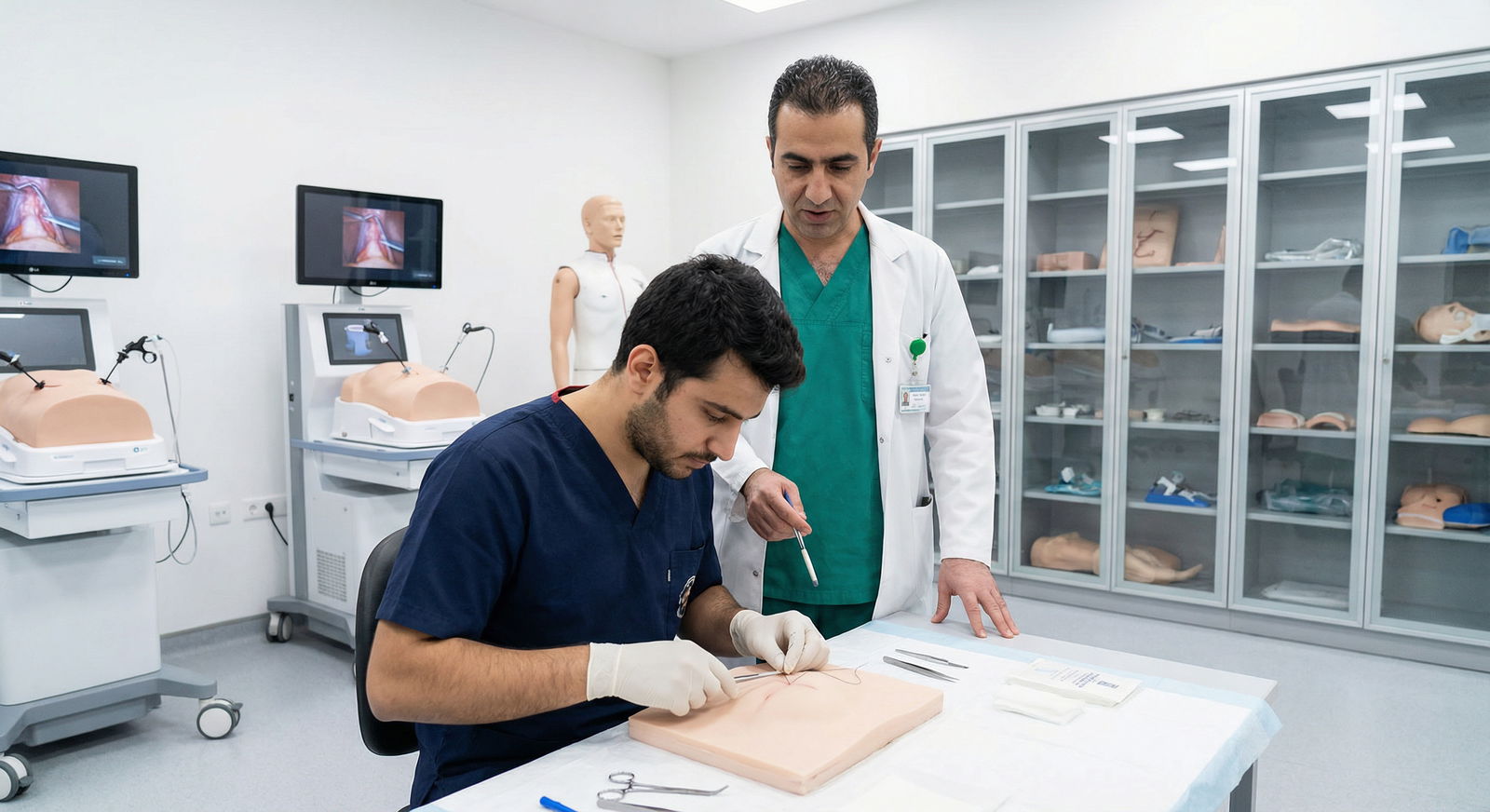
Clinical Exposure: Clerkships, Sub-Internships, and Shadowing
Hands-on clinical exposure is central to confirming your interest in surgery and building a competitive application.
Core Surgery Clerkship
- Treat this rotation as an extended interview:
- Show up early, be prepared, and anticipate patient and team needs.
- Learn the basics: pre- and post-op notes, presenting on rounds, managing common post-op issues.
- Ask to close wounds, place staples, and assist more actively in the OR as you demonstrate reliability.
- Request feedback frequently and act on it to show growth.
Sub-Internships (Sub-Is) / Acting Internships
- Usually completed in the 4th year, often in General Surgery or a surgical subspecialty of interest.
- Aim to:
- Function at the level of an intern: write orders (under supervision), admit patients, coordinate care.
- Show initiative in following lab results, imaging, and communicating with consultants.
- Build relationships with residents and attendings who may later write Letters of Recommendation.
Shadowing and Electives
- Use pre-clinical and early clinical years to:
- Shadow surgeons in the OR and clinic to see the full scope of their practice and lifestyle.
- Explore different specialties (e.g., Ortho vs. General vs. Neurosurgery) to refine your interests.
- Keep a reflective journal of cases or experiences that shaped your desire to pursue surgery—you may later draw on these for your personal statement or interviews.
Research and Academic Productivity in Surgical Fields
Research is increasingly important for competitive surgical specialties and can significantly strengthen your Medical Residency application.
Types of Valuable Research:
- Clinical outcomes studies: Retrospective chart reviews, database analyses, quality-improvement projects.
- Translational or basic science: Lab-based projects related to cancer, wound healing, biomaterials, etc.
- Medical education and systems-based projects: Curriculum development, OR safety initiatives, ERAS pathway optimization.
How to Get Started:
- Connect early with:
- Surgical faculty who publish regularly.
- Research coordinators at academic centers.
- Department or institutional student research programs.
- Start with projects that have clear, realistic timelines:
- Case reports or series.
- Chart reviews with well-defined endpoints.
- Quality improvement projects integrated into clinical services.
Maximizing Impact:
- Aim for:
- Presentations at local, regional, or national surgical meetings (e.g., ACS, academic specialty societies).
- Manuscripts submitted to peer-reviewed journals.
- Track all work meticulously for your CV:
- Distinguish between “submitted,” “accepted,” and “published.”
- Include posters, oral presentations, and invited talks.
Even a few well-executed projects in surgery-related fields demonstrate curiosity, persistence, and alignment with surgical training programs’ academic missions.
Joining Surgical Interest Groups and Finding Mentors
Most medical schools have a Surgery Interest Group (SIG) or specialty-specific organizations (e.g., Ortho, Neurosurgery interest groups). These can help you:
- Learn about Surgical Training pathways and match trends.
- Access skills workshops (suturing, laparoscopy simulation).
- Meet residents and faculty in a more relaxed setting.
Identify mentors at multiple levels:
- Senior residents: Practical tips on rotations, USMLE prep, and application strategy.
- Junior faculty: Career guidance and letters of recommendation.
- Senior faculty or program leadership: Strategic advice and potential sponsorship.
Mentorship is crucial throughout the pre-residency years and well into your career in surgery and other Healthcare Careers.
Academic Excellence and Application Strength: USMLE, CV, and Letters
Maximizing Academic Performance and USMLE Success
Residency programs still rely heavily on objective metrics, even as scoring formats evolve. While USMLE Step 1 is now pass/fail, strong performance on USMLE Step 2 CK is especially important for competitive surgical specialties.
Strategies for USMLE and Academic Success:
Strong Foundations in Pre-Clinical Years
- Take anatomy, physiology, and pathology seriously—they form the core of surgical decision-making.
- Integrate board-style questions early to reinforce learning.
Structured Study Plans
- Create a realistic schedule with:
- Dedicated reading time.
- Daily question blocks.
- Regular cumulative review.
- Use high-yield resources and question banks aligned with surgical-relevant content (anatomy, trauma, perioperative management).
- Create a realistic schedule with:
Use Clinical Rotations as Study Opportunities
- On Surgery rotations, correlate cases with reading:
- If you see appendicitis, review the entire differential for acute abdomen.
- If you scrub a cholecystectomy, review biliary anatomy and complications.
- On Surgery rotations, correlate cases with reading:
Assess and Adjust
- Take practice exams early enough to adjust strategy.
- Seek help promptly if you’re struggling—tutoring, peer study groups, or faculty advisors.
High performance in core clerkships (especially Surgery, Medicine, and OB-GYN) plus a strong Step 2 CK score will make your application more competitive across surgical specialties.
Crafting a Compelling Surgical CV
Your CV is a concise narrative of your academic and professional development. For Surgery, highlight:
Education
- Medical school, degree, anticipated graduation date.
- Undergraduate institution, major, honors (e.g., Phi Beta Kappa, summa cum laude).
Academic Performance Indicators
- Class rank, AOA or similar honors (where applicable).
- Clerkship honors, particularly in Surgery, Medicine, and critical care.
Research and Scholarly Activity
- Peer-reviewed publications, posters, oral presentations.
- Distinguish between surgical and non-surgical work, but include both.
Clinical Experience
- Sub-internships in Surgical specialties.
- Away rotations (audition rotations) at other programs.
- Any global surgery or mission experiences (with ethical reflection and supervision context).
Leadership, Teaching, and Service
- Positions in student organizations, SIGs, or national groups (e.g., ACS medical student chapters).
- Tutoring, teaching assistant roles, peer mentoring.
- Community service, especially if related to healthcare.
Skills and Certifications
- BLS, ACLS, ATLS (if applicable during later years).
- Language skills relevant to patient care.
- Simulation training certificates or surgical skills courses.
Aim for clarity and consistency; programs should be able to quickly see your trajectory and alignment with Surgical Training.
Letters of Recommendation (LoRs) that Stand Out
Strong LoRs can distinguish you among many qualified applicants.
Who to Ask:
- At least two letters from surgeons, preferably:
- One from a faculty member in your home institution’s Department of Surgery who knows you well.
- One from a sub-internship or away rotation where you worked closely with the team.
- Additional letters might include:
- A non-surgical faculty member who can comment on your clinical reasoning and professionalism.
- A research mentor, especially for academic programs.
How to Secure Strong Letters:
- Ask early—ideally at the end of a strong rotation, when your work is fresh in the faculty member’s mind.
- Provide:
- An updated CV.
- Personal statement draft (if available).
- A brief summary of specific experiences you shared with the writer (cases, projects, leadership roles).
- Politely request a “strong, detailed letter of recommendation” and give clear deadlines.
Letters that describe your work ethic, reliability, growth, technical aptitude, teamwork, and attitude in the OR carry significant weight.
Navigating the Surgical Residency Application and Interview Process
Strategically Using ERAS for Surgical Applications
The Electronic Residency Application Service (ERAS) is your primary tool for applying to surgical residency programs.
Key Components:
Personal Statement
- Articulate:
- Why you’re drawn to Surgery.
- Pivotal clinical or personal experiences (a specific patient encounter, research project, or mentor).
- Long-term goals (academic, community-based, global surgery, subspecialty interests).
- Focus on reflection rather than a list of achievements already on your CV.
- Avoid clichés and over-dramatization; authenticity resonates.
- Articulate:
Program List and Strategy
- Research programs thoroughly:
- Case volume and complexity.
- Resident operative autonomy.
- Fellowship match history.
- Program culture, wellness initiatives, and diversity.
- Geographic considerations and support systems.
- Apply broadly, especially for highly competitive specialties:
- Home program + regional programs + a mix of academic and community-based programs.
- Research programs thoroughly:
Supplemental Applications and Signaling (where applicable)
- Some specialties or cycles include preference signaling.
- Use signals for programs where you have strong interest and realistic competitiveness (home/away rotation sites, geographic preference, or strong academic fit).
Preparing for Surgical Residency Interviews
Once invitations arrive, thoughtful preparation is crucial.
Before the Interview:
- Research Each Program
- Curriculum structure (rotations, early operative exposure).
- Resident life: call schedule, wellness resources, mentorship structure.
- Faculty interests: especially if you have overlapping research or subspecialty interests.
- Prepare Your Story
- Be ready to answer:
- “Why Surgery?”
- “Why our program?”
- “Tell me about a challenging case or situation.”
- “Describe a time you received critical feedback and how you handled it.”
- Have 2–3 specific patient stories and 1–2 research experiences ready to discuss in detail.
- Be ready to answer:
During the Interview:
- Communicate clearly, calmly, and professionally.
- Show that you:
- Work well in teams.
- Accept feedback constructively.
- Understand the realities of surgical training.
- Ask thoughtful questions that reflect genuine interest:
- “How is resident autonomy fostered at different PGY levels?”
- “How does the program support residents interested in academic surgery or global health?”
Post-Interview:
- Take notes immediately after each interview day.
- Reflect on:
- Resident morale and culture.
- Faculty-resident relationships.
- Alignment with your career goals.
- Use these reflections when constructing your rank list.
Life in Surgical Residency: Training, Growth, and Well-Being
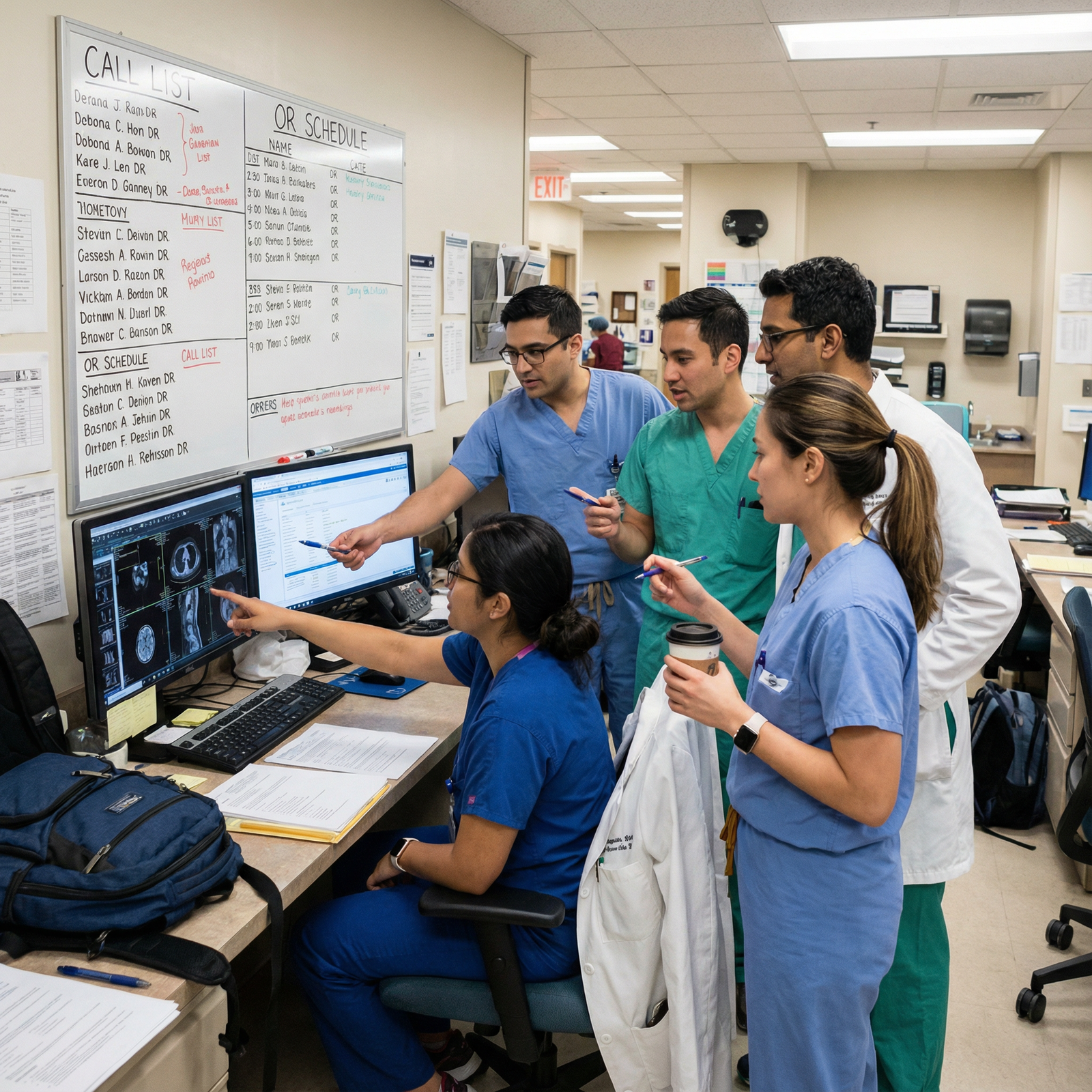
The Realities and Rewards of Surgical Training
Surgical residency is intensive. Understanding what lies ahead can help you prepare mentally and practically.
Workload and Responsibilities:
- Weeks may approach the 80-hour duty-hour limit during busy rotations.
- You’ll manage:
- Pre-operative evaluations and consents.
- Intraoperative assistance and, gradually, primary operator roles.
- Post-operative care, including complications and ICU management.
- Night float and in-house call are common, especially on trauma, acute care surgery, and transplant rotations.
Skill Development Over Time:
- PGY-1 (Intern):
- Focus on floor work, basic procedures, and learning systems.
- Master essentials: writing orders, calling consults, presenting efficiently on rounds.
- PGY-2–3 (Junior Resident):
- Increase operative exposure and responsibility in the OR.
- Manage more complex patients and cross-coverage.
- PGY-4–5+ (Senior and Chief Resident):
- Lead teams, run services, and serve as primary surgeon for many cases.
- Prepare for independent practice or fellowship.
Consistent practice—simulation labs, supervised OR time, and self-directed review of operative videos and anatomy—is key to technical growth.
Professionalism, Teamwork, and Communication
Strong interpersonal skills are as crucial as technical prowess.
- Working with the Team:
- Be reliable and transparent—if you make a mistake or miss something, own it and learn from it.
- Respect nursing staff, techs, and all team members; they are invaluable to patient care and can be your greatest allies.
- Communication with Patients and Families:
- Explain procedures and risks in accessible language.
- Practice delivering bad news with empathy and clarity—this is a critical skill in Surgery.
- Feedback and Continuous Improvement:
- Seek regular feedback from seniors and attendings.
- Develop a habit of self-audit after cases—what went well, what could be improved?
Preventing Burnout and Sustaining a Long-Term Surgical Career
Burnout is a recognized challenge in surgical fields. Proactive strategies can protect your well-being.
Personal Strategies:
- Sleep and Nutrition: Prioritize restorative sleep when possible; plan simple, healthy meals or snacks you can grab during short breaks.
- Physical Activity: Even brief, regular exercise (10–20 minutes) improves resilience and mood.
- Boundaries and Recovery: On days off, unplug as much as possible. Make time for family, friends, and non-medical hobbies.
Social and Institutional Support:
- Lean on co-residents—peer support is powerful.
- Use institutional resources:
- Resident wellness programs.
- Confidential counseling services.
- Mentorship or coaching programs.
- Advocate (appropriately) for a healthy learning environment if systemic issues arise.
Maintaining psychological resilience is as important as mastering surgical skills; it enables you to sustain a long, fulfilling career in Surgery and broader Healthcare Careers.
FAQ: Common Questions About the Path from Medical Student to Surgical Resident
How long does surgical residency training usually take?
For General Surgery in the United States, residency typically lasts 5 years. Some residents add 1–2 years of dedicated research between clinical years, especially at academic programs. Subspecialty fellowships (e.g., Surgical Oncology, Trauma/Critical Care, Colorectal, Minimally Invasive) add an additional 1–3 years. Other surgical specialties (Orthopedics, Neurosurgery, Cardiothoracic, Plastic Surgery) have their own specific training lengths, which may range from 5 to 7+ years including integrated pathways and fellowships.
How important is research for matching into a surgical residency?
Research is increasingly valued, especially in competitive surgical specialties and academic programs. While you can match into many General Surgery programs without extensive research, having at least a few surgery-related projects (publications, posters, or QI initiatives) demonstrates academic curiosity and commitment to advancing the field. For highly competitive specialties (e.g., Neurosurgery, Plastic Surgery, Orthopedics), a strong research portfolio is often a key differentiator.
What qualities are most important for success as a surgical resident?
Successful surgical residents typically exhibit:
- Clinical and technical aptitude: Strong foundations in anatomy and physiology, plus steady hands and spatial reasoning.
- Work ethic and reliability: Showing up prepared, following through on tasks, and being accountable.
- Teamwork and communication: Collaborating effectively with residents, attendings, nurses, and other services.
- Resilience and adaptability: Functioning under pressure, learning from complications, and responding constructively to feedback.
- Professionalism and empathy: Respectful, ethical behavior and genuine concern for patients and families.
Can international medical graduates (IMGs) match into U.S. surgical residencies?
Yes. International medical graduates can and do match into U.S. surgical residency programs. IMGs must:
- Pass USMLE Step 1 and Step 2 CK (and Step 3 in some cases).
- Obtain ECFMG certification.
- Build a strong application with:
- Solid USMLE scores.
- U.S.-based clinical experience (ideally in Surgery).
- Strong letters of recommendation from U.S. surgeons.
- Apply broadly and be strategic, often with mentorship from advisors familiar with IMG pathways.
How competitive are surgical residencies, and how can I realistically assess my chances?
Many surgical specialties are competitive, with match rates and applicant volumes varying year by year. To assess your competitiveness:
- Compare your USMLE scores, clerkship grades, research output, and letters to recent match data if available.
- Seek honest feedback from:
- Your school’s career advising office.
- Surgical faculty and residents who know your work.
- Use that input to:
- Decide how broadly to apply.
- Consider whether additional research years or targeted improvements (e.g., Step 2 CK score) are advisable. Regardless of competitiveness, thoughtful planning, early preparation, and strategic mentorship significantly improve your chances of matching into a surgical residency that fits your goals and values.