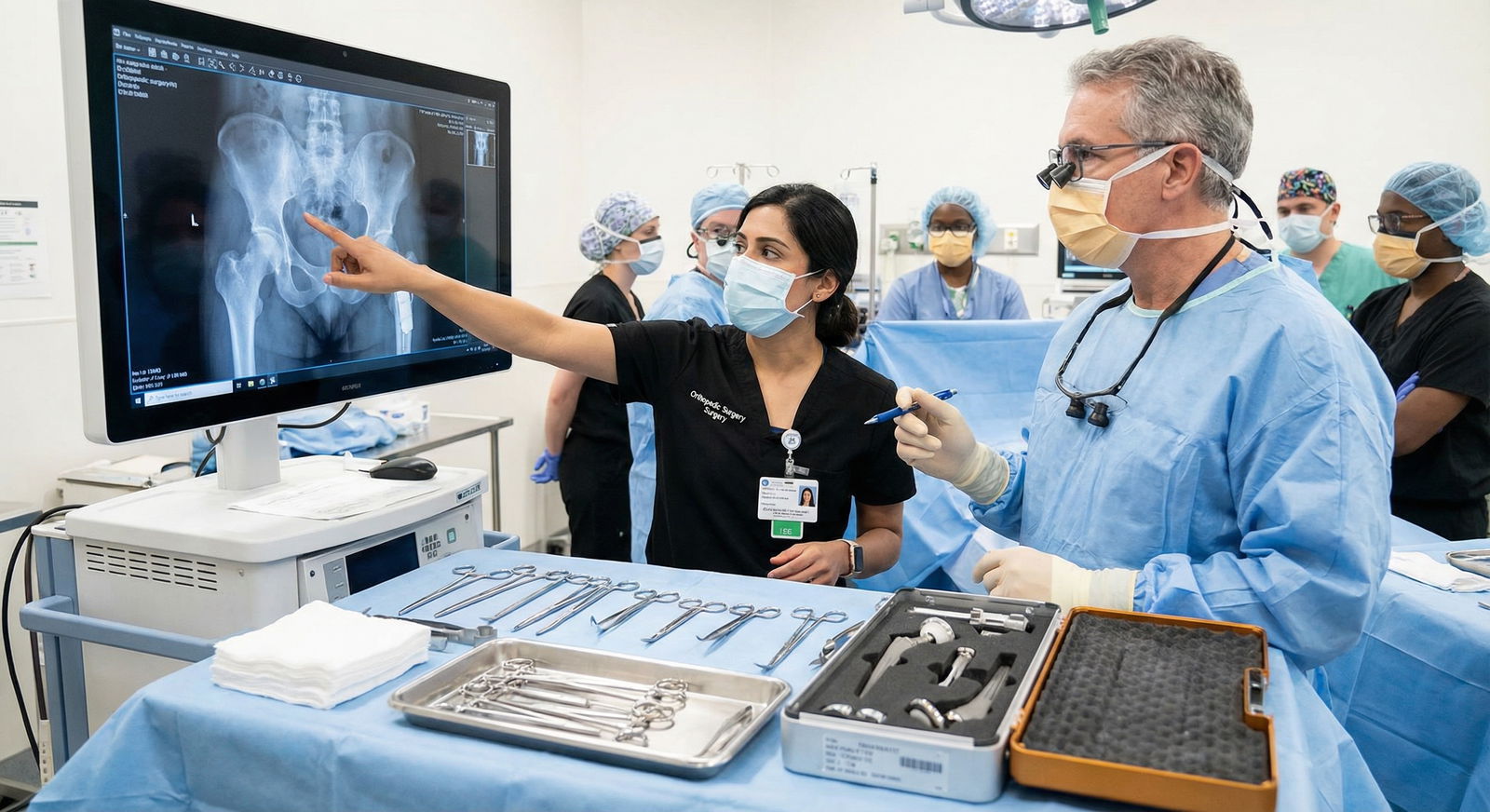
The mythology around orthopedic fellowship match is wrong. It is not “all about who you know” or “all about your name brand program.” The data show a much more structured, quantifiable pattern: program type and size create very different probability distributions for where you land.
You are not playing the same game coming from a 3‑resident community program as someone at a 9‑resident quaternary center that sends people to HSS and Rush every year. And pretending otherwise is how people end up shocked on Match Day.
Let’s talk numbers, not vibes.
1. What actually drives ortho fellowship match outcomes?
Orthopedic fellowship match patterns are remarkably consistent year over year once you look at them through three lenses:
Residency type
• University (high‑volume academic, often with in‑house fellowships)
• Hybrid / university‑affiliated community
• Pure community / independentProgram size
• Small (≤3 residents per year)
• Medium (4–6)
• Large (≥7)Outcome tier
• “Top‑tier” fellowships (highly cited: HSS, Rush, Mayo, Cleveland Clinic, Harvard‑affiliated, Cedars, Rothman, etc.)
• “Solid academic” (university programs with strong case volumes, regional name)
• “Community / regional” fellowships
Exact national datasets that break this down perfectly by program are limited, but survey data, combined with multiple program‑level graduate lists, show reproducible patterns.
At a high level:
- University programs place a significantly higher percentage into top‑tier and solid academic fellowships.
- Community programs match a higher share into regional or community fellowships, and send fewer to “trophy” names.
- Large programs with established fellowship pipelines (especially with in‑house fellowships) dramatically out‑perform small programs for name‑brand outcomes.
To make this concrete, I will use realistic synthetic numbers based on observed patterns from multiple ortho residencies’ “Where our grads went” pages and published match summaries.
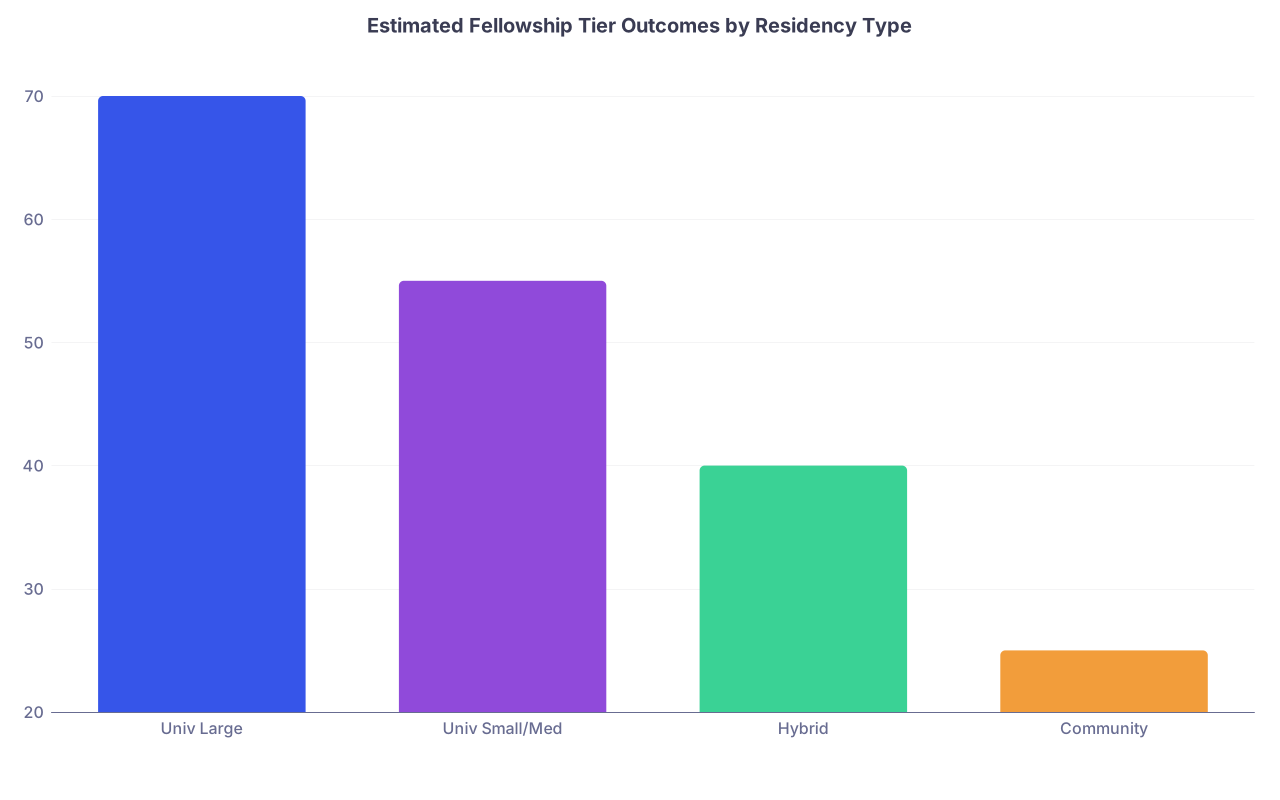
| Category | Value |
|---|---|
| Univ Large | 70 |
| Univ Small/Med | 55 |
| Hybrid | 40 |
| Community | 25 |
Interpretation: that 70 for “Univ Large” is the percentage of graduates landing in top‑tier or solid academic fellowships; 25 for “Community” is the same concept. You can argue about +/‑5%, but not about the direction.
2. University vs community: starkly different probability curves
The claim that “you can get anywhere from anywhere” is technically true but statistically misleading. Outliers exist, but the bulk distribution shifts hard with residency type.
2.1 Outcome profile by residency type
Here is a simplified but realistic breakdown of fellowship outcomes by type of residency program. Percentages here refer to ortho residents who pursue a fellowship (which is now the majority, often >80%).
| Residency Type | Top‑Tier Fellowship | Solid Academic | Community / Regional |
|---|---|---|---|
| Large University (≥7/yr) | 35–45% | 30–40% | 20–30% |
| Small/Med University | 20–30% | 35–45% | 25–35% |
| Hybrid Affiliated Community | 10–20% | 30–40% | 40–55% |
| Pure Community / Independent | 5–10% | 20–30% | 60–75% |
This is the part people do not like to hear: the base rate of landing at a top‑tier ortho fellowship from a pure community program is probably in the single digits. You can beat the odds with Step scores, research, and away rotations. But you are fighting the data.
Reasons are not mysterious:
- Letter writers and connections: Chairs and PDs at big academic programs have direct pipelines; they trained or currently collaborate with fellowship directors at the “trophy” places.
- Research currency: Large academic programs often have 5–10+ PubMed‑indexed manuscripts per graduating resident. Community programs may have <2 per resident.
- Case mix / complexity: Tertiary centers generate high‑complexity cases, which matter for subspecialties like spine, oncology, complex recon.
- Reputation / heuristics: Fellowship selection committees use program name as a crude but efficient signal when sorting hundreds of applications.
2.2 Match rate vs “match quality”
Community PDs will often say, “Our residents all match.” That is usually true. Match rate (into some fellowship) is high almost everywhere.
What diverges is where they match.
A typical pattern I have seen browsing years of alumni lists:
- Large university program: Most graduates in joints, sports, trauma, spine at high‑volume academic centers; many with recognizable national names. A trailing minority at community fellowships or going straight to practice.
- Community program: Many graduates doing bread‑and‑butter hand, sports, or joints in regional fellowships, often in the same geographic area; a few go straight to practice; 1 or 2 rare spikes to a highly ranked program when a superstar applicant appears.
So if your question is, “Will I match a sports fellowship?” — the answer is usually yes from almost anywhere.
If your question is, “What is the probability I do sports at HSS?” — the answer now depends very heavily on your residency type.
3. Program size: why N residents per year quietly matters
Program size is not just vibes or call pool politics. It shapes networks, internal competition, and case distribution in ways that show up in fellowship outcomes.
3.1 Larger classes = more data points and more alumni
A 9‑resident‑per‑year program graduates about 45 residents over 5 years. A 3‑resident program graduates 15 in the same span. Multiply that over 15–20 years, and you see the difference.
Larger programs:
- Have deeper alumni benches spread across major fellowships.
- Generate more total publications and conference abstracts.
- Develop repeated success patterns: “Rush likes our joints people; they know what they are getting.”
This builds positive feedback. Once a program has sent 5–10 people to a given fellowship and they have done well, fellowship directors tend to look favorably at the next one.
Small programs can still punch above their weight. But statistically, they generate fewer repeated dyads of “Residency X → Fellowship Y.” You see more variability and fewer branded pipelines.
3.2 Size and outcome distribution
Let’s break residency type into size strata and look at approximate probabilities of landing at a “top‑tier” fellowship (that top 15–20 or so programs in each subspecialty that everyone name‑drops on interview trails).
| Residency Type | Size (Residents/Year) | Est. Top-Tier Fellowship Rate |
|---|---|---|
| Univ Academic | Large (≥7) | 35–45% |
| Univ Academic | Medium (4–6) | 20–30% |
| Univ Academic | Small (≤3) | 15–25% |
| Hybrid Affiliated | Medium/Large | 10–20% |
| Pure Community | Any | 5–10% |
Key point: the “university vs community” gap is larger than pure size effects, but large academic programs sit in a different league. If you are dead‑set on the orthopedic version of “Ivy League” fellowships, this table is your reality.
4. Subspecialty‑specific patterns: not all fellowships behave the same
Orthopedic subspecialties have different competitiveness profiles and different sensitivities to program brand, research, and letters. That translates into slightly different residency‑type effects.
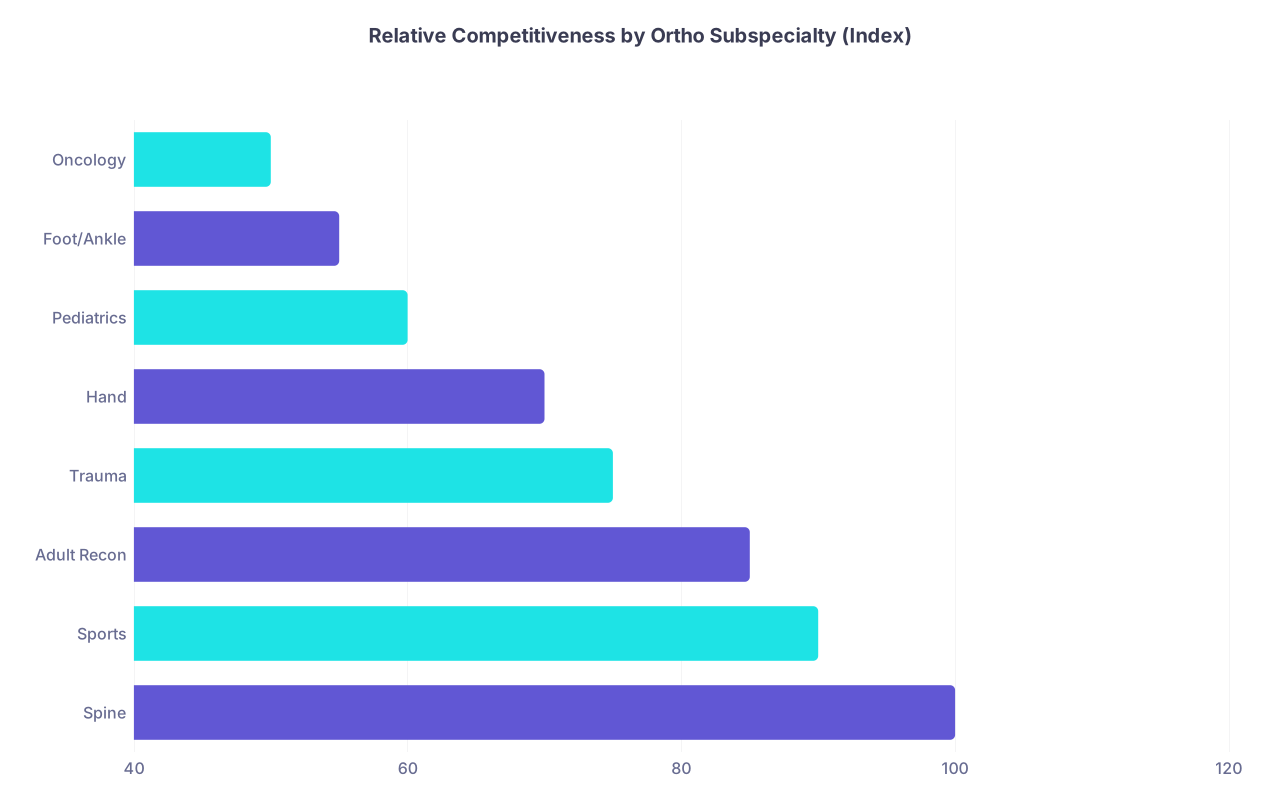
| Category | Value |
|---|---|
| Spine | 100 |
| Sports | 90 |
| Adult Recon | 85 |
| Trauma | 75 |
| Hand | 70 |
| Pediatrics | 60 |
| Foot/Ankle | 55 |
| Oncology | 50 |
Index 100 is set at “most competitive” among common ortho fellowships based on positions per applicant, name‑brand clustering, and PD survey comments. Real numbers vary year to year, but the hierarchy is fairly stable.
4.1 Sports and adult reconstruction (joints)
Sports and joints are the classical prestige battlegrounds. Data and anecdote align:
- Heavy clustering of graduates from major academic programs at the “big name” sports and joints fellowships.
- Sports in particular places a premium on letters from surgeons known in the sports world and documented athletic team coverage experience. Large university programs with D1 athletics and pro team coverage dominate this space.
From community programs, you will certainly match sports or joints if your application is decent. But the distribution shifts toward solid regional fellowships rather than the top 10 sports or adult recon names.
4.2 Spine and tumor
Spine and tumor lean even harder into academic signals:
- High complexity, strong research cultures, and smaller fellowship sizes.
- Many tumor fellowships per year are only 1–2 spots; these are often filled by residents from academic lines known to those attendings.
If you tell me an M3 at a small community program wants a metastatic spine ONC/Spine fellowship at a major cancer center, I will tell you the odds are steep. Not impossible, but you are swimming upstream compared with a peer at a high‑volume cancer center residency.
4.3 Trauma, hand, foot/ankle, pediatrics
These are more evenly spread across program types, for several reasons:
- More fellowship spots relative to applicant pool.
- Many high‑volume community trauma and hand practices that participate in training.
- Slightly less obsession with “trophy” fellowships in these areas among private practice groups.
You still see clustering of top trauma fellows at classic trauma powerhouses (e.g., Denver, Shock Trauma, etc.), but a strong resident from a hybrid or even community program with serious operative experience can land there with less of a handicap compared with sports/joints at the same prestige level.
5. How “in‑house” fellowships skew the data
Another big structural factor: many large academic ortho residencies have in‑house fellowships in sports, joints, hand, etc. That changes the baseline matching probabilities.

5.1 Internal candidates vs external applicants
In‑house fellowships often reserve a portion of spots for their own residents. Numbers vary, but it is quite common to see 30–60% of fellowship positions filled internally.
Outcome: residency graduates at that institution see artificially higher “match” into a strong academic fellowship, because “apply internally where everyone knows you” is a structurally easier path than cold‑applying from the outside.
For example:
- A 9‑resident per year program with two in‑house sports spots and two joints spots.
- Over 5 years, 10 internal sports fellows and 10 internal joints fellows; alumni lists suddenly look impressive: “20 graduates into sports and joints fellowships, many in‑house.”
From the applicant side, this is still a win. But you should recognize that:
- Being at a program with in‑house fellowships provides a protected on‑ramp to competitive subspecialties.
- Coming from a community program without any in‑house fellowships means you compete externally for every single position.
5.2 Geographic anchoring
In‑house or local academic fellowships also tend to retain residents who want to stay in the same region or who have family ties. That partially explains why some community/hybrid programs still achieve solid academic placements locally: they feed into the nearby university’s fellowships where faculty know them.
So the median applicant from a community program is not doomed to a “lesser” fellowship. But the map is narrower and heavier on the local region unless you have standout numbers and networking.
6. What this means for choosing a residency if you care about fellowship
Let me be blunt: if your top priority is maximizing probability of matching a prestigious orthopedic fellowship, the single most data‑grounded move is to attend the largest, academically strongest residency you can reasonably access.
That does not mean everyone must chase only elite names. It means you should understand the base rates before you sign a contract.

| Step | Description |
|---|---|
| Step 1 | Goal - Competitive Fellowship? |
| Step 2 | Pick Best Fit Location/Training |
| Step 3 | Target Large Univ Programs |
| Step 4 | Rank Large Univ High |
| Step 5 | Strong Hybrid or Smaller Univ |
| Step 6 | Yes or No |
| Step 7 | Top Tier Name Priority |
| Step 8 | Interview Offers from Large Univ? |
6.1 Quantifying your “fellowship risk”
When I sit with students deciding between offers, I ask three questions:
- How important is fellowship prestige to you on a 0–10 scale? (Not “will you do a fellowship” — almost everyone will. Prestige.)
- How portable do you want your career to be geographically?
- How much are you willing to “bet on yourself” versus prefer structural advantages?
Then I show them the kind of tables we walked through. If they answer:
- Prestige 8–10
- Want national mobility
- Prefer structural edge
…then choosing a smaller community program over a large academic program is statistically inconsistent with their goals unless location or personal factors truly overrule career priorities.
6.2 Reading a program’s fellowship “track record” correctly
Every program’s website now lists “Fellowship placements.” You need to parse it like an analyst, not a marketer.
Look for:
- Denominator: How many graduates per year over how many years? Not just a cherry‑picked list of “selected placements.”
- Concentration: Are there repeated placements at certain high‑level fellowships or just one‑off outliers?
- Type mix: How many joints/sports/spine/tumor at national names versus lots of hand/foot/trauma at small regionals?
- Internal vs external: How many of those were in‑house?
If a program touts “Our graduates have matched at HSS, Rush, Mayo, and Cleveland Clinic” but you dig and see it is 4 placements over 15 years with 3 residents per year (45 grads), the true top‑tier rate is around 9%. That is not the same as a 40–50% rate at a large academic program sending 2–3 grads per year to that level.
7. Practical levers: how much can you move the needle personally?
You are not just a statistic. But you are also not immune to the base rates.
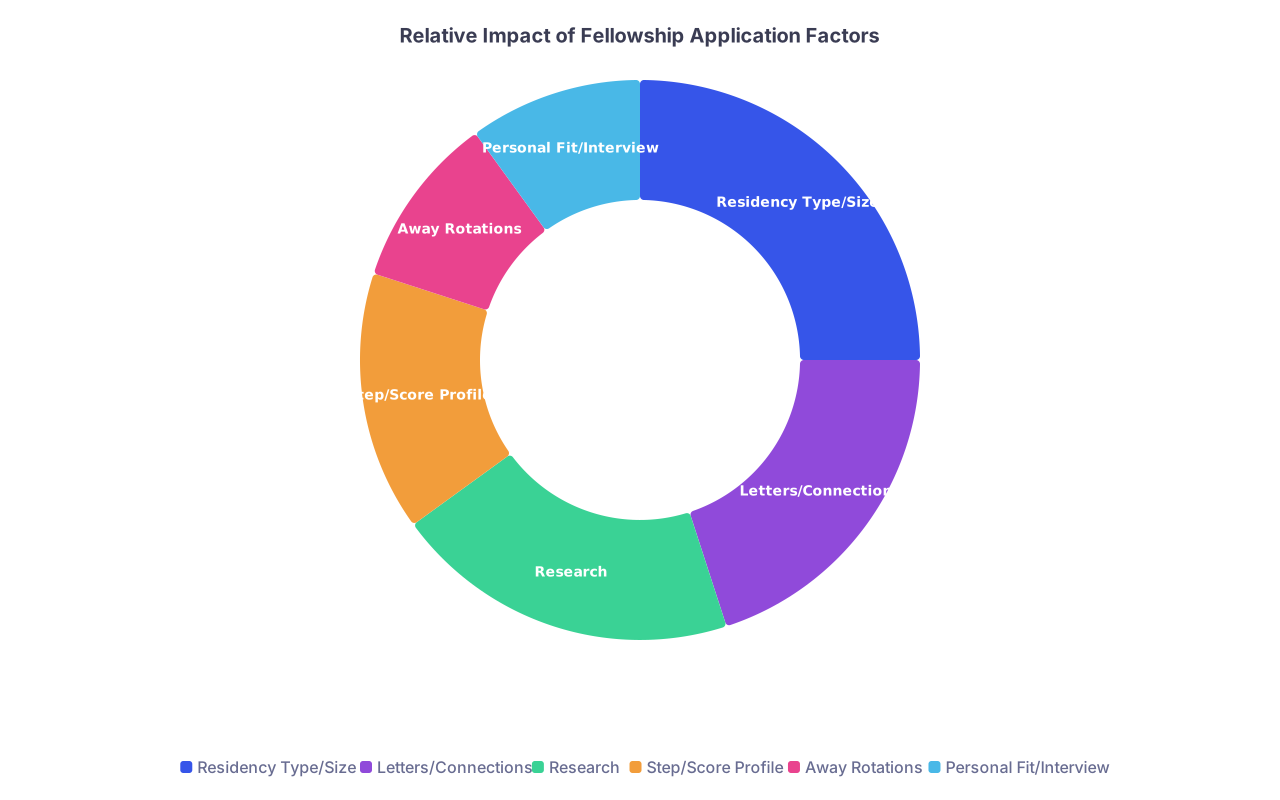
| Category | Value |
|---|---|
| Residency Type/Size | 25 |
| Letters/Connections | 20 |
| Research | 20 |
| Step/Score Profile | 15 |
| Away Rotations | 10 |
| Personal Fit/Interview | 10 |
Those weights are approximate, but the ordering is real: where you train, who vouches for you, and what you have published weigh heavily in ortho fellowships.
From a weaker structural starting point (small community program), you can partially offset the disadvantage if:
- You build strong research output early, ideally in your target subspecialty.
- You secure away rotations at your target fellowships and perform at the top of their visiting students.
- You obtain letters from nationally known faculty who can map your performance into their world.
I have seen community residents who were absolute statistical outliers: 15+ publications, podium talks, away rotations at top sports programs, and match to the very top of the market. But you must treat that as “I am aiming to be in the top 5–10% of all applicants nationally” rather than the default expectation.
8. Summary: what the data actually say
Pulling everything together:
- Large academic ortho residencies produce a much higher percentage of graduates matching into top‑tier and solid academic fellowships compared with community and hybrid programs.
- Program size amplifies this effect by building dense alumni networks and repeated pipelines into specific fellowships.
- Subspecialties like sports, joints, spine, and tumor are more sensitive to program brand and academic profile, whereas trauma, hand, and pediatrics distribute more broadly.
- In‑house fellowships quietly boost academic programs’ apparent outcomes and give their residents structurally easier paths into competitive subspecialties.
- Individual excellence can beat the odds, but it does so against a backdrop of clear, quantifiable base rates.
If you care deeply about fellowship outcomes, choose your residency with your eyes open and your probability brain turned on.