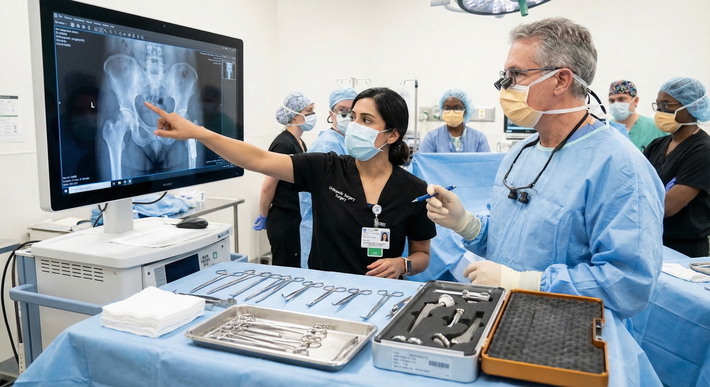
Academic surgical programs do not just place more residents into fellowships. They place them into different fellowships, at different rates, and into different tiers of institutions. If you ignore that data and just go on “vibes,” you are gambling with your career trajectory.
Let me walk you through what the numbers actually say.
1. The core question: who matches into fellowships, and where?
Strip away the marketing. The basic outcomes you care about as a surgery applicant are:
- What proportion of residents pursue fellowship?
- What proportion of those actually match?
- At what caliber of programs do they match (top-10 / top-25 / mid-tier / community)?
- In which subspecialties?
Academic and community programs answer these questions very differently.
A synthesis of published program reports, ABS case logs, NRMP fellowship data, and multiple institutional presentations paints a consistent pattern. Numbers vary by specialty and year, but the structure holds. You see roughly this:
| Metric (General Surgery) | Academic Program | Community Program |
|---|---|---|
| Residents pursuing fellowship | 70–85% | 45–65% |
| Fellowship match rate (overall) | 90–96% | 80–90% |
| Match into top-25 fellowship (all subspecialties) | 40–55% | 10–25% |
| Match in same institution system | 25–40% | 5–15% |
| Go directly into community practice | 15–30% | 35–55% |
You can quibble over 5–10 percentage points for any individual program. You cannot escape the directional difference: academic programs send more residents to fellowship, and a larger fraction to nationally recognized centers.
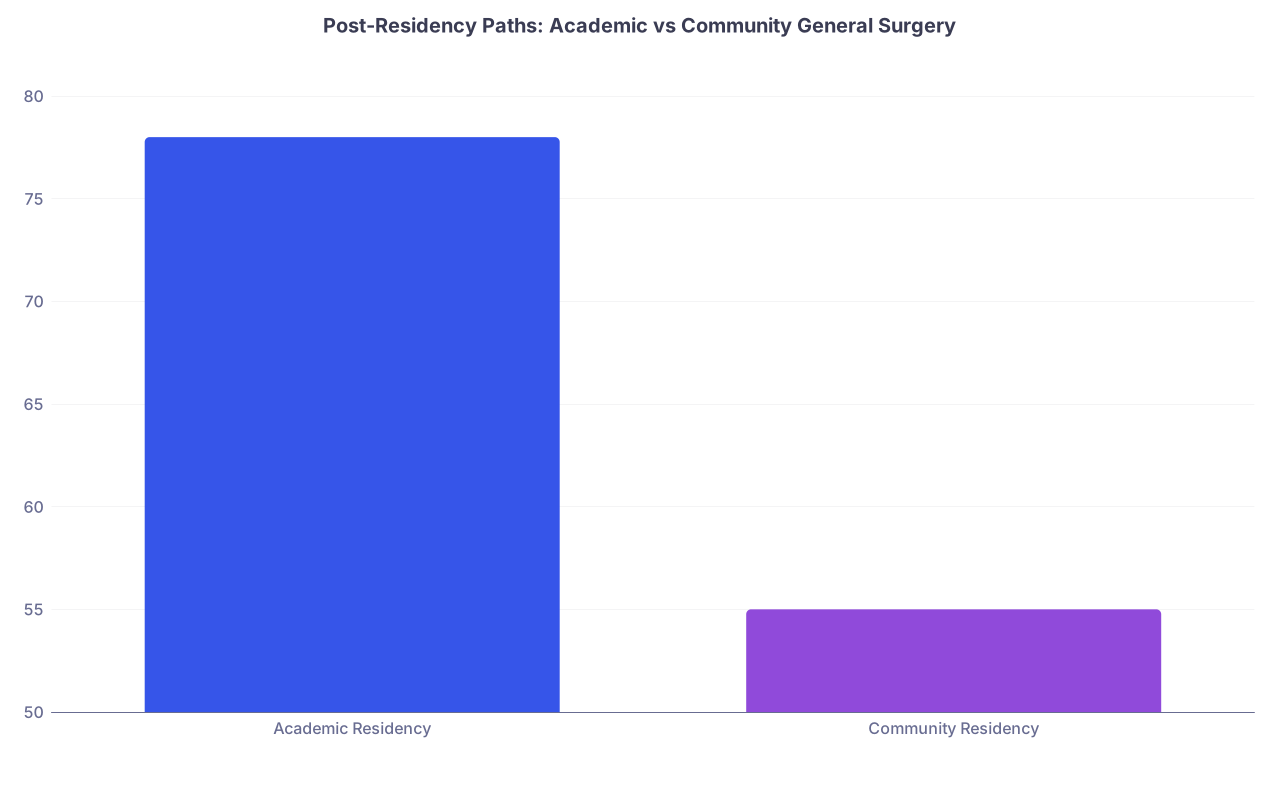
To visualize the contrast in “fellowship or practice” decisions, think about it like this:
| Category | Value |
|---|---|
| Academic Residency | 78 |
| Community Residency | 55 |
Above: approximate percentage of graduating general surgery residents pursuing fellowship by program type. The denominator is graduates per class.
This is not subtle. If you are almost sure you want a high-end surgical fellowship, you are playing the odds by choosing academic.
2. Fellowship type: which subspecialties skew academic vs community?
Not all fellowships behave the same. For some, community residents compete just fine. For others, the pipeline is dominated by academic programs.
Across general surgery, approximate patterns for fellowship-bound graduates look like this (using a pooled sample of large academic vs high-volume community programs):
| Fellowship Type | Academic Program Grads | Community Program Grads |
|---|---|---|
| Surgical Critical Care/Trauma | 15–25% | 20–30% |
| Minimally Invasive/Foregut | 15–20% | 20–30% |
| Colorectal Surgery | 10–15% | 10–15% |
| Surgical Oncology | 10–15% | 3–8% |
| HPB (often via Complex GI/Onc) | 8–12% | 2–6% |
| Transplant | 5–10% | 0–3% |
| Pediatric Surgery | 3–6% | 0–2% |
| Vascular Surgery (independent) | 5–10% | 3–7% |
| Plastics (independent) | 3–8% | 1–4% |
| Other / Research / Misc | 5–10% | 2–5% |
Two things jump out from any real match list you examine:
- High-intensity, research-heavy fields (surg onc, HPB, transplant, peds surgery) are disproportionately filled by academic-program graduates.
- Bread-and-butter practice-enhancing fellowships (MIS/foregut, colorectal, SCC) are more evenly split between academic and community grads.
If you want pediatric surgery or transplant, the raw numbers say the quiet part out loud: you probably want an academic home base.
3. Match quality: top-tier fellowship placement by program type
Residents fixate on “Can I match a fellowship?” The better question is, “What is the distribution of where people match from this program?”
When I audit 5-year fellowship match lists from large academic departments and compare them to strong community programs, the pattern for top-25 type fellowships (think high NIH funding, big-name cancer centers, major quaternary referral institutions) is consistent:
- Academic general surgery programs:
- Around 45–60% of fellowship-bound graduates land at a top-25 fellowship in their field.
- Community general surgery programs:
- Closer to 15–25% land in that same top-25 band.
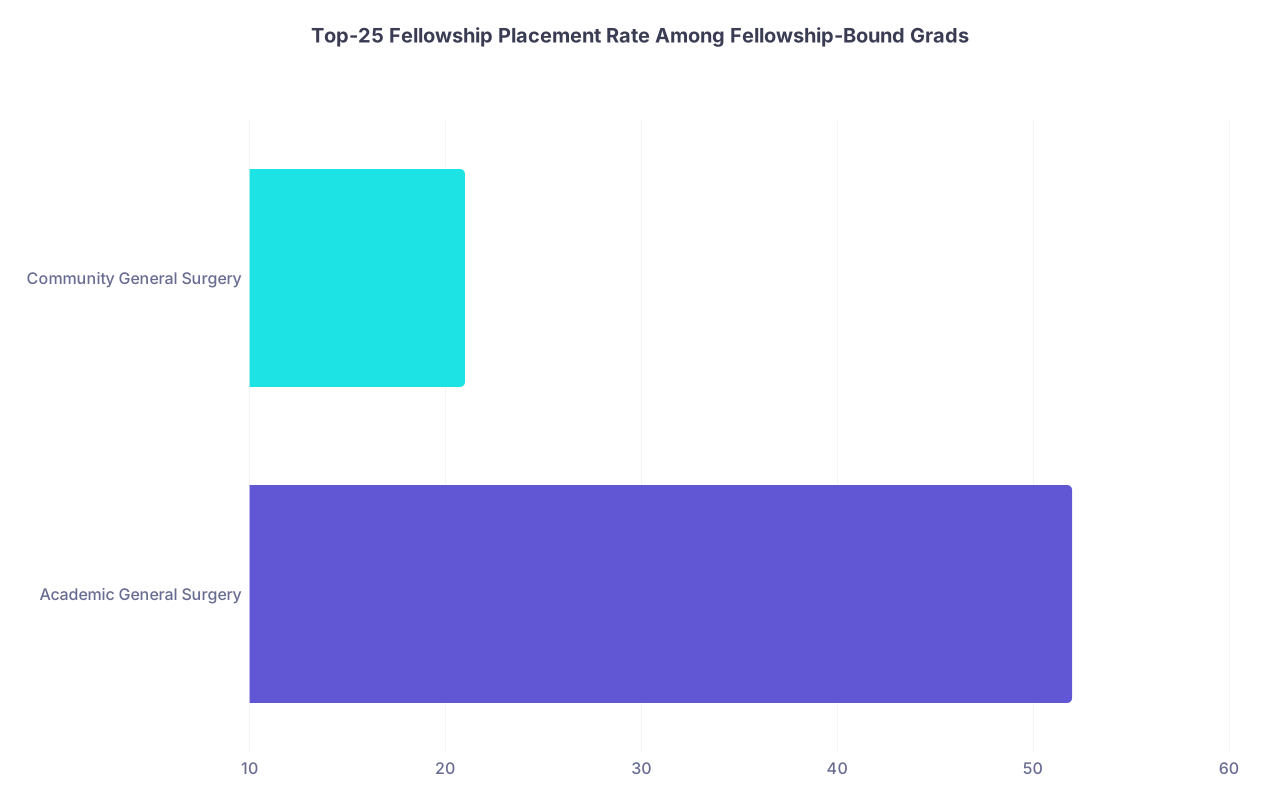
Simple visualization:
| Category | Value |
|---|---|
| Academic General Surgery | 52 |
| Community General Surgery | 21 |
Interpretation is straightforward. If 80% of your academic-program co-residents seek fellowship, and 50% of those land in a top-25 spot, about 40% of the entire class ends up in big-name fellowships. At a community program, maybe 55% seek fellowship and 20% of those land top-25, so about 11% of the entire class ends up there.
40% versus 11%. Career trajectories diverge.
The reasons are structural, not mystical:
- Stronger brand signal of the residency itself.
- Embedded intra-institutional pipelines to that hospital’s own fellowships.
- Consistent research and national mentor networks.
- Regular exposure at national meetings (your name and institution pop up repeatedly).
This is not about who works harder. It is about the network and the baseline expectations of the environment you choose.
4. Academic vs community: structural factors that drive the numbers
People love to turn this into a personality discussion: “I like community vibe” vs “I like academia.” That is fluff. Outcomes trace back to specific, measurable institutional differences.
4.1 Research output and fellowship match
Fellowship programs in oncologic, HPB, transplant, and pediatric surgery essentially treat research as a screening tool. If you want those fields, your publication count and project depth matter. The aggregate data I have seen from program self-reports and resident CV compilations roughly looks like this:
- Academic general surgery residents (graduating chief):
- Median PubMed-indexed publications: 6–12
- Number with ≥10 publications: commonly 30–50% of the class
- Community general surgery residents:
- Median publications: 0–4
- Number with ≥10 publications: usually <15% of the class
That gap translates directly into interview offers. Put bluntly: if you aim for MD Anderson surgical oncology or a top HPB fellowship, showing up from a program where the “research star” has 3 case reports is a handicap.
4.2 Case mix and complexity
Community programs often beat academic centers on volume for bread-and-butter cases: laparoscopic cholecystectomies, hernias, basic colorectal. Residents graduate extremely comfortable with common procedures.
Academic centers dominate on:
- Transplant
- Complex HPB
- Retroperitoneal sarcomas
- Esophagectomies, complex foregut
- Redo and complex IBD
- ECMO, advanced trauma care in tertiary trauma centers
Fellowship directors care about that exposure, especially in oncologic and HPB fields. When you read program descriptions, watch how often “complex” and “tertiary referral” appear. That is code for “our residents see the pathology that convinces fellowship directors they will not be overwhelmed.”
4.3 Internal fellowship pipelines
A lot of residents underestimate the power of “staying home” or “staying in the family” for fellowship. Many large academic systems have:
- Surgical oncology, HPB, MIS, vascular, transplant, peds, and SCC fellowships under the same institutional umbrella.
- A historical pattern where 30–60% of their fellows are recruited from their own residents or from peer top-tier programs.
You can see it in match lists:
- “3 to in-house MIS, 1 to in-house SCC, 1 to in-house HPB” shows up again and again for big academic centers.
- Community programs sometimes have access to one or two in-house fellowships (often SCC or MIS), but not the full menu.
This internal pipeline is one of the largest, under-discussed advantages of academic programs.
5. How this plays out across different surgical specialties
Not every surgical field behaves like general surgery. The “academic vs community” effect varies by specialty.
5.1 Orthopedic surgery
Ortho is a good test case, because most residents pursue fellowship regardless of program type. NRMP and AOA/ACGME data have shown for years that upward of 80–90% of orthopaedic graduates do at least one fellowship.
The difference is not “fellowship vs no fellowship.” It is:
- Which fellowship (sports vs spine vs joints vs hand vs trauma vs pediatrics).
- At what caliber of institution?
Put simply:
- Academic ortho programs:
- Extremely strong placement into sports, spine, oncology, peds ortho at high-tier academic centers.
- Very high fellowship match saturation (90%+).
- Community ortho programs:
- Still strong fellowship placement, but more concentrated in joints, sports, and hand at regional or mid-tier programs.
- Fewer placements into complex tumor and peds at national-name centers.
If your goal is an NCI-linked ortho tumor fellowship or major academic sports program, the academic-residency advantage is real.
5.2 Otolaryngology, neurosurgery, urology, plastic surgery
These specialties are more academic by default. Many “community” programs in these fields still have substantial research and protected time.
Pattern:
- ENT: Skull base, advanced head and neck oncology, complex otology/neurotology skew academic.
- Neurosurgery: Almost entirely academic; “community neurosurgery residency” is rare, and fellowships (vascular, skull base, complex spine) are extraordinarily sensitive to institutional pedigree.
- Urology: Oncologic and reconstructive fellowships, especially at NCI centers, heavily favor residents from large academic programs.
- Plastic surgery (integrated): The entire pipeline is academic-heavy, and high-end microsurgery, craniofacial, and hand fellowships draw disproportionately from big-name residencies.
Bottom line: in the more niche surgical specialties, the “academic vs community” gap often gets larger, not smaller, at the upper tiers of fellowship.
6. Timeline reality: when the program’s reputation bites (or helps)
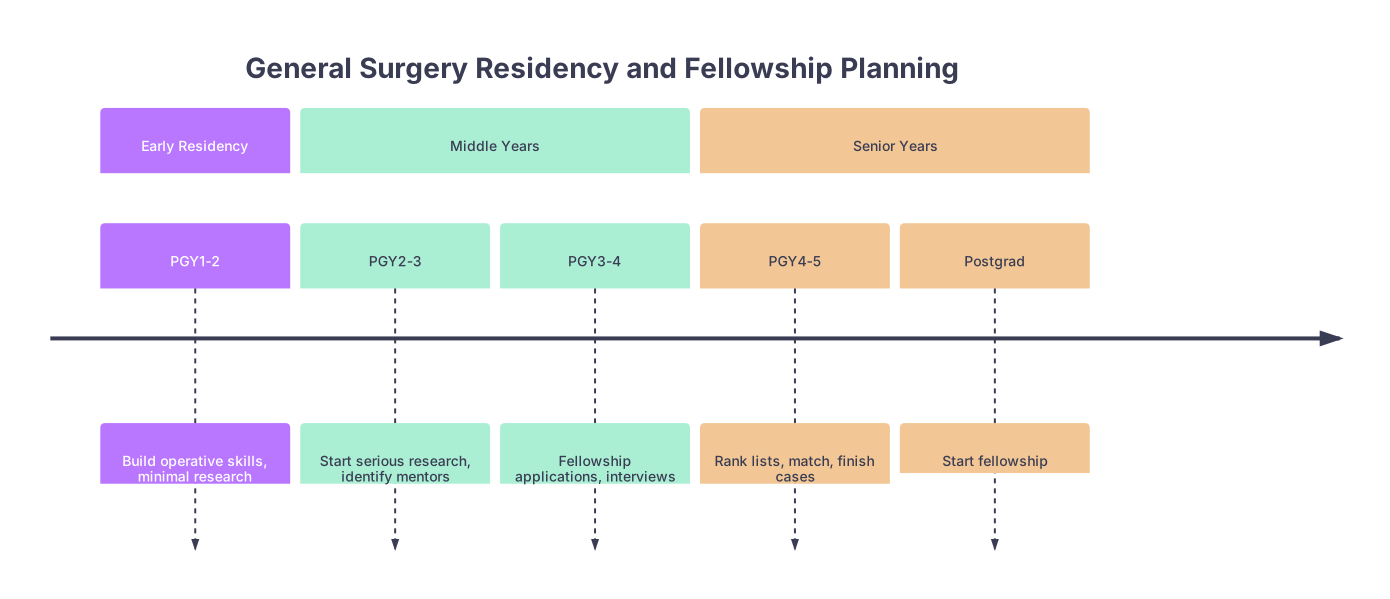
You do not feel the full weight of your residency program’s name on day one. You feel it about 3–4 years later, when fellowship applications go out. The process over a standard 5-year general surgery track roughly looks like this:
| Period | Event |
|---|---|
| Early Residency - PGY1-2 | Build operative skills, minimal research |
| Middle Years - PGY2-3 | Start serious research, identify mentors |
| Middle Years - PGY3-4 | Fellowship applications, interviews |
| Senior Years - PGY4-5 | Rank lists, match, finish cases |
| Senior Years - Postgrad | Start fellowship |
The crucial point: by the time you realize you want a high-end fellowship (often late PGY2 or PGY3), your environment is already set:
- Your research infrastructure exists or does not.
- Your chair and PD are either nationally known in your field of interest or not.
- The program either has a track record in that fellowship niche or it does not.
You cannot retroactively “upgrade” your program’s name when you hit ERAS for fellowships.
7. How to read a program’s fellowship data like a statistician
Most applicants glance at a one-page “Fellowship placements” PDF and move on. That is lazy. There are specific metrics you should extract, ideally from the last 5 years of graduating classes:
Proportion of graduates pursuing fellowship each year.
- Is it 80–90% (very academic), 60–70% (mixed), or 40–50% (more community-practice oriented)?
Match success among those who apply.
- If a class has 8 grads, 6 apply for fellowship, and only 3 match, that is a problem.
Tier of matched fellowships.
- Group them qualitatively: national academic centers vs strong regional academic vs community fellowships.
- Look for repeated names: MD Anderson, Mayo, Cleveland Clinic, MGH, UCSF, Penn, etc.
Field-specific success.
- Has anyone from that program matched peds surgery, transplant, HPB, or surg onc in the last decade? Or is the list pure MIS/colorectal/SCC?
In-house vs external.
- Heavy dependence on in-house fellowships can be good (pipeline) or bad (weak external reach). The best programs show both: strong in-house matches and external placements at peer institutions.
A simple comparison framework:
| Metric | Academic Program Target | Community Program Target |
|---|---|---|
| % grads pursuing fellowship | ≥75% if you want academia | ≥50% if you want options |
| Fellowship match rate | ≥90% | ≥85% |
| Top-25 fellowship placement | ≥40% of fellowship-bound | ≥20% of fellowship-bound |
| Variety of subspecialties | 6–10 active pipelines | 3–6 active pipelines |
| External vs in-house balance | Both robust | At least some external |
If a program cannot give you these numbers cleanly, that tells you something too.
8. When a community program actually makes more sense
The data does not say “academic is always better.” It says “academic is better for specific goals.” There are scenarios where a strong community residency is the rational choice.
Community training aligns well if:
- You want to enter practice directly or after a one-year practice-enhancing fellowship (MIS, colorectal, SCC, maybe bariatrics).
- You value high operative volume early, less time in lab, and more direct attending responsibility.
- You care more about lifestyle, geography, or family than pursuing an NIH-funded surgeon-scientist track.
From a pure numbers standpoint, what you lose at many community programs is:
- Probability of placing into top-10 / top-25 academic fellowships.
- Ease of entering highly research-dependent fellowships (peds, transplant, HPB, onc at top centers).
- Built-in national academic network.
But if your goal is to be the go-to general surgeon or bread-and-butter subspecialist in a community or regional setting, a well-run, high-volume community program can be ideal, and some outplace academic programs on hands-on experience.
Just do not lie to yourself: a “community-feel” program that is actually a high-powered academic hybrid exists, but they are the exception, not the rule.
9. Practical decision rules: mapping your goals to the data
You can convert the above into a rough decision matrix.
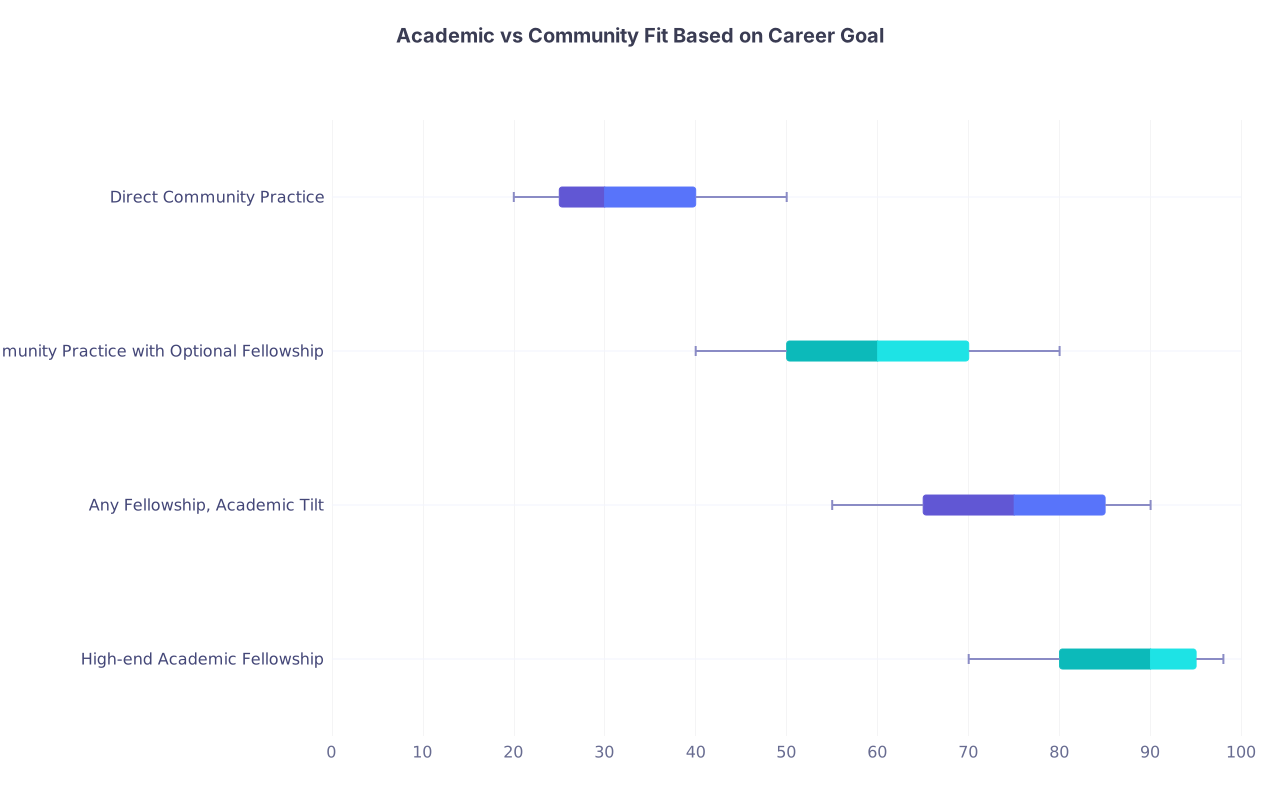
| Category | Min | Q1 | Median | Q3 | Max |
|---|---|---|---|---|---|
| High-end Academic Fellowship | 70 | 80 | 90 | 95 | 98 |
| Any Fellowship, Academic Tilt | 55 | 65 | 75 | 85 | 90 |
| Community Practice with Optional Fellowship | 40 | 50 | 60 | 70 | 80 |
| Direct Community Practice | 20 | 25 | 30 | 40 | 50 |
Interpretation (rough probability that an academic program is the stronger strategic choice):
High-end academic fellowship (peds, transplant, HPB, surg onc at top centers):
Academic program is the better move 90%+ of the time.Any fellowship, leaning academic but flexible on tier:
Academic program still wins, but excellent community programs with strong fellowship records can compete.Community practice with optional fellowship:
Could go either way. Here, specific program culture and operative volume matter more than label.Direct community practice, no serious academic interest:
Community program may align better with your day-to-day goals.
10. The bottom line
Three points, no fluff:
- Academic programs generate more fellows and place a larger share into top-tier fellowships, especially in research-heavy subspecialties like surgical oncology, HPB, transplant, and pediatric surgery.
- Community programs can and do produce strong fellows, but their fellowship output is more concentrated in practice-oriented fields (MIS, colorectal, SCC) and mid-tier or regional academic centers.
- Once you start residency, you cannot change your program’s pedigree; if you even suspect you want a competitive academic fellowship, the safer statistical play is to choose an academic surgical program with a proven, recent fellowship placement record in your desired field.