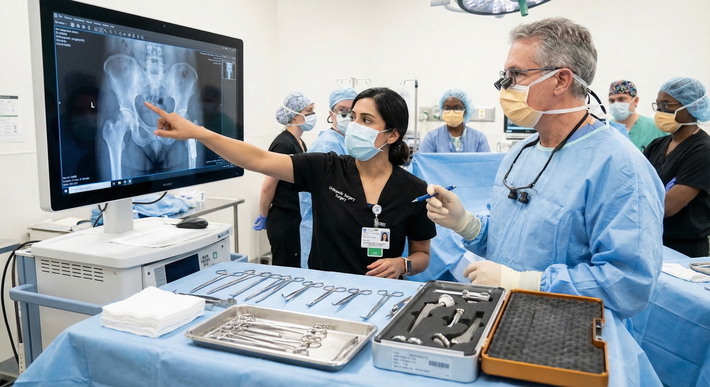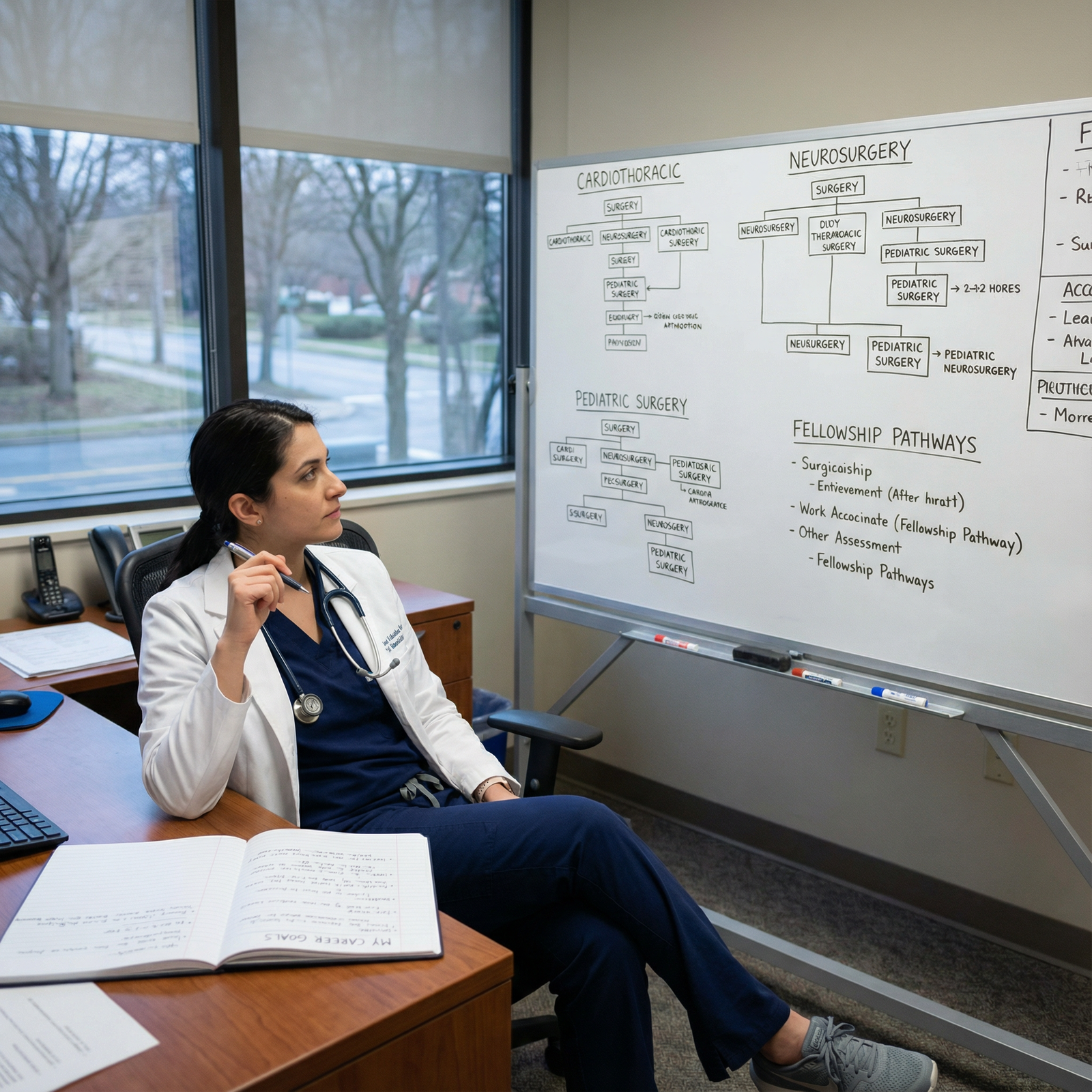
Prestige is the most overrated variable in surgical residency selection. Not unimportant. Just wildly over-weighted compared with the thing that actually predicts how you will operate in 10 years: what you actually do with your hands during training.
Let me be blunt. I’ve watched graduates from no-name community programs run circles around “top-5” academic grads in the OR. And I’ve also watched some big-volume community trainees crumble when they had to think through complex cases without an attending to bail them out. The worship of brand name alone is dumb. The worship of raw case numbers alone is also dumb.
The myth you’ve been sold: “If I match at a top-tier university program, my career is set.”
The other myth you hear from the contrarians: “Just go where you get the most cases. Volume is everything.”
Both are half-truths. Half-truths are dangerous.
Let’s break it down.
What the Evidence Actually Shows About Surgical Training
We do not have perfect randomized trials assigning residents to “prestige” vs “workhorse” programs. But we have a decent pile of data on:
- Board pass rates
- Case logs and competence
- Fellowship placement
- Attending performance and complication rates
None of this cleanly aligns with “famous name = better surgeon.”
Board pass rates and program type
If prestige were destiny, you’d expect elite programs to have dramatically higher board pass rates. They don’t.
| Program Type | First-Time QE/CE Pass Rate |
|---|---|
| Top Academic (brand name) | 85–95% |
| Mid-tier University | 80–90% |
| Community Programs | 75–90% |
You see variation, but it’s not all explained by “prestige.” Some community programs quietly outperform big-name places. The stronger correlation is usually:
- How much the program actually teaches
- How rigorous the clinical exposure is
- How seriously they take feedback and remediation
Brand name is a rough proxy for some of those, but not a guarantee.
Volume, competence, and independence
Here’s where the data gets more interesting.
Studies looking at resident case volume consistently show that:
- Residents with higher operative volume tend to report greater confidence and autonomy.
- There’s a minimum threshold of cases needed to feel comfortable with bread-and-butter general surgery.
- Being “above the 90th percentile” in total cases doesn’t magically make you a superstar if those cases were low-complexity or heavily attending-driven.
So yes, volume correlates with self-assessed competence. But the shape of that curve flattens. Once you’re past “enough,” how you operate and what you operate on starts to matter more than just one more lap chole.
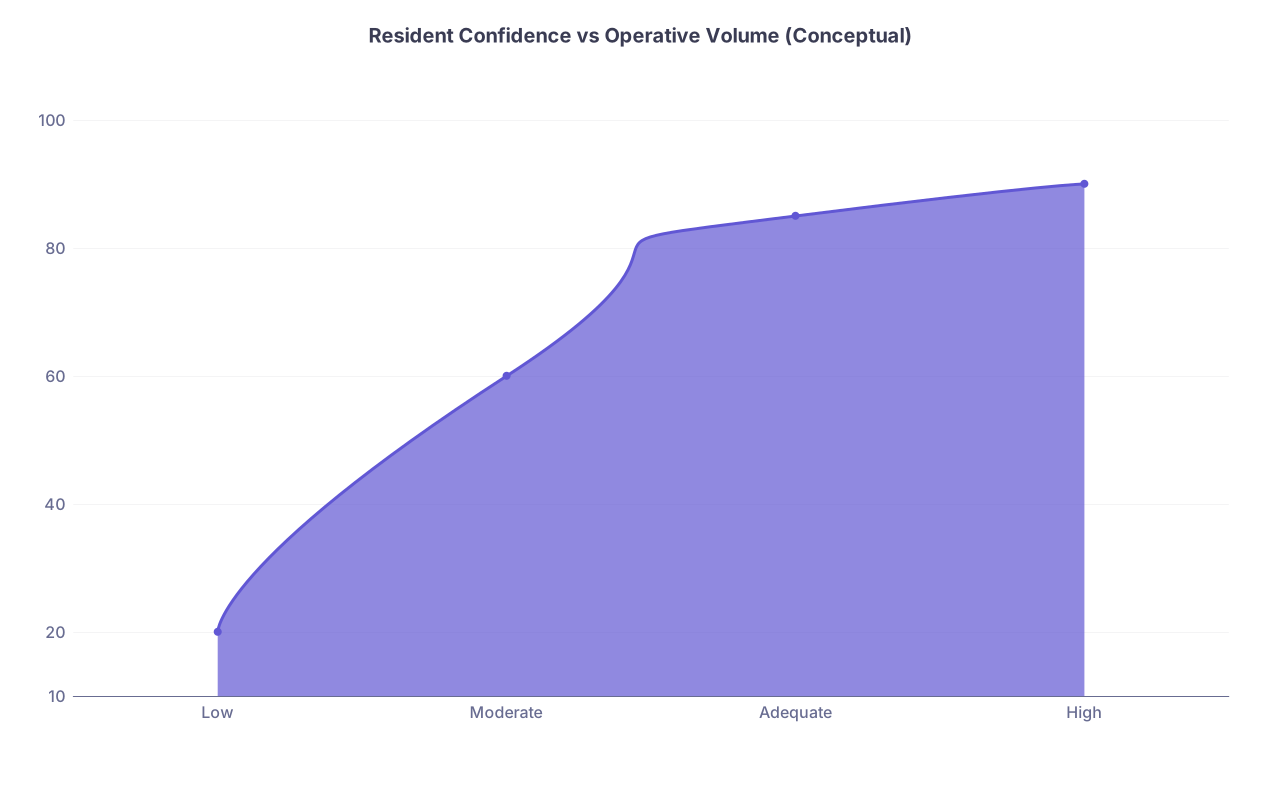
| Category | Value |
|---|---|
| Low | 20 |
| Moderate | 60 |
| Adequate | 85 |
| High | 90 |
The jump is going from low to adequate, not from adequate to insanely high.
The Real Role of Prestige: What It Actually Buys You
Prestige does buy you things. Just not always the things MS4s fantasize about.
What “prestige” usually correlates with:
- Name recognition for fellowship applications
- Access to NIH-funded labs and high-impact publications
- Exposure to complex, rare, tertiary/quaternary pathology
- Strong letter writers with serious pull
- Institutional resources: subspecialty services, simulation centers, research infrastructure
What prestige doesn’t guarantee:
- That you will personally do complex cases
- That you will get early and graduated autonomy
- That attendings will actually teach, rather than flex
- That the program culture will be supportive instead of toxic or exploitative
I’ve heard this exact line from more than one resident at a fancy place:
“We have insane pathology here. I just never get to actually do the big cases until PGY-5, and even then I’m second-assisting half the time.”
Here’s the uncomfortable truth: prestige often concentrates power in the hands of senior faculty and subspecialty fellows. Residents can get squeezed out of the highest-yield parts of the operation.
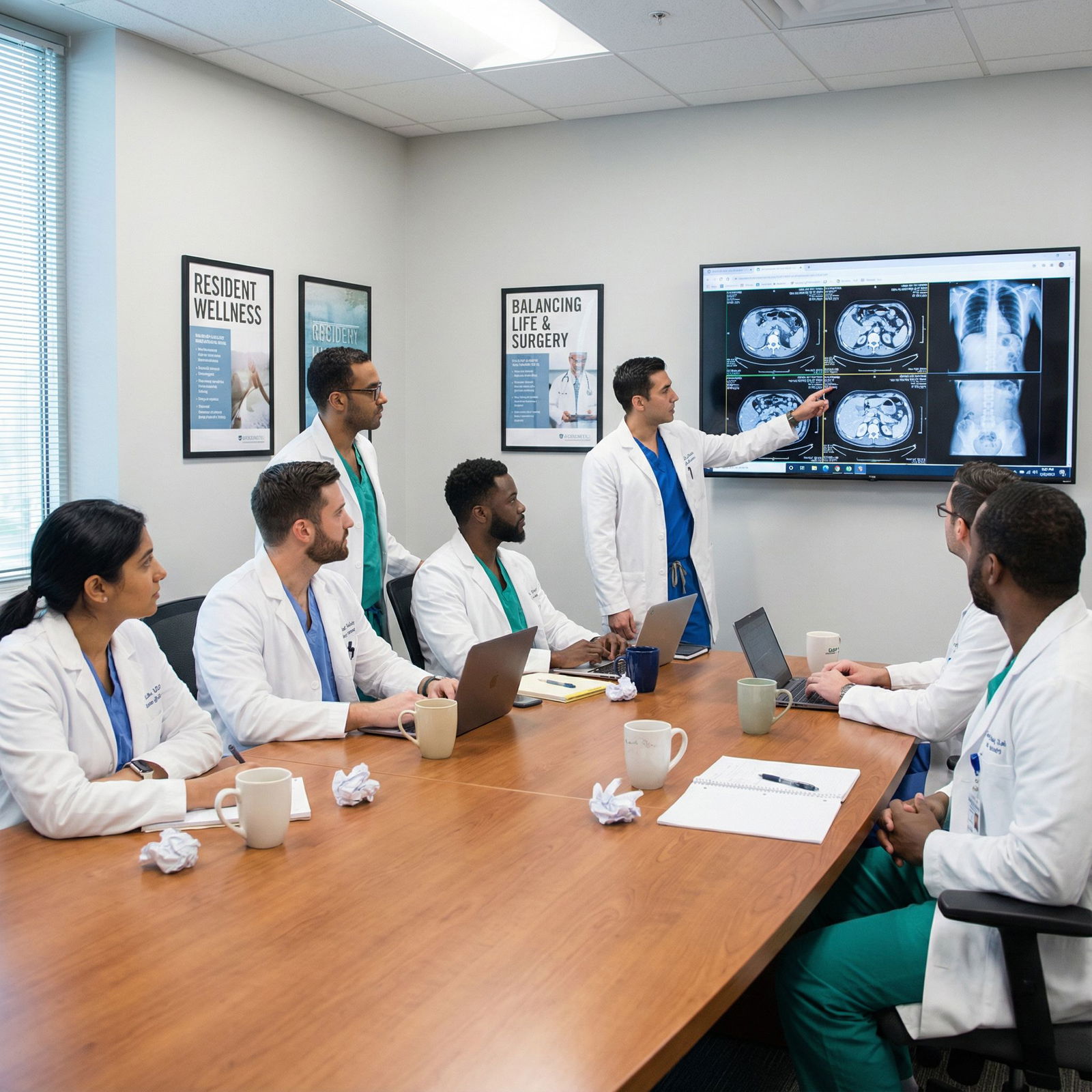
So yes, prestige helps with certain doors—especially highly competitive fellowships and academic careers. But if you never got your hands on the tissue, that pedigree won’t magically make you a technically confident surgeon.
The Power (and Limits) of Operative Volume
Now flip the script.
Community and hybrid programs often sell themselves with one line: “You’ll operate more here.” Sometimes that’s true, and when it is, it’s a huge advantage. There’s no substitute for cutting, suturing, dissecting, and making intraoperative decisions.
You learn things you can’t absorb from textbooks:
- How tissue “feels” when it’s about to tear
- When to convert to open and not be a hero
- How to handle bleeding without panicking
- How to get out of complications you caused
These are volume-dependent skills. If you only assisted while someone else did these things, you’re behind.
But there’s a catch that almost no one talks about.
High-volume ≠ high-quality exposure if:
- You’re doing the same 6–8 cases over and over (choles, appys, hernias) with little complexity
- Attendings still do the “hard part” and your role is skin-to-skin but shallow
- There’s poor feedback and no systematic teaching or review
You can crank out 1200 cases and still be mediocre if no one ever pushed you to improve your technique or your thinking.
The better question is: What does a “high-volume, high-yield” operative experience actually look like?
It looks like:
- Early entry into the field (interns holding the camera, but quickly moving to doing cases)
- Senior residents truly running the case with attendings scrubbed but hands-off
- Gradual escalation of case complexity by PGY level
- Frequent, blunt feedback: “Your knots are too loose; your planes are off; this dissection was unsafe and here’s why.”
That combination—volume + autonomy + feedback—is lethal (in the good sense) for your growth.

| Step | Description |
|---|---|
| Step 1 | Early Exposure |
| Step 2 | Repetition of Core Cases |
| Step 3 | Escalating Complexity |
| Step 4 | Real Autonomy |
| Step 5 | Outcome Feedback |
| Step 6 | Improved Judgment and Skill |
Without that loop, you’re just grinding cases for a log.
So Which Predicts Your Career Better?
Let me answer the actual question clearly: operative volume and autonomy predict the quality of your day-to-day surgical practice more than prestige does.
Prestige mainly predicts:
- How easy it is to get certain fellowships
- The likelihood of landing at certain academic institutions early in your career
- The default “assumption of competence” people grant you (fair or not)
Volume and autonomy predict:
- Whether you can handle a difficult gallbladder at 2 am without melting down
- Whether you can perform safely when something unexpected happens
- Whether you feel confident or constantly anxious in the OR
What about academic careers?
Yes, elite programs help. They plug you into the right networks and give you research horsepower. But I’ve watched non-name program grads build research portfolios, match elite fellowships, then return as faculty at brand-name institutions. They just had to be more intentional and work harder for the same doors.
If you want a blunt heuristic:
- For purely clinical, community practice: Choose stronger operative volume and autonomy over prestige almost every time.
- For high-end subspecialty + academic career: You need enough prestige and research and enough operative foundation that you’re not a liability in the OR. A shiny brand without hands-on skill will catch up with you when you’re the attending on the billing line.
How to Actually Compare Programs Beyond the Brochure
Most applicants ask the wrong questions on interview day. They ask about reputation, fellowship match lists, and “what makes your program unique” (useless question, by the way).
You should be drilling into two buckets:
- What will I actually do with my hands?
- What will this name actually buy me long-term?
Questions that cut through the fluff
On interviews, ask very specific, uncomfortable questions. Watch who answers clearly and who dodges.
- “How many cases did your last five graduates log as surgeon junior/senior, not just assistant?”
- “At what PGY level do residents typically perform laparoscopic cholecystectomy skin-to-skin?”
- “Who does the index complex cases—attendings, fellows, chiefs?”
- “How often do attendings let residents struggle (safely) vs taking over quickly?”
- “If a resident is weak technically in PGY-2, what exactly happens?”
Then talk to residents without faculty around. Ask:
- “What are you not getting enough of here?”
- “Who are the black-hole attendings—cases where you never touch anything?”
- “If you could choose again, would you come back?”
If all you hear is “but we’re [Prestige Name] and place people in top fellowships,” push back: “And how confident are your grads as operating surgeons on day one as attendings?” Silence there is your answer.
Long-Term Outcomes: What Actually Sticks 10 Years Out
Ten years after graduation, here’s what people rarely brag about at conferences:
- Where they did residency
- Where they did fellowship
You know what they quietly care about every day?
- “Do I feel comfortable with the cases on my schedule?”
- “Do my partners trust me with complications?”
- “Do I feel like an imposter every time I scrub in for a complex case?”
The attendings I see who are miserable years after training typically fall into one of two groups:
- Prestige-rich, skill-poor: Matched at Top-5, never got their hands dirty, chased fellowship and another fellowship, looked great on paper—then hit practice and realized they didn’t know how to actually operate independently without a safety net.
- Volume-rich, thinking-poor: Operated a ton at a lower-resource program but without strong oversight, habits, or cognitive training. Lots of cases, but lots of shortcuts and shaky judgment. High complication rates later.
Both are training failures. Just in opposite directions.
The sweet spot is not “prestige vs volume.” It is:
- Solid or strong program reputation (not necessarily brand-name, but respected)
- High operative volume
- Real graduated autonomy
- Attendings invested in teaching, not just using residents as warm bodies
- Enough academic exposure to not stunt your options later
That cocktail predicts a better career than a fancy logo on your badge.
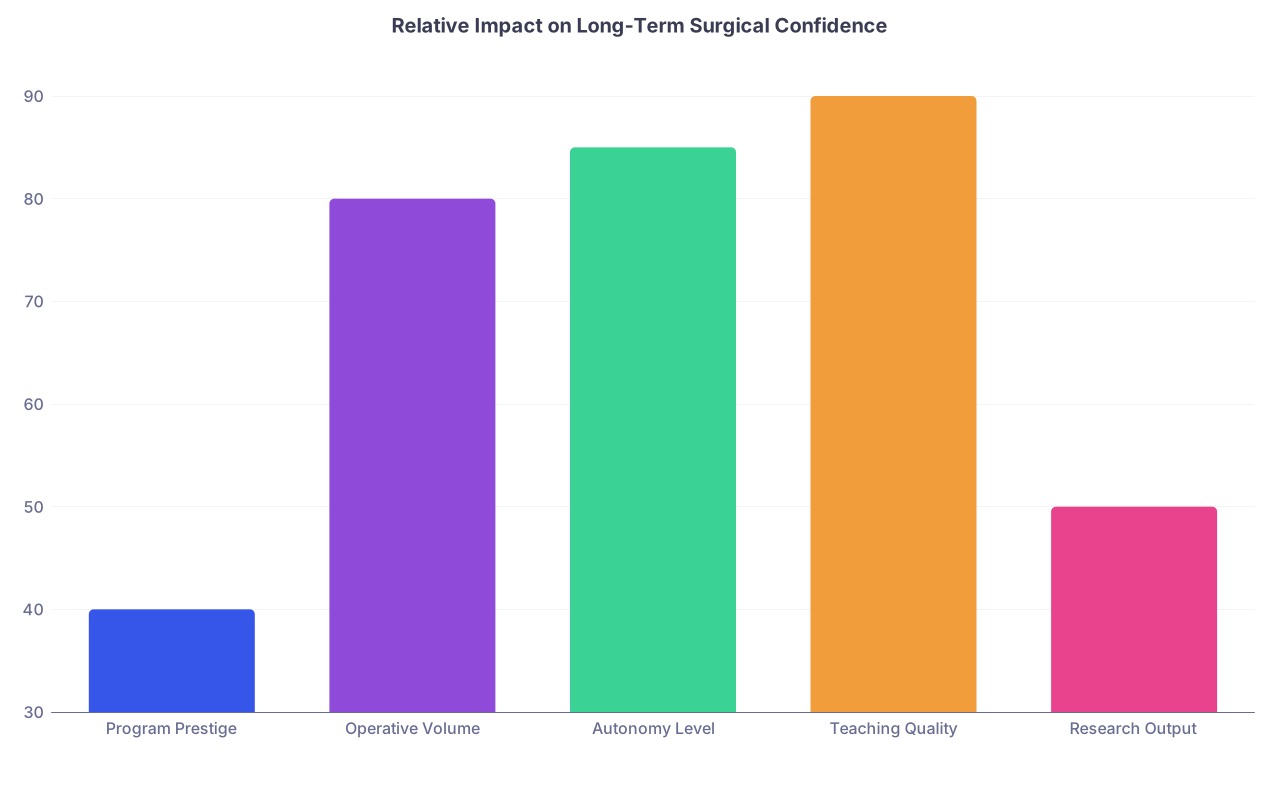
| Category | Value |
|---|---|
| Program Prestige | 40 |
| Operative Volume | 80 |
| Autonomy Level | 85 |
| Teaching Quality | 90 |
| Research Output | 50 |
The numbers are conceptual, but the hierarchy matches what people actually feel a decade out.
When You Should Choose Prestige Over Volume
There are a few scenarios where I’d tell you to swallow slightly lower operative volume for a higher-prestige program:
- You are dead-set on ultra-competitive fellowships (peds surgery, surg onc at the top 5, transplant at a handful of elite places). These worlds still run on letters and name recognition.
- You want a serious academic career with NIH-level research. You need infrastructure and mentors who know how to play that game.
- The “volume” program you’re considering has red flags—poor board pass rates, no real didactics, malignant culture—even if they brag about case numbers.
Even then, your job at the big-name place is to fight for your hands-on experience. Scrub every chance you get. Volunteer for call. Seek out the attendings who let you operate. Say yes to the unglamorous cases. Prestige will not operate for you.

The Bottom Line: How To Decide
Strip the marketing off and ask yourself three questions:
- If I graduate from here and never do another fellowship, will I be a safe, confident, independent surgeon?
- If I change my mind and want an elite fellowship, does this place give me a real shot?
- Can I stand the culture here for 5+ years without burning out or becoming the worst version of myself?
Prestige might help with #2.
Operative volume and autonomy drive #1.
Culture controls #3.
If you’re going to overweight anything, overweight #1 and #3. No one cares that you trained at MegaPrestige General Hospital if you’re unsafe, miserable, or both.
Key takeaways:
- Program prestige shapes your options on paper; operative volume + autonomy + teaching shape who you actually become in the OR.
- For most people headed into clinical practice, a high-volume, well-run program beats a big-name, low-autonomy program.
- The best choice is not prestige or volume alone, but the rare combination of enough name recognition with relentless, hands-on, high-feedback operative training.