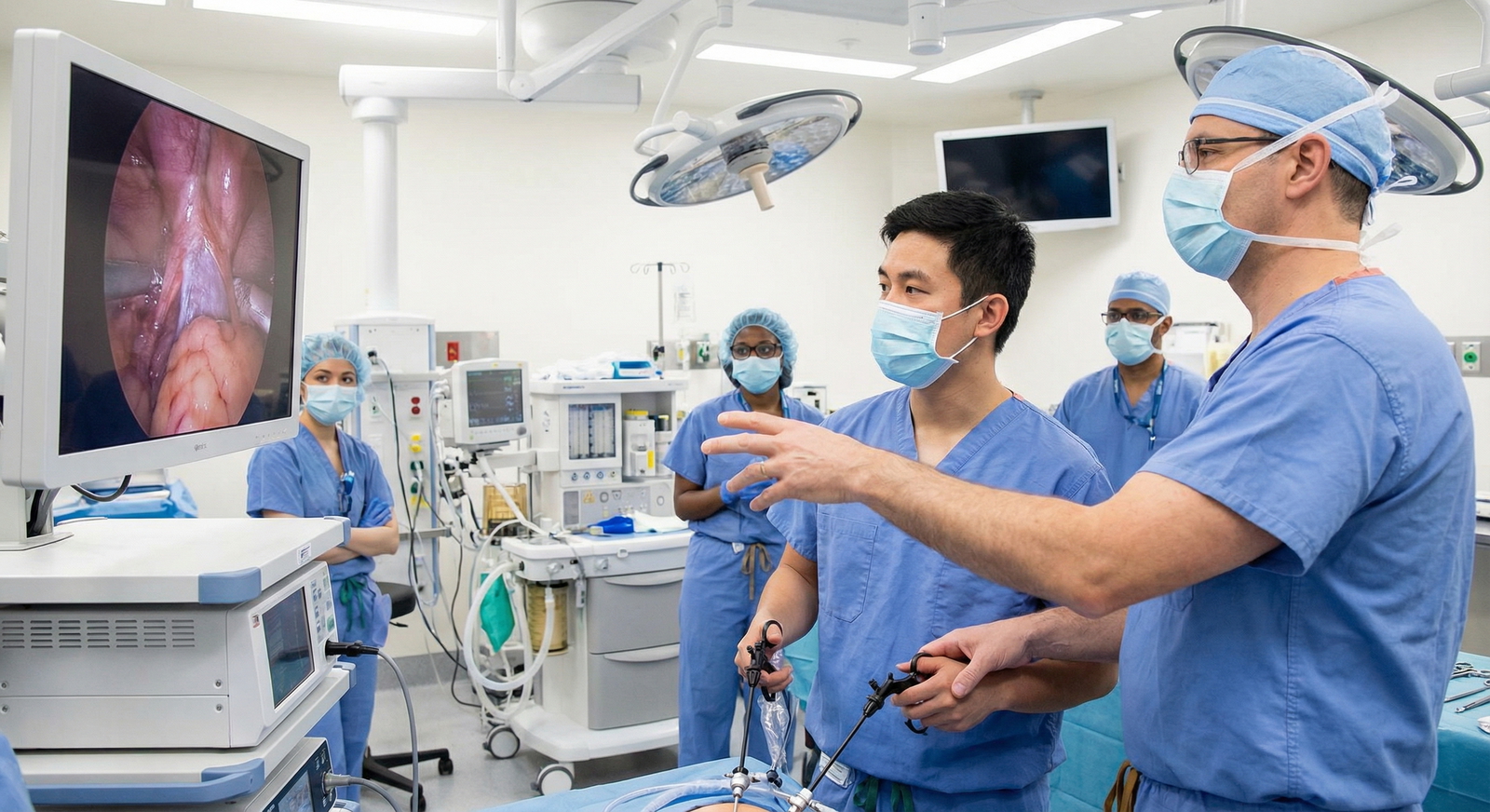
Introduction: Why Surgical Residency Culture Matters
Choosing a Surgical Residency is not just a decision about what you will do—it is a decision about how you will live for the next five to seven years and, in many ways, how you will practice for the rest of your career. Beyond case volume, program reputation, and fellowship placement, there is something less tangible but equally important: the unique culture of surgical residencies.
Surgical training combines high-intensity clinical work, close-knit teamwork, steep learning curves, and a strong hierarchy. The culture you train in will influence how you think, how you handle stress, how you relate to patients and colleagues, and how you balance your personal life with an all-consuming profession.
This expanded overview explores the culture of Surgical Residency in depth, focusing on:
- The day-to-day high-intensity environment
- Teamwork and relationships within the surgical team
- The central role of Mentorship
- Emotional Intelligence, resilience, and mental health
- Work-Life Balance and long-term sustainability
Whether you are a medical student considering surgery or a new intern early in training, understanding these cultural elements will help you choose the right program and thrive once you’re there.
The Reality of Surgical Residency: A High-Intensity Training Environment
Surgical Residency is often described as a “pressure cooker”—not simply because of the hours, but because of the responsibility, expectations, and pace of learning. Appreciating this reality beforehand can help you approach it more intentionally.
Early Mornings, Long Days, and Unpredictable Nights
From day one, most surgical residents quickly learn that:
Pre-rounding may start at 4:30–5:30 a.m.
You’ll review labs, imaging, and overnight events before attending rounds. This is where critical decisions are made, and residents are expected to know their patients in detail.The OR day is tightly scheduled but often runs late.
Cases start early; add-on emergencies can extend your day into the night. Even after leaving the OR, residents manage consults, new admissions, and floor issues.Call and night float reshape your sleep and social life.
Night shifts, weekend call, and cross-cover responsibilities vary by program and PGY level but consistently test your stamina and adaptability.
Adapting to a Highly Structured Schedule
In this environment, time management is not optional—it becomes a survival skill:
- Batch your tasks: Pre-rounding efficiently, writing notes early, and clustering pages or calls when possible can prevent you from falling behind.
- Use micro-moments: Ten minutes between cases can be enough to read a key article, eat a snack, or send a text to family.
- Develop reliable systems: Checklists for pre-op evaluations, discharge planning, and sign-out help prevent errors and reduce cognitive load.
Programs differ widely in how they structure rotations, call schedules, and duty hour enforcement. When comparing programs, ask residents:
- How often are duty hours violated, and how are violations handled?
- What does a “typical” day and a “bad” day look like at each PGY level?
- How much time is realistically available for reading and research?
Understanding the lived experience behind the brochure will help you find a culture that matches your stamina and learning style.
Teamwork in the OR and Beyond: The Engine of Surgical Care
Although surgery is often portrayed as an individual sport with a single “heroic” surgeon, reality is the opposite: Teamwork is central to the culture of surgical residencies.
Camaraderie Among Residents
Your co-residents will become your daily support system:
Shared experience builds strong bonds.
You will celebrate first cases, fellowship matches, and breakthrough moments together—and weather complications, tough call nights, and personal challenges side by side.Informal teaching is constant.
Senior residents often function as your closest teachers. They show you how to close the skin on your first case, how to structure an operative note, or how to frame a consult call to an attending.Peer mentorship emerges naturally.
PGY-3s teach interns how to “own” their patients; PGY-5s model how to think like an attending. Strong camaraderie creates a culture where asking questions is safe and learning is continuous.
As you evaluate programs, pay attention to how residents talk about each other:
- Do they speak with respect and humor, or with resentment and fatigue?
- Do they spend time together outside the hospital?
- Is there evidence of collaboration rather than competition for cases and opportunities?
These details reveal a great deal about the underlying culture.
Collaboration With the Multidisciplinary Surgical Team
Effective surgical teams extend far beyond residents and attendings:
- Anesthesiologists & CRNAs manage airway and hemodynamics, and are key partners in perioperative planning.
- Scrub techs & circulating nurses help anticipate the next step in the operation and support efficiency and safety.
- Advanced practice providers (NPs, PAs) may share floor, clinic, or operative responsibilities depending on the program.
- Consulting services (ICU, cardiology, radiology, oncology, etc.) maintain the broader medical picture.
Residents quickly learn that good surgical outcomes require:
- Clear, concise communication under pressure
- Mutual respect across roles and disciplines
- Situational awareness—knowing when to speak up and when to observe
This is where Emotional Intelligence intersects with Teamwork. Reading the room, understanding others’ perspectives, and communicating calmly are as critical as any technical skill.

Mentorship in Surgical Residency: The Framework for Growth
Mentorship is one of the most defining features of Surgical Residency culture. It shapes your training experience, your professional identity, and your long-term career trajectory.
The Apprenticeship Model: Learning at the Elbow of the Surgeon
Most surgical training still follows an apprenticeship-type structure:
You learn by doing under supervision.
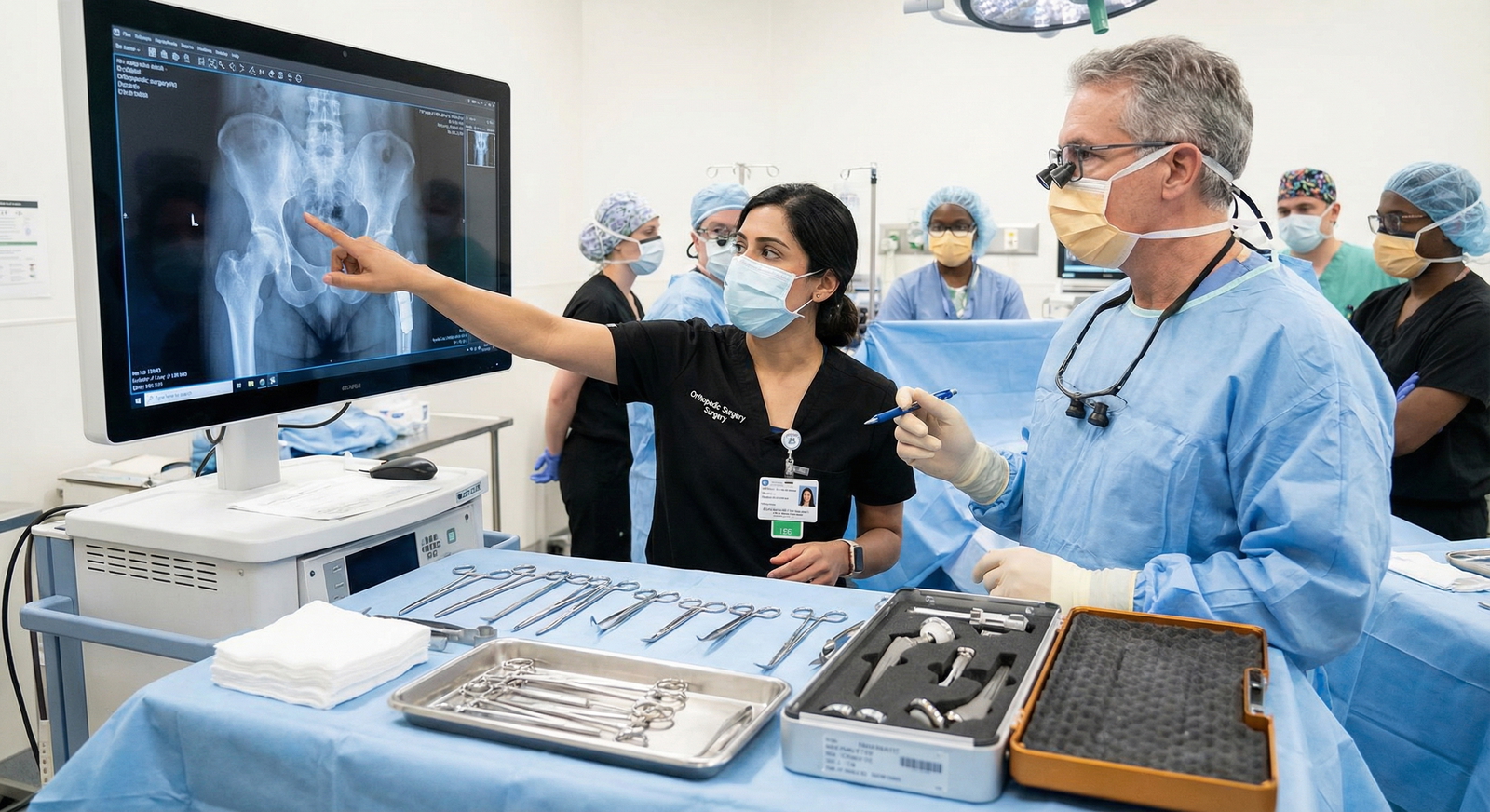
Early on, you may assist with retraction and suturing. Over time, attendings hand over progressively more complex portions of the case, from initial incision to key critical steps.You learn how surgeons think, not just what they do.
In clinic, the operating room, and on rounds, attendings model clinical judgment: when to operate, what operation to choose, and what to do when things deviate from the plan.You observe different practice styles.
Even within one program, you may see contrasting approaches to the same disease or operation. Part of developing your professional identity is deciding which elements fit your values and strengths.
Actionable tips to maximize this apprenticeship model:
- Show up prepared: read about the case, anatomy, and steps ahead of time.
- Ask focused questions: “What are the key decision points in this operation?”
- Debrief after cases: “What could I have done better? What should I read more about?”
Feedback, Evaluation, and Building Confidence
High-quality mentorship includes frequent, specific feedback:
- Intraoperative feedback: hand positioning, tension on tissue, efficiency of movements.
- Clinical reasoning feedback: workup quality, operative indications, postoperative management.
- Professionalism feedback: communication style, leadership on rounds, reliability.
Strong programs create a culture where:
- Residents are evaluated formally (e.g., Milestones, 360 reviews) and informally (post-case discussions).
- Feedback is bidirectional: residents can share what teaching methods work best for them or voice concerns about their progress.
- Constructive criticism is given respectfully, with clear suggestions for improvement—rather than simply expressing frustration.
When visiting or interviewing, ask:
- How often do you receive formal feedback?
- Do attendings routinely give quick post-case feedback?
- Is there a system for matching residents with long-term mentors or advisors?
These questions help you determine how much attention a program gives to your growth as a learner, not just as a service provider.
Mentors as Emotional and Professional Guides
Surgical Residency is not only technically challenging—it is emotionally demanding. Effective mentors:
Normalize the emotional impact of complications and bad outcomes.
They share stories from their own training, emphasizing that distress is common and help-seeking is a sign of professionalism, not weakness.Advise on career decisions.
Fellowship vs. general practice, academic vs. community setting, research vs. clinical focus—mentors help you think through these trajectories in light of your skills, interests, and life goals.Advocate for opportunities.
Good mentors nominate residents for research projects, leadership roles, national presentations, and committee work that can shape their careers.
You will likely have different mentors for different needs: technical skill, research, wellness, and career planning. Actively seeking and nurturing these relationships is one of the best investments you can make during training.
Emotional Intelligence and Resilience: The Inner Culture of Surgery
Surgery is often associated with decisiveness and toughness. Increasingly, however, programs recognize that Emotional Intelligence and resilience are just as essential as technical and cognitive abilities.
High-Stakes Decisions and the Emotional Weight of Surgery
Surgical decisions can carry immediate, visible consequences. Residents must:
- Decide when to call an attending at 3 a.m.
- Manage intraoperative complications in real time.
- Communicate bad news to patients and families.
Emotionally intelligent surgeons:
- Recognize and regulate their own stress and anxiety.
- Tune into the emotional states of patients, families, and team members.
- Communicate clearly and compassionately, even under pressure.
Many programs now incorporate formal training in:
- Difficult conversations (e.g., breaking bad news, end-of-life discussions).
- Conflict resolution within teams.
- Leadership in crisis situations, such as trauma activations or OR emergencies.
Cultivating Emotional Intelligence is not a luxury; it is a patient safety and team-functioning imperative.
Burnout, Mental Health, and the Evolving Culture of Support
Burnout has been extensively documented in surgical trainees, driven by:
- Long hours and high workload
- Sleep deprivation and moral distress
- Exposure to death, suffering, and complications
- Perfectionism and fear of failure
The culture, however, is changing:
Open dialogue is increasingly encouraged.
Residents are urged to talk about distress, seek support, and use counseling or mental health resources without stigma.Institutional resources are expanding.
Wellness programs, confidential counseling, peer support networks, and resilience or mindfulness workshops are becoming standard in many training environments.Leaders are modeling healthier norms.
Surgical faculty who openly discuss their own challenges with stress, family life, or therapy help normalize these conversations.
As a trainee, you can protect your mental health by:
- Scheduling regular check-ins with mentors or trusted peers.
- Using employee assistance programs or resident wellness services early, not only at a crisis point.
- Keeping at least one non-medical activity (exercise, music, faith community, etc.) as a protected part of your routine, even if in small doses.
Programs that openly prioritize mental health and provide accessible support signal a culture designed for long-term sustainability rather than short-term endurance.
Work-Life Balance in Surgical Residency: Reality, Tradeoffs, and Strategies
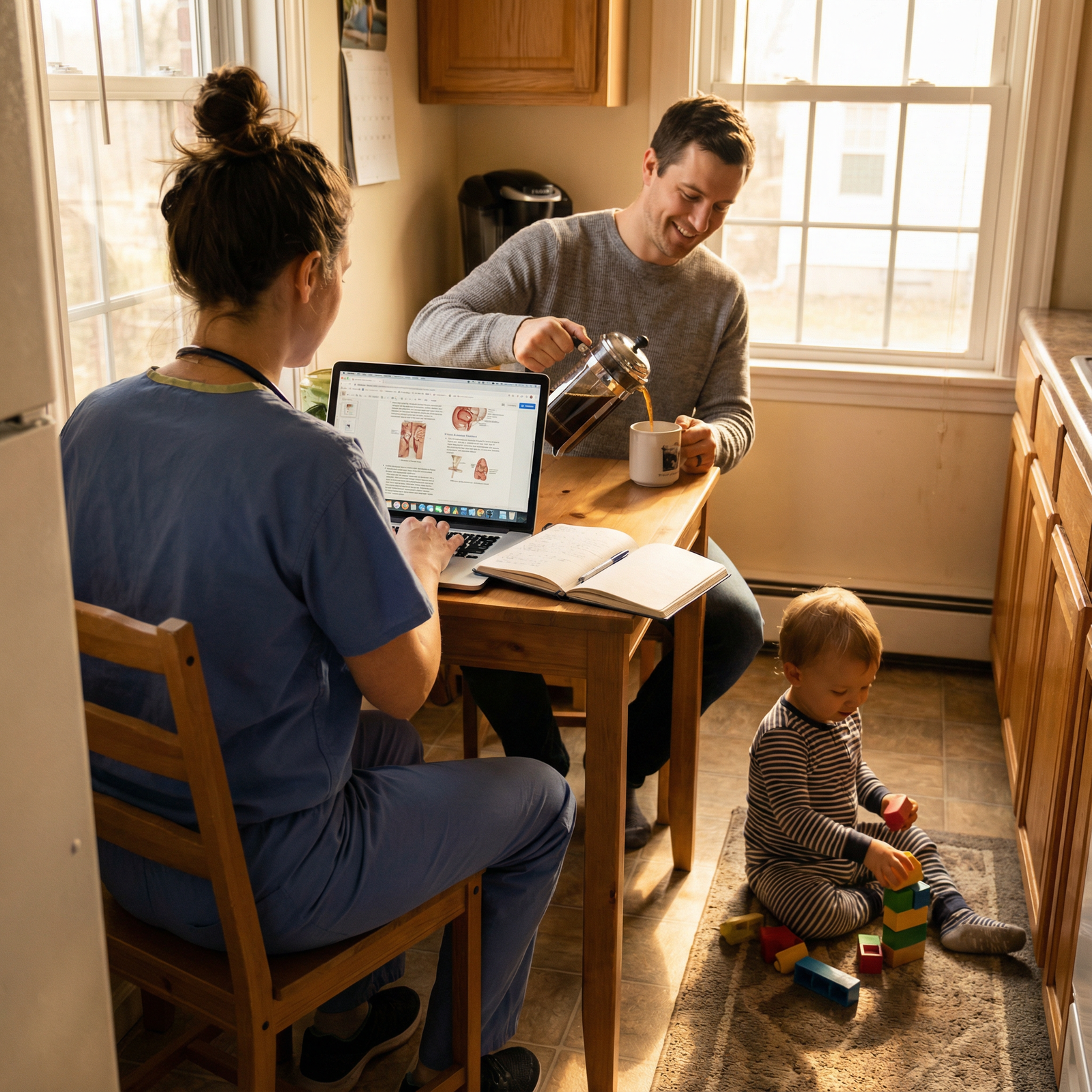
“Work-Life Balance” means something different in surgery than in many other careers. The question is not whether residency will dominate your life—it will—but how compatible the culture is with your values, relationships, and long-term goals.
Life Outside the Hospital: Limited but Not Impossible
Residents frequently report that:
- Social plans are difficult to commit to due to unpredictable call and late cases.
- Hobbies may shrink in frequency, but many still maintain at least one activity.
- Milestones like weddings, having children, or moving may need careful planning around rotations and call.
However, the notion that surgical residents must give up all personal life is outdated and harmful. Sustainable programs and attendings now encourage:
- Protected time off for major life events.
- Reasonable vacation policies actually honored in practice.
- Flexibility for parenting responsibilities, including parental leave and breastfeeding support.
When evaluating a program’s culture of Work-Life Balance, ask current residents:
- Do people have kids here, and how supported do they feel?
- How often do you get to see friends or family?
- Are vacation requests respected, or frequently changed at the last minute?
The answers reveal whether the program’s practices align with its rhetoric.
Long-Term Effects on Relationships and Family Life
Surgical training and careers can affect partners, children, and extended family:
- Partners may shoulder more household and childcare responsibilities.
- Long-distance relationships or dual-physician couples face complex scheduling.
- Some residents choose to delay having children; others do not, and require strong support systems to manage both roles.
Successful surgical residents who maintain healthy relationships often:
- Communicate clearly and honestly with partners about schedule realities.
- Proactively schedule protected time together (e.g., regular “date nights,” family breakfasts, or weekend getaways when feasible).
- Accept that balance is dynamic—some seasons are more work-heavy, others allow more personal time.
Crucially, your post-residency practice setting also matters. Academic surgery, community practice, locum tenens work, and subspecialty choices will all shape your future Work-Life Balance.
Conclusion: Using Culture to Guide Your Surgical Residency Choice
The culture of Surgical Residency is more than a backdrop—it is an active force that will shape:
- Your technical and clinical skills
- Your Emotional Intelligence and resilience
- Your approach to Teamwork and leadership
- Your Mentorship relationships and career opportunities
- Your Work-Life Balance and long-term well-being
As you consider where to train, look beyond case numbers and fellowship match lists. Ask:
- Do residents support each other, or compete destructively?
- Do faculty teach, mentor, and care about resident development?
- Are wellness and mental health treated as critical, or as afterthoughts?
- Could you see yourself not just surviving, but growing here?
A program whose culture aligns with your values will not make residency easy—but it will make it meaningful, growth-oriented, and sustainable. That alignment is one of the most important predictors of satisfaction and success in a surgical career.
FAQs About the Culture of Surgical Residencies
1. How long is a typical Surgical Residency, and how does culture evolve over those years?
Most core General Surgical Residencies last five years, with additional fellowship training (1–3 years) for subspecialties like vascular, colorectal, cardiothoracic, or surgical oncology. Early years focus heavily on floor work, consults, and introductory operative exposure. As you advance, you gain more autonomy in the operating room, leadership on the team, and responsibility for teaching juniors.
Culture often becomes increasingly supportive as you move up: you understand expectations better, feel more competent, and have more control over your schedule and operative experiences. Senior residents also play a central role in shaping the culture for interns and new juniors.
2. How can I assess Mentorship and culture during residency interviews and visits?
To evaluate Mentorship and culture:
- Ask residents: “Who are your mentors, and how did you find them?”
- Look for formal systems (advisors, research mentors) and informal ones (faculty who consistently engage with residents).
- Observe interactions on rounds and in conferences: Are questions welcomed? Are mistakes used as teaching moments or as opportunities to shame?
- Pay attention to how residents talk about attendings when attendings are not present.
Programs with strong cultures usually have multiple approachable faculty, structured advising, and senior residents who are proud of where they train.
3. What skills are most important for success in a Surgical Residency?
Beyond medical knowledge, key skills include:
- Teamwork and communication: functioning smoothly within the OR and ward teams, giving clear sign-outs, and collaborating with other services.
- Emotional Intelligence: managing your own emotions, recognizing stress in others, and communicating with empathy.
- Resilience and adaptability: handling setbacks (e.g., complications, negative feedback) and learning from them.
- Organization and time management: tracking multiple patients and tasks while avoiding errors.
- Professionalism: reliability, integrity, and accountability, even when exhausted.
These skills can be developed deliberately throughout training and are as crucial as technical ability.
4. How do surgical programs support mental health and prevent burnout?
Support varies by institution, but many programs now offer:
- Confidential access to counseling and psychological services.
- Wellness curricula focused on stress management, mindfulness, and resilience.
- Peer support groups or debriefs after challenging events.
- Policies protecting time off after overnight call and honoring vacations.
- Faculty champions for resident wellness and open conversation about burnout.
When comparing programs, ask residents whether they feel safe seeking help and whether wellness resources are truly used and encouraged.
5. Is Work-Life Balance realistically possible during Surgical Residency?
Balance during residency rarely means equal time for work and personal life. Instead, it usually means:
- Having predictable periods of rest and vacation you can count on.
- Maintaining at least a few non-work identities and relationships (partner, parent, athlete, musician, etc.).
- Feeling supported by your program when major life events occur.
- Knowing that your current sacrifices are time-limited and aligned with your long-term goals.
Residents who are intentional about boundaries, communication with loved ones, and self-care can achieve a sustainable—if imperfect—form of Work-Life Balance even in a demanding surgical program.
By understanding and thoughtfully evaluating the unique culture of Surgical Residencies—mentorship, Emotional Intelligence, teamwork, and Work-Life Balance—you can choose a training environment that not only makes you a skilled surgeon but also supports you as a whole person.