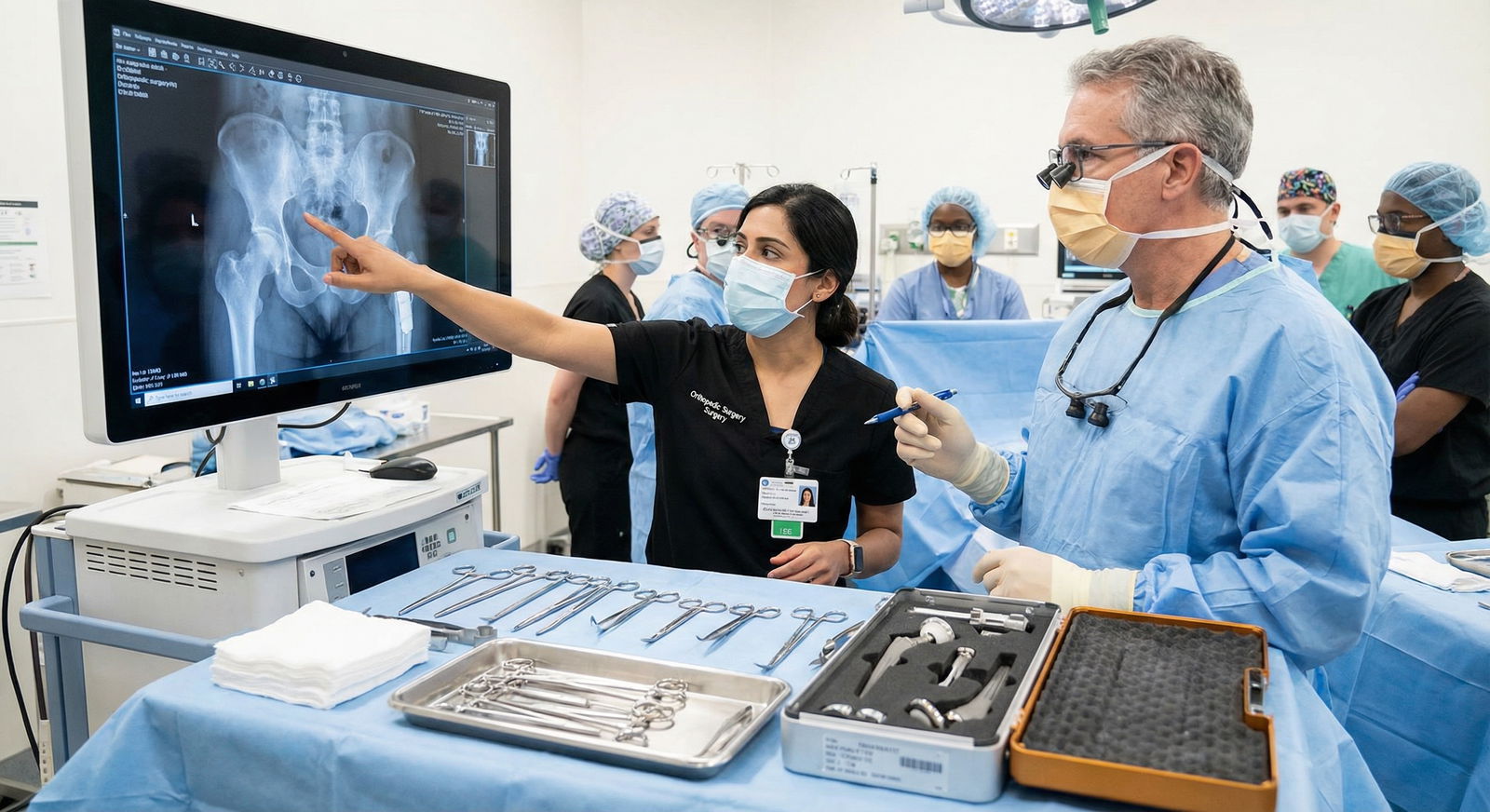
Exploring Orthopedic Surgery: Is This the Right Residency for You?
When you reach the point in medical school where residency choices become real rather than hypothetical, Orthopedic Surgery often lands high on the list of possibilities. It’s a specialty known for its hands-on nature, high-impact interventions, and strong career prospects—but also for its intensity, competitiveness, and demanding lifestyle.
Orthopedic Surgery focuses on the diagnosis, surgical and non-surgical treatment, rehabilitation, and prevention of diseases and injuries of the musculoskeletal system—bones, joints, ligaments, tendons, muscles, and related structures. As you weigh your surgical training options, understanding what this specialty truly entails is essential to making an informed, long-term career decision.
This guide walks through the reality of Orthopedic Surgery as a residency and career: scope of practice, daily life, training path, core skills, pros and cons, and structured self-reflection to help you decide if this is the right fit for your professional goals and personal values in the broader world of health professions.
Understanding Orthopedic Surgery as a Specialty
What Orthopedic Surgeons Really Do
Orthopedic Surgery is fundamentally about restoring function and relieving pain arising from musculoskeletal pathology. Orthopedic surgeons care for:
- Acute traumatic injuries (fractures, dislocations, tendon ruptures)
- Degenerative conditions (osteoarthritis, degenerative spine disease)
- Congenital and developmental disorders (clubfoot, hip dysplasia)
- Overuse and sports-related injuries (ligament tears, meniscal injuries)
- Tumors of bone and soft tissue
- Infections involving bone and joints
Their toolkit includes both operative and non-operative management:
- Open and minimally invasive surgeries
- Arthroscopy and joint reconstruction
- Fracture fixation (internal and external)
- Casting, bracing, and splinting
- Injections (corticosteroid, viscosupplementation, PRP in some practices)
- Rehabilitation planning in collaboration with PT/OT
Orthopedic surgery uniquely blends biomechanics, anatomy, and engineering concepts—you literally restore the structure and mechanics of the body.
Major Subspecialties Within Orthopedic Surgery
Once you complete residency, you may pursue fellowship training in a wide range of subspecialties. Each offers different patient populations, lifestyles, and procedure types:
Sports Medicine
- Focus: ACL tears, meniscal injuries, rotator cuff tears, labral tears, cartilage injuries
- Typical patients: Athletes (amateur to professional), active adults
- Common procedures: Arthroscopic knee and shoulder surgery, ligament reconstructions
Adult Reconstruction / Joint Replacement
- Focus: End-stage arthritis of the hip and knee (and sometimes shoulder)
- Typical patients: Older adults, patients with debilitating pain and functional limitations
- Common procedures: Total hip arthroplasty, total knee arthroplasty, revision joint replacements
Pediatric Orthopedics
- Focus: Developmental and congenital conditions, pediatric fractures, limb deformities
- Typical patients: Infants, children, adolescents
- Common procedures: Hip dysplasia surgery, scoliosis correction, deformity correction with guided growth or osteotomies
Spine Surgery
- Focus: Degenerative spine disease, deformity, trauma, tumors, infections
- Common procedures: Decompression, spinal fusion, deformity correction, instrumentation
Orthopedic Trauma
- Focus: High-energy polytrauma, complex fractures, nonunions, malunions
- Work environment: Level 1 trauma centers, busy emergency ORs
- Common procedures: Intramedullary nailing, open reduction internal fixation, pelvic/acetabular surgery
Hand and Upper Extremity
- Focus: Hand, wrist, forearm, elbow, often shoulder
- Common pathologies: Nerve compression (carpal tunnel), tendon injuries, fractures, arthritis, congenital hand differences
- Mix of microsurgery, tendon repairs, nerve work, and joint reconstructions
Foot & Ankle, Oncologic Orthopedics, Orthopedic Oncology, and Others
- Narrower, specialized practices often in academic or tertiary centers
Each subspecialty represents a unique type of medical career within Orthopedic Surgery—ranging from trauma-heavy call schedules to more elective, clinic-based practices.
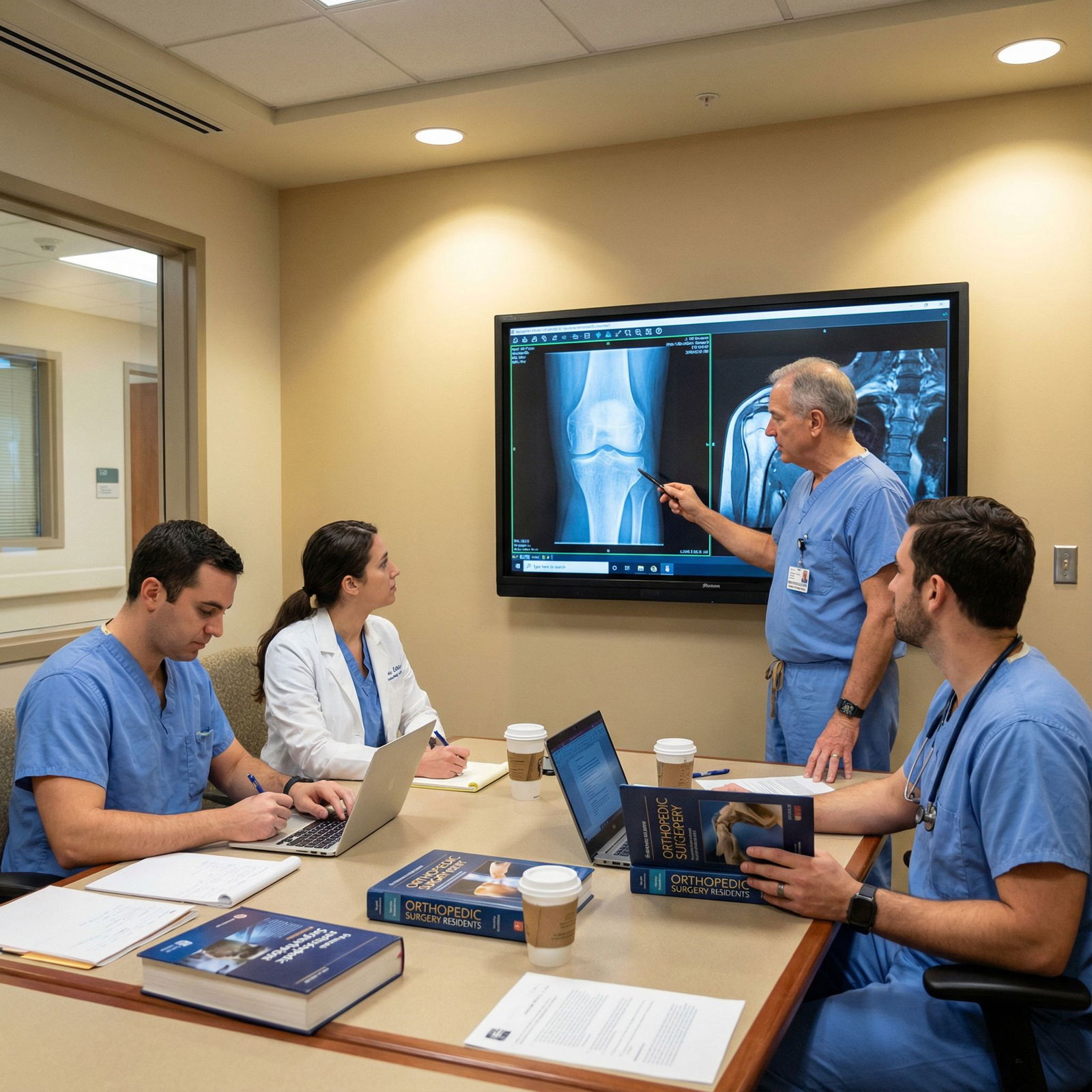
Daily Life and Lifestyle in Orthopedic Surgery
Typical Work Settings and Roles
Orthopedic surgeons practice in various environments:
Academic medical centers
- Mix of complex cases, teaching, and research
- Residents and medical students heavily involved
- Opportunities for clinical trials, biomechanical research, and education
Community hospitals
- Broad general orthopedics practice
- Less subspecialization, more independent decision-making
- Significant role in trauma and elective procedures
Private practice / group practices
- Often subspecialty-focused (sports, joints, spine)
- Emphasis on efficiency, patient volume, and business aspects of medicine
- Potential for ambulatory surgery center (ASC) work
Day-to-day responsibilities typically include:
Operating room time
- Elective and urgent procedures
- Pre-op review, intra-op decision making, post-op documentation
Outpatient clinics
- New consults, follow-ups, post-op visits
- Imaging review and procedural planning
- Minor procedures (injections, cast changes, splinting)
Inpatient care
- Post-op management, pain control, rehabilitation planning
- Coordination with hospitalists, PT/OT, case management
Call and emergency coverage
- Fractures, dislocations, septic joints, compartment syndrome, open fractures
- Managing ED and inpatient consults
As a resident, your days are longer and more structured around:
- Pre-rounds and rounds
- Scrubbing into cases
- ED/consult coverage
- Documentation and orders
- Didactic sessions, conferences, skills labs, journal clubs
Hours, Call, and Work–Life Considerations
Orthopedic Surgery is known for being demanding in terms of both hours and intensity:
Resident hours
- Often approach ACGME limits (80-hour weeks averaged over 4 weeks)
- Early mornings, late evenings, and weekend coverage
- Night float or traditional call systems depending on program
Attending hours
- Variable by subspecialty and practice model
- Trauma and spine: more night and weekend call, emergent cases
- Sports and joints: more elective, predictable schedules but high clinic/OR volume
- Academic vs private practice: differing expectations for research, admin, and patient volume
Lifestyle considerations to think about:
- Physical demands: Long surgeries, wearing lead for fluoroscopy, standing for hours
- Unpredictability: Trauma calls and emergencies can disrupt personal plans
- Burnout risk: High stakes, high responsibility, and intense training require conscious attention to wellness
That said, many orthopedists ultimately shape their careers to support a sustainable work–life balance, particularly after fellowship and once established in practice.
Training Path: From Medical Student to Orthopedic Surgeon
Medical School Preparation
If you are considering Orthopedic Surgery, you can start positioning yourself early:
Academic performance
- Strong performance in basic sciences and clinical clerkships
- Historically, high board scores were important; with score-reporting changes, clinical performance, letters, and experiences carry even more weight
Clinical exposure
- Take an orthopedic elective or sub-internship
- Shadow faculty or community orthopedists
- Get into the OR and clinic to see if the day-to-day work resonates with you
Research and scholarly activity
- Musculoskeletal or surgical research (clinical, biomechanical, outcomes)
- Abstracts, posters, publications, and presentations enhance competitiveness
Mentorship
- Identify orthopedic mentors early
- Seek honest feedback about your competitiveness and fit
- Ask for guidance on away rotations, letters, and residency programs
Structure of Orthopedic Surgery Residency
The pathway in many systems (including the U.S.) typically looks like:
PGY-1 (Intern year)
- Rotations in general surgery, orthopedic surgery, trauma, ICU, emergency medicine, and related fields
- Emphasis on basic patient care, floor management, and foundational surgical skills
PGY-2 to PGY-5 (Orthopedic residency years)
- Progressive responsibility on orthopedic services:
- Trauma, sports, joints, pediatrics, spine, hand, foot & ankle, oncology
- Increasing time in the OR and independent decision-making
- Call responsibilities for fractures, orthopedic emergencies
- Didactics, simulation labs, surgical skills courses
- Research projects and quality improvement initiatives
- Progressive responsibility on orthopedic services:
You will graduate residency able to practice general orthopedics, though many choose to subspecialize.
Fellowship Training Options and Decisions
Most residents now pursue at least one fellowship, typically 1 year in length:
Common fellowships include:
- Sports medicine
- Adult reconstruction (joints)
- Spine
- Hand and upper extremity
- Pediatric orthopedics
- Trauma
- Foot & ankle
- Orthopedic oncology
- Shoulder & elbow
Fellowship decisions should consider:
- Your genuine clinical interests
- Lifestyle preferences (elective vs trauma-heavy)
- Market demand in your desired practice region
- Academic vs community career goals
Early in residency, explore different subspecialties with curiosity; don’t assume you’ll love what you initially expect.
Core Skills, Traits, and Mindsets for Orthopedic Surgeons
Technical and Physical Abilities
Orthopedic surgery is physically and technically demanding. Useful attributes include:
Manual dexterity and fine motor skills
- Handling delicate tissues and precise instruments
- Arthroscopic skills and careful dissection
Spatial reasoning and 3D thinking
- Visualizing deformities, fracture patterns, and corrective maneuvers
- Interpreting complex imaging and translating it into a surgical plan
Physical stamina and strength
- Standing for long cases, sometimes in lead
- Applying force for reductions, reaming, and implant placement
- Maintaining focus and steadiness in demanding conditions
These are all improvable with deliberate practice; few residents start residency “perfectly suited” physically or technically.
Cognitive and Interpersonal Skills
Equally critical to success in Orthopedic Surgery:
Strong problem-solving skills
- Every fracture pattern, deformity, or joint pathology is slightly different
- Balancing risks and benefits in operative vs non-operative care
- Adjusting intraoperative plans in real time
Teamwork and communication
- Coordinating with anesthesia, nursing, PT/OT, radiology, and primary teams
- Explaining options and risks to patients and families in accessible language
- Leading a surgical team and responding constructively to feedback
Resilience and composure under pressure
- Managing complications, poor outcomes, or unexpected findings
- Staying calm during multi-trauma resuscitations or high-risk procedures
- Learning from mistakes without becoming paralyzed by them
Professionalism, Empathy, and Long-Term Mindset
Despite its “fix-it” reputation, Orthopedic Surgery is still deeply human:
Empathy and compassion
- Injury and disability often carry emotional, social, and financial burdens
- Chronic pain and loss of function can be psychologically devastating
- Pediatric and geriatric patients require particular sensitivity
Commitment to lifelong learning
- Rapid advances in implants, biologics, robotics, navigation, and minimally invasive techniques
- Evolving practice guidelines and evidence-based protocols
- Ongoing CME, conferences, and skills courses throughout your career
Ethical judgment and humility
- Weighing when to operate versus when to hold back
- Being honest about risks, expected outcomes, and limitations
- Recognizing when you need help or referral for more specialized care
Pros and Cons of an Orthopedic Surgery Career
Major Advantages: Why Many Choose Orthopedics
High-impact, rewarding outcomes
Restoring a patient’s ability to walk, work, or play sports again can be profoundly satisfying. Few fields offer such visible, tangible improvement in quality of life.Procedural variety and intellectual challenge
From arthroscopy to complex reconstructions and deformity correction, Orthopedics provides a broad, technically rich surgical training experience.Strong job market and earning potential
Demand for musculoskeletal care continues to rise with aging populations and active lifestyles. Orthopedic surgeons are consistently among the highest-compensated health professions.Technological innovation and creativity
The field continually evolves with:- Advanced implants and biomaterials
- Robotic-assisted joint replacement
- Computer navigation and 3D planning
- Biologics and cartilage restoration techniques
If you like engineering and problem-solving, this can be especially appealing.
Flexibility to shape your practice
Within Orthopedics, you can gravitate toward:- High-acuity trauma or elective procedures
- Pediatric or adult populations
- Academic research or community practice
- More clinic-based vs OR-heavy schedules (depending on subspecialty)
Significant Challenges and Trade-offs
Length and intensity of training
You are committing to 5 years of orthopedic residency (after medical school), often plus 1–2 years of fellowship. These are formative but physically and emotionally demanding years.Competition to match
Orthopedic Surgery is one of the more competitive residency choices. You’ll need:- Strong academic performance
- Compelling letters of recommendation
- Demonstrated interest and research or leadership experiences
High responsibility and pressure
If a fracture fixation fails, if a joint replacement becomes infected, or if a nerve is injured, the consequences can be serious. The weight of that responsibility is real and ongoing.Physical strain and occupational hazards
Orthopedic surgeons experience:- Back and neck strain
- Radiation exposure from fluoroscopy
- Risk of needlestick injuries and blood-borne pathogens
Proactive ergonomics and health maintenance are important.
Lifestyle and personal sacrifices
Long hours, call, and emergent OR cases mean missing some personal events and coping with fatigue. Burnout prevention and boundary-setting become important career skills.
Self-Assessment: Is Orthopedic Surgery a Good Fit for You?
Choosing a surgical specialty should involve honest reflection. Consider these questions:
1. How do you feel in the OR and with hands-on procedures?
- Do you enjoy manual tasks, working with tools, and solving mechanical problems?
- Do you feel energized by time in the OR, or do you prefer diagnostic reasoning and longitudinal outpatient care?
- Have your surgical rotations left you wanting more OR days—or relieved when they ended?
2. Are you fascinated by the musculoskeletal system and biomechanics?
- Do you find fracture patterns, joint mechanics, and deformity correction intellectually engaging?
- Are anatomy lab and musculoskeletal imaging among the subjects you enjoy most?
- Do you enjoy thinking about load, alignment, and function in a very concrete way?
3. Can you tolerate (and even thrive in) high-pressure situations?
- How do you react under time pressure, in trauma codes, or when plans change suddenly?
- Are you able to make decisions with imperfect information and then move forward?
- Can you accept that complications will occur despite your best efforts—and still come back the next day ready to care for patients?
4. Are you ready for the lifestyle trade-offs during training?
- Can you realistically handle long, irregular hours during residency and early practice?
- Do you have a support system (family, friends, mentors) and strategies to maintain your mental and physical health?
- Are you willing to defer some personal milestones or hobbies while you invest in training?
5. Do you value quick, functional outcomes and procedural work over long-term chronic disease management?
- Orthopedics often offers discrete interventions with clear, functional outcomes rather than lifelong management of complex medical conditions.
- Does this type of “fix-it” approach align with how you want to practice medicine?
You don’t need perfect answers to all of these, but patterns in your responses can help clarify whether Orthopedic Surgery aligns with your natural inclinations and values.
Voices from the Field: Realistic Perspectives
Hearing from practicing orthopedic surgeons can help you understand the nuances behind the statistics and stereotypes.
Dr. Sarah Lawson, sports medicine orthopedist:
“I love helping athletes—from weekend warriors to collegiate players—get back to what they love. Clinic days are fast-paced, and OR days are technically satisfying. The flip side is a lot of late-night game injuries and weekend calls, but for me the trade-off is absolutely worth it.”Dr. Michael Chen, pediatric orthopedic surgeon:
“Treating children means you’re not just fixing a problem today; you’re changing the arc of an entire life. It’s incredibly rewarding to see a child with a corrected deformity running around years later. But it also means navigating scared parents, complex decision-making, and sometimes very long, delicate surgeries.”Dr. Ayesha Rahman, trauma orthopedist:
“Trauma is intense. You’re often dealing with life-altering injuries in the middle of the night. The schedule is unpredictable, but the, ‘You’re the one they call when everything is broken’ aspect is exactly what I signed up for. It’s not for everyone—but for some of us, it’s where we feel most useful.”
Listening to how different surgeons talk about their work can help you envision your own potential place in the field.

FAQs About Orthopedic Surgery Residency and Career
1. How long is Orthopedic Surgery residency, and what does the training path look like?
Orthopedic Surgery residency is typically 5 years after medical school in the U.S. (PGY-1 through PGY-5). The first year often includes general surgery, trauma, ICU, and related rotations, with increasing orthopedic exposure. Years 2–5 are focused on comprehensive orthopedic training across subspecialties. Many graduates then pursue a 1-year fellowship, making the total training time after medical school usually 6–7 years.
2. How competitive is Orthopedic Surgery, and how can I strengthen my application?
Orthopedic Surgery is considered a highly competitive specialty. To strengthen your application:
- Aim for strong clinical evaluations, especially in surgery and orthopedics
- Seek meaningful research experiences, ideally with orthopedic faculty
- Complete one or more orthopedic sub-internships/away rotations
- Cultivate strong letters of recommendation from orthopedic surgeons who know you well
- Demonstrate genuine interest through longitudinal experiences, not just last-minute choices
Work with mentors early to identify realistic targets and strategic steps.
3. What is the typical salary range and career outlook for orthopedic surgeons?
While compensation varies by country, region, practice type, and subspecialty, orthopedic surgeons in the U.S. often have one of the highest average incomes among physicians, commonly reported in the $450,000–$600,000+ annual range, with some subspecialties and private practice models exceeding this. The career outlook is strong, driven by aging populations, sports participation, and demand for joint replacements and fracture care.
4. What is the lifestyle really like for orthopedic surgeons—do they ever have “normal” hours?
Lifestyle varies widely:
- Trauma and spine: More nights, weekends, and emergent surgeries; less predictable.
- Sports and joints: More elective cases and clinic, somewhat more stable schedules, though call remains part of most jobs.
- Academic vs private practice: Different expectations regarding volume, call, teaching, and research.
Most orthopedic surgeons eventually achieve a sustainable, if busy, lifestyle—but during residency and early practice, expect long hours and significant call responsibilities.
5. Who should not choose Orthopedic Surgery?
You might reconsider Orthopedic Surgery if:
- You strongly dislike the OR or procedural work
- You prefer longitudinal, relationship-based care over episodic, intervention-focused care
- You are unwilling to accept a physically and emotionally demanding training period
- You find high-pressure, time-sensitive decisions persistently distressing rather than energizing
- You are drawn more to cognitive, diagnostic disciplines (e.g., neurology, rheumatology, psychiatry) than to mechanical, structural problem-solving
There is no “better” or “worse” choice—only alignment with who you are and the kind of physician you want to become.
Final Thoughts: Making an Informed Residency Choice
Orthopedic Surgery offers a dynamic, impactful, and technically rich career within the surgical specialties. If you are energized by the OR, fascinated by musculoskeletal anatomy and biomechanics, and motivated by restoring mobility and function, it may be an excellent fit for your medical career.
At the same time, the field demands:
- Long, intensive training
- Resilience under pressure
- Comfort with physical and emotional challenges
- Commitment to continuous learning and self-improvement
As you explore residency choices, seek honest mentorship, spend time on orthopedic services, and reflect deeply on your strengths, values, and long-term goals. Whether you ultimately choose Orthopedic Surgery or another specialty, this careful, structured self-reflection will serve you well throughout your journey in the health professions.