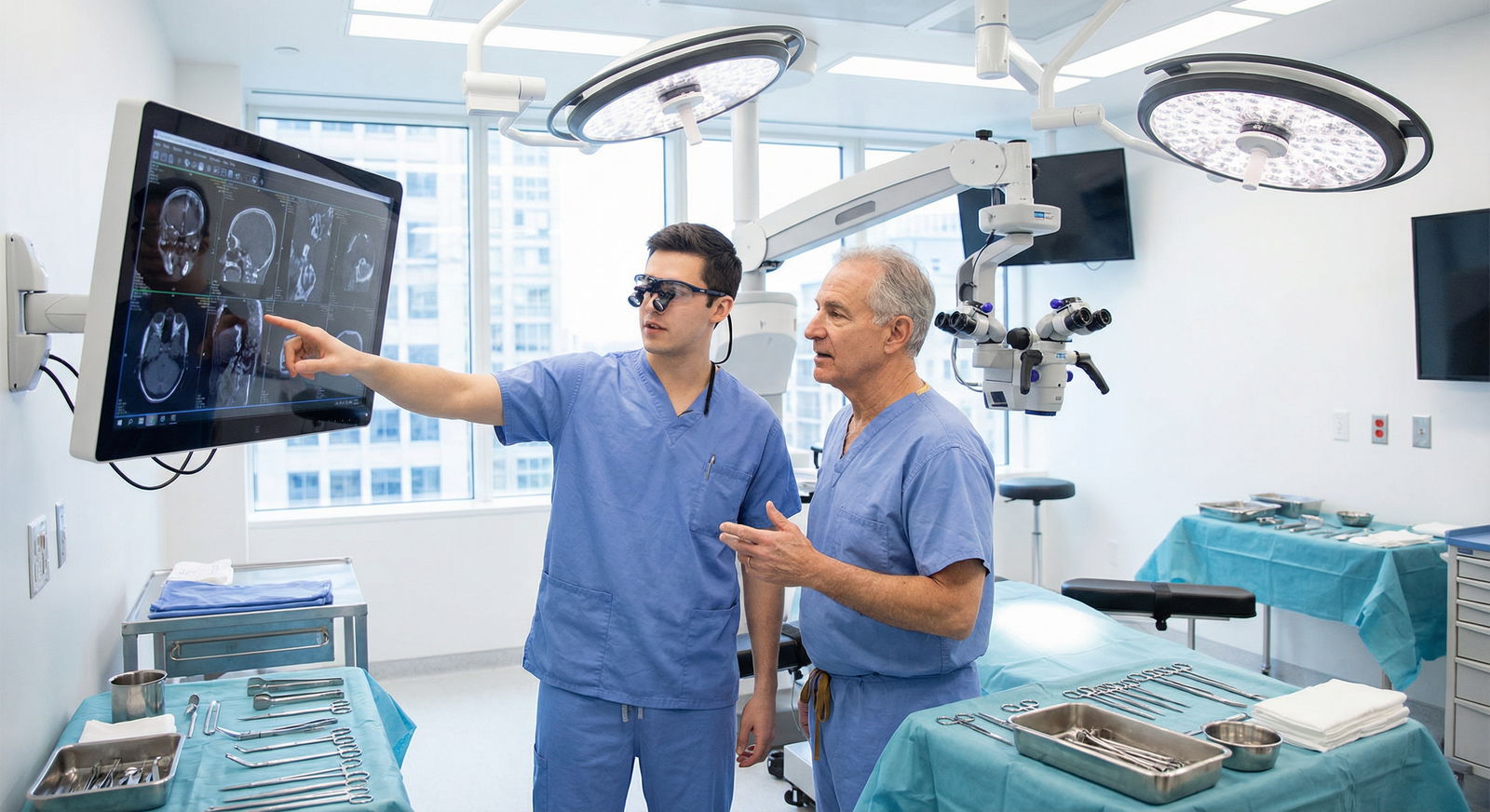
Choosing a residency shapes not only your training years but the rest of your career. Within Surgical Training, Plastic Surgery is one of the most competitive and misunderstood options. It blends reconstructive and aesthetic work, emergency trauma care and elective procedures, technical precision and artistic judgment.
This guide expands on the pros and cons of a Plastic Surgery residency so you can make a truly informed choice about your future in healthcare careers.
Understanding Plastic Surgery as a Specialty
Plastic Surgery is far more than “cosmetic work.” As a core surgical discipline, it focuses on restoring form and function across almost every region of the body. Plastic surgeons are often called the “problem-solvers” of surgery because they are trained to move, reshape, and reconstruct tissue in creative ways when standard approaches fail.
Scope of Practice: More Than Aesthetics
A Plastic Surgery practice can include:
- Reconstructive surgery
- Breast reconstruction after mastectomy
- Post–skin cancer reconstruction (e.g., after Mohs surgery)
- Limb salvage and coverage of complex wounds
- Pressure sore reconstruction
- Craniofacial and pediatric surgery
- Cleft lip and palate repair
- Craniosynostosis surgery
- Congenital hand differences
- Ear reconstruction (e.g., microtia)
- Hand and peripheral nerve surgery
- Tendon and nerve repairs
- Carpal tunnel and cubital tunnel release
- Replantation of amputated digits
- Complex fractures and soft tissue injuries
- Burn and trauma care
- Acute burn management
- Burn scar contracture release
- Soft tissue coverage for traumatic injuries
- Aesthetic (cosmetic) surgery
- Rhinoplasty, facelifts, blepharoplasty
- Breast augmentation, lift, or reduction
- Body contouring (liposuction, abdominoplasty, post–massive weight loss surgery)
- Non-surgical procedures (Botox, fillers, lasers)
The same surgeon might handle a mangled hand in the emergency room in the morning and perform an elective rhinoplasty in the afternoon. This breadth is one of the defining characteristics of Plastic Surgery.
Training Pathways and Residency Structure
In most regions (and specifically in the U.S.), there are two broad pathways into Plastic Surgery:
Integrated Plastic Surgery Residency
- Match directly from medical school.
- Typically 6 years in length.
- Early exposure to Plastic Surgery with built-in general surgery, orthopedics, ENT, neurosurgery, dermatology, and ICU rotations.
- Highly competitive, often requiring strong board scores, research, and letters.
Independent/Traditional Route (varies by country and evolving over time)
- Complete a full General Surgery (or other qualifying) residency first.
- Then match into a 3-year Plastic Surgery fellowship/residency.
- Less common as more programs transition to integrated models.
Regardless of route, the training is intense, long, and comprehensive, covering both reconstructive and aesthetic domains with increasing independence over time.
Major Advantages of a Plastic Surgery Residency
Plastic Surgery attracts applicants who enjoy variety, creativity, and complex problem-solving. Several consistent advantages make this specialty appealing during Medical Residency decision-making.
1. Exceptionally Diverse Surgical Practice
Few specialties offer the day-to-day variety that Plastic Surgery does. This diversity manifests in several ways:
- Anatomic diversity: You work on the face, scalp, trunk, upper and lower extremities, breast, hands, and more.
- Patient diversity: Neonates with congenital anomalies, children with craniofacial differences, adults with trauma, cancer patients, older adults seeking reconstruction or rejuvenation.
- Case type diversity:
- Microsurgical free flaps for limb salvage
- Aesthetic breast and body procedures
- Nerve decompressions and tendon transfers
- Skin cancer reconstructions in collaboration with dermatology
- Trauma call for hand, face, and soft tissue injuries
For residents who fear monotony and want a wide spectrum within Surgical Training, Plastic Surgery provides an ever-changing caseload.
Actionable tip: During clinical rotations, pay attention to how you feel after diverse versus repetitive days. If you find variety energizing, Plastic Surgery may align well with your strengths.
2. Creativity, Innovation, and the “Art” of Surgery
Plastic Surgery is often described as the most “artistic” surgical specialty—but that art is grounded in rigorous anatomy and technical skill.
- Creative problem-solving: You are frequently asked to “cover this exposed bone,” “reshape this nose,” or “recreate a breast mound” with limited tissue options. There is rarely only one correct solution.
- Tissue design and planning: Flap design, incision placement, scar camouflage, and contouring all require spatial reasoning and aesthetic judgment.
- Innovation culture:
- New flap designs and microsurgical techniques
- Advances in nerve regeneration and functional reconstruction
- 3D printing for craniofacial reconstruction and surgical planning
- Regenerative medicine and fat grafting technology
- Minimally invasive and endoscopic approaches
Many plastic surgeons are heavily involved in research, device development, and technique refinement. If you enjoy the intersection of art, engineering, and biology, this field can be uniquely satisfying.
3. Strong Earning Potential and Practice Flexibility
Compensation is not the only factor in choosing a residency, but it is an important one for long-term planning.
- High average income: Plastic surgeons consistently rank among the top earners in healthcare careers, especially those with busy aesthetic practices.
- Multiple practice models:
- Academic (salary with potential incentives)
- Hospital-employed reconstructive practice
- Private practice focusing on cosmetic surgery
- Group practices or multi-specialty centers
- Hybrid models combining hospital-based reconstruction with private-pay cosmetic work
This flexibility allows you to tailor your career over time. Early in your career you might focus on reconstructive cases in an academic center, then later build an aesthetic practice with more control over your schedule.
Caution: High earning potential usually requires:
- Building a strong reputation
- Effective practice management and business skills
- Geographic and market awareness (competition, patient demographics, local economy)
4. Deep and Meaningful Patient Relationships
Plastic Surgery uniquely blends surgical technique with psychosocial impact.
- Life-changing reconstructions:
- A child speaking clearly after cleft palate repair
- A young woman regaining body confidence after breast reconstruction
- A trauma patient returning to work after limb salvage or hand reconstruction
- Longitudinal care: Many patients require multiple stages of reconstruction, revisions, or ongoing follow-up, leading to relationships that span years.
- Shared decision-making: Especially in aesthetic surgery, extensive counseling and expectation management are essential. You often work with motivated, engaged patients, which can make clinic interactions very rewarding.
If you value seeing tangible changes in quality of life and self-image, Plastic Surgery offers this in abundance.
5. Growing and Evolving Demand
Plastic Surgery has shown steady growth across many domains:
- Increasing acceptance of aesthetic procedures across age groups and genders.
- Rising need for reconstruction due to:
- Higher cancer survival rates
- Aging populations
- Increased trauma survivorship
- Non-surgical services (injectables, lasers, skin procedures) expanding into Plastic Surgery practices, offering additional revenue streams with shorter procedures.
While cosmetic volumes are sensitive to economic cycles, the reconstructive side provides a more stable base. Overall, the field remains robust, with ongoing innovation creating new indications and services.

Key Challenges and Drawbacks of a Plastic Surgery Residency
Despite its many strengths, Plastic Surgery is not the right fit for everyone. The training is demanding, the expectations are high, and certain aspects can be uniquely stressful.
1. Lengthy, Intense, and Highly Competitive Training
Integrated Plastic Surgery is consistently one of the most competitive specialties in the Match.
- Application pressure:
- High board scores and class rank often expected
- Multiple research projects or publications
- Strong letters of recommendation from plastic surgeons
- Away rotations that can make or break your application
- Training duration:
- Typically 6 years for integrated programs
- Longer if you pursue additional fellowships (hand surgery, craniofacial, microsurgery, aesthetics)
- Demanding schedules during residency:
- Early mornings, long days in the OR and clinic
- Frequent call (including trauma, hand, and facial injuries)
- Managing complex inpatients (microsurgical flaps, major trauma, burns)
If your priority is a shorter pathway to independent practice, or if the competitiveness adds excessive stress, this may be an important factor in your career choices.
Actionable tip for applicants:
- Start research early (M1–M2).
- Seek mentorship from plastic surgeons at your home institution or through national societies.
- Consider away rotations strategically at programs you’re genuinely interested in.
2. High-Stakes, High-Stress Clinical Environment
Plastic Surgery often deals with delicate structures and visible areas (face, hands, breast), where small errors can have major functional or aesthetic consequences.
- Expectations for precision: Millimeter-level accuracy can matter enormously in facial or hand surgery.
- Revision surgeries and dissatisfied patients: Even technically perfect operations may not meet subjective expectations, particularly in cosmetic surgery.
- On-call emergencies:
- Hand and facial trauma at all hours
- Microsurgical flap take-back in the middle of the night
- Burn admissions or complex wound consults
Residents must tolerate high acuity, tight timelines, and the mental load of constant vigilance.
Burnout risk: The combination of long hours, complex patients, and perfectionist culture can predispose to burnout if boundaries and self-care are neglected.
3. Public Perception, Ethics, and Professional Identity
Plastic Surgery carries a complex public image.
- Stereotypes: Media portrayals often focus on celebrity cosmetic surgery or extreme makeovers, overshadowing reconstructive work.
- Ethical considerations:
- Assessing body dysmorphic disorder or unrealistic expectations
- Declining procedures you deem unsafe or not in the patient’s best interest
- Navigating marketing and social media responsibly in aesthetic practice
- Defending the specialty: You may find yourself explaining that Plastic Surgery is not “just boob jobs,” but includes trauma reconstruction, cancer reconstruction, pediatric anomalies, and much more.
If you are uncomfortable with the aesthetic side—or conversely, if you only want cosmetic surgery and have no interest in reconstruction—the dissonance can create frustration during training.
4. Economic Vulnerability of Aesthetic Practice
While demand for cosmetic procedures is generally strong, it is also:
- Discretionary: Patients can choose to delay or cancel elective procedures during economic downturns.
- Highly competitive: In some markets, multiple plastic surgeons, dermatologists, and even non-surgeons may offer aesthetic services.
- Marketing-dependent: Building a cosmetic practice often requires substantial investment in branding, advertising, online presence, and patient experience.
Reconstructive work, usually insurance-based, offers more stability but may reimburse less per case and involve more administrative work. Most plastic surgeons find a balance tailored to their goals and local market.
5. Work–Life Balance Challenges
As with many surgical residency programs, work–life balance in Plastic Surgery can be difficult, especially during training:
- Long hours and call: Nights, weekends, holidays on trauma or hand call are common.
- Emotional toll: Complex cases, complications, and high patient expectations can be emotionally draining.
- Early-career pressure: Building a practice, paying off educational debt, and possibly starting a family can occur simultaneously.
Over time, many plastic surgeons do gain more control over their schedules, particularly in private aesthetic practice. But the early years demand resilience and support.
Strategies that help:
- Deliberate time for non-medical activities during residency.
- Open communication with partners/family about expectations.
- Seeking programs with a culture that values wellness and mentorship.
How to Decide if Plastic Surgery Fits Your Career Goals
Choosing a Plastic Surgery residency is not just about prestige or compensation. It must align with your personality, values, and long-term aspirations in Surgical Training and healthcare careers.
Reflective Questions to Guide Your Decision
Ask yourself:
Clinical interests
- Do you enjoy both reconstructive and aesthetic concepts?
- Are you fascinated by anatomy, wound healing, and surgical design?
Temperament and working style
- Can you tolerate high-stakes situations where perfection is expected?
- Do you enjoy meticulous, detail-oriented manual tasks under magnification (e.g., suturing tiny vessels)?
- How do you handle criticism and continuous feedback?
Lifestyle and priorities
- Are you comfortable committing to a long, intense training pathway?
- What kind of work–life balance do you envision in 10–15 years?
- Do you see yourself in an academic center, private practice, or a mixed model?
Ethics and patient population
- How do you feel about performing elective cosmetic procedures?
- Are you prepared to say “no” when a requested procedure isn’t safe or appropriate?
- Do you feel drawn to caring for vulnerable populations (burns, trauma, congenital anomalies, cancer patients)?
Practical Steps to Explore Plastic Surgery During Medical School
To move beyond theory and really understand this specialty, immerse yourself as much as possible:
Shadowing and rotations
- Spend time in the OR, clinic, and emergency consult setting with plastic surgeons.
- Compare your energy level at the end of a Plastic Surgery day with other rotations.
Research involvement
- Join clinical or basic science projects in wound healing, outcomes research, or craniofacial/anatomical studies.
- Present at national meetings (e.g., plastic surgery societies) to build knowledge and connections.
Mentorship
- Identify faculty and senior residents willing to discuss their career paths and daily realities.
- Ask to observe not only “cool cases” but routine days, clinic flow, and call nights.
National and regional meetings
- Attend workshops, resident panels, or student sessions.
- Learn about training pathways, fellowships, and evolving trends in the field.
Self-assessment tools
- Use career interest inventories and reflective writing to clarify your values and preferences.
- Revisit your impressions after key rotations—your perspective may shift with experience.

Maximizing Your Chances: Practical Advice for Aspiring Plastic Surgeons
If you decide Plastic Surgery aligns with your career choices, a strategic approach in medical school can strengthen your application.
Academic and Clinical Excellence
- Aim for strong performance in pre-clinical and clinical years, especially on surgery and related rotations.
- Honor or high-pass your surgery clerkship if possible.
- Prepare thoroughly for standardized exams (where applicable), as scores still matter in competitive fields.
Building a Competitive Portfolio
- Research: Target at least a few Plastic Surgery–related projects (case reports, retrospective studies, QI projects).
- Letters of recommendation: Secure strong letters from plastic surgeons who know you well and can comment on your work ethic and technical potential.
- Away rotations: Use them to:
- Demonstrate your commitment to the specialty.
- Show your ability to function as part of a team.
- Assess cultural fit with programs you’re considering.
Professionalism and Fit
Residency programs value:
- Teamwork and humility
- Coachability and responsiveness to feedback
- Genuine interest in all aspects of Plastic Surgery, not just “glamorous” cases
- Reliability—showing up prepared, staying late when needed, being present for your patients
Programs are not just selecting for technical potential; they are choosing future colleagues who will represent their institution and specialty.
FAQs About Plastic Surgery Residency and Career Choices
1. How long is a Plastic Surgery residency, and what does the timeline typically look like?
Most integrated Plastic Surgery residencies are 6 years following medical school. A common structure is:
- Years 1–2: Core surgical training (general surgery, ICU, trauma, subspecialty rotations) plus early exposure to Plastic Surgery.
- Years 3–4: Increasing time on Plastic Surgery services, including hand, craniofacial, microsurgery, and aesthetic rotations.
- Years 5–6 (chief years): Majority Plastic Surgery with increasing autonomy, leadership, and complex case management.
Those pursuing additional fellowships (hand, craniofacial, microsurgery, aesthetics) may train for an additional 1–2 years beyond this.
2. Is Plastic Surgery really one of the most competitive Medical Residency options?
Yes. Integrated Plastic Surgery has limited positions nationwide and a large pool of highly qualified applicants. Competitive elements typically include:
- Strong academic performance and exam scores
- Robust research portfolio, ideally in Plastic Surgery
- Excellent letters from recognized plastic surgeons
- Strong performance on home and away rotations
That said, competitiveness should not deter you if the field aligns well with your skills and values—just plan early and seek strong mentorship.
3. What skills and traits are most important for success in Plastic Surgery?
Key skills and attributes include:
- Technical precision and manual dexterity (microsurgery, fine suturing)
- Attention to detail (millimeter differences can affect outcomes)
- Creativity and spatial reasoning (planning flaps, contouring, reconstruction design)
- Resilience and emotional intelligence (handling complications, expectations, and high pressure)
- Communication skills (detailed counseling, managing expectations, intra-team collaboration)
Many of these skills are developed and refined during training, but an inherent interest in meticulous technical work and creative problem-solving is helpful.
4. What subspecialties or fellowships are available after Plastic Surgery residency?
After completing a Plastic Surgery residency, you can pursue several fellowship options, including:
- Hand and upper extremity surgery
- Craniofacial and pediatric Plastic Surgery
- Microsurgery (complex free flap and limb salvage work)
- Aesthetic (cosmetic) surgery
- Burn surgery or wound care
- Peripheral nerve surgery
Some surgeons also combine Plastic Surgery with complementary training (e.g., ENT for facial plastics, orthopedics for hand/upper extremity), depending on local regulations and training pathways.
5. How does Plastic Surgery compare to other surgical specialties in terms of lifestyle and long-term satisfaction?
Compared with other surgical fields:
- Training years: Similar or slightly longer than many other surgical residencies.
- Call and workload during residency: Comparable to other high-acuity surgical specialties.
- Long-term control over schedule: Often better in mature aesthetic or hybrid practices, where elective scheduling is more flexible.
- Satisfaction: Many plastic surgeons report high career satisfaction due to the combination of technical challenge, visible impact, and practice flexibility—but this varies by practice setting, personality, and local market.
When choosing among surgical residencies, consider whether you prefer the breadth and creative reconstruction of Plastic Surgery versus the more organ- or system-specific focus of fields like general surgery, orthopedics, neurosurgery, or ENT.
By carefully weighing these pros and cons—and honestly assessing your own interests, temperament, and priorities—you can decide whether a Plastic Surgery residency is the right next step in your surgical training and broader healthcare career. Seek mentors, gather firsthand experience, and give yourself time to reflect; an informed choice now will pay dividends throughout your professional life.