Introduction: DO vs MD Philosophies in Modern Patient Care
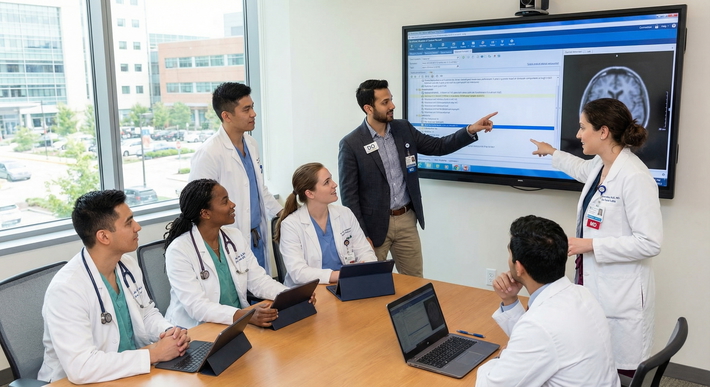
In the United States, two professional medical degrees lead to full physician licensure: the Doctor of Medicine (MD) and the Doctor of Osteopathic Medicine (DO). Both DO and MD physicians are rigorously trained, can enter the same residency programs, prescribe medications, and perform surgery. Yet, their historical roots and core philosophies reveal distinct approaches to Patient Care and Healthcare Approaches.
Understanding these differences matters for premeds, medical students, residents, and patients alike. For aspiring physicians, your choice between DO vs MD often reflects how you want to think about health, disease, and healing. For patients and families, it shapes the kind of doctor–patient relationship and treatment strategies you may experience.
This article explores:
- Historical origins of osteopathic and allopathic (MD) medicine
- Key Medical Training differences and how they inform philosophy
- Holistic Medicine and the osteopathic model
- The biomedical, research-driven MD model
- How each approach affects day-to-day Patient Care
- The growing integration and collaboration between DOs and MDs
By the end, you’ll see less of a “versus” and more of a complementary spectrum of care philosophies that increasingly overlap in real-world practice.
Historical Roots: How DO and MD Medicine Diverged
The Development of the MD: The Biomedical Model Takes Shape
The MD degree has its roots in European universities of the 18th and 19th centuries. Early medical education emphasized anatomy, physiology, and pathology—building a strong foundation in the biological mechanisms of disease.
Key historical milestones for MD training and philosophy:
- Mid–19th century: Rapid advances in microbiology (e.g., Pasteur, Koch) lead to the germ theory of disease. Disease becomes framed as specific pathogens or biological processes acting on the body.
- Early 20th century – Flexner Report (1910): This landmark report led to the standardization of medical education in the U.S., emphasizing:
- Laboratory science
- Hospital-based clinical training
- Evidence-based investigation of disease
- Modern Era: The MD model aligns closely with:
- High-tech diagnostics (MRI, CT, advanced imaging)
- Pharmacology and biologic therapies
- Specialized procedures and surgical innovations
Philosophically, traditional MD training emphasizes:
- Disease mechanisms at the organ, cellular, and molecular level
- Reversing pathology through medications, surgery, and targeted interventions
- Research-driven, evidence-based guidelines
While many MDs also practice holistically, the foundational lens is a biomedical model: understand the disease process first, then intervene aggressively and precisely.
The Emergence of DOs: A Holistic Response
In contrast, osteopathic medicine arose in late 19th-century America as a deliberate alternative to the fragmented, sometimes harmful practices of the era.
- Founder: Dr. Andrew Taylor Still (1828–1917)
- Year founded: 1892 (American School of Osteopathy in Kirksville, Missouri)
Dr. Still observed that many treatments of his time were ineffective or dangerous (e.g., toxic medications, bloodletting). He proposed a system that:
- Viewed the body as an integrated unit
- Emphasized the musculoskeletal system as central to health
- Recognized the body’s inherent capacity for self-regulation and self-healing
- Stressed the importance of prevention and lifestyle in maintaining health
Core osteopathic principles that shaped the DO philosophy:
- The body is a unit—person = body + mind + spirit/environment.
- Structure and function are reciprocally interrelated. How the body is built affects how it works, and vice versa.
- The body possesses self-regulatory, self-healing mechanisms.
- Rational treatment is based on these principles.
While DO training today incorporates the full biomedical model, this holistic framework remains central and drives distinct approaches to evaluation and management.
Medical Training Differences: How Education Shapes Philosophy
Both DO and MD programs are accredited, rigorous, and designed to produce competent physicians. However, the structure and emphasis of their training influence their default Patient Care styles and Healthcare Approaches.
MD Pathway: Allopathic Medical Training
Educational Pathway
- Prerequisites: Premed coursework (biology, chemistry, physics, etc.) and MCAT
- Duration: 4 years of medical school + 3–7+ years of residency (and possible fellowship)
- Curriculum focus:
- Years 1–2: Basic sciences (anatomy, physiology, biochemistry, pathology, pharmacology)
- Years 3–4: Clinical rotations (internal medicine, surgery, pediatrics, OB/GYN, psychiatry, etc.)
Philosophical Impact of MD Training
- Disease-Centric Approach: Early and sustained focus on disease mechanisms, pathophysiology, and evidence-based guidelines:
- “What pathology explains these symptoms?”
- “What intervention best corrects or controls that pathology?”
- Research and Specialization:
- Strong emphasis on subspecialties (cardiology, oncology, neurology, etc.)
- Many MDs train deeply in one organ system or disease area
- Technological Integration:
- Frequent use of imaging, procedural diagnostics, and advanced therapeutics
- Comfort with complex, high-acuity care
DO Pathway: Osteopathic Medical Training
Educational Pathway
- Prerequisites: Similar to MD (premed coursework, MCAT)
- Duration: 4 years of osteopathic medical school + 3–7+ years of residency
- Curriculum focus:
- Same core biomedical sciences as MD programs
- Additional required training in Osteopathic Manipulative Medicine (OMM) and Osteopathic Manipulative Treatment (OMT)
- Often greater emphasis on primary care and community-based training
Unique Features of DO Training
OMM / OMT Instruction
- DO students receive 200–300+ extra hours of education in:
- Musculoskeletal anatomy and biomechanics
- Hands-on palpatory diagnosis
- OMT techniques (e.g., muscle energy, counterstrain, HVLA, myofascial release)
- OMT is used to diagnose and treat somatic dysfunction, support circulation, optimize function, and relieve pain.
- DO students receive 200–300+ extra hours of education in:
Holistic Educational Emphasis
- Courses and clinical instruction often stress:
- Social determinants of health
- Lifestyle and behavioral counseling
- Preventive medicine and population health
- Patient communication and relationship-building
- Courses and clinical instruction often stress:
Training Environment
- Many osteopathic schools have strong ties to community hospitals and primary care clinics
- Historically, a higher percentage of DO graduates enter family medicine, internal medicine, pediatrics, and other primary care fields (though this gap is narrowing)
Philosophical Impact of DO Training
- Whole-Person Orientation:
- DOs are encouraged to ask:
- “How do this patient’s lifestyle, environment, and emotional state interact with their physical symptoms?”
- “What underlying biomechanical or systemic factors might be contributing?”
- DOs are encouraged to ask:
- Manual Diagnostic Skills:
- High value placed on physical exam and palpation
- Tendency to consider non-pharmacologic options like OMT alongside standard care

Contrasting Patient Care Philosophies: Holistic vs Biomedical
Both DOs and MDs strive for high-quality, patient-centered care. The differences lie more in emphasis and habitual lens than in capability.
The DO Perspective: Holistic Medicine and Whole-Person Care
The osteopathic philosophy integrates Holistic Medicine into every encounter. Rather than viewing “holistic” as a buzzword, DO training embeds this perspective in clinical reasoning.
Key Tenets of DO Patient Care
Whole-Person Assessment
- DOs routinely ask about:
- Work and home environment
- Stress, mental health, and social supports
- Diet, physical activity, and sleep
- Symptoms are interpreted in the context of the patient’s life story and circumstances.
- DOs routinely ask about:
Prevention and Lifestyle Focus
- Strong emphasis on:
- Preventive screening
- Vaccinations
- Counseling on nutrition, exercise, stress management, and substance use
- Example:
- A DO treating hypertension may:
- Prescribe medication
- Perform OMT for cervical or thoracic somatic dysfunction affecting autonomic tone
- Provide detailed coaching on diet (e.g., DASH), salt intake, weight management, and sleep hygiene
- A DO treating hypertension may:
- Strong emphasis on:
Osteopathic Manipulative Treatment (OMT)
- Used as an adjunct to conventional care, especially for:
- Musculoskeletal pain (low back pain, neck pain, tension headaches)
- Certain respiratory conditions (pneumonia, post-op atelectasis)
- OMT can:
- Improve range of motion
- Reduce pain
- Enhance lymphatic and venous return
- OMT is evidence-informed and tailored; not every DO uses OMT daily, but the training influences their understanding of structure–function relationships.
- Used as an adjunct to conventional care, especially for:
Relational Approach
- DOs often emphasize shared decision-making and active listening:
- More frequent use of open-ended questions
- Explicit exploration of patient values and preferences
- This often leads patients to perceive DOs as especially approachable and empathic, though many MDs also practice this way.
- DOs often emphasize shared decision-making and active listening:
The MD Perspective: Biomedical Precision and Specialization
The MD approach, rooted in the biomedical model, is characterized by a precise, mechanism-oriented style of Patient Care.
Key Tenets of MD Patient Care
Disease-Focused Clinical Reasoning
- MDs are trained to:
- Rapidly generate differential diagnoses
- Apply evidence-based guidelines and algorithms
- Example:
- A patient with chest pain will be evaluated through a structured, protocol-driven lens:
- Risk stratification (e.g., HEART score)
- ECG, cardiac enzymes, imaging if needed
- Guideline-directed medical therapy or intervention
- A patient with chest pain will be evaluated through a structured, protocol-driven lens:
- MDs are trained to:
Technological and Procedural Expertise
- MDs often:
- Order and interpret advanced diagnostics (CT, MRI, nuclear imaging, endoscopy)
- Perform procedures (cardiac catheterization, endoscopies, minimally invasive surgery)
- Their training particularly suits complex, high-acuity, or rare diseases that demand advanced interventions.
- MDs often:
Specialization and Subspecialization
- Many MDs pursue fellowship training in:
- Cardiology, gastroenterology, oncology, rheumatology, etc.
- This can lead to:
- Deep expertise in narrow clinical areas
- Leadership in clinical research, trials, and guideline development
- Many MDs pursue fellowship training in:
Efficiency and Protocol-Driven Care
- Emphasis on:
- Rapid diagnosis
- Efficient triage and management
- Standardized care pathways (critical in emergency medicine, ICU, trauma, and surgical fields)
- Emphasis on:
How These Philosophies Affect Real-World Patient Interactions
In practice, the differences between individual DO and MD physicians can be greater than the differences between the degrees themselves. Personality, training environment, and individual values play a huge role.
Still, patterns can be seen when comparing typical DO vs MD Healthcare Approaches.
Patient Engagement and Communication
Common Tendencies (Not Absolute Rules)
DOs
- May spend more time exploring psychosocial factors and lifestyle
- Often incorporate more counseling on prevention and self-care
- May use OMT as a means of both treatment and building rapport (“laying on of hands”)
MDs
- Often more explicitly guided by clinical algorithms and evidence-based guidelines
- May focus discussions on diagnosis, prognosis, and specific therapeutic options
- Can be more concise or structured in communication, especially in high-volume or high-acuity settings
Example Scenario: Chronic Low Back Pain
DO approach might include:
- Standard imaging and red-flag evaluation
- Detailed musculoskeletal exam with palpation
- OMT (e.g., muscle energy, myofascial release) to address somatic dysfunction
- Counseling on ergonomics, core strengthening, stretching routines, stress reduction
MD approach might include:
- Standard imaging and red-flag evaluation
- Evidence-based use of NSAIDs, physical therapy, and activity modification
- Consideration of specialty referral (pain management, spine surgery) if persistent or severe
- Structured use of guidelines to avoid unnecessary imaging and opioids
Both are valid; in fact, many DOs and MDs today would combine elements of both strategies.
Approach to Treatment Planning
DOs may:
- More frequently integrate non-pharmacologic strategies upfront
- Revisit structural/functional issues over time (e.g., posture, gait, work setup)
- Be more proactive around behavior change counseling for chronic disease management
MDs may:
- Rapidly implement guideline-directed medications and interventions
- Focus on optimizing lab values, imaging findings, and measurable clinical endpoints
- Lean on multidisciplinary teams (physical therapists, dietitians, psychologists) to address holistic needs
Increasingly, both DOs and MDs work in team-based care models where nutritionists, social workers, mental health professionals, and physical therapists are involved, blurring historical distinctions.
The Modern Landscape: Integration, Collaboration, and Convergence
Residency and Licensing: A Unified System
Historically, DO and MD graduates had separate residency accreditation systems. That distinction has largely disappeared.
Single Accreditation System:
- As of 2020, osteopathic and allopathic residency programs are accredited under a unified ACGME system.
- DO and MD graduates now apply to the same residency programs through a common match system.
Licensing and Scope of Practice:
- DOs and MDs:
- Take national board exams (COMLEX for DOs, USMLE for MDs; many DO students now also take USMLE).
- Are licensed physicians in all 50 states.
- Have identical practice rights: prescribe medications, admit patients, perform surgeries, and lead teams.
- DOs and MDs:
Growing Acceptance of Holistic and Integrative Care
The healthcare system is increasingly recognizing that purely biomedical or purely holistic models alone are insufficient for modern health challenges (e.g., chronic disease, mental health, multimorbidity).
For MDs:
- Rising interest in:
- Lifestyle medicine
- Integrative medicine
- Motivational interviewing and patient-centered communication
- Many MDs seek additional training in nutrition, mindfulness-based therapies, and behavioral interventions.
- Rising interest in:
For DOs:
- Continued incorporation of evidence-based medicine and subspecialty care
- Increasing presence in academic medical centers and research settings
- Some DOs do not use OMT regularly, focusing instead on subspecialty or procedural care, but the osteopathic philosophy may still guide their overall perspective.
Collaborative Practice: DOs and MDs Side by Side
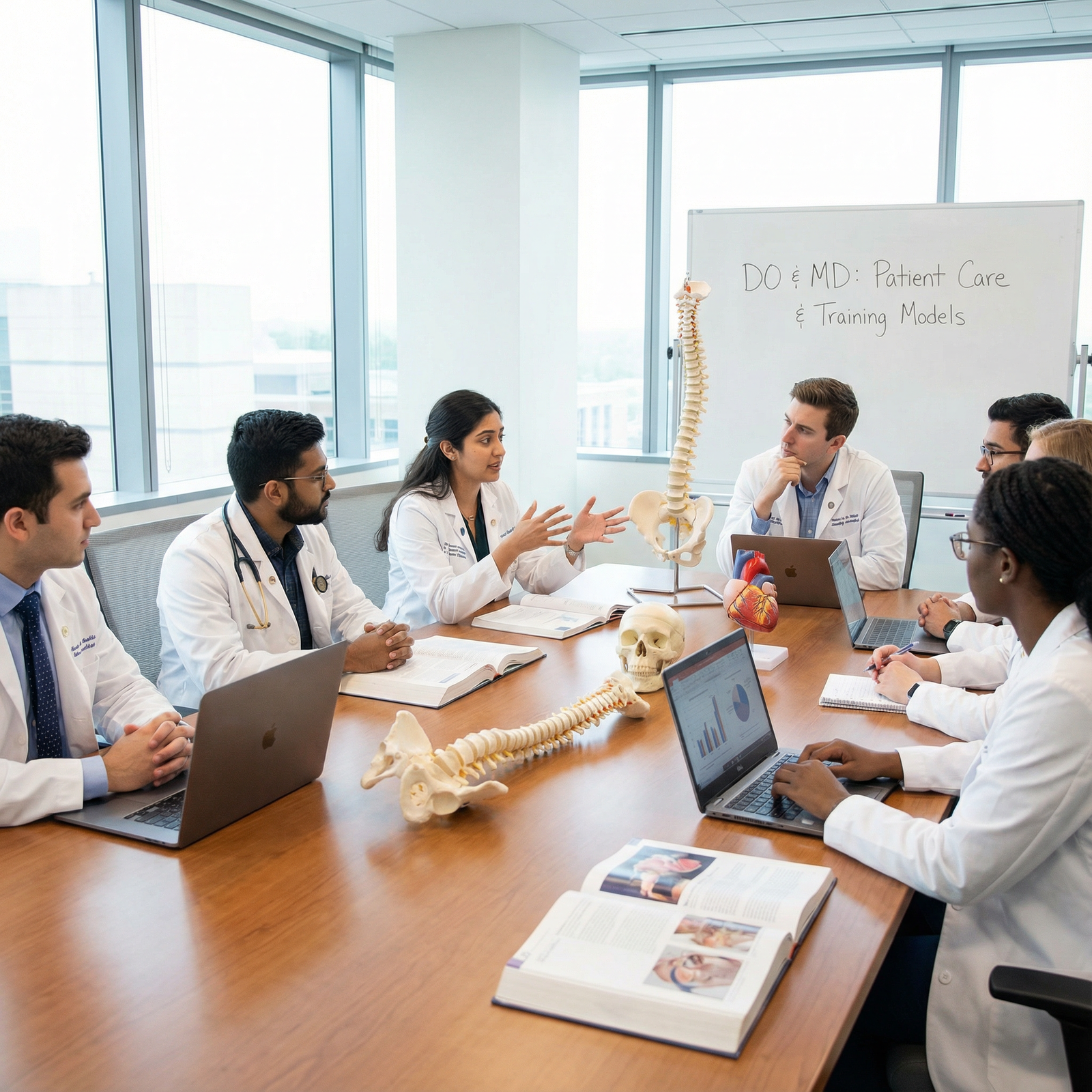
In hospitals, community clinics, and academic centers, DOs and MDs usually work indistinguishably on the same teams.
- Examples of Collaborative Synergy:
- A DO in family medicine uses OMT and preventive counseling while an MD cardiologist manages complex arrhythmias with advanced procedures.
- An MD oncologist leads a clinical trial, while a DO palliative care specialist focuses on symptom control, emotional support, and quality-of-life discussions.
- Both contribute complementary strengths to a comprehensive care plan.
For patients, the practical takeaway: choosing a DO vs MD is less about capability and more about fit with your preferred style of care and the individual physician’s approach.
Choosing Between DO and MD: Practical Guidance for Premeds and Students
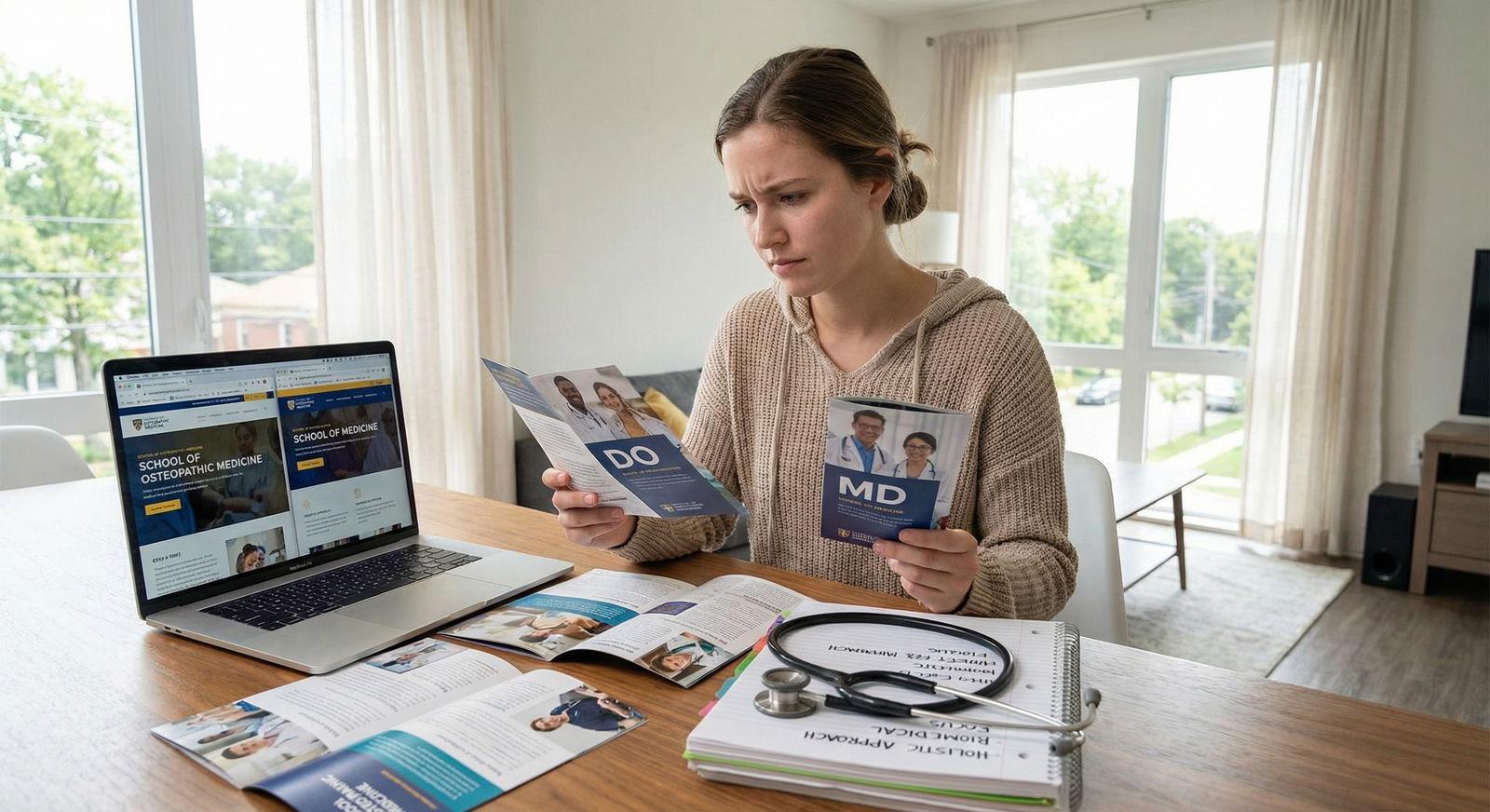
For aspiring physicians in the PREMED_AND_MEDICAL_SCHOOL_PREPARATION phase, the DO vs MD decision can feel high-stakes. In reality, both pathways can lead to almost any specialty or practice type, especially in today’s unified training environment.
Factors to Consider When Choosing DO vs MD
Your Philosophical Alignment
- DO may resonate more if you:
- Are drawn to Holistic Medicine and whole-person frameworks
- Value hands-on techniques like OMT
- Are passionate about primary care and prevention
- MD may resonate more if you:
- Are strongly interested in subspecialty or research-focused careers
- Are excited by high-tech diagnostics and interventional therapies
- Prefer a more traditional biomedical training environment
- DO may resonate more if you:
Career Goals
- Both DOs and MDs:
- Can pursue competitive specialties (dermatology, orthopedics, radiology, etc.)—though competitiveness and match dynamics vary.
- Can enter academic medicine, lead research, and hold leadership roles.
- Focus instead on:
- Your academic fit with schools (curriculum, location, culture)
- Your willingness to potentially take both COMLEX and USMLE if you choose DO
- The type of clinical experiences you want in medical school
- Both DOs and MDs:
Training Environment and Culture
- Visit or research schools extensively:
- How much emphasis is placed on wellness, community engagement, and service?
- How integrated are DO and MD programs in local hospitals?
- What is the school’s track record for the specialties you’re considering?
- Visit or research schools extensively:
Flexibility and Openness
- Regardless of pathway, be open to:
- Your interests evolving during training
- Blending holistic and biomedical perspectives
- Lifelong learning and practice evolution
- Regardless of pathway, be open to:
For most applicants, your individual motivation, work ethic, and adaptability matter far more than whether the initials after your name are DO vs MD.
FAQs: DO vs MD Approaches to Care
1. Are DOs and MDs equally qualified to provide medical care?
Yes. In the United States, both DOs and MDs are fully licensed physicians with equivalent legal scope of practice. Both:
- Complete four years of accredited medical school
- Undergo 3–7+ years of residency (and sometimes fellowships)
- Can prescribe all standard medications, perform surgery, and work in any setting (community clinics, hospitals, academic centers, military, etc.)
The main difference lies in philosophy and training emphasis, not qualification or capability.
2. Is Holistic Medicine only practiced by DOs?
No. While Holistic Medicine is a core part of the osteopathic philosophy, many MDs also adopt holistic and integrative approaches to Patient Care. You will find MDs who:
- Spend extensive time on lifestyle and preventive care
- Incorporate mindfulness, nutrition, and behavioral strategies
- Partner with integrative medicine or complementary care providers
Similarly, not every DO uses OMT regularly or focuses exclusively on primary care; many DOs practice in highly specialized, technology-driven fields.
3. Can a DO match into the same residency programs and specialties as an MD?
Yes. With the single ACGME accreditation system:
- DO and MD graduates apply to the same residency programs.
- Both can match into competitive specialties (e.g., surgery, radiology, anesthesiology, dermatology).
- DO students often take both COMLEX and USMLE to maximize competitiveness, though requirements vary by program.
Program selection is based on multiple factors (board scores, clinical performance, research, letters of recommendation, interviews), not simply degree type.
4. How should patients decide whether to see a DO or an MD?
Focus on the individual physician rather than the degree alone. Consider:
- Communication style and bedside manner
- Willingness to explain and involve you in decisions
- Openness to combining tools (medications, procedures, OMT or other non-pharmacologic strategies, lifestyle changes)
- Experience and expertise in your specific condition
If you’re interested in OMT or a strong holistic emphasis, a DO may be a good fit. If you have a highly specialized or complex condition, you may prioritize a physician (DO or MD) with fellowship training in that area.
5. Is there still a strong philosophical divide between DO and MD today?
The historical divide has narrowed significantly. Today:
- Many MDs practice very holistically and patient-centered.
- Many DOs practice in tertiary care centers, perform advanced procedures, and lead research.
- Team-based care typically blends both philosophies in service of better outcomes.
Instead of a strict DO vs MD divide, think in terms of a continuum: from highly biomedical and procedural to deeply holistic and lifestyle-oriented. Individual physicians—regardless of degree—may fall anywhere along that spectrum.
Understanding the philosophical roots and modern realities of DO vs MD training helps you interpret different Healthcare Approaches more clearly. Whether you are choosing a career path or selecting a physician, appreciating both the holistic osteopathic tradition and the biomedical allopathic tradition can lead to better, more informed decisions—and ultimately, better Patient Care.