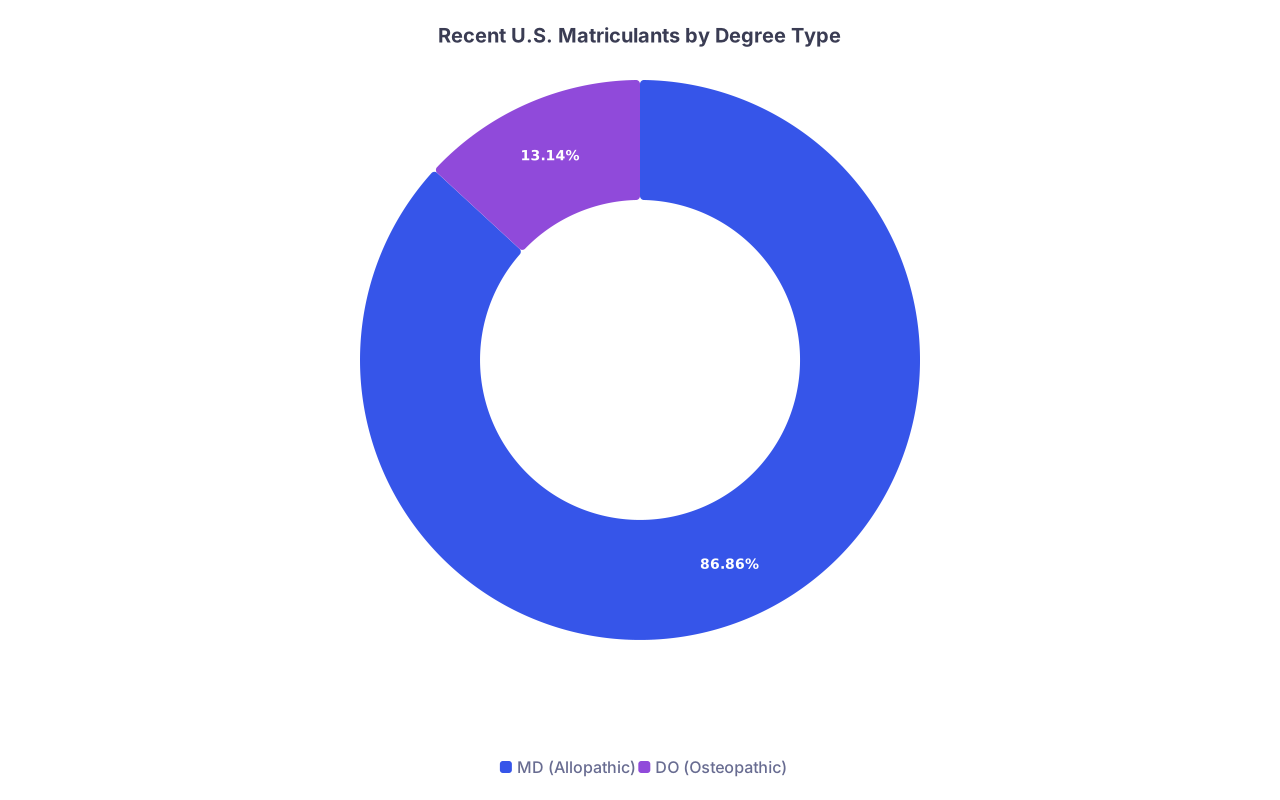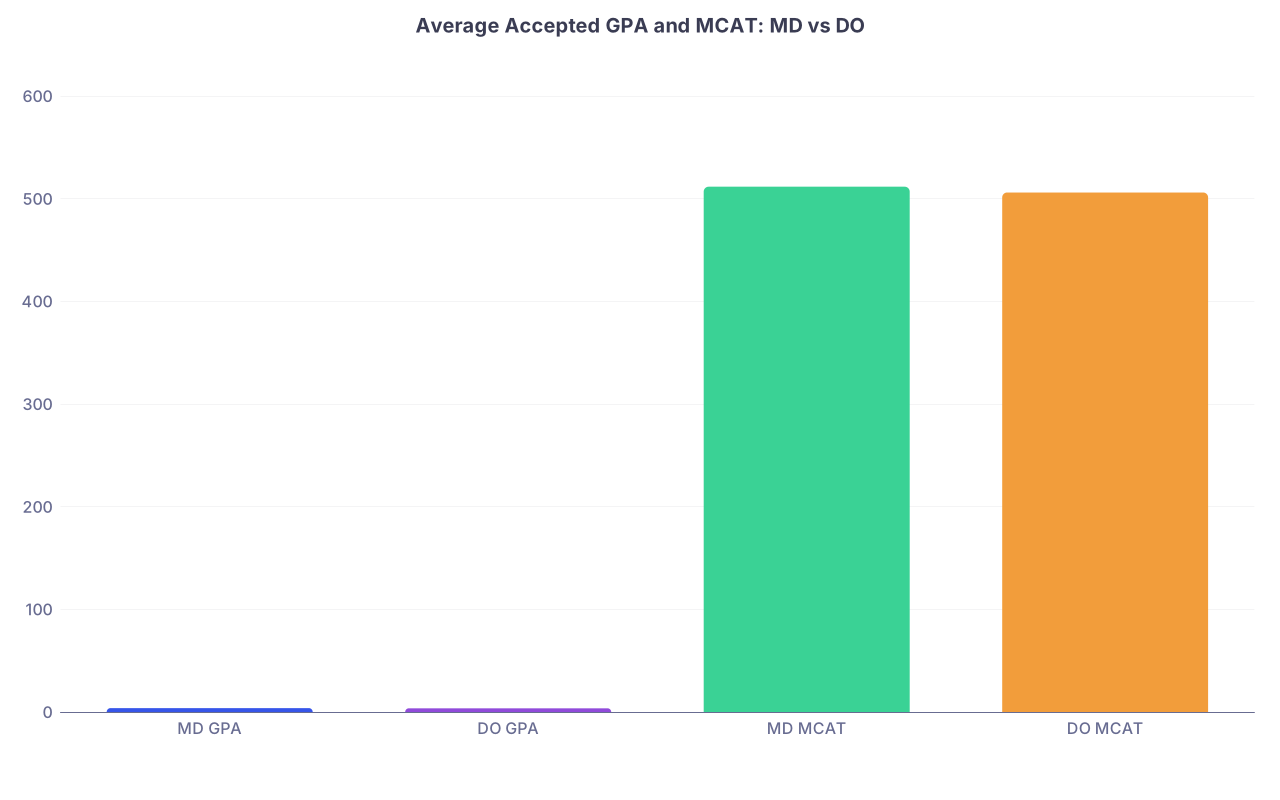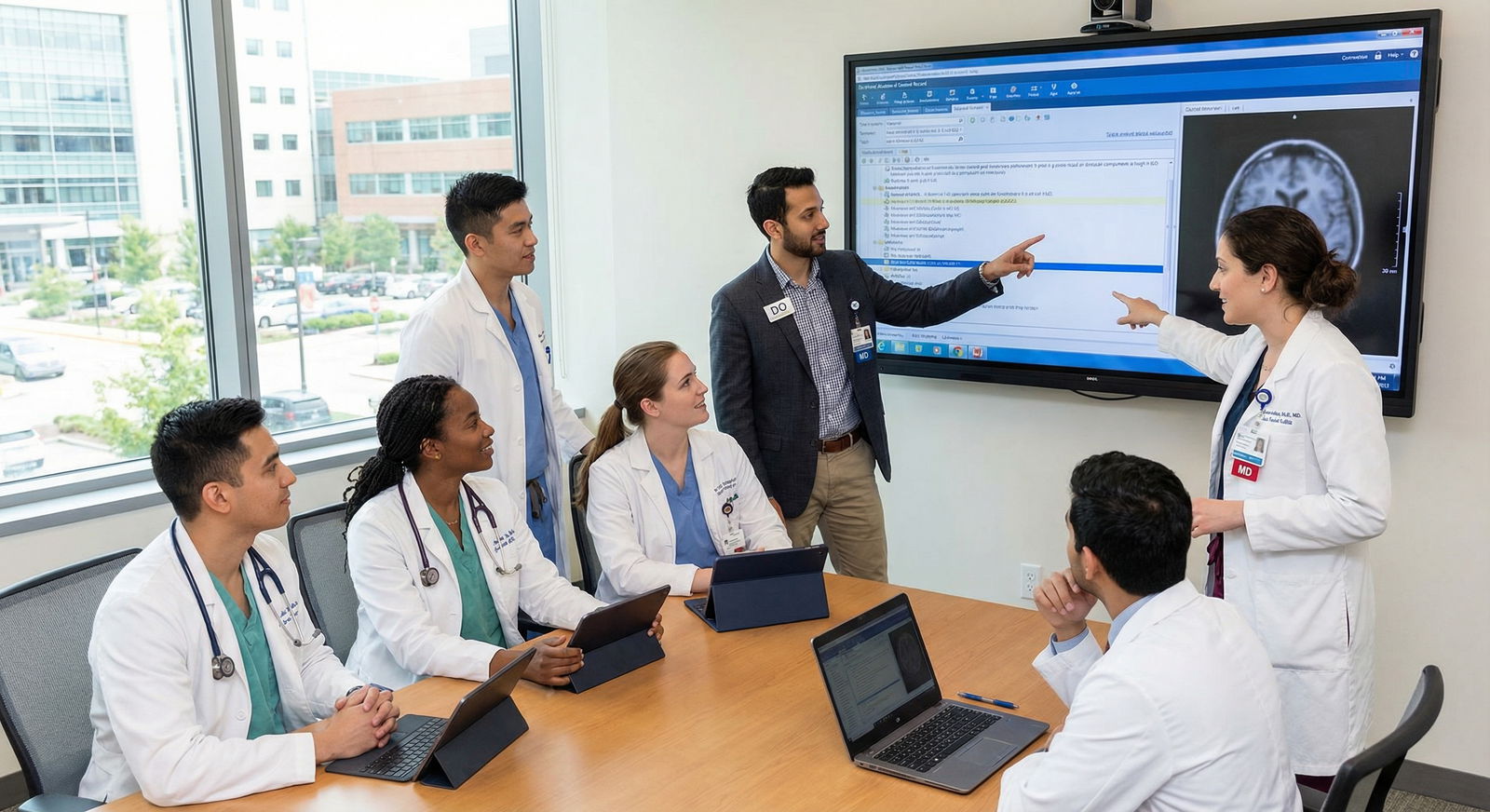
Understanding Residency and Fellowship Opportunities for DOs vs. MDs
The path to becoming a physician does not end with earning a medical degree—whether that’s an MD (Doctor of Medicine) or a DO (Doctor of Osteopathic Medicine). The true shaping of your career happens during graduate medical education: residency and, for many, fellowship.
These training years determine your specialty, subspecialty, scope of practice, and often your long-term career trajectory. For premeds, medical students, and early residents trying to understand DO vs MD implications for residency and fellowship, clarifying the landscape early can help you make more strategic decisions.
This guide explains how residency and fellowship opportunities compare for DOs versus MDs, what has changed in the era of a single accreditation system, and how you can maximize your chances of matching into your desired specialty and subspecialty.
The Medical Degree Landscape: DO vs MD and Physician Training
Before discussing residency and fellowship competitiveness, it’s important to understand what actually differs between MD and DO training—and what does not.
MD vs DO: Core Similarities
Both MD and DO graduates:
- Complete four years of medical school after a bachelor’s degree (or equivalent prerequisites)
- Take rigorous licensing exams (USMLE for MDs; COMLEX for DOs; many DO students now take both)
- Complete ACGME-accredited residency training programs
- Are fully licensed physicians in all 50 U.S. states and internationally (with some country-specific nuances)
- Can prescribe medications, perform surgery, and practice in any specialty if they complete the appropriate training
From a legal and practical standpoint after training, an MD and a DO in the same specialty (e.g., internal medicine, pediatrics, general surgery) have very similar scopes of practice.
MD vs DO: Key Philosophical and Educational Differences
Allopathic Medicine (MD)
- Emphasizes biomedical sciences and evidence-based diagnosis and treatment
- Historically more research-intensive and more represented in large academic medical centers
- The traditional path most people think of when they hear “medical doctor”
Osteopathic Medicine (DO)
- Emphasizes a holistic, whole-person approach and the body as an integrated unit
- Includes additional training in the musculoskeletal system and osteopathic manipulative treatment (OMT)
- Has a long tradition in primary care (family medicine, internal medicine, pediatrics) and community-based practice
From a residency program’s perspective, both are medical degrees—but your board exams, clinical experiences, research, and letters of recommendation often matter more than whether your degree reads DO vs MD.
Residency Opportunities for DOs vs MDs: Pathways, Competitiveness, and Strategy
Residency is where you train in your chosen specialty (e.g., emergency medicine, general surgery, psychiatry). Understanding how DO vs MD backgrounds interact with residency opportunities is crucial for strategic planning.
The Single Accreditation System: NRMP and ACGME
Historically, there were two separate accreditation systems:
- ACGME (for allopathic/MD programs)
- AOA (for osteopathic/DO programs)
As of 2020, these systems fully merged under a single ACGME accreditation system. Now:
- All AOA-approved residencies have transitioned (or closed) under ACGME
- DO and MD graduates compete for the same pool of ACGME-accredited residency positions
- Most programs participate in the National Resident Matching Program (NRMP) “The Match”
- Both DO and MD applicants typically apply via ERAS (Electronic Residency Application Service)
This integration has been a major step in standardizing physician training and expanding access for DO graduates.
Residency Positions and Match Statistics
Exact numbers change each year, but the overall trends are clear:
MD Applicants
- U.S. MD seniors historically fill a large portion of residency positions
- Strong representation in both primary care and highly competitive specialties
- Often have longstanding institutional pipelines to major academic medical centers
DO Applicants
- Have seen a significant expansion in accessible residency positions since the single accreditation system
- Increasingly match into ACGME programs across the spectrum—from family medicine to surgical subspecialties
- According to recent NRMP data, U.S. DO seniors now match into thousands of positions annually, with year-over-year growth and improving match rates
The gap in opportunities has narrowed considerably, though nuances remain by specialty and program type.
Specialty Competitiveness: Where DO vs MD Still Matters
Some specialties remain highly competitive for both MD and DO applicants, including:
- Dermatology
- Orthopedic surgery
- Plastic surgery
- Neurosurgery
- Otolaryngology (ENT)
- Interventional radiology
Historically, these fields have had:
- Fewer total positions
- Strong preference for high board scores and research productivity
- Stronger representation of MD applicants and long-established academic pathways
While DOs absolutely do match into these specialties, the margin for error is smaller, and strategic planning is critical.
Conversely, both MDs and DOs perform strongly in:
- Family medicine
- Internal medicine
- Pediatrics
- Psychiatry
- Physical medicine & rehabilitation (PM&R)
- Emergency medicine (though increasingly competitive)
DO graduates continue to be particularly well represented in primary care specialties, aligning with osteopathic philosophy and training.
Residency Training Structure: What DO vs MD Looks Like in Practice
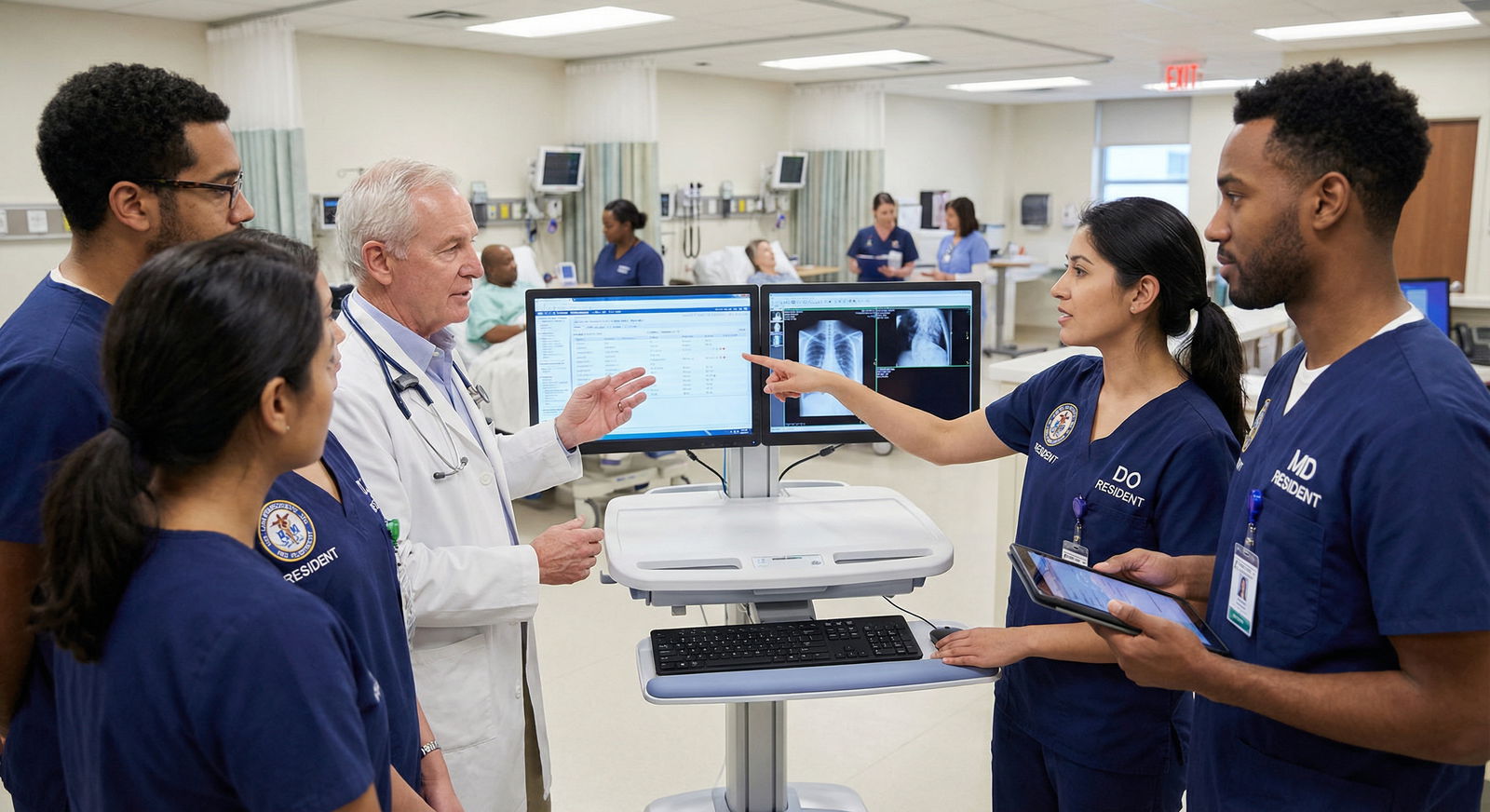
Once you’re in an ACGME-accredited residency, day-to-day training is very similar for DO and MD residents:
- Shared core curriculum requirements
- Similar work hours, call schedules, and responsibilities
- Common milestones and evaluations defined by ACGME
Key nuances:
MD Residents
- Training may be more traditionally “allopathic” in focus
- Often in large academic centers with strong research infrastructures
- May have greater historical representation in certain subspecialty tracks
DO Residents
- Bring osteopathic principles into patient care (holistic assessment, focus on function, prevention)
- Some programs incorporate dedicated OMT clinics or OMT electives, especially those with osteopathic recognition
- Increasingly present in both community and major academic programs
Many residency programs now have Osteopathic Recognition—a designation indicating that the program intentionally integrates osteopathic principles and practices (including OMT) into training. These programs can be attractive to DO applicants who want to preserve and develop their osteopathic identity during residency.
Strategic Tips to Maximize Residency Opportunities (For Both DOs and MDs)
Regardless of degree, you can improve your odds of matching into your desired specialty with careful planning:
1. Board Exams: USMLE and COMLEX Strategy
- MD students:
- Focus on strong USMLE Step performance (Step 2 CK now particularly important post-Step 1 pass/fail)
- DO students:
- Take COMLEX Levels 1–3 (required for DO licensure)
- Strongly consider taking USMLE Step 2 CK (and sometimes Step 1) to be easily comparable at programs that are still more familiar with USMLE
- Make sure your ERAS application clearly presents both sets of scores, if you have them
Many competitive programs prefer or require USMLE scores for DO applicants, though this is slowly changing.
2. Clinical Rotations and Audition Electives
- Prioritize away rotations (audition electives) at programs or in regions where you want to match
- Seek rotations at institutions that:
- Historically accept DOs (if you are a DO)
- Have strong reputations in your target specialty
- During rotations:
- Be reliable, prepared, and teachable
- Act like an “intern” and integrate well with the team
- Aim for strong letters of recommendation from respected faculty in your specialty
3. Research and Scholarly Activity
Especially for competitive specialties and academic programs, research matters:
- Get involved in research early (M1–M2 if possible)
- Aim for:
- Case reports, quality improvement projects, retrospective studies, clinical trials, or basic science
- Presentations at national or regional conferences (e.g., specialty societies)
- Publications, even if small or case-based
- For DO students, research can help counter residual bias and demonstrate capability on par with MD applicants.
4. Program Targeting and Application Strategy
- Use NRMP and specialty-specific data to:
- Identify programs with a track record of taking DOs
- Assess average board scores, research output, and characteristics of matched applicants
- Apply broadly, especially if:
- Your scores are below the average for your specialty
- You are targeting very competitive fields
- Consider dual-application strategies (e.g., applying to both a very competitive specialty and a closely related, slightly less competitive one).
Fellowship Opportunities: Specialization After Residency for DOs vs MDs
Fellowship training allows physicians to develop subspecialty expertise (e.g., cardiology after internal medicine, sports medicine after family medicine). Understanding how DO vs MD status impacts fellowship is important if you’re aiming for advanced training.
Types of Fellowships: Similar Playing Field for DOs and MDs
Common fellowships accessible to both DO and MD graduates include:
- Medical subspecialties (usually after internal medicine or pediatrics)
- Cardiology
- Gastroenterology
- Pulmonary and critical care medicine
- Hematology/oncology
- Infectious diseases
- Endocrinology
- Rheumatology
- Surgical subspecialties (after general surgery, orthopedics, etc.)
- Cardiothoracic surgery
- Vascular surgery
- Surgical oncology
- Other specialties
- Sports medicine
- Pain medicine
- Geriatrics
- Addiction medicine
- Palliative care
- Pediatric subspecialties (e.g., pediatric cardiology, pediatric endocrinology)
Both DO and MD physicians apply to many fellowships through the NRMP Fellowship Matches and other specialty-specific matching systems.
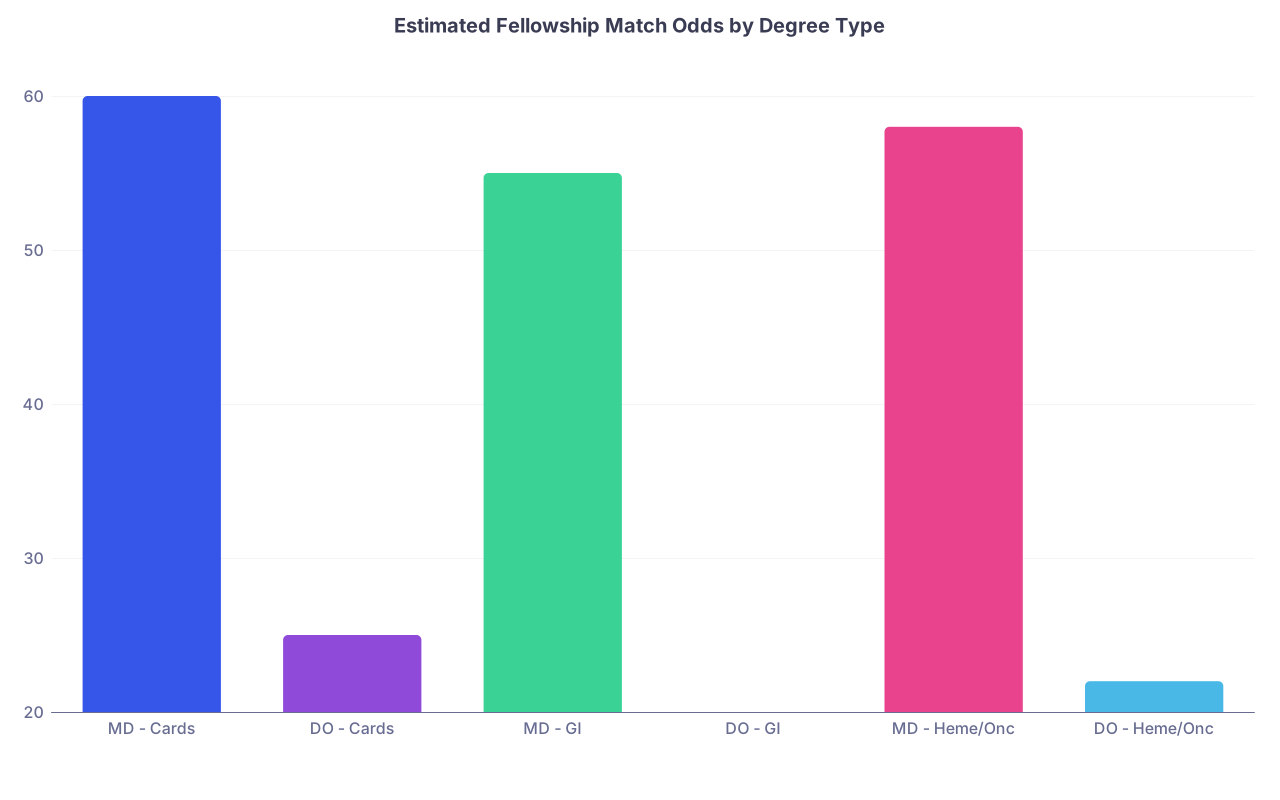
Overall, fellowships are more competitive than residencies—there are fewer spots, and applicants are already trained physicians.
DOs in Fellowship: Trends and Evolving Perceptions
Over the past decade:
- More fellowship programs have accepted and graduated DO trainees
- DO physicians have matched into:
- Competitive subspecialties (e.g., cardiology, GI, critical care)
- Academic programs at major institutions
- Some faculty and program directors trained with DO colleagues and now actively recruit osteopathic graduates
Organizations like:
- ACGME
- American Osteopathic Association (AOA)
- Specialty-specific osteopathic organizations
have advocated for equitable access and recognition of osteopathic training in fellowship selection.
While residual bias still exists in some programs, the direction is clearly toward greater integration and equity.
Benefits and Challenges of Fellowship for DOs and MDs
Benefits
Deeper Expertise and Clinical Autonomy
- Become the “go-to” specialist in complex cases
- Gain advanced procedural skills (e.g., cath lab interventions, endoscopy, advanced imaging)
Career Flexibility and Opportunities
- Academic medicine (teaching and research)
- Tertiary care centers and subspecialty clinics
- Leadership roles in hospital systems and professional societies
Financial and Professional Rewards
- Many subspecialties offer higher compensation than generalist roles
- Greater leverage in contract negotiation and job selection
Challenges
Time and Financial Cost
- Additional 1–3+ years of training after residency
- Delayed attending-level income and possible relocation
- Maintaining work–life balance during extended training
Competitiveness and Expectations
- Fellowship selection heavily weighs:
- Residency performance (evaluations, milestones)
- Letters from subspecialists
- Research productivity
- For DO applicants in particular, research and strong mentorship can be especially important in competitive subspecialties.
- Fellowship selection heavily weighs:
How to Strengthen Your Fellowship Application (For DOs and MDs)
Excel in Residency
- Strong clinical performance and professionalism
- Positive multi-source feedback (attendings, fellows, nurses, other residents)
- Seek leadership roles (chief resident, QI projects, committees)
Build Subspecialty Relationships Early
- Work closely with subspecialty attendings during elective rotations
- Ask for mentorship and career guidance
- Attend subspecialty conferences, grand rounds, and journal clubs
Develop a Focused Scholarly Niche
- Work on research projects relevant to your intended fellowship
- Present regionally and nationally
- Aim for peer-reviewed publications when possible
Seek Strong Letters of Recommendation
- At least 2–3 letters from subspecialists in your target field
- Preferably from faculty known in the fellowship community
- Longitudinal relationships (over multiple rotations or projects) lead to more compelling letters
Be Strategic About Program Selection
- Look for fellowship programs with:
- A history of taking DO and MD residents from diverse institutions
- Training strengths that match your career goals (academic vs community, procedural volume, research infrastructure)
- Consider geography, program culture, and faculty interests
- Look for fellowship programs with:
The Evolving Landscape: Integration, Equity, and Future Directions
The distinction between DO vs MD in residency and fellowship opportunities has narrowed dramatically:
- Single Accreditation System means common standards and evaluation criteria
- Increasing exposure to DO physicians in academic centers has:
- Reduced misunderstandings about osteopathic training
- Highlighted the strengths of osteopathic principles—especially in patient communication, primary care, and musculoskeletal medicine
Advocacy, Organizations, and Support Networks
Key organizations shaping this landscape include:
- ACGME – oversees accreditation standards for all programs
- American Osteopathic Association (AOA) – advocates for DO physicians and students
- AACOM (American Association of Colleges of Osteopathic Medicine) – supports osteopathic medical schools and students
- Specialty-specific osteopathic colleges and societies (e.g., American Osteopathic College of Radiology, etc.)
These entities work to:
- Ensure fair evaluation of COMLEX and osteopathic curricula
- Provide mentorship and resources for DO students/residents navigating competitive specialties
- Promote osteopathic representation in academic medicine and leadership roles
Success Stories and Real-World Examples
DO graduates now hold:
- Faculty and leadership positions at major academic medical centers
- Fellowship spots in top-tier subspecialty programs
- Roles as program directors and department chairs
Their careers demonstrate that:
- Degree type does not limit ultimate career potential
- Strategic planning, strong performance, and mentorship can overcome historical biases
- The system is actively evolving toward merit-based selection, with MD and DO degrees viewed as different pathways to the same endpoint: competent, compassionate, well-trained physicians

Frequently Asked Questions: Residency and Fellowship for DOs vs MDs
Q1: Do DOs have fewer residency opportunities than MDs?
Historically, DOs primarily accessed osteopathic (AOA-approved) residencies and a subset of ACGME programs, which could limit options. With the single accreditation system, however, DOs and MDs now apply to the same ACGME-accredited residency positions through the NRMP Match.
That said, competitiveness varies by specialty and program:
- Many programs are completely comfortable with DO applicants and match them regularly.
- A small number of historically MD-dominant programs or ultra-competitive fields may still show preference for MD or USMLE-only applicants.
- DO applicants can maximize options by taking USMLE (as well as COMLEX), securing strong letters, and demonstrating robust clinical and academic performance.
Q2: Are fellowships equally open to DO and MD graduates?
Yes. In principle, ACGME-accredited fellowships are open to both DO and MD graduates who complete the appropriate residency training. In practice:
- Many fellowships regularly accept DO fellows and have DO faculty.
- Some highly competitive programs (e.g., top cardiology or GI fellowships) may still reflect historical MD dominance but are increasingly open to DOs with strong applications.
- Your residency performance, research, networking, and letters of recommendation generally matter more than your degree type.
Q3: Should DO students take USMLE in addition to COMLEX to stay competitive?
For many specialties and programs—especially competitive ones—the answer is yes:
- Some residency programs still primarily use USMLE for score comparison and may be less familiar with COMLEX.
- Having both USMLE and COMLEX scores allows programs to more easily compare you with MD applicants.
- If you are aiming for competitive specialties (dermatology, orthopedic surgery, radiology, etc.), taking USMLE Step 2 CK is highly recommended.
However, this is a personal and strategic decision that should factor in:
- Your school’s guidance
- Your test-taking strengths
- Your target specialties and programs
Q4: Is there a difference in the quality of residency training for DO vs MD residents?
Once you are in an ACGME-accredited residency program, training standards are the same for DO and MD residents:
- Shared milestones and competency requirements
- Similar supervision, duty hours, and evaluation structures
- Equivalent eligibility for board certification in that specialty
Differences relate to:
- Program culture and patient population
- Academic vs community focus
- Whether the program has Osteopathic Recognition and integrates specific osteopathic training (more relevant for DO residents who want to emphasize OMT and osteopathic principles)
The “quality” of training depends far more on the specific program than on whether it has more DOs or MDs.
Q5: How important is research for residency and fellowship applications?
Research has become increasingly important, especially for:
- Competitive specialties (dermatology, radiology, orthopedic surgery, subspecialty surgery)
- Academic residency and fellowship programs
- Subspecialty fellowship applications (cardiology, GI, heme/onc, etc.)
Benefits of research include:
- Demonstrating intellectual curiosity and commitment to your field
- Strengthening your CV with presentations, abstracts, and publications
- Providing opportunities for mentorship and strong letters from academic faculty
For DO applicants, research productivity can be especially helpful in countering residual bias and signaling parity with MD peers in academic settings.
For a deeper look at the broader differences in training philosophies and pathways, you may also want to review resources comparing DO vs MD medical degrees and their implications for premed planning and medical school choice.