Pursuing a DO vs. MD: What They Don’t Teach You in Medical School
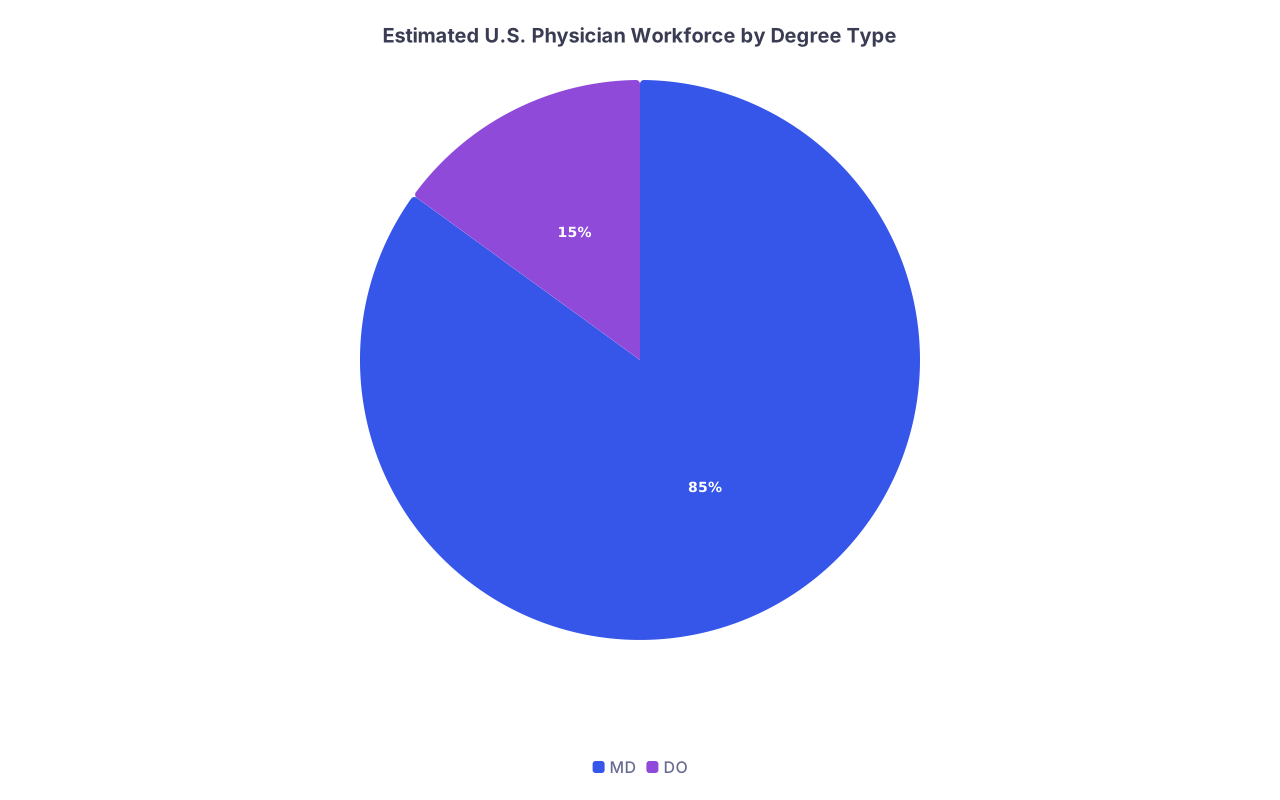
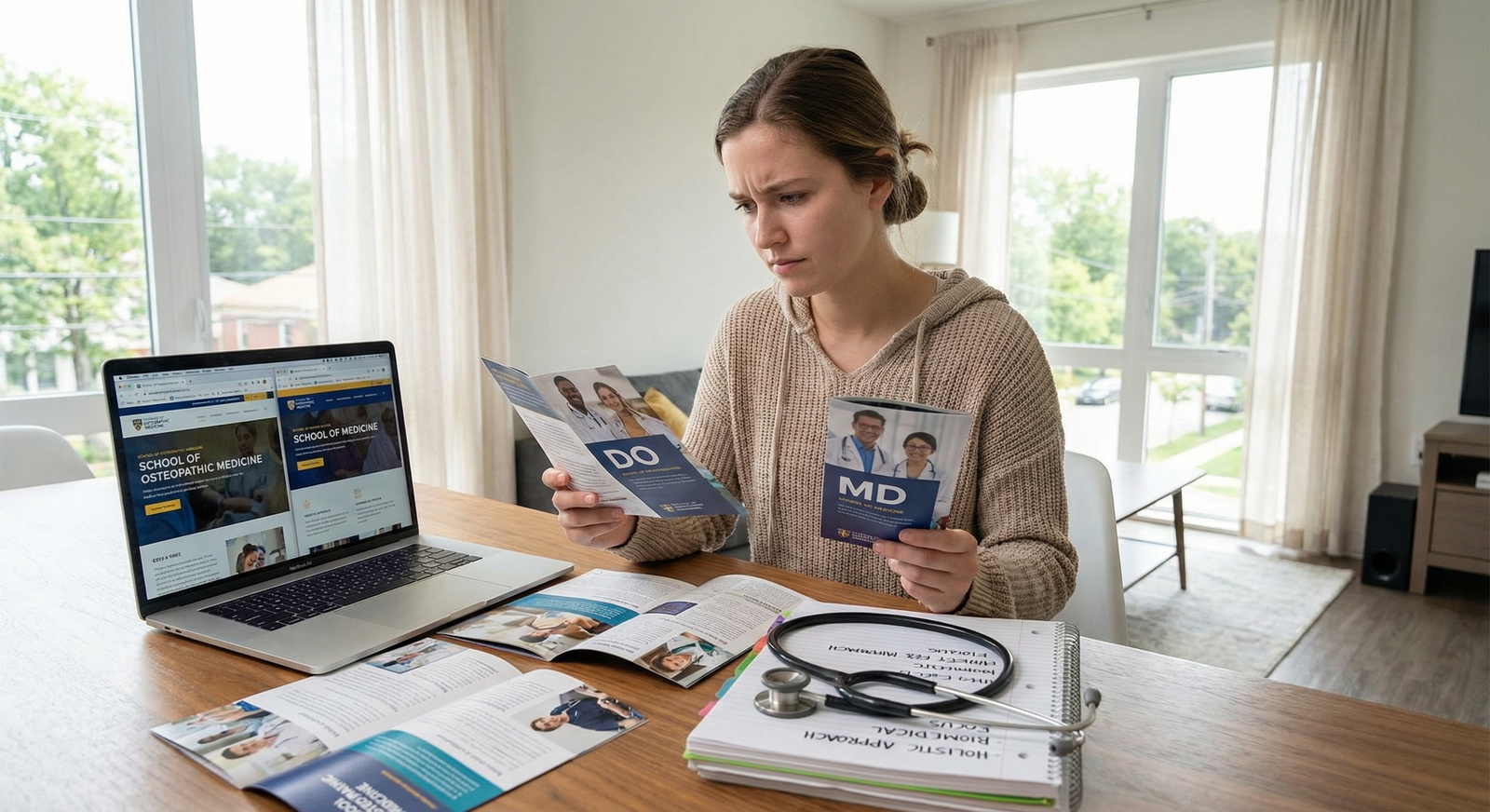
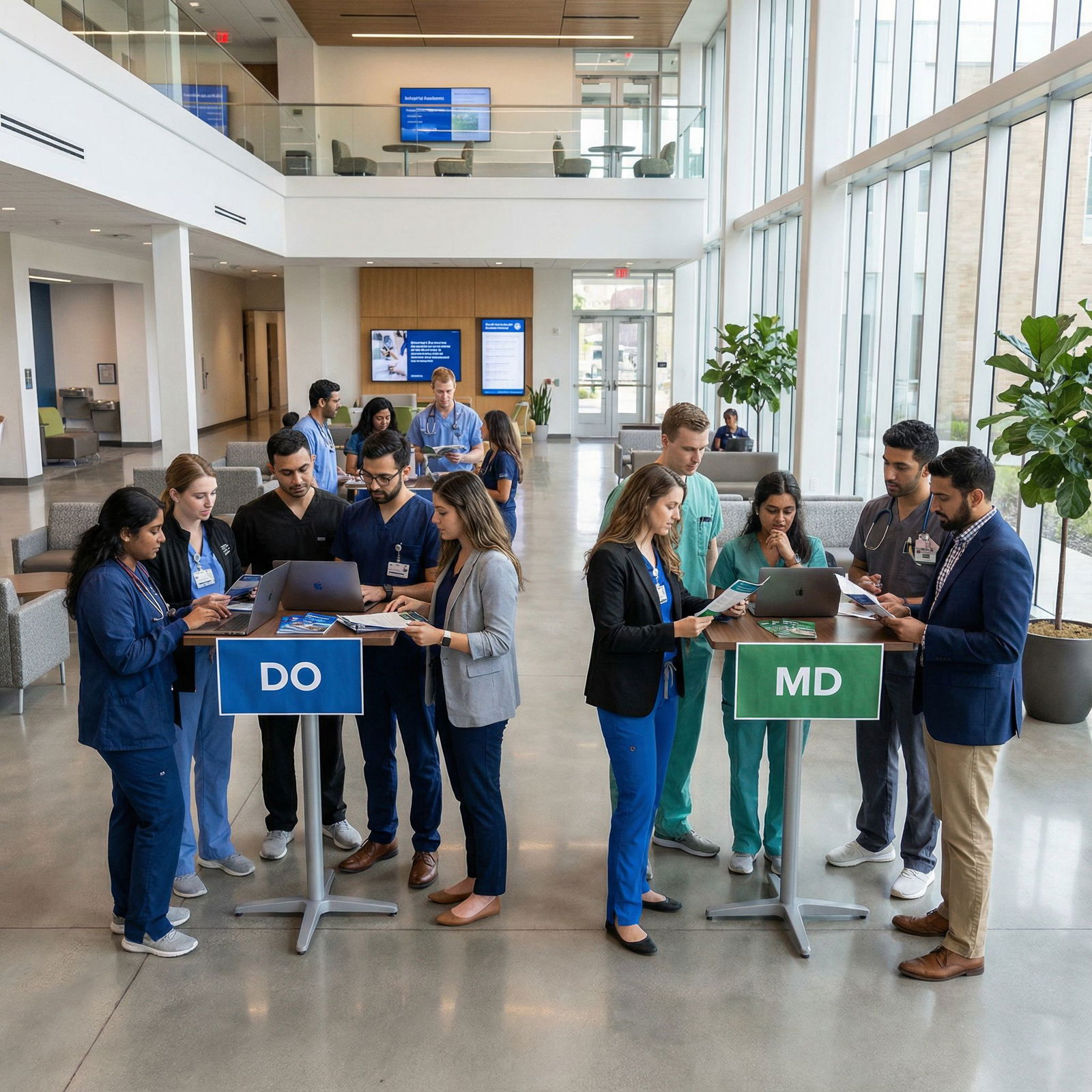
The decision between pursuing a Doctor of Osteopathic Medicine (DO) vs. Doctor of Medicine (MD) is one of the earliest—and most consequential—choices in your medical education. On paper, both degrees lead to full physician status in the United States, allow you to prescribe medications, perform surgery, and apply to residency programs. In practice, your choice can subtly (and sometimes significantly) influence your training environment, your residency matching strategy, your networking landscape, and even how you think about patient care and your own work-life balance.
Most premed and medical school advising focuses on admissions checklists, MCAT scores, and prerequisite coursework. What often gets less attention is the lived reality of being a DO vs. MD student and graduate: how you may be perceived, what extra steps you might need to take, and how your medical philosophy will shape the way you practice medicine long-term.
This guide goes beyond the basics to unpack what they rarely teach you in medical school about the DO vs. MD decision—so you can choose a path that aligns with your values, goals, and the kind of physician you want to become.
DO vs. MD: Core Differences in Philosophy and Training
Medical Philosophy: Holistic vs. Biomedical Focus
The most fundamental difference between DO vs. MD paths lies in their historical and educational philosophy.
Osteopathic Medicine (DO): A Holistic, Systems-Based Approach
- DO training emphasizes whole-person care—mind, body, and spirit.
- Osteopathic physicians are trained to see the body as an integrated unit where structure and function are interrelated.
- There is a strong emphasis on preventive medicine, lifestyle, and social determinants of health.
- Osteopathic manipulative treatment (OMT) is incorporated as a potential tool to diagnose and treat musculoskeletal and certain systemic conditions.
In practice, this often translates into:
- Longer or more detailed histories and physical exams during training
- Greater emphasis on counseling patients about nutrition, exercise, and prevention
- A mindset that explores why disease occurs in the context of the whole person, not just what disease is present
Allopathic Medicine (MD): A Disease- and Pathophysiology-Focused Approach
- MD programs traditionally emphasize biomedical science and pathophysiology.
- Training is centered around understanding disease mechanisms, diagnostics, and evidence-based treatment.
- The framework is often more disease-centered or organ-system–centered, with deep dives into pathology, pharmacology, and clinical reasoning.
Of course, modern MD programs also recognize the importance of holistic and patient-centered care. Similarly, DO programs rely heavily on conventional evidence-based medicine. The gap in medical philosophy is smaller today than ever—but the osteopathic lens on patient care remains a defining feature of DO training.
Curriculum and Training: Where DO and MD Paths Overlap and Diverge
Both DO and MD students:
- Complete rigorous basic science coursework (anatomy, physiology, biochemistry, pathology, pharmacology).
- Undergo clinical clerkships in core specialties (internal medicine, surgery, pediatrics, OB/GYN, psychiatry, family medicine, etc.).
- Take national board exams (COMLEX for DO students; USMLE for MD students; some DO students take both).
- Graduate as fully licensed physicians eligible for residency training in the United States.
However, there are meaningful differences in structure and emphasis.
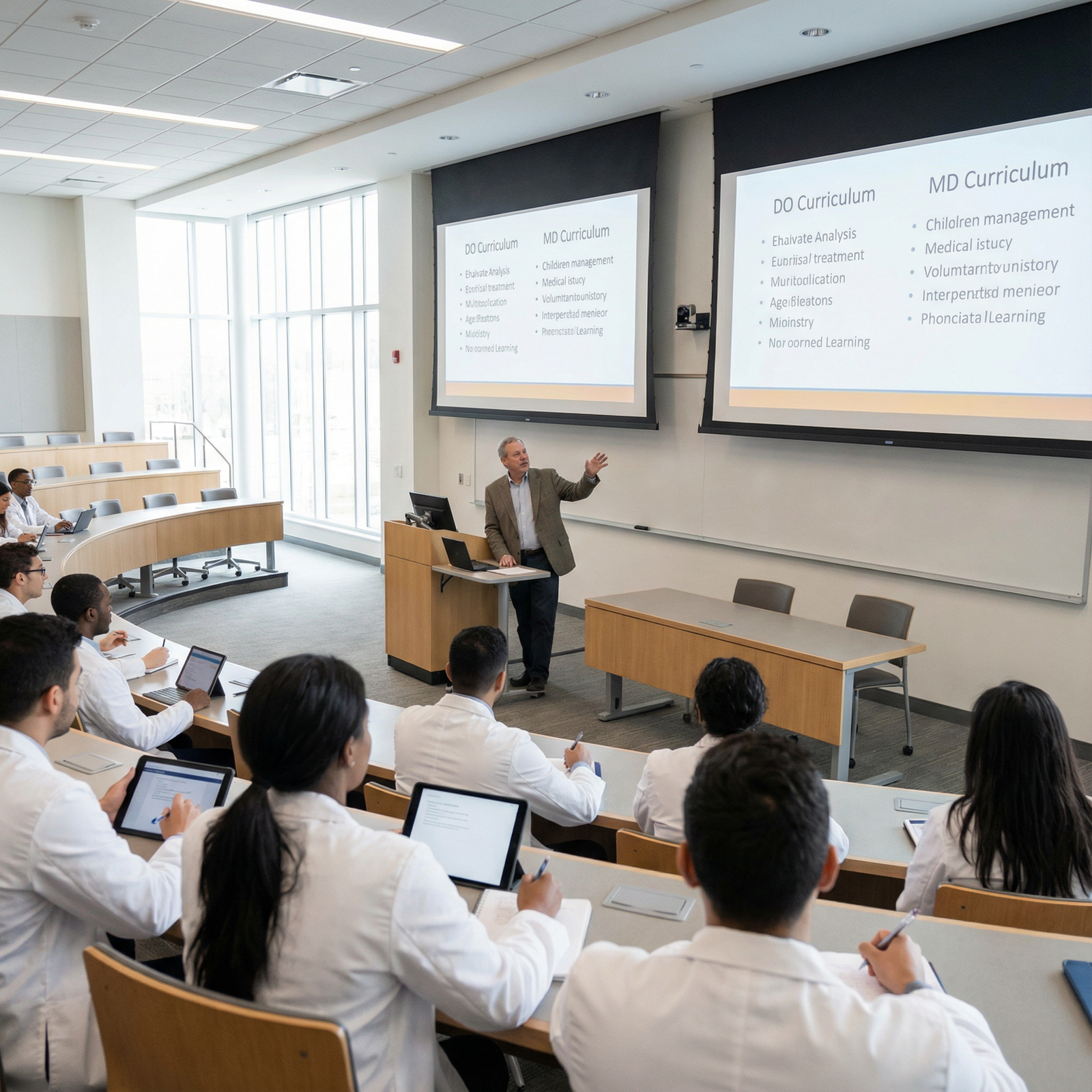
1. Coursework and OMT
MD Curriculum:
- Typically devotes more curricular time purely to biomedical sciences, though integration and systems-based curricula are now very common.
- Some MD schools incorporate electives in integrative medicine or manual therapies, but OMT is not a core component.
DO Curriculum:
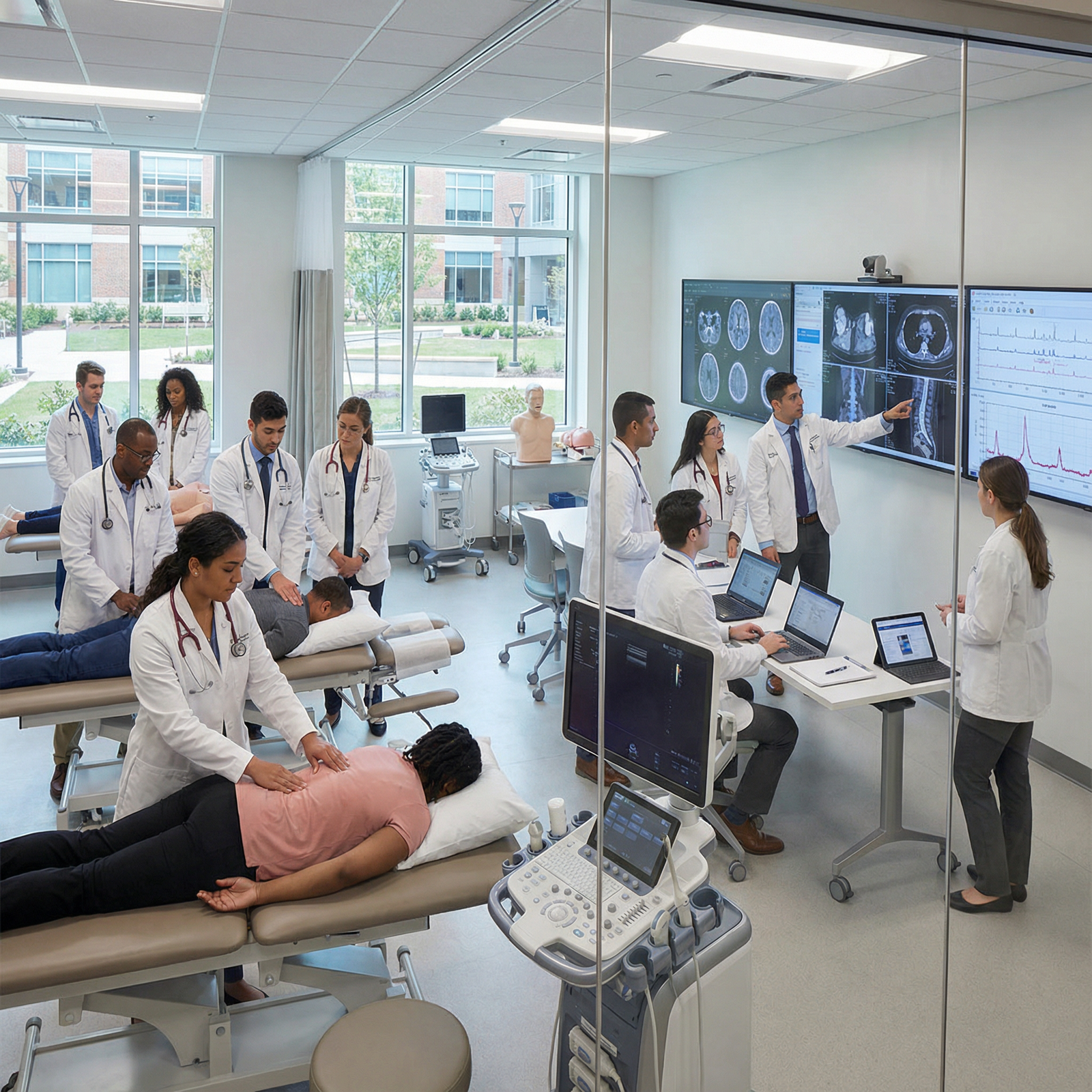
- Includes all traditional medical sciences plus several hundred additional hours of training in OMT and osteopathic principles.
- OMT techniques can be applied in primary care, sports medicine, neuromusculoskeletal medicine, and certain pain conditions.
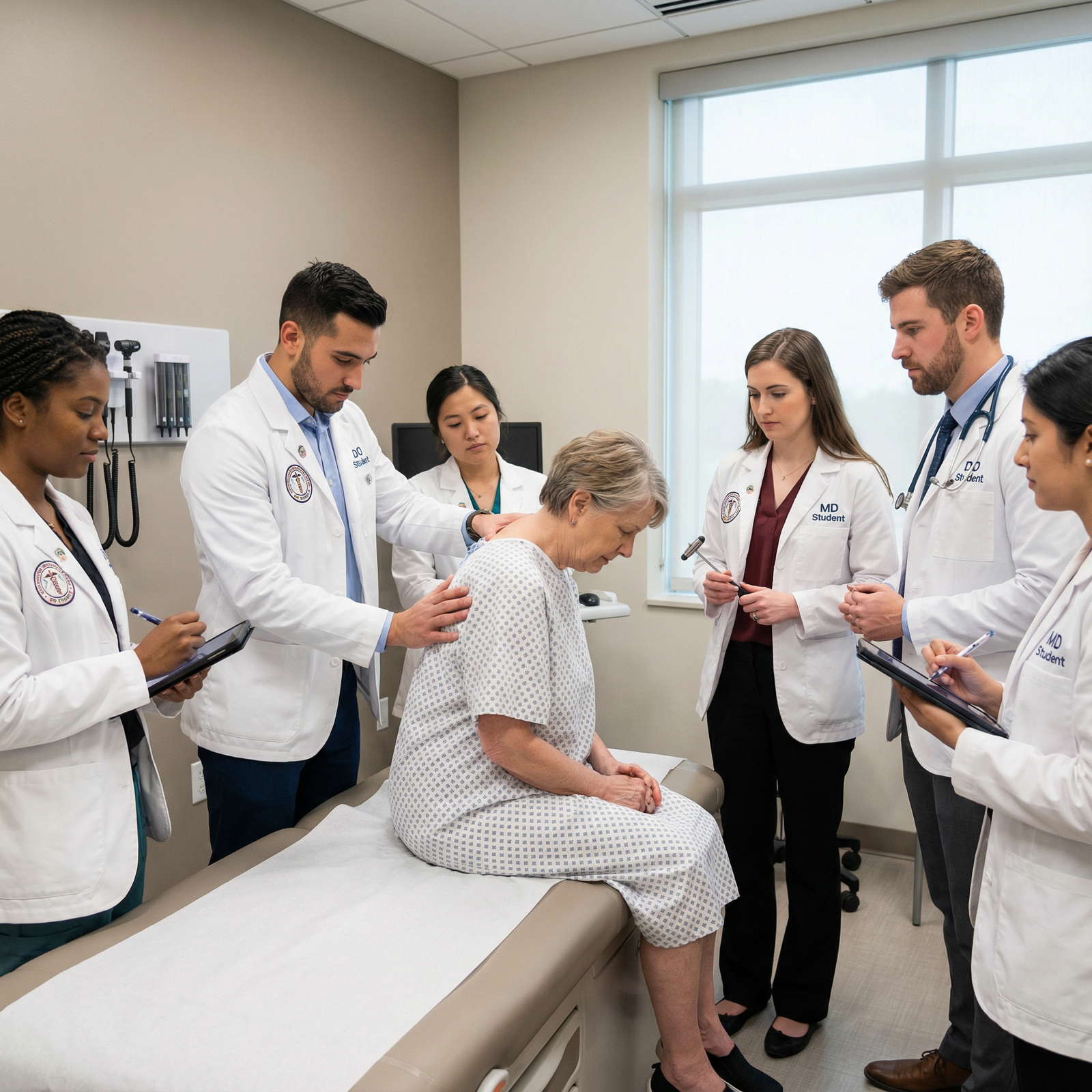
- You’ll spend additional lab and practice time learning hands-on manipulation—something to consider if you enjoy physical exam skills and manual techniques.
2. Clinical Exposure and Learning Environment
Many DO schools historically adopted a community-based model of clinical training:
- Strong ties to community hospitals, private practices, and underserved areas
- Early exposure to outpatient and primary care environments
- Frequent use of longitudinal and community-focused rotations
MD programs, especially older or university-affiliated ones, may:
- Be more closely tied to large academic medical centers
- Provide early exposure to tertiary care, subspecialty services, and research environments
- Offer more built-in exposure to complex pathologies and advanced procedures
Reality check: these patterns are not absolute. Some DO schools now have robust academic medical center affiliations, and many MD schools have strong community and primary care tracks. Still, understanding the typical flavor of training is important as you plan your ideal learning environment.
3. Licensing Exams: COMLEX vs. USMLE
- DO Students are required to take the COMLEX exams (Level 1, 2, and 3).
- Many DO students also choose to take the USMLE Step exams, especially if they are targeting competitive specialties or academic residencies.
- MD Students take USMLE Step 1, Step 2 CK, and Step 3.
For DO students, this can mean:
- More exam preparation and scheduling complexity
- The need to budget time and money for both exam series
- Strategic decision-making about whether a USMLE score will significantly help in residency matching given their goals
Residency Matching and Competitive Specialties: The Real-World Impact
The Single Accreditation System: What Changed and What Didn’t
Since 2020, the U.S. has had a single accreditation system for graduate medical education. Instead of separate AOA (osteopathic) and ACGME (allopathic) residencies, all accredited programs now fall under the ACGME.
This has brought clear benefits:
- DOs and MDs now apply through the same residency match.
- Many programs have grown more comfortable evaluating DO applicants.
- DO graduates have expanded access to residencies that were once more MD-dominated.
However, some realities persist:
- Program preference can vary. Some programs remain more MD-heavy, while others particularly value DO applicants (especially in primary care, community programs, and certain regions).
- Competitive specialties (e.g., dermatology, plastic surgery, orthopedic surgery, neurosurgery, ENT) still trend toward MD graduates, especially at highly academic or research-heavy programs.
- Research intensity, home institution bias, and historical patterns continue to influence selection.
DO vs. MD and Residency Competitiveness
Regardless of degree, program directors overwhelmingly prioritize:
- Board exam performance (COMLEX and/or USMLE)
- Clinical performance and rotation evaluations
- Letters of recommendation, especially from known faculty in the specialty
- Fit with program culture, interview performance, and professionalism
- Demonstrated interest and involvement in the chosen specialty (clubs, electives, away rotations)
That said, there are nuanced differences in how DO vs. MD applicants may need to approach the process.
Strategic Considerations for DO Applicants
- Strongly consider USMLE Step 2 CK if you’re targeting competitive or academic specialties. Many programs are more familiar with USMLE score interpretation.
- Seek early mentorship from DOs who matched into your target specialty or from MD faculty willing to champion you.
- Pursue research, especially if you’re interested in academic or highly competitive fields.
- Plan strategically for away rotations at programs that are DO-friendly or particularly open to holistic-minded applicants.
- Be ready to demonstrate the value of your osteopathic training, including OMT where relevant, while also showing mastery of standard evidence-based medicine.
MD Applicants: Don’t Assume It’s Automatic
MD students often benefit from:
- Longer-established alumni networks in academic medicine
- Greater representation in historically competitive fields
- Stronger built-in research infrastructure at some institutions
But MD applicants still face intense competition and must:
- Perform well on USMLE exams
- Secure strong clinical evaluations and letters
- Show clear commitment to their specialty
- Demonstrate professionalism, resilience, and team skills
For both DO and MD, residency matching is now less about the three letters after your name and more about how you maximize your opportunities and align your experiences with your goals.
Culture, Bias, and Identity: What They Don’t Put in the Brochure
Cultural Perception and Lingering Bias Against DOs
Openly stating this is important: bias against DOs still exists in some corners of medicine, even though it has decreased significantly.
You may encounter:
- Attending physicians who are unfamiliar with osteopathic training or underestimate it.
- Residents who casually ask, “Why did you choose DO instead of MD?”—sometimes with an underlying assumption you “couldn’t get into MD school.”
- Programs that quietly filter or deprioritize DO applicants, especially if they lack a history with osteopathic graduates.
This doesn’t mean DO is a “lesser” path—but it does mean:
- As a DO, you may need to over-prepare and be especially intentional about your performance, networking, and exam scores.
- You’ll benefit from learning how to advocate for your training, calmly and confidently explaining your education and the value of osteopathic principles.
- Over time, your work ethic, clinical skill, and professionalism will speak louder than the initials on your diploma—but there can be extra hurdles early on.
By contrast, MD students rarely have to justify their degree choice or training model. Their challenges lie elsewhere—usually in managing competition within their cohort, meeting the high bar for board scores, and navigating intense academic pressure.
Networking, Mentorship, and Alumni Connections
Mentorship is one of the strongest predictors of success in medical training—yet it’s often under-emphasized in premed advising.
MD Programs:
- Many MD schools are older and more deeply embedded in academic medical centers.
- This often translates into broad alumni networks, established pipelines to specific residency programs, and easier access to mentors in niche specialties.
- You may find it easier to connect with faculty who are prominent in research or national organizations.
DO Programs:
- Some DO schools are newer and still developing their academic infrastructure and alumni presence in certain competitive fields.
- On the other hand, DO alumni are often highly engaged in community-based practice, primary care, and leadership roles in local health systems.
- Osteopathic networks can be particularly strong in certain regions (e.g., parts of the Midwest, Northeast, and rural communities).
Actionable steps regardless of pathway:
- Start early. Identify potential mentors in your first year—faculty, residents, or senior students.
- Join specialty interest groups and actually show up to events and shadowing opportunities.
- Use professional organizations (e.g., AAMC, AACOM, specialty societies, student sections) for structured mentorship programs.
- Don’t limit yourself to same-degree mentors. As a DO student, an MD mentor in your target specialty can be extremely valuable, and vice versa.
Patient Care and Clinical Identity
Your training will shape how you think about patients and disease:
- DO education will repeatedly reinforce the question:
“How does this patient’s lifestyle, environment, musculoskeletal structure, and emotional state contribute to their illness and recovery?” - MD education will push you to ask:
“What is the underlying pathophysiology, what evidence supports the best intervention, and how do we apply that rigorously?”
In reality, the best physicians combine both frames. As a future clinician, you can:
- Use the osteopathic emphasis on whole-person care to deepen rapport and improve patient adherence.
- Apply the allopathic emphasis on evidence-based guidelines and robust clinical trials to inform your diagnostic and therapeutic decisions.
- Learn to integrate both mindsets regardless of your degree, making you a more thoughtful and adaptable physician.
Work-Life Balance, Wellness, and Personal Fit
Program Culture: Competition vs. Support
Program culture can vary widely within both DO and MD schools, but some common trends are worth considering:
- Some students report that DO programs, with their holistic worldview, often foster a more overtly supportive and collaborative environment—though they can still be demanding.
- Highly ranked or research-heavy MD schools may have a culture of intense competition, driven peers, and high expectations for achievement—conditions that can be both motivating and stressful.
Questions to ask on interview day or during virtual sessions:
- How approachable are faculty and administration?
- What wellness resources and mental health services are truly utilized (not just listed on a brochure)?
- How do students describe their day-to-day experience—is it cutthroat, or collegial?
- What is the school’s stance on mental health accommodations, leaves of absence, and remediation?
Protecting Your Own Wellness
Regardless of DO vs. MD, medical training is rigorous and can take a toll on mental health.
Set non-negotiables early:
- Time for sleep, physical activity, and at least one non-medical interest
- Boundaries around study time vs. personal life when possible
- Awareness of early warning signs of burnout, anxiety, or depression
Use your school’s resources:
- Student counseling services
- Peer support groups and wellness committees
- Faculty advisors or deans who are genuinely student-focused
A key insight that often goes unspoken: your approach to your own health as a student strongly predicts how you’ll approach work-life balance and boundaries later as a resident and attending—regardless of DO vs. MD.
Choosing the Right Path: Aligning Degree, Goals, and Medical Philosophy
Clarify Your Long-Term Goals (Even if They Evolve)
You don’t need to know your exact specialty before applying, but some directional questions can help you think strategically:
- Are you strongly drawn to primary care, family medicine, or community health?
- DO programs often align naturally with this emphasis and may offer richer community-based experiences.
- Are you highly motivated to pursue a competitive surgical or subspecialty field at a top academic center?
- MD programs may provide more direct access to those environments and established specialty pipelines.
- Are you particularly interested in holistic care, integrative approaches, or musculoskeletal medicine?
- DO training, especially OMT, can be a major asset.
Practical Factors to Weigh
Beyond philosophy and specialty ambitions, consider:
- Location and cost: Where are the schools located, and what’s the cost of attendance and living expenses?
- Clinical rotation sites: Academic medical centers? Community hospitals? Rural or urban settings?
- Board exam performance data: How do students perform on COMLEX/USMLE compared with national averages?
- Residency match data: Where are graduates matching, and in which specialties?
Rather than focusing solely on “DO vs. MD,” a better framework is:
“Which individual schools—DO or MD—offer the training, culture, and outcomes that best support my goals?”

FAQ: DO vs. MD – What Students Really Want to Know
1. Are DOs and MDs equal in terms of practice rights and authority?
Yes. In the United States, DOs and MDs have identical legal practice rights:
- Both are fully licensed physicians in all 50 states.
- Both can prescribe medications, admit patients, and perform surgeries.
- Both can become board-certified in any specialty, from family medicine to neurosurgery.
In many clinical settings, patients and even other healthcare professionals may not distinguish between DO vs. MD in day-to-day practice. The key differences lie in training emphasis and, in some cases, perception and culture.
2. Can I match into any specialty as a DO, including competitive ones?
Yes, DOs can and do match into all specialties, including dermatology, orthopedic surgery, radiology, and plastic surgery. However:
- Historically and currently, DOs remain more heavily represented in primary care fields.
- Matching into highly competitive specialties as a DO often requires:
- Exceptional exam performance (COMLEX and usually USMLE Step 2 CK)
- Strong research portfolio, if relevant to the field
- High-quality letters of recommendation from known faculty in the specialty
- Strategic planning of away rotations and networking
It’s not impossible—but it can be more challenging and may require additional intentional effort.
3. Will being a DO or MD significantly affect my salary or job prospects?
For comparable specialties and practice settings, salary differences are driven far more by specialty choice, practice type, location, and workload than by DO vs. MD.
- A DO orthopedic surgeon and an MD orthopedic surgeon in similar roles will generally earn similar compensation.
- The more significant impact of DO vs. MD is on:
- Ease of entry into certain specialties or academic positions
- Perceived prestige in some circles
- Different concentrations in primary care vs. subspecialty representation
Your long-term job satisfaction is more likely to hinge on specialty fit, work environment, and lifestyle than your degree initials.
4. Do DO schools have different admission requirements than MD schools?
The core prerequisites are similar: biology, chemistry, organic chemistry, physics, and often biochemistry, psychology, and statistics. Both typically require:
- A bachelor’s degree (or equivalent)
- MCAT scores (note: the mention of “OAT scores” in some older resources is incorrect for DO; DO schools use MCAT, not OAT)
- Letters of recommendation
- Clinical exposure and extracurricular involvement
Key differences:
- Some DO schools especially value applicants with demonstrated interest in holistic care, primary care, underserved populations, or osteopathic philosophy.
- DO schools may be somewhat more flexible regarding nontraditional applicants, though this varies by institution.
- Statistics (average GPA and MCAT) can differ, but this should not be the only factor in your decision.
Always review each individual school’s admissions criteria—both DO and MD programs vary widely.
5. If I’m unsure about my specialty, should I lean DO or MD?
If you are undecided:
- Reflect on whether the osteopathic philosophy of holistic, preventive, and whole-person care resonates strongly with you. If yes, a DO path may be a natural fit, especially if you’re open to primary care or community-oriented careers.
- If you’re drawn toward a future in highly specialized, academic, or research-heavy fields—but not yet sure which one—an MD program, particularly at a research-oriented institution, may give you broader exposure to subspecialties and research mentors.
However, both DO and MD graduates enter every specialty. The better question is:
Which schools—of either type—offer flexibility, mentorship, and exposure to help you explore?
Whichever path you choose—DO vs. MD—your success will depend more on your effort, adaptability, mentorship, and integrity than the letters after your name. Use your premed and medical school years not just to survive, but to actively shape the kind of physician you want to be: technically skilled, grounded in sound medical philosophy, and deeply committed to patient care.