Introduction: DO vs MD in the Future of Medicine
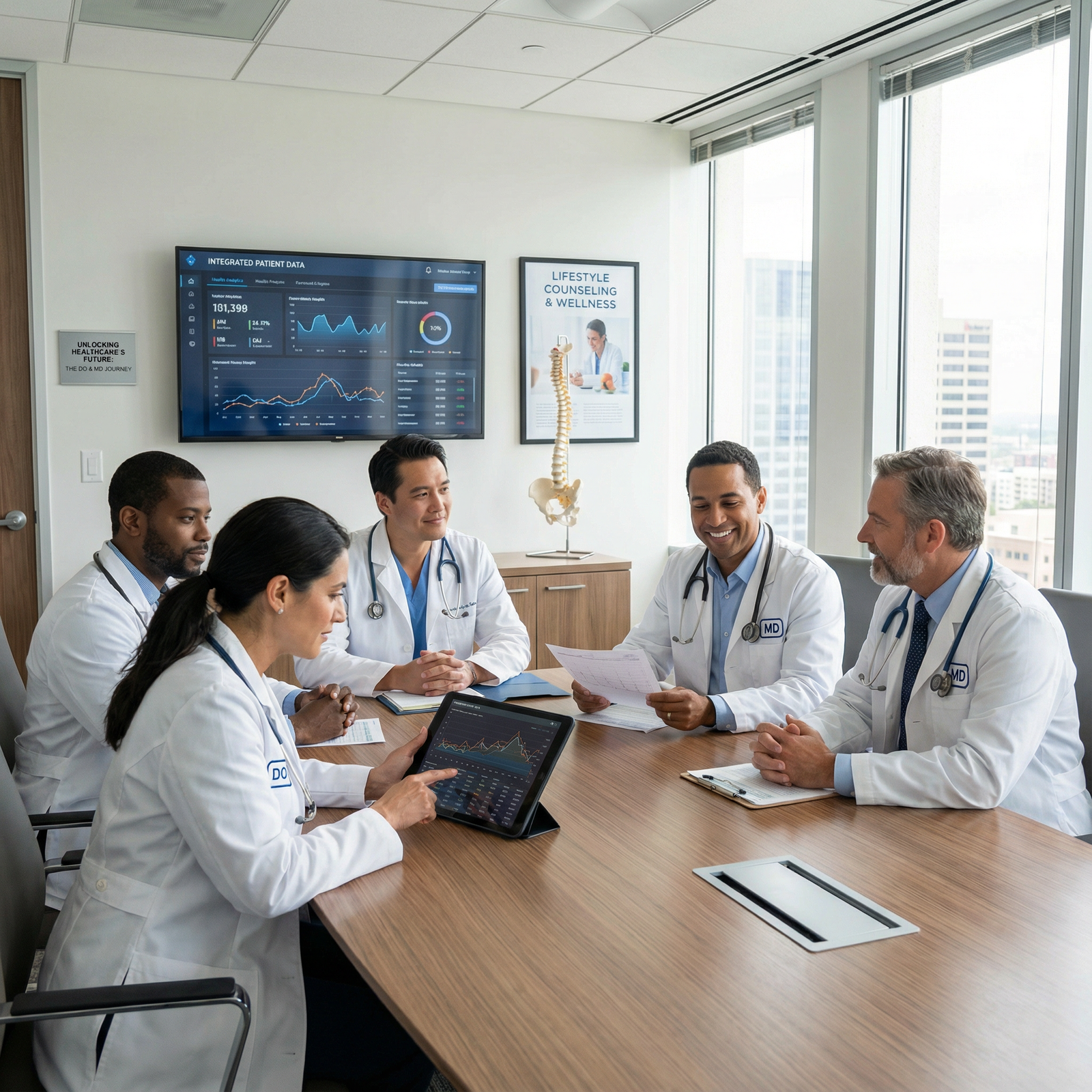
In an era of rapid change in healthcare, the traditional “DO vs MD” question has taken on new meaning. Instead of simply comparing two degrees, premeds, medical students, and residents now need to understand how Doctors of Osteopathic Medicine (DOs) and Medical Doctors (MDs) will work together to shape the future of medicine.
Rising chronic disease, aging populations, mental health crises, inequities in access, and breakthroughs in digital tools are forcing the system to evolve. At the same time, there is growing recognition that holistic medicine, prevention, and patient-centered care are as essential as cutting-edge interventions.
In this expanded guide, you’ll learn:
- How DO and MD educational pathways compare in detail
- How their philosophies of care align and differ in real-world patient care
- How both degrees are adapting to technology, team-based care, and value-based models
- What future job prospects, specialties, and leadership roles look like for each
- Practical considerations for premeds choosing between DO and MD
Throughout, we’ll highlight what truly matters: how you can use either pathway to build a meaningful career in the evolving landscape of healthcare.
DO vs MD: Training, Philosophy, and Scope of Practice
Educational Pathways: How DO and MD School Compare
At a high level, DO and MD students complete very similar core training:
- 4 years of medical school (preclinical + clinical)
- 3–7+ years of residency, depending on specialty
- Optional fellowships for subspecialization
- National board exams and state licensure
Under the single ACGME accreditation system, most residency programs train both DOs and MDs side by side. But there are important nuances in curriculum and licensing exams.
Allopathic Medicine (MD) Pathway
Curriculum focus
- Evidence-based, allopathic medicine
- Diagnosis and management of disease using:
- Pharmacologic therapies
- Procedures and surgery
- Advanced diagnostics and imaging
- Heavy emphasis on pathophysiology, pharmacology, and clinical reasoning
- Increasing integration of:
- Population health
- Quality improvement
- Social determinants of health
Structure of training
- Preclinical (Years 1–2): Systems-based or subject-based curriculum; lectures, small groups, simulation, and standardized patients
- Clinical (Years 3–4): Core clerkships (internal medicine, surgery, pediatrics, OB/GYN, psychiatry, family medicine, etc.), followed by electives and sub-internships
Licensure exams
- USMLE Step 1, Step 2 CK, and (historically) Step 3
- Most MD students sit for the full USMLE sequence
- Scores often factor into residency applications, especially for competitive specialties
Osteopathic Medicine (DO) Pathway
Curriculum focus
DO programs include all the same biomedical and clinical content as MD programs, but layer on a distinctive osteopathic philosophy and skill set:
- Emphasis on the body as an integrated unit—mind, body, and spirit
- Focus on the body’s innate ability to heal and self-regulate
- Prevention and lifestyle as central, not secondary, elements of care
- Training in Osteopathic Manipulative Treatment (OMT):
- Hands-on techniques to diagnose and treat somatic dysfunction
- Used in musculoskeletal conditions, pain management, and supportive care
Structure of training
- Preclinical (Years 1–2): Similar foundational sciences plus dedicated OMT labs and osteopathic principles
- Clinical (Years 3–4): Core clerkships and electives similar to MD programs; some schools emphasize primary care and community-based training environments
Licensure exams
- COMLEX-USA Level 1, Level 2-CE, Level 2-PE (retired), and Level 3
- Many DO students also take USMLE to maximize residency options, especially for competitive specialties
Philosophy of Care: Holistic vs Disease-Centered—Or a Spectrum?
The philosophical difference between DO and MD training is often framed as holistic vs disease-centered, but in modern practice the lines are much more blurred.
Osteopathic (DO) Philosophy
Core osteopathic tenets include:
- The body is a unit; the person is a unity of body, mind, and spirit
- The body is capable of self-regulation, self-healing, and health maintenance
- Structure and function are reciprocally interrelated
- Rational treatment is based on these principles
What this looks like in patient care:
- Asking about lifestyle, social context, mental health, and functional status as part of every visit
- Using OMT where appropriate (e.g., low back pain, tension headaches, certain musculoskeletal issues)
- Emphasizing preventive strategies and patient education
- Integrating physical exam findings with a deeper appreciation of biomechanics and posture
Allopathic (MD) Philosophy
Traditional allopathic training has emphasized:
- Identification of specific disease entities
- Use of targeted therapies based on pathophysiology and evidence
- Standardized clinical guidelines and protocols
What this looks like in practice:
- Rapid recognition and management of acute and complex disease (e.g., sepsis, myocardial infarction, stroke)
- Application of cutting-edge pharmacologic and surgical interventions
- Strong reliance on clinical trials and data-driven decision-making
The Modern Reality: Convergence in Patient Care
In today’s healthcare environment, the philosophies are converging:
- Many MD curricula now include:
- Lifestyle medicine
- Motivational interviewing
- Social determinants of health
- Integrative and behavioral health
- Many DOs practice in high-tech specialties and academic centers where evidence-based, guideline-driven care is the norm.
What differentiates DOs more clearly is the embedded training in osteopathic principles and OMT, not a strict divide in how “holistic” they are. In practice, you’ll find:
- Holistic, patient-centered MDs in family medicine, pediatrics, and psychiatry
- Highly technical, procedural DOs in orthopedics, interventional cardiology, and critical care
Scope of Practice: What DOs and MDs Can Do
In the United States:
Both DOs and MDs:
- Are fully licensed physicians in all 50 states and DC
- Can prescribe medications, perform surgery, and practice all specialties
- Are eligible for the same ACGME-accredited residencies and fellowships
- Can hold leadership positions (CMO, program director, department chair)
Globally:
- MDs typically face more straightforward recognition
- DO recognition varies by country; some nations grant full practice rights, others limit or require additional steps
- For students interested in international careers, it’s important to research country-specific regulations early
For patients, the day-to-day difference in scope of practice between a DO and an MD in the U.S. is essentially negligible. For students, the difference is more about training experience, philosophy, and long-term fit.
The Evolving Healthcare Landscape: Where DOs and MDs Fit In
The future of medicine is being shaped far more by system-level trends than by degree titles. Understanding these changes can help you see how DOs and MDs can both contribute—and thrive.
Rising Emphasis on Holistic and Preventive Care
Healthcare costs are climbing, chronic illnesses are widespread, and burnout is rampant. Systems are shifting from volume-based to value-based care, which prioritizes outcomes, prevention, and patient experience.
Key trends:
- Growth of population health and accountable care models
- Increased reimbursement for preventive screenings and chronic disease management
- Integration of behavioral health and social services into primary care
How DOs are uniquely positioned:
- Training naturally aligns with:
- Whole-person assessments
- Lifestyle counseling
- Patient education and shared decision-making
- OMT offers a non-pharmacologic approach to certain pain and musculoskeletal conditions—highly relevant amid the opioid crisis
How MDs are adapting:
- Many MD programs are incorporating:
- Lifestyle medicine curricula
- Longitudinal primary care experiences
- Training in motivational interviewing and health coaching
- MDs are at the forefront of research into preventive cardiology, obesity medicine, and population health, helping to generate evidence that benefits all clinicians
For both DOs and MDs, physicians who can bridge clinical expertise with holistic, preventive care will be highly valued.
Interprofessional and Team-Based Care
The days of the solo physician operating in isolation are rapidly fading. The future of healthcare is collaborative:
- Teams often include:
- Physicians (DO and MD)
- Nurse practitioners (NPs) and physician assistants (PAs)
- Pharmacists, social workers, physical therapists
- Behavioral health specialists, dietitians, and care coordinators
Drivers of this shift:
- Complex patients with multiple comorbidities
- Need for 24/7 coverage and continuity
- Emphasis on quality metrics, outcomes, and care coordination
For DOs and MDs:
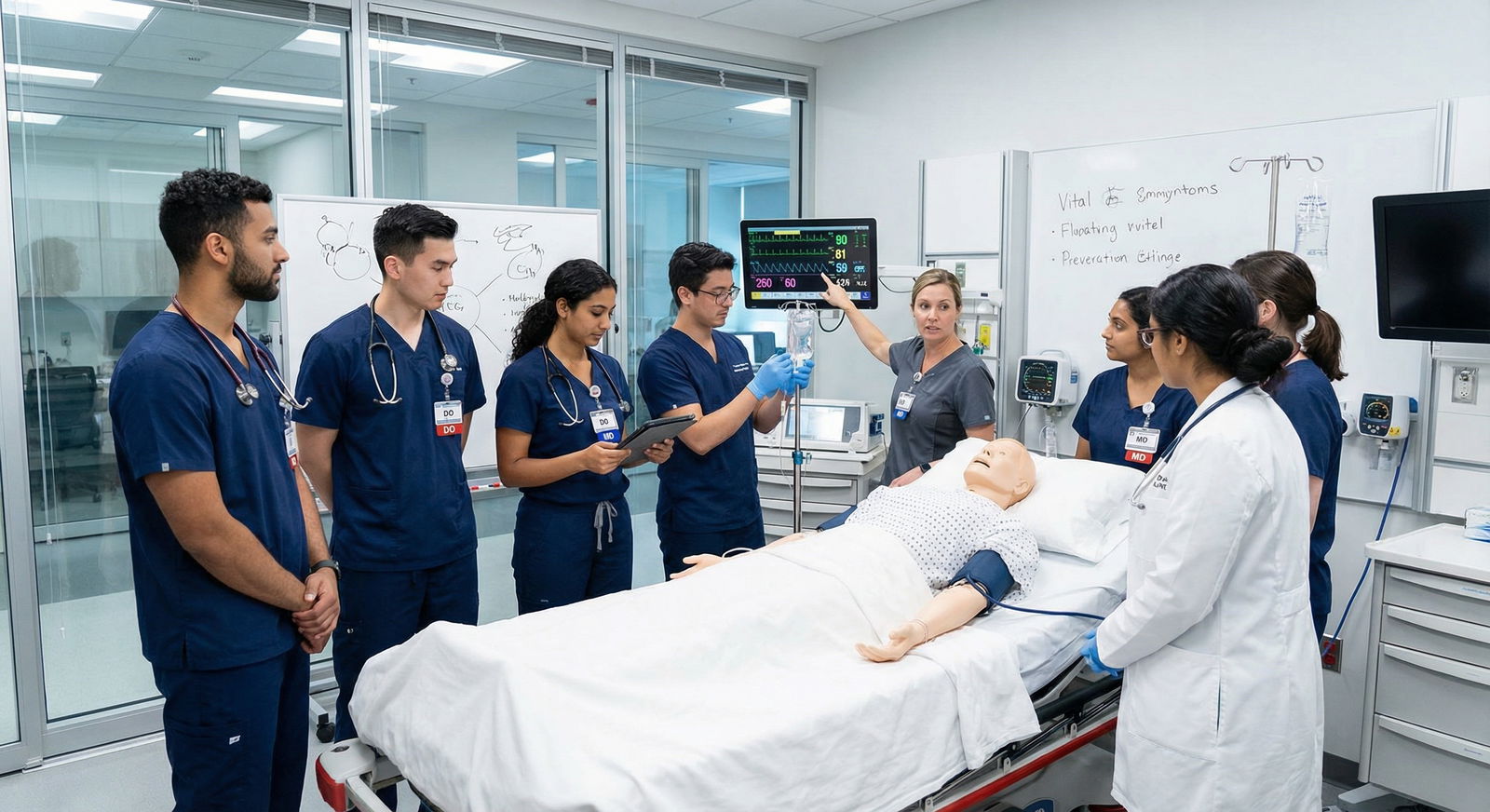
- The ability to lead and function within interprofessional teams is critical
- Communication skills, emotional intelligence, and systems thinking are as important as diagnostic acumen
- Many osteopathic schools place students in community and primary care settings early, fostering comfort with team-based care
- Many allopathic schools now require interprofessional education experiences and quality improvement projects
Technology, AI, and the Digital Transformation of Medicine
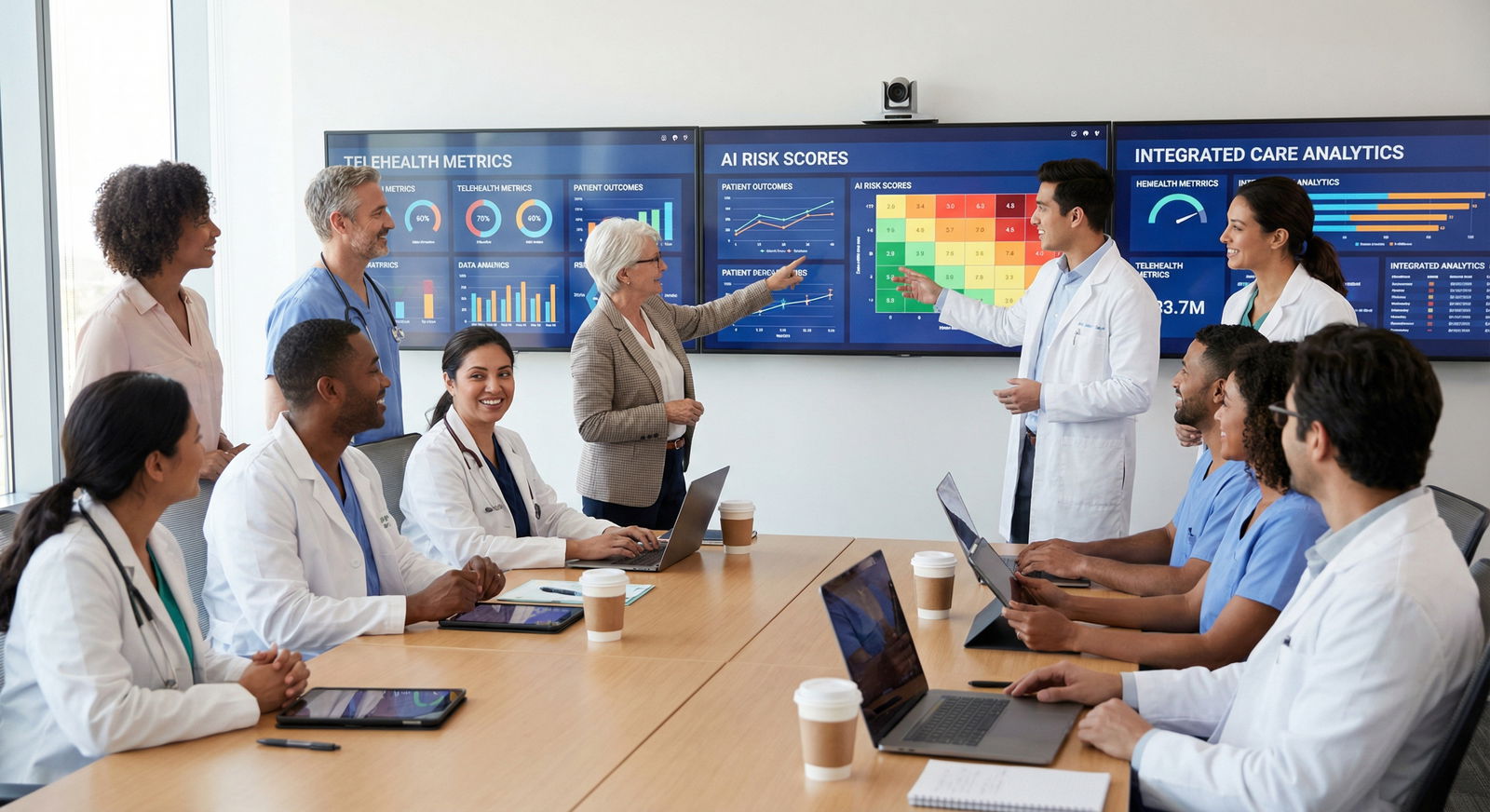
Technological change is reshaping how DOs and MDs deliver care, learn, and lead.
Key domains:
- Telehealth and virtual care
- Expanded dramatically during COVID-19 and continues to grow
- Enables remote chronic disease management, behavioral health, and follow-up care
- Artificial intelligence (AI) and machine learning
- Decision-support tools for imaging, risk prediction, and diagnosis
- Clinical documentation assistance, workflow optimization, and triage
- Digital health platforms and wearables
- Continuous monitoring of vital signs, activity, sleep, and glucose
- Patient portals and remote patient monitoring
Implications for DOs and MDs:
- Both must become digitally fluent:
- Comfortable using AI tools as adjuncts, not replacements
- Able to interpret and act on data from wearables and remote monitoring
- DOs may bring a stabilizing emphasis on human connection and holistic care in increasingly digital interactions
- MDs often lead in clinical informatics, digital health startups, and AI research, though DO representation in these areas is growing
For students considering either path, it’s wise to ask:
- How does this school integrate telemedicine and digital health into the curriculum?
- Are there opportunities for research or electives in clinical informatics or AI?
Future Prospects: Careers, Specialties, and Leadership for DOs and MDs
Job Market and Demand Across Specialties
The demand for physicians is robust and projected to grow, especially in primary care and certain specialties.
Primary care and front-line specialties
- Family medicine, internal medicine, pediatrics, OB/GYN, and psychiatry will remain in high demand due to:
- An aging population
- Rising mental health needs
- Ongoing emphasis on preventive care
Both DOs and MDs are highly sought after in these fields. DO schools, in particular, have historically produced a larger proportion of primary care physicians.
Specialty and subspecialty fields
- Cardiology, gastroenterology, oncology, anesthesiology, radiology, surgery, and orthopedics are also in steady demand.
- DOs increasingly match into historically MD-dominated specialties, especially since the ACGME single accreditation transition.
- Success in competitive specialties depends far more on:
- Board scores (USMLE/COMLEX)
- Research and publications
- Strong clinical evaluations and letters
- Networking and mentorship
than on DO vs MD alone.
Emerging and growing areas
- Addiction medicine (driven by the opioid epidemic)
- Geriatrics and palliative care
- Clinical informatics and digital health
- Lifestyle medicine and integrative care
- Hospice and supportive oncology
These fields align well with holistic medicine principles and are open to both DOs and MDs.
Professional Recognition and Evolving Perceptions
Over the past few decades, professional recognition of DOs has increased dramatically:
- DOs now:
- Lead departments, programs, and hospitals
- Serve as deans, residency program directors, and CMOs
- Hold leadership roles in national organizations (e.g., AOA, specialty societies)
- Many patients are unaware of any practical difference between DOs and MDs; they care more about:
- Communication style
- Clinical outcomes
- Trust and relationship
Meanwhile, the MD degree continues to enjoy broad global recognition and remains the dominant degree internationally.
In an increasingly team-based, outcomes-focused system, the degree letters matter less than:
- Clinical competence
- Professionalism and teamwork
- Leadership and advocacy
- Commitment to continuous learning
DOs and MDs are gradually merging their strengths, with DOs bringing a formalized holistic framework and MDs contributing deep research and academic infrastructure—though those roles are increasingly overlapping.
Case Studies: DOs and MDs Shaping the Future of Medicine
Case Study 1: A DO Leading In Preventive, Holistic Care
Dr. Emily, DO, practices family medicine in a medically underserved community clinic.
How she practices:
- Schedules slightly longer visits to:
- Explore nutrition, sleep, stress, and physical activity
- Screen for social determinants (food insecurity, housing, transportation)
- Uses OMT for:
- Chronic low back pain
- Tension headaches
- Certain postural and musculoskeletal issues
- Partners with:
- Community organizations for exercise and nutrition programs
- Behavioral health specialists for integrated mental health care
- Implements group visits for diabetes and hypertension to improve education and peer support
Impact:
- Reduced ER utilization among her panel
- Improved blood pressure and A1c control rates
- Higher patient satisfaction due to feeling “heard and cared for as a person”
Her DO background aligns strongly with this whole-person, community-oriented approach, but MDs with similar interests can and do practice this way as well.
Case Study 2: An MD Integrating Holistic and Digital Tools
Dr. Michael, MD, is a general internist in an urban multi-specialty group.
How he practices:
- Extensive use of telemedicine for:
- Chronic disease follow-ups
- Mental health check-ins
- Post-hospital transitions
- Collaborates closely with:
- Dietitians
- Health coaches
- Social workers
- Has completed additional training in lifestyle medicine
- Uses digital tools:
- Recommends wearables for patients with cardiovascular risk
- Monitors remote blood pressure and glucose data through the EHR
- Uses decision-support algorithms to identify high-risk patients
Impact:
- Higher rates of blood pressure control and smoking cessation among his patients
- Increased patient engagement through virtual visits and messaging
- Efficient, data-driven outreach to patients most at risk of hospitalization
Although trained in traditional allopathic medicine, his practice is highly holistic, preventive, and tech-enabled—showing that MDs, like DOs, are evolving with the future of medicine.
Practical Guidance for Premeds: Choosing Between DO and MD
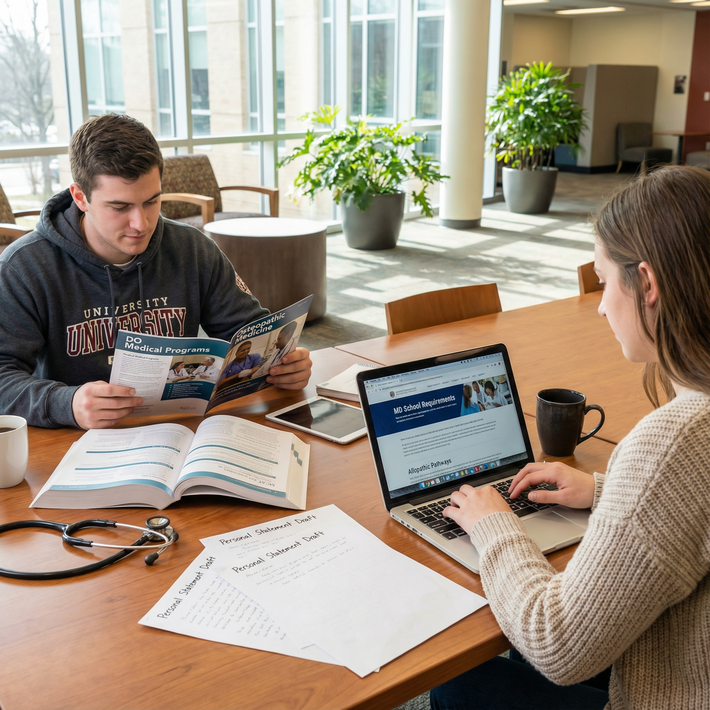
For students at the PREMED_AND_MEDICAL_SCHOOL_PREPARATION stage, the DO vs MD choice can feel overwhelming. In reality, both paths can lead to nearly all of the same destinations in U.S. healthcare.
Consider asking yourself:
Philosophical fit
- Am I strongly drawn to structured training in holistic medicine, including OMT?
- Do I see myself using hands-on techniques as a core part of my practice?
Career goals
- Do I have a clear aim toward a highly competitive subspecialty, academic research, or international practice?
- If yes, how will I build a portfolio (scores, research, mentorship) that keeps doors open from either pathway?
School-specific factors
- Mission: Does the school emphasize primary care, rural health, urban underserved, research, or global health?
- Support: Are there advising resources, specialty interest groups, and research opportunities aligned with my goals?
- Residency outcomes: Where do graduates match? Which specialties and institutions?
Willingness to navigate extra steps
- As a DO, am I willing to potentially take both COMLEX and USMLE to maximize residency options?
- As an MD, am I prepared to seek out holistic and integrative electives if that matters to me?
In the evolving future of medicine, the most critical decision is not DO vs MD—it is how intentional you are about aligning your training, experiences, and values with the kind of physician you want to become.
FAQ: DO vs MD and the Future of Medicine
How do DOs and MDs differ in training?
Both DOs and MDs complete 4 years of medical school followed by residency and often fellowship. The main distinctions:
- DO programs:
- Include training in osteopathic principles and OMT
- Emphasize whole-person, holistic care from day one
- Use the COMLEX exam sequence (many students also take USMLE)
- MD programs:
- Focus on allopathic, evidence-based management of disease
- Typically have stronger embedded research infrastructure (though this varies by school)
- Use the USMLE exam sequence
Beyond these differences, the core biomedical and clinical training is very similar, and both pathways prepare you for full physician licensure.
Can DOs and MDs work together in the same settings?
Yes. DOs and MDs:
- Train together in many ACGME-accredited residency programs
- Work side-by-side in hospitals, clinics, academic centers, and leadership roles
- Often see the same types of patients and perform identical procedures
From the patient’s perspective, the collaborative strengths of DOs and MDs—holistic perspective, technical expertise, and evidence-based care—are complementary and often indistinguishable in daily patient care.
Are job opportunities different for DOs and MDs?
In the U.S., both DOs and MDs are in high demand, particularly in:
- Primary care (family medicine, internal medicine, pediatrics)
- Psychiatry and behavioral health
- Rural and underserved communities
DOs increasingly match into competitive specialties and academic centers. While some competitive programs may still show a preference for MDs, this gap is narrowing and is more influenced by individual applicant strength (scores, research, evaluations) than degree alone.
Are both DOs and MDs recognized as physicians?
Yes. In the United States:
- DOs and MDs are both fully licensed physicians in all 50 states and DC
- Both can prescribe medication, perform surgery, and practice in any specialty
- Both can serve as attendings, faculty, and institutional leaders
Internationally, MDs generally have broader and more consistent recognition. DO recognition varies by country, so students planning long-term international practice should research specific regulations early.
What role does technology and AI play in the future for DOs and MDs?
For both DOs and MDs, the future of medicine will be heavily shaped by:
- Telehealth and remote monitoring
- AI-assisted imaging and decision support
- Advanced EHR tools and population health analytics
Physicians who can integrate these tools while preserving human connection and holistic care—skills emphasized in both osteopathic and modern allopathic training—will have a significant advantage. Rather than replacing physicians, technology will shift physicians’ roles toward:
- Higher-level decision-making
- Complex communication and counseling
- Systems leadership and quality improvement
By understanding the evolving roles of DOs and MDs, you can make a more informed decision about your own path—and appreciate how both degrees will collaborate to advance healthcare, drive innovation, and improve patient outcomes in the decades ahead.