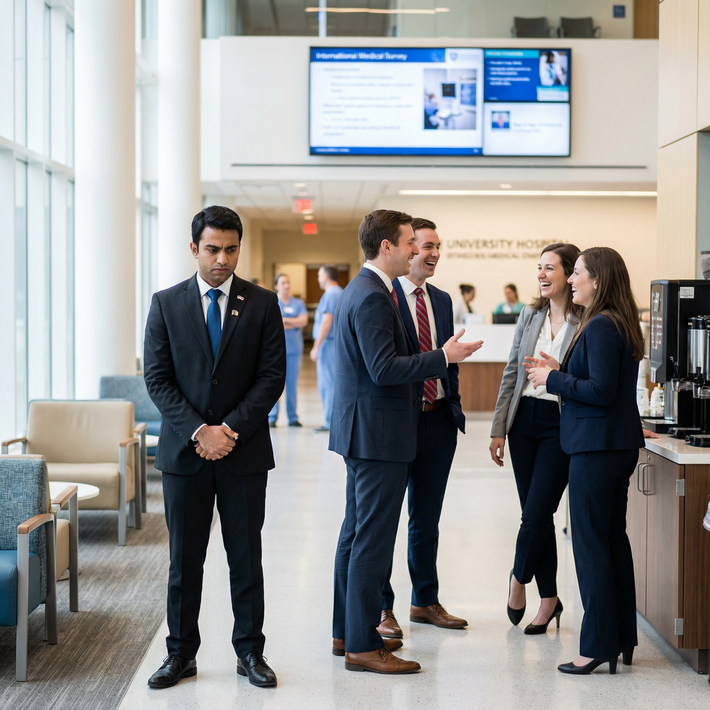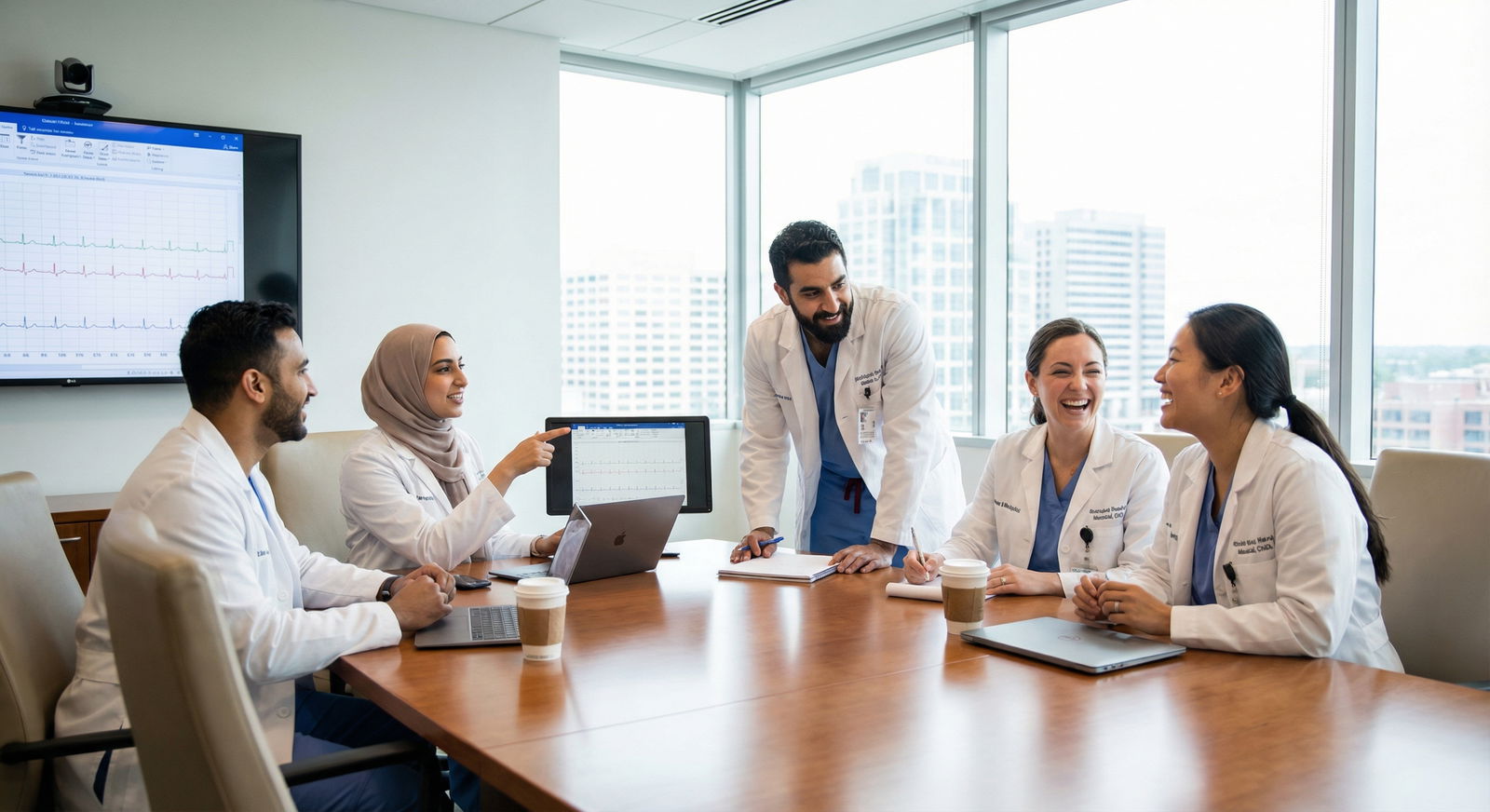
Navigating residency in a new country is challenging under any circumstances. For International Medical Graduates (IMGs), the transition into the U.S. residency system can feel like learning a new language—professionally, culturally, and emotionally. You’re adapting to a different healthcare system, working in your second (or third) language, and building a new life far from home, often without your usual support network.
In this context, finding your community—especially connecting with other IMGs—is not a luxury; it is a core part of surviving and thriving in residency. A strong medical community of peers who understand your challenges can transform your entire residency experience, from clinical performance to emotional wellbeing and long-term career success.
This guide explores why community-building matters for IMGs, practical strategies to connect with others, and how to turn those connections into lasting support and opportunities.
Why Connecting with Other IMGs Matters in Residency
Shared Experiences in a Unique Journey
Your path as an IMG is fundamentally different from that of most U.S. medical graduates. You may be navigating:
- Visa issues and immigration uncertainty
- Differences in medical education style and expectations
- Culture shock and language nuances (including medical slang)
- Financial pressures, including exam and application costs
- Family separation and time zone differences with loved ones
- Anxiety around performance, licensing, and future job opportunities
Connecting with other International Medical Graduates who have faced similar obstacles provides something extremely powerful: validation. When someone else has struggled with the same NRMP process, the same documentation hurdles, or the same feelings of being “behind,” it normalizes your experience and reduces isolation.
Examples of shared experiences that can create instant connection:
- Talking with someone who also took multiple attempts to pass a USMLE exam
- Comparing how morning reports differ from your home country’s teaching style
- Discussing the emotional impact of caring for patients with limited English proficiency when you are also adjusting linguistically
- Sharing strategies for sending money home, managing debt, or budgeting on a resident salary
These shared experiences build trust more quickly and deepen your sense of belonging within your residency program and the larger medical community.
Professional Networking That Understands the IMG Perspective
Professional networking is often presented as a generic skill—but for IMGs, networks that truly understand the IMG pathway are especially valuable.
Connecting with other IMGs can help you:
- Navigate the Match and beyond: Learn how they selected programs, strengthened their CVs, and responded to red flags or gaps.
- Get honest advice: IMGs often provide more realistic, granular tips about visa-friendly institutions, program cultures, and pathways to fellowship.
- Access targeted opportunities: IMG-focused research projects, QI initiatives, leadership positions, or community outreach roles may be more visible within IMG networks.
- Build long-term allies: Today’s co-resident can be tomorrow’s attending, fellowship director, or collaborator in another institution.
Professional connections with IMGs are not limited to your specialty. Internal medicine IMGs may guide psychiatry IMGs about visa-friendly hospitals; surgery IMGs may connect family medicine IMGs with observers or research PIs from their home country. This cross-specialty, IMG-centered network can be a powerful asset throughout your career.
Academic Collaboration and Shared Learning Styles
Many IMGs come from educational systems that emphasize different strengths—memorization, problem-based learning, early clinical exposure, or research-heavy training. When you collaborate academically with other IMGs, you can:
- Form study groups for in-training exams, board preparation, and complex cases
- Share learning resources used in different countries (textbooks, question banks, notes)
- Teach one another efficient strategies for reading guidelines, mastering U.S.-style documentation, and presenting cases
- Co-author research papers, QI projects, case reports, and conference posters
Academic collaboration with other IMGs is particularly helpful because they understand where your knowledge gaps might be—not due to lack of ability, but due to differences in training emphasis. This makes their peer teaching especially targeted and supportive.
Emotional Support and Psychological Safety
Residency is emotionally intense for everyone, but IMGs face extra layers—homesickness, identity shifts, and pressure to “prove” themselves. Emotional support from other IMGs can:
- Reduce imposter syndrome when you realize others feel the same way
- Provide a safe space to process microaggressions, bias, or cultural misunderstandings
- Help you balance respect for your home country’s medical training with adaptation to U.S. norms
- Offer culturally informed coping strategies—faith-based support, family-oriented values, or community traditions that bring comfort
This kind of Emotional Support is not a substitute for professional mental health care when needed, but it can be a powerful protective factor against burnout and depression. Simply knowing “I’m not the only one” can make a concrete difference in your Residency Experience.
Practical Strategies for Finding and Connecting with Other IMGs
1. Use Social Media Intentionally and Professionally
Social media platforms are one of the fastest ways to find IMGs across specialties and across the country. Used wisely, they provide:
- A support network
- High-yield advice
- Peer role models
- Access to real-time opportunities (webinars, observerships, research calls)
High-yield platforms and tactics:
LinkedIn
- Build a detailed profile emphasizing your IMG journey, research, and volunteer work.
- Follow groups like “International Medical Graduates (IMG) – USA” or “IMGs in US Residency”.
- Engage by commenting thoughtfully on posts about Match strategies, interview tips, or specialty-specific discussions.
Facebook
- Join IMG-focused groups:
- “International Medical Graduates’ Network”
- “IMGs in Residency”
- Specialty-specific groups (e.g., “Internal Medicine IMGs in the USA”)
- Search using keywords like “IMG,” “USMLE,” “residency,” and your specialty.
- Participate actively—ask questions, answer others, and share resources you’ve found helpful.
- Join IMG-focused groups:
X (Twitter)
- Follow hashtags like #IMG, #MedTwitter, #USMLE, and specialty tags (e.g., #IMResidency).
- Engage with physicians who openly identify as IMGs; many are eager to mentor or guide.
- Share your own journey professionally—your research, presentations, or reflections on training.
Boundaries to remember:
- Maintain professionalism—assume everything is public.
- Avoid sharing patient details or confidential program information.
- Be cautious with strong opinions about specific programs or individuals.

2. Attend Conferences, Networking Events, and Local Meetups
In-person or virtual events can rapidly expand your IMG and broader medical network.
National and Regional Conferences
Major medical organizations increasingly recognize the value of supporting International Medical Graduates and may offer:
- IMG-specific mentoring sessions
- Visa and career-planning workshops
- Panels led by former IMGs now in leadership positions
Look for opportunities through:
- AMA (American Medical Association) – IMG sections, advocacy meetings
- AAMC (Association of American Medical Colleges) – sessions on diversity and inclusion, pathways for IMGs
- Specialty societies – e.g., American College of Physicians, American Academy of Family Physicians, American Psychiatric Association, etc., which often have IMG interest groups or sessions
If there is a National Conference for IMGs or similar event in your region, prioritize attending at least once during training. These spaces are concentrated hubs of fellowship directors, PDs, and successful IMGs who can share strategies and potentially open doors for you.
Hospital- and City-Level Meetups
Even without national travel, you can:
- Attend grand rounds, journal clubs, and cross-department workshops at your institution
- Connect with other IMG residents across different departments (e.g., internal medicine, surgery, pediatrics)
- Join physician wellness events or diversity/inclusion committees
- Look for city-wide physician associations, ethnic medical associations, or cultural medical societies
When attending events:
- Prepare a brief introduction: who you are, where you trained, your specialty, and career interests.
- Follow up with people you meet via email or LinkedIn within 48 hours.
- Offer value where you can—share resources, connect others, or volunteer to help organize future events.
3. Join and Strengthen Residency Program–Based IMG Groups
Many residency programs recognize that IMGs have distinct needs and have created:
- IMG interest groups
- Diversity and inclusion subcommittees
- Peer mentoring programs matching senior IMGs with interns
- International trainee support services
If your program has such groups:
- Attend regularly, not just once. Relationships deepen over time.
- Suggest structure: monthly check-ins, topic-based discussions (e.g., “Cultural Differences in Patient Communication,” “Visa Anxiety and Coping,” “Preparing for Fellowship as an IMG”).
- Advocate for program-sponsored resources: exam prep materials, wellness funds, or IMG-oriented orientation sessions.
If your program does not have an IMG group:
- Approach your chief residents or program director with a proposal.
- Emphasize how an IMG group can improve wellness, retention, and educational outcomes.
- Start small—a quarterly lunch, a WhatsApp group, or informal case discussion meetings. Growth can be gradual.
4. Build High-Functioning Study and Accountability Groups
Study groups serve a dual purpose: they improve your academic performance and foster community.
To create an effective IMG-centered study group:
Define the purpose clearly
- In-training exam prep
- Board exam preparation (e.g., ABIM, family medicine boards)
- Case-based learning for specific rotations
- Research and writing accountability
Set structure and expectations
- Fixed schedule (e.g., Sundays 4–6 pm, Wednesdays evening)
- Rotate who prepares cases or topics
- Use shared documents (Google Docs, Notion, OneNote) to track:
- Topics covered
- High-yield questions
- Resources and links
- Deadlines for exams or abstracts
Leverage diversity
- Each member can teach from their strengths—e.g., one may be strong in cardiology, another in infectious diseases.
- International perspectives can deepen understanding of diseases uncommon in the U.S. but seen frequently in your home countries.
Pair academics with wellbeing
- Start or end sessions with a quick check-in: “What was one challenge this week?”
- Normalize discussing stress, time management, and burnout.
5. Seek Mentors Who Understand the IMG Pathway
Mentorship is especially impactful when your mentor appreciates the realities of being an International Medical Graduate.
Ideal IMG-sensitive mentors might be:
- Former IMGs who are now attendings or program leaders
- U.S.-trained physicians with a long history of supporting IMGs
- Senior residents or fellows who matched as IMGs and are just a few years ahead of you
Strategies to find mentors:
- Ask your program leadership who has worked closely with IMGs in the past.
- Reach out to IMGs on faculty pages at your institution and politely request a brief meeting.
- Use LinkedIn or conference networking to identify IMG-friendly mentors in your specialty.
In your outreach:
- Be specific: “I’m an IMG from [country], a PGY-1 in [specialty], and I’d love your guidance on [fellowship planning/research/board preparation] if you’re available.”
- Prepare questions in advance.
- Follow up with gratitude and updates; mentorship is a relationship, not a one-time request.
Over time, strong mentors may:
- Write letters of recommendation
- Sponsor you for research or leadership roles
- Introduce you to their networks
- Help you strategize around visas, career transitions, and long-term goals
6. Engage in Extracurricular and Community Service Activities
Shared values often create deep bonds. Community engagement is a powerful way to expand your network beyond your immediate residency program.
Ideas that naturally attract IMGs:
- Free clinic volunteering, especially in communities with high immigrant or refugee populations
- Health education outreach in languages you speak
- Cultural health fairs organized by hospitals or community groups
- Interpreter services, advocacy, or patient navigation (formally or informally)
These activities allow you to:
- Connect with IMGs across departments and institutions
- Demonstrate leadership, empathy, and community commitment
- Collect powerful experiences for future fellowship or job interviews
- Reconnect with the reasons you became a physician, which can buffer burnout
7. Make Use of Online Forums and Dedicated IMG Platforms
Beyond mainstream social media, more focused platforms can provide high-yield, candid discussions:
- Reddit
- Subreddits such as r/IMGreddit, r/medicalschool, or specialty-specific threads
- Anonymous discussions about program cultures, exam struggles, and honest experiences
- Medscape Forums
- Specialty boards where IMGs often share program reviews and tips
- Dedicated IMG websites and communities
- Sites and forums focused solely on IMGs, offering interview experiences, observership lists, and Match timelines.
Use these resources as one input—not the only one. They are excellent for broad perspectives but should be balanced with trusted mentors and official program information.
8. Participate in Cultural Exchange and Diversity Initiatives
As an IMG, you bring tremendous cultural capital to your program. You not only adapt to a new environment; you enrich it.
Ways to highlight your background while building community:
- Join or help lead diversity, equity, and inclusion (DEI) committees
- Organize cultural potlucks, holiday celebrations, or storytelling events about medicine in different countries
- Offer to give a noon conference or grand rounds on:
- Global health perspectives
- Management of diseases prevalent in your home country
- Cultural considerations in patient care
Your participation in these initiatives:
- Connects you with like-minded colleagues
- Positions you as a resource and leader
- Creates space for other IMGs to feel seen and valued
- Strengthens the overall medical community at your institution
If no such initiatives exist, a simple conversation with your program director or GME office can sometimes spark new programming.
Tangible Benefits of Building an IMG Community in Residency
Stronger Resilience and Reduced Burnout
A well-connected IMG doesn’t experience fewer challenges; they experience those challenges with more support.
Knowing you can:
- Text another IMG after a difficult shift
- Share worries about visa delays with someone who understands
- Vent safely about misunderstanding a cultural reference on rounds
- Ask, “How did you handle this?” when facing a new exam or difficult attending
—all of this significantly protects your emotional health. Your sense of control and competence grows as you see others navigate similar obstacles successfully.
Increased Confidence in Clinical and Professional Spaces
As you integrate into a supportive community:
- You’re more likely to speak up during rounds and case conferences
- You may volunteer for presentations, QI projects, or teaching junior trainees
- You begin to see yourself not as “the IMG” but as a respected physician with valuable perspectives
This confidence feeds into better patient care, clearer communication with colleagues, and a more satisfying Residency Experience.
Expanded Career Horizons and Long-Term Opportunities
Your IMG network can:
- Alert you to unadvertised job openings or fellowships
- Connect you to alumni in other states or countries
- Support you when transitioning from J-1 or H-1B visas to longer-term solutions
- Partner with you on multi-site research or global health collaborations
Maintaining connections with other IMGs after residency keeps your professional world larger, more flexible, and more resilient to change.
A Genuine Sense of Belonging in the Medical Community
Ultimately, community transforms your identity from “outsider trying to fit in” to “essential member of a diverse medical community.” That shift is powerful:
- You feel less like you are “taking a spot” and more like you are adding value.
- You can honor your home country training while embracing your U.S. role.
- You build friendships that extend beyond residency—colleagues who become family.
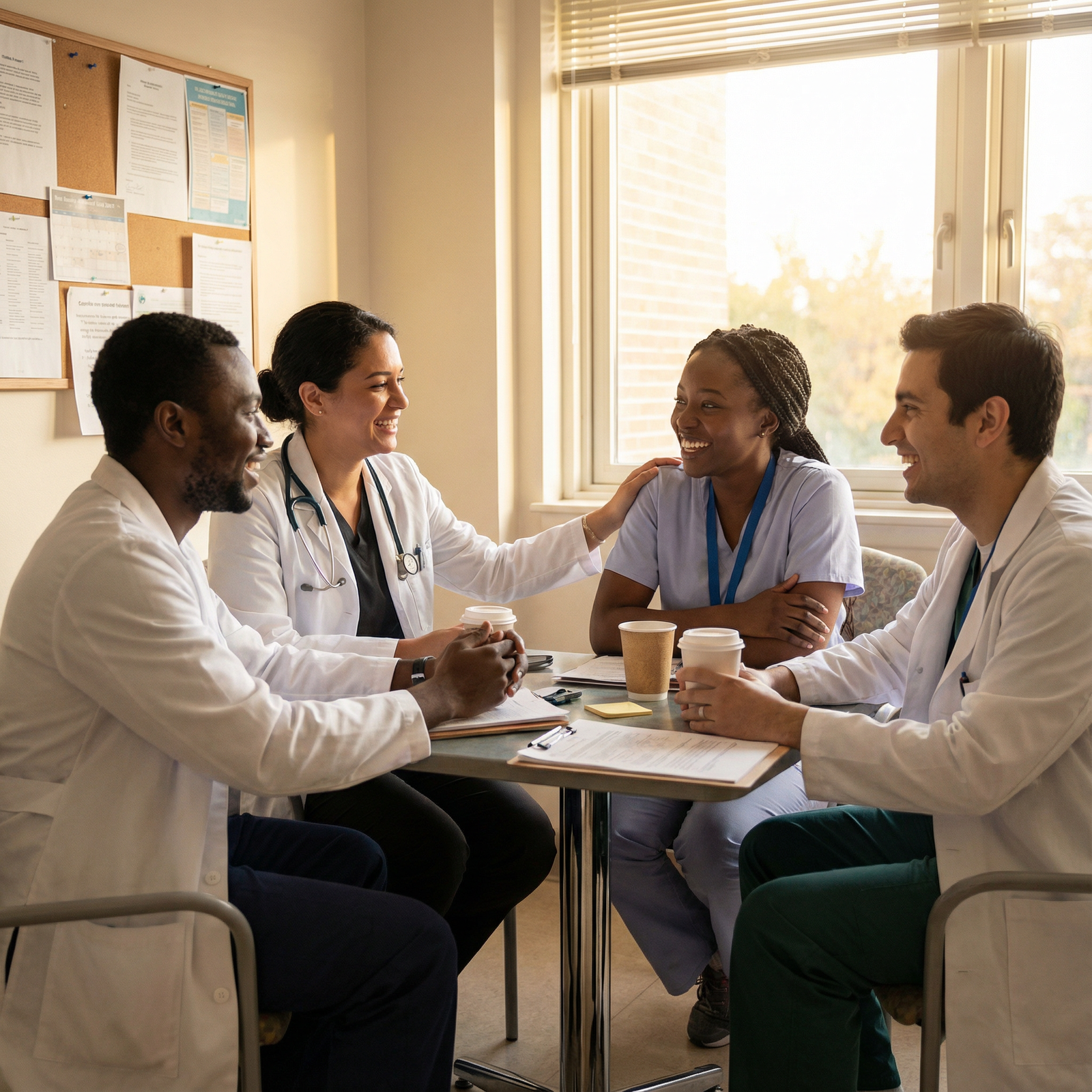
Frequently Asked Questions About Building Community as an IMG in Residency
1. What are the biggest advantages of connecting with other International Medical Graduates during residency?
Connecting with other IMGs offers multidimensional benefits:
- Emotional Support: You gain peers who understand your cultural transition, visa worries, and academic pressures.
- Practical Advice: You learn about specific programs, exam strategies, and visa-friendly institutions from people with firsthand experience.
- Academic and Career Growth: IMGs can connect you to research, leadership roles, and hidden opportunities tailored to your unique path.
- Long-Term Networking: Your peers become a professional network spanning multiple hospitals, states, and even countries, which can be invaluable for future jobs and collaborations.
2. How can I overcome feelings of isolation and imposter syndrome as an IMG resident?
Several strategies help:
- Find at least one IMG “buddy” in your program or city—someone you can message when things feel overwhelming.
- Join structured groups: study groups, DEI committees, or IMG-focused meetings provide built-in touchpoints.
- Normalize your feelings: hearing others say, “I felt the same way in PGY-1” reduces the power of imposter thoughts.
- Seek professional support when needed: many GME offices offer confidential counseling, wellness programs, or referrals to mental health services.
Combining peer Emotional Support with institutional resources creates a stronger buffer against isolation.
3. What are some concrete Networking Tips specifically for IMGs in residency?
Effective networking as an IMG means being both intentional and authentic:
- Prepare your story: a concise introduction that highlights your background, training, and specific interests.
- Start small: connect with senior residents and attendings in your own program first, then expand outward.
- Follow up: after conferences, talks, or introductions, send a short thank-you email or LinkedIn request.
- Offer value: share useful resources, help with projects, or introduce people within your network.
- Be consistent: networking is a long-term habit, not a single event; invest a little time each week.
4. Where can I find reliable communities or events tailored to IMGs?
You can start with:
- Online: IMG-dedicated Facebook groups, LinkedIn communities, and subreddits like r/IMGreddit.
- Institutional: IMG or international trainee groups at your hospital, GME office events, or DEI committees.
- Professional societies: AMA, AAMC, and specialty-specific societies that host IMG or international trainee sessions.
- Local community organizations: cultural associations, faith-based communities, and volunteer groups serving immigrant or refugee populations.
If you don’t see an IMG community where you are, consider initiating something modest—others are likely waiting for someone to take the first step.
5. Is it still useful to stay connected with fellow IMGs after residency ends?
Absolutely. Maintaining relationships with fellow IMGs after residency can:
- Lead to job or fellowship referrals in other institutions or regions
- Create multi-institution collaborations in research, education, or global health
- Provide continued Emotional Support during stressful transitions (first attending job, board exams, immigration changes)
- Expand your Medical Community into a global network of colleagues who share your journey
Many IMGs find that their closest professional allies—even a decade later—are people they trained alongside or met through IMG networks early in their careers.
By prioritizing connection with fellow International Medical Graduates and the broader Medical Community around you, you can reshape your Residency Experience from one of isolation and constant adaptation to one of shared growth, support, and lasting collaboration. Your journey is demanding, but you do not have to walk it alone—and building your community is one of the most strategic, powerful steps you can take for your wellbeing and your future career.