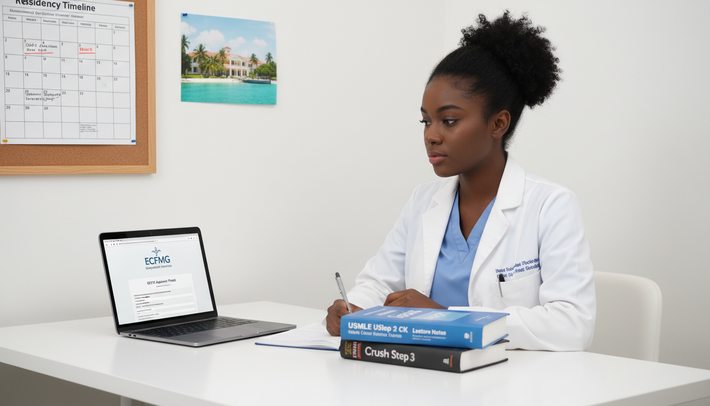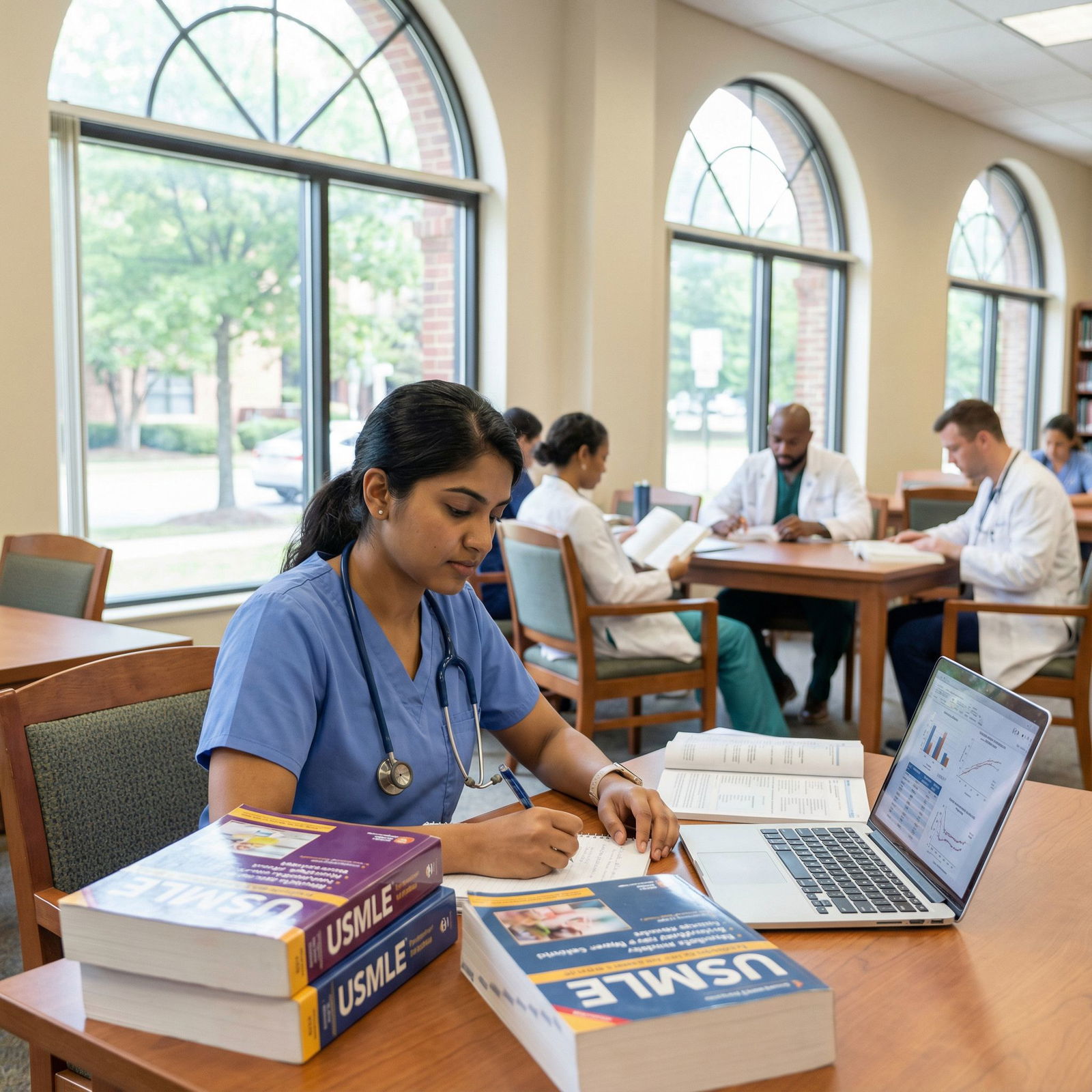
Introduction: Why Resilience Matters for International Medical Graduates
For International Medical Graduates (IMGs), the path to a U.S. residency is both exciting and demanding. You are navigating board exams, visa issues, cultural adaptation, financial pressure, and a competitive match process—often far from family and familiar support systems. All of this can significantly affect your Mental Health, motivation, and sense of identity as a physician.
In this context, resilience—your ability to adapt to adversity, recover from setbacks, and continue moving toward your goals—is not a “nice-to-have” quality. It is an essential part of effective Residency Preparation and long‑term career satisfaction.
This guide expands on practical resilience strategies specifically tailored for IMGs. It goes beyond general wellness advice to focus on:
- The unique stressors IMGs face
- Actionable tools to protect your Mental Health
- Ways to integrate Personal Development into your daily routine
- Approaches that will serve you not only for residency, but throughout your career as a physician
By learning, practicing, and refining these strategies, you are not only increasing your chances of a successful match—you are investing in a sustainable, meaningful life in medicine.
Understanding Resilience in the Context of IMG Residency Preparation
What Do We Mean by “Resilience”?
In the medical training environment, resilience is the capacity to:
- Stay grounded and functional under stress
- Adapt when plans change unexpectedly
- Learn from failures, rather than being defined by them
- Maintain empathy for patients and colleagues, even when you are exhausted
For IMGs, resilience is closely linked to:
- Academic performance (USMLE/COMLEX scores, clinical evaluations)
- Professional identity (feeling like you belong in U.S. medicine)
- Emotional stability (managing anxiety, homesickness, and self-doubt)
Resilience is not a fixed trait you either have or don’t have. It’s a set of skills and habits that can be developed deliberately over time.
Why Resilience Is Especially Critical for IMGs
International Medical Graduates enter residency preparation with additional layers of complexity that can strain Mental Health:
Cultural transition and language
You may be communicating in a non-native language, learning new idioms, and adjusting to different expectations in patient interactions and team dynamics.System differences
U.S. healthcare workflows, documentation, malpractice concerns, and team hierarchies may be very different from what you learned in medical school.Visa and immigration issues
Uncertainty about visa categories, timelines, and future job options can create chronic background stress.Financial constraints
Exam fees, travel for observerships and interviews, and relocation costs can add financial pressure.Competition and potential rejection
Even strong applicants may face multiple non-match cycles. Without resilience strategies, this can lead to discouragement, burnout, or giving up prematurely.
Resilience does not remove these challenges—but it changes how you experience and respond to them. It helps you:
- Maintain perspective during setbacks
- Continue to study effectively despite stress
- Advocate for yourself and seek help when needed
- Preserve your compassion and professionalism
Building a Strong Support Network as an IMG

Why Social Support Is a Core Resilience Strategy
A strong, supportive community is one of the most powerful predictors of resilience in healthcare professionals. For IMGs, who may be far from home and familiar systems, intentionally building that network is crucial.
Supportive connections:
- Provide emotional validation (“I’m not the only one struggling.”)
- Offer practical advice about exams, observerships, and applications
- Help you interpret U.S. cultural and professional norms
- Give you a sense of belonging in the healthcare community
How to Build a Meaningful Support System
1. Connect with Other IMGs
Join IMG-specific organizations and groups
Look for:- Local hospital IMG associations
- National or regional IMG groups
- Online forums and social media communities (e.g., Facebook, WhatsApp, Discord, Telegram groups dedicated to IMGs and USMLE/COMLEX preparation)
Participate actively, not passively
Ask questions, share resources, and be honest about your challenges. Offering help to others also strengthens your own sense of agency and resilience.
2. Seek Mentors and Sponsors
A mentor guides you; a sponsor actively advocates for you. IMGs often benefit from having both.
How to find mentors:
- Attend hospital grand rounds, journal clubs, and academic conferences (in-person or virtual).
- Introduce yourself to faculty after talks; follow up by email with a brief, respectful message.
- Ask politely if they are open to a short meeting to discuss your career plans as an IMG.
What to look for in a mentor:
- Clinical or academic experience in your desired specialty
- Understanding of IMG pathways, or willingness to learn
- A communication style that feels respectful and supportive
Use a structured approach with mentors:
- Prepare specific questions ahead of meetings (e.g., “How can I strengthen my application for internal medicine?”).
- Ask for feedback on your CV or personal statement.
- Follow up on their suggestions and share your progress.
3. Utilize Institutional and Community Resources
University and hospital resources
Many programs offer:- Wellness or counseling services
- Workshops on time management, test-taking skills, and stress reduction
- International student or scholar offices that support visa and cultural transition
Community and cultural organizations
Look for:- Cultural associations (e.g., regional diaspora organizations)
- Faith communities, if that aligns with your beliefs
- Volunteer groups where you can serve, practice English/communication skills, and expand your network
4. Maintain Long-Distance Support
Your family and friends from home remain important resilience anchors.
- Schedule regular video calls around your study and work schedule.
- Share your milestones and difficulties honestly.
- Consider group chats with other IMGs from your home country for shared understanding.
Developing Effective Coping Mechanisms for Stress and Uncertainty
Resilient IMGs do not avoid stress; they learn to manage it skillfully. This is especially important during intense phases of Residency Preparation, such as exam periods or the Match cycle.
Mind-Body Practices to Protect Mental Health
1. Mindfulness and Grounding
Mindfulness practices help reduce anxiety and improve focus:
Breathing exercises (3–5 minutes)
Inhale for 4 seconds, hold for 4, exhale for 6–8. Repeat before exams, interviews, or difficult patient encounters.Brief daily mindfulness sessions (5–10 minutes)
Use an app (e.g., Headspace, Calm, Insight Timer, or free YouTube guided meditations) to build a consistent practice.Grounding techniques in high-stress situations
- Note 5 things you see, 4 things you feel, 3 things you hear, 2 things you smell, 1 thing you taste.
This can be especially helpful before interviews or clinical evaluations.
- Note 5 things you see, 4 things you feel, 3 things you hear, 2 things you smell, 1 thing you taste.
2. Regular Physical Activity
Exercise is one of the most evidence-based strategies for reducing anxiety and depression.
- Aim for 150 minutes of moderate activity per week (e.g., brisk walking, cycling, home workouts).
- Use short, achievable workouts on busy days (10–15 minutes is far better than nothing).
- Consider pairing exercise with language or medical podcasts to combine fitness and learning.
3. Nutrition and Sleep as Resilience Foundations
Nutrition:
- Focus on balanced meals: complex carbohydrates, lean proteins, fruits, vegetables, and healthy fats.
- Prepare simple, batch-cooked meals on days off to avoid relying on fast food during busy weeks.
Sleep:
- Aim for 7–9 hours when possible, especially during USMLE/COMLEX preparation.
- Maintain a pre-sleep routine: dim lights, no screens 30–60 minutes before bed, brief relaxation or stretching.
- If on call or working nights during observerships/externships, prioritize sleep immediately after shifts when you can.
Emotional Coping Skills for Setbacks and Rejection
1. Reframing Negative Thoughts
IMGs often struggle with thoughts like “I’m not good enough” or “I’ll never match.”
Practice cognitive reappraisal:
- Thought: “I failed Step 1; my career is over.”
- Reframe: “I failed this attempt. Many physicians have repeated exams and still built excellent careers. I will analyze what went wrong and adjust my plan.”
Keep a journal where you:
- Write down stressful events
- Identify your automatic thoughts
- Challenge them with evidence and alternative interpretations
2. Creating a “Coping Plan” for High-Risk Times
Identify periods that will likely be intense or emotionally difficult:
- Waiting for exam scores
- ERAS application submission and Match week
- Visa and immigration milestones
Prepare in advance:
- Who you will talk to
- What self-care activities you will prioritize
- How you will manage social media exposure (e.g., limiting time on forums that increase anxiety)
3. Knowing When to Seek Professional Help
Resilience does not mean handling everything alone. Seek professional support if you notice:
- Persistent low mood or loss of interest for more than two weeks
- Frequent panic attacks or overwhelming anxiety
- Thoughts of self-harm or hopelessness
Use available resources:
- University counseling centers or employee assistance programs
- Telehealth Mental Health providers familiar with medical trainees
- Crisis hotlines in your local area if you are in immediate distress
Professional support is a strength, not a weakness, and can significantly enhance your long-term resilience.
Maintaining a Growth Mindset and Long-Term Perspective
What Is a Growth Mindset in Medical Training?
A growth mindset is the belief that your abilities and intelligence can improve with effort, strategy, and feedback—rather than being fixed traits.
For IMGs, this perspective is vital because:
- You may be catching up with system-specific knowledge and communication norms.
- You may face multiple cycles of exams or applications.
- You may need to pivot specialties or strategies over time.
Practical Ways to Cultivate a Growth Mindset
1. Treat Challenges as Training, Not Proof of Inadequacy
- When you struggle with clinical documentation, see it as part of adjusting to a new system, not evidence that you are “less capable.”
- When a practice test goes poorly, use the detailed score report as a roadmap for improvement.
Ask yourself:
“What can this situation teach me that will make me a better physician?”
2. Track and Celebrate Progress
Keep a “wins” list: small victories such as:
- A better NBME practice score
- A strong feedback comment from an attending
- A successful patient interaction in a second language
Review this list during periods of self-doubt to remind yourself of your capacity to grow.
3. Learn from Feedback Instead of Avoiding It
Ask for specific feedback from attendings or supervisors:
- “What is one thing I’m doing well?”
- “What is one thing I could improve in my presentations or notes?”
Write feedback down, create an action list, and revisit it regularly.
This not only improves performance but also demonstrates professionalism and adaptability—qualities residency programs value highly.
Managing Stress and Time During the Residency Application Journey
Structuring Your Day for Productivity and Well-Being
Effective time management decreases stress and increases your sense of control—both essential for resilience.
1. Use a Structured Yet Flexible Schedule
Divide your day into blocks:
- Focused study (e.g., 2–3 hours USMLE/COMLEX prep)
- Clinical or observership duties
- Exercise or movement break
- Administrative tasks (emails, ERAS updates)
- Rest and recreation
Avoid planning every minute. Leave buffer time for unexpected events.
2. Prioritize High-Impact Tasks
During intense periods of Residency Preparation:
- Identify 1–3 key tasks each day that directly move you toward your goal (e.g., completing a question block, drafting a personal statement paragraph, contacting a potential mentor).
- Complete these early in the day whenever possible.
Setting Realistic and Aligned Goals
Resilient IMGs create goals that are ambitious but achievable, aligned with both career and Personal Development.
1. Academic and Career Goals
Examples:
- “Complete 2,400 USMLE-style questions in 8 weeks, reviewing every explanation carefully.”
- “Obtain one U.S.-based letter of recommendation from my preferred specialty in the next 6 months.”
- “Submit ERAS at the earliest possible date with thoroughly reviewed documents.”
Break each goal into weekly and daily steps to avoid feeling overwhelmed.
2. Personal and Well-Being Goals
Examples:
- “Exercise at least 3 times per week for 30 minutes.”
- “Call my family twice a week.”
- “Attend one social or community event each month to build local connections.”
Balancing professional and personal goals protects your Mental Health and helps prevent burnout.
Fostering Adaptability and Emotional Intelligence in Clinical Settings

Adaptability: Navigating a New Healthcare Culture
Adaptability is a core resilience skill for International Medical Graduates entering U.S. hospitals.
1. Be Open to Different Clinical Practices
- Recognize that:
- Documentation standards
- Team communication styles
- Diagnostic and treatment algorithms
may differ significantly from your home system.
Instead of resisting differences, ask:
“Can you explain the rationale for this approach in the U.S. context?”
This shows curiosity, professionalism, and willingness to learn.
2. Embrace Continuous Learning
- Enroll in:
- Online CME courses or workshops relevant to your target specialty
- Communication skills training, especially for patient-centered care
- Simulation sessions, if available, for codes, procedures, and emergencies
Think of yourself as a lifelong learner, not simply an exam taker.
Building Emotional Intelligence (EQ) as a Resilience Tool
Emotional intelligence enhances your resilience and your value as a teammate and physician.
1. Self-Awareness and Self-Reflection
After challenging situations, ask:
- “What did I feel and why?”
- “How did my feelings influence my behavior and communication?”
- “What could I do differently next time?”
Use brief reflection notes or a journal to track patterns and progress.
2. Empathy and Communication
Practice active listening:
- Maintain eye contact
- Avoid interrupting
- Summarize what you heard: “What I’m hearing is that you’re most worried about…”
Remember that empathy is not only for patients; apply it to colleagues, nurses, and fellow IMGs who may also be under heavy stress.
3. Regulating Emotions Under Pressure
- Recognize early signs of frustration or overwhelm (e.g., tight shoulders, rapid speech, irritability).
- Use quick regulation strategies:
- Step out briefly, if appropriate, to breathe and reset.
- Mentally repeat a grounding phrase: “Pause. Observe. Respond.”
Developing EQ not only supports your own resilience but also improves patient care and teamwork—qualities residency programs explicitly look for in applicants.
Conclusion: Resilience as a Long-Term Professional Asset
The path of an International Medical Graduate is demanding, but with intentional effort, it can also be deeply rewarding. Resilience is not about suppressing your emotions or pretending everything is easy; it is about:
- Recognizing the real challenges you face
- Building supportive relationships and mentorship
- Investing consistently in your Mental Health and Personal Development
- Maintaining a growth mindset and long-term perspective
- Adapting to new environments while staying grounded in your values
These resilience strategies will help you navigate exams, observerships, and the Match—but they will also serve you as a resident, attending, educator, or leader throughout your career.
You have already demonstrated courage and commitment by pursuing residency training in a new country. With structured resilience-building, you can transform that courage into sustainable success and a fulfilling life in medicine.
Frequently Asked Questions (FAQs) About Resilience for IMGs
1. What is resilience, and why is it so important for International Medical Graduates?
Resilience is the ability to adapt to difficulty, recover from setbacks, and continue pursuing your goals despite stress and uncertainty. For IMGs, resilience is crucial because:
- You are adapting to a new healthcare system, culture, and often language.
- The residency match process is highly competitive and can involve rejection, delays, or repeated attempts.
- Long-term stress from exams, visas, and finances can impact your Mental Health.
Building resilience helps you stay focused, protect your well-being, and respond to obstacles with problem-solving rather than despair. It also supports better performance in exams, interviews, and clinical settings.
2. How can I build a strong support network if I don’t know anyone in the U.S.?
You can actively construct a support system even if you arrive with no existing contacts:
- Join IMG-focused online communities, professional organizations, and social media groups.
- Attend academic events (conferences, webinars, hospital teaching sessions) and introduce yourself to faculty and peers.
- Ask supervisors or professors if they know colleagues who work with IMGs and might be open to mentorship.
- Utilize university or hospital international offices and wellness centers for both practical and emotional support.
Remember that network-building is a gradual process. Consistent, respectful follow-up and genuine interest in others create meaningful professional relationships over time.
3. What specific self-care practices are realistic during intense USMLE or residency preparation periods?
During busy preparation phases, focus on small but consistent practices:
- Short daily exercise (10–20 minutes of walking, stretching, or home workouts).
- Brief mindfulness or breathing exercises before and after study blocks.
- Regular sleep schedule as much as rotations or observerships allow.
- Simple, healthy meals prepared in batches to reduce daily decision fatigue.
- One enjoyable, non-medical activity each week (e.g., a favorite show, hobby, or social call).
Self-care does not require long vacations or complex routines. Even modest habits, maintained consistently, significantly increase resilience.
4. How can I stay resilient if I do not match into residency on my first attempt?
Not matching is painful, but it does not have to be the end of your journey. To respond resiliently:
- Allow yourself to feel the disappointment—talk to trusted people, seek support, and avoid self-blame.
- Review your application objectively with mentors: exam scores, clinical experience, letters, specialty choice, and number/type of programs applied to.
- Develop a concrete plan for the next cycle:
- Strengthen weak areas (e.g., new research, improved USMLE/COMLEX scores, more U.S. clinical experience).
- Consider broadening the range of specialties or program types.
- Take care of your Mental Health through counseling or peer support, especially if you feel persistent sadness or hopelessness.
Many physicians—IMGs and AMGs—have matched on a second or even third attempt and gone on to have excellent careers. The key is to use the non-match as data and motivation, not a final verdict.
5. How can I practice adaptability and emotional intelligence during observerships or externships?
Use each clinical experience as a laboratory for building these skills:
- Before starting, learn about U.S. clinical workflows, documentation norms, and basic patient communication patterns.
- During rotations, ask for feedback on your presentations, notes, and bedside manner. Adjust your behavior based on what you learn.
- Observe how attendings and residents handle conflict, bad news, and time pressure—adopt their effective strategies.
- Reflect daily on what went well, what was challenging, and how your emotions influenced your interactions.
Over time, these practices will make you more confident in new environments and enhance your overall resilience as you move toward residency and beyond.