Unlock Your Medical Potential: Volunteer Opportunities in Local Clinics
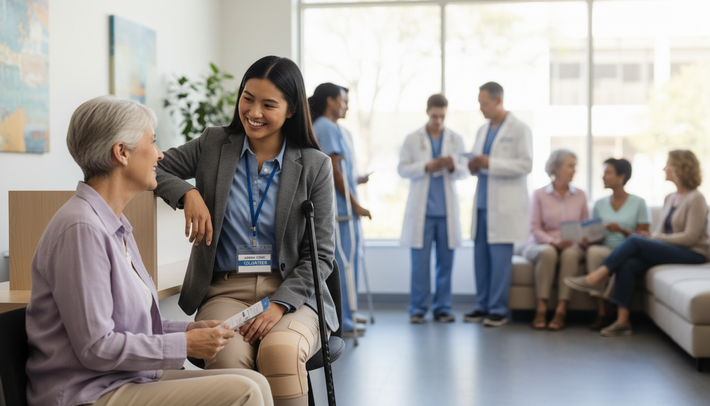
Volunteering in local clinics is one of the most powerful ways to explore healthcare careers, gain meaningful clinical experience, and improve healthcare access in your own community. Whether you are a premed student, medical student, or early trainee, clinical volunteering exposes you to real patient stories, real systems challenges, and real opportunities to serve.
Local clinics—especially free clinics, community health centers, and public health programs—sit at the front lines of Community Service and population health. By stepping into these spaces as a volunteer, you do more than “check a box” for applications. You become part of the team working to close gaps in care for uninsured, underinsured, and marginalized patients.
This guide walks through:
- Why Medical Volunteering in local clinics is uniquely valuable
- Common types of volunteer roles and what you actually do
- How to find and secure a meaningful volunteer position
- Practical steps to get started and stand out
- How to translate your experiences into growth—and stronger applications
Why Volunteer in a Local Clinic? Key Benefits for Future Healthcare Professionals
1. Build Real Clinical Experience and Patient-Centered Skills
Classroom learning and MCAT prep are important—but they cannot replace what you learn by stepping into a clinic.
Through Medical Volunteering, you can develop:
Patient communication skills
- Learning to introduce yourself, explain your role, and build rapport
- Practicing active listening with patients who may be anxious, frustrated, or afraid
- Communicating clearly with patients with limited health literacy or language barriers
Foundational clinical skills (when allowed by clinic policies)
- Taking vital signs (blood pressure, pulse, respiratory rate, temperature)
- Escorting patients to exam rooms and taking basic histories
- Assisting with room setup, basic procedures, and patient flow
Team-based care skills
- Coordinating with nurses, medical assistants, physicians, social workers, and pharmacists
- Learning clinic workflows, triage systems, and documentation norms
- Observing how teams manage time, prioritize care, and handle emergencies
These experiences are especially powerful for premed and early medical students, because they transform vague ideas about “patient care” into specific, lived examples you can discuss in personal statements, secondaries, and interviews.
2. Develop Cultural Competence and Empathy
Local clinics—particularly free and community health clinics—often serve:
- Immigrants and refugees
- Uninsured and underinsured patients
- People experiencing homelessness or housing insecurity
- Patients with limited English proficiency
- Individuals with complex social needs (food insecurity, transportation barriers, unstable employment)
Working in these settings teaches you to:
- Approach each patient with curiosity rather than assumptions
- Understand how culture, language, and socioeconomic status shape health decisions
- Recognize structural barriers to Healthcare Access (e.g., no ID, no insurance, no transportation, no childcare)
- Appreciate why “just follow the instructions” is not always realistic for patients
These experiences make you a better future clinician and a stronger advocate for health equity.
3. Build a Professional Network and Find Mentors
Local clinics are full of people who remember exactly what it was like to be in your shoes. Through clinical volunteering, you can:
- Meet physicians, nurse practitioners, PAs, social workers, pharmacists, and administrators
- Find mentors willing to advise you on specialty choices, applications, and career paths
- Ask for shadowing opportunities or letters of recommendation based on consistent, demonstrated commitment
- Learn about different healthcare careers you may not have considered (public health, health administration, policy, etc.)
When you show up reliably, ask thoughtful questions, and take feedback seriously, supervisors are much more likely to invest in your growth.
4. Strengthen Your Application and Story for Healthcare Careers
Admissions committees for medical school and other healthcare programs look carefully at:
- Sustained Community Service, not just short-term projects
- Meaningful Clinical Experience with direct patient interaction
- Commitment to underserved communities and Healthcare Access
- Reflection and growth—how you learned from what you saw
Volunteering in a local clinic can help you:
- Show long-term, consistent service (e.g., 4–8 hours/week over months or years)
- Speak concretely about working with diverse, often vulnerable populations
- Demonstrate resilience, professionalism, and ethical awareness
- Build a cohesive narrative about why you want to practice medicine and how you plan to serve
5. Make a Tangible Difference in Your Community
Beyond applications, this work matters.
Local clinics often:
- Provide primary care for patients who have no other access
- Offer free or low-cost medications, labs, and preventive care
- Coordinate referrals to specialists, social services, and mental health resources
- Run health education programs that can prevent expensive, dangerous complications
As a volunteer, you might:
- Help a patient understand how to use their inhaler correctly
- Enroll someone in a sliding-scale program so they can afford care
- Assist with a vaccination event that protects hundreds from preventable disease
- Support a patient in getting to a follow-up appointment they would otherwise miss
These are small but meaningful contributions to population health.
Types of Volunteer Opportunities in Local Clinics
There is no single “right” way to volunteer. Your role will depend on your training level, clinic needs, and local regulations. Below are common options and what you might actually do in each.
1. Free and Charitable Clinics
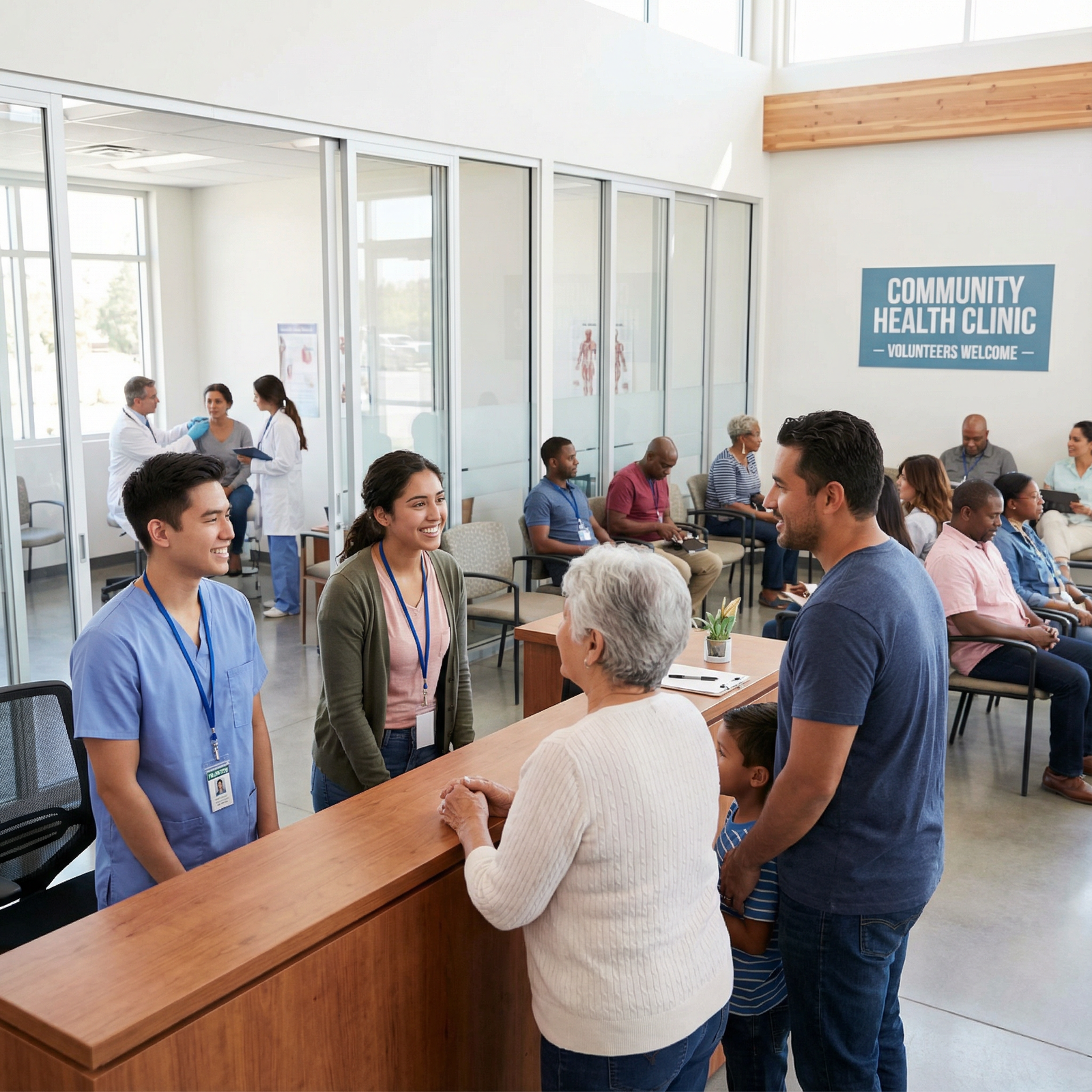
Free clinics are often non-profit organizations that provide medical care at no cost—or very low cost—to uninsured or low-income patients. They rely heavily on volunteers to function.
Common volunteer roles:
Patient Navigator
- Welcome patients and explain check-in processes
- Help complete intake forms, especially for patients with literacy or language barriers
- Guide patients between reception, triage, exam rooms, and pharmacy
- Help connect patients with community resources (food banks, shelters, financial aid, legal support)
Clinical Volunteer / Medical Assistant (within your scope)
- Take vital signs and document them
- Prepare exam rooms and restock supplies
- Obtain brief histories (e.g., chief complaint, medications, allergies) when allowed
- Observe examinations and procedures when appropriate
Note: Scope will vary by state and clinic policy. Premed students may do less hands-on work than certified medical assistants, but still gain significant exposure.
Health Educator or Health Coach
- Provide one-on-one or group education on chronic disease management (e.g., hypertension, diabetes, asthma)
- Help patients understand their medication schedules and lifestyle goals
- Use teach-back to confirm understanding and troubleshoot barriers
2. Community Health Centers (Federally Qualified Health Centers and Similar)
Community Health Centers (CHCs) are mission-driven clinics that provide comprehensive primary care regardless of ability to pay. They often offer medical, dental, behavioral health, and sometimes pharmacy and social services.
Example volunteer roles:
Outreach Volunteer
- Attend community events, health fairs, and school programs to share information about available services
- Distribute flyers, educational materials, and resource guides
- Help register participants for screenings or appointments
Health Fair or Event Coordinator
- Assist in planning and running blood pressure or blood glucose screening events
- Coordinate volunteers, set up stations, and manage patient flow
- Track participation and outcomes for quality improvement data
Behavioral Health Support (non-clinical)
- Help facilitate logistics for group programs (e.g., stress management workshops, support groups)
- Provide resources and follow-up materials to participants
- Work closely with counselors or social workers while maintaining strict confidentiality
3. Specialty Clinics and Focused Programs
Some clinics focus on specific populations or diseases, such as:
- HIV/AIDS clinics
- Diabetes or endocrinology clinics
- Women’s health or prenatal care clinics
- Refugee health clinics
- Geriatric or memory clinics
Potential volunteer roles:
Diabetes or Chronic Disease Educator (support role)
- Support nurses or educators in teaching glucometer use, foot care, and diet tracking
- Help patients set achievable lifestyle goals and document progress
Wellness or Lifestyle Coach (entry-level)
- Lead or assist with group sessions on nutrition, exercise, sleep, or stress reduction
- Help patients track health-related behavior changes over time
Patient Follow-Up Coordinator
- Call patients to remind them of appointments, labs, or imaging
- Ask about medication adherence or side effects (within clinic protocol)
- Help identify barriers and route concerns to clinicians
4. Public Health and Preventive Care Initiatives
Clinics often partner with health departments or nonprofits on broader public health efforts. These can be excellent entry points for those with limited prior clinical experience.
Common activities:
Vaccination Events
- Assist with registration and consent forms
- Direct patients through the process and monitor post-vaccination waiting periods
- Provide basic education on vaccine benefits and side effects (using prepared materials)
Screening Campaigns
- Help with blood pressure, BMI, or blood glucose screenings (as allowed)
- Record measurements and, under supervision, explain next steps or referrals
Health Education Campaigns
- Support tobacco cessation, STI prevention, or mental health awareness programs
- Distribute educational materials across schools, shelters, or community centers
- Support social media or digital outreach efforts
5. Administrative and Behind-the-Scenes Roles
Not every meaningful role involves direct patient contact. Clinics depend on organized, detail-oriented volunteers in non-clinical roles as well.
Examples:
Front Desk/Reception Volunteer
- Check patients in and out
- Answer phones, schedule or confirm appointments
- Provide directions and basic information about clinic services
Data Entry and Quality Improvement Support
- Enter data into electronic health records or spreadsheets
- Assist with tracking quality indicators (e.g., vaccination rates, follow-up rates, screening completion)
- Help staff prepare reports for grants or accreditation
Operations Support
- Inventory and stock exam rooms and supply closets
- Prepare patient education packets
- Help maintain a clean, organized, and welcoming environment
These roles are excellent for those just starting out or those who prefer a less patient-facing position while still contributing to Healthcare Access and system efficiency.
How to Find Volunteer Opportunities in Local Clinics
Finding the right placement can take time and persistence. Treat this process like a professional job search.
1. Map Out Clinics and Organizations in Your Area
Start by identifying:
- Free or charitable clinics (search “[your city] free clinic” or “charitable clinic”)
- Community Health Centers / FQHCs
- Hospital-based outpatient clinics
- Health department clinics (STI, immunization, TB, etc.)
- University-affiliated student-run free clinics
- Nonprofit organizations focused on health education or outreach
Helpful search tools:
- VolunteerMatch.org – filter by “health & medicine” and location
- Idealist.org – search for health-related volunteer roles
- Local medical society or county health department websites
- State and national organizations like the National Association of Free & Charitable Clinics (NAFC)
2. Use Academic and Campus Resources (If You’re a Student)
If you’re a premed or pre-health student:
- Check with your premed advising office for recommended clinic sites
- Ask about service-learning courses or for-credit community engagement programs
- Explore student-run free clinic programs, if your university or nearby medical school has one
- Join premed or pre-health clubs that organize group volunteering
If you’re a medical student:
- Look into student-run free clinics or community outreach electives
- Talk to your office of community engagement or service-learning coordinator
- Ask clinical preceptors which clinics in the area welcome student volunteers
3. Network in the Community
- Attend local health fairs, vaccination drives, and health education events
- Introduce yourself to organizers and ask if they have ongoing volunteer programs
- Let professors, advisors, or mentors know you’re actively seeking clinical Community Service opportunities
Many volunteers find their best roles through direct, in-person connections rather than online applications alone.
4. Monitor Clinics’ Websites and Social Media
Follow local clinics and non-profits on:
- X (Twitter)
Organizations often post:
- Seasonal calls for volunteers (flu season, back-to-school physicals, COVID/RSV vaccination events)
- One-time health fairs or screening events
- New programs focused on mental health, chronic disease, or preventive care
Set aside time monthly or quarterly to check these sites and send updated inquiries.
Getting Started: Practical Step-by-Step Guide
Once you’ve identified potential sites, use a structured approach.
Step 1: Clarify Your Goals and Availability
Ask yourself:
- How many hours/week can I realistically commit—consistently—for at least 3–6 months?
- Am I primarily seeking clinical experience (patient contact), Community Service, public health exposure, or a mix?
- What populations am I especially interested in (children, older adults, immigrants, people with chronic disease)?
Having clear goals will help you find a good fit and communicate effectively with coordinators.
Step 2: Prepare a Professional Outreach Email
When contacting clinics:
- Use a concise, professional subject line:
- “Prospective Volunteer – Premed Student Interested in Clinical Community Service”
- Introduce yourself (name, school/role, year, intended career path)
- State your interest in Medical Volunteering and how you hope to contribute
- Share your availability (e.g., weekday evenings, Saturday mornings)
- Attach a brief CV or resume if appropriate
Example (shortened):
I am a junior premed student at State University with a strong interest in primary care and working with underserved communities. I am seeking a consistent volunteer role (4–6 hours/week) in a local clinic where I can support patient care and learn more about community health. I would be grateful for the opportunity to contribute in any capacity that supports your team’s mission.
Step 3: Complete Required Onboarding
Most clinics will require:
- Volunteer application form
- Background check and possibly fingerprinting
- Health requirements (TB test, immunization records, flu vaccine, COVID vaccine as applicable)
- Confidentiality and HIPAA training
- Orientation session covering policies, safety, and expectations
Respond promptly, keep documents organized, and treat this process as you would a job onboarding.
Step 4: Start Small, Then Grow Your Responsibilities
At the beginning:
- Expect to do more observing, assisting, and basic tasks
- Learn workflows, clinic culture, and documentation expectations
- Ask clear, specific questions at appropriate times
Once you’ve shown reliability and professionalism, you can:
- Ask to shadow providers in exam rooms
- Take on more complex roles (e.g., health education, patient navigation)
- Participate in quality improvement or data projects
Step 5: Maintain Professionalism and Reliability
As a volunteer, you are part of the care team. Demonstrate:
- Punctuality – show up on time, every time
- Consistency – stick to the agreed schedule; give ample notice for absences
- Confidentiality – never discuss identifiable patient information outside the clinic
- Respect – towards patients, staff, other volunteers, and clinic policies
Small behaviors—like checking in when you arrive, asking where you can help during slow moments, and thanking staff at the end of your shift—build trust.
Step 6: Reflect, Document, and Connect to Your Future Goals
To get the most from your experience:
- Keep a reflection journal (without any patient identifiers)
- After each shift, jot down:
- One patient encounter that impacted you
- One system-level issue you noticed (e.g., insurance barriers, transportation issues)
- One thing you learned about yourself or healthcare
- Periodically review your notes to identify themes and growth
These reflections will become powerful material for:
- Personal statements
- Secondary essays
- Interview answers
- Scholarship applications

Frequently Asked Questions About Volunteering in Local Clinics
1. What qualifications do I need to volunteer in a clinic?
Requirements vary widely. Common expectations include:
- Being at least 16–18 years old (check with each clinic)
- Completing a background check
- Meeting health and immunization requirements
- Attending orientation and training sessions
Many clinics accept volunteers with no prior medical experience, especially for administrative, outreach, and basic patient support roles. Some more clinical roles may require:
- Current enrollment in a health professions program (premed, nursing, PA, etc.)
- Certification (e.g., CNA, MA) for tasks like phlebotomy or injections
Always clarify your training and limits. Never perform any task you haven’t been trained or authorized to do.
2. How many hours should I commit, and for how long?
Clinics typically prefer:
- A minimum of 3–4 hours per shift, once per week
- A commitment of at least 3–6 months, ideally longer
For medical or premed students, sustained involvement is more valuable than short bursts. Admissions committees often look for longitudinal Community Service and clinical experience rather than scattered one-time events.
3. How does clinic volunteering help with medical school or other health professional applications?
Clinical volunteering supports your application by:
- Demonstrating firsthand exposure to patient care and healthcare systems
- Providing evidence of commitment to underserved populations and Healthcare Access
- Giving you concrete stories about ethical challenges, communication, teamwork, and resilience
- Allowing you to build relationships with supervisors who can write detailed letters of recommendation
Just logging hours is not enough; what matters is what you learned and how it shaped your goals.
4. Can I volunteer if I only have time during summers or academic breaks?
Yes. Many clinics welcome:
- Summer volunteers, especially students returning to their hometowns
- Short-term help during high-demand seasons (flu season, back-to-school physicals, vaccination drives)
If you have limited time:
- Be transparent about your start and end dates
- Aim for more intensive weekly hours during that period
- Ask if you can return during future breaks to build longitudinal involvement
5. What if I feel unprepared or nervous about working with patients?
Feeling nervous is normal. You can:
- Start in non-clinical roles (reception, data entry, outreach) to learn the environment
- Shadow experienced volunteers or staff before taking on direct patient interaction
- Ask for extra training or feedback
- Use each shift to practice small skills (introducing yourself, explaining your role, asking open-ended questions)
Over time, your confidence and competence will grow—this progression is exactly what makes clinical volunteering such a powerful learning experience.
By engaging in Medical Volunteering at local clinics, you do more than strengthen your CV—you contribute directly to Community Service, support Healthcare Access for vulnerable populations, and build the mindset and skills you will rely on throughout your healthcare career. Start where you are, commit consistently, and let each patient encounter shape the kind of clinician you aspire to become.