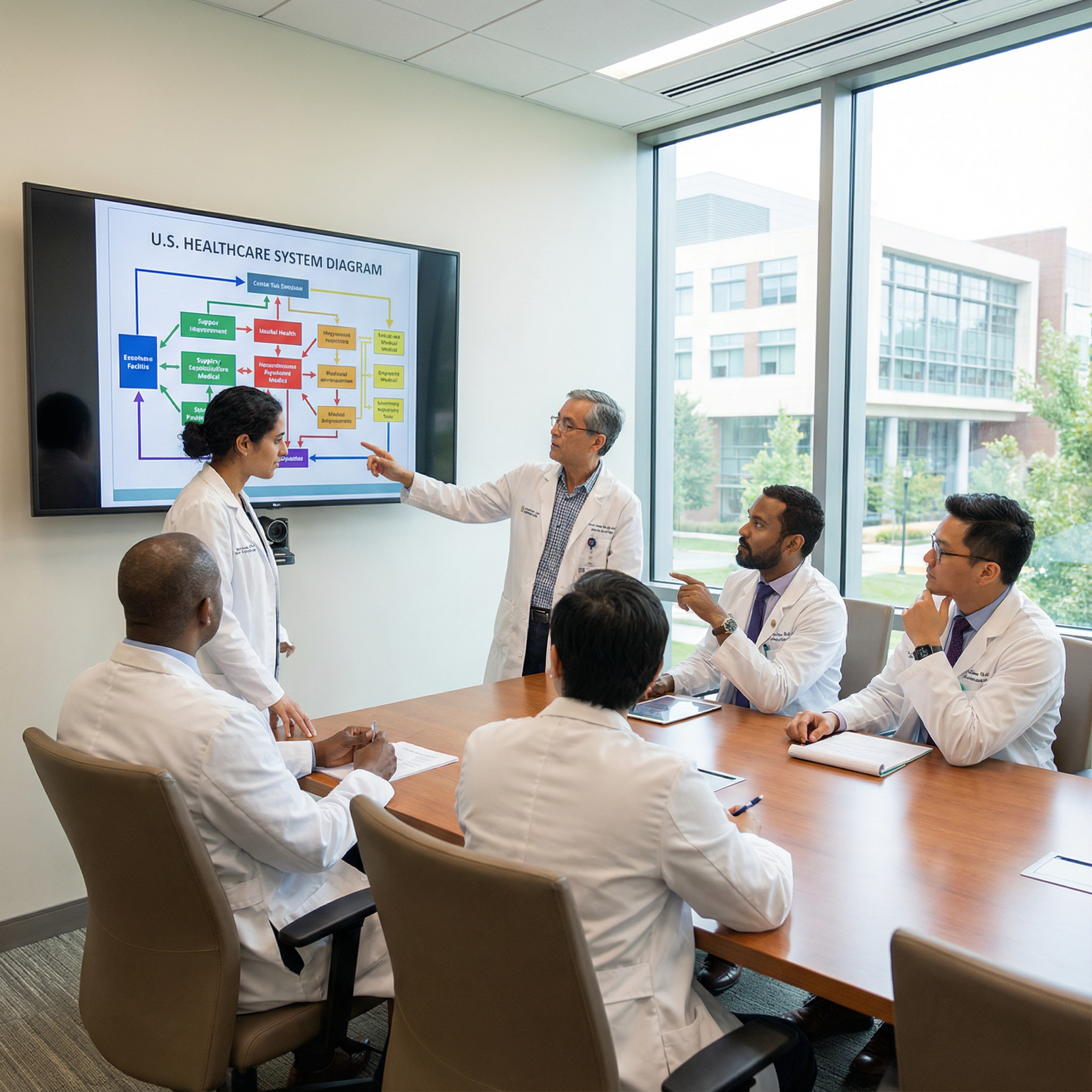
Understanding the U.S. Healthcare System: A Practical Guide for International Medical Graduates
As an International Medical Graduate (IMG), understanding the U.S. healthcare system is not just “nice to have”—it is essential for matching into residency, succeeding clinically, and communicating effectively with patients and colleagues.
The U.S. system is complex, highly regulated, and often very different from the models used in Europe, Asia, Latin America, Africa, or the Middle East. It combines public and private insurance, multiple layers of Medical Licensure and accreditation, and a strong emphasis on documentation, quality metrics, and cost.
This guide breaks down the structure of the U.S. healthcare system, key players, the role of Health Insurance, and the particular challenges and Residency Opportunities for International Medical Graduates. You’ll also find actionable tips and examples to help you transition more smoothly into U.S. clinical practice.
Overview of the U.S. Healthcare System for IMGs
The U.S. healthcare system is best understood as a mixed public–private system. There is no single national health service or universal public coverage. Instead, patients access care through a combination of:
- Employer-sponsored private insurance
- Individually purchased private insurance
- Government-funded programs (Medicare, Medicaid, Veterans Health Administration, etc.)
- Out-of-pocket payments (self-pay or cost-sharing)
Key Characteristics that Matter for IMGs
Fragmentation of care
Patients may see multiple providers across different systems—primary care clinic, private specialist, academic medical center, community hospital—each with separate records, billing, and policies. Coordination of care and communication between providers is a constant challenge.Market-driven environment
Many hospitals, clinics, and insurance companies operate as private or non-profit organizations that still compete for patients and contracts. Financial considerations—reimbursement, coding, and insurance networks—directly affect clinical practice and patient access.Strong emphasis on documentation and liability
Electronic health records (EHRs), detailed notes, and defensive medicine strategies are central to U.S. practice. Thorough documentation is critical for patient safety, billing, quality reporting, and malpractice protection.Diverse patient population
The U.S. serves a highly multicultural, multilingual population with wide variation in socioeconomic status, health literacy, and access. This diversity creates both challenges and unique opportunities for IMGs.
Brief Historical Context
Modern U.S. healthcare evolved throughout the 20th century:
- 1940s–1960s: Employer-sponsored health insurance grew rapidly, especially during and after World War II.
- 1965: Creation of Medicare (for older adults and some disabled individuals) and Medicaid (for low-income populations).
- 1980s–2000s: Expansion of managed care, HMOs, and private insurance markets; rising healthcare costs.
- 2010: The Affordable Care Act (ACA) expanded coverage via insurance marketplaces and Medicaid expansion in many states.
For IMGs, this history explains why Health Insurance is tightly linked to employment and why many patients are underinsured or uninsured despite a high overall healthcare expenditure.
Core Components of the U.S. Healthcare System
Healthcare Providers and Professional Roles
Healthcare providers in the U.S. include physicians, advanced practice providers, nurses, therapists, pharmacists, and a wide range of allied health professionals. Understanding their roles and scope of practice helps IMGs work effectively in multidisciplinary teams.
Primary Care Providers (PCPs)
PCPs are typically:
- Family medicine physicians
- Internal medicine physicians (general internists)
- Pediatricians
- In some settings, nurse practitioners (NPs) or physician assistants (PAs) serving as primary care clinicians
Functions of PCPs:
- First point of contact for non-emergency care
- Preventive care (vaccinations, screening tests, lifestyle counseling)
- Management of chronic diseases (diabetes, hypertension, COPD, etc.)
- Coordination of referrals to specialists
- Gatekeeping for certain Insurance plans (e.g., HMOs that require referrals)
For IMGs, understanding the central role of primary care is key—even if you intend to pursue a subspecialty. Many Residency Opportunities for IMGs are in primary care–oriented fields and in underserved areas.
Specialists and Subspecialists
Specialists focus on specific organ systems, diseases, or age groups, for example:
- Cardiologists, gastroenterologists, endocrinologists
- Surgeons, neurosurgeons, orthopedic surgeons
- Psychiatrists, neurologists, oncologists
- Obstetricians/gynecologists, ophthalmologists, dermatologists
Most specialty care requires:
- A referral from a PCP (depending on Insurance type)
- Pre-authorization from the patient’s insurer, especially for high-cost tests or procedures
Actionable tip for IMGs:
When on rotations or electives, observe how attendings justify referrals and document medical necessity in the chart. This is critical for working effectively within the U.S. Healthcare System and for passing residency evaluations.
Hospitals and Health Systems
Hospitals in the U.S. range from small community facilities to large academic medical centers. They may be:
- Academic medical centers: Linked to universities, with Residency Programs, fellowships, and active research
- Community hospitals: Primarily focused on local clinical care
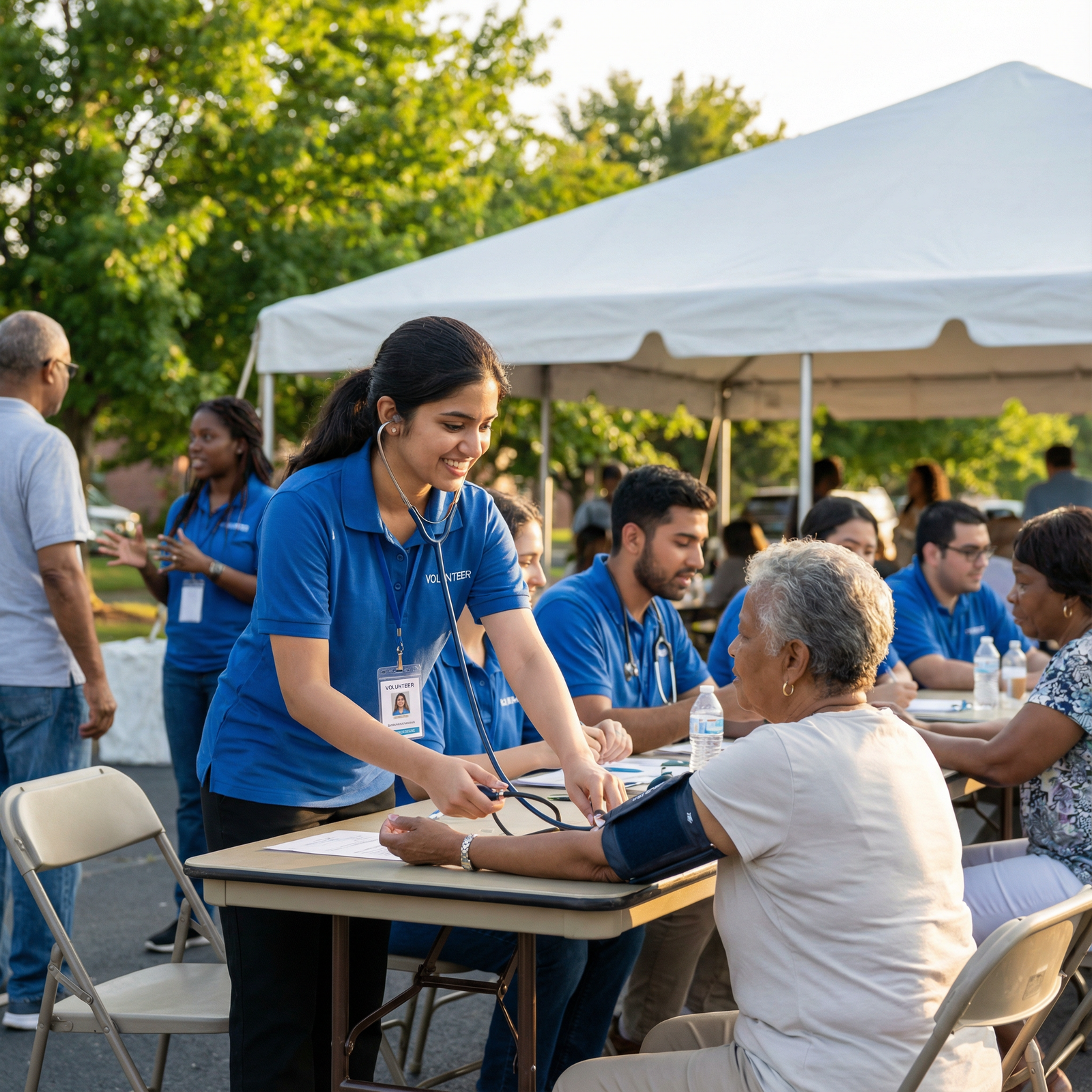
- Safety-net hospitals: Serve large numbers of uninsured or underinsured patients
- Private for-profit or non-profit systems: Often part of large regional or national networks
Physicians may be employed by hospital systems, work in private practice with admitting privileges, or practice as part of large multispecialty groups.
Common Healthcare Settings Encountered by IMGs
Outpatient clinics and ambulatory care centers
Routine visits, follow-ups, chronic disease management, minor procedures.Urgent care centers
Walk-in services for non-life-threatening acute issues (e.g., minor injuries, infections). Often serve patients who lack a regular PCP.Emergency departments (EDs)
Critical and acute care; often overloaded and used by uninsured patients as a primary access point.Inpatient wards and intensive care units (ICUs)
For admissions, complex medical/surgical care, and critical illness management.Long-term care and post-acute facilities
- Skilled nursing facilities (SNFs)
- Rehabilitation centers
- Nursing homes
These handle ongoing care, post-surgical rehab, or chronic disability.
Example scenario:
A patient with a stroke may initially present to the ED, be admitted to the ICU, transition to a step-down or neuro ward, then be discharged to an inpatient rehab facility, and finally follow up with outpatient neurology and PCP. Each transition involves distinct teams, billing structures, and documentation requirements.
Health Insurance and Payment Models in the U.S.
Understanding Health Insurance is fundamental for IMGs—both to advocate for patients and to function effectively in U.S. clinical environments.
Major Types of Health Insurance
Public Insurance
Medicare
- Federal program, primarily for:
- Adults ≥ 65 years old
- Younger individuals with certain disabilities or end-stage renal disease
- Structured into parts (A, B, C, D), covering hospital, outpatient, and prescription drug services.
- Federal program, primarily for:
Medicaid
- Joint federal–state program for low-income individuals and families, pregnant women, children, and certain disabled populations.
- Eligibility and benefits vary significantly by state, which affects access to care and reimbursement.
Veterans Health Administration (VA)
- Provides care for eligible military veterans through a separate network of hospitals and clinics.
Private Insurance
Employer-sponsored plans
- The most common coverage for working-age adults and their dependents.
- Plans vary widely in premiums, deductibles, co-pays, and network restrictions.
Individual plans
- Purchased directly or via ACA health insurance marketplaces.
- Subsidies may be available based on income.
Common Insurance Plan Structures
HMO (Health Maintenance Organization):
Requires PCP designation and referrals; limited network; lower out-of-pocket costs if staying in-network.PPO (Preferred Provider Organization):
More flexibility in choosing providers; no referral needed for specialists; higher premiums but broader networks.High-Deductible Health Plans (HDHPs):
Lower premiums but high deductibles; often paired with Health Savings Accounts (HSAs).
Why this matters for IMGs:
Knowing a patient’s coverage affects what tests, medications, and referrals are feasible. Discussing cost and coverage with patients—sensitively and clearly—is an expected competency in the U.S. Healthcare System.

Regulatory Bodies, Accreditation, and Medical Licensure
For International Medical Graduates, understanding the regulatory landscape is key to planning your pathway—from exams to Residency Opportunities and eventual independent practice.
Key National Regulatory and Standards Organizations
Centers for Medicare & Medicaid Services (CMS)
- Oversees Medicare and Medicaid.
- Sets reimbursement rules and many quality metrics that strongly influence hospital policies and clinical workflows.
Food and Drug Administration (FDA)
- Regulates pharmaceuticals, biologics, medical devices, and some aspects of food safety.
- Determines which medications and devices are approved, labeling requirements, and indications.
The Joint Commission
- Independent, non-profit accrediting body for hospitals and healthcare organizations.
- Accreditation is often tied to reimbursement and public trust.
- Standards cover patient safety, infection control, documentation, and quality improvement.
Medical Licensure for IMGs
Physician licensure in the U.S. is granted state by state, not nationally. Each state has its own medical board with specific requirements, but common elements include:
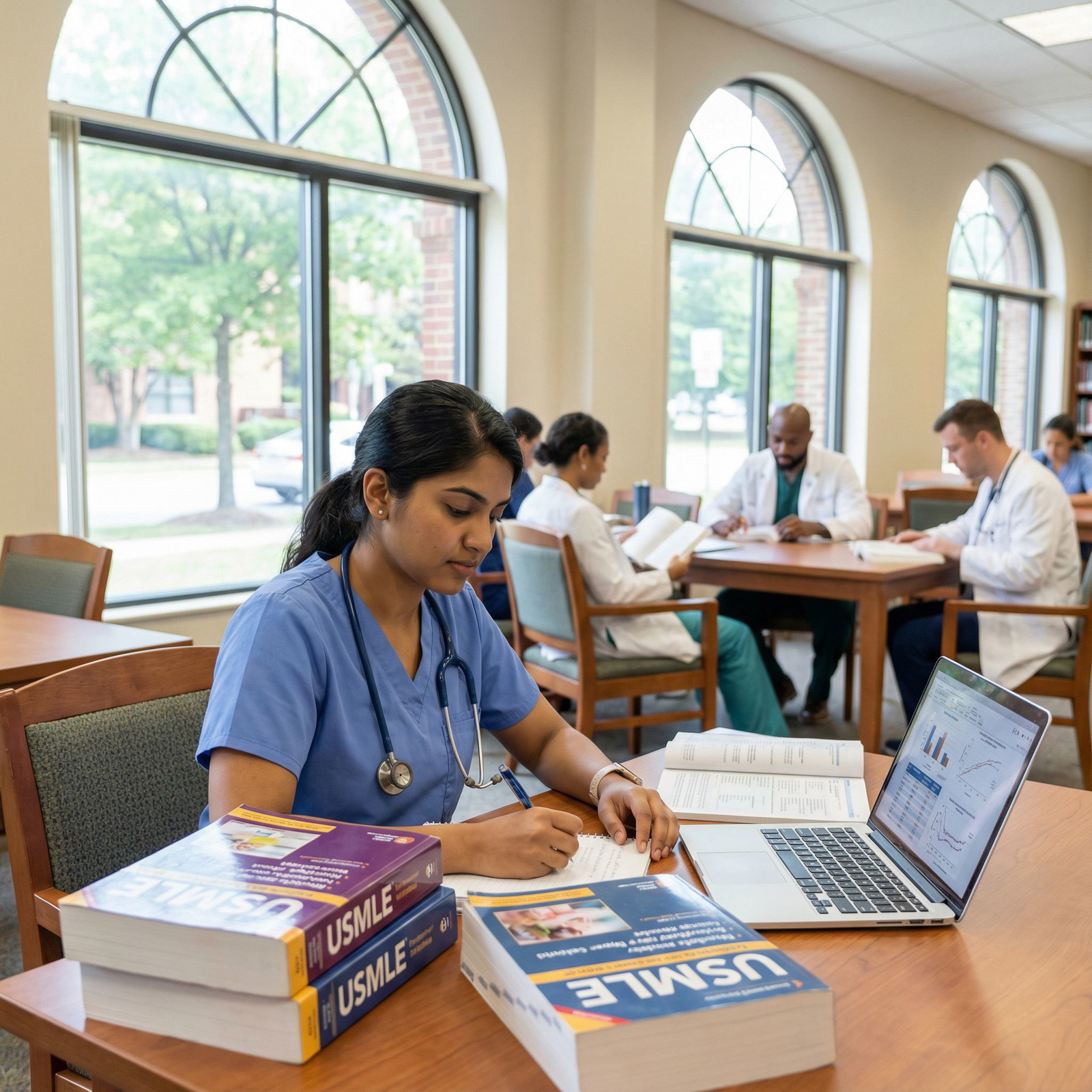
Passing USMLE exams
- Typically Step 1, Step 2 CK, and in the past Step 2 CS (now discontinued).
- Your USMLE performance is also crucial for residency selection, not just licensure.
ECFMG Certification
- Mandatory for most IMGs entering ACGME-accredited residency programs.
- Confirms that your medical school is recognized and that you have passed the required exams.
Completion of ACGME-accredited residency training in the U.S.
- Minimum years vary by specialty and state (often at least 1–3 years for initial licensure; more for board eligibility).
Background checks, documentation, and sometimes additional exams or requirements
- Some states require English proficiency evidence, jurisprudence/ethics exams, or verification of postgraduate training abroad.
Practical tip:
Start researching state medical boards early—especially in states where you are applying for residency. Understanding long-term licensure requirements can inform your choice of programs and geographic preferences.
Specific Challenges Faced by International Medical Graduates
While the U.S. Healthcare System offers significant opportunity, IMGs often face unique hurdles at each stage of their journey.
1. Complex and Lengthy Path to Licensure
- Multiple standardized exams (USMLE) with high stakes for Residency Applications
- Financial costs of exams, applications, visas, and possible unpaid observerships
- Variability among states in accepting foreign postgraduate training or gaps in clinical activity
Actionable strategies:
- Plan a multi-year timeline for exams, ECFMG certification, and application cycles.
- Use question banks, NBME practice exams, and structured study schedules.
- Seek mentorship from successful IMGs familiar with your country/region and target specialty.
2. Cultural and Communication Differences
U.S. medical culture emphasizes:
- Patient autonomy and shared decision-making
- Informed consent and detailed risk–benefit discussions
- Non-judgmental, inclusive communication (e.g., regarding sexual orientation, gender identity, religion)
- Sensitivity around topics like weight, mental health, substance use, and end-of-life care
IMGs may initially struggle with:
- More informal interactions with patients and colleagues
- Direct discussion of costs, insurance, and patient preferences
- Different expectations around hierarchy and questioning attendings or senior physicians
Practical steps:
- Observe how residents conduct patient-centered interviews and family meetings.
- Ask for feedback on communication style from supervisors.
- Use hospital resources (e.g., communication workshops, simulation training) when available.
3. Competition for Residency Positions
Residency Opportunities for International Medical Graduates have improved in some fields but remain competitive overall, particularly in:
- Dermatology, plastic surgery, orthopedic surgery
- Ophthalmology, radiation oncology, some surgical subspecialties
More accessible specialties for IMGs often include:
- Internal medicine, family medicine, pediatrics
- Psychiatry, neurology, pathology (varies by year)
- Primary care programs in rural or underserved locations
Challenges include:
- Limited U.S. clinical experience (USCE) compared to U.S. graduates
- Visa sponsorship constraints (J-1 vs H-1B)
- Program preferences or biases, often based on previous experience with IMGs
Strengthening your application:
- Obtain strong letters of recommendation from U.S. physicians.
- Seek observerships, externships, or research positions in your target specialty.
- Demonstrate professionalism, teamwork, and adaptability in all U.S. clinical experiences.
4. Integration into the Workforce
Even after matching, IMGs may face:
- Implicit bias or skepticism about their training
- Adjustment to EHR systems, billing codes, and hospital protocols
- Balancing visa requirements with career choices (e.g., J-1 waiver jobs in underserved areas)
Building a support network is critical:
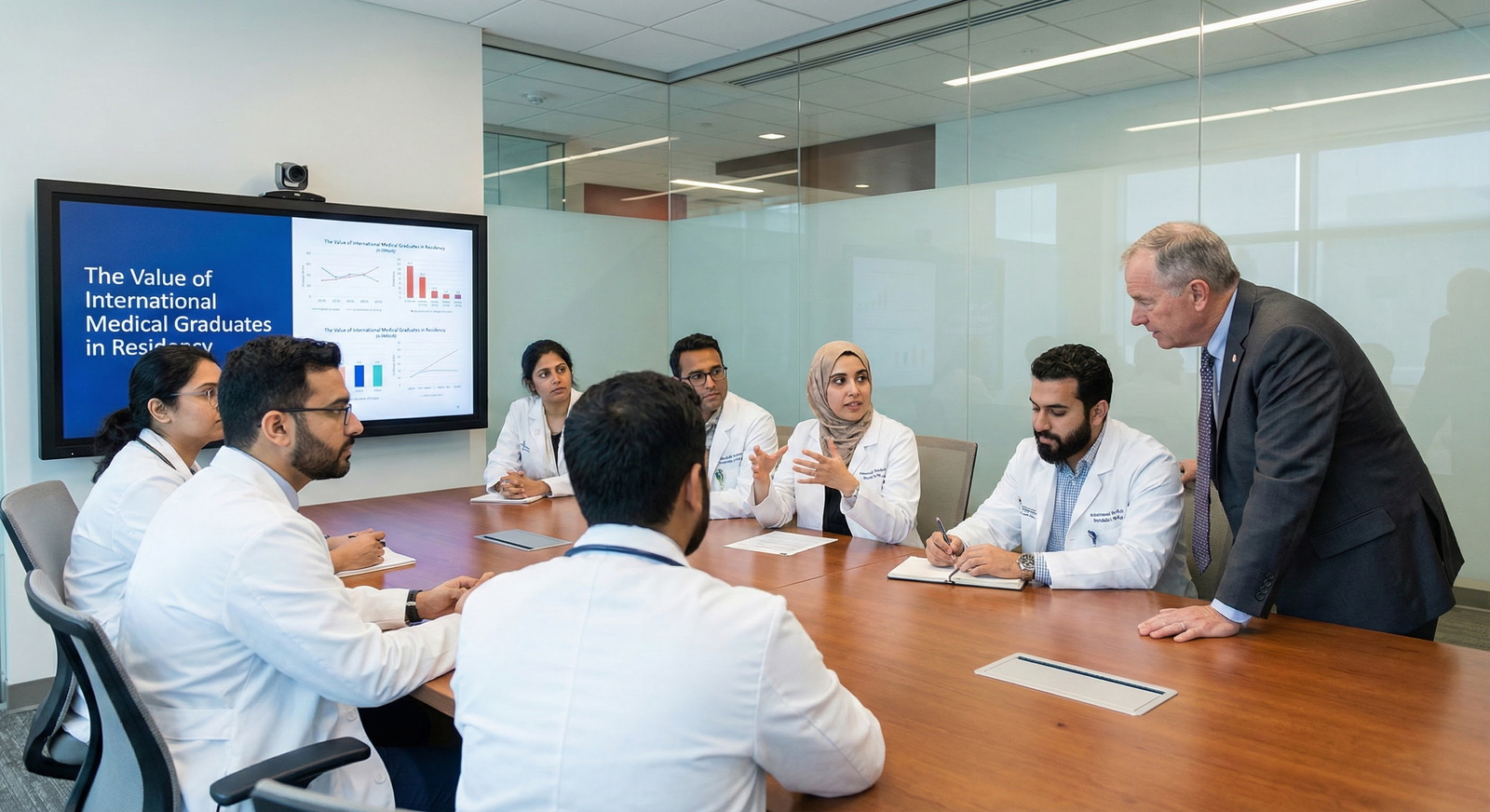
- Join IMG support groups or national organizations (e.g., AMA IMG Section).
- Connect with alumni from your medical school who are already in U.S. practice.
- Seek out mentorship from faculty who have an interest in global health and IMG advancement.
Opportunities for IMGs in the U.S. Healthcare System
Despite the challenges, the U.S. Healthcare System offers significant and expanding opportunities for International Medical Graduates.
1. Meeting Physician Workforce Needs
The U.S. faces a growing physician shortage, especially in:
- Primary care
- Psychiatry
- Rural and inner-city communities
- Geriatrics and chronic disease management
IMGs are critical in filling these gaps. Many underserved areas actively recruit IMGs due to their:
- Willingness to serve in shortage areas (often aligned with visa waiver programs)
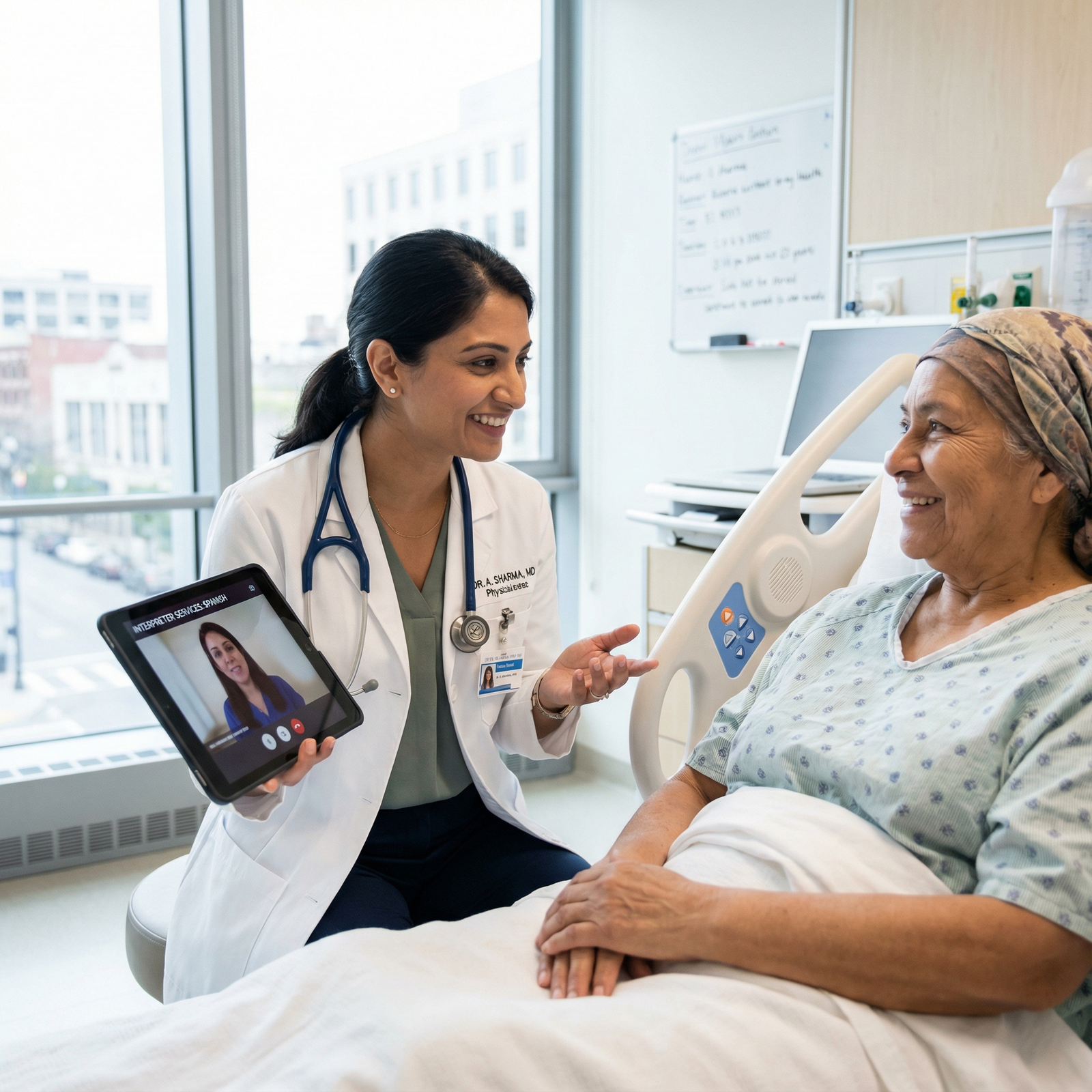
- Multilingual abilities and cultural competence
- Strong work ethic and resilience
2. Diverse and Multicultural Patient Care
Many IMGs are uniquely positioned to:
- Communicate with patients in their native languages
- Understand cross-cultural beliefs about illness, healing, and family roles
- Bridge gaps between patients and the healthcare team, improving trust and adherence
This cultural competence is increasingly valued in Residency Programs and health systems striving for health equity.
3. Research, Innovation, and Academic Careers
The U.S. is a global leader in:
- Biomedical research
- Clinical trials
- Health services research and quality improvement
- Digital health and AI in healthcare
IMGs can leverage:
- Research assistant or postdoctoral positions to strengthen residency applications
- Participation in QI projects during residency to build academic portfolios
- Fellowships and advanced degrees (e.g., MPH, MS in Clinical Research, MBA) to diversify their careers
Example:
An IMG who participates in a quality improvement project to reduce 30-day readmissions for heart failure patients can present at national conferences, publish a paper, and demonstrate understanding of both clinical medicine and the broader U.S. Healthcare System.
4. Professional Networking and Career Growth
Multiple organizations support IMGs:
- ECFMG/FAIMER: Guidance on certification and education pathways
- AAMC & AMA: Resources on residency applications and practice
- Specialty societies (e.g., ACP, AAFP, APA) often have IMG sections or interest groups
Networking benefits:
- Mentorship and sponsorship for leadership roles
- Collaboration on research and educational projects
- Exposure to alternative career paths (hospital administration, policy, consulting, medical education)

FAQs: IMGs and the U.S. Healthcare System
1. How long does it typically take for an IMG to become fully licensed to practice independently in the U.S.?
The full process usually takes at least 5–8 years, depending on your starting point and specialty:
- 1–3 years: USMLE exams, ECFMG certification, U.S. clinical experience, and matching into residency
- 3–7 years: ACGME-accredited residency (and possibly fellowship)
- Additional time: State Medical Licensure processing after or near the end of residency
Timelines vary by specialty, state requirements, visa issues, and individual circumstances.
2. What types of U.S. clinical experience (USCE) are most valuable for IMGs before applying to residency?
Programs typically value:
- Hands-on electives or sub-internships (for those still enrolled in medical school)
- Externships, observerships, or clinical research roles for graduates
- Experiences that provide:
- Direct exposure to the U.S. Healthcare System
- Familiarity with EHRs and team-based care
- Opportunities to earn strong letters of recommendation from U.S. faculty
Aim for experiences in your intended specialty whenever possible.
3. How does Health Insurance affect the way IMGs practice and make clinical decisions?
Insurance influences:
- Which tests, medications, and procedures are accessible or require prior authorization
- Whether patients can see certain specialists or use specific hospitals
- Out-of-pocket costs, which may affect medication adherence and follow-up
As a physician, you will need to:
- Consider cost and coverage when designing treatment plans
- Document “medical necessity” clearly to support approvals
- Communicate options and financial implications to patients respectfully and clearly
4. Are there special programs or incentives for IMGs willing to work in underserved or rural areas?
Yes. Common opportunities include:
- J-1 Visa Waiver programs (Conrad 30, etc.) that allow IMGs to remain in the U.S. if they work in designated Health Professional Shortage Areas (HPSAs) for a specified period
- Loan repayment or financial incentives from federal and state programs for service in underserved areas
- Competitive Residency Opportunities in community and rural programs that actively recruit IMGs
These roles can be excellent pathways to long-term practice and community leadership.
5. What are the best resources to learn more about the U.S. Healthcare System and prepare for residency?
Consider:
- Official organizations:
- ECFMG, NRMP, AAMC, AMA
- Specialty societies:
- American College of Physicians (ACP), American Academy of Family Physicians (AAFP), American Psychiatric Association (APA), etc.
- Hospital-based education:
- Orientation materials, policy manuals, and online modules at institutions where you rotate
- Self-study:
- Textbooks and online courses on U.S. health policy, health systems, and medical ethics
- Webinars and workshops specifically for International Medical Graduates
A strong grasp of the U.S. Healthcare System, combined with clinical excellence and cultural adaptability, will make you a more competitive residency applicant and a more effective physician. As you progress through exams, applications, and training, continue to seek mentorship, ask questions, and build a network that supports your long-term goals in American medicine.