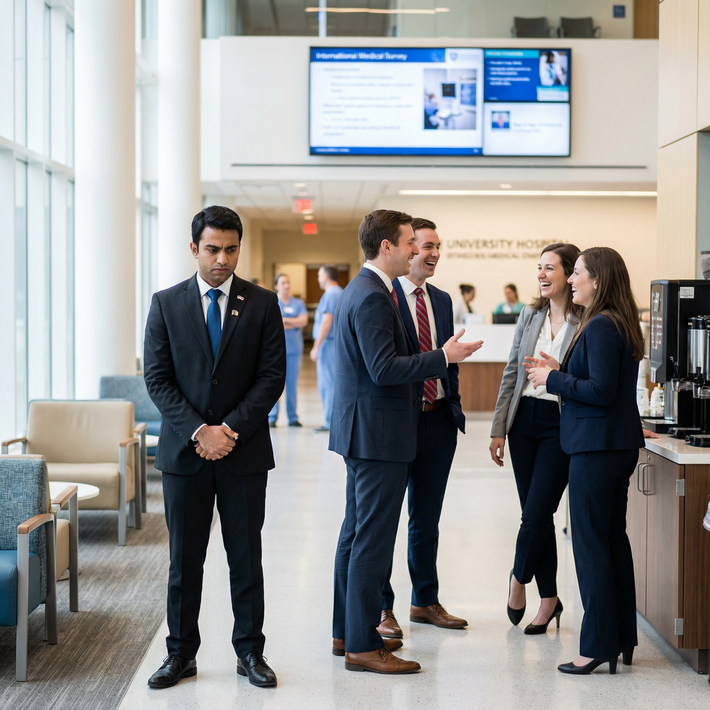
Surviving Your First Year: A Practical Guide for IMG Residents
Transitioning from medical school to residency is intense for everyone, but for International Medical Graduates (IMGs), the first year brings an extra layer of complexity. You’re not only adapting to new responsibilities and clinical expectations—you’re often adjusting to a new country, language, culture, and healthcare system at the same time.
This guide is designed specifically for IMG Residency trainees in their first postgraduate year. It combines practical strategies, real-world examples, and focused tips on Medical Training, Time Management, Clinical Skills, Communication, and Stress Management to help you not just survive, but build a strong foundation for a successful career.
Understanding the IMG Residency Landscape
Before diving into strategies, it helps to understand the broader context you’re practicing in. Knowing the system you’re in makes it easier to navigate it.
Navigating Cultural Differences in Medical Training
As an IMG resident, you may notice that the culture of medical practice in your new environment differs significantly from what you experienced in your home country:
Hierarchy and Team Structure
In many U.S. and Canadian programs, the hierarchy is flatter than in some other healthcare systems. Nurses, pharmacists, social workers, and case managers have strong voices in patient care. Learning to collaborate respectfully and effectively with the entire team is critical.Autonomy and Expected Initiative
Residents are expected to speak up, advocate for patients, and volunteer for tasks. Silence can sometimes be misinterpreted as lack of interest rather than respect.Patient-Centered Culture
There’s a strong emphasis on shared decision-making, informed consent, and respecting patient autonomy—even when patients decline recommended care. This may differ from more paternalistic models.
Actionable tip:
During your first few weeks, observe how senior residents and attendings talk to patients and colleagues. Note:
- How they introduce themselves
- How they give bad news
- How they handle disagreement with consultants or nurses
Use this as a model to adapt your own style while still honoring your cultural identity.
Communication Barriers: Beyond Just Language
Even if you’re fluent in English, medical communication involves its own challenges:
Accents and Pacing
You may have an accent; your patients and colleagues do too. It’s normal to occasionally misunderstand each other. The key is how you handle clarification.Slang and Colloquial Expressions
Phrases like “I’m feeling wiped,” “doc, I’m crashing,” or “I’m feeling off” require contextual interpretation. Over time, you’ll get better at decoding these.Documentation Style
Progress notes, H&Ps, and discharge summaries may follow specific formats (e.g., SOAP, APSO). Learning your program’s preferred structure will speed things up and reduce feedback on notes.
Actionable tips to strengthen communication:
- Use teach-back with patients: “Just to be sure I explained it well, can you tell me in your own words what the plan is today?”
- Ask colleagues to correct your phrasing if something sounds unclear or too direct/indirect.
- Read sample notes from senior residents to model your documentation style.
Visa and Immigration Considerations
Many IMGs are in training on J-1 or H-1B visas. While your primary focus is on Clinical Skills and Time Management, immigration status is a parallel priority that can’t be ignored.
Know Your Visa Requirements
Understand your visa category, program obligations, and important timelines (e.g., DS-2019 renewals, H-1B extensions, waiver requirements).Build a Paper Trail
Keep a digital folder with:- Contracts and offer letters
- ECFMG certification documents
- Visa documents and approvals
- Email communication with your program and immigration lawyer
Seek Professional Advice Early
Don’t rely solely on hearsay from co-residents. If you have questions about moonlighting, travel, or future job options, speak with your program’s GME office or an immigration attorney.
Staying organized with your visa situation reduces background stress and lets you focus on becoming the best physician you can be.

Building a Strong Support Network as an IMG Resident
No one gets through their first year alone. A reliable support system is one of the most important predictors of resilience and success.
Connect Intentionally with Fellow Residents
Your co-residents truly understand what you’re going through—they share similar schedules, stressors, and learning curves.
Show Up to Social Events
Even if you’re tired or shy, try to attend at least some program-organized gatherings, welcome dinners, or wellness events. These are low-pressure opportunities to connect.Find “Your People”
You won’t bond equally with everyone. That’s normal. Aim to build close relationships with a few residents you trust, even if they’re in different specialties or years of training.Be Generous and Reliable
Offer to help with sign-out, stay a bit later on a difficult shift, or share notes and study tools. Being a good teammate builds trust quickly.
Example:
If a co-resident has three admissions back-to-back and you have a brief lull, you might say, “I can place the admission orders on your last patient if you want to go see the next one.” These small acts create a culture of mutual support.
Seek Mentorship and Sponsorship Early
You need more than just friends—you need mentors.
Different Types of Mentors
- Clinical mentors: Help you grow your Clinical Skills and reasoning
- Career mentors: Guide your long-term trajectory (fellowship, jobs, research)
- Cultural mentors: Help you understand unspoken norms of the workplace
How to Find a Mentor
- Start with attendings you naturally connect with on rotations
- Ask your program director or chief residents for suggestions
- Reach out with a clear, polite email:
“I really appreciated your teaching on our MICU rotation. As an IMG, I’d value your advice on developing as a strong resident here. Would you be open to meeting for 20–30 minutes sometime this month?”
Maintain the Relationship
- Come prepared with specific questions
- Update them once or twice a year on your progress
- Be respectful of their time
Strong mentors can later become advocates for fellowship positions, visas, and jobs.
Use Online IMG Communities Wisely
Online communities—forums, social media groups, and IMG Residency networks—can be very supportive:
Benefits:
- Shared experiences and coping strategies
- Advice on exams, licensing, and fellowships
- A sense of belonging with people who understand your journey
Risks:
- Misinformation about visas, licensing, or program requirements
- Comparison anxiety (“everyone else is doing better than me”)
Use online advice as a starting point, then verify with official program or institutional sources.
Mastering Time Management and Clinical Skills in Your First Year
Your first months often feel like a constant race against the clock. Good Time Management and deliberate Clinical Skills development are essential to staying afloat.
Time Management Strategies That Actually Work on the Wards
Create a Realistic Weekly Framework
A rigid, minute-by-minute schedule rarely survives residency, but a weekly framework does:
Non-Negotiables:
- Required shifts and academic half-days
- Minimum sleep target (even if imperfect)
- One block of truly off-time for rest/fun
Protected Time for Learning:
- 20–30 minutes after your shift or before bed to review one or two cases or topics from the day
- Quick board-style question sets (5–10 questions) several times per week
Example schedule for an inpatient month:
- Mon–Fri:
- 6:00–6:30 am: Quick breakfast, essential emails
- 7:00 am–6:00 pm: Rounds, patient care
- 7:00–7:30 pm: Light dinner
- 7:30–8:00 pm: Review 1–2 patients from today on UpToDate
- 8:00–10:30 pm: Relax, calls with family, sleep prep
- One weekend day: at least half the day truly off.
Prioritize Using Simple Systems
At the Start of Each Shift:
- Write a to-do list for each patient (labs to order, consults to call, imaging to follow up).
- Highlight urgent tasks (e.g., STAT CT, sepsis bundle, airway concerns).
Use Simple Tools:
- A folded index card or small notebook for each day’s tasks
- A secure, HIPAA-compliant task list app if allowed by your institution
The goal is to avoid relying on memory. Cognitive load is already high.
Set Small, Achievable Goals
Instead of saying, “I’ll master all of cardiology this month,” try:
- “I will be comfortable managing uncomplicated heart failure exacerbations by the end of this week.”
- “I will learn to present a concise, 3-minute new admission on rounds.”
Specific goals keep you focused and motivated.
Developing Strong, Efficient Clinical Skills
Your first year is about building a solid clinical foundation.
Learn Actively From Every Patient
For each patient, ask yourself:
- What is the main problem this admission is addressing?
- What is my working diagnosis and top 3 differentials?
- What am I doing today to move this patient closer to discharge?
Pick one or two educational cases each day and read briefly about:
- Diagnostic approach
- Initial management
- Common pitfalls
Over time, this adds up rapidly.
Use Simulation and Supervised Practice
If there are procedures or skills you’re less comfortable with (e.g., central lines, lumbar punctures, intubations, Pap smears), do the following:
- Tell your senior: “I’d like more experience with X. If there’s an opportunity, could I be called first to assist or perform it under supervision?”
- Attend simulation labs when available; treat them like high-value learning, not optional extra work.
- After each procedure, ask for specific feedback: “What’s one thing I did well and one thing I should do differently next time?”
Keep Your Knowledge Current
Practical ways to maintain and grow your knowledge base:
- Use UpToDate or similar tools at the point of care for major decisions.
- Do board-style questions consistently rather than cramming before in-training exams.
- Join or form a small study group with co-residents to review topics after work or on a lighter rotation.
Communication Skills: The Core of Effective Patient Care
Strong communication is one of the fastest ways to gain trust from patients, nurses, and attendings—especially as an IMG Resident.
Presenting Confidently on Rounds
Working on your case presentations will pay off every single day:
Structure Your Presentation
Use a clear pattern (e.g., “One-liner → HPI → Key exam/labs/imaging → Assessment → Plan by problem list”).Be Concise but Complete
Focus on what changed, why the patient is still admitted, and what you plan to do today.Practice Out Loud
If you’re worried about your accent or pacing, practice your presentation quietly before rounds. Time yourself to hit a reasonable length.
Ask attendings or senior residents: “Is there a different way you’d like me to structure my presentations?” Adapting to their style shows professionalism and flexibility.
Ask Questions Strategically
Curiosity is expected; you’re in training. The key is how you ask:
Start with what you know:
“From what I understand, the main concern with this medication in CKD is hyperkalemia. I’m not clear on when exactly we should avoid starting it. Could you walk me through your approach?”Save non-urgent questions for calmer moments:
Use notes during rounds, then follow up with your senior or attending later in the day.
This approach shows initiative and respect for clinical flow.
Building Rapport with Patients from Diverse Backgrounds
Many of your patients may also be from diverse ethnic, cultural, or linguistic backgrounds. Your international perspective can be a strength.
Introduce Yourself Clearly
“Hi, my name is Dr. [Name]. I am one of the resident doctors on your team. I’ll be taking care of you today.”Acknowledge Differences
If your accent or background comes up, a brief, confident response can ease tension:
“Yes, I trained in [country] before coming here for residency. I’m part of the team taking care of you while you’re in the hospital.”Use Interpreters Appropriately
Even if you speak some of the patient’s language, use certified interpreters for medical discussions when required. This protects both you and the patient.
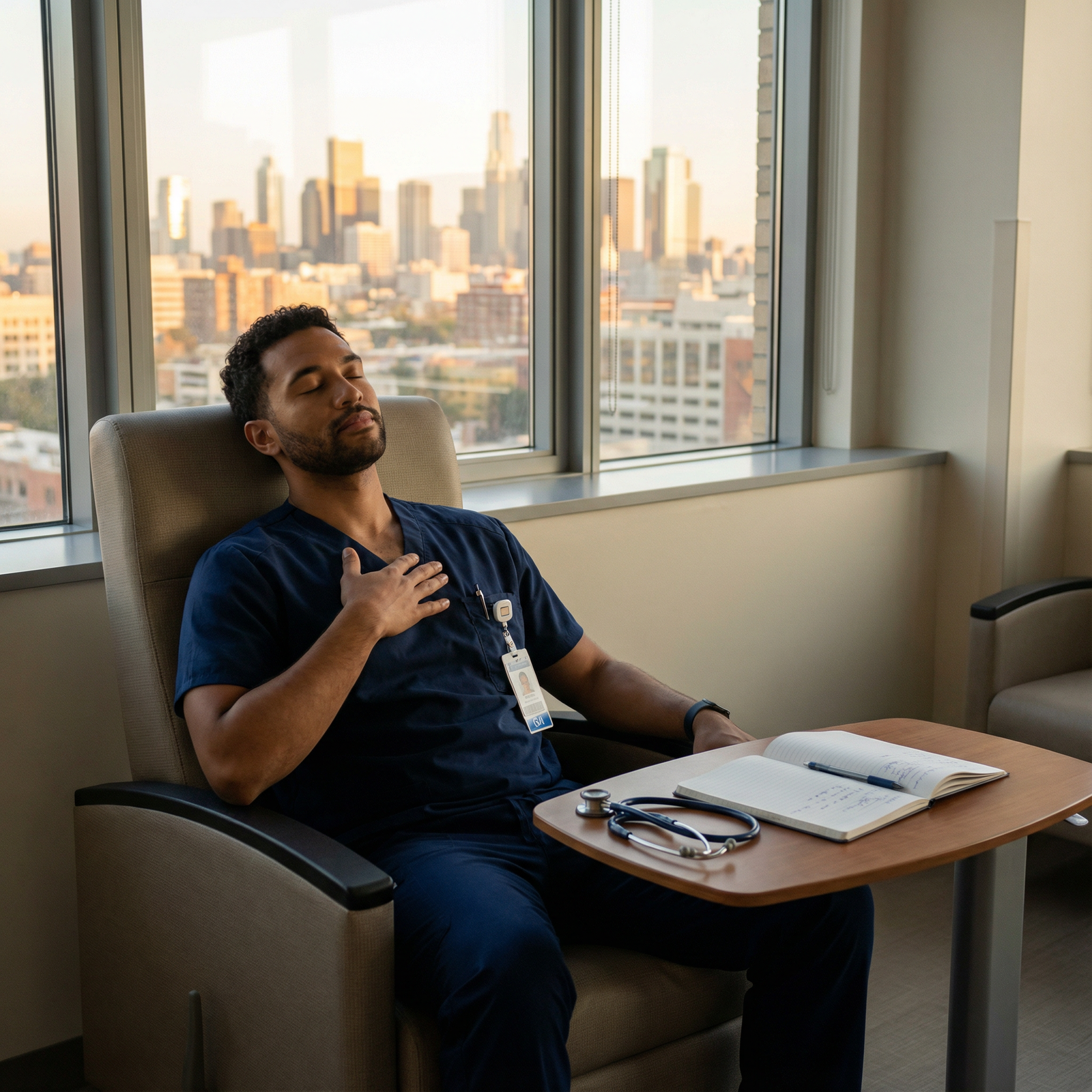
Stress Management and Well-Being: Protecting Your Most Important Asset
Residency is demanding. For IMGs, distance from family, immigration uncertainty, and cultural adjustment add extra stress. Intentional Stress Management is essential—not optional.
Recognizing Signs of Burnout Early
Learn to recognize when your stress is crossing into burnout:
- Constant exhaustion despite sleeping
- Irritability with patients or staff
- Emotional numbness or detachment
- Feeling like nothing you do is good enough
If you notice these persistently, it’s time to adjust your coping strategies and seek support.
Practical Self-Care Strategies for Busy Residents
Self-care doesn’t have to be elaborate; it does need to be intentional.
Sleep as a Priority, Not a Luxury
Aim for the best sleep you can within your schedule. Use simple sleep hygiene tactics:- Limit screens 30 minutes before sleep
- Use earplugs/eye masks if needed
- Keep caffeine earlier in the day
Micro-Breaks During Shifts
Even 3–5 minutes can help:- Step away to drink water
- Do a few deep breaths or short stretching exercises
- Step briefly outside if possible
Maintain a Small Piece of Your Identity
Keep one activity from “your normal life”:- Weekly phone call with family
- 20 minutes of music or reading before bed
- Light exercise a few times a week
Mindfulness, Therapy, and When to Ask for Help
Mindfulness Practices
Apps like Headspace, Calm, or Insight Timer offer short guided exercises you can do before or after shifts. Even a daily 5-minute practice can improve focus and reduce anxiety over time.Counseling and Therapy
Many GME offices offer confidential mental health services. Using them is a sign of self-awareness, not weakness. You can frame it as: “I want to build resilience and be at my best for my patients.”Talk to Your Program Leadership if Needed
If stress is affecting your performance or safety (e.g., frequent mistakes, near-miss events), approach a trusted chief resident, faculty mentor, or program director early. Programs generally prefer to support struggling residents rather than be surprised later.
Embracing Feedback, Adaptability, and Growth Mindset
Your first year is full of feedback—sometimes helpful, sometimes harsh, sometimes poorly delivered. How you respond to it shapes your trajectory.
Seeking and Using Constructive Feedback
Instead of waiting for formal evaluations, actively ask:
- “What’s one thing I’m doing well that I should keep doing?”
- “What’s one thing I should work on in the next few weeks?”
Then:
- Write the feedback down
- Turn it into a concrete plan (e.g., “Work on more concise presentations” → Practice timed, structured case summaries)
- Revisit your progress in a month
This shows maturity and intentional growth.
Adapting to Setbacks and Mistakes
Mistakes happen in residency. When they do:
- Prioritize Patient Safety: Notify your senior or attending right away.
- Take Responsibility Without Self-Destruction:
“I missed that abnormal lab result; I should have rechecked it before sign-out. I understand the impact and will change my process.” - Identify a System Fix:
- Add a “final labs check” before leaving
- Use reminders or checklists
- Let It Teach You, Not Define You.
Your ability to learn from errors is a core professional skill.
Reflecting Regularly on Your Growth
Even brief reflection builds confidence and perspective.
- Keep a Short Journal or Note on Your Phone:
Once or twice a week, jot down:- One thing you learned
- One moment you felt proud
- One thing you want to improve
When you look back after 6–12 months, you’ll see how far you’ve come.
Real-World Example: Maria’s Journey as an IMG Resident
Maria, an IMG from Brazil starting Internal Medicine residency, entered her first year excited but anxious. She faced:
- Language challenges, especially understanding fast-paced conversations
- Unfamiliar documentation and EMR systems
- Worry about her J-1 visa and long-term career options
- Homesickness and isolation
Here’s how she navigated it:
Building Support:
She joined program wellness events, connected with two co-residents she trusted, and joined an online IMG group that shared practical advice.Finding Mentors:
Maria identified one attending who was also an immigrant physician. She asked to meet monthly, getting guidance on Clinical Skills, communication, and long-term planning.Improving Time Management:
She adopted a simple daily task list and created a weekly framework balancing work, study, and rest. She limited late-night social media scrolling to improve sleep.Focusing on Stress Management:
Maria started doing 10 minutes of yoga and brief meditation most nights. She also scheduled weekly video calls with her family to stay grounded.
By the end of her first year, Maria:
- Felt more confident speaking up on rounds
- Received positive feedback on her clinical reasoning and empathy
- Had a clearer plan for fellowship and visa options
- Built a small but meaningful support network
Her story reflects what many IMG Residency trainees experience: significant obstacles, but also substantial growth with the right strategies.
Frequently Asked Questions (FAQ)
Q1: How can I quickly improve my English and medical communication skills as an IMG resident?
- Practice case presentations aloud daily, even briefly.
- Listen to English medical podcasts or morning reports to get used to common phrases and patterns.
- Ask trusted colleagues for feedback on your clarity: “If there’s anything I say that’s unclear or could be phrased better for patients, please let me know.”
- Consider short courses in medical English or communication skills if available at your institution.
Q2: How do I balance studying for boards with the demands of residency?
- Integrate studying into your workflow:
- Look up 1–2 clinical questions per day based on your patients.
- Do 5–10 board-style questions several times per week instead of marathon sessions.
- Use lighter rotations for deeper study blocks.
- Set realistic, small goals (e.g., “Finish 30 questions this week” rather than “Finish the entire question bank in 2 weeks”).
Consistency beats intensity over the long term.
Q3: What can I do when I feel overwhelmed or close to burnout?
- Recognize the signs (persistent fatigue, irritability, detachment).
- Use immediate coping tools: brief walk, deep breathing, short check-in with a friend or co-resident.
- Reach out:
- Talk to a mentor or chief resident about your workload or stress.
- Use your institution’s mental health or counseling services.
- If necessary, discuss rotation adjustments or time off with your program leadership. Addressing burnout early is far better than waiting until a crisis.
Q4: How can I deal with homesickness and being far from family during residency?
- Establish a routine for contact: weekly video calls, shared photos, or group chats.
- Build a “second family” locally through co-residents, local community groups, or religious/cultural organizations.
- Keep traditions alive in small ways—favorite meals, holidays, or music from home.
- Acknowledge that feeling homesick is normal; it does not mean you’re failing or made the wrong decision.
Q5: Are there specific networks or organizations that support IMGs in residency?
Yes. In addition to ECFMG and AAMC resources, you can explore:
- Institutional IMG affinity groups (many large teaching hospitals have them)
- Specialty societies that have IMG sections (e.g., internal medicine, pediatrics, psychiatry)
- Online IMG Residency communities focused on specific specialties or regions Always cross-check advice about visas, licensing, or contracts with official or legal sources.
Your first year of residency as an IMG is demanding, but it is also a powerful period of growth. With intentional Time Management, deliberate Clinical Skills development, strong Communication, and proactive Stress Management, you can build a solid foundation for a fulfilling career in Medicine.
You bring unique perspectives, resilience, and cultural insight to your patients and your team. Those are not obstacles—they are strengths.