Introduction: Thriving as an IMG in U.S. Residency
As an International Medical Graduate (IMG), pursuing a U.S. residency can feel overwhelming—new systems, new expectations, and fierce competition. Yet every year, thousands of IMGs successfully match and go on to build fulfilling careers in American medicine.
The goal is not just to “get in,” but to thrive—academically, professionally, and personally.
This expanded guide is designed to help you do exactly that. You’ll learn:
- How to understand the current IMG landscape and tailor your strategy
- How to approach USMLE Preparation efficiently and competitively
- How to obtain meaningful Clinical Experience in the U.S.
- How to build a powerful application and excel in interviews
- How to use Medical Networking and mentorship to your advantage
- How to adapt, grow, and protect your well-being during residency
Throughout, you’ll find practical, step-by-step advice specifically geared toward International Medical Graduates targeting U.S. Residency programs.
Understanding the Modern IMG Landscape
The Diverse Strengths of International Medical Graduates
International Medical Graduates are far from a homogeneous group. You may be:
- A recent graduate applying directly after medical school
- A practicing physician abroad with years of experience
- A non-traditional applicant switching careers into medicine
- A graduate from a highly competitive international school or a newer medical college
This diversity is a strength. IMGs bring:
- Multilingual skills and cultural competence
- Resilience from navigating complex training pathways
- Broader clinical exposure, often to resource-limited settings
- Global perspectives on disease patterns and healthcare systems
Residency program directors increasingly recognize that IMGs enrich patient care and team dynamics, especially in diverse communities.
Practical Ways to Leverage the IMG Community
- Join IMG-focused groups on platforms like Facebook, WhatsApp, and Discord
- Participate in subreddit communities such as r/IMGreddit or r/medicalschool (filter for IMG content)
- Connect with IMG associations in your region (e.g., local alumni chapters, regional IMG advocacy groups)
- Seek out peer-led study groups for USMLE and residency applications
Key Takeaway: Don’t go through this alone. Deliberately build an IMG support network for accountability, resource-sharing, and emotional support.
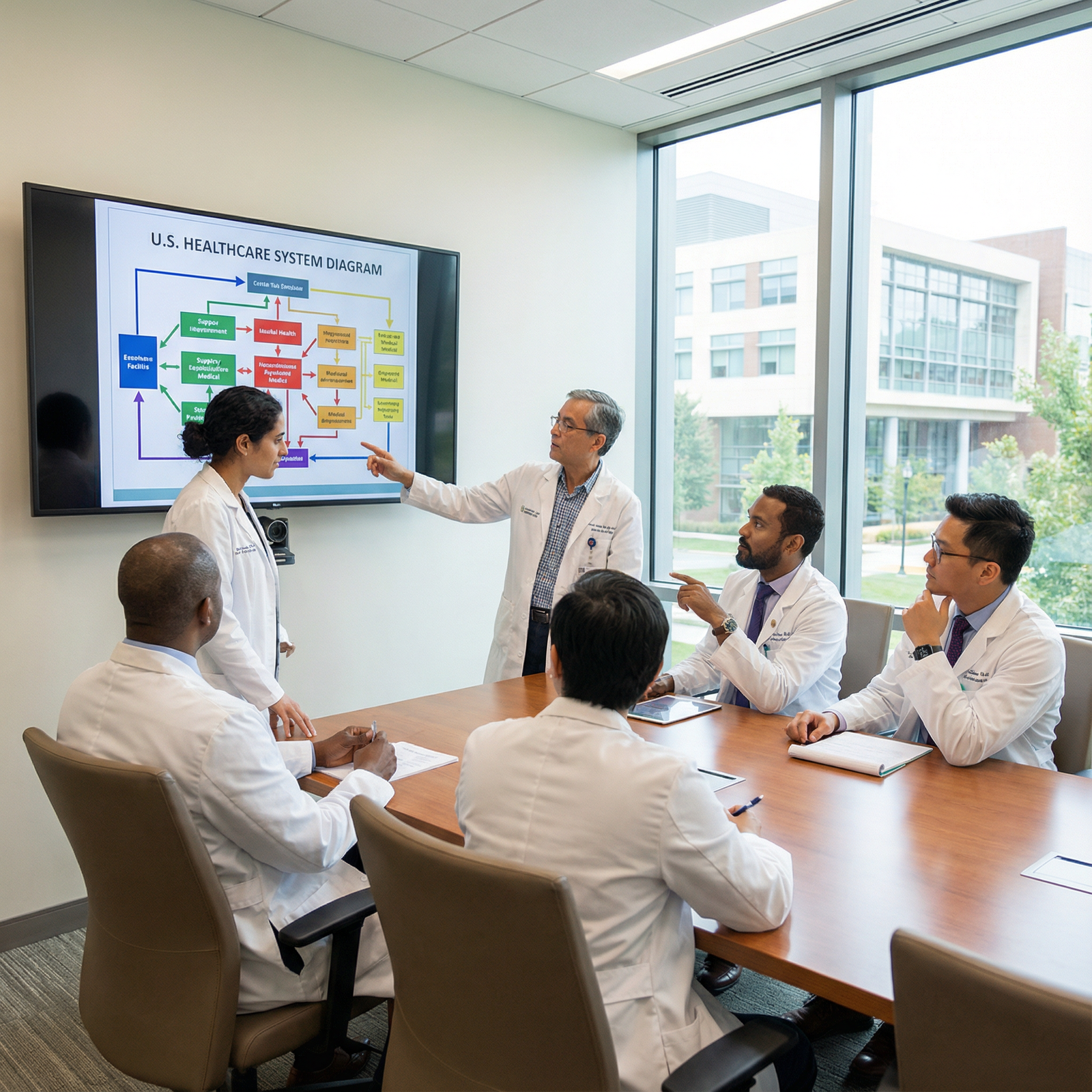
Understanding Accreditation and Program Types
ACGME Accreditation and Why It Matters
The Accreditation Council for Graduate Medical Education (ACGME) sets the standards for U.S. residency training. For IMGs, ACGME accreditation is critical because:
- Only ACGME-accredited programs are part of the NRMP Main Match
- These programs meet standardized requirements for supervision, education, and trainee support
- ECFMG certification and most state licensing pathways assume training in accredited programs
Use the ACGME’s public program search on their website to:
- Verify accreditation status
- See program size, locations, and specialties
- Review sponsoring institutions and affiliated hospitals
Types of Programs and IMG-Friendliness
When researching programs, look beyond “IMG-friendly lists.” Instead, analyze:
- Historic IMG match data: percentage of IMGs in current residents
- Visa sponsorship: J-1 vs. H-1B support
- USMLE score expectations: often listed on program or FREIDA profiles
- Clinical Experience requirements: some insist on U.S. experience within a certain timeframe (e.g., last 3–5 years)
Key Takeaway: Build a realistic and diversified list of programs using ACGME, FREIDA, program websites, and NRMP data, prioritizing a mix of “reach,” “target,” and “safety” options.

Preparing for Residency Applications: Exams, Experience, and Documents
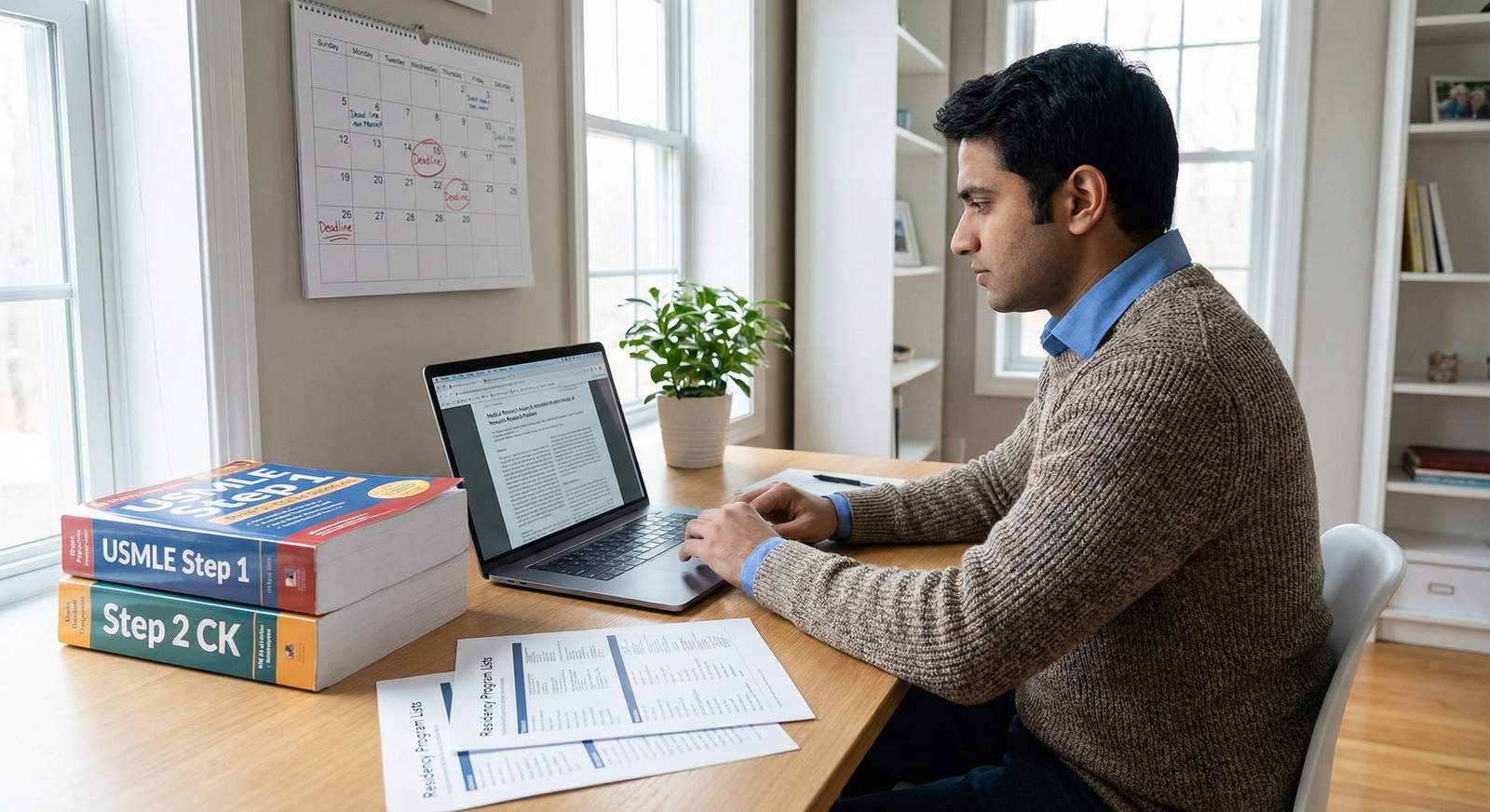
Strategic USMLE Preparation for IMGs
The United States Medical Licensing Examination is a core pillar of your U.S. residency profile. For most IMGs, competitive performance on Step 1 and Step 2 CK is essential.
Note: Step 2 CS has been permanently discontinued; communication and clinical skills are now assessed through other means (e.g., OET, letters, interviews, MSPE, and clinical experience).
Step 1: Building Your Knowledge Foundation
Although Step 1 is now Pass/Fail, it still matters:
- A fail can significantly hurt your application
- Strong Step 1 fundamentals help you excel in Step 2 CK and clinical rotations
Suggested approach:
Baseline Assessment
- Take an NBME practice exam early to identify strengths/weaknesses.
High-Yield Resources
- First Aid for the USMLE Step 1 as your content roadmap
- UWorld as your primary question bank (1 complete pass is minimum; 1.5–2 passes is ideal)
- Supplement with Pathoma, Sketchy, or Boards and Beyond, depending on your learning style
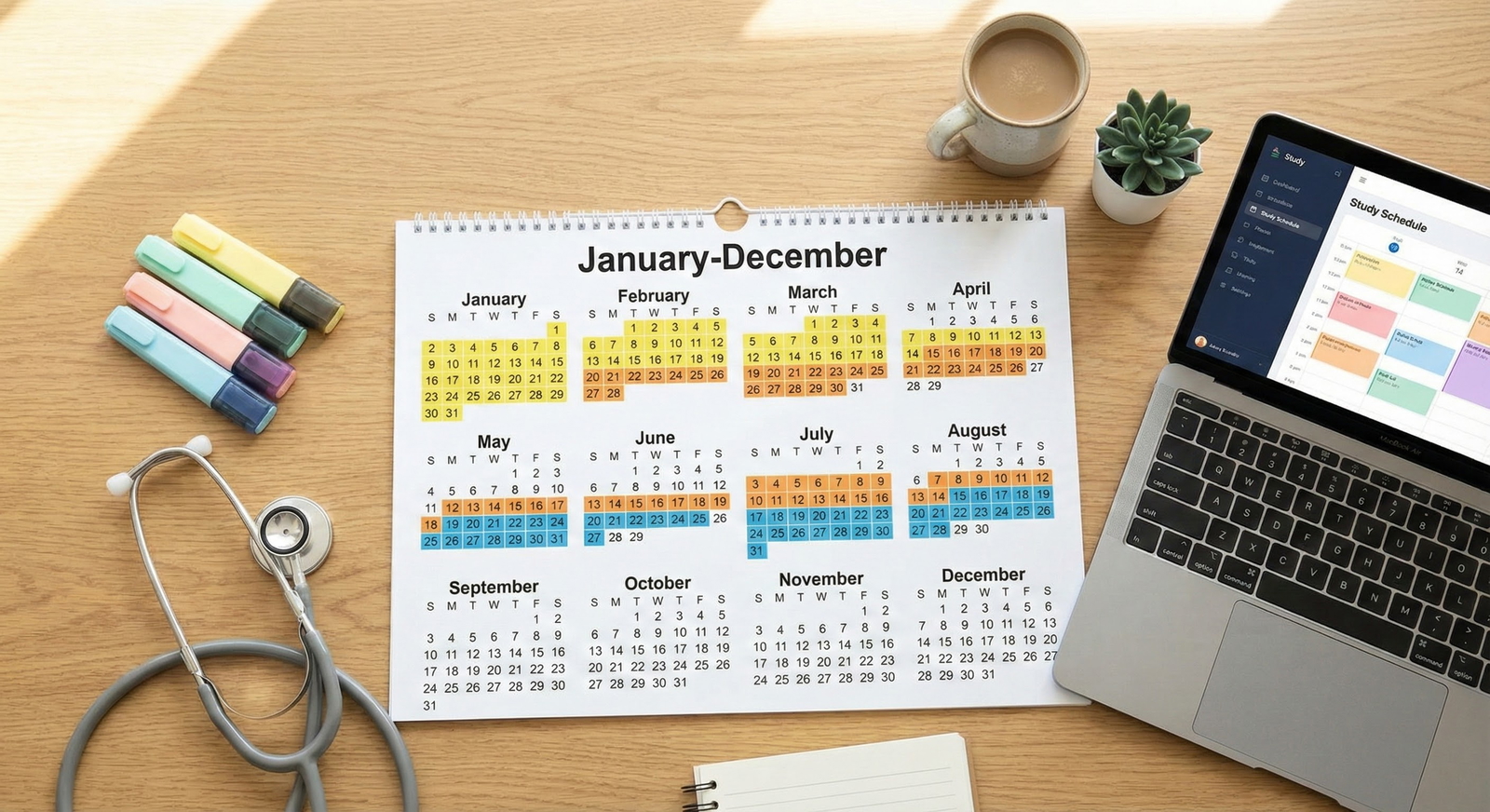
Structured Study Plan
- 4–9 months depending on your baseline and other commitments
- Daily blocks of timed questions + focused review of weak subjects
- Weekly simulation of exam conditions (timed blocks, minimal interruptions)
Step 2 CK: The Score Most PDs Focus On
With Step 1 now Pass/Fail, Step 2 CK has become the most important standardized score for many programs. Competitive scores vary by specialty, but as an IMG, aim to be above the national mean, especially for more competitive fields.
Key strategies:
- Use UWorld Step 2 CK as your main question bank
- Consider AMBOSS and Kaplan for additional practice
- Strengthen weaker clinical areas by using targeted resources (e.g., cardiology, OB/GYN, surgery)
- Start timed, random blocks early to simulate real exam conditions
General USMLE Study Tips for IMGs
- Create a realistic timeline that accommodates work, family, or visa constraints
- Study actively: flashcards (e.g., Anki), teaching peers, case discussions
- Prioritize sleep, nutrition, and exercise—burnout dramatically reduces retention
- Track your progress via NBMEs and UWorld self-assessments and adjust your plan
Key Takeaway: Your USMLE performance is one of the most objective measures programs see. Treat USMLE Preparation like a full-time job, even if your hours are limited.
Building Robust U.S. Clinical Experience
U.S. Clinical Experience (USCE) is often a make-or-break factor for IMGs. It shows that you can function in the American healthcare system and thrive in its culture.
Types of Clinical Experience for IMGs
Sub-internships (Sub-Is) / Acting Internships (AIs)
- Most valuable for senior students or recent graduates
- Responsibilities often similar to interns, with direct patient care
- Best source for strong, detailed U.S. letters of recommendation
Externships
- Hands-on clinical work for graduates (often fee-based)
- May include histories, physicals, note-writing, presentations
- Particularly helpful if you’ve already graduated and need fresh USCE
Observerships
- Shadowing without direct patient contact
- Less powerful than hands-on experience but still useful for:
- Learning workflow and EMR
- Understanding U.S. medical culture and communication
- Obtaining at least some program or physician exposure
Research Positions with Clinical Exposure
- Clinical research fellowships or assistantships
- May provide indirect patient contact and strong academic mentorship
- Particularly valuable for academic or competitive specialties
Where to Find Clinical Opportunities
- University hospital websites (many list IMG programs, observerships, externships)
- IMG-focused platforms like Visasupported or Fifth Avenue for curated placements
- Cold emailing program coordinators or department administrators
- Leveraging alumni networks and mentors for introductions
When evaluating opportunities, consider:
- Type of involvement (hands-on vs. observational)
- Setting (community vs. academic hospital)
- Specialty relevance to your intended field
- Potential for strong letters of recommendation
Key Takeaway: Aim for at least 2–3 months of recent, specialty-relevant U.S. Clinical Experience if possible, ideally with exposure to attendings who understand residency expectations and can write robust letters.
Crafting a Strong, Cohesive Application
Your residency application must present a consistent, compelling story of who you are, why you chose your specialty, and why you are ready for U.S. training.
Personal Statement: Your Narrative Anchor
A powerful personal statement for an IMG should:
- Explain your journey into medicine and your chosen specialty
- Address your transition to the U.S. system (and any gaps or career changes)
- Highlight specific clinical experiences, challenges, or patient encounters
- Demonstrate insight, maturity, and growth
- Avoid overly dramatic language or clichés; focus on authenticity and clarity
Practical tips:
- Start early and revise multiple times
- Have at least two trusted reviewers (including someone familiar with U.S. residency)
- Tailor if needed for different specialties (e.g., internal medicine vs. family medicine)
Letters of Recommendation: Your Professional Advocates
For IMGs, letters from U.S. physicians, especially in your target specialty, carry significant weight.
Aim for:
- 3–4 letters total (ERAS allows up to 4 per program)
- At least 2 specialty-specific letters from U.S. attendings
- Writers who know you well enough to comment on:
- Clinical skills and knowledge
- Work ethic and professionalism
- Communication, teamwork, and cultural adaptation
Be proactive:
- Ask for letters early, ideally near the end of your rotation
- Provide your CV, personal statement draft, and a summary of cases or projects
- Politely confirm that they can write a strong, supportive letter
CV and ERAS Application: Presenting Your Profile Clearly
Your CV and ERAS application should:
- Clearly list education, degrees, and graduation dates
- Include all clinical experiences, with accurate dates and settings
- Highlight research, publications, presentations, and teaching
- Reflect volunteer work, leadership, and extracurricular activities
Professionalism matters:
- Use a clean, consistent format
- Avoid exaggerations or inaccuracies—credibility is crucial
- Be prepared to discuss any item on your CV in detail during interviews
Key Takeaway: Think of your application as a unified story: exams, clinical experience, personal statement, and letters should reinforce each other and reflect a coherent, focused candidate.
Medical Networking and Mentorship for IMGs
Building a Supportive Professional Network
Medical Networking is often the “hidden curriculum” of residency success, especially for IMGs who may lack local connections.
High-Yield Networking Strategies
Conferences and Workshops
- Attend national or regional meetings for your specialty (e.g., ACP, AAFP, ACOG)
- Introduce yourself to faculty, express your interests clearly, and follow up by email
Alumni Networks
- Reach out to graduates from your medical school who matched in U.S. Residency
- Ask for brief informational meetings and practical advice
LinkedIn and Professional Platforms
- Create a polished profile with a professional photo and detailed experience
- Connect with physicians, program coordinators, and panelists from webinars
- Join specialty, IMG, and residency-prep groups
Local Hospitals and Community Clinics
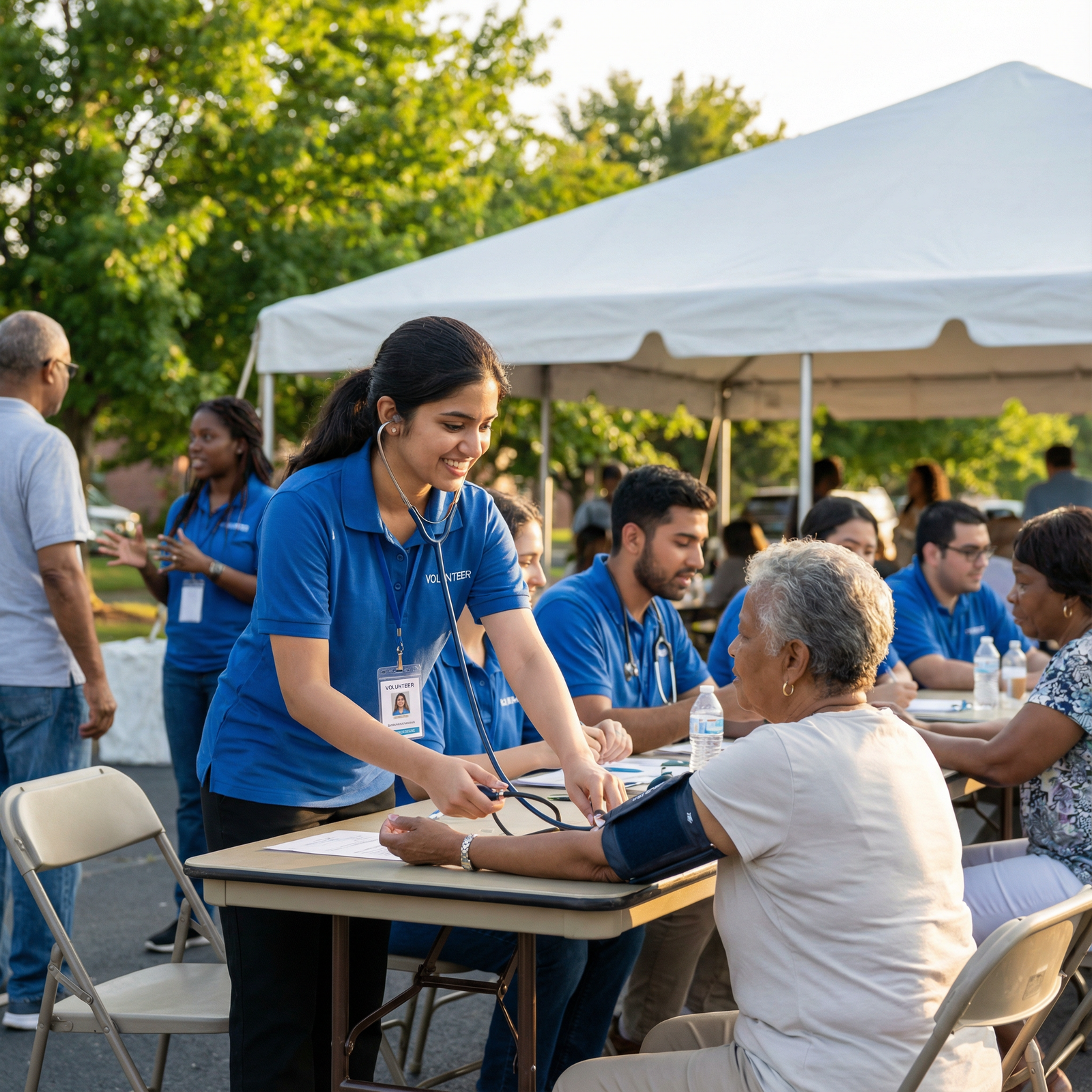
- Volunteer or work in roles that increase your exposure to healthcare teams
- Build relationships with physicians who may later support your aspirations
Key Takeaway: Networking is not about asking for favors immediately—it’s about building genuine, professional relationships over time.
Finding and Using Mentors Effectively
Mentors can shape your entire career trajectory by providing guidance, feedback, and advocacy.
Types of mentors:
- Clinical mentors: help with specialty choice, clinical skills, and letters
- Academic mentors: guide research projects, abstracts, and publications
- Career mentors: help strategize long-term goals, licensing, and job search
- Peer mentors: fellow IMGs or residents a few years ahead of you
How to be a good mentee:
- Be prepared and specific when you meet (have questions and goals ready)
- Respect their time; stick to agreed durations and follow up succinctly
- Implement their advice and update them on your progress
- Show appreciation and professionalism—strong mentees often become future colleagues
Professional organizations like the AMA and specialty societies frequently run formal mentorship programs; take advantage of them wherever possible.
Navigating the ERAS, NRMP, and Interview Process
Mastering ERAS and Application Logistics
The Electronic Residency Application Service (ERAS) is where you assemble and send your application, and the National Resident Matching Program (NRMP) runs the Match algorithm.
Essential steps:
Timeline Planning
- Know when ERAS opens for application entry
- Plan to submit your application as early as possible on opening day or shortly after
Program Research and List-Building
- Use FREIDA, program websites, and NRMP data to build a list
- Verify visa policies and IMG acceptance history
- Apply broadly if you’re an IMG—numbers matter
Program-Specific Requirements
- Some programs require additional essays, Step cutoffs, or recent graduation
- Tailor your personal statement or experiences section when appropriate
Key Takeaway: Organizational skills are crucial—use spreadsheets or tracking tools to stay on top of requirements, deadlines, and communications.
Interview Preparation for IMGs
Residency interviews are your opportunity to transform your application from text to a real person in the minds of program faculty.
Before the Interview
Research each program thoroughly:
- Mission statement, patient population, faculty interests
- Call schedule, educational structure, fellowship match outcomes
Practice Common Questions:
- “Tell me about yourself.”
- “Why this specialty?”
- “Why this program?”
- “Tell me about a difficult patient or ethical dilemma.”
- “What are your strengths and weaknesses?”
Be Ready to Explain IMG-Specific Topics:
- Why you chose to train in the U.S.
- Any gaps in education or work
- Prior experience in your home country
Mock interviews via:
- Senior residents or faculty
- IMG-focused advising services
- University career or advising offices
Succeeding in Virtual Interviews
Many programs now use virtual interviews (e.g., Zoom, Webex).
- Ensure reliable internet, a quiet space, and a neutral background
- Dress professionally (full attire, not just the visible half)
- Maintain eye contact by looking at the camera, not the screen
- Test your microphone, camera, and lighting beforehand
Asking Insightful Questions
Interviewers often judge your interest and maturity based on the questions you ask, such as:
- “How does your program support residents’ wellness and mental health?”
- “Can you describe opportunities for research or quality improvement?”
- “What types of graduates thrive in your program?”
Key Takeaway: Treat interviews as two-way conversations. You are also determining whether the program is a good fit for your goals and well-being.
Thriving During U.S. Residency as an IMG
Communication, Teamwork, and Cultural Adaptation
Success in U.S. Residency is not only about medical knowledge. Program directors value:
- Clear, empathetic communication with patients and families
- Respectful collaboration with nurses, therapists, and other staff
- Openness to feedback and continuous improvement
Practical ways to build these skills:
- Observe how senior residents deliver bad news or explain complex diagnoses
- Ask for feedback from nurses and attendings about your communication
- Take workshops in cross-cultural communication or patient-centered care
As an IMG, you may also be adjusting to:
- Different expectations around hierarchy and autonomy
- Electronic medical records (EMR) usage and documentation norms
- New slang, idioms, and cultural references
Be patient with yourself and ask clarifying questions when needed.
Protecting Your Mental and Emotional Health
Residency is demanding for everyone, and IMGs often carry added stressors: distance from family, visa concerns, and financial pressures.
Self-care strategies:
- Establish a basic routine around sleep, meals, and exercise
- Use short mindfulness practices (5–10 minutes) during breaks or before bed
- Stay connected to family and friends through regular calls or messages
- Seek support early if you notice signs of burnout, anxiety, or depression
Take advantage of:
- Employee Assistance Programs (EAPs)
- Resident wellness committees
- Confidential counseling services through your institution
Key Takeaway: Taking care of your mental health is not optional; it is essential to your longevity and effectiveness as a physician.
Lifelong Learning and Career Development
Residency is only the beginning. Build habits now that will set you up for a sustainable career:
- Participate in journal clubs and Morbidity & Mortality (M&M) conferences actively
- Learn to appraise research articles and guidelines critically
- Get involved in quality improvement (QI) or patient safety projects
- Explore your longer-term interests: fellowship, academic medicine, hospital leadership, or community practice
Use technology wisely:
- Evidence apps (e.g., UpToDate, DynaMed)
- Question banks and board-prep tools for in-training exams
- Note-taking and knowledge organization apps for clinical pearls
Frequently Asked Questions (FAQ) for IMGs Applying to U.S. Residency
1. What are the core exams and certifications IMGs need for U.S. Residency?
Most International Medical Graduates will need:
- USMLE Step 1 (Pass/Fail)
- USMLE Step 2 CK (scored; critical for competitiveness)
- OET Medicine or equivalent English proficiency (as required for ECFMG certification)
- ECFMG Certification, which verifies your medical degree and exam completion
Some states or programs may have additional requirements, so always check state medical board and program websites.
2. How important is U.S. Clinical Experience compared with experience in my home country?
U.S. Clinical Experience is often highly valued, sometimes more than extensive experience abroad, because it:
- Demonstrates your ability to function in the U.S. system
- Provides program directors with U.S.-based references and letters
- Shows familiarity with EMR, multidisciplinary teams, and patient-centered communication
Experience from your home country is still important, especially for showing depth, leadership, and procedural skills, but you should aim to complement it with at least a few months of recent, relevant U.S. exposure if possible.
3. What should I focus on if I graduated many years ago?
If you are a “non-recent graduate,” programs may worry about how current your knowledge and skills are. To strengthen your profile:
- Obtain recent U.S. or home-country clinical experience
- Stay current via CME courses, USMLE Preparation, and specialty board guidelines
- Engage in research, QI projects, or teaching to show ongoing involvement in medicine
- Explain any gaps in your personal statement and interviews with honesty and reflection
Many IMGs with older graduation dates successfully match by strategically addressing these concerns.
4. How can I stand out in my personal statement and interviews as an IMG?
To stand out:
- Be specific: describe real patients, challenges, or turning points that shaped you
- Show growth: what you learned from failures, transitions, or difficult moments
- Demonstrate a clear, grounded understanding of your specialty and career path
- Highlight your unique international perspective and how it benefits U.S. patients
- Be prepared to discuss your journey confidently and coherently in interviews
Generic or overly dramatic statements are forgettable. Concrete, reflective stories are memorable.
5. What are the most effective ways to network and find mentors as an IMG?
Combine multiple approaches:
- Reach out to alumni from your school already in U.S. Residency
- Attend specialty conferences, even virtually, and follow up with speakers or panelists
- Join professional associations (e.g., AMA, ACP, AAFP) and their IMG or trainee sections
- Participate in online IMG communities and mentorship programs
- Ask attending physicians during your U.S. Clinical Experience if they would be open to mentoring or advising you
Be respectful, patient, and consistent—mentoring relationships often develop gradually over time.
By approaching your journey methodically—strengthening your exam performance, pursuing targeted Clinical Experience, building authentic Medical Networking relationships, and caring for your well-being—you can not only secure a U.S. Residency position but truly thrive as an International Medical Graduate.
Your path may be more complex than that of some U.S. graduates, but your resilience, adaptability, and global experience are assets. With strategic planning and sustained effort, you can transform the IMG challenge into a powerful foundation for a successful career in American medicine.