Diagnostic Radiology is one of the more competitive specialties, and as a DO graduate, you may worry that any “red flag” in your application will shut doors. In reality, programs see imperfect applications every day. What matters is how you understand, address, and grow from those issues—and how clearly you communicate that growth to selection committees.
This guide focuses on addressing red flags for a DO graduate seeking a diagnostic radiology residency, with practical, radiology-specific strategies and language you can use in your application and interviews.
Understanding Red Flags in a DO Applicant’s Radiology Residency Application
Before you can fix a problem, you need to define it clearly. For a DO graduate aiming for the diagnostic radiology match, “red flags” are anything that raises concern about:
- Reliability and professionalism
- Academic and test-taking ability
- Clinical performance and communication skills
- Insight, honesty, and capacity to improve
Program directors receive hundreds of applications. They don’t have time for guesswork. If something in your file is confusing, unexplained, or alarming, the easiest choice is to move on—unless you proactively and convincingly address it.
Common Red Flags for DO Applicants
Below are frequent red flags, especially relevant to DO graduates and the osteopathic residency match pathway now unified with the NRMP match.
Academic and Exam-Related Red Flags
- Low COMLEX scores or multiple COMLEX attempts
- Weak or absent USMLE scores (if most applicants have them)
- COMLEX–USMLE discrepancies (e.g., strong COMLEX but weak USMLE, or vice versa)
- Failing a pre-clinical or clinical course
- Failing a COMLEX or USMLE attempt
Clinical Performance Red Flags
- Marginal or failing grades in core rotations (especially internal medicine or surgery)
- Concerning narrative comments in evaluations (e.g., professionalism, reliability)
- Limited or weak radiology exposure, no radiology elective, or no radiology-specific letters
Professionalism and Conduct Red Flags
- Remediation or probation for professionalism issues
- Disciplinary actions, school leave, or suspension
- Honor code violations, plagiarism, unprofessional behavior documented
Timeline and Continuity Red Flags
- Gap years or long breaks in training
- Delayed graduation from medical school
- Switching specialties (e.g., from internal medicine or surgery to radiology)
- Prior unmatched attempts in the residency match
Application Narrative Red Flags
- Poorly written personal statement with unexplained issues
- Inconsistent or contradictory information across ERAS, MSPE, and letters
- Vague or evasive answers to direct questions (in ERAS or interviews)
Diagnostic radiology is detail-oriented, high-responsibility, and heavily cognitive. Programs want to see that if you’ve had problems, you can analyze them, respond systematically, and produce a better outcome—just like you’d do with a difficult case.
Strategy Fundamentals: How Radiology PDs Think About Red Flags
Program directors in diagnostic radiology tend to be analytical. They look for patterns over time, not one-off events. Their key questions when they see a red flag:
- Is this a one-time event or a pattern?
- Does the applicant understand why it happened?
- What concrete steps did they take to address it?
- Have they demonstrated improvement since?
- Is the explanation honest, concise, and mature?
For a DO graduate, an additional concern may be:
“Can this applicant thrive in our academic environment, including reading rooms, high-stakes imaging decisions, and frequent board-level testing?”
Your job is to answer these questions in the way you structure your application, not just in an isolated “explanation” paragraph.
Core Principles When Addressing Any Red Flag
Regardless of the specific issue (low scores, gaps, failures), your approach should follow a consistent framework:
Own It
- Avoid blaming others, systems, or “bad luck” as your primary theme.
- Briefly acknowledge your role and responsibility.
Explain, Don’t Excuse
- Provide enough context so programs understand the situation.
- Avoid dramatic oversharing or defensive language.
Show Insight
- Reflect on what you learned about yourself (study habits, stress management, time management, resilience, communication).
Demonstrate Concrete Change
- Show actions you took after the event: tutoring, new study strategies, wellness habits, counseling, time management systems.
Highlight Measurable Improvement
- Improved subsequent grades, higher scores on later exams, stronger clinical evaluations, successful sub-internships.
Link It to Radiology Readiness
- Explain how the changes make you better prepared for radiology residency: dealing with complex information, sitting for high-stakes boards, functioning in a high-volume, high-consequence environment.
Common Red Flags for DO Graduates in Radiology and How to Address Them
1. Low COMLEX / USMLE Scores or Multiple Attempts
For a DO graduate applying to radiology, standardized test performance is a major concern for PDs because board exams in radiology (Core and Certifying) are demanding.
How Programs Interpret This
- Worry about board exam performance in residency
- Concern that you might struggle with the volume and complexity of imaging knowledge
- Fear of additional remediation burden on the program
How to Explain Low Scores or Multiple Attempts
Key goal: Show that your earlier performance is not a fixed ceiling but a past problem you’ve already corrected.
In your application (ERAS experiences, additional info, or personal statement):
Briefly describe the cause:
- Ineffective study strategies
- Overcommitting during exam prep
- Lack of structured question practice
- Personal stressors or health issues (high level, not graphic detail)
Follow with concrete changes:
- Switched from passive reading to structured QBank strategy
- Developed weekly schedules and used spaced repetition (e.g., Anki)
- Sought academic support, tutoring, or dean’s office guidance
- Addressed sleep, nutrition, mental health
Example wording:
Early in medical school, I underestimated the importance of structured question-based preparation, which contributed to my underperformance on COMLEX Level 1. After this, I met with our academic support team, adopted a more disciplined schedule, and emphasized timed questions and spaced repetition. These changes were reflected in my improved performance on Level 2 and in my clinical shelf exams, where consistent preparation became the rule rather than the exception.
Supporting Evidence You Should Provide
- Upward trend: Higher COMLEX Level 2, stronger shelf exams
- Strong radiology or medicine rotations: Comments highlighting clinical reasoning
- Letters: Faculty attesting to your work ethic and reliability in learning complex material
If you took USMLE as a DO and did not score as well as COMLEX:
My USMLE score does not fully represent my current capabilities. I learned from that experience that volume of study is less important than targeted practice and active recall. Applying this, I saw improved performance on subsequent exams and stronger clinical evaluations, and I now approach learning radiology content in a similarly systematic way.
Tie it back to radiology: radiologists must learn to handle large datasets, evolving guidelines, and new imaging protocols—show you now have a system for long-term learning.
2. Failed Course, Failed Rotation, or Board Failure
A failure is one of the sharpest red flags, especially in a competitive field like diagnostic radiology—yet it is not automatically disqualifying.
How Programs Interpret a Failure
- Potential issues with knowledge base, work ethic, or professionalism
- Concern that under stress you may underperform without asking for help
- Fear of repeated failure and remediation during residency
How to Explain Academic Failures
Approach:
- State clearly what happened.
- Provide concise context.
- Describe your response.
- Demonstrate subsequent success.
Example: Failed internal medicine rotation
I failed my internal medicine rotation during my third year due to a combination of weak organizational skills and difficulty prioritizing tasks on busy inpatient services. After this, I met with my clerkship director, created a structured daily task list system, and actively sought feedback from residents at the end of each shift. When I repeated the rotation, I passed with positive evaluations, and I applied those same organizational strategies to subsequent rotations, including surgery and my radiology elective.
For a COMLEX or USMLE failure:
I was unsuccessful on my first attempt at COMLEX Level 2. At that time, I was balancing exam preparation with significant personal stressors and did not seek help early enough. Recognizing this, I met with faculty advisors, adjusted my study plan to focus on timed questions and targeted review of weak systems, and reduced outside commitments. On my second attempt, I passed comfortably, and afterward, my clinical evaluations and radiology elective performance reflected a more mature, organized approach that I now bring to all aspects of my work.
Programs want to see that the remediation worked and that it’s been sustained.
3. Gaps in Training or Delayed Graduation: How to Explain Gaps
For DO graduates, gaps can be especially scrutinized because some applicants use them to re-apply after being unmatched or to pivot into more competitive fields like radiology.
How Programs Interpret Gaps
- Concern about loss of clinical skills or knowledge
- Worry about unacknowledged personal, legal, or health issues
- Question whether you’re truly committed to diagnostic radiology
Constructive Ways of Addressing Gaps
Your primary job is transparent explanation and demonstrating productive use of time.
Common reasons for gaps that can be framed appropriately:
- Research year (especially radiology or imaging-related)
- Family responsibilities (illness, caregiving, childbirth)
- Health issues you’ve since stabilized and managed
- Reapplication after a previous unmatched cycle
Example wording for a research year:
After my fourth year, I undertook a dedicated research year in thoracic imaging at [Institution], where I worked on projects involving CT-based lung cancer screening and quality improvement in reporting incidental findings. This experience solidified my interest in diagnostic radiology and helped me build stronger analytic and teaching skills. I maintained my clinical knowledge by participating in case conferences and multidisciplinary tumor boards.
Example for personal/family health gap (keep it focused):
I had a one-year gap in my training due to a significant family health issue that required my presence and support. During this period, I remained engaged in medicine through remote literature review, online CME modules, and shadowing in outpatient clinics when possible. The situation is now stable, and I have been able to return to full-time training and responsibilities without limitation.
Avoid vague statements like “personal reasons” without any additional information. You don’t need highly private details, but you must reassure programs that the issue will not compromise your training going forward.

Professionalism, Conduct, and Specialty Switches: High-Stakes Red Flags
1. Professionalism Concerns, Probation, or Disciplinary Actions
These are among the most serious red flags because radiology requires exceptional professionalism: accurate, timely reports, respectful multidisciplinary communication, and reliable coverage.
How Programs Interpret This
- Risk for future unprofessional behavior in high-stakes situations
- Possible patient safety issues or reputational risk to the program
Addressing Professionalism Red Flags
You must:
- Acknowledge what happened without minimizing
- Demonstrate insight into why it was wrong
- Show concrete behavioral change, verified by others (evaluations, letters)
Example (chronic lateness leading to remediation):
In my third year, I was placed on professionalism remediation due to repeated lateness for clinic. At the time, I underestimated the impact my punctuality had on the team and patient flow. This experience was a wake-up call. I worked with my advisor to implement a more realistic daily schedule, used alarms and commute buffers, and prioritized arriving early. Subsequent rotations, including my radiology elective, reflected this change, with no further concerns about tardiness and positive feedback regarding my reliability.
Get at least one letter from a faculty member or program director who can specifically address your improved professionalism.
2. Switching to Diagnostic Radiology from Another Specialty
Switching from another field (e.g., surgery, internal medicine) into radiology can raise questions—especially if the change follows a negative experience or poor performance.
How Programs Interpret a Late Switch
- Concern about your commitment to radiology
- Fear you may change your mind again
- Question whether you’re trying to escape problems in your previous field
How to Frame a Specialty Switch Positively
- Emphasize genuine discovery of radiology’s fit for your interests and strengths
- Be honest about what you learned from your prior path
- Show that you’ve now tested the fit through radiology electives, shadowing, or research
Example wording:
I began my clinical training strongly interested in internal medicine and initially pursued that path. During multidisciplinary rounds and imaging conferences, I found myself consistently drawn to the way radiologists integrated clinical information with detailed imaging findings to guide management. After honest reflection and mentorship, I realized that diagnostic radiology aligned better with my strengths in pattern recognition, visual reasoning, and comfortable work in high-cognitive-load environments. To ensure this was the right decision, I completed additional radiology electives and engaged in imaging-related research, which confirmed my commitment to this specialty.
If your performance in your prior specialty was less than stellar, briefly acknowledge that and pivot to how those experiences improved your skills.
Application Components: Where and How to Address Red Flags
You should use your entire application to tell a coherent, honest story. Each component can play a strategic role in mitigating red flags.
1. ERAS Application and “Additional Information” Sections
Use these areas for short, factual explanations of serious issues:
- Failed exams or courses
- Gaps in training
- Leaves of absence
- Disciplinary actions
Best practices:
- 3–6 sentences per issue
- Factual, non-defensive tone
- End each explanation with how you’ve grown or adjusted
2. Personal Statement: Focus on Growth and Radiology Fit
Your personal statement is not the place for a long, detailed confession. It should primarily:
- Tell your story of interest in diagnostic radiology
- Highlight your strengths and fit for the specialty
- Briefly touch on major red flags only if they are central to your narrative
Use red flags as pivot points toward growth, not as the main story.
Example outline for a DO graduate personal statement:
- Early exposure to imaging in clinical rotations or osteopathic manipulative medicine (OMM) clinics
- Specific moments where imaging changed patient management
- Radiology elective or research confirming interest
- Brief acknowledgment of a key challenge (e.g., early exam performance) and subsequent growth
- Future goals in diagnostic radiology (e.g., academic, community practice, subspecialty interest)
3. Letters of Recommendation
For DO graduates, especially those without USMLE or with academic blemishes, strong letters are critical.
Prioritize:
- At least one letter from a diagnostic radiologist who has seen your work closely
- Letters that specifically comment on:
- Work ethic and reliability
- Clinical reasoning and communication
- Professionalism and response to feedback
- Improvement over time (if they observed it)
You can gently encourage letter writers to address prior concerns if they have directly witnessed your progress. For example: “If you’re comfortable, it might be helpful for programs if you could speak to how I handled feedback and developed over the rotation.”
4. Interviews: Live Explanations of Red Flags
Expect direct questions, such as:
- “Can you tell me about this gap in your training?”
- “What happened with your [failed exam/course]?”
- “Why the switch to radiology?”
Use a three-part structure in your verbal responses:
- Brief fact: what happened
- Reflection: what you learned
- Change: what you did differently afterward
Avoid overly emotional or defensive tones; stay calm, concise, and forward-looking.
DO-Specific Considerations in the Diagnostic Radiology Match
As a DO graduate, there are a few additional strategic considerations:
Addressing the DO vs MD Perception
- Highlight successful rotations at academic centers (if applicable).
- Emphasize your strong performance in diverse clinical settings.
- If you took USMLE and performed well, that can help normalize comparison.
Radiology Experiences in Osteopathic Schools
- Some DO programs have fewer in-house radiologists or radiology research opportunities.
- Compensate with:
- Away or virtual radiology electives
- Involvement in imaging projects, QI, or case reports
- Attendance at radiology interest groups or national conferences (ACR, RSNA, ARRS, ACR DO-specific events if available)
Osteopathic Principles as a Strength, Not a Liability
- You can frame your osteopathic background as an asset:
- Holistic view of patients
- Experience integrating physical findings with imaging
- Communication and rapport with patients and teams
- You can frame your osteopathic background as an asset:
Use this to counterbalance any concerns from red flags in your residency application by emphasizing the mature, patient-centered clinician you have become.
FAQs About Red Flags for DO Graduates Applying to Diagnostic Radiology
1. I’m a DO with a low COMLEX Level 1 and no USMLE. Can I still match into radiology?
Yes, it is possible but more challenging. Strengthen the rest of your application:
- Show clear upward trends (better Level 2, stronger clinical grades).
- Obtain excellent radiology letters emphasizing your work ethic and cognitive ability.
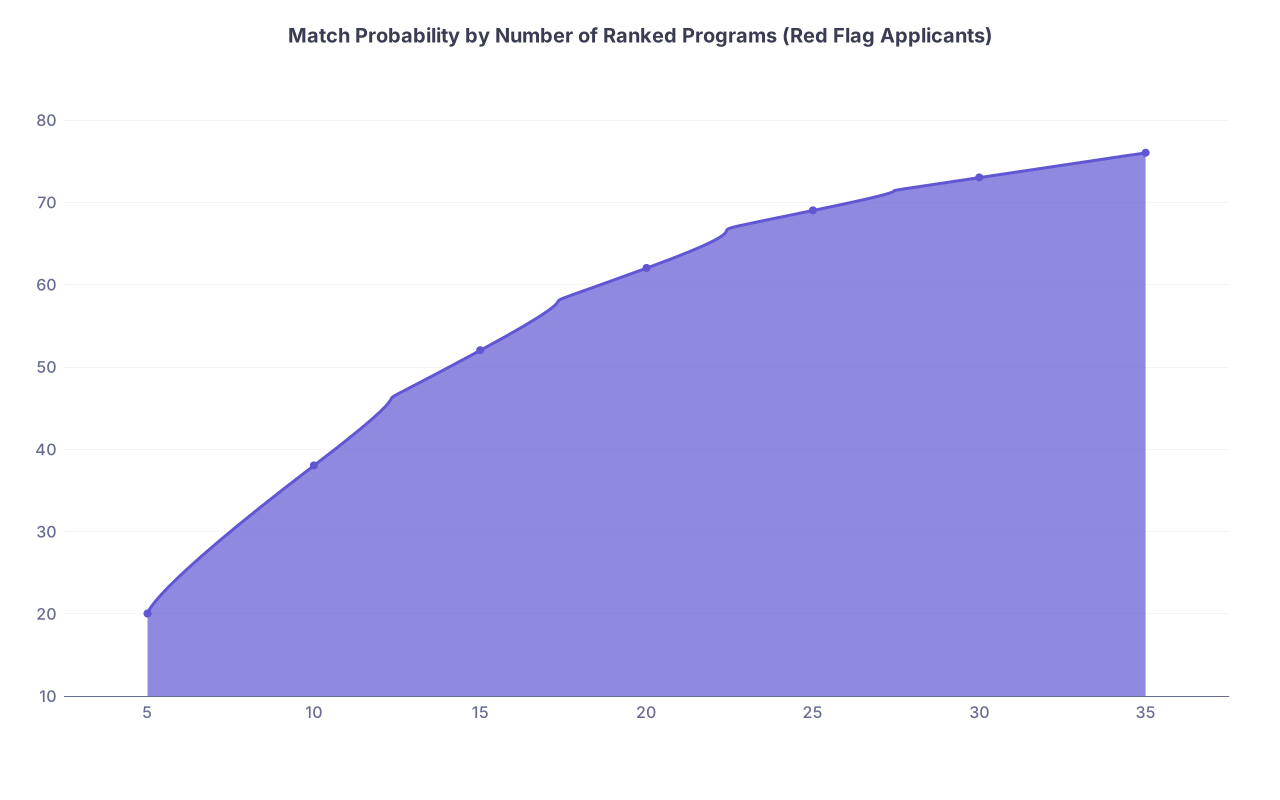
- Consider applying more broadly, including community and hybrid academic-community programs.
- Use your personal statement and interviews to address the early score as a resolved issue, not a current limitation.
2. How much detail should I share about personal or health issues that caused a gap or failure?
Share enough to:
- Make the situation understandable
- Reassure programs that it is resolved or well controlled
- Demonstrate maturity and responsibility
You do not need to disclose highly personal specifics (e.g., diagnoses, family names, intricate histories). Focus on:
- The impact on training
- The steps you took to address it
- Why it will not interfere with residency.
3. Is a failed COMLEX or USMLE attempt an automatic rejection for radiology?
Not automatically, but it is a significant red flag. You’ll need:
- Clear explanation of circumstances and lessons learned
- Documented improvement on later exams and rotations
- Strong letters supporting your reliability and growth
- A well-balanced, realistic program list
Many programs may still screen by exam performance, but a meaningful subset will review holistic stories, particularly when the applicant shows clearly addressed failures and now functions at a much higher level.
4. I didn’t match last cycle into radiology. How can I improve my chances this time?
Use your year strategically:
- Engage in radiology-related clinical work or research if at all possible.
- Maintain or refresh clinical skills via locum, prelim, or transitional year work (if you have one).
- Obtain new letters reflecting current performance and commitment to radiology.
- Reflect honestly on your prior application: scores, LORs, number/type of programs, interview skills.
- Explicitly address your previous unmatched status in ERAS as part of your story of perseverance and growth.
Addressing red flags as a DO graduate pursuing diagnostic radiology is not about hiding your past; it’s about owning your story, demonstrating transformation, and proving that you are ready now for the intensity and responsibility of radiology residency. With a thoughtful strategy—anchored in honesty, reflection, and measurable improvement—you can give programs the confidence they need to rank you, even in the presence of imperfections.