
Understanding Red Flags in a Global Health Residency Application
Global health draws applicants who are passionate, mission-driven, and often have non‑linear paths. Those same rich experiences, however, can create “red flags” in a residency application if not framed thoughtfully.
In the context of a global health residency track or international medicine–focused program, a red flag is anything that makes a selection committee pause and ask:
- “Is this applicant ready for the demands of residency?”
- “Can we trust them in resource‑limited or high‑stakes global health settings?”
- “Will they be coachable, professional, and resilient?”
Common red flags include:
- Academic struggles or exam failures
- Gaps in training or employment
- Professionalism or conduct concerns
- Frequent transitions between institutions or countries
- Visas, licensing, or regulatory issues for international work
This guide will help you understand how programs view these issues and how to explain gaps, address failures, and turn apparent weaknesses into evidence of growth—especially when applying to global health–oriented programs.
How Global Health Programs View “Red Flags”
1. The Dual Lens: Clinical Readiness and Global Suitability
Directors of global health residency tracks are evaluating you through two overlapping lenses:
Standard residency readiness
- USMLE/COMLEX performance
- Clinical evaluations and letters
- Professionalism and teamwork
- Reliability and communication
Global health suitability
- Adaptability to unfamiliar systems and cultures
- Ethical grounding (avoiding “voluntourism”)
- Resilience in low‑resource or high‑stress environments
- Commitment to health equity and long‑term engagement
A red flag in either domain will raise concerns, but it can sometimes be reframed as a strength if you show insight and growth. For instance:
- A leave of absence to care for a sick family member in another country may raise questions about continuity. But if you explain how it deepened your understanding of health systems and caregiver strain, it can support your global health narrative.
- A failed Step exam is worrying for any program. Yet if you demonstrate a structured remediation plan and later strong exam performance, it can suggest you will handle the steep learning curve of international medicine.
2. Why Global Health Programs Are Sometimes More Sensitive to Red Flags
Programs that invest heavily in international medicine often:
- Send residents to remote, resource‑limited sites
- Rely on partner institutions abroad who must trust trainees
- Face logistical and safety risks when residents struggle abroad
As a result, they may scrutinize:
- Professionalism concerns (lateness, poor communication, boundary issues)
- Emotional regulation and resilience
- Cultural humility and respect for local teams
- Follow‑through on commitments
In other words, the same red flag that might be “borderline OK” in a standard track may feel riskier if that resident is expected to function semi‑independently in a rural district hospital abroad.
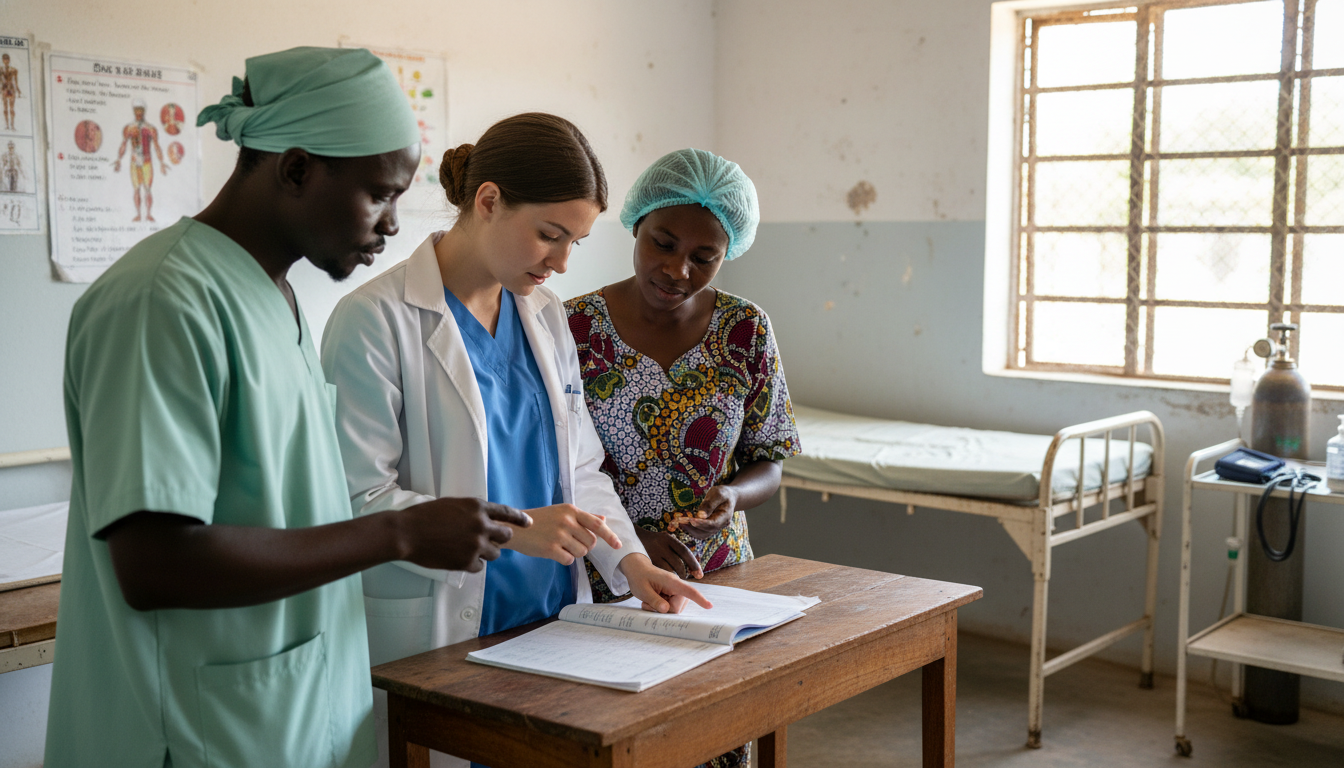
Common Red Flags and How to Address Them Effectively
1. Academic Struggles and USMLE/COMLEX Failures
How programs interpret it
- Step 1/Step 2 or COMLEX failures suggest:
- Difficulty mastering large volumes of material
- Problems with standardized test strategies
- Potential for struggling with in‑training exams or board certification
- In a global health residency track, where residents sometimes miss local rotations during overseas electives, programs worry:
- “Can this trainee stay on track academically while also doing global work?”
How to address failures and low scores
Your goal is to show:
- You understand what went wrong (no excuses, but honest context).
- You implemented a specific plan.
- You achieved measurable improvement.
Concrete steps:
Personal statement (or a short ERAS entry if preferred)
- Briefly acknowledge the failure(s).
- Provide focused context (illness, personal crisis, poor test‑taking strategies, language barrier), but avoid lengthy justifications.
- Emphasize: “Here is how I changed my approach.”
Describe a structured remediation strategy
- Tutoring or learning‑specialist support
- Formal study schedules, question banks, NBME practice tests
- Time‑management and test‑anxiety coaching
- If English is not your first language, mention intensive language or test‑prep work you pursued
Show the trajectory, not just the event
- Improved Step 2 or COMLEX Level 2 scores
- Strong performance on shelf exams or OSCEs
- Honors in core clerkships after the setback
- Feedback from faculty praising your growth and discipline
Example language (concise, professional)
During my Step 1 preparation, I struggled with test anxiety and ineffective study strategies, which resulted in a failing score. Recognizing this, I met with a learning specialist, implemented a structured study schedule using question‑based learning, and worked with a mentor to practice exam‑day routines. These changes led to a 23‑point improvement on my Step 2 CK and consistent honors on subsequent clinical clerkships. This experience taught me how to adapt quickly, ask for help early, and use setbacks as drivers for growth—skills I carry into my global health work.
Tie this to global health by emphasizing:
- Persistence when systems or resources are challenging
- Willingness to seek mentorship and collaborate
- Comfort acknowledging limitations and improving continuously
These are core virtues for international medicine.
2. Gaps in Training or Employment
Why gaps matter
Residency programs worry that unexplained gaps signal:
- Burnout or inability to manage stress
- Poor planning or professionalism
- Disciplinary issues being masked
- Loss of clinical skills over time
In global health, unstructured “time off” can also look like voluntourism rather than sustained, ethical engagement.
How to explain gaps constructively
Be transparent and direct.
Hiding or minimizing a gap is riskier than explaining it.Specify duration and main activities.
“July 2021 – February 2022: Full‑time caregiver for ill parent in rural India; completed online CME modules in internal medicine and telehealth during this period.”Highlight structure, growth, and maintained engagement with medicine.
- Part‑time clinical work or observerships
- Online coursework (e.g., global health, epidemiology, language study)
- Research, QI projects, or community health initiatives
- Shadowing or volunteering in relevant settings
Connect the experience to global health competencies, where appropriate:
- Navigating different health systems
- Appreciating caregivers’ perspectives
- Understanding barriers to care in low‑resource settings
Example: Gap for global health fieldwork
After my third year, I took a one‑year structured research fellowship with a university‑affiliated global health program in Rwanda (July 2021–June 2022). Under close mentorship, I worked on a project evaluating outcomes of a nurse‑led hypertension clinic, completed IRB training, and participated in weekly bedside teaching rounds. I maintained my clinical skills through supervised patient care and monthly case‑based conferences with faculty in the US. This year strengthened my understanding of implementation research and health systems, and reinforced my commitment to long‑term, partnership‑based global health work.
If your gap was for reasons that do not sound obviously “positive” (immigration issues, personal illness, burnout), you can still frame it usefully:
- Focus on what you learned (self‑care, boundary setting, resilience).
- Describe how you ensured patient safety by stepping away when you couldn’t perform optimally.
- Present evidence that you are now stable, supported, and ready for residency demands.
3. Professionalism and Conduct Concerns
Why this is particularly serious for global health
Global health residents represent not only their program, but also:
- Partner institutions abroad
- Funding organizations and NGOs
- Long‑standing academic collaborations
A single incident of unprofessional behavior overseas can damage years of relationship‑building with international partners.
Common professionalism red flags:
- Negative dean’s letter/MSPE comments (lateness, poor communication)
- Formal remediation plans or probation
- Conflict with supervisors or teamwork concerns
- Boundary issues with patients or colleagues
- Breach of ethics, plagiarism, or research misconduct
How to address professionalism issues
Acknowledge and take responsibility.
Avoid blaming others; even if there were contributing factors, focus on your part.Describe the feedback you received.
Show you listened and understood the concern.Explain the specific steps you took to improve.
- Time‑management training
- Professionalism workshops
- Counseling or coaching (for communication or conflict)
- Mentored QI projects targeting your behavior (e.g., punctuality, documentation)
Provide evidence of change.
- Subsequent positive evaluations mentioning reliability and professionalism
- Letters of recommendation noting your growth
- Leadership roles or peer‑teaching positions earned after the incident
Example: Lateness and teamwork issues
In my early third year, I received feedback that I was frequently late to morning rounds, which created tension within the team. This was a wake‑up call. I met with my clerkship director, created a structured morning routine, and set earlier personal deadlines for arrival. I also enrolled in a small‑group professionalism course focused on communication and team dynamics. Over the next rotations, my attendings commented on my reliability and improved collaboration. This experience taught me to respond to feedback quickly and transparently—an essential habit, especially when working in partner hospitals abroad where trust and reliability are crucial.
For international medicine, explicitly highlight:
- Respect for local hierarchies, cultures, and norms
- Commitment to clear communication, especially across language barriers
- Sensitivity to power imbalances between visiting teams and local staff

Explaining Red Flags in Interviews and Written Materials
1. Where to Address Red Flags
You typically have several venues:
- Personal statement
- Best for brief, narrative explanations tied to your growth and global health goals.
- ERAS “Additional Information” or Experiences section
- Good for factual clarifications (gaps, LOA, part‑time work, visas).
- Program‑specific supplementary essays
- Useful if a global health residency track asks about adversity, failures, or resilience.
- Interviews
- Where nuance, emotion, and insight come through; be prepared with a polished explanation.
2. The “Three‑Step” Framework for Discussing Any Red Flag
Use this approach for exam failures, gaps, professionalism issues, or anything else:
Context (brief and factual)
- What happened, when, and under what circumstances?
- Limit to 2–3 sentences; avoid excessive personal detail.
Response
- What did you do immediately afterward?
- Who did you seek help from?
- What specific changes did you implement (study plan, counseling, feedback loops)?
Growth and Evidence
- What did you learn about yourself?
- How did your performance, behavior, or outcomes improve afterward?
- How does this make you a better future global health resident?
Interview example: Addressing a failed Step exam
During my Step 1 preparation, I underestimated how much I needed structured guidance and I failed on my first attempt. I met with my dean and a learning specialist, developed a detailed study plan emphasizing question‑based learning, and built in weekly practice tests to monitor progress. Since then, I improved my Step 2 CK score by 24 points and consistently received honors in my core clerkships. This experience reinforced the importance of early help‑seeking, humility, and disciplined preparation—skills I rely on when facing unfamiliar or resource‑limited clinical environments abroad.
3. Tone and Body Language in the Interview
- Stay calm and matter‑of‑fact.
A defensive or overly emotional response can be more concerning than the red flag itself. - Own your story.
Speak in the first person and highlight what you did—not what others failed to do. - Keep it concise.
60–90 seconds is usually enough; let the interviewer ask follow‑ups if they want more detail. - Pivot back to your strengths and fit for global health.
End by connecting your growth to how you will function safely and effectively in international medicine.
Strategically Strengthening a “Red‑Flagged” Application for Global Health
Even with well‑explained red flags, you should proactively add strengths that reassure programs about your readiness.
1. Build a Coherent Global Health Narrative
Programs are wary of applicants who appear to use “global health” as a buzzword or as a way to “escape” issues in their home system. Your narrative should show:
- Long‑term interest (not just a single short trip)
- Engagement with ethics, equity, and partnerships
- Understanding of power dynamics and avoiding saviorism
- Realistic expectations for the intensity and complexity of global work
Concrete steps:
- Take coursework or certificates in global health, health systems, or epidemiology.
- Engage with immigrant/refugee health, underserved clinics, or local public health programs.
- Join a global health interest group and participate in journal clubs, QI projects, or advocacy.
2. Demonstrate Reliability and Maturity
Especially if your red flags relate to professionalism or gaps, show that you can:
- Maintain steady commitments (e.g., long‑term volunteering with a free clinic).
- Follow through on research or QI projects from start to dissemination (poster, paper, local presentation).
- Take on peer‑teaching or small leadership roles (curriculum committees, mentorship programs) after your red flag event.
3. Strengthen Academics and Clinical Skills
If your issue is academic:
- Improve your performance on recent exams and core clerkships.
- Seek strong, specific letters that state:
- “This student showed significant growth after prior academic difficulties.”
- “They are now functioning at or above the level of their peers.”
If you are an international medical graduate or had clinical gaps:
- Pursue US clinical experience (observerships or hands‑on electives where possible).
- Stay current with guidelines and practice via CME modules, case discussions, and simulation.
4. Choose Letter Writers Strategically
Ask for letters from faculty who:
- Supervised you after your red flag and can attest to improvement.
- Understand global health and can comment on:
- Cultural humility
- Ethical awareness
- Reliability in challenging settings
You can gently ask: “Would you feel comfortable commenting on my growth following [event] and my readiness for a global health–focused residency?”
5. Apply Thoughtfully to Global Health Residency Track Programs
Consider:
- Some programs have dedicated global health residency tracks with additional expectations.
- Others offer international electives without a formal track.
If your red flags are significant, you might:
- Apply broadly, including programs with robust global health opportunities but less rigid screening.
- Target programs whose mission explicitly includes:
- Working with nontraditional applicants
- Supporting remediation and development
- Diversity of backgrounds and pathways
Carefully review program websites and reach out (professionally and concisely) to program coordinators or global health track directors if you’re unsure whether your background aligns with their expectations.
Frequently Asked Questions
1. Should I mention every red flag in my personal statement?
No. Your personal statement should primarily highlight your motivations, values, and fit for global health and international medicine. Address major red flags (e.g., exam failure, leave of absence, professionalism incident) if:
- They are documented in your MSPE or transcript, and
- Not addressing them would leave readers confused or concerned.
Use brief, focused language in the personal statement or ERAS “Additional Information” section. Very minor issues (e.g., one low shelf score in an otherwise strong record) generally don’t need to be highlighted.
2. How can I explain gaps related to family responsibilities or personal health without oversharing?
Provide:
- Clear timeframe: “September 2020–March 2021”
- General reason: “Family caregiving,” “personal health,” or “immigration/visa processing”
- Assurance of current stability: That you are now able to meet residency demands
- Evidence of engagement: Any relevant study, CME, or structured activities during or after the gap
You are not required to share detailed medical information or highly personal family details. Focus on professionalism, growth, and readiness now.
3. Will a failed Step exam automatically exclude me from a global health residency track?
Not automatically, but it does raise the bar for the rest of your application. Programs vary in how rigid they are. Some key factors that can offset a failure:
- Strong improvement on subsequent exams
- Excellent clinical evaluations and letters of recommendation
- A compelling, coherent global health narrative
- Clear explanation of what happened and what changed
For very competitive global health residency tracks, you may need to apply more broadly and be realistic about where your profile is most competitive.
4. How do I show that a professionalism issue won’t repeat in a high‑stakes global setting?
You need to pair honest reflection with concrete evidence:
- Describe the specific feedback you received and your response.
- Provide examples of changed behavior over time: punctuality, communication, teamwork.
- Highlight experiences where you have since handled challenging situations professionally (e.g., coordinating care for complex patients, working with interdisciplinary teams, participating in global or underserved rotations without incident).
- Ask letter writers who have seen your growth to explicitly comment on your professionalism and reliability.
By combining self‑awareness, tangible improvement, and a thoughtful commitment to ethical global health, you can transform many red flags into credible evidence of resilience and readiness for a career in global health–oriented residency training.