
Developing Resilience in Medical Residency: Overcoming Challenges and Thriving
Residency is one of the most intense and formative phases in a physician’s career. It is a period of accelerated growth, high responsibility, and constant evaluation. The same experiences that make residency so valuable can also make it overwhelming: long hours, frequent overnight shifts, emotionally charged encounters, and seemingly endless learning curves.
Resilience—the capacity to adapt, recover, and grow in the face of stress and adversity—is not just a “nice to have” in this phase; it is a core clinical skill that directly influences patient care, learning, and long-term career satisfaction. Developing resilience in residency is central to burnout prevention, mental well-being, and sustainable performance.
This enhanced guide explores what resilience really means in the residency context, the most common challenges residents face, and evidence-informed strategies to build resilience, mindfulness, and emotional intelligence so you can not only survive residency, but truly grow through it.
Understanding Resilience in the Context of Medical Residency
Defining Resilience for Residents
In general terms, resilience is the ability to adapt to stress and bounce back from setbacks. In medical residency, resilience is more specific:
- Continuing to function and make safe clinical decisions under pressure
- Learning from complications, errors, and critical feedback rather than being crushed by them
- Reorganizing your habits and mindset after difficult calls, patient deaths, or conflict
- Maintaining some sense of meaning and identity outside of your role as “the resident”
Importantly, resilience is not about being invulnerable, stoic, or endlessly self-sacrificing. It does not mean “toughing it out” or ignoring your own needs. Instead, it is the flexible, adaptive capacity to respond wisely to stressors over time—protecting both your patients and your own well-being.
Resilience is also trainable. While personality and prior experiences play a role, research shows that skills such as mindfulness, cognitive reframing, emotional intelligence, and social support can significantly increase resilience and reduce burnout in clinicians.
Why Resilience Matters So Much in Residency
Residency sits at the intersection of high workload, high stakes, and limited control—conditions that reliably produce stress. Studies consistently show that around 40–60% of residents report burnout symptoms, depending on specialty and stage of training. This has real consequences:
- Patient care: Burnout is associated with more medical errors, reduced empathy, and impaired communication.
- Learning and performance: Chronic stress impairs memory, attention, and executive function—key for successful learning and safe clinical work.
- Personal well-being: Burnout correlates with depression, anxiety, sleep problems, substance misuse, and relationship strain.
- Career trajectory: Early-career burnout increases the risk of leaving medicine, switching specialties, or carrying chronic distress into attending life.
Resilience is one of the most powerful protective factors against these outcomes. Resilient residents tend to:
- Adapt better to schedule demands and clinical complexity
- Recover more quickly from emotionally difficult cases
- Maintain a sense of meaning and purpose in their work
- View challenges as growth opportunities rather than personal failures
Building resilience does not fix systemic problems by itself, but it equips you with tools to navigate them more safely while you advocate for broader change.
Common Challenges Residents Face: What You’re Up Against
Understanding the specific stressors of residency helps you target resilience-building strategies more effectively.
1. Long Hours, Fatigue, and Circadian Disruption
Even with duty-hour limits, residents often work:
- Extended shifts
- Rotating days and nights
- Weekends and holidays
This leads to:
- Sleep deprivation and irregular sleep patterns
- Cognitive fatigue (slower thinking, poor concentration)
- Increased emotional reactivity and irritability
Chronic exhaustion can quickly erode resilience and make small stressors feel overwhelming.
2. High Expectations and Constant Evaluation
Residency is filled with:
- Frequent formal evaluations
- Informal judgments from attendings, nurses, and peers
- Pressure to perform “perfectly” despite being a learner
This climate can fuel:
- Imposter syndrome (“I don’t belong here”)
- Fear of making mistakes or asking questions
- Harsh self-criticism and shame after errors or critical feedback
Over time, this undermines confidence and can accelerate burnout.
3. Emotional Strain and Moral Distress
Residents routinely encounter:
- Patient deaths and end-of-life decisions
- Severe trauma, tragedy, and suffering
- Ethical dilemmas and moral distress (e.g., treatments that feel futile, resource constraints, conflicting values)
This emotional load, if unprocessed, can contribute to:
- Numbness or depersonalization
- Compassion fatigue
- Sleep disturbance and intrusive thoughts
4. Work–Life Imbalance and Relationship Strain
Residency can dominate your life:
- Limited time for family, partners, friends, and hobbies
- Missed milestones (birthdays, weddings, holidays)
- Difficulty maintaining exercise, nutrition, and rest
Without deliberate boundaries and planning, work can crowd out everything else, weakening the very support systems that protect resilience.
5. Financial Stress and Future Uncertainty
Many residents juggle:
- Large educational debt
- Modest salaries
- Cost of relocation, board exams, and certifications
On top of this, there is often uncertainty about:
- Fellowship prospects
- Geographic stability
- Long-term career satisfaction
This financial and existential pressure adds another layer to the emotional burden of residency.

Core Strategies to Develop Resilience During Residency
Building resilience is not about one big intervention; it is the accumulation of small, intentional habits over time. Below are practical approaches you can begin using immediately.
1. Cultivating a Growth Mindset in Clinical Training
A growth mindset is the belief that abilities—clinical judgment, procedural skills, communication—can be developed through effort, feedback, and deliberate practice. This is especially powerful in residency.
How a Growth Mindset Protects Resilience
- Reframes mistakes and criticism as information, not identity
- Reduces the sting of negative evaluations (“This is something I can improve”)
- Encourages persistence in the face of difficult rotations, exams, or skills
Practical Ways to Build a Growth Mindset
- Reframe setbacks:
- Instead of: “I’m bad at ICU medicine.”
- Try: “I’m early in my ICU learning curve. What specific skills can I work on this week?”
- Ask for targeted feedback:
- “What is one thing I did well and one thing I should focus on improving for next time?”
- Use learning logs:
- After each shift, jot down: one thing you learned, one thing you did well, and one thing you want to improve.
- Normalize struggle:
- Remember: every attending you admire once felt lost and behind. Struggle is part of becoming competent, not evidence that you do not belong.
2. Practicing Mindfulness and Intentional Self-Care
Mindfulness and self-care are not indulgences; they are evidence-based tools for burnout prevention and emotional regulation.
Mindfulness for Residents
Mindfulness is the practice of paying attention, on purpose, in the present moment, without judgment. It helps you:
- Notice stress earlier, before it escalates
- Create a “pause” between stimulus (e.g., angry family member) and reaction
- Reduce rumination about past mistakes or future “what ifs”
Micro-practices you can use on shift:
- One-minute breathing reset:
- In between patients, take 5–10 slow breaths, noticing the sensation of air entering and leaving your body.
- Mindful hand-washing:
- Each time you wash your hands, use those 20–30 seconds to ground yourself in sensory experience rather than racing thoughts.
- Mindful charting:
- Before starting a note, pause for three breaths, then intentionally recall one humanizing detail about the patient.
Even 5–10 minutes of daily mindfulness practice (e.g., an app-guided meditation before bed) has been associated with reduced stress and improved emotional regulation.
Sustainable Self-Care in Residency
Self-care during residency needs to be realistic, not idealized. You may not have 90 minutes for the gym, but you can:
- Protect basic sleep whenever possible:
- Use blackout curtains and white noise post-call.
- Avoid caffeine within 6 hours of planned sleep.
- Keep a short, consistent “pre-sleep” routine (e.g., shower + 10 minutes of reading).
- Move your body daily in small ways:
- Take stairs when feasible, do a 10-minute stretch after sign-out, walk around the hospital campus on a break.
- Eat strategically, not perfectly:
- Keep quick, higher-protein snacks available (nuts, yogurt, cheese sticks, protein bars).
- Hydrate regularly—keep a water bottle at your workstation.
- Schedule micro-joys:
- A short coffee with a friend, 15 minutes of a favorite show, a brief call to family.
- Small positive experiences accumulate and protect against emotional depletion.
3. Building a Strong Support Network
Resilience is a team sport. Social connection is one of the most well-established buffers against burnout.
Professional and Peer Support
- Peer alliances:
- Identify 1–3 co-residents you can be honest with about how you are doing.
- Debrief difficult cases together; share both clinical lessons and emotional reactions.
- Mentorship:
- Seek at least one mentor inside your program and, ideally, another outside your program or institution.
- Use mentorship to discuss not only career decisions but also coping strategies and work–life integration.
- Interprofessional relationships:
- Build rapport with nurses, pharmacists, therapists, and support staff.
- These colleagues often provide invaluable practical and emotional support.
Personal Support Outside Medicine
- Maintain non-medical relationships:
- Set recurring check-ins with family or friends (e.g., Sunday afternoon calls).
- Be transparent about your schedule and fatigue so they can understand your constraints.
- Communicate with partners:
- Discuss expectations about chores, finances, and time together during heavy rotations.
- Plan protected time together, even if brief, to avoid drifting apart.
Leaning on others is not a weakness; it is a key component of resilience.
4. Setting Realistic and Strategic Goals
In residency, it is easy to feel like you are perpetually behind. Clear, realistic goals help you maintain focus and a sense of progress.
Using SMART Goals in Residency
Effective goals are Specific, Measurable, Achievable, Relevant, and Time-bound (SMART).
Examples:
- “During this ICU month, I will independently present and write notes on at least 4 patients per day by the end of week 2.”
- “Over the next 3 weeks, I will practice one new ultrasound exam each shift and review my images with a senior.”
- “For the next month, I will do a 10-minute mindfulness practice at least 4 days per week.”
Tracking Progress and Adjusting
- Use a notebook, digital note, or app to log progress weekly.
- When goals are not met, avoid self-blame; instead ask, “What barrier did I encounter, and how can I adjust?”
- Celebrate small wins—completing a challenging procedure, handling a family meeting well, or just making it through a brutal call with compassion intact.
Progress, not perfection, is the goal.
5. Developing Emotional Intelligence for Clinical Practice
Emotional intelligence (EI) is the ability to recognize, understand, and manage emotions in yourself and others. High EI is strongly linked to better teamwork, leadership, and resilience.
Components of Emotional Intelligence Relevant to Residents
- Self-awareness: Noticing your own emotional state (“I’m feeling defensive right now”)
- Self-regulation: Managing impulsive reactions (“I’m going to pause before responding”)
- Empathy: Accurately perceiving others’ feelings and perspectives
- Social skills: Communicating clearly, de-escalating conflict, building rapport
Practical Ways to Build Emotional Intelligence
- Name your emotions:
- After a tough interaction, ask yourself: “What exactly am I feeling—anger, guilt, shame, fear, frustration?” Naming emotions reduces their intensity and helps you respond more thoughtfully.
- Use the “pause button”:
- When triggered (e.g., harsh attending feedback), take 3–5 slow breaths before replying. Respond from curiosity, not reactivity: “Can you help me understand what I should do differently next time?”
- Practice empathic statements with patients and families:
- “I can see how upsetting this has been for you.”
- “It makes sense that you’re frustrated; this has been a long wait.”
- Reflect regularly:
- During your commute or before sleep, briefly review one emotionally charged interaction from the day. What did you feel? What did the other person likely feel? What might you try differently next time?
Emotional intelligence can transform challenging encounters from sources of constant stress into opportunities for connection and growth.
6. Utilizing Institutional and Professional Resources
Resilience is not solely an individual responsibility. Residency programs and healthcare systems have an obligation to create conditions that support trainee well-being.
Institutional Supports You Can Seek Out
- Employee assistance programs (EAP): Free, confidential counseling services for stress, grief, relationship issues, and more.
- Resident wellness committees or programs: Often provide workshops on mindfulness, time management, financial literacy, and mental health.
- Peer support or debriefing teams: Structured programs to process difficult cases or adverse events.
- Occupational health & sleep facilities: Nap rooms, call-room accommodations, and fatigue management policies.
If you are not sure what is available, ask your program director, chief residents, or GME office.
When to Seek Professional Help
Burnout and stress can progress to clinical depression, anxiety disorders, or other mental health conditions. Consider seeking professional help if you experience:
- Persistent low mood, hopelessness, or loss of interest
- Frequent crying spells or emotional numbness
- Thoughts of self-harm or that others would be better off without you
- Severe anxiety, panic attacks, or inability to sleep despite exhaustion
- Reliance on substances to cope with stress
Confidential, evidence-based help is a form of resilience, not a sign of failure. Early intervention can be life-changing.
Real-World Examples: Resilience in Action
Case 1: Sarah – Overcoming Burnout Through Community and Mindfulness
By her third year of internal medicine residency, Sarah felt depleted. She dreaded coming to work, snapped at colleagues, and felt emotionally numb with patients. She recognized classic signs of burnout.
Instead of suffering in silence, she opened up to a co-resident, who admitted feeling similarly. They discovered many peers shared the same struggles. Together, they:
- Started an informal monthly debrief group after call
- Invited a faculty mentor with expertise in wellness to facilitate the first session
- Incorporated a brief mindfulness exercise at the start of each meeting
- Used the time to normalize struggle, share coping skills, and celebrate small wins
Within a few months, Sarah felt less isolated and more energized. She still had hard days, but she had a community, language for her experience, and practical tools to manage it. Her trajectory illustrates how connection and mindfulness can significantly strengthen resilience.
Case 2: James – Using Mentorship and Growth Mindset to Face a Daunting Rotation
James, a second-year resident, was anxious about an upcoming cardiology rotation known for its high acuity and demanding attendings. He worried that struggling would confirm his inner fear that he was not “cut out” for intensive specialties.
Before the rotation, he met with a trusted mentor and shared his concerns. The mentor:
- Normalized his anxiety, sharing his own early-career struggles
- Helped James set SMART goals for the month (e.g., independently interpret 10 EKGs daily, prepare 1 brief focused cardiac teaching point each day)
- Encouraged him to view each challenging case as a learning opportunity, not a performance test
Throughout the rotation, James tracked his progress and regularly sought feedback. He made plenty of mistakes, but he reframed them as part of his learning curve instead of as personal failures. By the end of the month, he not only passed the rotation confidently but discovered a real interest in cardiology.
James’ experience demonstrates how mentorship, structured goals, and a growth mindset can turn anxiety-provoking challenges into catalysts for growth.
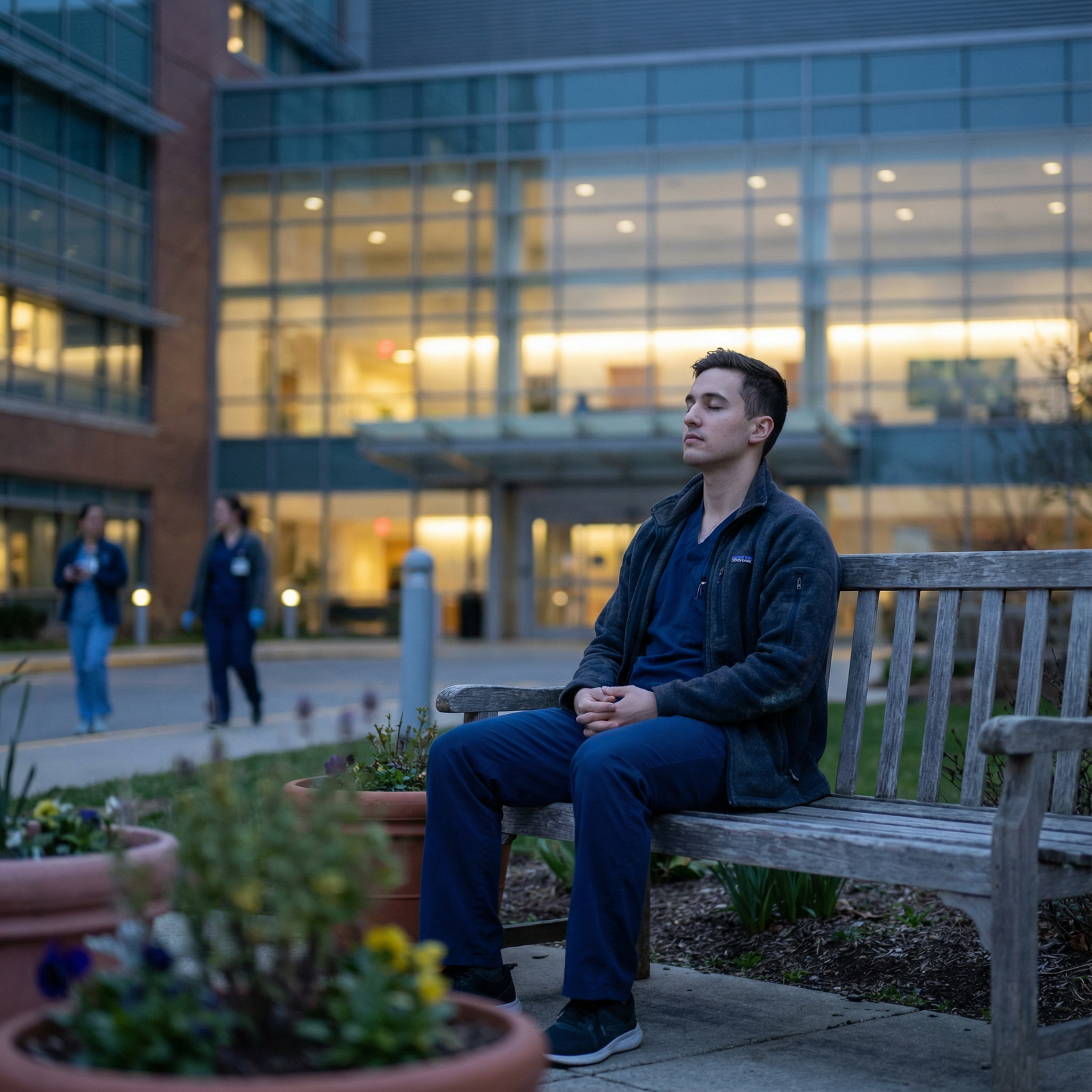
FAQ: Resilience, Burnout Prevention, and Well-Being in Residency
1. How can I tell if what I’m feeling is “normal stress” or true burnout?
Some stress is inevitable in residency, but burnout typically involves three key features:
- Emotional exhaustion: Feeling drained most days, dreading work, or struggling to recover even after days off.
- Depersonalization: Becoming cynical, detached, or numb toward patients and colleagues.
- Reduced sense of accomplishment: Feeling that nothing you do matters or that you are ineffective, regardless of objective performance.
If these symptoms are persistent (weeks to months) and affecting your functioning, relationships, or sense of self, you may be experiencing burnout and should consider reaching out to a mentor, program leadership, or mental health professional.
2. What are some quick, practical strategies I can use on a busy shift to reduce stress?
On even the busiest shifts, small interventions can help:
- Take three slow, deliberate breaths before entering each new patient room.
- Do a 60-second body scan (noticing tension in shoulders, jaw, hands) and consciously relax those areas.
- Spend 30–60 seconds after a difficult encounter labeling what you feel (“That was frustrating and sad”).
- Step away for a brief walk around the unit when possible, even if only for 2–3 minutes, to reset.
These micro-practices of mindfulness and emotional awareness, used consistently, can significantly support resilience.
3. How can I build emotional intelligence if I’m not naturally “good with feelings”?
Emotional intelligence is a skill set, not a fixed trait. To build it:
- Practice naming your own emotions once or twice a day.
- After conflicts or tense interactions, reflect briefly: What was I feeling? What might the other person have been feeling?
- Use simple empathic statements in conversations: “That sounds really difficult” or “I can see why you’d feel that way.”
- Seek feedback from trusted peers or mentors about your communication style and responses under stress.
Over time, these habits make it more natural to notice and work with emotions—your own and others’—instead of being overwhelmed by them.
4. What should I do if I feel I’m at my breaking point in residency?
If you feel you are at or near your breaking point:
- Tell someone you trust immediately—a co-resident, chief, mentor, or family member. You do not need to carry this alone.
- Contact mental health resources (EAP, student/employee counseling, or an outside therapist). If you have thoughts of self-harm, seek urgent care or call an emergency line right away.
- Talk to your program leadership when possible. Many programs can adjust schedules, grant leave, or provide accommodations to support your recovery.
- Prioritize basics—sleep, hydration, food, and movement—to the extent possible while you get help.
Reaching out is a sign of strength and professionalism. Many physicians have been where you are and recovered with support.
5. Does building resilience mean accepting poor working conditions or systemic problems?
No. Developing resilience is about protecting your mental health and functioning within the current system, not excusing unsafe or unjust conditions. Both can be true:
- You can work on your own coping skills, mindfulness, and emotional intelligence.
- You can also advocate—with peers, wellness committees, and leadership—for structural changes that reduce unnecessary burdens (e.g., better staffing, protected didactics, safe work hours).
Personal resilience and systemic improvement are complementary, not competing, strategies.
Resilience in medical residency is not about never struggling; it is about how you respond when—not if—challenges arise. By cultivating a growth mindset, integrating mindfulness and self-care, building strong support networks, setting realistic goals, and strengthening emotional intelligence, you create a sustainable foundation for your development as a physician.
Residency is a marathon, not a sprint. Investing in your resilience now will not only help you navigate this demanding phase, but also support a lifetime of competent, compassionate, and fulfilling medical practice.