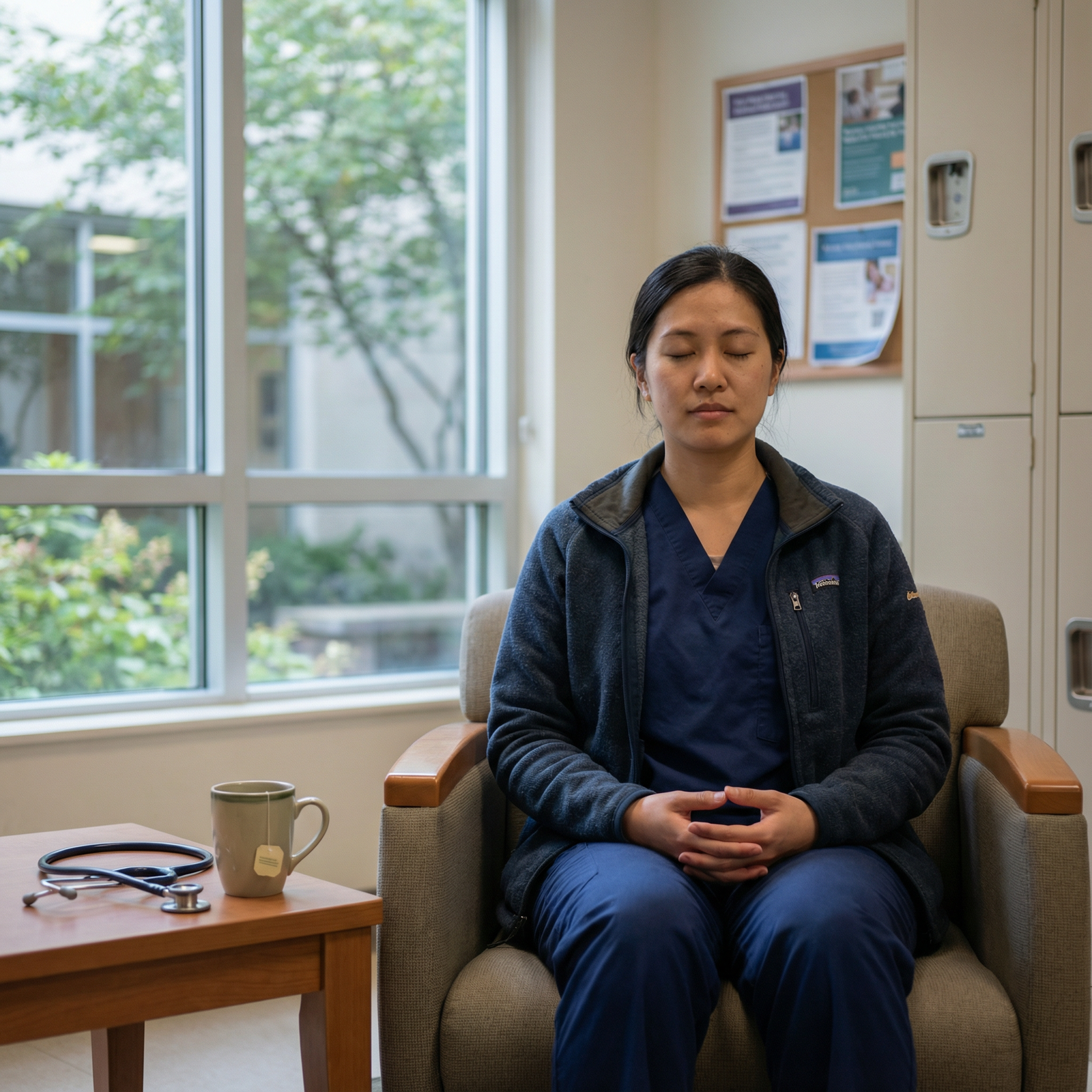
Introduction: Why Stress Management Matters in Medical Residency
Medical residency is one of the most demanding and formative phases in a physician’s career. Long shifts, overnight calls, responsibility for critically ill patients, constant evaluations, and the pressure to keep learning all converge into a uniquely stressful environment. A certain amount of stress can be motivating, but chronic, unrelieved stress can erode your performance, compassion, and health.
Effective Stress Management during Medical Residency is not a bonus skill—it is a core professional competency. Residents who proactively protect their Mental Health, practice Self-Care, and build sustainable coping strategies are more likely to:
- Deliver safer, more consistent patient care
- Maintain empathy and professionalism
- Avoid burnout, depression, and anxiety
- Preserve relationships outside of work
- Sustain a long, fulfilling career in medicine
This expanded guide explores practical, evidence-informed stress management techniques tailored specifically for residents. It integrates Mindfulness, time management, cognitive strategies, and lifestyle tools you can realistically use within residency’s constraints.
Understanding Stress During Residency: What You’re Really Up Against
The Unique Nature of Stress in Residency
Stress in residency is multidimensional. Naming these stressors helps you address them more precisely rather than feeling vaguely “overwhelmed.”
Common stressors include:
Time Pressure and Workload
- Back-to-back admissions and discharges
- Heavy patient lists with complex care needs
- Time-consuming documentation and EMR demands
- Limited control over your schedule
Academic and Performance Pressure
- Studying for in-training exams and board exams
- Pressure to publish, present, or build your CV
- Constant evaluations by attendings and peers
- Fear of making mistakes or missing diagnoses
Emotional and Ethical Burdens
- Caring for severely ill or dying patients
- Delivering bad news to patients and families
- Experiencing moral distress when system limitations affect care
- Witnessing suffering, injustice, or errors
Work-Life Imbalance
- Difficulty maintaining relationships and family roles
- Missing significant personal events and holidays
- Limited time for exercise, hobbies, or rest
- Living far from support systems or working in a new city
Organizational and System Stressors
- Inadequate staffing and support
- Complex hospital politics and hierarchy
- Frequent transitions between rotations and teams
Recognizing which of these are affecting you most is the first step in building a targeted Stress Management plan.
Consequences of Unmanaged Stress in Medical Residency
When stress is intense and chronic without adequate recovery, it can lead to:
Burnout
- Emotional exhaustion
- Depersonalization or cynicism toward patients
- Reduced sense of personal accomplishment
Mental Health Challenges
- Depression and anxiety
- Sleep disturbances and insomnia
- Increased substance use as a coping mechanism
Physical Health Issues
- Headaches, GI problems, chronic fatigue
- Weakened immune function (more frequent illness)
- Exacerbation of pre-existing conditions
Professional Impact
- Impaired concentration and decision-making
- Increased risk of medical errors
- Decreased learning efficiency and retention
The goal is not to eliminate stress—it is to learn structured techniques that help you stay grounded, effective, and human in a demanding environment.
Mindfulness and Meditation: Core Tools for Staying Grounded
Mindfulness is one of the most studied and effective Stress Management tools for health professionals. It involves intentionally paying attention to the present moment with curiosity and without judgment. For residents, Mindfulness can be integrated into brief, realistic moments throughout the day.
Practical Mindfulness Techniques for Residents
You do not need hour-long meditation sessions to benefit. Start small and protect consistency.
1. Micro-Meditations (1–3 Minutes)
Box Breathing (4–4–4–4)
- Inhale for 4 seconds
- Hold for 4 seconds
- Exhale for 4 seconds
- Hold empty for 4 seconds
- Repeat for 1–3 minutes while waiting for labs to load or walking between floors
3-Breath Pause Between Tasks
- Before entering a patient room, pause
- Take 3 slow, deliberate breaths
- Set a brief intention: “Be present. Listen. Be kind.”
2. Body Scan for Tension Release
At the start or end of a shift:
- Sit or lie down, close your eyes if it feels safe
- Slowly scan from head to toe, noticing areas of tension
- With each exhale, intentionally soften the muscles in one area (jaw, shoulders, back, hands)
- Even 3–5 minutes can help reset your nervous system
3. Mindful Walking in the Hospital
Turn routine walking into Mindfulness practice:
- Notice the feeling of your feet contacting the ground
- Observe your breath and body posture
- Acknowledge any thoughts (e.g., “I’m behind,” “I’m anxious”) and gently return to the physical sensations of walking
Making Mindfulness Sustainable
- Use apps (e.g., Headspace, Calm, Insight Timer, or residency wellness apps) for brief guided exercises
- Pair Mindfulness with existing habits (e.g., right after you scrub out, before you log into the EMR)
- Aim for “most days” rather than perfection
Mindfulness is not about erasing stress; it is about changing your relationship to it so you can respond with clarity rather than react automatically.

Time Management and Workflow: Reducing Preventable Stress
Time pressure is one of the most intense stressors in Medical Residency. You cannot control your entire schedule, but you can optimize how you work within it.
Core Time Management Strategies for Residents
1. Prioritize with Clinical Clarity
Use a simple triage approach for your to-do list:
- Critical and Time-Sensitive
- Unstable patients, STAT orders, urgent family updates
- Important but Less Urgent
- Discharge summaries, daily notes, follow-up calls
- Can Be Deferred or Delegated
- Non-urgent paperwork, minor administrative tasks, tasks appropriate for other team members
The Eisenhower Matrix (urgent vs. important) can be mentally adapted to your patient list during prerounds or sign-out.
2. Structure Your Day Intentionally
- Morning Routine
- Quick review of labs and vitals for sickest patients first
- Identify top 3 priorities for the morning and top 3 for the afternoon
- Batch Similar Tasks
- Place multiple orders at once when possible
- Write notes in batches to reduce task-switching fatigue
- Use Templates and Smart Phrases
- Develop standardized note templates and phrases in your EMR
- Pre-save common assessments, plans, and patient education notes
3. Use Planning Tools That Fit Residency Reality
- Digital tools: Notion, Todoist, or EMR task lists for checklists and reminders
- Paper pocket cards: A folded index card or small notebook with daily patient “to-dos”
- Set 2–3 daily realistic goals (e.g., “Finish notes by 5 pm,” “Review 5 practice questions,” “Exercise 15 minutes”)
Protecting Time for Rest and Self-Care
Stress Management requires deliberate scheduling of recovery:
- Treat sleep like a critical procedure, not an optional luxury
- Pre-schedule exercise and social time on lighter days
- Build “buffer zones” (e.g., 15 minutes after call for decompression before driving home)
Even small improvements in Time Management can reduce cognitive overload and preserve bandwidth for learning and patient care.
Physical Health Foundations: Exercise, Sleep, and Nutrition for Resilience
Your brain is part of your body. Protecting your physical health is one of the most powerful ways to safeguard your Mental Health and ability to cope with residency stress.
Exercise: Realistic Movement Strategies for Residents
Regular Physical Activity reduces anxiety, improves mood, and enhances cognitive performance. It does not require a full gym routine.
Ideas for busy rotations:
10-Minute “Snack” Workouts
- Bodyweight squats, push-ups, lunges, planks for 10 minutes at home or in a call room
- Use YouTube or app-based high-intensity interval training (HIIT) for short guided sessions
Stair Intervals at Work
- Take stairs instead of elevators when possible
- Do 5 minutes of brisk stair climbing once or twice during a long shift, if safe and feasible
Active Commuting
- Walk or bike part of your commute if conditions allow
- Park farther away or get off public transit one stop early
Aim for consistency over intensity. Even 60–90 minutes of total activity per week is better than none and can significantly improve Stress Management and sleep.
Sleep: Protecting Rest in a 28-Hour-Call World
You cannot always get 8 hours, but you can improve the quality and regularity of the sleep you do get.
Strategies for residents:
Optimize Sleep Environment
- Dark, cool, and quiet room (use blackout curtains, earplugs, and white noise if needed)
- Keep your bed mostly for sleep, not for charting or studying
Strategic Napping
- Before overnight call: a 60–90-minute nap if possible
- During call: 20–30-minute naps when safe and allowed to reduce fatigue
Pre-Sleep Routine
- 15–20 minutes of winding down: light reading, stretching, or brief meditation
- Minimize bright screens 30–60 minutes before bed when possible
- Avoid large heavy meals or high caffeine intake late in the day
Prioritizing sleep is not selfish—it directly impacts patient safety and your long-term health.
Nutrition and Hydration: Fueling Your Body and Brain
Residency makes consistent healthy eating challenging, but small, sustainable strategies matter.
Practical tips:
Batch-Prep Simple Meals
- Prepare large portions of protein, grains, and vegetables once or twice a week
- Use containers you can grab quickly on your way out
Smart Snacks at Work
- Keep nuts, fruit, yogurt, granola bars, or hummus and crackers available
- Avoid relying exclusively on vending machine snacks or sugary drinks
Hydration Habits
- Carry a refillable water bottle on rounds
- Pair hydration cues with routine tasks (e.g., drink water after each patient exam or note)
Manage Caffeine Wisely
- Use caffeine strategically early in your shift
- Avoid large doses close to your expected sleep time
- Notice if caffeine worsens your anxiety and adjust accordingly
These small nutrition and hydration choices accumulate into better energy, mood, and cognitive clarity.
Building Social Support and Psychological Coping Skills
Social connection and cognitive flexibility are powerful buffers against stress and burnout in Medical Residency.
Social Support Systems: You Are Not Meant to Do This Alone
Strong relationships can protect your Mental Health and promote resilience.
Ways to strengthen your support network:
Peer Support Among Co-Residents
- Informal post-shift debriefs over coffee or a short walk
- Group chats for encouragement, sharing resources, and venting
- Peer-led wellness groups or Balint-style reflection groups
Mentorship and Sponsorship
- Seek mentors a few years ahead of you who understand your specialty’s demands
- Ask specifically about how they handled stress, family, and career decisions
- Use institutional resident wellness programs or faculty advisors
Maintaining Relationships Outside Medicine
- Schedule regular, even brief, check-ins with family or friends (e.g., standing weekly video call)
- Be honest about your constraints, but let people know you value their presence in your life
Social support does not eliminate stress, but it helps ensure you do not carry it alone.
Cognitive Behavioral Techniques: Reshaping Unhelpful Thought Patterns
Cognitive Behavioral Therapy (CBT) principles can help you identify and challenge mental habits that intensify stress.
1. Identify Common Cognitive Distortions
Residents frequently experience:
All-or-Nothing Thinking
“If I don’t know everything, I’m incompetent.”Catastrophizing
“If I make one mistake, my career is over.”Overgeneralization
“I struggled with that case, so I’m bad at this specialty.”Personalization
“My attending’s bad mood means I’m failing.”
2. Reframe and Challenge These Thoughts
Use a simple three-step approach:
Catch the Thought
- Write it down or mentally note it when stress spikes.
Question the Evidence
- “What actual evidence supports this? What evidence goes against it?”
Create a More Balanced Statement
- Instead of “I’m terrible at this,” try:
“I’m still learning. I made mistakes today, but I also did some things well and can improve with feedback.”
- Instead of “I’m terrible at this,” try:
3. Gratitude and Strengths Focus
- Write down 3 things you did well or are grateful for at the end of a shift (even small wins).
- Over time, this shifts attention away from only errors and shortcomings to a more realistic, balanced view of your growth.
These techniques support emotional resilience and decrease the intensity of negative self-talk that often accompanies residency.
Boundaries, Self-Care, and Knowing When to Get Help
Self-Care and boundaries are not indulgent; they are necessary safeguards for sustainable practice.
Setting Healthy Boundaries in Residency
While you cannot control duty hours entirely, you can set boundaries in other ways:
Protect Your True Time Off
- When you are post-call or off-duty, avoid checking work email or EMR unless absolutely necessary.
- Let co-residents know you will respond when back on duty, barring emergencies.
Say “No” Strategically
- You cannot say yes to every optional project, committee, or research opportunity.
- Prioritize those aligned with your career goals and energy capacity.
Clarify Expectations Early
- Ask attendings or chiefs about expectations for notes, pre-rounding, and after-hours availability.
- Clear expectations reduce anxiety and unnecessary overwork.
Self-Care Practices That Fit Residency Realities
Think of Self-Care as “routine maintenance” rather than a one-time treat.
Examples:
Mini Joy Rituals
- A favorite podcast on your commute
- 10 minutes of music, reading fiction, or stretching before sleep
- A short walk in nature on days off
Creative or Restorative Outlets
- Journaling about meaningful or challenging cases
- Light art, music, or other hobbies that don’t require long blocks of time
Digital Boundaries
- Set time limits on social media apps, especially before bed
- Mute or unfollow accounts that heighten anxiety or comparison
Recognizing When You Need Additional Help
No one is immune to mental health struggles. Know the warning signs that you may need professional support:
- Persistent low mood or loss of interest in activities you used to enjoy
- Significant changes in sleep, appetite, or energy
- Recurrent thoughts of self-harm or that life is not worth living
- Increased substance use to cope
- Difficulty functioning at work or maintaining relationships
If you notice these signs:
- Reach out to your primary care clinician, a mental health professional, or your institution’s confidential counseling services
- Contact a trusted attending, mentor, or chief resident
- If you are in immediate danger or thinking about self-harm, seek urgent or emergency help right away
Taking action is a sign of professionalism and courage, not weakness.
Case Studies: Realistic Examples of Successful Stress Management
Case Study 1: Sarah’s Mindfulness and Workflow Reset
Sarah, a PGY-2 surgical resident, felt constantly on edge during a high-intensity trauma rotation. She was exhausted, short-tempered, and worried she was losing her empathy.
What changed:
- She began using a 10-minute guided meditation each morning before leaving for the hospital.
- On rounds, she practiced a 3-breath pause before entering each patient’s room.
- She streamlined her note-writing with EMR templates and batched her documentation.
Results over several weeks:
- Improved focus in the OR and fewer mental “blank” moments
- Greater emotional stability during complex cases
- A sense of control over at least part of her day, even amid chaos
Case Study 2: John’s Community and Boundaries
John, an internal medicine resident, felt isolated and emotionally drained during a stretch of heavy inpatient rotations. He noticed he was withdrawing from colleagues and friends.
What changed:
- He initiated a weekly informal “resident dinner” after payday, where people could share stories and decompress.
- He set a specific “no EMR” rule on his one full day off each week.
- He reached out to a senior resident mentor to talk openly about burnout and coping strategies.
Results:
- A stronger sense of camaraderie and support within his class
- Relief from the feeling that “everyone else is handling this better than I am”
- Renewed energy and perspective, plus practical tips from his mentor on managing workload
These stories highlight that small, consistent changes—not dramatic overhauls—make the biggest difference.

FAQ: Stress Management and Mental Health in Medical Residency
1. What should I do if I feel overwhelmed during residency?
First, recognize that feeling overwhelmed is extremely common and not a sign of failure. Start by:
- Pausing for a few slow, intentional breaths
- Prioritizing your immediate tasks (focus on the sickest patients and most urgent responsibilities)
- Reaching out to a co-resident, chief, or attending for help with triaging workload
- Using brief Mindfulness or grounding techniques to reduce acute anxiety
If the feeling of overwhelm persists for days or weeks, consider speaking confidentially with a mental health professional or using your institution’s wellness resources.
2. How can I realistically fit exercise into a resident’s schedule?
Think in terms of small, frequent bouts rather than long gym sessions:
- 10–15 minutes of bodyweight exercises at home before or after a shift
- Brisk walking or taking the stairs during breaks
- Short workouts on lighter days, and active rest (like walking or yoga) on post-call days
Schedule these as non-negotiable appointments with yourself, just like you would for clinic or didactics.
3. What role does nutrition play in managing stress during residency?
Nutrition directly affects your energy, concentration, and mood. Inconsistent meals or heavy reliance on fast food and sugar can lead to energy crashes and irritability. Aim for:
- Regular intake of whole foods (fruits, vegetables, lean proteins, whole grains)
- Healthy snacks on hand to avoid long periods without food
- Steady hydration and thoughtful caffeine use
These changes don’t have to be perfect; incremental improvements can noticeably enhance how you feel on and off shift.
4. How can I build and maintain a support network during busy training years?
- Be intentional about connecting with co-residents (shared meals, group chats, debrief sessions)
- Participate in residency wellness events, journal clubs, or interest groups
- Maintain at least one regular point of contact with someone outside medicine (family, partner, or friend)
- Seek a mentor early—someone you can talk to about career, stress, and life decisions
Consistency is more important than duration; even brief, regular interactions help prevent isolation.
5. When should I seek professional help for stress or mental health concerns?
Consider professional support when:
- Stress, anxiety, or low mood persist for several weeks
- You notice major changes in sleep, appetite, or motivation
- You struggle to function at work or maintain relationships
- You use alcohol or other substances more frequently to cope
- You experience thoughts of self-harm or hopelessness
Early intervention is protective. Most residency programs have confidential, low-barrier access to mental health services—using them is an act of responsibility toward yourself and your patients.
Prioritizing Stress Management, Mindfulness, and Self-Care throughout Medical Residency is not optional if you want a sustainable, meaningful career. By integrating even a few of these strategies—protecting your sleep, building social support, restructuring your thoughts, and adding brief Mindfulness and movement—you can move from merely surviving training to truly growing through it.