Why Maintaining Hobbies During Residency Matters
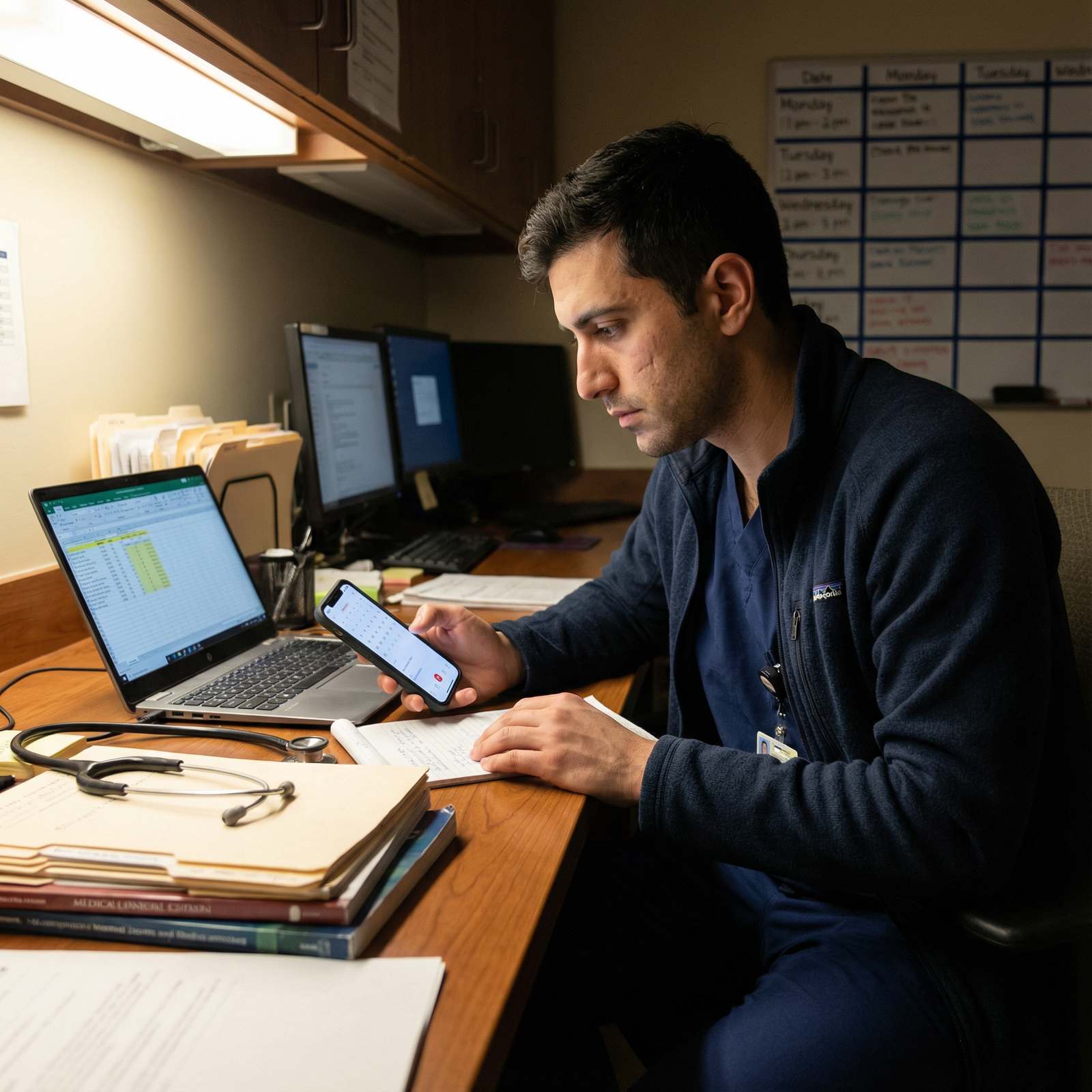
Entering residency can feel like being dropped into the center of a storm. Long shifts, overnight calls, relentless pages, and emotionally intense encounters with patients can quickly consume every ounce of energy and attention. In this environment, it’s easy for personal interests to fade into the background.
Yet, holding on to your hobbies during residency is not a frivolous luxury—it’s a critical component of protecting your Mental Health, sustaining your motivation, and supporting long-term career longevity in medicine. Thoughtfully integrating activities you enjoy can improve Work-Life Balance, help you cope with stress, and make this demanding phase of Medical Training more sustainable.
This expanded guide explores why hobbies matter so much during residency, practical strategies to maintain them, and real-world examples from physicians who successfully protected time for their passions.
The Benefits of Hobbies for Residents’ Well-Being
Hobbies as a Protective Factor for Mental Health
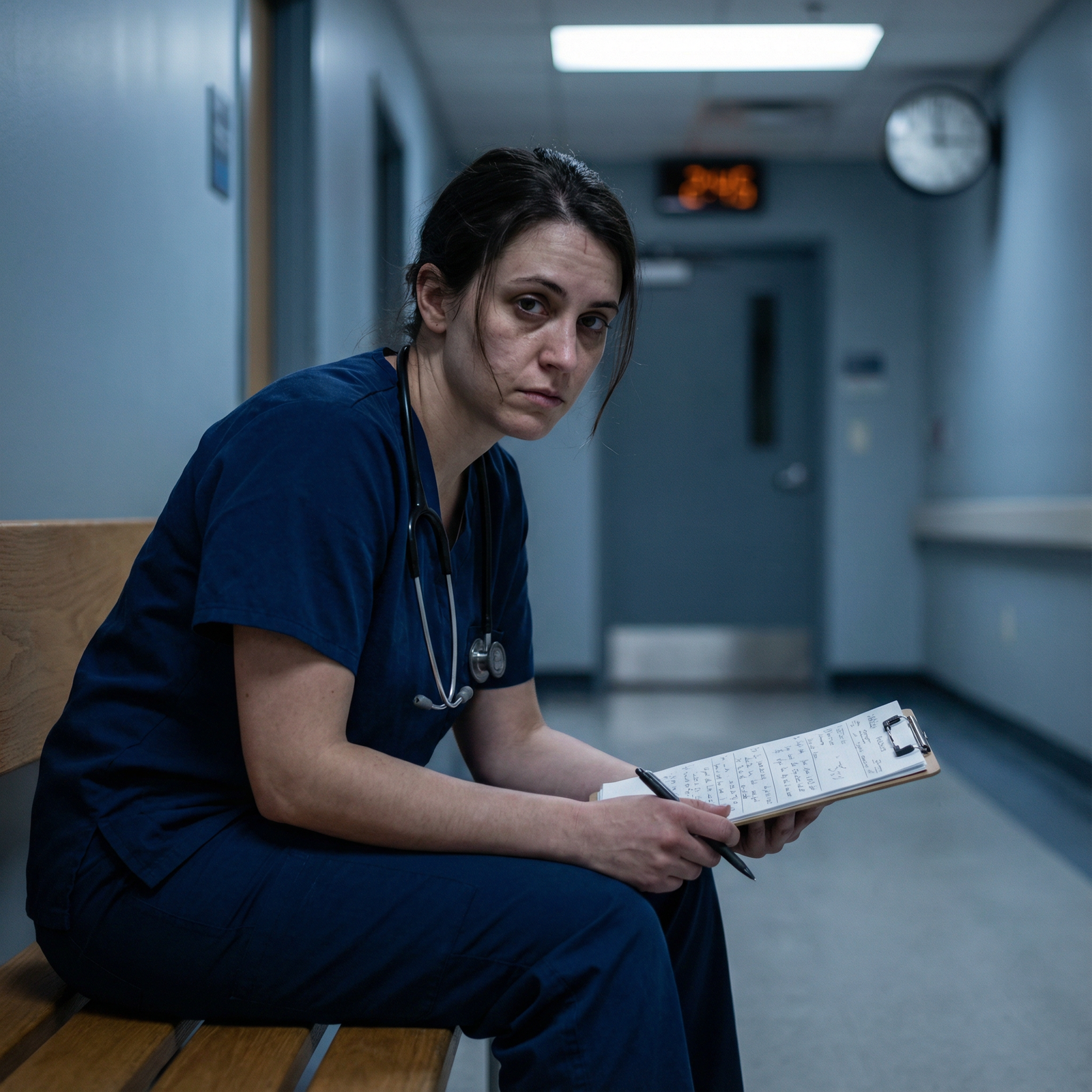
Residency is a well-known risk period for burnout, anxiety, depression, and emotional exhaustion. Hobbies act as a powerful counterweight.
- Stress reduction: Engaging in enjoyable activities—whether cooking, playing an instrument, running, or gardening—activates reward pathways in the brain and reduces physiological stress responses.
- Mood regulation: Regular leisure activities can help stabilize mood, decrease irritability, and increase positive emotions, which can buffer against the emotional ups and downs of residency.
- Burnout prevention: Having a life outside the hospital reduces over-identification with work. When your self-worth is not defined solely by clinical performance or test scores, setbacks feel less catastrophic.
Many studies in physician well-being highlight that time spent in personally meaningful activities outside work is associated with lower burnout rates and higher job satisfaction. Your hobby time may be limited—but even short, regular engagement can have a measurable impact.
Cognitive Recharge: Giving Your Brain a Different Kind of Work
Residency demands sustained attention, rapid decision-making, constant information processing, and emotional regulation. Over time, this cognitive load can lead to mental fatigue.
Hobbies provide “active rest” for your brain:
- Cognitive switching: Shifting from clinical reasoning to music, art, exercise, or reading allows different neural circuits to engage, giving overtaxed networks a break.
- Improved focus: Counterintuitively, stepping away from “productive” tasks can enhance productivity. After a 20-minute piano session or a short run, you may return to charting or studying with sharper focus.
- Creativity and problem-solving: Creative outlets like writing, drawing, or crafting can indirectly improve clinical problem-solving by strengthening flexible thinking and pattern recognition.
Think of hobbies as cross-training for your brain: they may not be directly “medical,” but they can improve your performance when you step back into the clinical arena.
Social Connection and Support Beyond Medicine
Residency can feel isolating—especially on demanding rotations or when you’re far from friends and family. Many residents find themselves in a social bubble made up almost entirely of colleagues and patients.
Hobbies can expand your social universe:
- Non-medical friends: Joining a local choir, community sports team, or art class introduces you to people who see you as a person, not just a doctor.
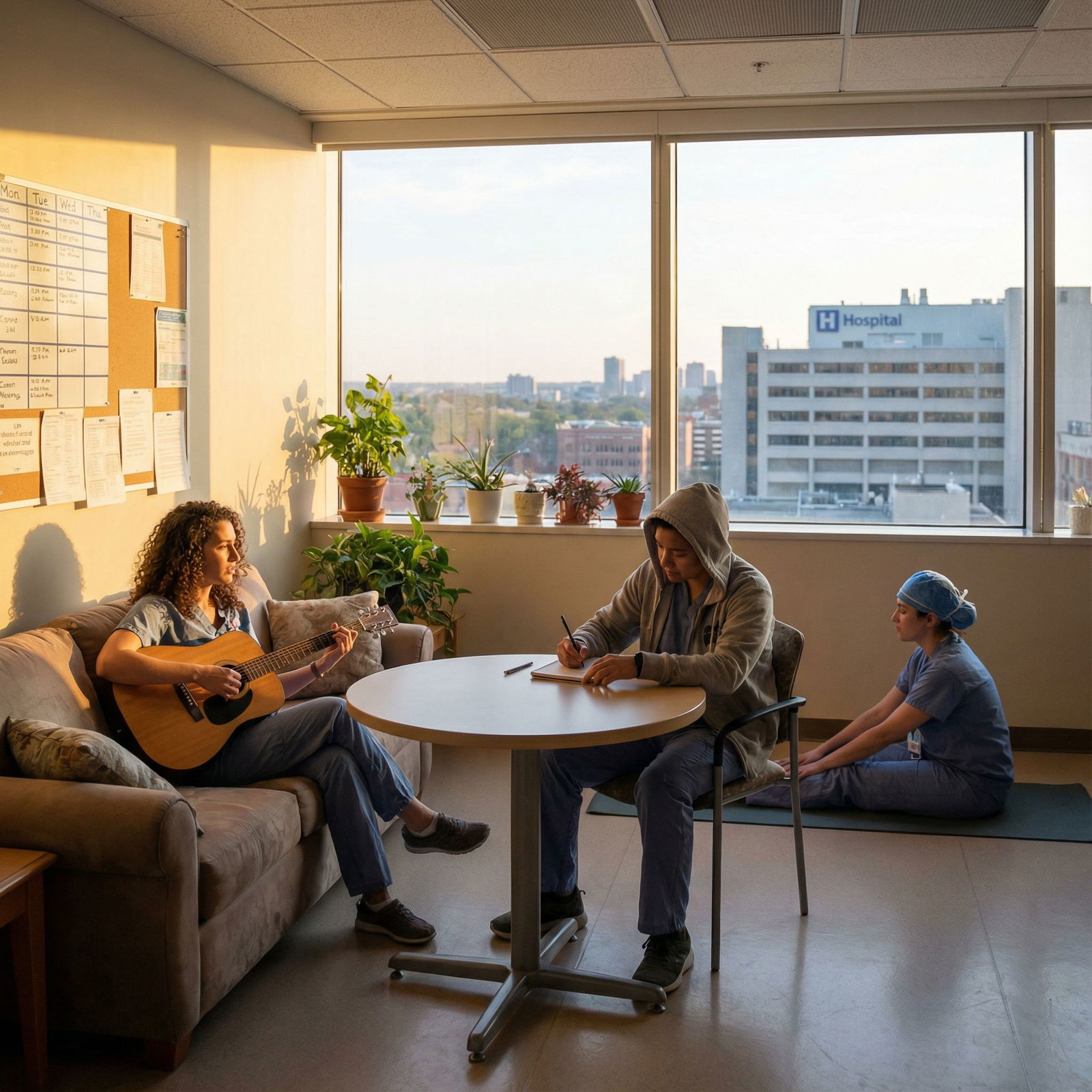
- Shared interest groups among residents: Running groups, board game nights, or book clubs with co-residents create supportive micro-communities within your program.
- Emotional buffer: Having relationships that are not anchored to work can help you decompress, maintain perspective, and feel less defined by the stresses of residency.
Social connection is one of the strongest predictors of resilience. Hobbies offer an organic way to build and sustain it.
Skill Development That Translates to Better Physicians
On the surface, hobbies may seem separate from professional development. In reality, they can refine skills that are directly relevant to medicine:
- Teamwork and communication: Team sports, ensemble music, or group projects teach coordination, listening, and collaboration—core skills in multidisciplinary clinical teams.
- Patience and persistence: Learning an instrument, language, or art form mirrors the slow, incremental nature of acquiring medical expertise.
- Manual dexterity and fine motor skills: Activities like drawing, knitting, rock climbing, or playing guitar can subtly support procedural proficiency.
- Creativity and perspective-taking: Writing, photography, and visual arts can deepen empathy and enhance your ability to understand patients’ stories and see beyond lab values.
Far from detracting from your medical training, meaningful hobbies can make you a more rounded, adaptable, and empathetic physician.
Choosing Sustainable Hobbies for Residency Life
Not all hobbies are equally realistic during residency. The key is to adapt—not abandon—your interests so they fit your current life and call schedule.

Aligning Your Hobbies with Your Schedule and Energy
During residency, time and energy are your scarcest resources. When choosing or modifying hobbies, consider:
- Flexibility: Can you do the hobby at variable times and for varying durations? (e.g., running, sketching, practicing an instrument with a mute, journaling)
- Setup time: Activities with minimal prep and cleanup (like reading, simple cooking, bodyweight workouts) are easier to maintain.
- Location: Hobbies you can do at home or near the hospital are more realistic than those requiring extensive travel.
- Energy level required: On post-call days, quiet hobbies (reading, drawing, meditation) may be more feasible than intense physical activities.
You might not be able to do a 3-hour choir rehearsal weekly during a tough ICU rotation, but you might manage 15 minutes of singing practice at home or a shorter, less formal community group during elective blocks.
Examples of Residency-Friendly Hobbies
Here are some categories of hobbies that often work well during Medical Training:
- Creative hobbies: Sketching, journaling, creative writing, watercolor, photography, digital art, calligraphy. These can be done in small increments, even 10–15 minutes at a time.
- Physical activities: Running, yoga, cycling, climbing, home workouts, dancing, intramural sports. These help with physical and mental health and can be adjusted for time and intensity.
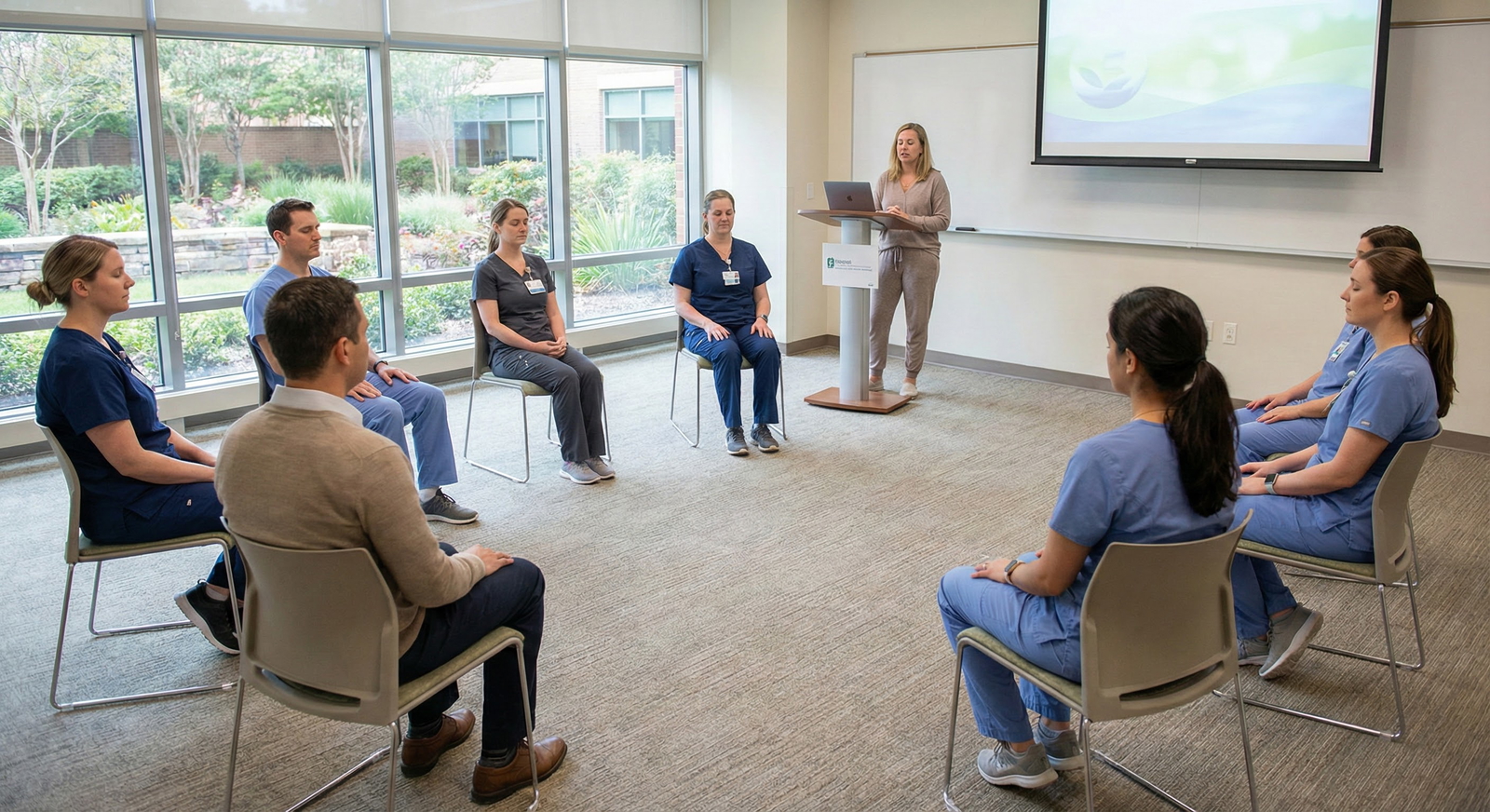
- Mindfulness and contemplative practices: Meditation, yoga, tai chi, prayer, guided relaxation. These directly support Mental Health and stress management.
- Food and home-based hobbies: Cooking, baking, trying new recipes, small indoor gardening. These are practical and can double as meal prep.
- Micro-learning hobbies: Language apps, music theory apps, short online lectures on non-medical topics (history, art, philosophy).
You don’t need to pick something “impressive” or social-media-worthy. The best hobby is the one you genuinely enjoy and can realistically sustain.
Practical Strategies to Maintain Hobbies During Residency
Protecting hobbies in residency requires intentional planning. You can’t wait for free time to appear—you need to design it.
1. Treat Your Hobby Time Like a Clinical Commitment
If your schedule is already dominated by mandatory obligations, your hobbies must become “soft obligations” — important, pre-scheduled blocks that you protect whenever feasible.
How to implement this:
- Block it in your calendar: Add “Run 30 minutes,” “Guitar practice,” or “FaceTime book club” into your schedule the way you would add a meeting.
- Anchor it to existing routines: Pair hobbies with predictable events: “After pre-rounding on Sunday, I walk to the park with my camera,” or “After post-call nap, 20 minutes of yoga.”
- Use protected time on lighter rotations: During electives or more predictable rotations, build stronger habits that can partially carry into heavier months.
Even if you need to reschedule or shorten some sessions, having them on your calendar greatly increases the chances you’ll follow through.
2. Scale Your Hobbies to Your Current Reality
Think in terms of “minimum viable hobby.” You might not be able to maintain the same intensity you had in medical school, but you can often maintain a smaller version.
- Downsize expectations:
- Old expectation: “I run 6 miles, four times a week.”
- Residency expectation: “I run 2–3 miles twice a week, plus one 15-minute jog when I can.”
- Break hobbies into micro-sessions:
- Guitar: one song practice = 10–15 minutes
- Painting: sketch outlines one day, add color the next
- Writing: one paragraph per day instead of several pages
- Create “tiers” for your hobby:
- Tier 1 (busy rotation): 10 minutes of activity, 3x/week
- Tier 2 (moderate rotation): 30 minutes, 3–4x/week
- Tier 3 (light rotation): longer sessions or classes
This flexible approach lets your hobbies expand and contract with your workload rather than disappearing altogether.
3. Integrate Hobbies into Your Daily Routine
Embedding hobbies into existing parts of your day makes them easier to sustain:
- Commutes: Listen to audiobooks, language lessons, or music theory on the way to or from the hospital.
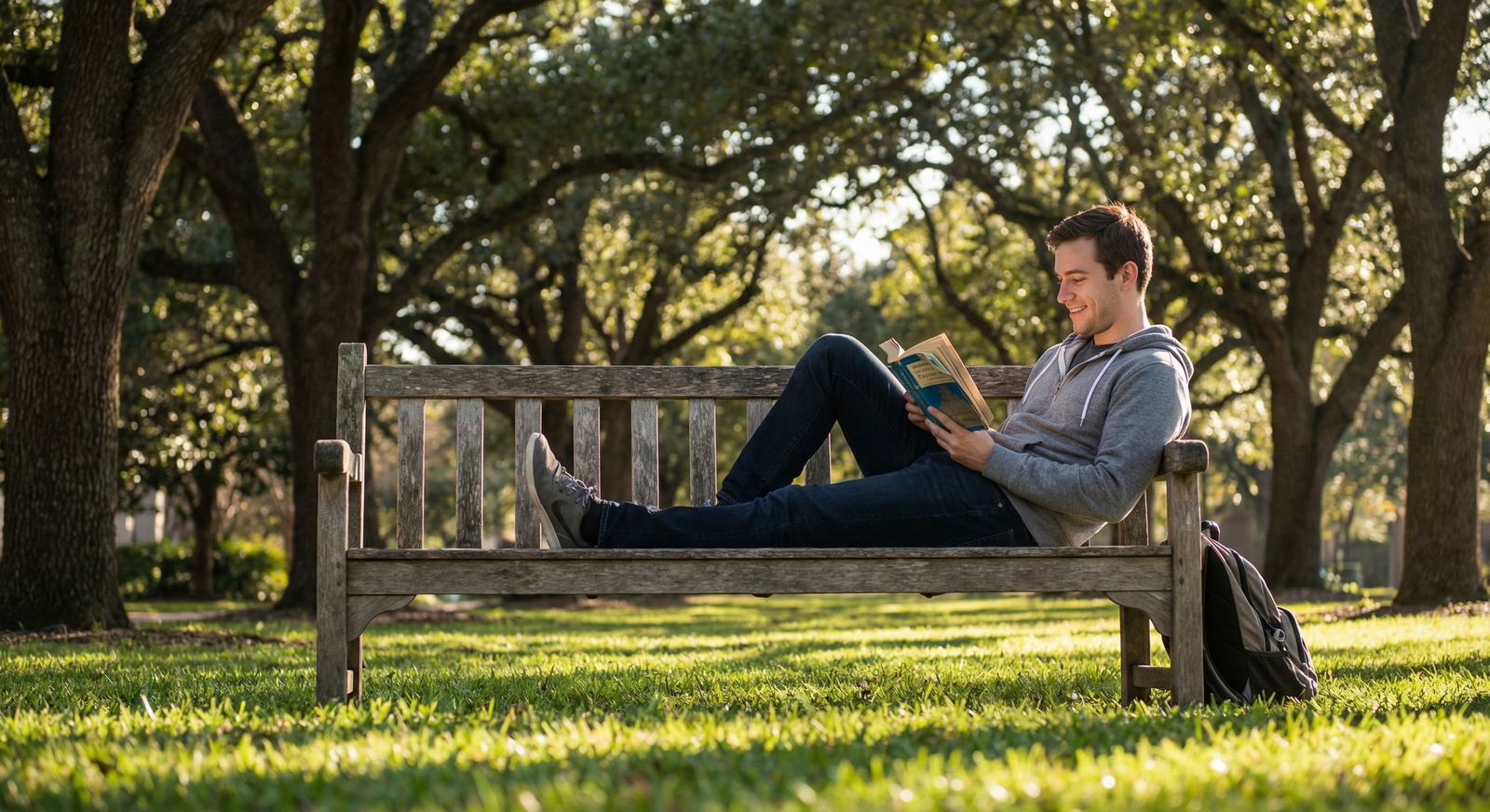
- Lunch breaks: Read a few pages of a non-medical book, do a short mindfulness exercise, or sketch in a small notebook.
- Evening wind-down: Replace aimless scrolling with 15 minutes of knitting, journaling, or practicing an instrument.
- Post-call rituals: Have a simple “post-call hobby routine,” like slow stretching or watching a tutorial related to your hobby before rest.
When your hobby becomes part of “how you do your day,” it resists being crowded out.
4. Use Technology to Keep Hobbies Accessible
Technology can help preserve your interests even when your schedule is unpredictable:
- Meditation and mindfulness apps: Use short guided sessions during breaks or before sleep to support Mental Health.
- Learning platforms: Apps and websites (Coursera, MasterClass, YouTube, Duolingo, Skillshare) allow flexible, on-demand learning in art, music, photography, cooking, and more.
- Habit-tracking apps: Seeing a streak of “10 minutes of guitar” or “daily sketch” can boost motivation and accountability.
- Virtual communities: Join online groups related to your hobby for social support, inspiration, and small challenges.
The goal is not to add more screen time, but to use your existing device habits more intentionally.
5. Make the Most of Short Breaks and Downtime
During a 12-hour shift, you might not have long stretches of free time—but you may have multiple 5–15 minute gaps.
Ideas for micro-hobby moments:
- Read a few pages of a novel or short story on an e-reader app.
- Sketch a quick drawing or jot down creative ideas.
- Practice deep breathing or short meditations.
- Do a mini workout: stairs, stretching, or bodyweight exercises.
- Write a few lines for a blog, reflection, or poem.
When you stop waiting for perfect conditions and start using imperfect breaks, your hobbies become more resilient.
6. Find Hobby Partners and Accountability
Hobbies are easier to maintain when you’re not doing them in isolation.
- Co-resident partnerships: Find a “hobby buddy” who shares similar interests—running, baking, reading, music—and schedule regular sessions.
- Small groups: Create a monthly “resident book club,” “Sunday cooking club,” or “call shift running group.”
- Public commitments: Join a local band, theater group, or sports league where your absence is noticed, providing soft external accountability.
- Sharing your work: Posting art, music, photos, or writing in a trusted group (even a private chat with friends) can provide encouragement.
The combination of social connection and accountability makes your hobbies more likely to survive demanding months.
Real Residents, Real Hobbies: Stories from the Trenches
Dr. Lisa: Preserving Identity Through Rock Climbing
Dr. Lisa, now an orthopedic surgeon, credits rock climbing with helping her survive a grueling surgical residency.
- Her strategy: She protected one evening per week as “climbing night” with a small group of co-residents. They knew that Wednesday nights at the local climbing gym were as close to sacred as their schedules allowed.
- Why it worked:
- Physical outlet for stress
- Shared social time with colleagues
- Clear mental separation from the hospital
- Long-term impact: Climbing became a cornerstone of her Work-Life Balance and remains her primary stress outlet in attending life.
Her experience highlights that even in high-intensity specialties, consistent, bounded time for hobbies is achievable with planning and group support.
Dr. Mark: Music as Emotional Processing
Dr. Mark, an internist, found that music was not just “something fun,” but a way to process the emotional weight of residency.
- His approach: He joined a local community band that rehearsed once a week, with occasional weekend performances.
- Benefits he described:
- Emotional release after tough cases
- Social circle outside of medicine
- Structured time where he was “just the sax player,” not “Dr. Mark”
- Adaptations: During ICU and night float months, he communicated with the band director and attended fewer rehearsals, but he never fully stepped away.
Music provided him with emotional continuity—a part of his identity unchanged by exam scores, evaluations, or shift schedules.
Dr. Ana: Painting Her Way to Perspective
Dr. Ana, now a pediatrician, leaned on painting as a quiet refuge.
- Her strategy: She enrolled in a weekend painting class that met twice a month. On other weekends, she painted at home, even if only for 20–30 minutes at a time.
- What she noticed:
- Painting slowed her down and helped her be present.
- Creating something tangible offered a sense of completion that residency often lacked.
- It gave her something to look forward to on difficult rotations.
- Unexpected outcome: Her art helped her connect with pediatric patients and families, sometimes using quick sketches or doodles to comfort anxious kids.
Her story illustrates how a solitary, introspective hobby can still enhance both personal well-being and clinical interactions.
Reframing Hobbies as Essential, Not Optional
Many residents struggle with guilt around hobbies:
“Should I really be doing this instead of reading guidelines or finishing notes?”
To maintain Hobbies during Residency, you may need to shift how you think about them:
- Hobbies are part of professional sustainability: Protecting your Mental Health is not selfish; it is essential to being a safe, empathetic physician.
- Work-Life Balance is built, not found: Balance isn’t something that appears after residency or after fellowship. The habits you build now shape your long-term relationship to work.
- Rest improves performance: Taking deliberate breaks for your hobbies can make you more focused, less error-prone, and more patient with others.
- Your identity is broader than “resident”: Nurturing non-medical interests protects you from feeling completely defined by your job, evaluations, or exam outcomes.
Instead of viewing hobbies as indulgent, see them as one of the tools that help you show up as the kind of doctor—and person—you want to be.

FAQs About Maintaining Hobbies During Residency
1. Can I realistically have time for hobbies during residency?
Yes, but they will likely look different than they did before. You may not have hours at a time, but you can nearly always carve out small, consistent blocks—10–30 minutes—several times per week. Think in terms of “minimum sustainable versions” of your hobbies, and allow them to grow when your schedule eases.
Key tips:
- Schedule short, specific times instead of waiting for a full free day.
- Use breaks, commutes, and wind-down periods creatively.
- Accept that some weeks will be better than others; consistency over perfection.
2. What if my hobby seems too time-consuming or intense for residency?
Break it down and adapt it:
- Marathons → Short runs: Shift from long-distance training to shorter runs or interval workouts.
- Large art projects → Mini sketches: Work in small pieces that can be completed over multiple short sessions.
- Weekly team sports → Casual pickup games or solo practice: Join occasional scrimmages or practice skills alone.
Ask yourself: “What is the smallest version of this hobby that would still bring me joy?” Start there.
3. Are hobbies truly beneficial for stress management and mental health?
Absolutely. Even brief engagement in meaningful leisure activities has been linked to:
- Lower perceived stress
- Improved mood
- Reduced risk of burnout
- Better sleep and emotional regulation
Hobbies create built-in recovery time, which your brain and body need to function well in a high-stress medical environment.
4. How can I connect with others who share my hobbies during residency?
Options include:
- Within your program: Ask co-residents about their interests; propose a low-commitment group (running, book club, board games, music, cooking).
- Hospital resources: Many hospitals have wellness committees or interest groups; check resident newsletters or intranet.
- Local community: Look for local clubs, meetup groups, sports leagues, choirs, or classes that fit your schedule.
- Online communities: Join virtual groups or forums related to your hobby if in-person options are limited.
Even one or two like-minded people can make a big difference in maintaining motivation.
5. What if I feel guilty spending time on hobbies instead of studying or working?
This is a common feeling in Medical Training, but it often reflects an unrealistic expectation of constant productivity.
Consider:
- You are not a machine; cognitive rest improves learning efficiency.
- A small amount of trusted hobby time can actually make your study sessions more focused.
- Long-term, physicians who never cultivate Work-Life Balance are at higher risk for burnout, compassion fatigue, and leaving clinical practice.
Try reframing hobby time as “maintenance time”—just as essential as sleep, nutrition, and exercise to keep you functioning at your best.
Maintaining hobbies during residency is not about having a perfectly balanced life—it’s about preserving enough of yourself outside of medicine to stay whole, healthy, and human. With thoughtful planning, realistic expectations, and a willingness to adapt, you can keep your interests alive, protect your Mental Health, and emerge from residency not just as a competent physician, but as a well-rounded person with a sustainable approach to work and life.