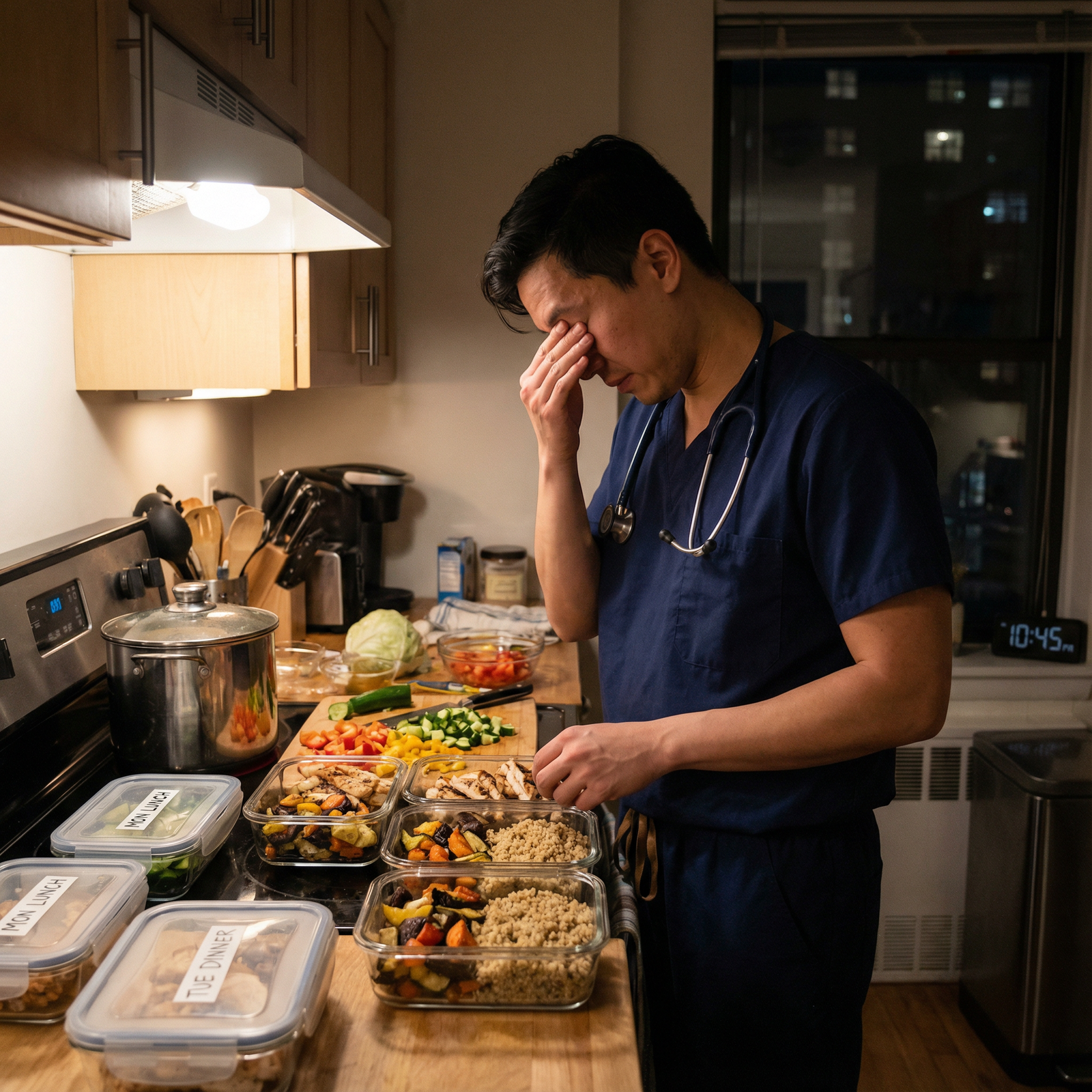
Meal Prep for Busy Residents: Quick, Healthy Eating for Hectic Schedules
Residency life is a constant balancing act: 28‑hour calls, rotating shifts, board exams, and the emotional weight of patient care. In the middle of all that, finding time for healthy eating often slides to the bottom of the list. Many residents end up relying on vending machines, cafeteria food, or late-night takeout—not because they don’t care about nutrition, but because they’re exhausted and short on time.
Meal Prep can be a powerful tool for busy professionals in medicine. With a few hours of planning and prep on your lighter days, you can set yourself up with quick recipes and ready-to-eat options that support your physical stamina, mental clarity, and overall well-being.
This guide is designed specifically for medical residents (and other busy professionals in healthcare) who want realistic, sustainable strategies for Healthy Eating and Nutrition—without adding more stress to their already packed schedules.
We’ll cover:
- Why Meal Prep matters so much during residency
- Practical strategies tailored to common call and clinic schedules
- Quick, high-yield recipe ideas that actually work for long shifts
- Time-saving tools and tricks for sustainable meal planning
- A resident-focused FAQ to troubleshoot common challenges
Why Meal Prep Matters for Busy Residents and Healthcare Professionals
Meal Prep isn’t about perfection or Instagram-worthy containers; it’s about survival and performance. For residents and other busy professionals, planning your food is a key part of managing your energy, cognition, and long-term health.
1. Time-Saving During Demanding Rotations
Residency schedules often leave you with fragmented bits of time rather than long, predictable evenings. Meal Prep lets you leverage your best time (usually a weekend afternoon or post-call day) to protect your worst time (post-overnight, late clinic, or back-to-back call months).
How Time-Saving Meal Prep Helps Residents:
- You cook 1–2 times per week instead of daily.
- On post-call days, you can reheat rather than cook from scratch.
- You avoid the “what should I eat?” decision at 10 p.m. when you’re exhausted.
Even 2–3 prepped meals per week can dramatically cut down on last-minute takeout and cafeteria runs.
2. Cost-Effective Nutrition on a Resident Salary
Between student loans, rent near the hospital, and exam fees, money is tight. Consistent takeout, even if it feels small day-to-day, adds up quickly.
Benefits of Meal Prep for Your Budget:
- Batch-buying staples (rice, oats, lentils, frozen veggies) is far cheaper than per-meal purchases.
- Planning meals reduces food waste—no more wilted produce in the crisper.
- You can build a low-cost pantry of versatile ingredients: beans, canned tuna, eggs, frozen berries, whole grains.
Residents often find that once they establish a basic Meal Prep routine, their monthly food expenses drop noticeably, even accounting for higher-quality ingredients.
3. Healthier Choices and More Stable Energy
On a long call night or after multiple admissions, it’s very hard to prioritize Nutrition in the moment. By prepping in advance, you remove willpower and decision-making from the equation.
Clinical and cognitive benefits of healthy Meal Prep:
- More stable blood sugar → fewer energy crashes during overnight calls
- Adequate protein → better satiety and maintained lean mass, especially if you’re standing all day
- More fiber, fruits, and vegetables → improved digestion, mood, and long-term cardiovascular health
- Better hydration and snack planning → less reliance on coffee and sugary drinks
You don’t need “perfect” meals. Even modest improvements—like adding a prepped protein and fiber source—can make your days feel noticeably different.
4. Less Stress and Decision Fatigue
Residency is full of high-stakes decisions. The last thing your brain needs is to spend extra energy figuring out what to eat.
How Meal Prep reduces stress:
- You know you have something ready at home, even after a brutal shift.
- You can pack lunch in 60 seconds instead of scrambling every morning.
- You avoid the guilt spiral of “I should cook but I’m too tired,” because you already planned realistically.
Spending a bit of structured time planning food each week actually protects your limited mental bandwidth.

Core Meal Prep Strategies for Busy Residents
Before diving into specific Quick Recipes, it helps to set up a simple Meal Prep system that fits with the unpredictable nature of residency.
1. Choose Your “Anchor Day” (and a Backup)
Look at your upcoming schedule at the start of the week:
- Do you have a post-call day where you’re home by midday?
- Is there a lighter clinic day with an early finish?
- Do you get a golden weekend or even just one free afternoon?
Designate:
- Primary meal prep day (e.g., Sunday afternoon)
- Backup mini-prep day (e.g., Wednesday night) for quick top-ups like snacks, fruit, or an extra batch of grains
Even 60–90 minutes once a week is enough to dramatically improve your week.
2. Use a “Mix-and-Match” Framework
Instead of preparing completely different dishes, think in building blocks:
- Protein: chicken, tofu, lentils, hard-boiled eggs, Greek yogurt, beans, canned tuna
- Carb base: brown rice, quinoa, whole wheat pasta, sweet potatoes, oats
- Vegetables: roasted sheet-pan veggies, pre-cut salad mixes, frozen stir-fry blends
- Healthy fats: olive oil, avocado, nuts, seeds, nut butters
This approach lets you create variety without extra cooking. For example:
- Day 1: Quinoa + roasted vegetables + chickpeas + feta
- Day 2: Same quinoa + stir-fried chicken and broccoli + sesame oil
- Day 3: Quinoa + black beans + salsa + avocado + Greek yogurt
3. Think in “Tiers” of Effort
For Busy Professionals, it’s more sustainable to have options at different effort levels:
Tier 1: Minimal effort / almost no cooking
- Pre-washed salad mix + rotisserie chicken + canned beans
- Greek yogurt + granola + frozen berries
- Whole grain toast + nut butter + banana
Tier 2: Basic cooking / batch prep
- Sheet-pan chicken and vegetables
- Big pot of soup or chili
- Baked sweet potatoes with toppings
Tier 3: Higher-effort recipes (do these only when you truly have time)
- Stuffed peppers, homemade sauces, complex casseroles
On brutal rotations, lean heavily on Tier 1 and 2; save Tier 3 for lighter months.
4. Plan for the “Critical Windows”
Residents often struggle with specific time points:
- Pre-rounds (early morning)
- Midday (risk of skipping lunch)
- Late night / post-call (high temptation for fast food)
Make sure your Meal Prep targets these windows:
- Quick breakfast you can grab in < 2 minutes
- Packable lunch that’s easy to eat in short bursts
- Heat-and-eat dinner for nights when you stumble home exhausted
- Healthy snacks for long call shifts
With that framework in mind, let’s explore concrete meal ideas.
Quick, Healthy Meal Prep Ideas for Residents
These options emphasize: short prep time, minimal dishes, packability, and good shelf life. All can be adapted for vegetarian, vegan, or gluten-free diets.
1. Overnight Oats: Zero-Cook Breakfast for Early Mornings
Overnight oats are ideal for residents with pre-dawn starts. They’re customizable, high in fiber, and can be prepped for several days at once.
Base Ingredients:
- Rolled oats
- Milk of choice (cow’s milk, almond, soy, oat)
- Chia or ground flax seeds (for fiber and omega-3 fats)
- Greek yogurt (for protein; optional)
- Fruits (berries, banana slices, apple chunks, frozen mixed fruit)
- Optional: peanut butter, nut butter, cinnamon, honey, or maple syrup
Basic Prep Steps:
- In a jar or container, combine:
- ½ cup rolled oats
- 1 cup milk of choice
- 1 tablespoon chia or flax seeds
- Add 2–3 tablespoons Greek yogurt for extra protein.
- Mix in fruit (fresh or frozen) and optional flavorings (cinnamon, vanilla, nut butter).
- Sweeten lightly with honey or maple syrup if desired.
- Cover and refrigerate overnight. They’ll last 3–4 days in the fridge.
Resident Tip:
Prep 3–4 jars at once on your day off. On clinic days, grab one and go. If mornings are chaotic, keep a spare in the hospital fridge for backup.
2. Quinoa Salad Bowls: High-Fiber, High-Protein Lunch or Dinner
Quinoa is a great choice for Busy Professionals because it cooks quickly, keeps well, and works hot or cold.
Base Ingredients:
- 1 cup quinoa (dry)
- Mixed vegetables (bell peppers, cucumber, cherry tomatoes, red onion, spinach, or arugula)
- Chickpeas or black beans (canned and drained)
- Feta or goat cheese (optional)
- Dressing: olive oil, lemon juice or vinegar, salt, pepper, dried herbs
Prep Steps:
- Cook the quinoa according to package instructions (usually 15–20 minutes). Let it cool.
- Chop vegetables into bite-sized pieces.
- In a large bowl, combine quinoa, vegetables, and drained chickpeas/beans.
- Crumble feta on top if using.
- Drizzle with olive oil and lemon juice or vinegar; season with salt, pepper, and herbs.
- Divide into meal prep containers. Keeps 3–4 days in the fridge.
Variations for Variety:
- Mexican-style: black beans, corn, salsa, avocado, cilantro, lime
- Mediterranean: cucumbers, olives, tomatoes, feta, oregano, lemon
- Protein boost: shredded rotisserie chicken, baked tofu, or canned tuna
3. Stir-Fried Chicken and Veggies: Fast, Flexible Main Dish
Stir-fries are perfect for residents because they’re quick, one-pan, and endlessly adaptable to whatever’s in your fridge.
Ingredients:
- Chicken breast or thighs (or tofu/tempeh for a vegetarian version)
- Mixed vegetables: broccoli, carrots, bell peppers, snap peas, green beans, frozen stir-fry mix
- Garlic, ginger (fresh or pre-minced)
- Soy sauce or tamari; optional: sesame oil, chili paste, or hoisin
- Brown rice, quinoa, or whole grain noodles (pre-cooked or leftover)
Prep Steps:
- Slice chicken into thin strips or bite-sized pieces.
- Heat a non-stick pan or wok with a bit of oil; cook chicken until fully cooked and lightly browned. Remove and set aside.
- In the same pan, add vegetables (fresh or frozen) and stir-fry 5–7 minutes until tender-crisp.
- Add garlic, ginger, and soy sauce; return chicken to the pan and toss well.
- Serve over pre-cooked brown rice or noodles. Portion into containers.
Keeps well for up to 4 days. Reheat in the microwave with a splash of water to keep it moist.
Resident Tip:
Cook a big batch of rice once per week (rice cooker or Instant Pot) and use it as a base for stir-fry, stews, or curry.
4. Mason Jar Soups: Portable, Comforting, and Freezer-Friendly
Mason jar or container-based soups are fantastic for chilly wards and night shifts. They reheat easily, and many freeze well for future use.
Ingredients:
- Broth (chicken, beef, or vegetable)
- Soft-cooking vegetables: spinach, kale, carrots, zucchini, peas, mushrooms
- Pre-cooked beans, lentils, or small pasta
- Seasonings: thyme, bay leaf, garlic, onion powder, salt, pepper
- Optional: shredded chicken or turkey
Prep Steps:
- In jars or containers, layer heavier ingredients first (beans/lentils, pasta), then vegetables, then seasonings.
- Pour broth over until nearly full.
- Seal and store in the fridge.
- When ready to eat, transfer to a pot or microwave-safe bowl and heat thoroughly.
Freezer Option:
Prepare a big pot of soup (e.g., lentil soup, chicken vegetable, minestrone), cool completely, then freeze in single-serving containers. These can be a lifesaver during ICU or ED rotations when cooking is unrealistic.
5. Baked Sweet Potatoes: Versatile Base for Multiple Meals
Sweet potatoes are nutrient-dense, inexpensive, and easy to batch cook.
Ingredients:
- Whole sweet potatoes
- Toppings:
- Greek yogurt or cottage cheese
- Black beans or chickpeas
- Salsa
- Spinach or sautéed greens
- Shredded cheese or nutritional yeast
Prep Steps:
- Preheat oven to 400°F (200°C).
- Wash and dry sweet potatoes; pierce each a few times with a fork.
- Place on a baking sheet and bake for ~45–60 minutes until tender.
- Cool, then store in the fridge whole.
- When ready to eat, reheat in the microwave, split open, and load with toppings.
Meal Ideas:
- “Taco” sweet potato: black beans, salsa, cheese, Greek yogurt
- Breakfast version: almond butter, banana slices, cinnamon
- Savory bowl: spinach, chickpeas, tahini or hummus
Practical Tips to Make Meal Prep Sustainable During Residency
Healthy Eating only works if it’s realistic. These strategies help integrate Meal Prep into an already overloaded life.
1. Invest in the Right Tools (Without Overspending)
A few simple tools can save a lot of time:
- Microwave-safe, stackable containers (preferably glass or BPA-free plastic)
- A good chef’s knife and cutting board
- Rice cooker or Instant Pot (great for grains, beans, and batch cooking)
- Mason jars for overnight oats, salads, and soups
Label containers with painter’s tape or simple stickers: dish name + date. This reduces the chance you forget what’s in your fridge.
2. Use “Semi-Homemade” Shortcuts
You do not have to cook every element from scratch.
Time-saving shortcuts for Busy Professionals:
- Pre-washed salad greens and coleslaw mixes
- Frozen vegetable blends for stir-fries or soups
- Store-bought rotisserie chicken (debone and portion for the week)
- Microwavable pouches of brown rice or quinoa
- Pre-cut fruit or baby carrots and hummus
The goal is better Nutrition with minimal friction, not a culinary award.
3. Prep in Layers, Not Just Full Meals
If cooking full meals feels overwhelming, focus on prepping just one or two components:
- Cook a large batch of a protein (chicken, tofu, ground turkey)
- Cook a grain (rice/quinoa)
- Wash and cut some vegetables
Throughout the week, assemble these into different quick recipes:
- Bowl: grain + protein + veggies + sauce
- Wrap: whole wheat tortilla + leftover stir-fry + cheese
- Salad: greens + protein + beans + whatever vegetables you have
This “layered” method offers flexibility when your exact schedule is unpredictable.
4. Plan Snacks as Intentionally as Meals
Many residents get into trouble with Nutrition between meals—especially on call.
Smart, portable snacks for long shifts:
- Nuts or trail mix (pre-portion into small bags)
- String cheese or mini Babybel-style cheese
- Protein or granola bars (choose those with some fiber and protein)
- Apple, banana, mandarin oranges (no refrigeration needed)
- Single-serve hummus packs with baby carrots or whole grain crackers
Keep a snack bag in your locker or call room. Refill it once a week during your Meal Prep session.
5. Involve Co-Residents and Share the Load
Meal Prep can also be a social and financial strategy:
- Rotate who cooks what: one person makes a big pot of chili, another makes a quinoa salad, another bakes sweet potatoes. Then share.
- Organize a “Meal Swap” among a few colleagues once a month.
- Share grocery runs, especially if some residents don’t have a car.
This spreads the workload and gives you more variety without extra time in the kitchen.

Frequently Asked Questions About Meal Prep for Residents
1. How long can Meal Prep safely last in the fridge?
In general:
- Most cooked dishes with meat: 3–4 days in the refrigerator
- Cooked grains (rice, quinoa, pasta): 3–4 days
- Cooked beans and lentils: 3–4 days
- Leafy salads with dressing: best within 1–2 days (add dressing just before eating to extend freshness)
If you won’t eat something within 3–4 days, portion and freeze it as soon as it cools.
2. What are the best foods to freeze for busy rotations?
Freezer-friendly options include:
- Soups and stews (lentil soup, chili, chicken vegetable soup)
- Cooked beans and lentils
- Cooked shredded chicken or turkey
- Cooked rice and quinoa (freeze flat in bags for easy reheating)
- Breakfast burritos (eggs, veggies, cheese, wrapped in whole wheat tortillas)
Label each container with the contents and date. Most items keep well for 2–3 months in the freezer.
3. How do I decide what to Meal Prep when my schedule changes weekly?
Use a simple three-step framework:
- Check your schedule: ID your heaviest days (call, overnight shifts, weekend coverage).
- Target those days first: Plan the most convenient meals (microwavable, one-hand snacks) for those dates.
- Start small: Even prepping breakfast and 2–3 lunches per week is a big win.
Over time, build a short list of “go-to” Quick Recipes you know you like and can make on autopilot.
4. Is Meal Prep really cost-effective compared to hospital food or takeout?
Yes. While there’s an upfront grocery cost, Meal Prep almost always reduces average cost per meal. Examples:
- A pot of chili, rice, and a bag of frozen vegetables can provide 8–10 servings at a fraction of the cost of restaurant meals.
- Buying coffee and a pastry daily can cost more per month than ingredients for a week of homemade breakfasts.
You also gain control over Nutrition quality—more fiber, lean proteins, and less added sugar and sodium than typical takeout.
5. What if I hate cooking or feel too tired to Meal Prep?
You’re not alone; many residents feel this way. Try:
- Very simple, no-cook options:
- Whole grain bread + hummus + baby carrots
- Pre-washed salad mix + rotisserie chicken + canned beans
- Yogurt + granola + fruit
- “Assemble, don’t cook” Meal Prep: focus on combining supermarket items rather than cooking from scratch.
- Setting a timer for 30 minutes: commit to prepping just one thing (like overnight oats or a pot of rice). Often, you’ll get more done than you expect once you start.
Small, consistent changes matter more than elaborate cooking. Even one or two upgraded meals per week can improve your energy and health over time.
Maintaining healthy Nutrition during residency is challenging, but strategic Meal Prep can transform how you feel on and off service. By planning ahead, using quick recipes, and leaning on practical shortcuts, you can support your body and mind through the most demanding years of your medical training.
For more support on thriving during residency, explore:
- Nutrition Tips for Busy Medical Students
- Time Management for Busy Residents
Integrating even a few of these Meal Prep habits now can pay dividends in your performance, mood, and long-term well-being as a physician.