
Residency can feel like living inside a constant storm—long shifts, complex patients, frequent evaluations, and major life decisions all happening at once. In the midst of this intensity, it’s easy to focus exclusively on surviving the next call night or learning the latest guideline. Yet one of the most powerful determinants of your wellness, growth, and future opportunities in medicine is something less often formally taught: how you build and sustain relationships during residency.
Meaningful connections with co-residents, attendings, nurses, and other team members are not “extras”—they are a core part of successful medical training. This guide will help you navigate the social side of residency with intention, offering practical strategies, real-world examples, and actionable tips for effective relationship building, professional networking, and mentorship.
Why Relationship Building in Residency Matters
Relationship building is not just about having friends at work. It directly shapes your well-being, learning, and career trajectory throughout residency and beyond.
Promoting Wellness and Preventing Burnout
Residency is emotionally and physically demanding. A strong support system can buffer against stress and burnout:
- Emotional support: Colleagues who understand your workload and responsibilities can validate your experiences in a way friends or family outside medicine sometimes cannot.
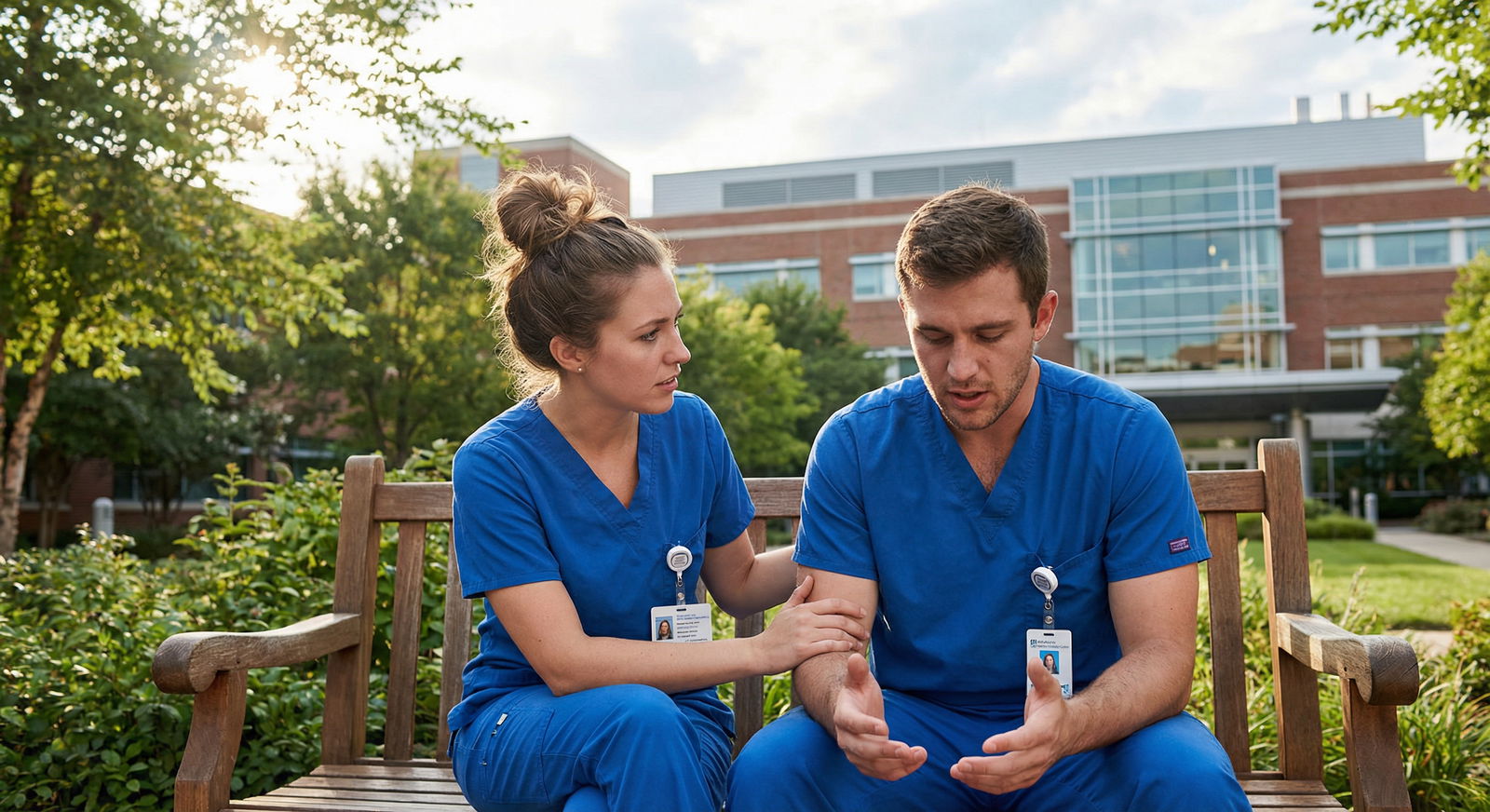
- Peer processing: Talking through difficult cases, adverse outcomes, or challenging patient interactions with co-residents can decrease moral distress and reduce feelings of isolation.
- Shared humor and relief: Shared jokes on night float, quick laughs during sign-out, or a debrief over coffee can be powerful micro-interventions that protect your mental health.
Psychological research consistently shows that social connection is one of the strongest predictors of resilience. In residency, that connection comes primarily from the relationships you build at work.
Enhancing Learning and Accelerating Medical Training
Residency is inherently a team sport. You learn faster and more efficiently when you are connected to your peers and faculty:
- Informal teaching: Residents often learn key “clinical pearls” from each other—tips on managing common issues, navigating hospital systems, or handling difficult conversations.
- Collaborative problem solving: Discussing complex patients with colleagues exposes you to different approaches and deepens your clinical reasoning.
- Accountability and structure: Study groups, shared review schedules, and group board prep create accountability and make it easier to stay consistent in your learning.
- Feedback loops: Trusted relationships make it easier to ask for and receive honest, constructive feedback—critical for growth.
Creating Opportunities for Professional Networking and Career Growth
Residency is one of the most fertile times for professional networking:
- Future jobs and fellowships: Attendings and senior residents often recommend residents they know and trust for fellowships, academic positions, or community jobs.
- Research and quality improvement: Many scholarly projects start as hallway conversations or casual comments during rounds. A strong network makes it easier to be invited into these opportunities.
- Professional visibility: Being known as hardworking, collaborative, and reliable spreads through word of mouth—especially in tight-knit specialties—and can open doors years later.
These relationships become the professional network you carry forward: co-authors, colleagues at conferences, referral sources, and trusted collaborators long after residency ends.
Developing Essential Non-Clinical Skills
Residency is where you refine the interpersonal skills that define your effectiveness as a physician-leader:
- Communication skills: Daily interactions with nurses, therapists, consultants, and families give you constant practice in clear, respectful, and empathetic communication.
- Teamwork and leadership: Coordinating with multidisciplinary teams teaches you to lead effectively, delegate tasks, and build consensus.
- Conflict resolution: Disagreements about management plans, workload, or expectations are inevitable; learning to navigate conflict professionally is critical for your future practice.
- Cultural humility and inclusivity: Working in diverse teams exposes you to colleagues with different cultural, religious, and socioeconomic backgrounds, strengthening your ability to care for diverse patients.
These “soft” skills are often what distinguish a technically competent resident from a truly outstanding physician.
Foundational Strategies for Building Strong Relationships
Before diving into specific tactics, it helps to adopt a mindset: relationship building in residency is about consistent small actions, not grand gestures. The following foundational strategies will set you up for success.
Be Approachable and Emotionally Available
Your day-to-day demeanor heavily influences how others relate to you.
Key behaviors that signal approachability:
Warm nonverbal cues:
- Offer a genuine smile when greeting co-residents and staff.
- Maintain comfortable eye contact (without staring).
- Keep your posture open—avoid crossed arms or turning away when someone speaks to you.
Present-moment attention:
- Put your phone away when a colleague is speaking.
- Pause typing in the chart to listen, even briefly.
- Use short verbal acknowledgments (“I hear you,” “That sounds rough,” “Tell me more”).
Respect for others’ time:
- Be concise when needed; colleagues appreciate when you recognize they’re also busy.
- Offer to reconnect later if someone is clearly overwhelmed on rounds or during sign-out.
Approachability doesn’t mean you must be extroverted or “on” all the time. Even if you’re more reserved, consistent respectful warmth and reliability can make you someone others want to work with.
Use Shared Experiences as Relationship Anchors
Residency gives you a powerful starting point for connection: everyone is going through a similar, intense experience.
Some practical ways to leverage shared experience:
Micro-connection moments:
- Comment on a challenging call night: “That was a tough code last night—how are you doing today?”
- Check in before a known difficult rotation: “You’re starting ICU next week, right? Here’s what helped me.”
- Acknowledge common struggles: exams, evaluations, difficult attendings, or complex patient scenarios.
Collaborative learning:
- Form small study groups (2–5 people) for boards, in-service exams, or procedures.
- Organize short, informal “chalk talks” with co-residents during downtime.
- Share useful resources (articles, podcasts, guidelines) in group chats or email.
Peer support rituals:
- Debrief after stressful cases or adverse events, even for just 5–10 minutes.
- Create a tradition—such as coffee after night shifts or brief walks during lunch—where people can talk and decompress.
These shared experiences become the stories you and your colleagues will remember years later—and the backbone of lasting relationships.

Practical Ways to Build Relationships During Residency
Once you’ve grounded yourself in an approachable, collaborative mindset, you can begin to intentionally create and deepen connections.
Make Time for Social and Informal Interactions
Even with a packed schedule, small investments in social connection pay large dividends.
Ideas that fit into a resident’s schedule:
Low-lift social rituals:
- Post-call breakfasts or coffee runs.
- Occasional group lunch when the census allows.
- Brief “victory lap” after a tough rotation (ice cream, quick dinner, or a walk).
Program-level events:
- Residency retreats, wellness days, or holiday gatherings.
- Journal clubs or morbidity and mortality conferences followed by informal social time.
- Graduation and welcome events for incoming interns.
Get involved in organizing:
- Join your residency’s social, wellness, or recruitment committee.
- Help plan intern welcome events, cultural celebrations, or resident appreciation activities.
- Suggest inclusive events that don’t rely on alcohol so all residents can comfortably participate.
The goal is not to attend every social function, but to be selectively present and engaged in ways that align with your energy and values.
Build Strong Working Relationships on the Wards
Some of the most meaningful relationships form during day-to-day clinical work.
Practical strategies:
Arrive prepared and dependable:
- Pre-round thoroughly so your co-residents and attendings can trust your data.
- Follow through promptly on tasks you commit to (consults, orders, family updates).
- Offer help when your own work is under control—“I finished my notes; anything I can help you with?”
Invest in relationships with non-physician team members:
- Learn nurses’, therapists’, and case managers’ names and use them.
- Ask for and value their input on patient care plans.
- Thank people explicitly for specific actions: “Thanks for catching that med error” or “I appreciate you staying late to help with that transfer.”
Show respect for everyone’s role:
- Avoid dismissive language about any team member or specialty.
- Share credit freely when things go well: “Our nurse caught that change early—this was a team effort.”
People tend to invest more socially and professionally in colleagues they respect and enjoy working with. Clinical reliability and kindness are powerful relationship-building tools.
Seek Out and Sustain Mentorship
Intentional mentorship is one of the most important forms of relationship building during residency.
Identifying Potential Mentors
Look for:
- Faculty or senior residents whose clinical style or career path you admire.
- People who are approachable, responsive, and invested in teaching.
- Individuals who share something meaningful with you (clinical interest, research area, background, or communication style).
It’s often useful to have more than one mentor:
- A clinical mentor for day-to-day practice.
- A career or research mentor for long-term planning.
- A peer mentor (senior resident) who helps you navigate program culture and expectations.
Initiating and Structuring the Mentoring Relationship
Make the first move:
- Send a concise email: briefly introduce yourself, state what you appreciate about their work, and ask for a short meeting.
- Be specific: “I’m interested in cardiology fellowship and wondered if I could get your advice,” or “I admire how you teach on rounds and would love to discuss how to grow as a clinical educator.”
Come prepared:
- Bring a short list of questions and a brief version of your CV or interests.
- Be ready to share your goals: short-term (next 6–12 months) and long-term (3–5 years).
Follow up and maintain:
- Send a thank-you email summarizing key takeaways from your meeting.
- Give periodic updates on progress, even if brief.
- Clarify expectations: how often to meet, what you’re hoping they can help with, and your responsibilities in moving things forward.
A strong mentoring relationship can evolve into sponsorship, where the mentor actively recommends you for opportunities—talks, committees, research projects, or leadership roles.
Use Technology Thoughtfully for Connection and Networking
Digital tools can support relationship building, especially across different schedules and rotations.
High-yield uses of technology during residency:
Group messaging apps (e.g., WhatsApp, GroupMe, Slack):
- Channel for night float teams, rotation-specific groups, or each residency class.
- Coordinate schedule changes and informal coverage help.
- Share resources, funny (HIPAA-safe) moments, and encouragement.
Professional platforms (e.g., LinkedIn, Doximity):
- Connect with attendings, co-residents, and visiting faculty.
- Document your research, presentations, and leadership roles.
- Maintain relationships with alumni and peers who move to other institutions.
Virtual meetups:
- Online journal clubs, board review sessions, or specialty interest meetings.
- Quick virtual check-ins with mentors when schedules make in-person meetings difficult.
Maintain professionalism online: avoid discussing identifiable patient information, venting about specific colleagues, or posting content that could undermine your professional reputation.
Balancing Professional Boundaries and Personal Friendships
Residency blurs lines between work and personal life. Many of your closest friends may be people you also round with, share call with, or report to.
Healthy boundary practices:
Differentiate roles:
- Recognize the difference between being someone’s co-resident, friend, and—in some cases—supervisor or supervisee.
- When in a leadership position (chief resident, senior on service), prioritize fairness and transparency, even with close friends.
Keep clinical care patient-centered:
- Avoid letting personal conflicts affect clinical collaboration.
- Refrain from discussing sensitive personnel issues in public or in front of the team.
Be genuine, not transactional:
- Participate in networking with sincere curiosity, not just to “get ahead.”
- Focus on mutual benefit—support others’ goals, not just your own.
You can be warm, supportive, and human while still upholding professional standards and boundaries.
Creating a Culture of Mutual Support
Residency is not just about individual relationships; it’s about contributing to a supportive program culture.
Ways to support colleagues effectively:
Celebrate wins—big and small:
- Passing boards, getting a paper accepted, matching into fellowship, or simply surviving a brutal call shift.
- Recognition can be public (group messages, program newsletters) or private (personal notes, messages, or small gestures).
Show up when colleagues are struggling:
- Offer to cover a short break when someone is clearly overwhelmed.
- Ask, “How are you doing with everything?” and genuinely listen.
- Normalize help-seeking and share institutional resources (counseling, wellness programs, peer support teams).
Model kindness and inclusivity:
- Invite quieter colleagues into conversations.
- Be mindful of residents who may feel marginalized (by culture, language, race, gender identity, or other differences).
- Shut down harmful gossip or exclusionary behavior when you encounter it.
By actively supporting each other, you help create a residency environment where people can thrive, not just survive.
Navigating Common Relationship Challenges in Residency
Even with the best intentions, relationship building can be challenging. Recognizing common pitfalls—and how to manage them—can help you respond thoughtfully rather than reactively.
Managing Conflicts Constructively
Disagreements are inevitable in high-stress clinical environments.
Strategies for healthy conflict resolution:
Address issues early and privately:
- If a co-resident frequently leaves you with unfinished work, or an attending’s feedback style feels harsh, don’t let resentment build.
- Ask for a short conversation in a private space: “Could we chat for a few minutes about how we’re dividing tasks? I want us to work well together.”
Use “I” statements:
- Focus on your experience rather than blaming: “I felt overwhelmed when the sign-out list wasn’t updated last night,” instead of “You never update sign-out.”
Seek understanding first:
- Ask open questions: “Can you help me understand how you see the situation?” or “What was your perspective yesterday during rounds?”
- Sometimes what feels personal is the result of systemic pressures or miscommunication.
Use program resources when needed:
- Chief residents, program leadership, faculty advisors, and wellness officers can help mediate persistent or complex conflicts.
- In cases involving harassment, discrimination, or patient safety, follow institutional reporting processes.
Handling conflict calmly and professionally strengthens your reputation as a mature, reliable colleague.
Working Around Severe Time Constraints and Fatigue
One of the largest barriers to relationship building in residency is simple: exhaustion.
Practical adaptations when you’re stretched thin:
Prioritize quality over quantity:
- You don’t need to be at every social event. Instead, choose a few recurring touchpoints—monthly dinners, one committee, or a consistent mentor meeting.
Leverage micro-moments:
- Two-minute check-ins on rounds.
- A quick “you did a great job with that family meeting” after a case.
- Sharing a snack or coffee during charting.
Combine goals:
- Turn studying into social time with group board prep.
- Debrief after high-yield conferences while walking to the cafeteria.
- Find physical activities that double as social (short walks, weekend yoga, intramural sports).
Remember that even small, consistent gestures can maintain and deepen relationships over time.
Navigating Hierarchies and Power Dynamics
Medical training is hierarchical, and understanding those dynamics is essential for safe and effective relationship building.
Approaching attendings and senior residents:
Lead with respect and curiosity:
- Ask thoughtful questions about clinical decisions when appropriate.
- Express appreciation for teaching or guidance you found helpful.
Know when and how to disagree:
- Use respectful phrasing: “I was wondering if we could consider…,” or “I read about another approach in this situation—what do you think?”
- Focus on patient-centered reasoning rather than personal opinions.
Be aware of boundaries:
- Recognize that attendings and senior residents may want to support you personally but still need to maintain professional distance.
- Avoid oversharing highly personal details or expecting them to take sides in peer conflicts.
Well-managed hierarchical relationships can evolve into long-term mentorship and advocacy.
Embracing and Leveraging Diversity in Residency
Residency programs often bring together people from different countries, cultures, training backgrounds, and identities. This diversity is a major asset.
Ways to build inclusive, cross-cultural relationships:
Practice cultural humility:
- Ask open, respectful questions when colleagues share aspects of their culture.
- Avoid assumptions about people based on accent, country of origin, or background.
Participate in DEI (Diversity, Equity, Inclusion) initiatives:
- Join or support resident-led interest groups.
- Attend cultural or heritage celebrations within your institution.
- Advocate for inclusive policies and practices when you see gaps.
Value different perspectives:
- International medical graduates (IMGs) and colleagues from varied healthcare systems often bring unique clinical and systems insights.
- Residents from underrepresented backgrounds can highlight inequities and patient needs that may be invisible to others.
Inclusive relationship building not only enriches your professional life but also improves patient care by broadening perspectives on health, illness, and community.
Real-World Examples of Relationship Building in Residency
Example 1: Building a High-Impact Study Group
During his second year of internal medicine residency, Dr. Alex noticed that many of his co-residents were anxious about their upcoming board exams. Sensing a shared need, he:
- Sent a message in the residency group chat inviting anyone interested in a weekly board review group.
- Kept the group open and low-pressure, allowing residents to attend as schedules allowed.
- Rotated who presented each week, spreading leadership and ownership among members.
- Combined studying with brief peer support check-ins at the beginning of each session.
Over time, the study group became more than exam prep. It evolved into a peer support network where residents processed difficult cases, shared career goals, and celebrated milestones. Many group members remained close colleagues and collaborators even after graduation.
Example 2: Mentorship That Multiplied Opportunities
Dr. Emily, a senior surgery resident, remembered feeling lost as an intern. In her fourth year, she decided to become the mentor she had needed:
- She volunteered for her program’s formal mentorship initiative, being paired with several interns.
- She scheduled brief check-ins every 1–2 months, focusing on what each intern most needed: surgical skills feedback, time management tips, or emotional support.
- She introduced her mentees to faculty in their areas of interest and flagged ongoing research projects where they could contribute.
- She advocated for them in evaluation meetings, highlighting their strengths and potential.
The impact was two-way. Dr. Emily’s mentees reported higher levels of support and early career clarity, and she developed a reputation as a trusted leader and educator—contributing to her successful match into a competitive fellowship.
FAQs: Relationship Building and Social Dynamics in Residency
1. How can I balance intense work responsibilities with maintaining social relationships in residency?
- Schedule relationships like any other priority. Add mentor meetings, group study sessions, or monthly dinners with co-residents to your calendar.
- Use integrated time. Turn existing activities (studying, debriefing after cases, walking between buildings) into opportunities for conversation.
- Accept that balance is dynamic. Some rotations will leave little room for socializing; use lighter rotations to reconnect and invest more deeply in relationships.
- Focus on depth, not breadth. You don’t need to be close with everyone. A few supportive, high-quality relationships can make a major difference.
2. What if I’m introverted or struggle to initiate conversations?
- Start small and concrete. Ask about a colleague’s plans for the weekend, their path to the specialty, or how they handled a particular type of case.
- Use shared experiences. Comment on rounds, lectures, or challenging shifts as natural conversation openers.
- Leverage structured settings. Study groups, committees, and formal mentorship programs can reduce the pressure of unstructured small talk.
- Set realistic goals. Aim to initiate one new or deeper interaction per shift—progress accumulates over time.
3. Are virtual or online connections truly valuable during residency?
Yes. When used thoughtfully, virtual connections can be powerful:
- Maintain continuity with mentors and colleagues across different rotations or sites.
- Expand your network beyond your institution (e.g., national societies, interest groups, online journal clubs).
- Preserve relationships with co-residents who graduate before you or move to other programs.
- Document your growth via professional platforms (LinkedIn, Doximity), which can later support applications, collaborations, and job searches.
Just be sure to maintain professionalism and protect patient confidentiality in all online communications.
4. How should I handle conflicts or tension with co-residents or attendings?
- Pause before reacting. Take time to cool off and reflect on what specifically is bothering you.
- Seek to understand. Ask clarifying questions; many conflicts arise from miscommunication or different expectations.
- Address the issue directly, if safe. Choose a private moment and use calm, respectful language focused on your experience and the impact on patient care or teamwork.
- Use institutional support. If the conflict involves significant power imbalance, discrimination, or mistreatment, involve a trusted mentor, chief resident, or program leadership.
Learning to manage conflict constructively is part of developing into a mature physician-leader.
5. What are some effective, concrete ways to support my colleagues during residency?
- Offer practical help: “I finished my notes—can I grab a discharge or follow up on labs for you?”
- Share encouraging feedback: “You handled that family meeting really well; I learned from watching you.”
- Notice and name achievements: congratulate peers on publications, fellowships, teaching awards, or even just surviving a hard rotation.
- Check in after difficult events: reach out after codes, adverse outcomes, or tough feedback sessions.
- Advocate for peers: highlight others’ strengths in group settings, and invite quieter colleagues into discussions and opportunities.
By intentionally building relationships during residency—through everyday kindness, collaborative work, mentorship, and thoughtful networking—you create a resilient support system that enhances your wellness, accelerates your learning, and expands your future opportunities in medicine. The connections you cultivate now will shape not only your residency experience, but also the kind of physician, colleague, and leader you become.