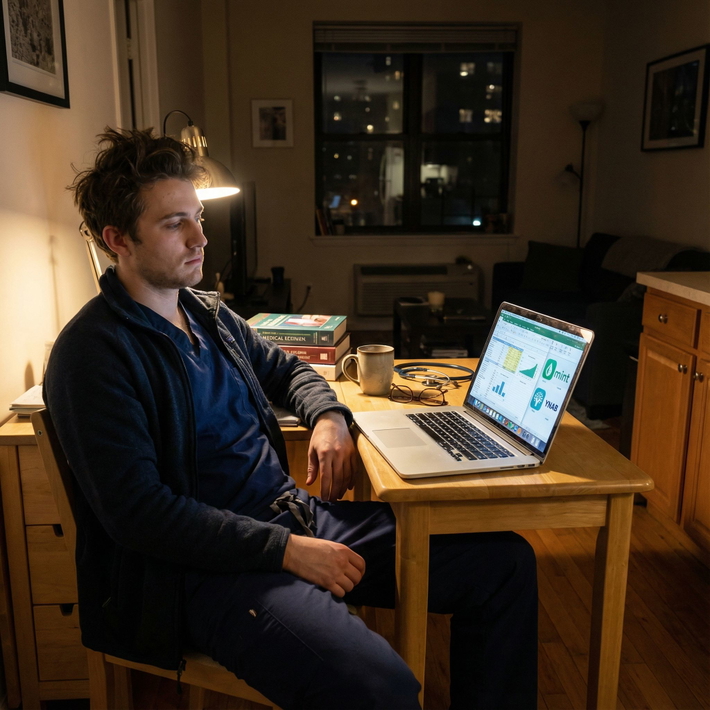
Creating a Supportive Community: The Power of Residency Networks
Residency is one of the most intense and formative phases of a physician’s career. You move from the relative structure of medical school into the frontline of patient care, often with long shifts, steep learning curves, and limited time for yourself. Amidst that pressure, a strong, supportive residency network is not a luxury—it is a critical resource for survival, growth, and long-term success.
Residency networks are the connections you build with co-residents, faculty, mentors, alumni, and the broader medical community. When these relationships are intentional and well-nurtured, they become a powerful foundation for emotional resilience, clinical excellence, and professional development throughout your career.
This article explores:
- Why residency networks matter
- How they support both wellbeing and career advancement
- Practical strategies to build and sustain your own network
- Ways to extend those connections beyond residency
- Real examples of residency networking in action
Why Residency Networks Matter in Training and Beyond
Residency is demanding not only intellectually but also emotionally and physically. A cohesive, supportive medical community can make the difference between burning out and thriving.
Emotional Support, Camaraderie, and Wellbeing
The emotional burden of residency is real: witnessing suffering and death, managing medical errors, coping with sleep deprivation, and balancing life outside the hospital. Without a support system, it is easy to feel isolated—even while constantly surrounded by people.
A strong residency network helps by:
Normalizing the struggle
Hearing co-residents say “I’m overwhelmed too” or “I’ve made that mistake before” reduces shame and self-doubt. It reminds you that growth in medicine is often uncomfortable but shared.Providing safe spaces to process emotions
Informal debriefings after a code, a difficult patient encounter, or an adverse event help residents work through guilt, grief, or frustration. Peer support can prevent distress from becoming chronic burnout.Strengthening resilience and sense of belonging
Shared experiences, humor, and mutual understanding create a sense of “we’re in this together.” This collective identity is a powerful buffer against stress.Reducing burnout and depression risk
Studies consistently link social support and mentorship with lower burnout scores, higher job satisfaction, and reduced intention to leave training programs.
Actionable ideas:
- Start or join a peer-support or wellness group in your program.
- Schedule regular check-ins with a small “pod” of 3–5 co-residents to talk about life, not just work.
- Use institutional wellness resources, but also cultivate informal, trusted peer spaces.
Professional Guidance, Mentorship, and Career Navigation
Residency is also when you make pivotal career decisions: subspecialty choices, fellowship applications, research directions, practice type (academic vs community), and geographic preferences. Your network can provide clarity and practical guidance when the path feels uncertain.
A strong professional network can help you:
- Understand different specialties and career trajectories through candid conversations.
- Refine your CV, personal statements, and interview skills for fellowships or jobs.
- Learn about unadvertised positions, research opportunities, or committee roles.
- Avoid common pitfalls in contract negotiation, financial planning, or practice setup.
Mentorship is a key component of this network. A good mentor can:
- Offer long-term career strategy and perspective.
- Help you align your values with your career choices (e.g., work-life balance, academic vs clinical emphasis).
- Sponsor you by inviting you onto projects, introducing you to key people, and advocating for you when you are not in the room.
Residents rarely regret seeking mentorship early; most regret waiting too long.
Skill Development: Clinical, Academic, and Leadership
Residency networks are not just for emotional and career support—they are also fertile ground for developing both clinical and non-clinical skills.
Through networks, you can:
- Join or form study groups for in-training exams, boards, or subspecialty certification.
- Participate in peer teaching sessions, journal clubs, simulation labs, and case conferences.
- Practice leadership skills by organizing wellness initiatives, quality improvement projects, or educational workshops.
- Develop interpersonal skills—communication, conflict resolution, giving/receiving feedback—by working closely with other professionals.
These experiences not only make you more effective in residency but also build a portfolio of competencies that fellowship directors and employers value.
Expanded Career Opportunities and Visibility
Networking broadens your professional exposure far beyond your immediate training environment.
Effective networking can:
- Lead to research collaborations and co-authorships with faculty or external institutions.
- Open doors to elective rotations or observerships at other hospitals or countries.
- Connect you with fellowship program directors and future colleagues.
- Provide speaking opportunities, committee roles in national organizations, or leadership positions in trainee sections.
Many residents discover that a casual conversation at a conference, an introduction from a mentor, or a connection through an alumni network ends up shaping their long-term career path.
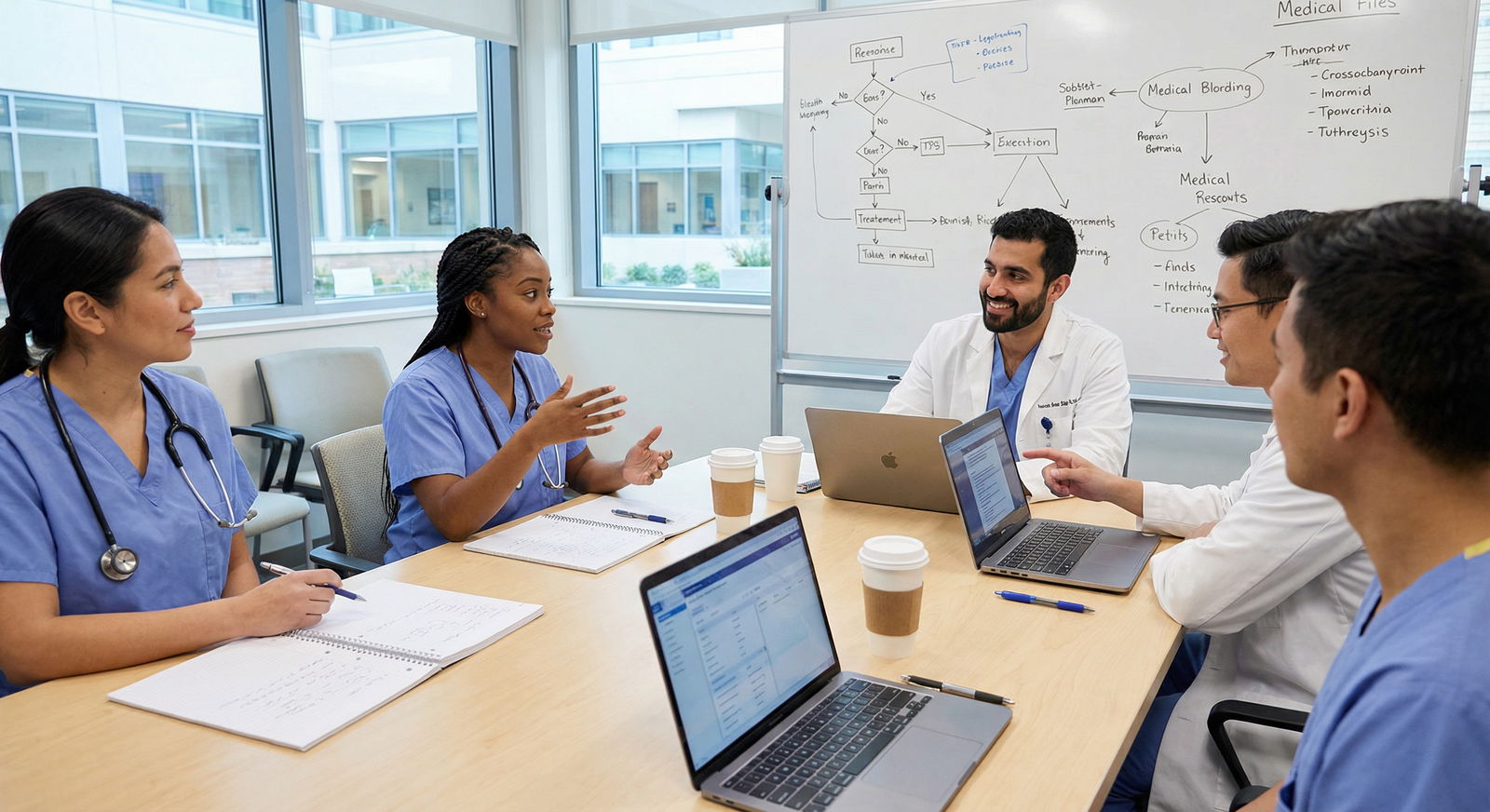
Practical Strategies to Build a Strong Residency Network
Creating a supportive community during residency doesn’t happen by accident. It requires intention, small consistent actions, and a willingness to engage with others even when you are tired or busy.
Engage Deliberately with Fellow Residents
Your co-residents are the foundation of your residency network and often your first line of support.
Ways to connect more intentionally:
Show up to program events
Attend orientation activities, retreats, holiday gatherings, and graduation events. These settings often provide low-pressure opportunities to meet and connect.Start informal rituals
- “Post-call breakfast” with your team at a nearby café.
- Weekly coffee rounds where anyone on service can drop in.
- End-of-rotation debrief gatherings to reflect and celebrate.
Reach out one-on-one
Invite a new intern for a coffee, ask a senior how they’re doing after a tough week, or text a co-resident you haven’t seen recently. Small gestures build trust.
Practical tip:
If you’re introverted or shy, focus on consistency instead of intensity. You don’t need to be the most social person—just be reliably kind, curious, and willing to engage.
Get Involved in Committees, Interest Groups, and Organizations
Structured involvement is one of the most efficient ways to expand your network within and beyond your program.
Consider:
Hospital or residency committees
- Wellness or resident experience committees
- Quality improvement or patient safety committees
- Diversity, equity, and inclusion (DEI) councils
These let you collaborate with faculty, administrators, and interprofessional colleagues while shaping your training environment.
Specialty interest groups
Join or help create groups focused on:- Cardiology, oncology, critical care, etc.
- Global health, health policy, medical humanities. Interest groups often host guest speakers, journal clubs, and workshops that attract residents and faculty across departments.
National medical organizations
Most specialties have resident and fellow sections within their professional societies. These offer:- Leadership roles (committees, councils)
- Travel grants to conferences
- Networking with trainees and attendings from other institutions
Example:
A resident joins the residency wellness committee, leads a project on improving call-room conditions, presents the outcomes at a national conference, and meets a program director who later helps them secure a competitive fellowship.
Use Social Media and Online Platforms Strategically
Online spaces can extend your medical community far beyond your hospital walls—if used thoughtfully.
Recommended platforms:
- LinkedIn for professional profiles, academic updates, and connecting with mentors, alumni, and conference contacts.
- Specialty-specific forums or Slack/Discord groups for case discussions, exam prep, and real-time advice.
- Professional Twitter (X) / Threads for following thought leaders, guidelines, conferences, and research conversations (if you enjoy that style of engagement).
Ways to use them effectively:
- Share your academic work: conference posters, publications, QI projects.
- Comment thoughtfully on others’ posts—congratulations, questions, or insights.
- Follow residency, fellowship, and professional society accounts for opportunities and updates.
- Maintain professionalism: avoid patient-identifiable information and be mindful of institutional policies.
Advanced idea:
Start a small private online group (WhatsApp, Signal, or Slack) for your residency class or interest group to share resources, exam tips, and support in real time.
Leverage Mentorship and Sponsorship
Mentorship is a central pillar of residency networking and professional development.
Finding the Right Mentors
You may need different mentors for different roles:
- Clinical mentors to help you refine decision-making and patient care skills.
- Research mentors to guide you through projects, manuscripts, and academic careers.
- Career mentors to help with long-term planning and work-life integration.
- Identity- or experience-based mentors (e.g., women in surgery, first-generation physicians, international graduates) who understand your specific challenges.
How to find them:
- Ask your program leadership to connect you with faculty who share your interests.
- Approach an attending you respect after a rotation and ask for a brief meeting.
- Use alumni networks and national society directories to identify potential mentors.
When you meet:
- Arrive with clear questions or goals.
- Share your story, interests, and what you hope to explore.
- Follow up with gratitude and updates; mentoring relationships grow through ongoing communication.
Recognizing Sponsors vs Mentors
- Mentors advise and guide you.
- Sponsors actively advocate for you and create opportunities (nominating you for awards, inviting you to co-author, recommending you for positions).
Both are important. Network broadly enough that people know your work and are willing to speak on your behalf.
Participate in Conferences, Courses, and Workshops
Conferences and educational events remain some of the most powerful networking environments in medicine.
Maximizing conferences for networking:
Before the conference
- Review the program and identify sessions or speakers you want to meet.
- Reach out via email or social media: “I’ll be at [Conference]. I admire your work on [topic] and would love to briefly introduce myself after your session.”
During the conference
- Attend trainee events, networking receptions, and poster sessions.
- Introduce yourself to people standing near you: “Hi, I’m [Name], a [PGY level] in [specialty] at [institution]. What brings you to this session?”
After the conference
- Follow up within a week: thank them for their time, reference something you discussed, and, if relevant, propose a simple next step (sharing a paper, discussing a project idea).
Local and online workshops:
- Look for offerings on:
- Communication in patient care
- Leadership and team dynamics
- Teaching and medical education
- Quality improvement methodologies
These events often have smaller groups, making it easier to build deeper connections.
Extending Your Medical Community Beyond Residency
Residency ends, but your need for a strong professional network does not. In fact, those connections often become more important as your responsibilities and leadership roles grow.
Building Long-Term Professional Relationships
Think of your network as a living ecosystem, not a one-time achievement.
Ways to maintain and deepen relationships:
- Check in periodically with mentors, co-residents, and collaborators—even just a quick email or message every few months.
- Share updates about promotions, new positions, publications, or major life events.
- Support others’ careers: congratulate them on achievements, share their work, and connect them with opportunities when you can.
Some of your closest future collaborators, referral sources, and friends will be:
- Co-residents and fellows who scatter across the country or world.
- Junior faculty who trained with you and advance in parallel.
- Peers you met at conferences and in professional societies.
Using Alumni Networks and Institutional Connections
Most residency programs and medical schools have formal or informal alumni networks. These are underused gold mines for career exploration and mentorship.
How to engage:
- Join alumni mailing lists and online groups (LinkedIn, listservs, or dedicated platforms).
- Attend alumni panels, reunions, and webinars if available.
- Offer to:
- Speak with current residents or students about your path.
- Host visiting students or residents for electives.
- Mentor someone earlier in the pipeline.
Alumni are often particularly generous with advice and introductions because they feel a shared identity with you.
Giving Back: Becoming a Mentor and Community Builder
As you progress into senior residency, fellowship, or attending roles, you shift from primarily receiving support to also providing it. This is how the medical community sustains itself.
Ways to give back:
- Formal mentorship: volunteer as a near-peer mentor for medical students or junior residents.
- Informal support: notice struggling colleagues and offer a listening ear and practical advice.
- Teaching and leadership: contribute to curriculum development, simulation sessions, and resident-led initiatives.
This not only strengthens the community for those coming after you—it also deepens your own sense of purpose, reinforces your skills, and expands your professional reputation as someone who invests in others.
Real-World Examples of Residency Networking in Action
Example 1: The Cohort Support and Study Group
A group of interns in internal medicine began meeting weekly for a “protected hour” coffee session. Initially, they used it to vent about difficult calls and share coping strategies. Over time, they added:
- Short case-based teaching led by different members
- Shared board-review questions
- Peer feedback on presentations and notes
Outcomes:
- Stronger emotional resilience through shared understanding
- Improved performance on in-training exams
- Long-term friendships and future referrals after graduation
Example 2: Specialty Interest Group Leading to Career Opportunities
Three residents interested in cardiology started a cardiology interest group:
- They invited faculty cardiologists for informal Q&A sessions.
- They organized ECG review nights and a journal club.
- They collaborated on a QI project around heart failure readmissions.
Within two years:
- All three matched into competitive cardiology fellowships.
- Two were offered research positions with cardiology faculty.
- Their group became a formal part of the residency’s curriculum, helping future classes.
Example 3: Conference Connection Turning into a Fellowship
A senior resident presented a poster at a national conference. After the session:
- An attending from another institution initiated a conversation about the project.
- The resident followed up by email, sharing the full manuscript and expressing interest in the attending’s fellowship program.
- Over the next several months, they co-authored a review article and stayed in touch.
When fellowship application season came, the attending advocated for the resident strongly, and the resident successfully matched into that program.
FAQs: Residency Networks, Mentorship, and Professional Development
1. How can I start building my residency network if I’m new and feel overwhelmed?
Start small and consistent:
- Introduce yourself to co-residents and attend at least one social or wellness event each month.
- Join one committee, interest group, or resident-led initiative aligned with your interests.
- Schedule a brief (15–20 minute) meeting with a faculty member you respect to ask about their career path.
You don’t need to “network” with everyone. Focus on building a handful of genuine relationships and expand gradually.
2. What if I feel isolated or behind my peers in building connections?
Feeling isolated is very common, especially in the first year of residency or after switching programs. Some steps:
- Reach out to one trusted peer and name what you’re feeling—chances are they (or someone they know) has felt similarly.
- Use structured supports: wellness groups, mentorship programs, resident retreats.
- Consider talking with a mental health professional if isolation is affecting your sleep, motivation, or enjoyment of work.
Remember: connection is built over time through small, repeated interactions, not one big event.
3. How do I find and approach a mentor without feeling like I’m bothering them?
Most faculty expect and welcome mentorship requests from residents. To make it easier for them:
- Choose someone whose work or style you genuinely admire.
- Send a concise email:
- Introduce yourself and your role.
- Mention what specifically you appreciate about their work.
- Request a brief meeting with 2–3 clear questions or goals.
- Respect their time, show up prepared, and follow up with appreciation.
If they’re too busy, they may suggest someone else—this is still progress.
4. Can online platforms really help my residency networking and professional development?
Yes—when used professionally and intentionally:
- Online networks can connect you with mentors, collaborators, and peers far beyond your own institution.
- You can stay updated on guidelines, research, and educational resources.
- Virtual conferences, webinars, and interest groups expand access to leaders in your field.
Always maintain confidentiality, follow institutional policies, and treat your online presence as an extension of your professional identity.
5. How do I maintain my residency relationships and networks after graduation?
Practical ways to stay connected:
- Add co-residents, faculty, and collaborators on LinkedIn and keep your profile updated.
- Join your program’s or medical school’s alumni networks.
- Send periodic updates and congratulations when you see others’ achievements.
- Meet up at conferences or when traveling to each other’s cities.
- Offer help—such as mentoring current residents or co-authoring projects—which keeps relationships active and mutually beneficial.
Cultivating a strong residency network takes effort, especially in an already demanding phase of training. But that investment pays off in emotional support, accelerated learning, expanded opportunities, and a more sustainable, fulfilling career. By engaging with peers, mentors, organizations, and the broader medical community, you are not just surviving residency—you are building the foundation of your professional life as a physician.