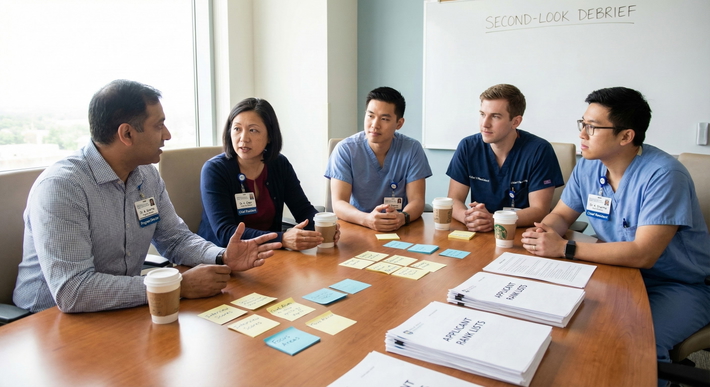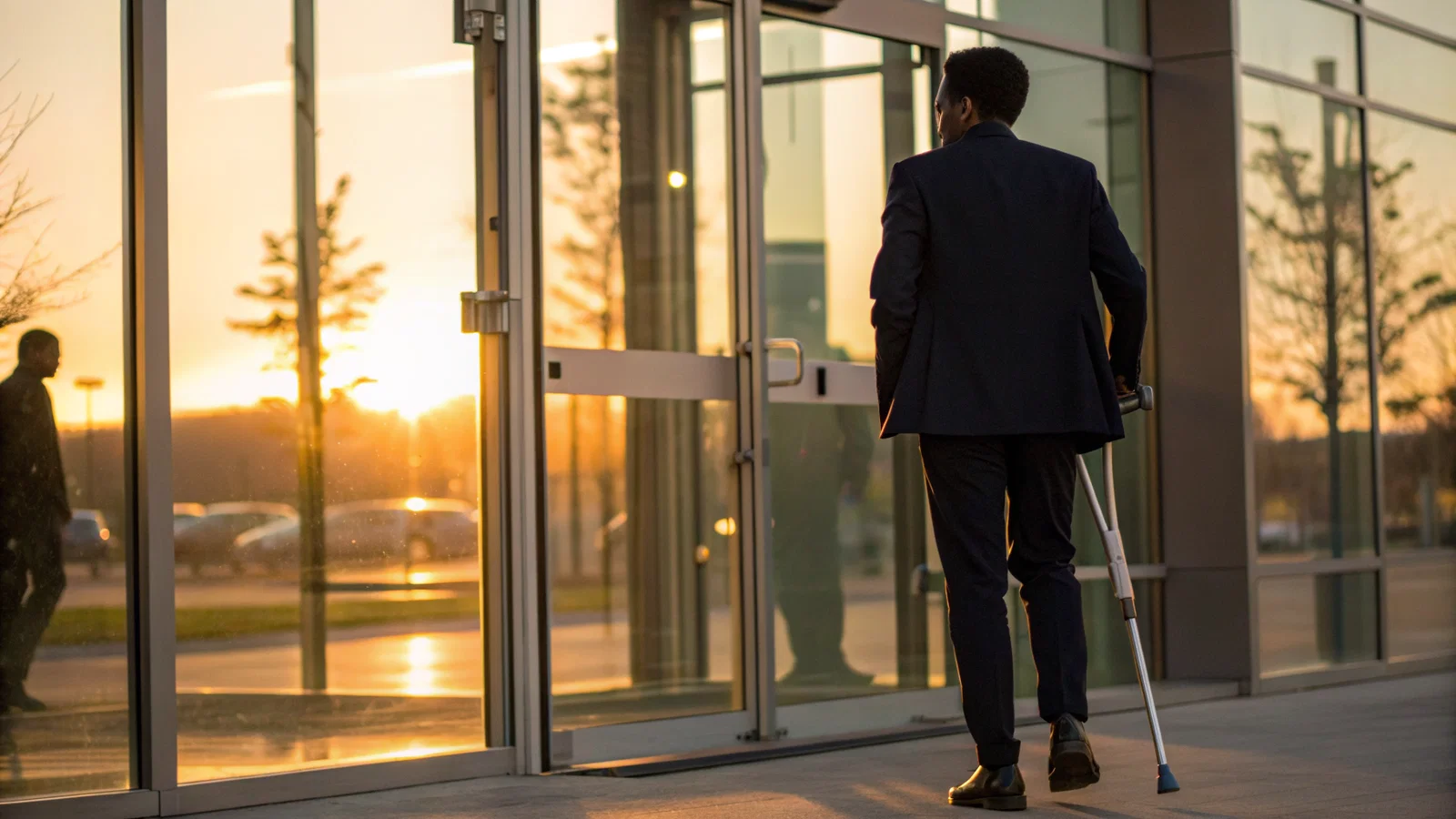
The second look invitation hits your inbox, and for about ten seconds it's pure joy. Then you open the itinerary. Campus tour at nine. Hospital walkthrough at ten-thirty. Standing lunch with current students. Breakout sessions. An "optional but strongly encouraged" social that runs until 8 p.m.
If you manage a disability, chronic pain, POTS, Crohn's, ADHD, a sensory condition, a mobility impairment, that schedule doesn't read like an invitation. It reads like an endurance event with a blazer requirement.
Here's the good news: second looks are absolutely manageable with accommodations, and requesting them won't sink your candidacy. But the logistics fall on you. Programs won't offer what they don't know you need, and second looks are far less standardized than interview days. This is the playbook, what to request, when to request it, and how to show up at full capacity instead of as a depleted version of yourself.
The Challenge: Why Second Looks Require Extra Planning When You Have a Disability
Second looks are a different animal from interviews. Longer. Looser. Built around exactly the activities that are hardest to accommodate: walking tours, standing receptions, echoing atriums, off-site dinners at restaurants with three steps at the entrance and no ramp in sight.
The stakes are real. For medical school admits, this is your one chance to compare programs in person before committing. For residency applicants, second looks are murkier, programs insist they don't affect rank lists, and I take that claim with a grain of salt. Genuine enthusiasm gets remembered. Either way, you want to be there at your best.
And that's the core problem: unmanaged symptoms turn you into a worse version of yourself. If you're white-knuckling through pain or fighting brain fog because you skipped lunch and stood for ninety minutes, the program isn't meeting you. They're meeting your symptoms.
I've watched this happen. An applicant with POTS pushed through a 45-minute standing tour because she didn't want to "make it a thing." She spent the resident Q&A in a bathroom stall with her feet up, heart rate at 140. The tour cost her the best networking hour of the day.
Proactive planning fixes this. And here's the part applicants don't believe until they see it: coordinators respect clear, early accommodation requests. It reads as professionalism and self-awareness, the exact traits they're quietly evaluating.
Step 1: Know Your Rights and Your Program's Obligations
Your legal footing is solid. Section 504 of the Rehabilitation Act covers any program receiving federal funds, which is essentially every medical school and teaching hospital in the country. The ADA layers on top. Together, they guarantee reasonable accommodations for events like second looks unless the accommodation would fundamentally alter the event or impose an undue burden. "We didn't know" and "we've never done that before" are not legal exceptions. You may hear both anyway.
Two practical truths.
First, nobody will offer. Interview days sometimes come with an accommodations checkbox on the RSVP form. Second looks almost never do. If you wait for the program to raise the topic, you'll be waiting until the morning of the visit.
Second, you may be their first. Residency coordinators handle recruitment logistics brilliantly and disability requests almost never. Medical school admitted-student days are run by admissions staff who may have zero relationship with the campus disability office. That's not an excuse for them, it's a warning for you. Build in extra lead time, because your request may get forwarded three times before it lands on the right desk.
Know the two flavors of accommodation you might need:
- Interview-format accommodations: extended time, breaks between sessions, materials in advance, access to a quiet room. These mirror what you'd request in any evaluative setting.
- Activity and tour accommodations: an accessible tour route, seating during standing sessions, a ride between buildings instead of the walking tour, ASL interpretation, digital or large-print materials. Second looks are mostly this category, and it's the category programs forget exists.
Put everything in writing. Verbal requests evaporate. Written requests get forwarded, logged, and, crucially, confirmed.
Aim to send your request at least two weeks out if you can. Five to seven business days is the floor, not the target.
Step 2: Communicate Early and Professionally with the Program
Within 24 to 48 hours of accepting the invitation, email the program coordinator. Not the generic admissions inbox, the actual human coordinating the day. If you don't know who that is, reply to the invitation and ask.
Be specific. "I have a mobility impairment and might need some assistance" gets you a vague promise and no plan. Specificity is kindness, to them and to you. Here's language that works:
I'm delighted to attend the second look on April 4. So I can participate fully, I'm requesting the following accommodations: a seat with back support during the campus tour and all standing sessions, and a ten-minute break every ninety minutes. I'm happy to provide documentation from my university's disability services office if helpful. Could you also share the detailed schedule once finalized, including how much walking and standing the tour involves?
Notice what that email does. It states needs as facts, offers documentation without oversharing, and asks for the schedule, because you can't plan for demands you can't see.
On documentation: have your disability services office write a brief letter confirming your registered status and listing recommended accommodations. The program does not need your diagnosis (more on that in the FAQ). If anyone asks for actual medical records, push back politely. A functional-limitations letter is the standard, and it's enough.
One more ask that pays off: request a named point of contact for the day itself, a coordinator or resident host with a cell number. When the accessible entrance is locked at 8:45 a.m., you don't want to be emailing an inbox.
Rest breaks and seating are the most under-requested items on that list. People ask for the big stuff and then try to tough out the small stuff. Don't. The small stuff is what compounds over an eight-hour day.
Step 3: Plan for the Logistics of the Day
Now build your visit like an operations problem.
Map the venue. Hospital campuses are accessibility labyrinths, skybridges, disconnected pavilions, elevators that require badge access. Ask the coordinator directly: Where's accessible parking relative to check-in? Which entrance? How far are the restrooms from the session rooms?
If you're traveling overnight, book the accessible hotel room yourself, early, and confirm twice. A roll-in shower and a tub with a bench are not the same thing, and hotels confuse them constantly. Confirm again by phone 48 hours before arrival.
Sort transportation. If the program's shuttle or a standard rideshare won't work for you, arrange your own transit now, not the night before.
Pack a real kit. Medications in a labeled organizer, plus an extra 24-hour supply. Snacks that work with your condition. Sensory tools, earplugs or noise-canceling earbuds, sunglasses for fluorescent-lit atriums. Chargers and spare batteries. Cooling towel or hand warmers if temperature regulation is an issue. Whatever you rely on at home, you need double of it on a high-stress day away.
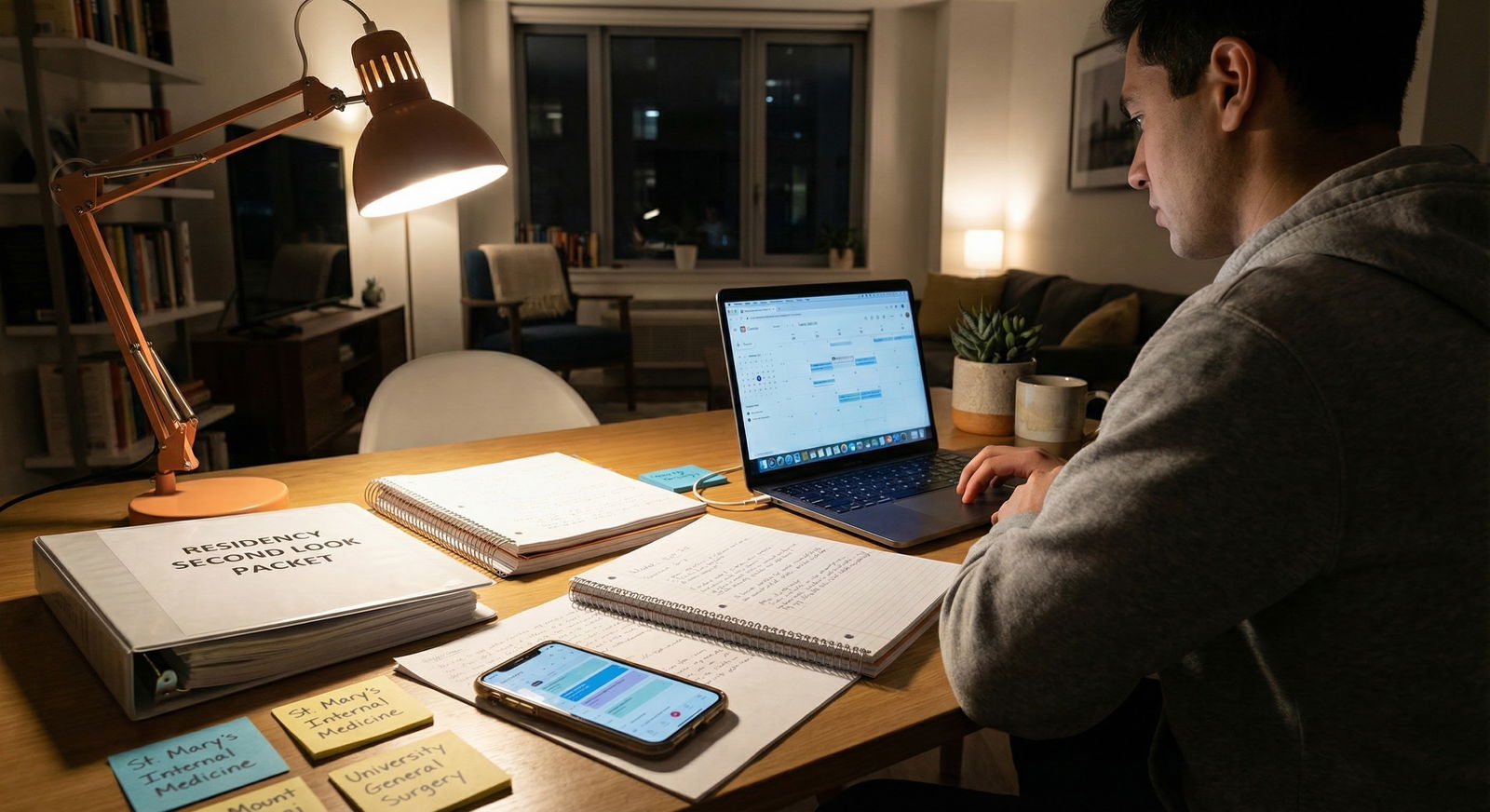
Schedule rest like it's a session. Block 10 to 15 minutes between major activities and protect those blocks. Scout a quiet spot early in the day. Here's an insider tip: nearly every hospital has a chapel or meditation room near the main lobby. Quiet, dim, open to everyone, and almost always empty on a weekday morning. I've sent more applicants there than I can count.
Ask about the food. "We'll have vegetarian options" is not an answer to "I need low-fiber meals" or "I'm strictly gluten-free." If the catering won't work, bring your own and eat it without apology. Low blood sugar has ended more promising visit days than any awkward conversation ever has.
Step 4: Manage the Visit Day with Confidence
Arrive 20 to 30 minutes early. Check in, find the restroom, locate your quiet room, test the chair they promised you. Early arrival converts unknowns into knowns, and unknowns are what actually drain your battery.
When you arrive, confirm your point person and save their number. Then, and this is the part people struggle with, actually use your accommodations. Sit in the chair. Take the break. Ask the tour guide to use the microphone.
There is no secret scoring rubric that rewards silent suffering. Nobody watches you push through pain and thinks, now there's a tough one. They're watching to see whether you're engaged, curious, and at ease, and you can't be any of those things while managing a symptom spike you could have prevented.
I've seen the opposite play out: an applicant who took his scheduled breaks, used his rollator on the tour, and had the energy to be genuinely funny and memorable at the resident lunch. Nobody remembers the rollator. They remember the conversation.
Between sessions, jot two-line notes on your phone, who you talked to, what you discussed, anything personal. You'll want them for thank-you notes, and after a long day your memory will be mush. Everyone's is.
After the Visit: Following Up Without Overextending Yourself
Send thank-you emails within 24 to 48 hours. Keep them short and specific, reference an actual conversation. "I appreciated hearing how your residents handle night float" beats "thank you for the wonderful opportunity" every time.
If an accommodation fell short, say so, constructively. Email the coordinator within a few days: what you requested, what happened, and what would fix it for future visitors. Frame it as improving their process, because it is. If the failure was serious, promised wheelchair access that didn't exist, a coordinator who brushed you off, also loop in your home institution's disability office. They can raise it through professional channels, and they should.
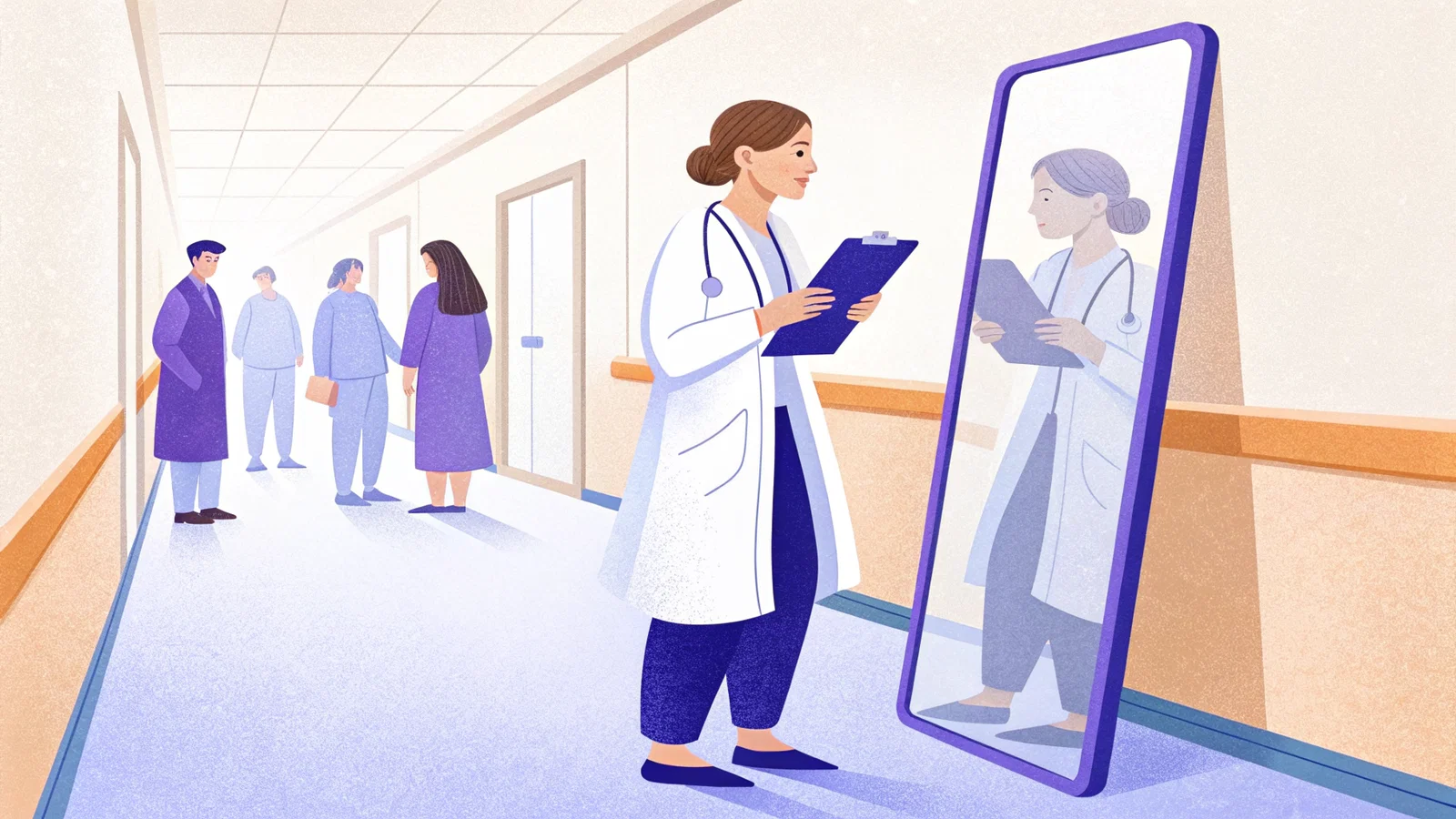
Then do your own debrief. What worked? What didn't? What will you request differently next time? Keep a running note on your phone. By your third second look, you'll have a personalized system no article can hand you.
Finally, some perspective. One imperfect visit doesn't decide your future. And if a program handled your accommodation badly? That's not your failure, it's data. They just showed you how they treat trainees with disabilities. Believe them, and rank accordingly.
The Bottom Line
- Request accommodations in writing within 24 to 48 hours of accepting your invitation. Early, specific, documented.
- Confirm everything before the day, schedule, seating, breaks, a point person with a phone number.
- Use your accommodations fully. That's not weakness. It's professional self-management, and it's exactly what lets you show up as the applicant programs remember.
So here's your next move, and it takes four minutes: open your email right now and send the accommodation request for your next visit. Not tomorrow. Not after you've "thought about it more." Today. The version of you that arrives rested, comfortable, and fully present is the version that gets remembered. Go make that version possible.