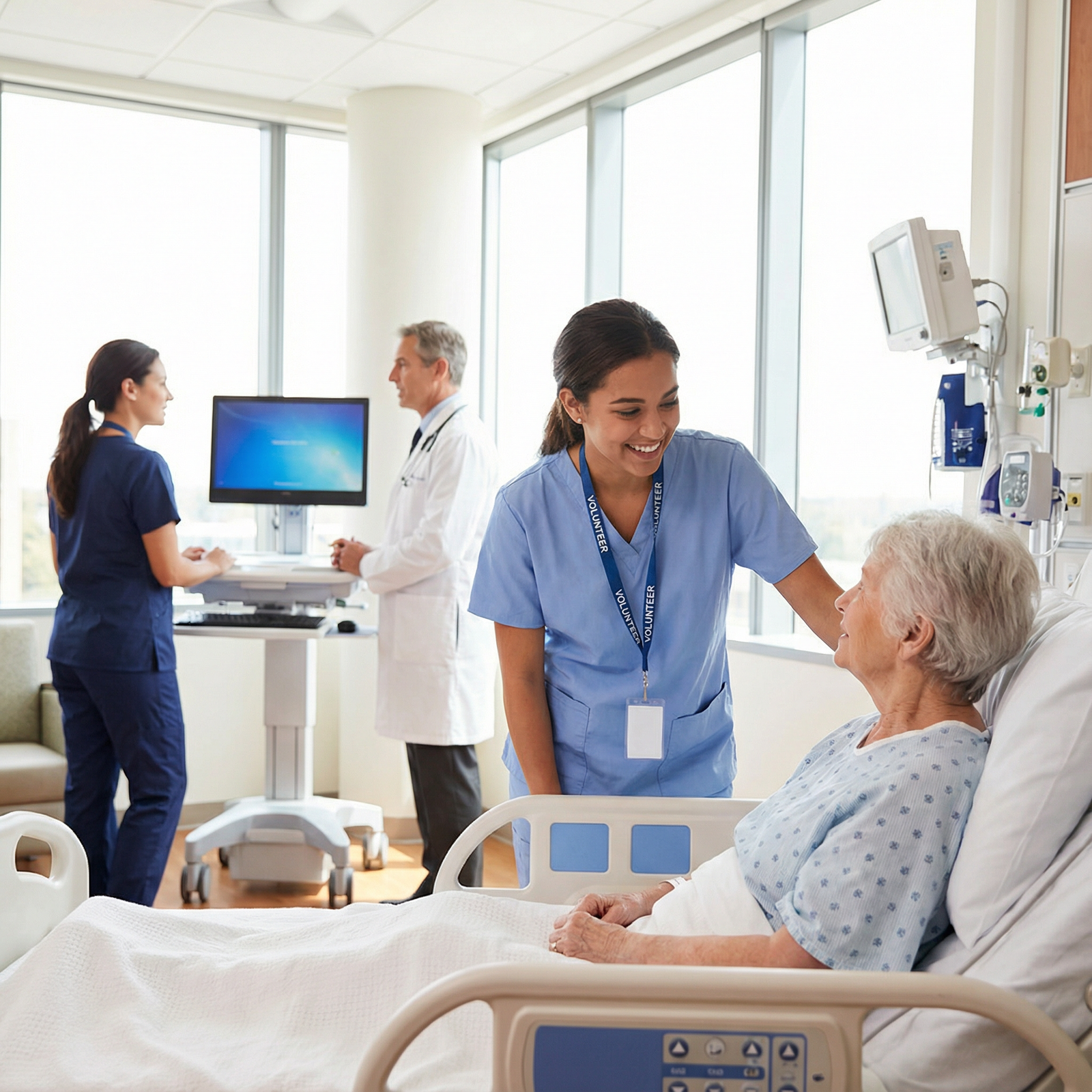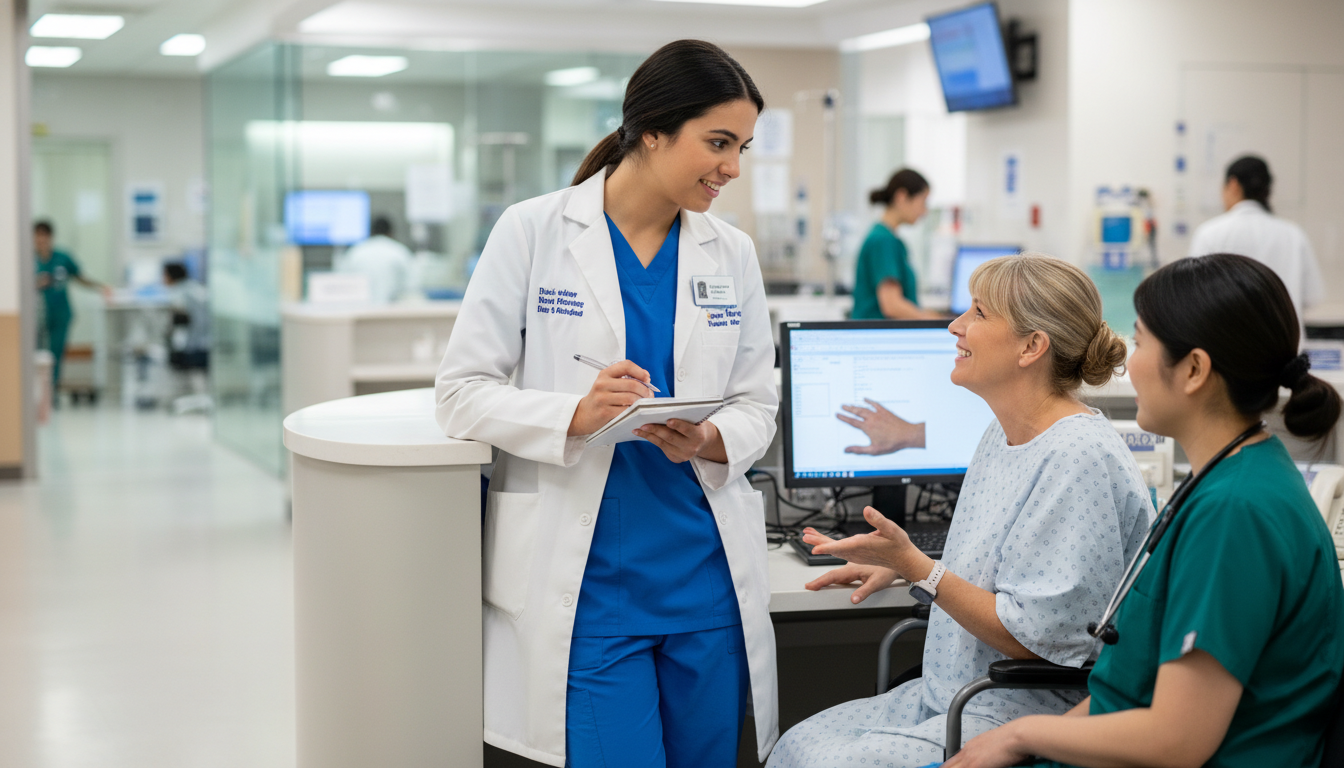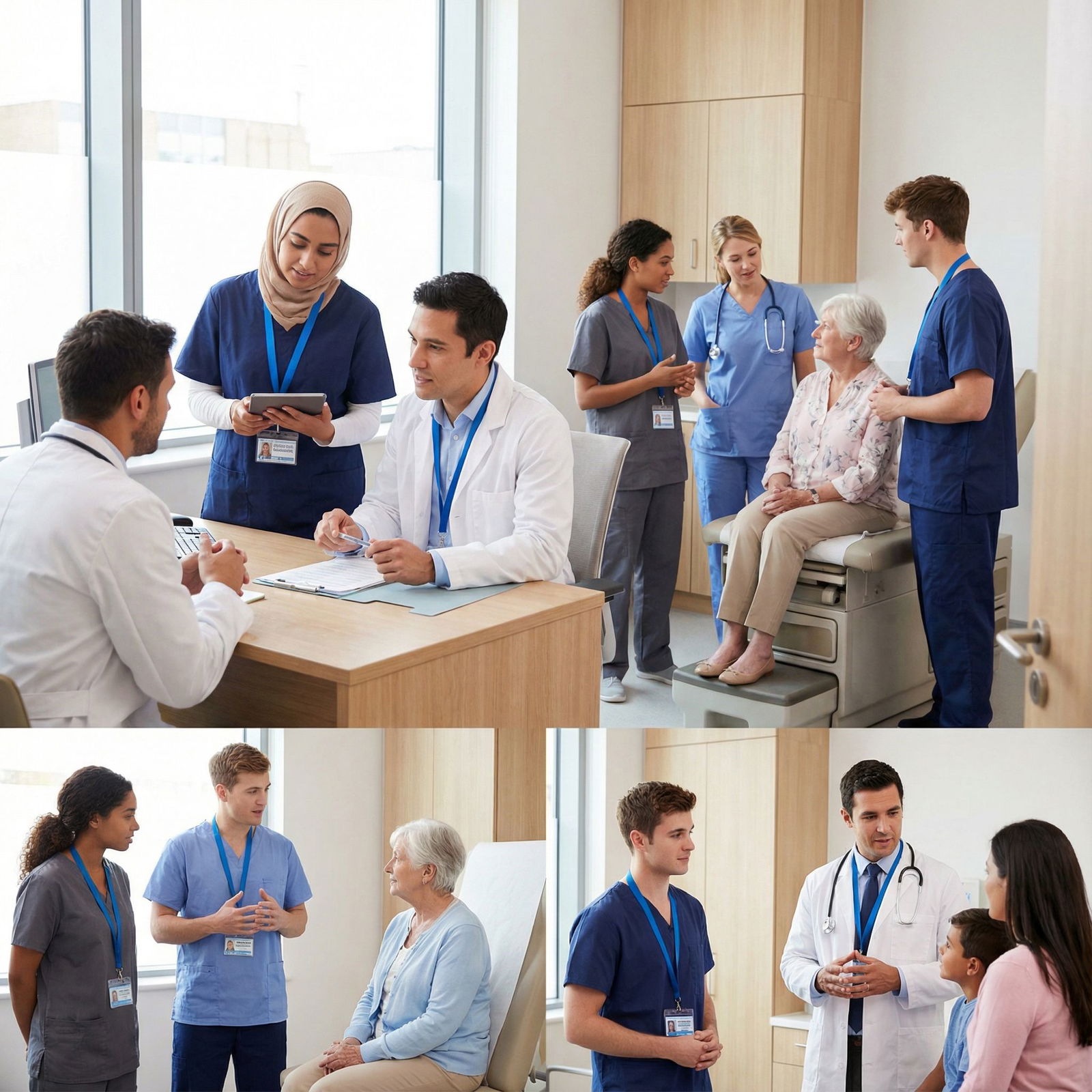
Introduction: Why Specialized Clinical Volunteering Matters for Future Doctors
Clinical Volunteering is more than a checkbox on a medical school application. For future doctors, it is one of the most powerful ways to test your motivation, understand the realities of patient care, and begin developing the mindset of a clinician.
Many premeds and early medical students start with general Volunteer Opportunities—transporting patients, stocking supplies, or greeting visitors. These experiences are important and valuable. But as you advance in your Medical School Preparation, specialized clinical volunteering can give you focused, deeper exposure to specific areas of medicine and the healthcare system.
This article explores how to strategically choose, structure, and maximize specialized Healthcare Experience that aligns with your career interests. You’ll learn:
- Why specialized clinical volunteering can give you a competitive edge
- Examples of focused opportunities across inpatient, outpatient, public health, specialty care, research, global health, and emergency services
- How to find and secure these roles
- How to turn your experiences into compelling stories for medical school applications and beyond
Whether you already have a strong sense of your specialty interests or are still exploring, intentional, specialized engagement can clarify your path and strengthen your identity as a future physician.
Why Pursue Specialized Clinical Volunteering?
Specialized clinical volunteering means choosing roles that are clearly tied to a particular patient population, specialty, or healthcare setting. Instead of just “helping in a hospital,” you might volunteer in an oncology infusion center, a refugee health clinic, or with a stroke response team.
Key Benefits of Specialized Healthcare Experience
Deeper, more meaningful patient interaction
Focused roles often bring you closer to the heart of patient care. For example:
- Sitting with chemotherapy patients and providing comfort during infusions
- Helping in a diabetes education class where you see the same patients over time
- Supporting triage in an emergency department and watching clinical decisions unfold in real time
This type of consistent, specialty-specific exposure allows you to observe patterns, understand disease trajectories, and grasp how teams work together.
Stronger professional networks and mentorship
Specialized roles connect you to clinicians who share your interests. You might:
- Develop a mentoring relationship with an internist at a free clinic
- Meet residents and fellows on an inpatient cardiology floor
- Work closely with a public health nurse supervising community outreach
These mentors can later provide letters of recommendation, career advice, and research or shadowing opportunities aligned with your goals.
Early development of specialty-related skills
Even as a volunteer (and later as a student), you’re not performing independent medical procedures—but you are building skills that matter:
- Communicating sensitively with oncology patients about fatigue, fear, and family stress
- Explaining asthma inhaler technique to pediatric patients and their parents
- Helping older adults navigate complex follow-up instructions in outpatient clinics
These are core clinical skills—communication, empathy, cultural humility, systems navigation—that admissions committees look for in future doctors.
Informed exploration of specialties
Many students arrive in medical school attracted to a field they’ve only seen on TV. Specialized clinical volunteering lets you test your assumptions:
- Is emergency medicine’s pace energizing or overwhelming for you?
- Do you genuinely enjoy working with children in pediatrics settings?
- Are you drawn to long-term relationships with patients in primary care or chronic disease clinics?
Observing day-to-day workflows, documentation burden, team dynamics, and patient mix helps you make smarter decisions later about specialty choice.
More compelling medical school and residency applications
When you can say, “I spent two years volunteering weekly in a community HIV clinic and helped design a small quality-improvement project,” that reads very differently than “I volunteered at a hospital.”
Specialized experiences demonstrate:
- Sustained commitment
- Initiative and responsibility
- Depth of understanding about healthcare challenges
- A clear narrative about who you are becoming as a physician
Major Types of Specialized Clinical Volunteering Opportunities
Below are common categories of specialized clinical volunteering. You don’t need to cover them all; instead, choose 1–3 that genuinely match your interests, location, and schedule.
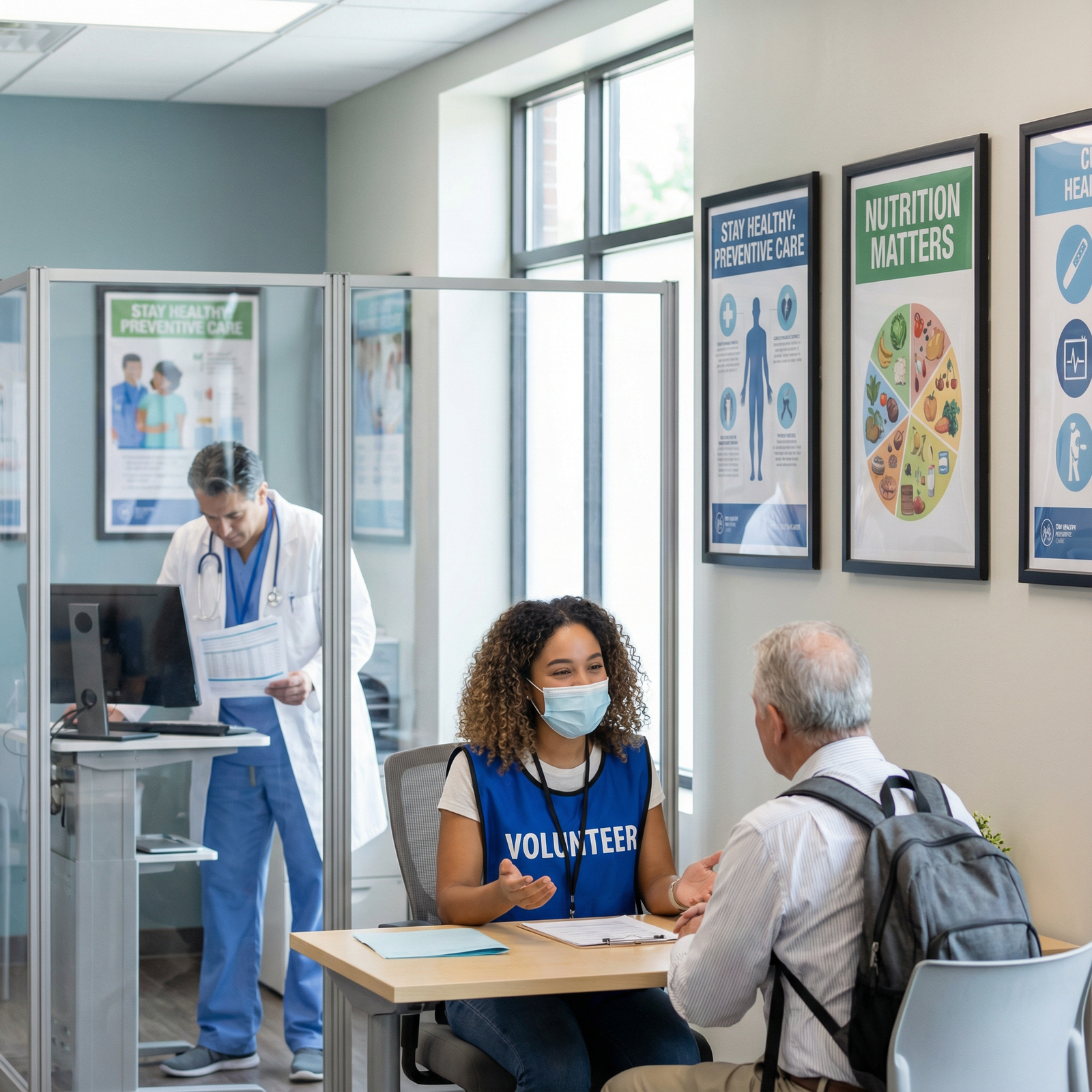
1. Inpatient and Outpatient Care: Direct Clinical Exposure
These are ideal for gaining first-hand experience with patient care teams in real clinical environments.
Hospital Volunteer Programs (Inpatient Focus)
Many academic and community hospitals run structured Clinical Volunteering programs tailored to premeds. Specialized placements might include:
- Cardiology unit: Assisting with non-clinical tasks, observing team rounds, and seeing how heart failure, arrhythmias, and post-op patients are managed.
- Oncology floor: Supporting nurses with patient comfort, observing chemotherapy infusions, learning how clinicians navigate serious diagnoses and prognostic conversations.
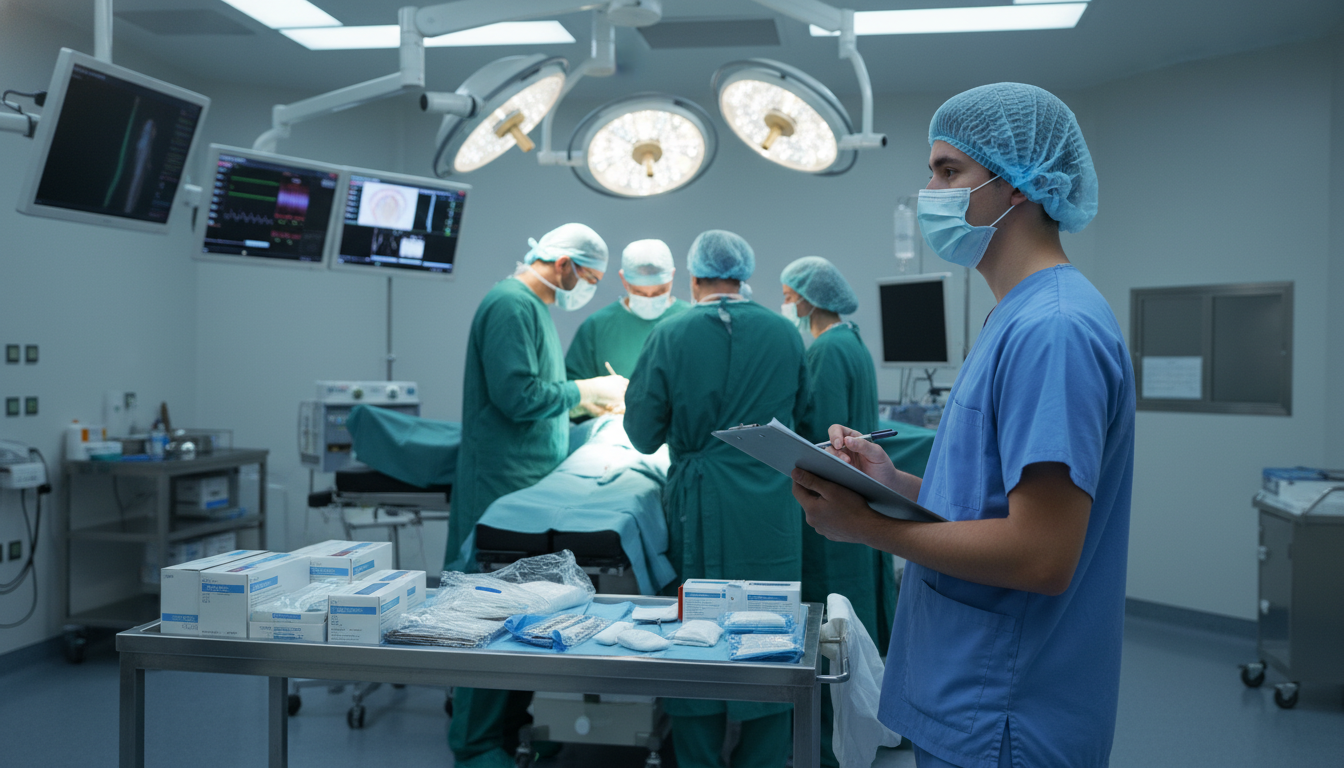
- Surgical wards: Helping with pre-op and post-op patient flow, understanding perioperative care, and observing how surgeons communicate with families.
While your direct clinical responsibilities will be limited, you will:
- See multidisciplinary care in real time
- Learn medical terminology, workflows, and team roles
- Observe how residents and attendings think through clinical decisions
Community Health Clinics and Outpatient Practices
Outpatient settings are crucial for understanding continuity of care and preventive medicine.
Common roles in outpatient clinics include:
- Patient intake and navigation: Guiding patients through registration, helping with forms, language assistance if you’re bilingual.
- Health education support: Assisting with group classes on topics like hypertension, smoking cessation, or prenatal care.
- Care coordination: Helping patients schedule follow-ups, explaining basic care instructions under supervision.
These roles are particularly valuable for:
- Experiencing chronic disease management over time
- Understanding barriers to care (transportation, cost, insurance, literacy)
- Seeing how primary care, psychiatry, and specialty clinics work together
For students interested in family medicine, internal medicine, pediatrics, or outpatient specialties (dermatology, allergy, etc.), these Volunteer Opportunities are highly relevant.
2. Public Health Outreach and Community-Based Healthcare
Public health-focused Clinical Volunteering shows you how health is shaped beyond hospital walls—by housing, food access, education, environment, and policy.
Local Public Health Departments
Many city or county health departments welcome student volunteers. Common areas include:
- Epidemiology and surveillance: Assisting (in limited ways) with data collection, community surveys, or contact tracing for infectious diseases.
- Maternal and child health: Supporting prenatal classes, WIC clinics, breastfeeding support, or early childhood health screenings.
- Mental health and substance use programs: Helping with community education events, stigma-reduction campaigns, or resource navigation.
You’ll gain insight into:
- How diseases spread and are tracked at the population level
- The role of vaccination programs, screening campaigns, and policy changes
- How public health teams respond to outbreaks or community crises
This is ideal for students interested in preventive medicine, internal medicine, pediatrics, family medicine, or dual MD/MPH pathways.
Health Education and Nonprofit Organizations
Partnering with NGOs or community organizations can give you specialized experience in:
- Nutrition and obesity prevention: Running workshops, cooking demos, or school-based education programs.
- Sexual and reproductive health: Supporting clinics or education sessions about contraception, STI prevention, or prenatal care.
- Substance use and harm reduction: Assisting with outreach programs, naloxone training events, or counseling referral processes.
These roles build your skills in:
- Explaining complex health topics clearly
- Working with diverse, sometimes vulnerable populations
- Understanding social determinants of health
3. Specialty Clinics and Focused Patient Populations
If you have a budding interest in a particular field, specialty clinics can offer sustained, relevant exposure.
Pediatric Clinics and Children’s Hospitals
For those drawn to pediatrics or family medicine:
- Volunteer in pediatric primary care clinics, children’s hospitals, or school-based health centers.
- Common responsibilities might include reading with children in waiting areas, helping with child-life activities, or assisting staff with non-clinical tasks.
You’ll see:
- Developmental milestones and common childhood conditions
- How clinicians communicate with both children and parents
- Sensitive discussions about chronic conditions, behavioral concerns, or school issues
Chronic Disease Management Programs
Longitudinal care is central to many specialties—internal medicine, cardiology, endocrinology, nephrology, and more. Consider:
- Diabetes clinics or education programs: Helping with group teaching sessions, tracking glucometer logs, or supporting lifestyle counseling.
- Asthma or COPD programs: Assisting with inhaler-use education, environmental trigger assessments, or follow-up calls.
- Heart failure or cardiac rehab programs: Observing patient exercise sessions, medication adherence discussions, and dietary counseling.
These experiences teach you:
- The importance of patient adherence, education, and follow-up
- How comorbidities and social factors complicate care
- The emotional toll of chronic illness on patients and families
4. Research and Clinical Trials: Bridging Science and Patient Care
For many future doctors, especially those interested in academic medicine, combining research with clinical volunteering is ideal.
Clinical Research Programs
Hospitals and academic centers often run volunteer-based research assistant programs. Depending on IRB constraints and your training, you may:
- Help with participant recruitment and informed consent (under supervision)
- Collect basic data (surveys, chart reviews, non-invasive measurements)
- Assist with follow-up calls or scheduling study visits
Specialization can be by disease (e.g., cancer, stroke, autoimmune disease), population (older adults, children, pregnant women), or intervention (medications, devices, behavioral therapy).
You’ll gain:
- An understanding of how clinical trials are designed and run
- Exposure to ethical considerations in human subjects research
- Experience that strengthens both MD and MD/PhD applications
Laboratory and Translational Research Internships
Some programs combine lab-based work with exposure to clinical teams:
- Working in an immunology lab studying autoimmune diseases while occasionally shadowing rheumatologists
- Joining an oncology research group with weekly tumor board meetings you can attend
- Participating in neurology or neuroscience projects linked to stroke or epilepsy clinics
Here, you’ll develop:
- Critical thinking, data analysis, and scientific writing skills
- An appreciation for how bench discoveries translate (or fail to translate) to bedside care
5. Global Health and Humanitarian Volunteering
Global health is attractive to many students, but it must be approached ethically and thoughtfully.
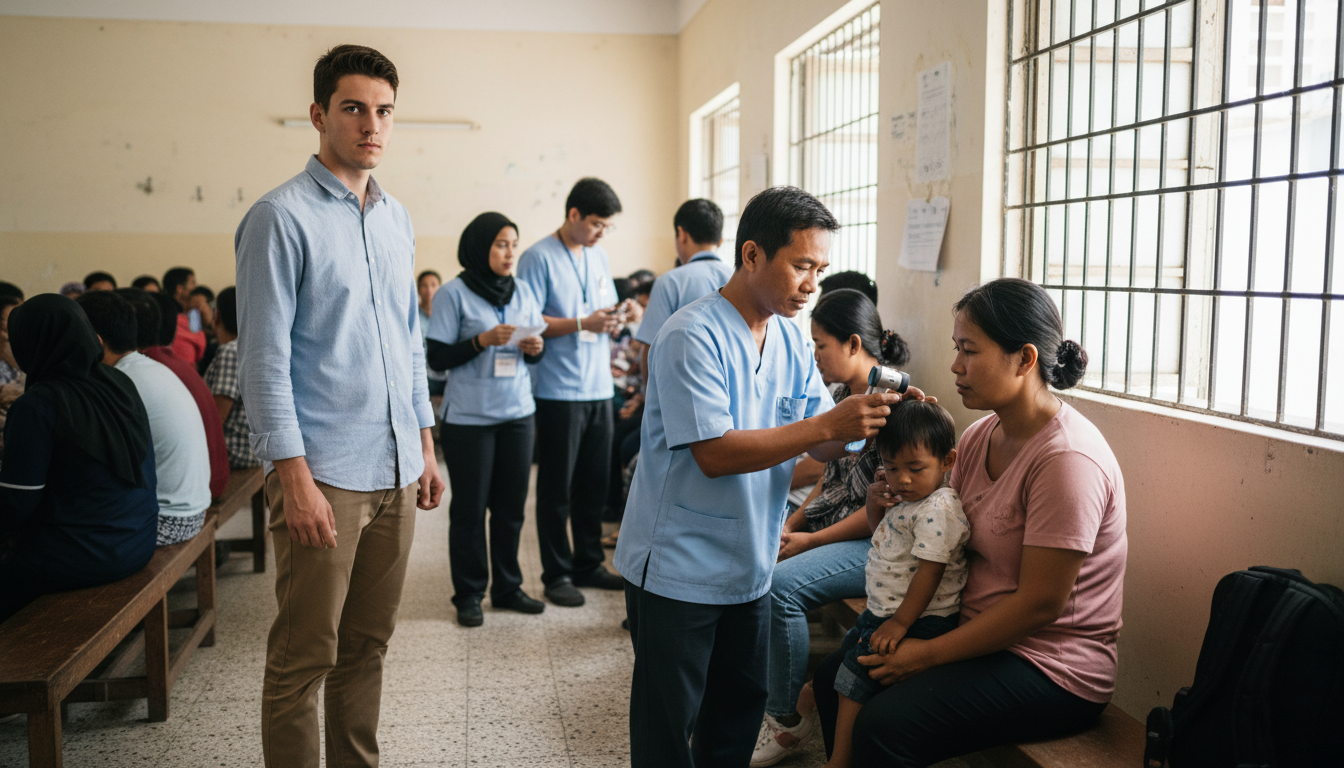
Medical Missions and Short-Term Trips
Ethical medical mission programs:
- Are run by reputable organizations with local partnerships
- Do not allow unlicensed students to perform procedures
- Focus on sustainable capacity building, not “voluntourism”
Your role may include:
- Health education in schools or community centers
- Basic triage or logistics support under supervision
- Data collection for public health efforts
These experiences can:
- Expand your understanding of resource-limited medicine
- Highlight differences in healthcare systems and cultural approaches to illness
- Reinforce the importance of humility, listening, and local leadership
International Public Health and Community Health Internships
Some students choose longer-term (8–12+ week) placements with:
- NGOs focused on maternal and child health
- TB or HIV programs in high-burden countries
- Refugee and migrant health services
These opportunities should always emphasize:
- Learning from local professionals
- Respecting scope-of-practice boundaries
- Avoiding harm and unsupervised “practicing medicine”
Global health experiences can be powerful, but they are not required to be a strong applicant. Local, sustained volunteering often carries equal or greater weight—especially when you can show long-term impact.
6. Emergency Services and Disaster Response
Emergency medicine and disaster response demand calm under pressure, rapid decision-making, and clear communication.
Emergency Medical Services (EMS) and EMT Volunteering
Depending on your state or country, you may be able to:
- Train as an Emergency Medical Technician (EMT) and volunteer with a local EMS agency
- Serve as a non-clinical support volunteer (logistics, documentation, community education)
Benefits include:
- Exposure to acute care and pre-hospital decision-making
- Experience working in teams during urgent, stressful situations
- Practice in quickly building rapport with patients in crisis
For some applicants, EMT experience becomes a central pillar of their medical school narrative.
Disaster Response Organizations
Organizations like the Red Cross and similar groups worldwide often need volunteers for:
- Disaster relief shelters: Assisting evacuees with basic needs, referrals, and emotional support
- Emergency preparedness education: Teaching communities about first aid, CPR, and disaster readiness
- Public health emergency responses: Supporting vaccination drives, testing operations, or contact tracing in large-scale events
These experiences highlight:
- Systems-level responses to crises
- Interactions between clinicians, governments, and NGOs
- The importance of resilience, adaptability, and leadership
How to Find and Secure Specialized Volunteer Opportunities
Knowing the types of opportunities is only half the battle. Here’s how to actually find and land them.
Step 1: Clarify Your Interests and Constraints
Ask yourself:
- Which settings appeal most—hospital, clinic, community, lab, or international?
- Are there particular patient populations you’re drawn to (children, older adults, underserved communities)?
- How many hours per week can you realistically commit, and for how long (a semester, a year, multiple years)?
Admissions committees value consistent, long-term engagement over many short, scattered experiences.
Step 2: Use Multiple Search Strategies
To locate specialized Volunteer Opportunities:
- Hospital websites: Search “[Hospital Name] volunteer program” and look for premed-specific tracks or department-based roles.
- Community clinics: Federally Qualified Health Centers (FQHCs), free clinics, and student-run clinics often list volunteer needs online.
- University offices: Pre-health advising centers, career services, and undergraduate research offices frequently maintain lists of recommended programs.
- Public health departments: City/county websites often have “volunteer” or “get involved” sections.
- Online platforms: Sites like VolunteerMatch, Idealist, and local nonprofit directories can filter for health-related volunteering.
- Faculty connections: Ask professors or researchers (especially in health sciences) if they know of clinical or research teams that accept volunteers.
Step 3: Craft a Professional Outreach Message
When emailing potential sites:
- Introduce yourself (year in school, major, premed status)
- Express your specific interest (e.g., “pediatrics and chronic disease management”)
- Mention your availability and commitment (e.g., “3–4 hours/week for the next academic year”)
- Attach a brief, polished résumé
Demonstrate reliability, professionalism, and genuine motivation—not just “I need hours for medical school.”
Making the Most of Your Specialized Volunteering Experience
Finding the role is just the beginning. How you engage with it determines how much you grow—and how impactful it is on your path to becoming a physician.
1. Be Proactive and Professionally Curious
Within your scope and training:
- Ask to observe different parts of the workflow when appropriate
- Volunteer for additional responsibilities once you’ve mastered the basics
- Express interest in learning why certain decisions are made
When there is downtime, use it to:
- Ask staff about their career paths and advice
- Read about conditions you see frequently
- Reflect on challenging patient encounters (while preserving confidentiality)
2. Ask Thoughtful, Respectful Questions
Good questions might include:
- “How do you explain this diagnosis to patients who are really anxious or overwhelmed?”
- “What are the biggest barriers your patients face to following through with this treatment plan?”
- “What made you choose this specialty?”
Avoid questions that are:
- Inappropriately personal during stressful moments
- Focused solely on your application or résumé rather than patient care
3. Reflect Intentionally and Regularly
Keep a confidential reflection journal (no patient identifiers) where you note:
- Memorable patient interactions and what you learned
- Times you felt inspired, frustrated, or uncertain—and why
- Patterns you observe in health disparities or system challenges
This reflection:
- Deepens your learning
- Provides rich material for personal statements and interviews
- Helps you clarify your values and long-term interests
4. Build Relationships and Seek Mentors
Treat everyone—from front-desk staff to physicians—as valued professionals:
- Learn people’s names and roles
- Show up on time, prepared, and consistently
- Express gratitude for teaching and guidance
Over time, ask 1–2 clinicians if they’d be open to:
- Periodic career conversations
- Allowing you to shadow them more formally
- Writing a letter of recommendation if they get to know you well
5. Ask for Feedback and Grow from It
Invite supervisors to share:
- What you’re doing well
- Where you could be more helpful or professional
- Skills you might work on (communication, initiative, teamwork)
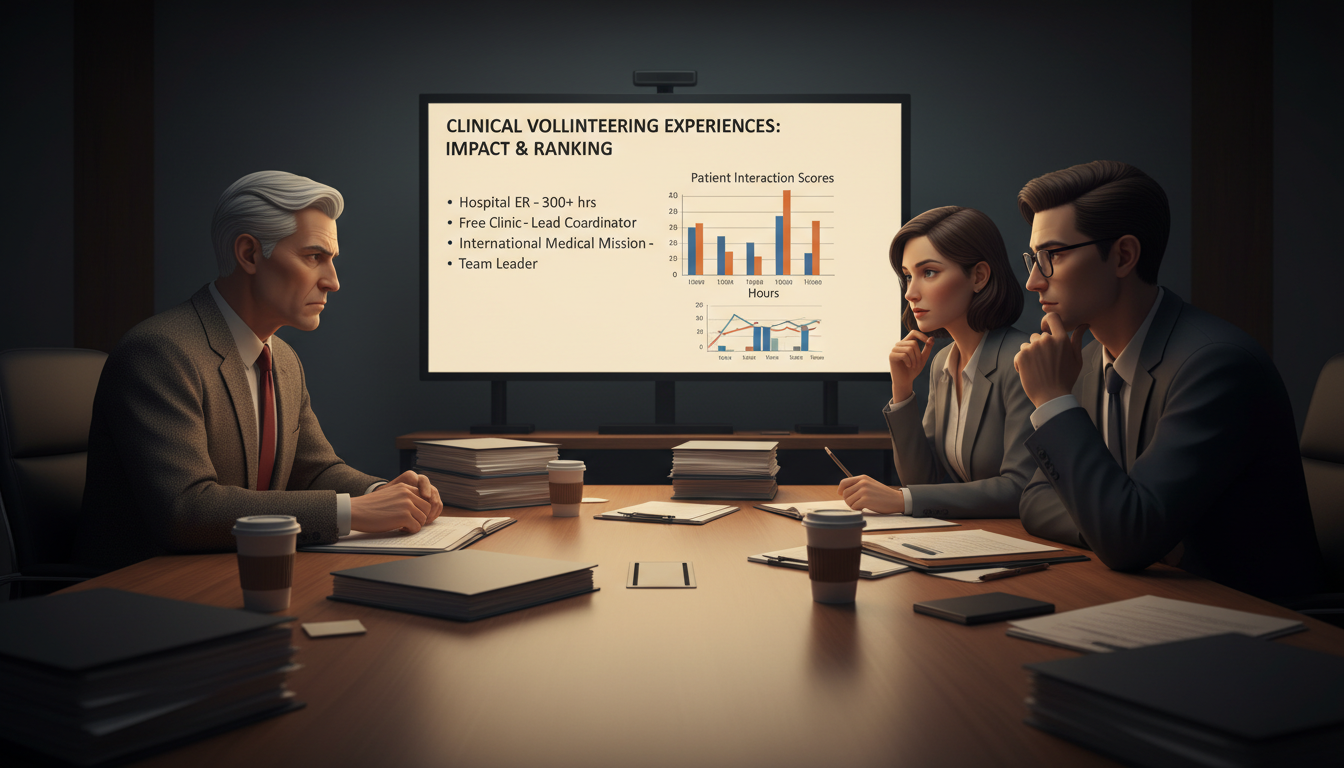
Respond to feedback with humility and concrete changes. This growth mindset is exactly what medical schools look for in future doctors.
6. Integrate Your Experience Into Your Application Story
Later, when preparing your application:
- Identify 2–3 key experiences from your specialized Clinical Volunteering that shaped your understanding of medicine.
- For each, describe: the context, your role, the challenge, what you did/learned, and how it changed you.
- Connect these experiences to your future goals: type of physician you hope to become, populations you want to serve, and problems you want to help solve.

FAQs: Specialized Clinical Volunteering for Future Doctors
1. Why choose specialized clinical volunteering instead of general hospital volunteering?
General volunteering (e.g., transporting patients, greeting visitors) is a great starting point, especially early in college. However, specialized clinical volunteering:
- Gives you deeper exposure to particular patient populations or specialties
- Allows you to develop more nuanced skills and insights
- Creates a clearer, more coherent narrative about your interests and values
Admissions committees notice when your experiences connect logically to your stated goals and show depth rather than just breadth.
2. How early in my premed or medical school journey should I start specialized volunteering?
You can begin exploring as early as your first or second year of college:
- Start with general roles to learn the basics of clinical environments.
- By your second or third year, begin shifting toward more focused roles aligned with your emerging interests.
For early medical students, specialized volunteering (e.g., in free clinics or specialty clinics) can complement your coursework and help solidify your interest in particular fields.
3. What if I feel overwhelmed or emotionally affected by what I see while volunteering?
Feeling overwhelmed—especially in settings like oncology, ICU, or emergency departments—is normal. To cope responsibly:
- Speak with your supervisor or a trusted mentor about what you’re experiencing.
- Use school counseling services or peer support if needed.
- Reflect in writing to process your reactions constructively.
Recognizing your limits and seeking support is a sign of maturity, not weakness. Clinicians do this throughout their careers.
4. Can clinical volunteering really help me decide on a specialty?
Yes. While your specialty choice will ultimately be shaped most by your clinical rotations in medical school, early exposure can:
- Confirm or challenge your assumptions about specific fields
- Reveal aspects you hadn’t considered (e.g., lifestyle, paperwork, emotional demands)
- Help you identify what energizes you—procedures, relationships, complex problem-solving, advocacy, etc.
Think of it as gathering data about yourself and about medicine to inform future choices.
5. How do I talk about my specialized volunteering in personal statements and interviews?
Focus less on hours and tasks, and more on:
- Specific stories: one patient interaction, one project, one challenge
- What you learned about patients, healthcare systems, or yourself
- How the experience shaped your understanding of what it means to be a physician
For example, instead of “I volunteered in a diabetes clinic,” you might say, “Through my weekly work in a diabetes management clinic, I saw how transportation, food insecurity, and health literacy affected patients’ ability to follow their treatment plans—sparking my interest in combining internal medicine with community health.”
Specialized clinical volunteering is not about collecting line items on a CV. It’s about intentionally seeking experiences that stretch you, deepen your understanding of patient care, and clarify the kind of physician you want to become. When approached thoughtfully and ethically, these opportunities can transform your Medical School Preparation—and your future career in medicine.