Introduction: Why Clinical Volunteering Matters for Aspiring Doctors
For aspiring doctors, clinical volunteering is one of the most powerful ways to explore medicine beyond textbooks and lectures. It bridges the gap between theory and real patient care, immersing you in the human side of healthcare while you’re still early in your medical education journey.
Strong clinical volunteering not only strengthens your medical school application; it also helps you:
- Confirm (or refine) your interest in becoming a physician
- Gain meaningful healthcare experience in real-world settings
- Develop core clinical skills: communication, empathy, teamwork, and professionalism
- Understand the impact of social determinants of health and health inequities
- Build relationships with mentors who can support your growth
With so many options available, knowing where to start can be overwhelming. The opportunities below focus on direct or closely related clinical exposure that combine community service with hands-on learning—ideal for premeds and early medical students.
This guide walks through 10 meaningful clinical volunteering opportunities for aspiring doctors, with examples, what you can expect, and how each role strengthens your path to medicine.
1. Hospice Care Volunteer: Learning Compassion at the End of Life
Hospice care focuses on comfort and quality of life for patients with terminal illnesses and their families. While it may seem emotionally challenging, hospice volunteering is one of the most profound ways to learn what patient-centered, compassionate care really means.
What Hospice Volunteers Typically Do
Depending on the program and your training, roles may include:
- Patient companionship: Sitting with patients, reading to them, talking, or simply being a quiet, supportive presence
- Family support: Offering conversation and a listening ear to caregivers and family members under stress
- Non-medical comfort care: Helping with small tasks like bringing water, adjusting pillows (under staff guidance), or assisting staff with non-clinical needs
- Bereavement and spiritual support programs: Assisting chaplains or social workers with group sessions, memorial events, or follow-up calls
- Administrative assistance: Organizing supplies, helping with scheduling or patient folders, supporting quality improvement projects
Many hospice organizations provide comprehensive volunteer training that covers active listening, boundaries, grief, and basic palliative care principles.
Why Hospice Experience Is So Impactful
For aspiring doctors, hospice volunteering can:
- Deepen empathy and emotional maturity
- Normalize difficult conversations about prognosis, suffering, and death
- Highlight the importance of comfort, dignity, and shared decision-making
- Expose you to interdisciplinary teamwork (physicians, nurses, social workers, chaplains)
Medical schools increasingly value applicants who demonstrate the ability to handle emotionally complex situations. Hospice work is a powerful way to show your commitment to compassionate, holistic care.
2. Volunteering in Health Clinics for the Uninsured and Underinsured
Community health clinics and free clinics serve uninsured, underinsured, and marginalized populations—offering rich clinical exposure and a deeper understanding of health inequity.
Typical Volunteer Responsibilities
In these clinics, aspiring doctors may:
- Assist with patient intake:
- Recording basic demographics and chief complaints
- Helping patients fill out forms and navigate language barriers
- Support basic clinical flow:
- Escorting patients to exam rooms
- Restocking supplies, preparing rooms between visits
- Participate in preventive care efforts:
- Helping coordinate vaccinations or screenings (e.g., blood pressure or glucose checks under supervision)
- Engage in outreach and education:
- Calling patients to remind them of appointments
- Supporting health education sessions about chronic diseases, medications, or lifestyle changes
Some clinics also offer structured student-run programs where premeds work alongside medical students and attendings.
What You’ll Learn
This kind of healthcare experience helps you see:
- How socioeconomic status, insurance, transportation, and job demands shape access to care
- The realities of chronic disease management in low-resource settings
- The value of continuity of care and trust between clinicians and patients
When you describe these experiences in personal statements or interviews, you can discuss concrete examples of how community service and clinical volunteering shaped your understanding of patient advocacy.

3. Mobile Health Units: Bringing Healthcare to the Community
Mobile health units are clinics on wheels—vans or buses equipped to deliver basic medical services in neighborhoods with limited access to care. They are ideal for aspiring doctors interested in public health and primary care.
Types of Services Offered
Depending on the program, mobile units may provide:
- Vaccination clinics (e.g., flu shots, COVID-19 vaccines)
- Blood pressure, cholesterol, and diabetes screenings
- Maternal-child health visits
- Harm reduction services or addiction support resources
- Health education programs on nutrition, exercise, sexual health, and more
Your Role as a Volunteer
You might:
- Greet patients, assist with registration, and manage waiting lists
- Help organize lines and maintain patient flow
- Record basic screening results (if trained and permitted)
- Provide educational materials and reinforce key messages from clinicians
- Assist with setting up and packing up the mobile site
Skills and Insights Gained
Mobile health volunteering helps you:
- Understand how care can be adapted to meet patients where they are—geographically and socially
- Witness structural barriers to healthcare (transportation, language, stigma, housing instability)
- Practice culturally sensitive communication with diverse patients
This type of experience is particularly valuable if you’re interested in public health, family medicine, internal medicine, pediatrics, or community-focused specialties.
4. Emergency Room Volunteer: Exposure to High-Acuity Care
Emergency departments (EDs) often host structured volunteer programs. While volunteers can’t perform medical procedures, the ED offers unmatched insight into acute care, triage, and interprofessional teamwork.
Typical ED Volunteer Activities
You may be involved in:
- Non-clinical patient support:
- Bringing blankets or water (if allowed), aiding with directions, or updating families on wait times
- Administrative and logistical support:
- Transporting specimens, delivering paperwork, restocking rooms, and organizing supplies
- Patient guidance:
- Escorting patients to imaging or ancillary services, helping them navigate discharge instructions (without providing medical advice)
Some EDs also allow volunteers to observe certain clinical procedures if patient consent and hospital policies permit.
What You’ll Take Away
From the ED, aspiring doctors often learn:
- How triage prioritizes the sickest patients
- The pace, teamwork, and communication style required in acute care
- How clinicians handle stress, uncertainty, and emotionally charged scenarios
When reflecting on this experience in applications, you can describe how you developed resilience, situational awareness, and professionalism in a high-pressure clinical environment.
5. Mental Health Support Volunteer: Addressing an Essential Part of Care
Mental health is central to overall health, and healthcare systems increasingly integrate behavioral health into routine medical care. Volunteering with mental health organizations gives you vital perspective on this often-stigmatized area.
Where You Might Volunteer
Consider:
- Local chapters of NAMI (National Alliance on Mental Illness)
- Community counseling centers
- Crisis hotlines or text lines (after extensive training)
- Inpatient psychiatric units that accept volunteers for non-clinical roles
- School-based mental health programs
Possible Volunteer Roles
- Peer and group support assistance: Helping facilitate or organize support groups (under staff supervision)
- Education and advocacy: Supporting mental health awareness events, school presentations, or social media campaigns
- Companionship roles: Visiting patients in long-term facilities or residential programs (within policy limits)
- Resource navigation: Assisting staff with linking community members to housing, food, or social services that impact mental well-being
Why This Matters for Future Physicians
As an aspiring doctor, exposure to mental health work helps you:
- Recognize how psychiatric conditions intersect with physical illness
- Learn to speak about mental health respectfully and without stigma
- Appreciate the roles of psychiatrists, psychologists, social workers, and case managers
- Develop skills in active listening, de-escalation, and empathetic communication
This is especially valuable for those considering psychiatry, pediatrics, family medicine, emergency medicine, or any specialty involving frequent patient counseling.
6. Local Health Fairs: Short-Term, High-Impact Community Service
Health fairs are often organized by hospitals, public health departments, student groups, or nonprofits to promote preventive care. They are an excellent starting point if you’re new to clinical volunteering or have limited time.
Common Activities at Health Fairs
As a volunteer, you might:
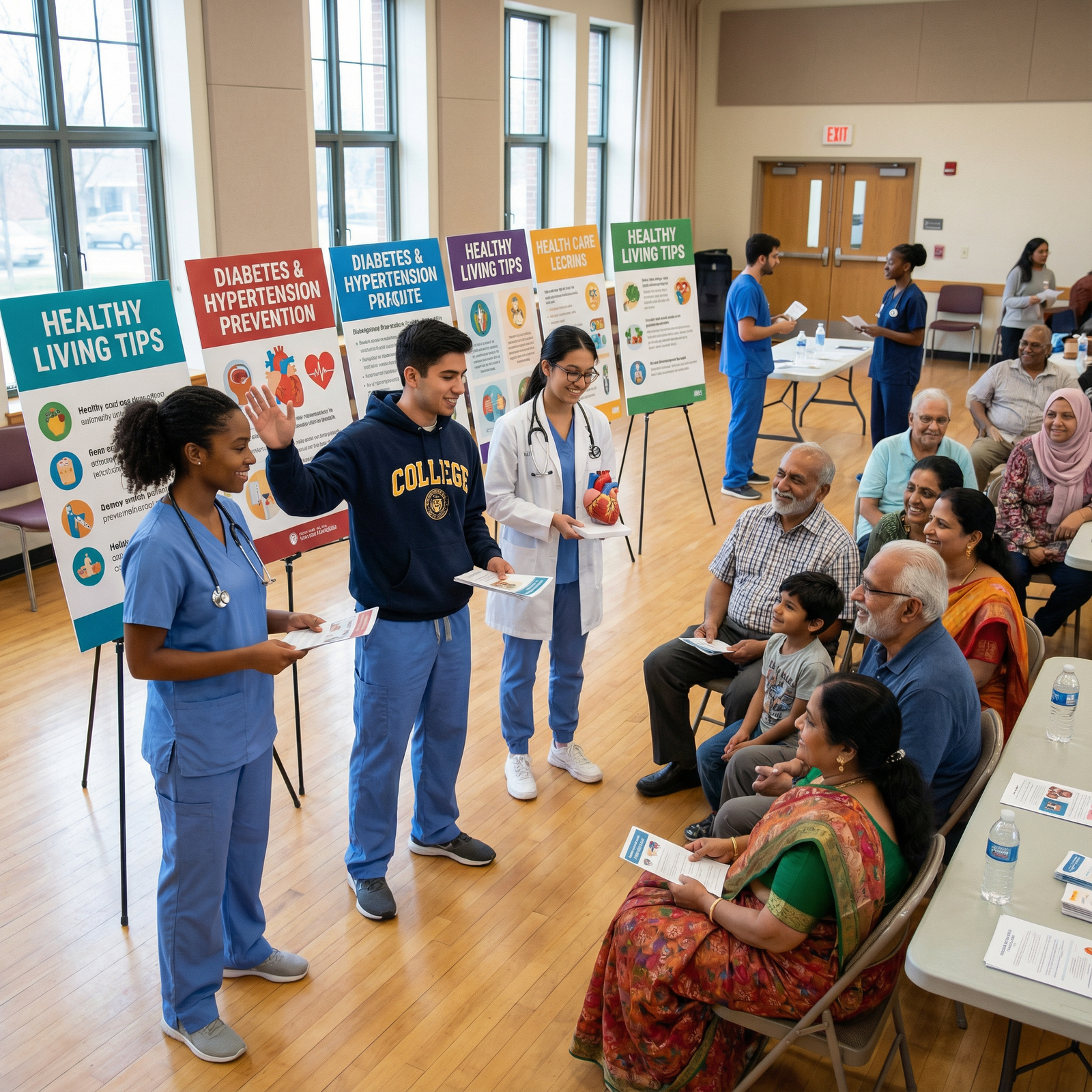
- Assist with triage stations: directing visitors to blood pressure, BMI, or glucose screening setups
- Help clinicians with data collection (e.g., recording screening results for participants)
- Support health education booths focused on nutrition, exercise, smoking cessation, or disease-specific information
- Distribute flyers and resources on local clinics, insurance, or vaccination programs
Benefits for Aspiring Doctors
Health fairs allow you to:
- Practice clear, non-technical communication with the public
- Learn how clinicians tailor messages to different literacy levels and cultural backgrounds
- Network with physicians, nurses, and public health professionals
- Explore interests in preventive medicine, internal medicine, pediatrics, and public health
If you’re part of a premed organization, consider helping organize a recurring health fair in partnership with a clinic or community center—this demonstrates leadership and sustained commitment to community service.
7. Clinical Research Volunteering: Connecting Science and Patient Care
Clinical research sits at the intersection of patient care and scientific discovery. Volunteering in research—especially in a clinical department—can simultaneously build your analytical skills and healthcare experience.
Types of Clinical Research Roles
As a volunteer (or sometimes a paid assistant), you may:
- Screen charts or electronic health records under supervision for eligible study participants
- Help coordinate patient visits: reminding participants about appointments, preparing non-clinical paperwork, or escorting them to research areas
- Enter and organize study data in secure databases
- Observe clinic visits (with proper consent) where study protocols are applied
- Attend lab meetings, journal clubs, and case conferences
Why Research Experience Is Valuable
For aspiring doctors, clinical research:
- Demonstrates intellectual curiosity and commitment to evidence-based medicine
- Teaches you how to interpret clinical data, understand study design, and appreciate limitations
- Provides opportunities for letters of recommendation, posters, or even co-authorship on papers
- Helps you see how unanswered clinical questions drive innovation and improved patient care
When choosing a project, look for one that aligns with a patient population or specialty you’re curious about: oncology, cardiology, neurology, pediatrics, etc.
8. Public Health Initiatives: Seeing the Bigger Picture of Healthcare
Public health volunteering expands your perspective from individual patients to entire populations. While not always “clinical” in the narrow sense, many roles involve direct interaction with community members and complement your healthcare experience.
Examples of Public Health Volunteer Work
- Vaccination campaigns: Assisting with registration, flow, and patient education for flu, HPV, or COVID-19 clinics
- School-based health education: Supporting age-appropriate sessions on nutrition, sexual health, substance use, or mental health
- Chronic disease prevention programs: Helping with community walking groups, diabetes prevention classes, or smoking cessation workshops
- Data and outreach: Conducting surveys, making reminder calls, or distributing educational materials
How Public Health Shapes Aspiring Doctors
These experiences teach you to:
- Understand social determinants of health—housing, food security, education, employment
- Appreciate prevention as a core part of medical practice, not an afterthought
- Work collaboratively with non-physician professionals (epidemiologists, health educators, social workers)
- Think critically about policies that shape health outcomes
Medical schools increasingly favor applicants who can articulate how individual clinical encounters fit into a broader public health context. Public health volunteering provides concrete examples for that narrative.
9. Special Events for Patients with Chronic Illnesses
Organizations that serve patients with chronic diseases—such as diabetes, sickle cell disease, lupus, cystic fibrosis, or cancer—often host educational workshops, camps, or support events. These are valuable venues to understand long-term disease management.
Volunteer Roles at Chronic Illness Events
You might:
- Help coordinate patient and family workshops focused on nutrition, medication management, or coping strategies
- Assist with check-in, logistics, and room setup for educational sessions or support groups
- Conduct non-clinical surveys to gather patient feedback on services or barriers to care
- Facilitate age-appropriate games and activities at camps for children with chronic illnesses (with medical staff on site)
What You’ll Learn
Chronic illness-focused volunteering helps you see:
- The day-to-day realities and burdens of living with long-term conditions
- How multidisciplinary teams (physicians, nurses, dietitians, physical therapists, psychologists) collaborate
- The importance of adherence, patient education, and family support
For personal statements, these experiences allow you to talk about longitudinal care, quality of life, and the psychosocial aspects of illness, which are central to good doctoring.
10. Volunteering at Medical Camps Abroad and Global Health Programs
Global health volunteering can be a powerful learning experience—if done ethically and responsibly. Programs that prioritize community needs, sustainable partnerships, and strong oversight can offer meaningful healthcare exposure.
What Ethical Global Health Volunteering Looks Like
High-quality programs:
- Are led by local clinicians and organizations
- Assign students to roles that never exceed their training
- Focus on capacity building, not just short-term missions
- Provide pre-departure training in cultural humility, safety, and ethics
- Continue partnerships long-term rather than “one-and-done” trips
Types of Roles You May Have
- Supporting clinic flow and registration
- Assisting with public health education campaigns
- Helping with research or quality improvement projects
- Observing local clinicians and learning how care is delivered in low-resource settings
Benefits and Considerations
Global health volunteering can:
- Expose you to different disease patterns and healthcare systems
- Strengthen your cultural competence and adaptability
- Clarify your interest in working with underserved populations at home or abroad
However, it’s essential to avoid “voluntourism.” Choose programs that clearly prioritize community service, ethical guidelines, and appropriate supervision, and be prepared to discuss these considerations thoughtfully in interviews.
How to Choose the Right Clinical Volunteering Experience
With so many options, it helps to be strategic. Consider the following when deciding where to invest your time:
1. Align With Your Interests and Goals
- Draw connections between opportunities and your curiosity:
- Love fast-paced environments? Explore ED volunteering.
- Interested in long-term relationships with patients? Consider chronic illness events or free clinics.
- Passionate about mental health or public health? Prioritize those niches.
2. Prioritize Consistency Over Quantity
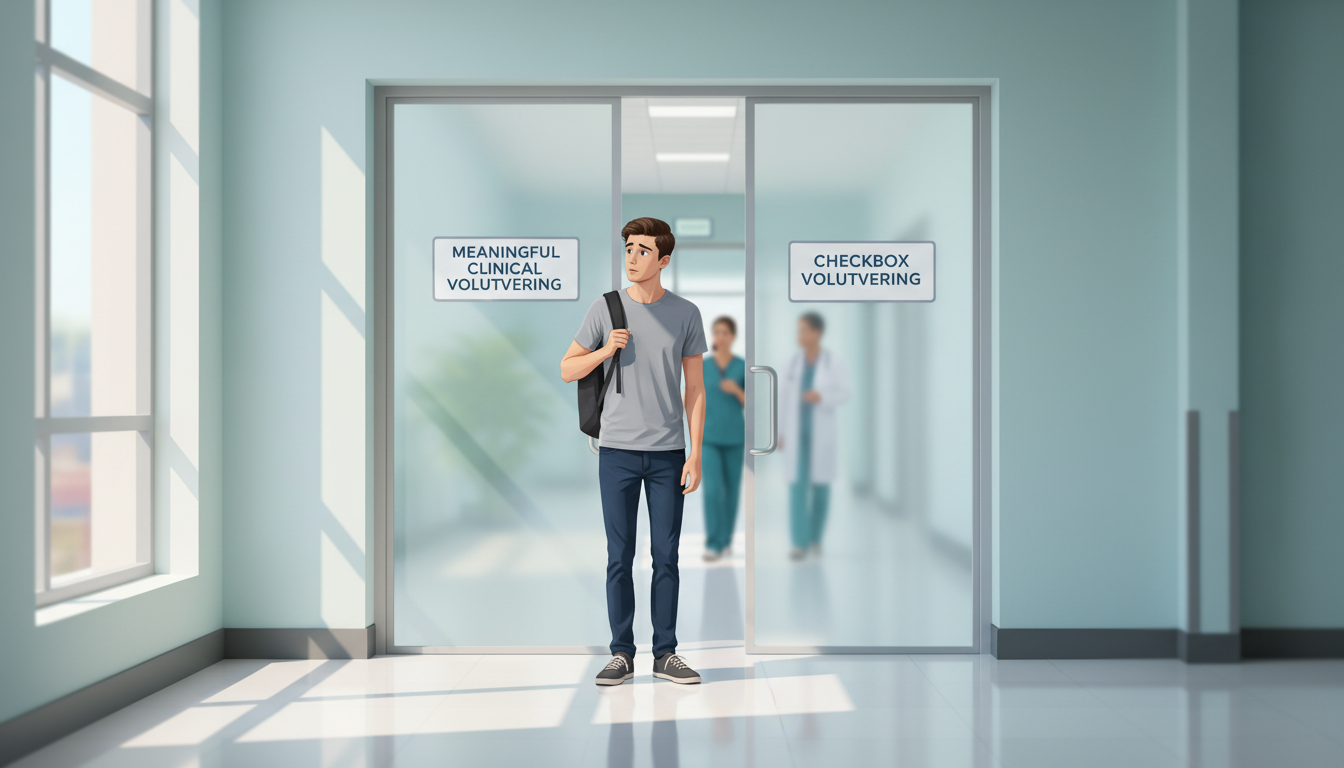
Medical schools care more about long-term, sustained involvement than a long list of short, unrelated activities. A year of consistent volunteering in one meaningful role often speaks more loudly than four scattered two-month stints.
3. Look for Supervision and Learning Opportunities
Strong programs:
- Offer orientation and training
- Provide direct access to clinicians or experienced staff
- Encourage reflection (journaling, debrief sessions, or mentorship)
These features help transform hours logged into genuine professional development.
4. Consider Logistics and Boundaries
- Check scheduling flexibility and minimum time commitments
- Understand any health requirements (immunizations, TB testing, background checks, HIPAA training)
- Clarify what you can and cannot do clinically so you never work outside your scope
Frequently Asked Questions About Clinical Volunteering for Aspiring Doctors
Q1: How can I find reputable clinical volunteering opportunities near me?
Start locally. Check the websites of nearby hospitals, community health centers, hospice organizations, and public health departments—many have “Volunteer” or “Student Opportunities” sections. Contact premed advisors, student organizations, and career centers at your college. National platforms like VolunteerMatch, Idealist, or your state’s hospital association can also help you identify structured programs. When in doubt, call clinics directly and ask if they accept student volunteers.
Q2: Do I need prior healthcare experience or certifications to start clinical volunteering?
For most entry-level clinical volunteering, you do not need prior healthcare experience. Organizations usually provide orientation and site-specific training. However, certain roles—like taking vitals, assisting with phlebotomy, or working as an EMT—may require certifications (e.g., CNA, MA, EMT, CPR/BLS). Always be transparent about your training level and only perform tasks you are formally allowed and trained to do.
Q3: How many hours of clinical volunteering do medical schools expect?
There is no universal minimum, but a common range is 100–300 hours of meaningful, longitudinal clinical exposure by the time you apply. More important than the exact number is demonstrating consistency, reflection, and growth. Admissions committees want to see that you understand what working in healthcare is like, and that you’ve developed insight into patient care and your own motivations for medicine.
Q4: How can I make the most of my clinical volunteering experiences?
Be proactive and reflective. Show up on time, ask thoughtful questions when appropriate, and look for ways to support the team within your role. Keep a confidential reflection journal (no identifiable patient information) about what you observe: communication styles, ethical dilemmas, systems barriers, memorable patient interactions. Later, these reflections will help you write compelling personal statements and prepare for interviews with specific, insightful stories.
Q5: Does clinical volunteering really make a difference in my medical school application?
Yes. Clinical volunteering is one of the clearest ways to show sustained interest in patient care and healthcare systems. It demonstrates that you’ve explored medicine in real settings, understand some of its challenges, and are still motivated to pursue this path. When combined with thoughtful reflection, letters of recommendation, and academic preparation, healthcare experience through volunteering significantly strengthens your application.
By engaging in meaningful clinical volunteering, you’re doing more than building a resume. You’re learning to listen, to serve, and to see patients as whole people within complex systems—skills that define excellent physicians. Start with one or two opportunities that resonate with your interests, commit to them consistently, and let those experiences guide and deepen your journey toward a career in medicine.