
Introduction: Why Clinical Volunteering Matters More Than Ever
For many premeds and medical students, the path to becoming a healthcare professional can feel like a constant sprint: MCAT prep, exams, research, leadership roles, and shadowing. In this rush, it’s easy to reduce preparation to metrics—GPA, test scores, publications—while unintentionally sidelining one of the most crucial qualities in medicine: compassion.
Clinical volunteering is one of the most powerful ways to keep that human core front and center. It creates a bridge between classroom learning and real-world Patient Care, giving you early and authentic exposure to patients, healthcare teams, and the emotional realities of illness. It is where concepts like Empathy in Medicine, patient-centered communication, and Compassionate Healthcare shift from abstract ideals into lived experiences.
This article explores how Clinical Volunteering helps build compassionate, resilient, and effective healthcare providers. You’ll learn:
- What clinical volunteering is (and isn’t)
- How it shapes empathy, emotional intelligence, and communication
- Ways it prepares you for patient-centered and team-based care
- Practical steps to choose and maximize your volunteer experiences
- How to articulate your growth in applications and interviews
Whether you’re a premed just starting your journey or a medical student refining your clinical identity, intentionally engaging in clinical volunteering can profoundly shape the kind of provider you become.
Understanding Clinical Volunteering in Healthcare Education
What Is Clinical Volunteering?
Clinical volunteering involves providing unpaid service in a healthcare setting—usually under the supervision of licensed professionals—with the dual goals of supporting patient care and advancing your own Healthcare Education.
These roles can span a wide variety of environments:
- Hospitals (inpatient wards, emergency departments, outpatient clinics)
- Community health centers and free clinics
- Long-term care and assisted living facilities
- Hospice and palliative care centers
- Rehabilitation centers and physical therapy practices
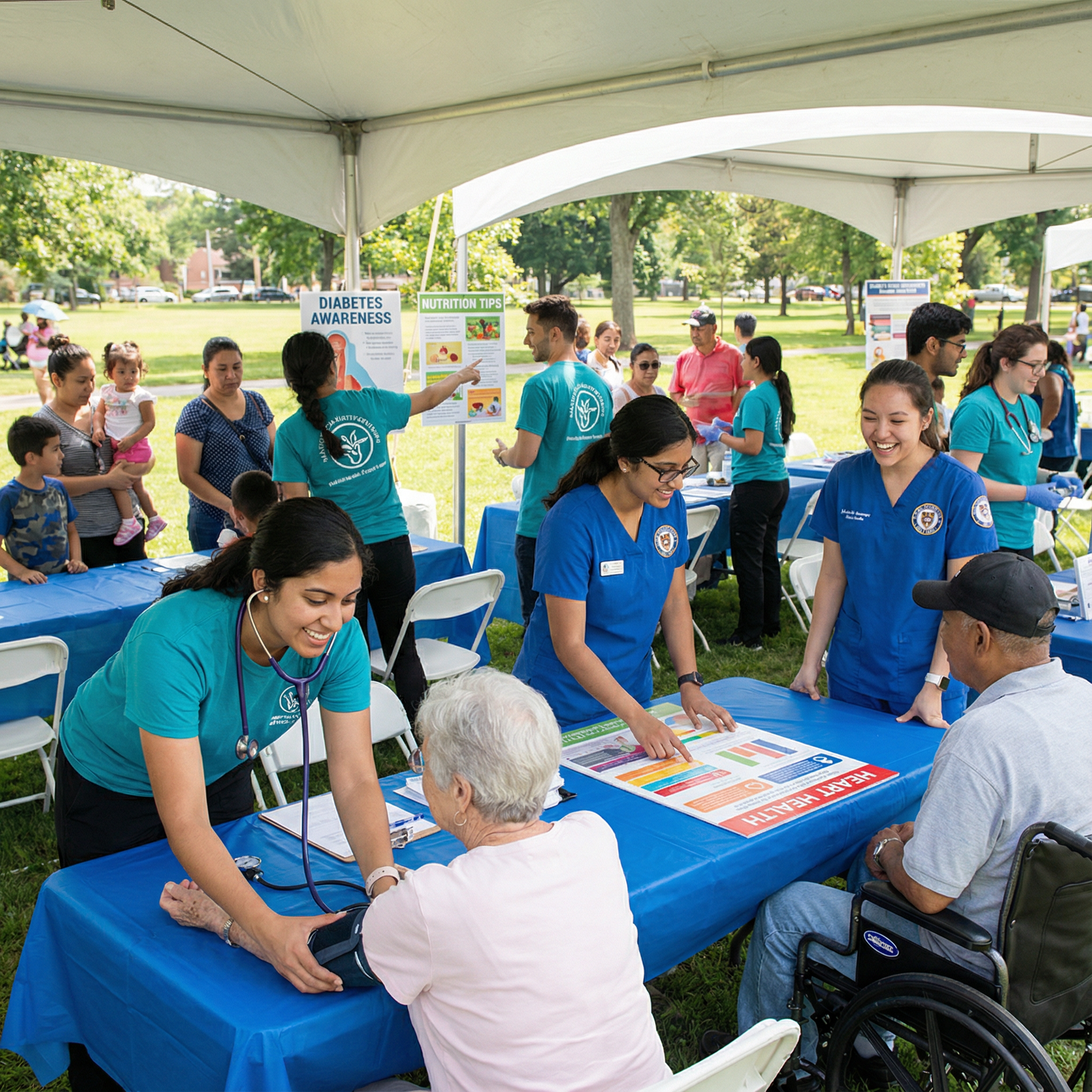
- Public health settings (health fairs, vaccination clinics, mobile outreach units)
Tasks often include:
- Greeting and escorting patients and families
- Assisting with check-in or basic administrative work
- Providing comfort measures (blankets, snacks, conversation, diversional activities)
- Translating or interpreting (if qualified)
- Helping with patient education materials
- Supporting logistics at community screening events or health fairs
While you are not practicing medicine or nursing as a volunteer, you are embedded in the environment of Patient Care and exposed to the systems, workflows, and human experiences that define healthcare.
Clinical Volunteering vs. Shadowing vs. Research
It’s useful to distinguish clinical volunteering from other common premed and medical student activities:
Shadowing:
Primarily observational. You follow a physician or advanced practice provider and watch clinical encounters. Valuable for career exploration and understanding clinical reasoning, but often more passive.Research:
Focuses on generating new knowledge. May involve lab, clinical, or educational research, and contributes to scientific progress. Can be directly or indirectly connected to patient care.Clinical Volunteering:
Typically more interactive than shadowing and more patient-facing than most research. You are part of the care environment, often speaking directly with patients and staff, and contributing to the patient experience and functioning of the unit or clinic.
Ideally, your premed or early medical school years should include a mix of these experiences, but clinical volunteering is particularly powerful for cultivating Compassionate Healthcare and empathy.
Why Clinical Volunteering Is So Valuable for Aspiring Clinicians
Beyond “checking a box” for applications, clinical volunteering offers several unique benefits:
Authentic exposure to patient suffering and resilience
Textbooks rarely convey what it feels like to sit with a frightened parent, a newly diagnosed patient, or a person at the end of life. Volunteers witness these realities early.Safe space to learn how to interact with patients
You can practice basic communication, boundaries, and professionalism without the full weight of clinical responsibility on your shoulders.Opportunity to explore specialties and settings
Rotating through different units or sites helps clarify what kind of environment fits you—acute care vs. ambulatory, adult vs. pediatric, hospital vs. community.Early insight into systems of care and health inequities
Working in free clinics or safety-net hospitals exposes you to social determinants of health, health literacy challenges, and real obstacles patients face.Demonstrated commitment to patient care
Admissions committees look for evidence that you understand what it means to work with patients—and that you care about more than academics.
The Central Role of Compassion and Empathy in Medicine
What Do We Mean by Compassion in Healthcare?
Compassion in healthcare is more than just “being nice.” It is the ability and willingness to:
- Notice another person’s suffering or distress
- Emotionally connect with their experience (empathy)
- Recognize their dignity and individuality
- Take meaningful action to help, comfort, or advocate
Empathy in Medicine is often described in two major components:
- Cognitive empathy: Understanding what the patient is feeling and thinking.
- Affective empathy: Emotionally resonating with the patient’s experience.
Compassion integrates both, then adds an action orientation: “How can I respond helpfully to this person’s needs?”
Why Compassion Is Clinically Important
Compassion is not just a “nice extra”; it has measurable impacts on care:
Enhanced Patient Satisfaction and Trust
Patients who feel heard and respected are more likely to:- Disclose sensitive information
- Ask questions
- Follow through with treatment plans
This leads to safer and more effective Patient Care.
Improved Clinical Outcomes
Studies suggest that compassionate communication can:- Improve adherence to medications and follow-up visits
- Reduce anxiety and perceived pain
- Shorten hospital stays in some settings
Better Team Dynamics and Fewer Errors
Compassion extends to colleagues as well. Respectful, empathetic communication within healthcare teams:- Reduces conflict
- Improves handoffs
- Decreases the risk of misunderstandings that lead to errors
Reduced Burnout and Moral Distress
Practicing compassion doesn’t mean absorbing everyone’s pain; it includes healthy boundaries, perspective-taking, and meaning-making. Providers who remain connected to the human purpose of their work often report:- Greater job satisfaction
- Lower rates of emotional exhaustion
- Stronger resilience after difficult cases
Clinical volunteering gives you early practice in balancing emotional openness with healthy limits—skills that will be vital throughout your career.
How Clinical Volunteering Builds Compassionate Healthcare Providers
1. Exposure to Diverse Patient Populations and Lived Experiences
Clinical volunteering places you at the bedside and in waiting rooms with people from different:
- Ages and life stages (pediatrics, adults, geriatrics)
- Cultural and linguistic backgrounds
- Socioeconomic and educational levels
- Health literacy levels
- Disease burdens and disability statuses
Example:
A volunteer in a children’s hospital learns quickly that every family copes differently. One child may be playful and talkative despite chronic illness; another may withdraw. Parents may ask constant detailed questions or be too overwhelmed to process information. Navigating these differences helps you:
- Avoid stereotypes
- Ask instead of assume
- Tailor your communication to the person in front of you
Over time, this diversity of encounters deepens your empathy and cultural humility—core elements of Compassionate Healthcare and high-quality Patient Care.
2. Real-World Experience With Emotional Dynamics of Illness
In clinical volunteering, you encounter the emotional reality of illness: fear, grief, anger, hope, denial, and gratitude—sometimes all in the same shift.
Case Illustration:
Consider a volunteer in a hospice setting:
- One patient wants to talk extensively about unfinished life goals.
- Another prefers silence and companionship.
- A family member is angry about the prognosis and directs that anger at staff.
Learning how to:
- Sit with silence
- Offer presence instead of “fixing” what can’t be fixed
- Validate emotions without overstepping your role
…is a powerful form of Healthcare Education that no lecture can fully replicate.
These experiences build:
- Emotional intelligence: Recognizing and interpreting emotions in yourself and others
- Self-awareness: Noticing your own discomfort, biases, or impulses
- Compassionate boundaries: Being present and kind without becoming overwhelmed or intrusive
3. Developing Effective Communication and Listening Skills
Many clinical volunteer roles are built around communication:
- Welcoming patients and families to the unit
- Explaining basic logistics (“Where do I check in?” “How long is the wait?”)
- Offering comfort items or diversional activities
- Facilitating connection (“Would you like me to call your family?”)
You practice:
Active listening:
- Maintaining eye contact (when culturally appropriate)
- Using open-ended questions (“How are you feeling about everything today?”)
- Reflecting and summarizing (“It sounds like you’re worried about going home alone.”)
Plain-language explanations:
Avoiding jargon and checking understanding, which is vital for health literacy.Nonverbal communication:
Tone of voice, facial expression, and posture that convey respect and care.
These communication skills are directly transferable to future roles as a physician, PA, nurse, or other health professional—and they are core to Patient-Centered Care.
4. Learning Teamwork and Interprofessional Collaboration
Clinical volunteering often immerses you in multidisciplinary teams:
- Nurses, physicians, advanced practice providers
- Social workers, case managers
- Physical, occupational, and speech therapists
- Pharmacists and nutritionists
- Administrative and support staff
By watching and participating appropriately, you learn:
- How information flows on a unit or in a clinic
- How each team member contributes to safe, high-quality Patient Care
- How compassion operates laterally—between colleagues, not just toward patients
Example:
At a community health fair, volunteers:
- Direct patients through various stations
- Assist with registration and education
- Support clinicians doing blood pressure checks, glucose screens, or vaccinations
Seeing the synergy between logistics, education, and clinical tasks reinforces that compassionate, effective care is a team sport.
5. Structured Training in Compassionate and Culturally Competent Care
Many organizations now integrate formal training into volunteer onboarding and ongoing education, such as:
- Cultural competency and cultural humility workshops
- Implicit bias awareness and mitigation strategies
- De-escalation techniques and trauma-informed communication
- HIPAA and patient privacy training
- Basic end-of-life communication principles in hospice or palliative settings
These sessions help you move from good intentions to more skillful, inclusive interactions.
Example:
A pre-service module on cultural competency might cover:
- How eye contact, touch, and personal space vary across cultures
- Why asking, “What name do you prefer?” and “Do you have any cultural or spiritual needs we should know about?” matters
- How assumptions about “noncompliance” often ignore barriers like transportation, cost, or caregiving responsibilities
This type of training is foundational for truly Compassionate Healthcare and Empathy in Medicine.
Translating Volunteering into Patient-Centered, Community-Focused Care
Building a Foundation for Patient-Centered Care
The modern healthcare system increasingly emphasizes Patient-Centered Care—treating patients as partners, not passive recipients. Clinical volunteering supports this mindset by:
- Encouraging you to see patients as whole people, not diagnoses
- Highlighting the importance of preferences, values, and goals
- Showing how small acts (bringing water, adjusting a chair) can meaningfully affect comfort and dignity
In practice, this can look like:
- Asking a patient if they’d like privacy before you step into a shared room
- Offering to read discharge instructions aloud to someone who’s nervous or has low literacy
- Recognizing when someone needs a quiet moment rather than more information
These seemingly minor actions reinforce respect and agency—key principles of compassionate, patient-centered practice.
Contributions to Community Health and Public Health Initiatives
Clinical volunteering often intersects with public health, particularly in underserved communities. Volunteers may:
- Staff blood pressure or glucose screening booths
- Assist with flu shot or COVID-19 vaccination campaigns
- Participate in mobile clinics visiting rural or marginalized neighborhoods
- Help deliver health education on topics like nutrition, smoking cessation, or prenatal care
Example:
During a flu vaccination campaign, volunteers might:
- Help with registration and consent forms
- Answer basic questions about side effects using standardized scripts
- Direct patients to observation areas post-vaccination
- Share simple public health messages about handwashing and staying home when sick
These activities help you understand population health, prevention strategies, and how Compassionate Healthcare extends beyond the walls of the hospital into communities.
Strengthening Empathy Through Stories and Narrative Medicine
One of the most powerful aspects of clinical volunteering is exposure to patients’ stories. Narrative Medicine emphasizes the importance of listening to and reflecting on those stories as part of clinical practice.
You might:
- Hear about a patient’s journey from first symptom to diagnosis
- Learn how an illness has affected their family roles, work, or identity
- Witness how cultural, religious, or personal beliefs shape their approach to illness
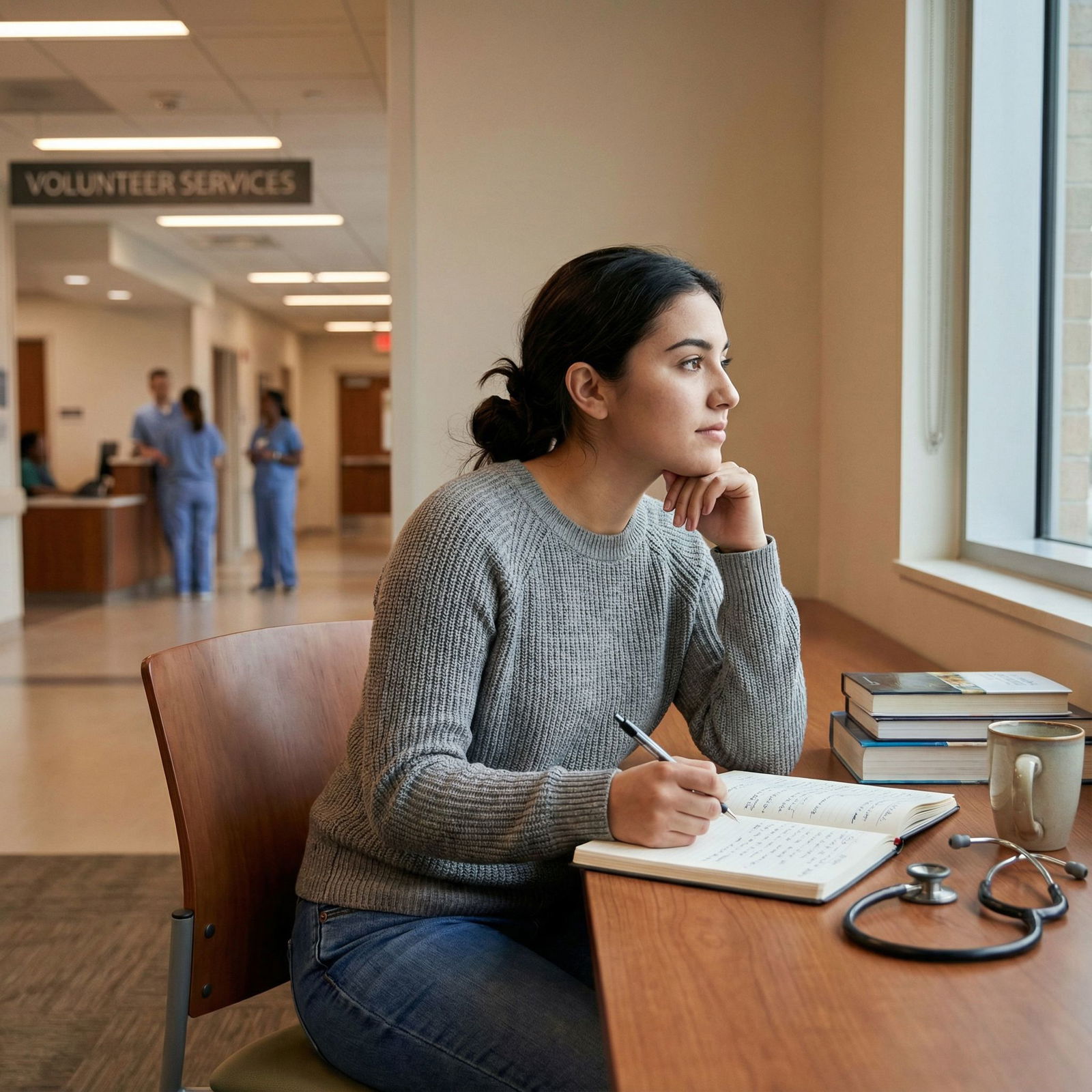
Taking time after shifts to journal or reflect on these narratives can help you:
- Deepen Empathy in Medicine by appreciating each patient’s unique context
- Recognize systemic barriers and inequities that recur across many stories
- Clarify your own values and the kind of provider you want to be
Making the Most of Clinical Volunteering: Practical Advice
Choosing the Right Clinical Volunteering Role
Consider these factors when selecting opportunities:
- Level of patient contact: Do you want primarily administrative work or direct interaction?
- Setting: Hospital, clinic, hospice, rehabilitation, long-term care, or community outreach?
- Population: Pediatrics, adults, geriatrics, mental health, underserved communities?
- Structure: Is there formal training, supervision, and feedback?
Look for roles that:
- Provide consistent, longitudinal involvement (e.g., weekly shift over months)
- Clearly define your responsibilities and limits
- Offer opportunities for reflection or mentorship (e.g., volunteer coordinators, debrief sessions)
Bringing a Compassionate Mindset to Every Shift
Regardless of your role, you can intentionally practice Compassionate Healthcare by:
Arriving prepared and present:
- Be on time
- Put your phone away
- Ground yourself with a brief intention (e.g., “Today I will listen fully to each person I meet.”)
Using patients’ preferred names and pronouns
Maintaining privacy and dignity: Close curtains, lower your voice, ask permission before entering spaces.
Being curious but not intrusive:
Let the patient set the depth of personal sharing.Respecting boundaries and your scope:
Never offer medical advice or information beyond your training; always defer medical questions to licensed staff.
Reflecting on and Articulating Your Growth
Clinical volunteering becomes most valuable when you process your experiences:
After each shift, ask yourself:
- What did I notice about patients’ emotions, strengths, or challenges?
- When did I feel particularly connected—or disconnected—from others?
- How did I practice empathy or compassion today?
Journaling or reflective writing can:
- Prepare you for personal statements and secondary essays
- Provide rich examples for interviews (“Tell me about a meaningful clinical experience.”)
- Help you monitor your own emotional responses and identify early signs of burnout
When applying to medical school, residency, or scholarships, go beyond listing hours. Be ready to explain:
- How clinical volunteering changed your understanding of Patient Care
- Specific moments that taught you about Empathy in Medicine
- What you learned about teams, systems, and yourself
Frequently Asked Questions About Clinical Volunteering
1. How can I find good clinical volunteering opportunities?
Start with:
- Local hospitals and academic medical centers: Check their websites for volunteer services or “hospital volunteer” programs.
- Community health centers and free clinics: Many rely on volunteers for support roles.
- Hospice organizations and long-term care facilities
- University pre-health offices and student organizations: They often maintain lists of trusted sites.
- Online platforms: VolunteerMatch, Idealist, local public health department websites.
When you find options, ask about:
- Typical responsibilities
- Expected time commitment
- Training and supervision
- How volunteers interact with patients and staff
Choose roles that align with your goals and offer consistent patient exposure.
2. Do I need prior experience or certifications to start clinical volunteering?
For many entry-level volunteer roles, prior experience is not required. Programs typically provide:
- Orientation to the facility and policies
- HIPAA and privacy training
- Role-specific instructions (e.g., how to transport patients safely, what to say and not say)
Some positions (e.g., EMT-based roles, medical interpreters, or positions involving clinical procedures) may require:
- Specific certifications (CPR, EMT, CNA)
- Language proficiency assessments
- Additional training
If you are new to healthcare, start with a basic volunteer role and build from there as your comfort and skills grow.
3. How does clinical volunteering strengthen my medical school or residency application?
Admissions committees look for evidence that you:
- Understand the realities of Patient Care, including discomfort, uncertainty, and emotional complexity
- Have demonstrated sustained commitment to service
- Can work on teams and communicate respectfully
- Are developing Empathy in Medicine and a patient-centered mindset
Clinical volunteering helps you:
- Generate concrete stories that illustrate your compassion, resilience, and growth
- Show consistent engagement over time (longitudinal involvement often matters more than sheer hours)
- Differentiate yourself from applicants with only academic or lab-based experiences
When you describe your volunteering, emphasize what you learned and how it changed your behavior or goals, not just what you did.
4. Can I continue volunteering once I’m in medical school, and is it worth the time?
Yes—and for many students, it’s deeply worthwhile. While clerkships provide formal clinical exposure, volunteering can:
- Offer service experiences outside your assigned rotations (e.g., free clinics, student-run clinics)
- Allow you to care for underserved populations and address health inequities
- Provide leadership opportunities in organizing outreach or student-run services
- Help you stay grounded in the human side of medicine during intense academic periods
Balance is key. Start with a manageable commitment (e.g., 2–4 hours per month) and adjust based on your schedule. Communicate with volunteer coordinators and prioritize your academic responsibilities when necessary.
5. How do I avoid emotional burnout while volunteering in challenging settings?
Working with seriously ill or distressed patients can be emotionally taxing, even as a volunteer. To protect your well-being:
- Debrief with supervisors or mentors after difficult encounters.
- Use reflective practices—journaling, discussion groups, or peer support.
- Set realistic expectations about your role and what you can control.
- Maintain boundaries: It’s okay to feel deeply, but you are not responsible for “fixing” everything.
- Monitor your own stress: If you feel persistently overwhelmed, talk to the volunteer coordinator about adjusting your role or schedule.
Learning healthy emotional boundaries now will serve you throughout training and practice.
By engaging thoughtfully in Clinical Volunteering, you do far more than log hours. You begin the lifelong work of becoming a compassionate, reflective, and patient-centered clinician—someone who combines scientific rigor with deep humanity. Those early experiences at the bedside, in the clinic, and out in the community help shape not just your application, but the kind of healthcare provider you will be for decades to come.